35.9 C
Bangkok
Tuesday, June 9, 2026
Home Blog Page 2465

Hong Kong Tourist Robbed by Bad ‘Good Samaritan’

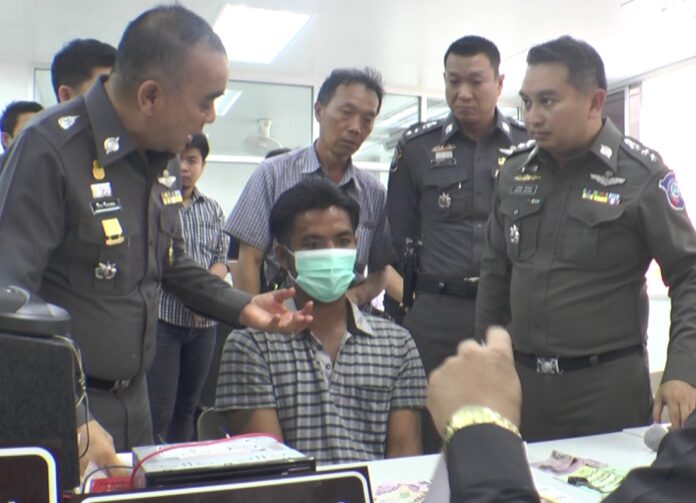
Police on Wednesday question Thanpisit Onraksa, seated, at Chachoengsao City Police Station.

CHACHOENGSAO — A Thai man was arrested Wednesday on suspicion of posing as a tourism official to rob a lost tourist seeking help in Chachoengsao province last week.

Thanpisit Onraksa, 31, reportedly confessed to police that on Jan. 5 he robbed the 61-year-old tourist from Hong Kong.

He was arrested after the victim contacted Chinese authorities who in turn alerted Thai police, according to Prasert Ngernyuang, commander of the national Tourist Police.

“He confessed,” Col. Prasert said. “We searched his house and recovered much of [his money]. He had spent some, but we recovered most of it.”

Police said Thanpisit approached the victim, Lee Guankin (transcribed from Thai text), who was lost at the provincial train station. Thanpisit allegedly introduced himself as a tourism official and offered to find accommodations for the man.

Instead police said he took the tourist to his own house and robbed him of HKD25,000 (about 114,000 baht), local police said.

Col. Thanpisit said the tourist is still in Thailand, and has already provided testimony at an advanced court hearing so he could return to Hong Kong when he wishes.

“The court allowed him to testify in advance so he wouldn’t have to waste his time coming to Thailand [for the trial],” the colonel said.

Advertisement

Find ‘La La Land’ in Bangkok at These 9 Jazz Bars

BANGKOK — With dream couple Ryan Gosling and Emma Stone’s retro romance seizing hearts and every Golden Globe it was nominated for, fingers have been snapping for “La La Land,” even before it was released in Thai theatres.

Thailand is no stranger to jazz, but that interest has been rekindled by the story of Mia, an ambitious barista with Hollywood dreams, and her introduction to jazz by Sebastian the pianist. The musical features an original score of more than a dozen jazz numbers including Golden Globe-winning “City of Stars,” sung by Gosling and Stone.

Read: ‘La La Land,’ ‘Moonlight’ Top Golden Globes

For those who left the rom-com musical’s 128 minutes wanting more, here are some fine places in Bangkok worth checking out to get in the mood again.

1Brown Sugar

Founded three decades ago near Lumphini Park, this jazz and blues bar now in Phra Nakhon has long ranked as one of the best in the city. Local and international acts play regularly, including performers from reality singing competition “The Voice” and a nine-piece band called Big to the Future, aka B2F.

Brown Sugar is located on Phra Sumen Road, only a kilometer from Khaosan Road. It’s closed Mondays.

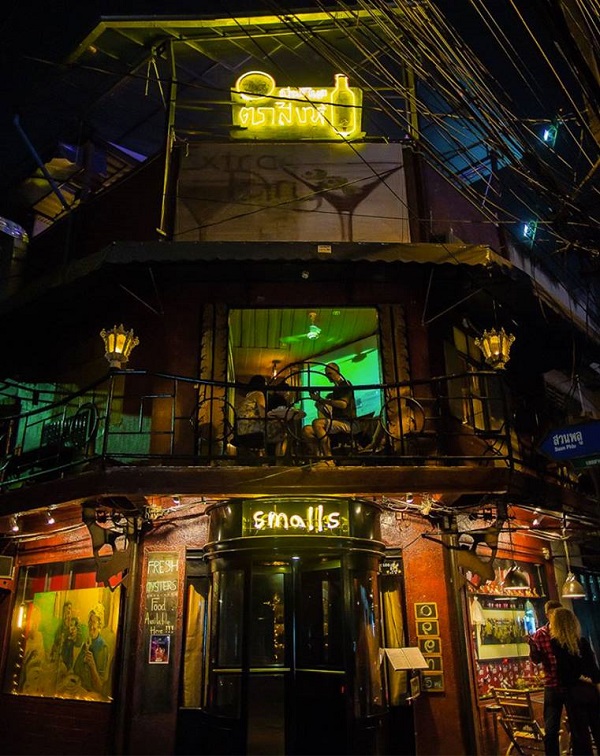
2Smalls

Photo: Smalls / Facebook

For some years now, this richly appointed three-floor bar has been a hip venue for Bangkok night owls with a reliable flow of fine cocktails and music. The upper levels and roof are a bit more laid-back, with people drinking and talking.

Smalls sits on the corner of Soi Suan Phlu 1. Take a cab or moto from MRT Lumphini or BTS Chong Nonsi.

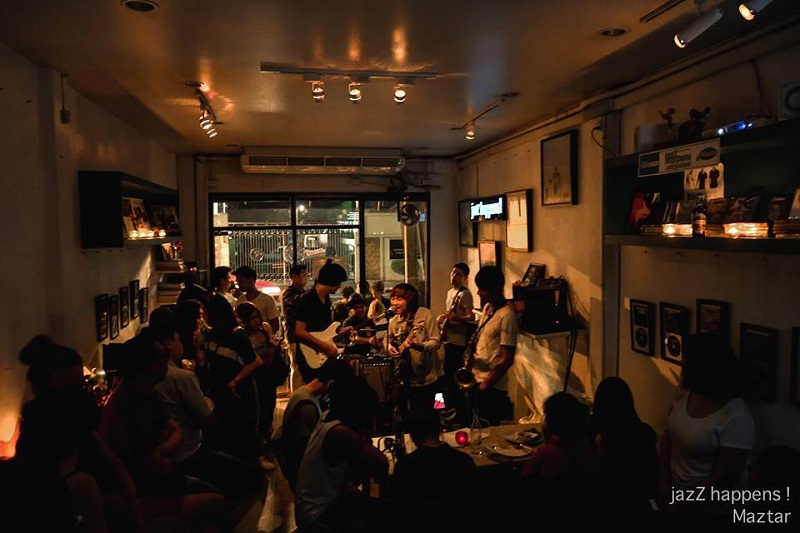
3Jazz Happens

Photo: Jazz Happens / Facebook

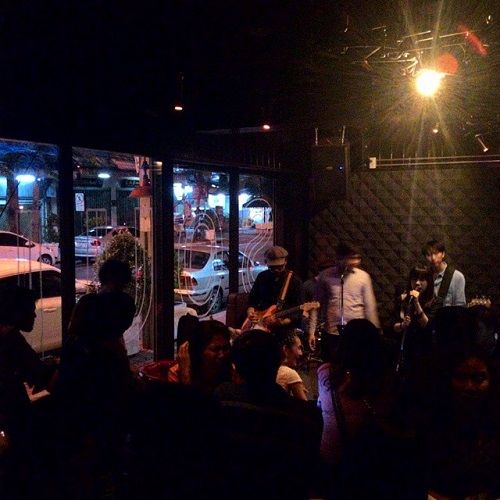
Inside a two-floor shophouse-bar on Phra Athit Road, Jazz Happens was founded by a group of music lecturers at Silpakorn University and remains a friendly, groovy atmosphere with a few menu items from Singha beer to grilled pork neck.

The venue recruits music students and up-and-coming artists such as Rasmee Isan Soul, a singer-songwriter with northeastern roots who mixes mor lam and Soul.

4Saxophone Pub and Restaurant

Photo: Saxophone Pub and Restaurant / Facebook

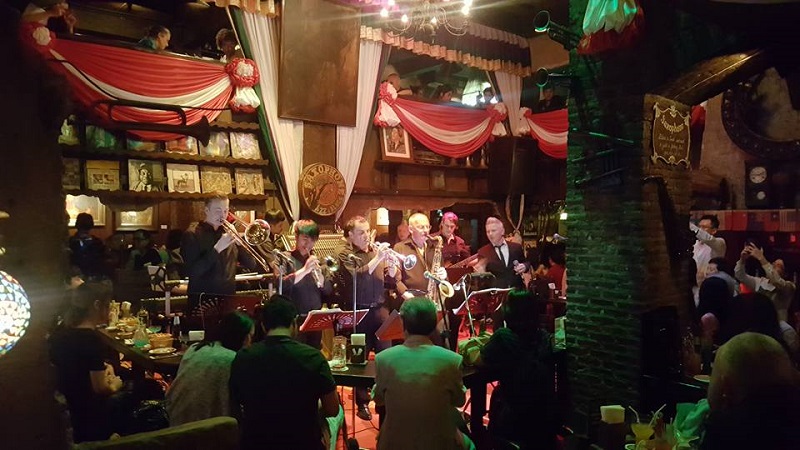
For great jazz, a big meal and bigger sound, this two-floor jazz bar in European style serves a rocking vibe along with Thai dishes and drinks. The must-hear regulars include Koh Mr. Saxman, Lek T-Bone, The Emergency, Neung Jakkawal and many more.

Saxophone Pub and Restaurant can be reached by foot from BTS Victory Monument’s exit No. 4.

5Soul Bar

Photo: Soul Bar / Facebook

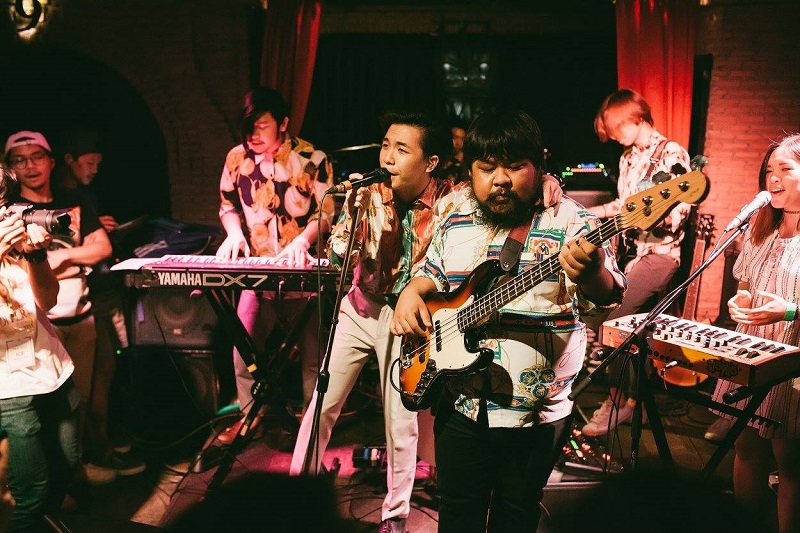
Nestled in Charoen Krung’s Talad Noi neighborhood, Soul Bar features the tasteful sounds of soul, funk and jazz. Make sure to grab a beer to enjoy with the complimentary crispy fried bananas.

Guest acts take the stage along with four house bands: Mother Fucky Band, Bank the Voice and NRG Band, Supergoods and The Lowdowns. Live music plays 9pm until late Wednesday through Saturday.

6Evil Man Blues

Photo: Evil Man Blues / Facebook

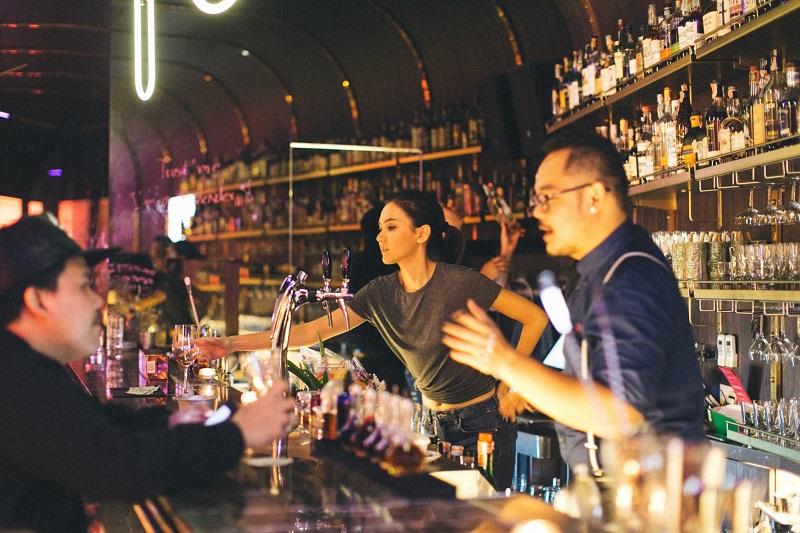
Step into a neon-lit cocktail bar in Thonglor to get in the mood for the American 60s.

The bar plays funk, R&B and old school hip-hop while jazz is given sound Wednesday through Saturday nights by jazz guitarist Dan Phillips and the Bangkok Edge Quartet.

Evil Man Blues is on the ground floor of Thonglor’s community mall 72 Courtyard located on Soi Sukhumvit 55, a short motorbike ride from BTS Thong Lo.

7Maggie Choo’s

Photo: Maggie Choo’s / Facebook

Be impressed by the 1920s Shanghai speakeasy theme, cocktails and more at this theme basement-level bar on lower Silom Road.

Live performances go off every night, ranging from jazz bands, costumed dolls on swings, drag queen shows and more, all amid the underground ambience.

Maggie Choo is in the basement of the Novotel Fenix Silom hotel and can be reached by taxi from BTS Surasak, BTS Chong Nonsi or MRT Silom.

8The Iron Fairies

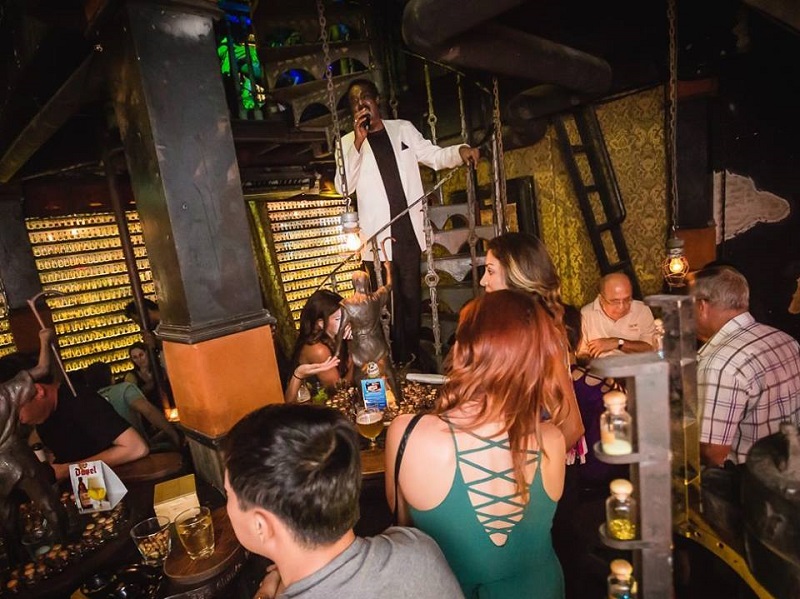
Photo: The Iron Fairies / Facebook

Head to this fairytale-themed bar on Mondays for open-mic night. While jazz bands are available on the mezzanine nightly, sometimes the singer descends the spiral staircase to make a scene. For an unforgettable night you may not remember, try the absinthe martini.

The Iron Fairies is located on Soi Sukhumvit 55 at Soi Thong Lo 14. Hop on a motorbike from BTS Thong Lo.

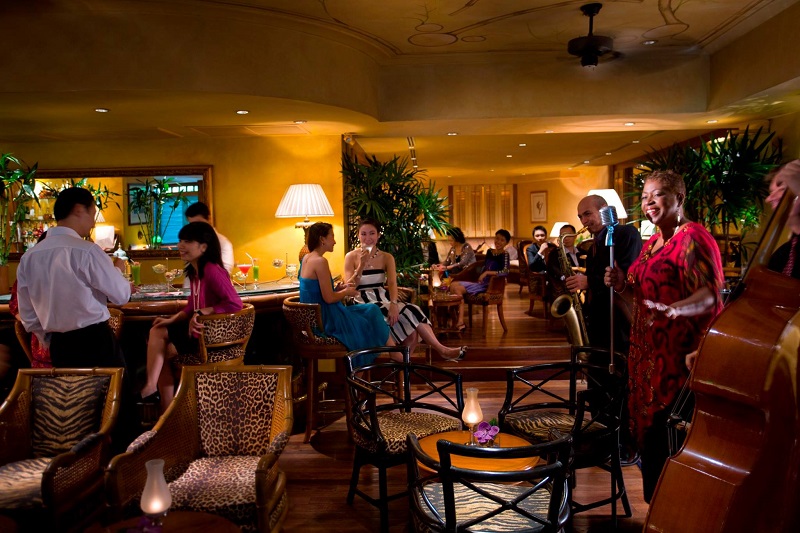
9Bamboo Bar

Photo: The Bamboo Bar at Mandarin Oriental, Bangkok / Facebook

It’s fancy, definitely high on the hi-so meter, and with 64 years of history, the oldest jazz bar in Bangkok.

Said to have hosted top talents such as Ray Charles, Eric Clapton, Louise Armstrong and Mick Jagger, Bamboo Bar sets a high bar for expectations. Live bands start at 9pm every night. Dress smart.

Bamboo Bar is located inside the Mandarin Oriental Hotel by the river on Soi Charoen Krung 40.

Thai Teacher’s Tale of Injustice Ignites Public Sympathies

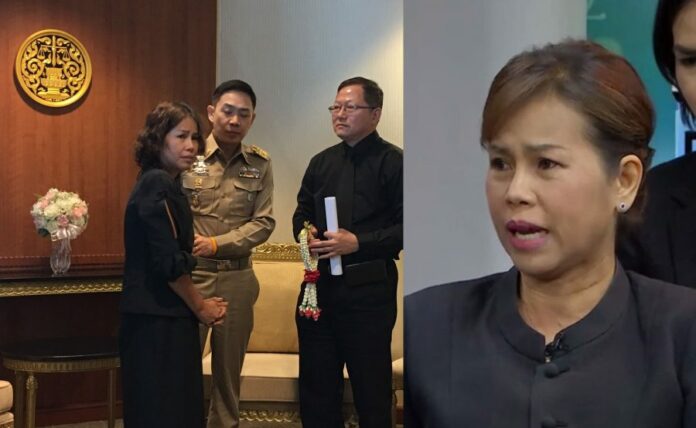
At left, Jomsup Saenmuangkot in a Tuesday night appearance on Channel X. At right, she meets with officers at the Ministry of Justice on Monday.

BANGKOK — A teacher imprisoned for a year and a half for killing a motorcyclist on the road has gone public with a story of injustice and police incompetence that a court will soon hear.

Professing her innocence ever since being blamed for a fatal road accident a dozen years ago, Jomsap Saenmuangkot alleges a rigged system resulted in her being wrongfully imprisoned two years ago in a case police willfully ignored evidence to win her conviction.

“When I was going into jail, I thought, ‘Thailand, Thailand, why are you like this?’” Jomsap said in a televised interview Tuesday night, tearing up. “I sometimes thought about drinking floor cleaner in jail.”

The difference now is that Jomsap isn’t alone. Her claim of innocence has the support of justice officials, officers with the Department of Special Investigation and legal advocates who agree she got a bum rap.

Now she’s seeking compensation for wrongful imprisonment nearly 12 years after she was implicated in a fatal hit-and-run accident that would turn into a eight-year legal battle ending with her sentenced to more than three years in jail in late 2013.

In a nation frequently captivated by stories of gross injustice, Jomsap’s appearances on a variety of television programs discussing her case has garnered great public sympathy.

“The most despicable thing about the justice system is jailing the innocent. One life has been completely destroyed, nothing can heal that,” wrote user Nattapol Sinthaweewat on a discussion of Jomsap’s case in the popular Drama-addict group on Facebook.

As she has recounted, the schoolteacher was at home watching television in Sakon Nakhon province on March 11, 2005, when the road accident she would be implicated for occurred a province away in Nakhon Phanom.

A witness at the scene reported the car’s license plate to the police, but officers ignored the fact it also matched another plate registered in another province. They also may have ignored witness testimony the driver was a large man in a green truck – Jomsap drove a brown car – to win her conviction.

Thai justice comes down hardest on those who refuse to confess, and it made things worse for Jomsap when she refused to do so in exchange for a lighter sentence.

“I believed I was innocent. If I did that, then the real criminal would get away. I wouldn’t do it,” Jomsap said on Amarin TV’s Different People, Different Opinions show.

After her Sept. 24, 2013, conviction, Jomsap’s friends sought help from the Justice Ministry to find evidence which would exonerate her. She likely would have served the full term were it not for a royal pardon on April 3, 2015.

Rojana Jantrut, Jomsap’s childhood friend, said she and officers from the DSI tracked down the real perpetrator, who turned out to be a “man of wealth.”

“He didn’t know that a teacher would go to jail instead of him. He quickly confessed that he had killed someone in a road accident in ‘05,” Rojana said on the program.

On Wednesday, Kasem Mutaporn of Nakhon Phanom police confirmed that a man named Sap Wapee confessed just over a year ago.

“He will give his testimony at the court on the 16th,” Col. Kasem said.

A new trial to clear Jomsap’s name and determine whether she should be compensated is scheduled for Jan. 16. Under the law, convicts later found to have been wrongfully jailed are eligible to receive 500 baht per day they spent behind bars, along with a maximum 50,000 baht for physical and mental rehabilitation and up to 40,000 for medical fees.

Jomsap said irreparable damage has been done to her life. While in jail, her oldest child died, the cost of her defense forced her second child to drop out of university, and her husband left her.

The veteran teacher is also seeking to be reinstated at the school which fired her over the matter.

Despite or even because of what happened, she said the public is also to blame for going along with a corrupt system.

“When other prisoners would ask me why I didn’t just bribe the police with money so I wouldn’t have any trouble, I got really sad. Why do most people think like this? Why do people choose the easy way out?” she said on the show.

Advertisement

Kids Ride Free on BTS & MRT This Saturday

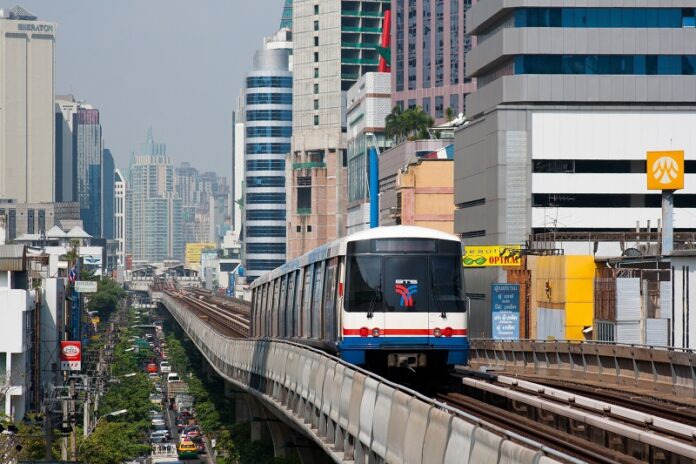
Bangkok's BTS Skystrain seen here in 2010. Photo: Ilya Plekhanov / Wikimedia Commons

BANGKOK — Parents can go bring their little monsters around town for free Saturday as commuter rail systems will offer free rides for children on the national holiday celebrating the young.

Parents with children under 140-centimeters tall can take them up to the BTS Skytrain or down to the MRT subway for the cost of nothing – all day long.

Parents can get free passes at the ticket booths of all stations.

Related stories:
Leap, Learn, Play: 8 Things to do on Children’s Day

Advertisement

Samsung Heir Named Suspect in South Korean Political Scandal

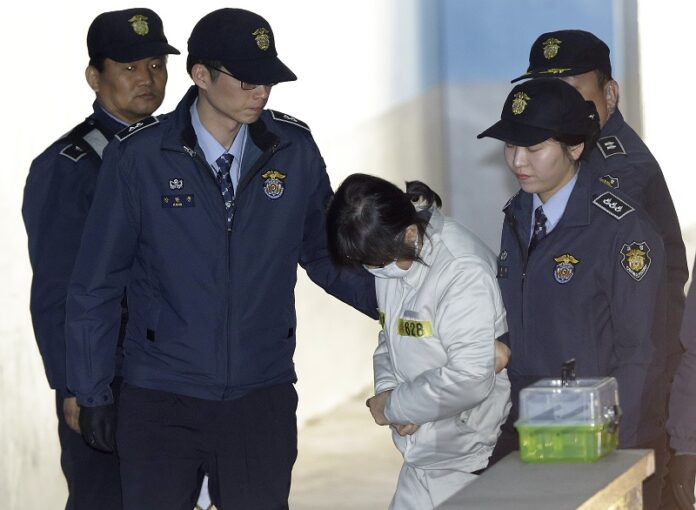
Choi Soon-sil, center, disgraced South Korean President Park Geun-hye's longtime friend at the center of a massive corruption scandal, arrives for her trial Wednesday at the Seoul Central District Court in Seoul, South Korea. Photo: Ahn Young-joon / Associated Press

SEOUL, South Korea — South Korean authorities say a Samsung scion will be questioned as a suspect in a bribery case in the massive influence-peddling scandal that led to the president’s impeachment.

Prosecutors said Wednesday that Lee Jae-yong, Samsung Electronics’ vice chairman, will be summoned to face questions by investigators probing whether South Korea’s largest business group bribed a jailed confidante of President Park Geun-hye to win favors.

Those possible favors include getting the government’s backing on a controversial Samsung merger in 2015 that was opposed by minority shareholders. Lee and members of his family were the biggest beneficiaries of the merger.

Prosecutors are expected to grill Lee starting Thursday regarding why Samsung Group sent corporate funds to Choi (pronounced Chwey) Soon-sil, the jailed confidante, including buying costly horses for her daughter.

Advertisement

Pattaya Woman Accused of Pimping Underage Girl

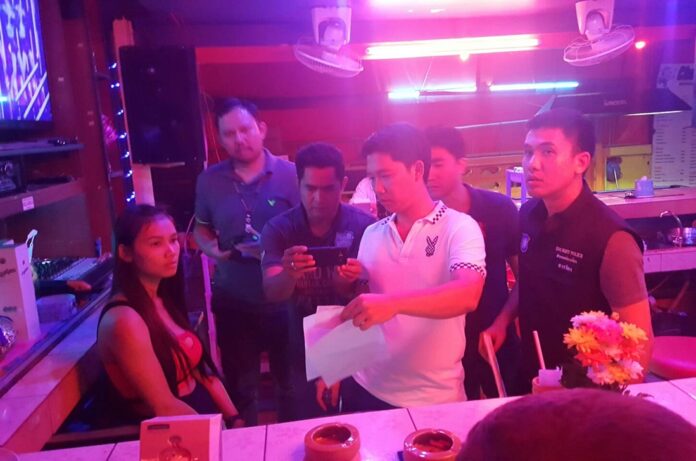
Police officers question Wannida Man-in, 24, upon her arrest on Tuesday night at Relax Bar.

PATTAYA — A bar owner in the resort town of Pattaya was arrested Tuesday night on suspicion of forcing a minor into prostitution at an establishment police said served a foreign clientele.

Wannida Man-in, 24, allegedly ran the illicit business on the second flood of Relax Bar in Soi Buakhao, according to Pattaya police chief Apichai Klobpetch. Wannida pimped out the 17-year-old girl exclusively to foreigners, Col. Apichai said Wednesday.

“She only accepted foreign clients, both farang and Asians,” Apichai said. “They didn’t serve Thais.”

Apichai said officers raided the bar on a tip. He said Wannida claimed the girl voluntarily asked for the job, and she did not know she was a minor.

Wannida was charged with human trafficking, pandering and running a bar without a permit. The court denied her bail on Wednesday, Apichai said.

The girl was reportedly sent to a state-run shelter home in Chonburi province.

Asked whether any foreign clients would be prosecuted, Apichai said police were trying to find them, but the girl told him she could not remember any names.

“She said she couldn’t remember. There were some Europeans, but she couldn’t remember their names,” the colonel said.

Although prostitution is illegal in Thailand, it is widespread in Pattaya’s red-light district.

Advertisement

Obama’s Farewell Speech, in Full

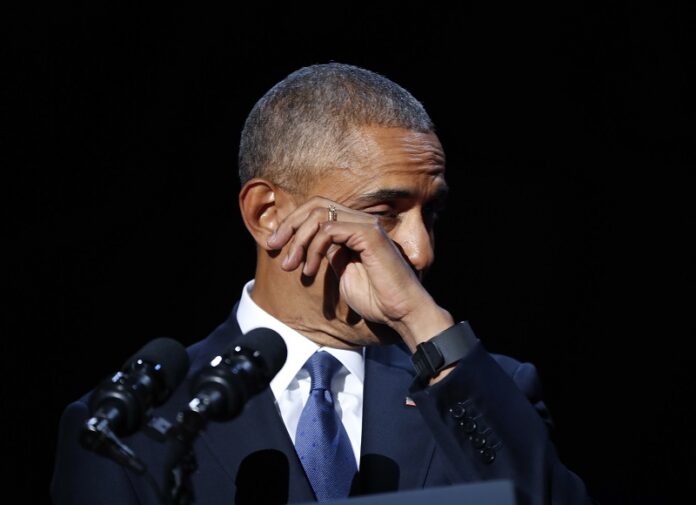
President Barack Obama wipes away tears while speaking during his farewell address Tuesday at McCormick Place in Chicago. Photo: Pablo Martinez Monsivais / Associated Press

It’s good to be home. My fellow Americans, Michelle and I have been so touched by all the well-wishes we’ve received over the past few weeks. But tonight it’s my turn to say thanks. Whether we’ve seen eye-to-eye or rarely agreed at all, my conversations with you, the American people – in living rooms and schools; at farms and on factory floors; at diners and on distant outposts  are what have kept me honest, kept me inspired, and kept me going. Every day, I learned from you. You made me a better President, and you made me a better man.

I first came to Chicago when I was in my early twenties, still trying to figure out who I was; still searching for a purpose to my life. It was in neighborhoods not far from here where I began working with church groups in the shadows of closed steel mills. It was on these streets where I witnessed the power of faith, and the quiet dignity of working people in the face of struggle and loss. This is where I learned that change only happens when ordinary people get involved, get engaged, and come together to demand it.

After eight years as your President, I still believe that. And it’s not just my belief. It’s the beating heart of our American idea  our bold experiment in self-government.

It’s the conviction that we are all created equal, endowed by our Creator with certain unalienable rights, among them life, liberty, and the pursuit of happiness.

It’s the insistence that these rights, while self-evident, have never been self-executing; that We, the People, through the instrument of our democracy, can form a more perfect union.

This is the great gift our Founders gave us. The freedom to chase our individual dreams through our sweat, toil, and imagination  and the imperative to strive together as well, to achieve a greater good.

For 240 years, our nation’s call to citizenship has given work and purpose to each new generation. It’s what led patriots to choose republic over tyranny, pioneers to trek west, slaves to brave that makeshift railroad to freedom. It’s what pulled immigrants and refugees across oceans and the Rio Grande, pushed women to reach for the ballot, powered workers to organize. It’s why GIs gave their lives at Omaha Beach and Iwo Jima; Iraq and Afghanistan  and why men and women from Selma to Stonewall were prepared to give theirs as well.

So that’s what we mean when we say America is exceptional. Not that our nation has been flawless from the start, but that we have shown the capacity to change, and make life better for those who follow.

Yes, our progress has been uneven. The work of democracy has always been hard, contentious and sometimes bloody. For every two steps forward, it often feels we take one step back. But the long sweep of America has been defined by forward motion, a constant widening of our founding creed to embrace all, and not just some.

If I had told you eight years ago that America would reverse a great recession, reboot our auto industry, and unleash the longest stretch of job creation in our history . if I had told you that we would open up a new chapter with the Cuban people, shut down Iran’s nuclear weapons program without firing a shot, and take out the mastermind of 9/11. if I had told you that we would win marriage equality, and secure the right to health insurance for another 20 million of our fellow citizens  you might have said our sights were set a little too high.

But that’s what we did. That’s what you did. You were the change. You answered people’s hopes, and because of you, by almost every measure, America is a better, stronger place than it was when we started.

In ten days, the world will witness a hallmark of our democracy: the peaceful transfer of power from one freely-elected president to the next. I committed to President-Elect Trump that my administration would ensure the smoothest possible transition, just as President Bush did for me. Because it’s up to all of us to make sure our government can help us meet the many challenges we still face.

We have what we need to do so. After all, we remain the wealthiest, most powerful, and most respected nation on Earth. Our youth and drive, our diversity and openness, our boundless capacity for risk and reinvention mean that the future should be ours.

But that potential will be realized only if our democracy works. Only if our politics reflects the decency of the people. Only if all of us, regardless of our party affiliation or particular interest, help restore the sense of common purpose that we so badly need right now.

That’s what I want to focus on tonight – the state of our democracy.

Understand, democracy does not require uniformity. Our founders quarreled and compromised, and expected us to do the same. But they knew that democracy does require a basic sense of solidarity  the idea that for all our outward differences, we are all in this together; that we rise or fall as one.

There have been moments throughout our history that threatened to rupture that solidarity. The beginning of this century has been one of those times. A shrinking world, growing inequality; demographic change and the specter of terrorism  these forces haven’t just tested our security and prosperity, but our democracy as well. And how we meet these challenges to our democracy will determine our ability to educate our kids, and create good jobs, and protect our homeland.

In other words, it will determine our future.

Our democracy won’t work without a sense that everyone has economic opportunity. Today, the economy is growing again; wages, incomes, home values, and retirement accounts are rising again; poverty is falling again. The wealthy are paying a fairer share of taxes even as the stock market shatters records. The unemployment rate is near a ten-year low. The uninsured rate has never, ever been lower. Health care costs are rising at the slowest rate in fifty years. And if anyone can put together a plan that is demonstrably better than the improvements we’ve made to our health care system  that covers as many people at less cost – I will publicly support it.

That, after all, is why we serve  to make people’s lives better, not worse.

But for all the real progress we’ve made, we know it’s not enough. Our economy doesn’t work as well or grow as fast when a few prosper at the expense of a growing middle class. But stark inequality is also corrosive to our democratic principles. While the top one percent has amassed a bigger share of wealth and income, too many families, in inner cities and rural counties, have been left behind  the laid-off factory worker; the waitress and health care worker who struggle to pay the bills  convinced that the game is fixed against them, that their government only serves the interests of the powerful  a recipe for more cynicism and polarization in our politics.

There are no quick fixes to this long-term trend. I agree that our trade should be fair and not just free. But the next wave of economic dislocation won’t come from overseas. It will come from the relentless pace of automation that makes many good, middle-class jobs obsolete.

And so we must forge a new social compact – to guarantee all our kids the education they need; to give workers the power to unionize for better wages; to update the social safety net to reflect the way we live now and make more reforms to the tax code so corporations and individuals who reap the most from the new economy don’t avoid their obligations to the country that’s made their success possible. We can argue about how to best achieve these goals. But we can’t be complacent about the goals themselves. For if we don’t create opportunity for all people, the disaffection and division that has stalled our progress will only sharpen in years to come.

There’s a second threat to our democracy – one as old as our nation itself. After my election, there was talk of a post-racial America. Such a vision, however well-intended, was never realistic. For race remains a potent and often divisive force in our society. I’ve lived long enough to know that race relations are better than they were ten, or twenty, or thirty years ago  you can see it not just in statistics, but in the attitudes of young Americans across the political spectrum.

But we’re not where we need to be. All of us have more work to do. After all, if every economic issue is framed as a struggle between a hardworking white middle class and undeserving minorities, then workers of all shades will be left fighting for scraps while the wealthy withdraw further into their private enclaves. If we decline to invest in the children of immigrants, just because they don’t look like us, we diminish the prospects of our own children – because those brown kids will represent a larger share of America’s workforce. And our economy doesn’t have to be a zero-sum game. Last year, incomes rose for all races, all age groups, for men and for women.

Going forward, we must uphold laws against discrimination – in hiring, in housing, in education and the criminal justice system. That’s what our Constitution and highest ideals require. But laws alone won’t be enough. Hearts must change. If our democracy is to work in this increasingly diverse nation, each one of us must try to heed the advice of one of the great characters in American fiction, Atticus Finch, who said “You never really understand a person until you consider things from his point of view.until you climb into his skin and walk around in it.”

For blacks and other minorities, it means tying our own struggles for justice to the challenges that a lot of people in this country face – the refugee, the immigrant, the rural poor, the transgender American, and also the middle-aged white man who from the outside may seem like he’s got all the advantages, but who’s seen his world upended by economic, cultural, and technological change.

For white Americans, it means acknowledging that the effects of slavery and Jim Crow didn’t suddenly vanish in the ’60s; that when minority groups voice discontent, they’re not just engaging in reverse racism or practicing political correctness; that when they wage peaceful protest, they’re not demanding special treatment, but the equal treatment our Founders promised.

For native-born Americans, it means reminding ourselves that the stereotypes about immigrants today were said, almost word for word, about the Irish, Italians, and Poles. America wasn’t weakened by the presence of these newcomers; they embraced this nation’s creed, and it was strengthened.

So regardless of the station we occupy; we have to try harder; to start with the premise that each of our fellow citizens loves this country just as much as we do; that they value hard work and family like we do; that their children are just as curious and hopeful and worthy of love as our own.

None of this is easy. For too many of us, it’s become safer to retreat into our own bubbles, whether in our neighborhoods or college campuses or places of worship or our social media feeds, surrounded by people who look like us and share the same political outlook and never challenge our assumptions. The rise of naked partisanship, increasing economic and regional stratification, the splintering of our media into a channel for every taste  all this makes this great sorting seem natural, even inevitable. And increasingly, we become so secure in our bubbles that we accept only information, whether true or not, that fits our opinions, instead of basing our opinions on the evidence that’s out there.

This trend represents a third threat to our democracy. Politics is a battle of ideas; in the course of a healthy debate, we’ll prioritize different goals, and the different means of reaching them. But without some common baseline of facts; without a willingness to admit new information, and concede that your opponent is making a fair point, and that science and reason matter, we’ll keep talking past each other, making common ground and compromise impossible.

Isn’t that part of what makes politics so dispiriting? How can elected officials rage about deficits when we propose to spend money on preschool for kids, but not when we’re cutting taxes for corporations? How do we excuse ethical lapses in our own party, but pounce when the other party does the same thing? It’s not just dishonest, this selective sorting of the facts; it’s self-defeating. Because as my mother used to tell me, reality has a way of catching up with you.

Take the challenge of climate change. In just eight years, we’ve halved our dependence on foreign oil, doubled our renewable energy, and led the world to an agreement that has the promise to save this planet. But without bolder action, our children won’t have time to debate the existence of climate change; they’ll be busy dealing with its effects: environmental disasters, economic disruptions, and waves of climate refugees seeking sanctuary.

Now, we can and should argue about the best approach to the problem. But to simply deny the problem not only betrays future generations; it betrays the essential spirit of innovation and practical problem-solving that guided our Founders.

It’s that spirit, born of the Enlightenment, that made us an economic powerhouse – the spirit that took flight at Kitty Hawk and Cape Canaveral; the spirit that that cures disease and put a computer in every pocket.

It’s that spirit – a faith in reason, and enterprise, and the primacy of right over might, that allowed us to resist the lure of fascism and tyranny during the Great Depression, and build a post-World War II order with other democracies, an order based not just on military power or national affiliations but on principles – the rule of law, human rights, freedoms of religion, speech, assembly, and an independent press.

That order is now being challenged – first by violent fanatics who claim to speak for Islam; more recently by autocrats in foreign capitals who see free markets, open democracies, and civil society itself as a threat to their power. The peril each poses to our democracy is more far-reaching than a car bomb or a missile. It represents the fear of change; the fear of people who look or speak or pray differently; a contempt for the rule of law that holds leaders accountable; an intolerance of dissent and free thought; a belief that the sword or the gun or the bomb or propaganda machine is the ultimate arbiter of what’s true and what’s right.

Because of the extraordinary courage of our men and women in uniform, and the intelligence officers, law enforcement, and diplomats who support them, no foreign terrorist organization has successfully planned and executed an attack on our homeland these past eight years; and although Boston and Orlando remind us of how dangerous radicalization can be, our law enforcement agencies are more effective and vigilant than ever. We’ve taken out tens of thousands of terrorists – including Osama bin Laden. The global coalition we’re leading against ISIL has taken out their leaders, and taken away about half their territory. ISIL will be destroyed, and no one who threatens America will ever be safe. To all who serve, it has been the honor of my lifetime to be your Commander-in-Chief.

But protecting our way of life requires more than our military. Democracy can buckle when we give in to fear. So just as we, as citizens, must remain vigilant against external aggression, we must guard against a weakening of the values that make us who we are. That’s why, for the past eight years, I’ve worked to put the fight against terrorism on a firm legal footing. That’s why we’ve ended torture, worked to close Gitmo, and reform our laws governing surveillance to protect privacy and civil liberties. That’s why I reject discrimination against Muslim Americans. That’s why we cannot withdraw from global fights  to expand democracy, and human rights, women’s rights, and LGBT rights  no matter how imperfect our efforts, no matter how expedient ignoring such values may seem. For the fight against extremism and intolerance and sectarianism are of a piece with the fight against authoritarianism and nationalist aggression. If the scope of freedom and respect for the rule of law shrinks around the world, the likelihood of war within and between nations increases, and our own freedoms will eventually be threatened.

So let’s be vigilant, but not afraid. ISIL will try to kill innocent people. But they cannot defeat America unless we betray our Constitution and our principles in the fight. Rivals like Russia or China cannot match our influence around the world  unless we give up what we stand for, and turn ourselves into just another big country that bullies smaller neighbors.

Which brings me to my final point – our democracy is threatened whenever we take it for granted. All of us, regardless of party, should throw ourselves into the task of rebuilding our democratic institutions. When voting rates are some of the lowest among advanced democracies, we should make it easier, not harder, to vote. When trust in our institutions is low, we should reduce the corrosive influence of money in our politics, and insist on the principles of transparency and ethics in public service. When Congress is dysfunctional, we should draw our districts to encourage politicians to cater to common sense and not rigid extremes.

And all of this depends on our participation; on each of us accepting the responsibility of citizenship, regardless of which way the pendulum of power swings.

Our Constitution is a remarkable, beautiful gift. But it’s really just a piece of parchment. It has no power on its own. We, the people, give it power – with our participation, and the choices we make. Whether or not we stand up for our freedoms. Whether or not we respect and enforce the rule of law. America is no fragile thing. But the gains of our long journey to freedom are not assured.

In his own farewell address, George Washington wrote that self-government is the underpinning of our safety, prosperity, and liberty, but “from different causes and from different quarters much pains will be taken.to weaken in your minds the conviction of this truth;” that we should preserve it with “jealous anxiety;” that we should reject “the first dawning of every attempt to alienate any portion of our country from the rest or to enfeeble the sacred ties” that make us one.

We weaken those ties when we allow our political dialogue to become so corrosive that people of good character are turned off from public service; so coarse with rancor that Americans with whom we disagree are not just misguided, but somehow malevolent. We weaken those ties when we define some of us as more American than others; when we write off the whole system as inevitably corrupt, and blame the leaders we elect without examining our own role in electing them.

It falls to each of us to be those anxious, jealous guardians of our democracy; to embrace the joyous task we’ve been given to continually try to improve this great nation of ours. Because for all our outward differences, we all share the same proud title: Citizen.

Ultimately, that’s what our democracy demands. It needs you. Not just when there’s an election, not just when your own narrow interest is at stake, but over the full span of a lifetime. If you’re tired of arguing with strangers on the internet, try to talk with one in real life. If something needs fixing, lace up your shoes and do some organizing. If you’re disappointed by your elected officials, grab a clipboard, get some signatures, and run for office yourself. Show up. Dive in. Persevere. Sometimes you’ll win. Sometimes you’ll lose. Presuming a reservoir of goodness in others can be a risk, and there will be times when the process disappoints you. But for those of us fortunate enough to have been a part of this work, to see it up close, let me tell you, it can energize and inspire. And more often than not, your faith in America – and in Americans  will be confirmed.

Mine sure has been. Over the course of these eight years, I’ve seen the hopeful faces of young graduates and our newest military officers. I’ve mourned with grieving families searching for answers, and found grace in Charleston church. I’ve seen our scientists help a paralyzed man regain his sense of touch, and our wounded warriors walk again. I’ve seen our doctors and volunteers rebuild after earthquakes and stop pandemics in their tracks. I’ve seen the youngest of children remind us of our obligations to care for refugees, to work in peace, and above all to look out for each other.

That faith I placed all those years ago, not far from here, in the power of ordinary Americans to bring about change – that faith has been rewarded in ways I couldn’t possibly have imagined. I hope yours has, too. Some of you here tonight or watching at home were there with us in 2004, in 2008, in 2012 – and maybe you still can’t believe we pulled this whole thing off.

You’re not the only ones. Michelle – for the past twenty-five years, you’ve been not only my wife and mother of my children, but my best friend. You took on a role you didn’t ask for and made it your own with grace and grit and style and good humor. You made the White House a place that belongs to everybody. And a new generation sets its sights higher because it has you as a role model. You’ve made me proud. You’ve made the country proud.

Malia and Sasha, under the strangest of circumstances, you have become two amazing young women, smart and beautiful, but more importantly, kind and thoughtful and full of passion. You wore the burden of years in the spotlight so easily. Of all that I’ve done in my life, I’m most proud to be your dad.

To Joe Biden, the scrappy kid from Scranton who became Delaware’s favorite son: you were the first choice I made as a nominee, and the best. Not just because you have been a great Vice President, but because in the bargain, I gained a brother. We love you and Jill like family, and your friendship has been one of the great joys of our life.

To my remarkable staff: For eight years – and for some of you, a whole lot more – I’ve drawn from your energy, and tried to reflect back what you displayed every day: heart, and character, and idealism. I’ve watched you grow up, get married, have kids, and start incredible new journeys of your own. Even when times got tough and frustrating, you never let Washington get the better of you. The only thing that makes me prouder than all the good we’ve done is the thought of all the remarkable things you’ll achieve from here.

And to all of you out there – every organizer who moved to an unfamiliar town and kind family who welcomed them in, every volunteer who knocked on doors, every young person who cast a ballot for the first time, every American who lived and breathed the hard work of change – you are the best supporters and organizers anyone could hope for, and I will forever be grateful. Because yes, you changed the world.

That’s why I leave this stage tonight even more optimistic about this country than I was when we started. Because I know our work has not only helped so many Americans; it has inspired so many Americans – especially so many young people out there – to believe you can make a difference; to hitch your wagon to something bigger than yourselves. This generation coming up – unselfish, altruistic, creative, patriotic – I’ve seen you in every corner of the country. You believe in a fair, just, inclusive America; you know that constant change has been America’s hallmark, something not to fear but to embrace, and you are willing to carry this hard work of democracy forward. You’ll soon outnumber any of us, and I believe as a result that the future is in good hands.

My fellow Americans, it has been the honor of my life to serve you. I won’t stop; in fact, I will be right there with you, as a citizen, for all my days that remain. For now, whether you’re young or young at heart, I do have one final ask of you as your President – the same thing I asked when you took a chance on me eight years ago.

I am asking you to believe. Not in my ability to bring about change – but in yours.

I am asking you to hold fast to that faith written into our founding documents; that idea whispered by slaves and abolitionists; that spirit sung by immigrants and homesteaders and those who marched for justice; that creed reaffirmed by those who planted flags from foreign battlefields to the surface of the moon; a creed at the core of every American whose story is not yet written:

Yes We Can.

Yes We Did.

Yes We Can.

Thank you. God bless you. And may God continue to bless the United States of America.

Advertisement

Trump Says His Business Is Great: Here’s A Guide to His Holdings

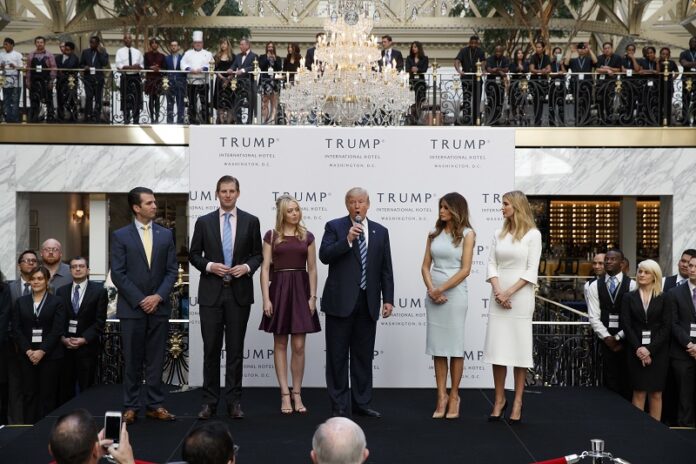
Republican President Elect Donald Trump, accompanied by, from left, Donald Trump Jr., Eric Trump, Trump, Melania Trump, Tiffany Trump and Ivanka Trump, speaks during the grand opening of the Trump International Hotel- Old Post Office, in October in Washington. Photo: Evan Vucci / Associated Press

NEW YORK — Donald Trump says his business is “great,” and you’ll have to trust him on that. One of the few things an outsider can know for sure is that it’s a complex and opaque hodgepodge of an empire scattered around the globe.

Trump has interests in 500 companies in about 20 countries. But many of them have no business operations and are just are shells set up to hold stakes in other companies, possibly to provide legal and tax protection.

A disclosure document in May listing the companies ran 104 pages, but revealed precious few details about how much each entity has borrowed, their profits, or purposes.

The details matter because government ethics experts note the possibility that Trump might be tempted to shape regulations, taxes and foreign policy to enrich himself or his business partners. Foreign governments could create plenty of trouble, too. They could seek to influence him by rewarding or punishing his business interests in their countries.

Trump has said he will separate from his business, but has provided few details on what that means. He is scheduled to discuss his plans at a news conference on Wednesday.

In a tweet last month, the president-elect said that “no deals will be done” while he is in office and that he will leave management of his company to two of his children, Donald Jr., 39, and Eric, 33, along with executives. As in his previous statements, he left open the possibility of retaining his ownership stake.

What makes the situation so perilous is that no modern U.S. president has owned so much, had it spread so far around the globe, and disclosed so little.

Still, plenty is known about his company, the Trump Organization.

– Trump’s business ties abroad sprawl, but it’s not clear they run deep. Trump owns little overseas. Since losing nearly everything in the 1990s from a debt-fueled foray into casinos, he’s preferred to take care of his money and strike royalty deals that entail little more than renting out his name.

– Not every Trump building is owned by him. Many residential buildings bear his name, but many apartments in them have been sold off years ago. This is true of Trump Tower on New York’s Fifth Avenue where he lives and works and through whose gilded lobby he has paraded his nominees for his cabinet.

– Ivanka, his 35-year-old daughter, is an executive vice president at the Trump Organization but also owns her own company selling clothes and jewelry. Her husband, Jared Kushner, is CEO of his family’s real estate business. On Monday, after he was appointed a senior adviser to Trump, Kushner promised to step down from that role and sell some assets to comply with federal ethics laws.

Below is a cheat-sheet of sorts on Trump’s holdings.

Over There

Trump has his name on hotels, residential towers and resorts around the globe, from South Korea and the Philippines in Asia to Uruguay in South America and Turkey in the Middle East.

In Indonesia, he struck a deal for use of his name and management services for a resort and residential building in Bali owed by the MNC Group, a real estate company run by a politically active businessman, Hary Tanoesoedibjo. In his May disclosure, Trump said he made between USD $1 million and USD $5 million in licensing fees for this deal in the prior 17 months, as well as for similar deals in Turkey, Panama, the Philippines and India.
His partner in the Philippines venture, E.B. Antonio, was recently named a “special envoy” to the U.S. by his country’s president. Trump faced criticism after India’s Economic Times reported that he held a meeting at Trump Tower in Manhattan shortly after the election with business partners in one of two Indian ventures, two residential towers in Pune in the western part of the country.
The Trump Organization said before the election that it was looking to enter new countries. In recent weeks it has been shedding some projects instead as the president-elect has come under pressure to separate from his business before assuming office.

Trump lawyer Alan Garten earlier this month said “exploratory” talks are off over a possible project in Pune, India, as well as one for five office towers in Buenos Aires, Argentina. The Buenos Aires project had been in the spotlight after media outlets reported that Trump tried to speed it along by mentioning it in a congratulatory postelection call from Argentine President Mauricio Macri. A Macri spokesman denied to The Associated Press that the subject even came up in the call.

The Trump Organization has also canceled licensing deals recently for hotels in Brazil, Azerbaijan and the neighboring country of Georgia.

Trump’s tax returns might shed more light on his businesses abroad, but he didn’t release them during the campaign, breaking decades of precedent. As president, he is not required to publish public financial disclosures until his second year in office.

Offices, Condos, Retails

Much of Trump’s wealth is in just four buildings, according to Forbes magazine, which has been tracking his holdings for 33 years. Three of them are in Manhattan  a wholly owned office building on Wall Street and stakes in Trump Tower on Fifth Avenue and an office tower nearby in midtown – and one is in San Francisco.

Forbes’ estimate for the four buildings, after subtracting out debt on them owed by Trump: USD $1.5 billion, or 40 percent of the president-elect’s USD $3.7 billion total net worth. (Trump estimates his net worth at more than USD $10 billion and says the value of his brand name alone is nearly as much as the Forbes’ tally of everything.)

Among many other properties, Trump also has investments in a Chicago hotel and one in Las Vegas and, of course, the new Trump International Hotel in Washington D.C. In the case of the latter, he doesn’t own the building, but rents it from the federal government.

Golf Clubs

Trump has been busy adding to his portfolio of golf properties in recent years, and here he has been risking his own money by taking ownership stakes. It’s a bold bet. The golf business in general is suffering as membership in clubs has fallen.

The Trump Organization has 17 golf courses in total. They include three in Florida, as well as links in California, New Jersey and New York. In 2014, Trump completed deals for Ireland’s Doonbeg golf club and Scotland’s Turnberry resort, the site of several British Opens. He has also struck deals to open two clubs in Dubai, United Arab Emirates.

Eric Trump, the president-elect’s son in charge of the courses, told the AP last year that they were doing “fantastically.” In his May disclosure, Trump reported USD $306 million in revenue from his courses, more than a third of that from the one in Doral, Florida.

Trump did not provide estimates of costs or profits from the courses, so it’s not clear how much they are bucking the industry trend, if at all.

Suits and Sofas, Wine and Cologne

Don’t think your “Make American Great Again” hat is quite enough? Not to worry.

You can wear Trump suits and ties, cufflinks and eyeglasses. You can dab yourself with “Success by Trump,” a cologne that his website advertises contains hints of coriander and musk.

You can drink Trump Natural Spring Water or Trump wine from his vineyard in Virginia. You can do that in a Trump chair, next to your Trump sofa and sideboard, while reading “Crippled America,” one of his many books.

Trump reported that the books alone generated between USD $1 million and USD $5 million in income over the 17 months prior to the May disclosure.

Other ventures aren’t faring as well. The Trump Entrepreneur Initiative, the new name of Trump University, a real estate seminar firm, reported USD $13,000 in income in the May disclosure. Trump announced after the election last year that he would pay USD $25 million to settle three lawsuits alleging fraud at the school, but says he did nothing wrong.

Story: Bernard Condon

Advertisement

More Flash Floods Expected as North-to-South Road Reopens

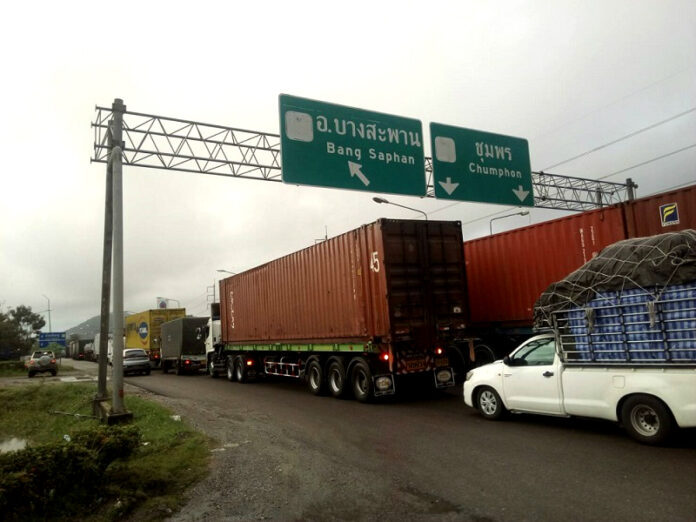
Traffic congestion as seen Wednesday morning on Phet Kasem Road in Prachuap Khiri Khan province.

BANGKOK — Highway access between the north and south of Thailand was reopened to service Wednesday after being cut off by heavy flooding, leaving thousands of people stranded, some for two days.

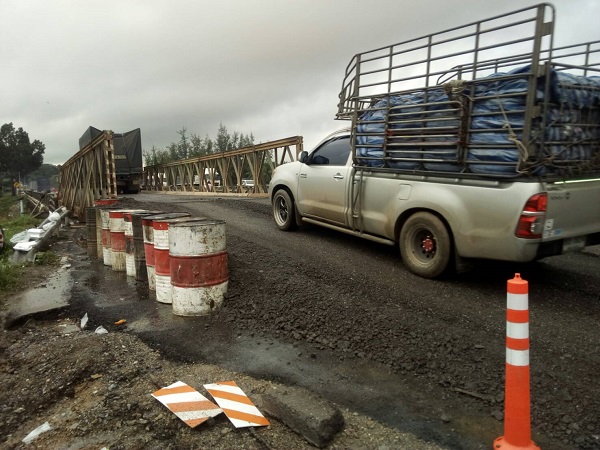
Southbound traffic was congested for at least 20 kilometers this morning along Phet Kasem Road as motorists sought to cross two bridges rebuilt after they were destroyed Tuesday by flash floods in the worst flooding crisis to hit the region in over a decade.

A destroyed bridge Tuesday morning in Prachuap Khiri Khan.

At least 31 people had been killed as of Wednesday morning, and thousands displaced in 12 southern provinces.

Heavy rains and flash floods were forecast to continue in the area.

The State Railway said track repairs were underway in Prachuap Khiri Khan province to restore rail service. The line is expected to reopen Thursday.

Nakhon Si Thammarat Airport will remain closed through Friday while inspections are conducted.

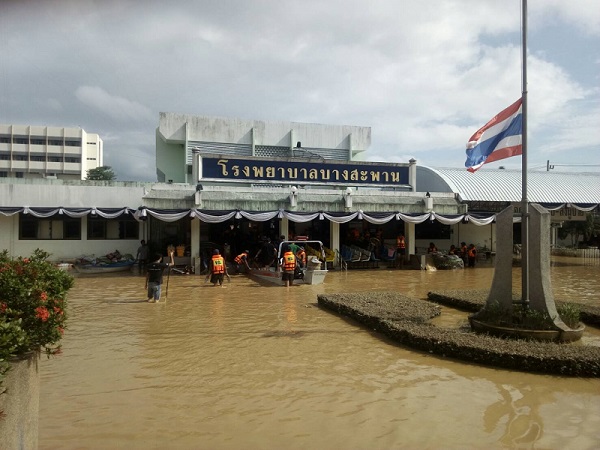
Water levels fell from a height of two meters to one meter at Prachuap’s Bang Saphan Hospital, where patients were evacuated Monday night due to flooding.

Prime Minister Prayuth Chan-ocha said Wednesday morning the government was still calculating the cost of the damage.

Traffic congestion along Phet Kasem Road in Prachuap Khiri Khan’s Bang Saphan district in a Facebook Live video.

A bridge was temporarily rebuilt Wednesday on Phet Kasem Road in Prachuap Khiri Khan province.
Water level fell from a height of two meters to one meter as of Wednesday morning at Bang Saphan Hospital in Prachuap Khiri Khan province.

Related stories:

Young Girl Drowns in Southern Flooding, Surprise Storm Lashes Bangkok

Reform Assembly Members Donate 5,000 Baht Each to Aid Flood Relief Efforts

19 Die as Floods Continue to Submerge South

Malls, Airport Closed as Worst Flood in Decades Hit South

Advertisement

Cop Denies Involvement in Love Triangle Kidnap-Murder

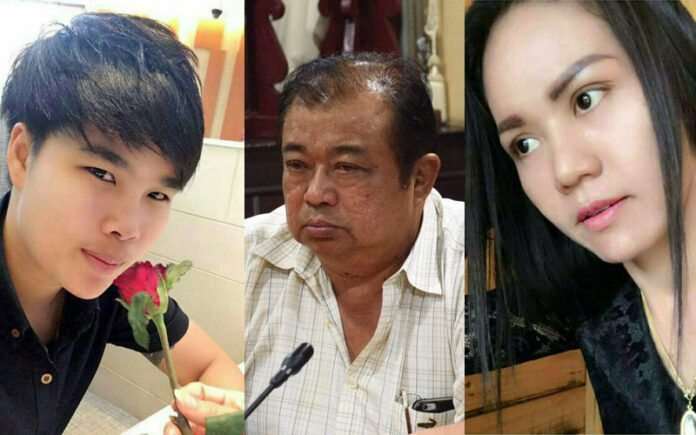
Police believe Suphaksorn Pontaisong, at far left, was kidnapped and murdered on the orders of Col. Amnuay Pongsawat, at center. Both were romantically involved with Kannika Krumrum, at right, who is also a suspect in Suphaksorn's disappearance.
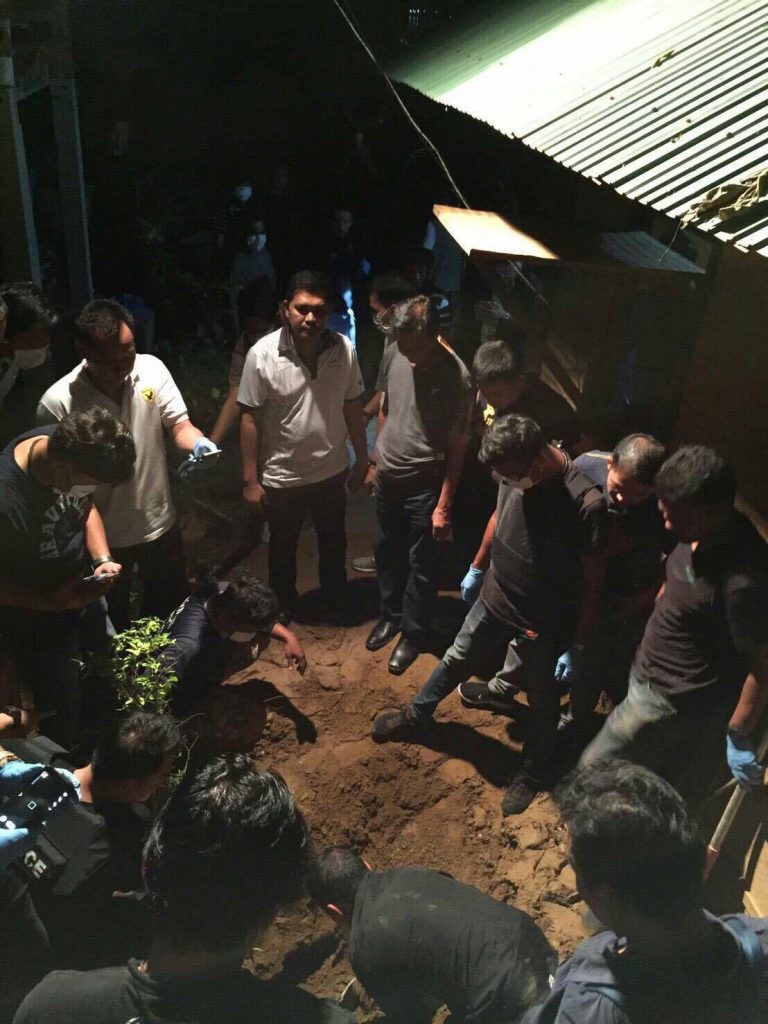
Officers exhume what they believe to be the body of murder victim Suphaksorn Pontaisong on Wednesday evening in Kanchanaburi province.

Update: Police announced just before 7pm they have found the body of Suphaksorn Pontaisong buried near the Baan Sitachana resort in Kanchanaburi province.

BANGKOK — A police station chief was being questioned Wednesday for allegedly ordering the kidnapping and possible murder of a woman in Bangkok last month with whom he was romantically involved.

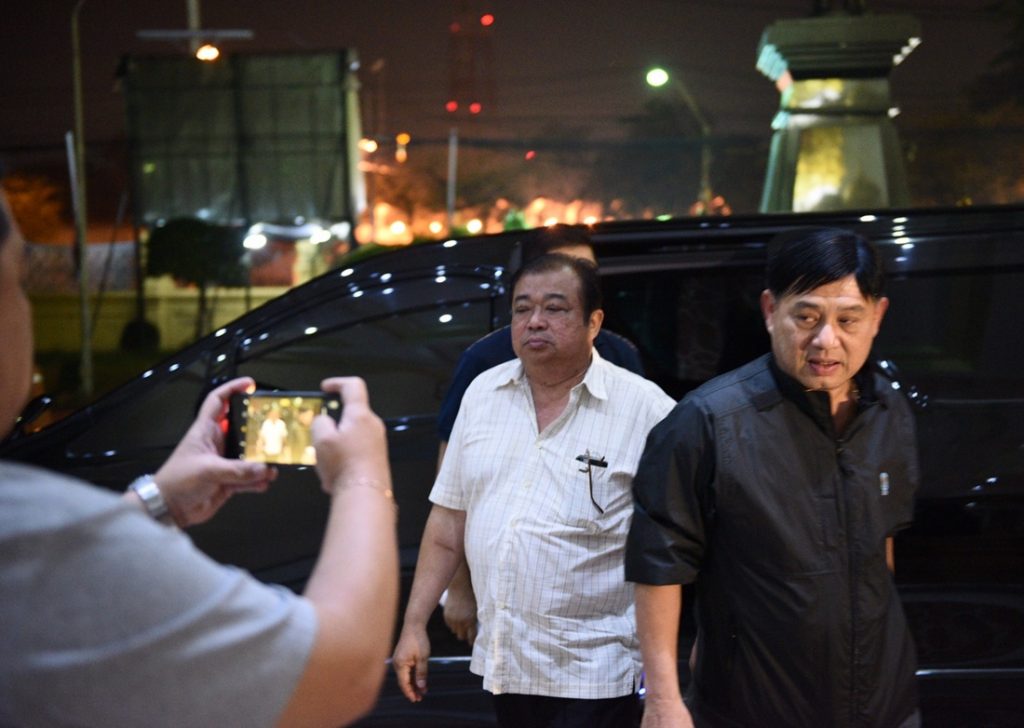
Col. Amnuay Pongsawat, who commanded the Banpong Police Station in Ratchaburi province, turned himself in hours after a warrant was issued for his arrest Tuesday night. The 59-year-old colonel denied all allegations, according to the police station chief assigned to the case.

“He denies everything,” Col. Thanasit Pansri said Wednesday.

Read more: Police Chief Wanted in Kidnap-Murder Plot Driven by Jealousy

Thanasit said police are looking for Amnuay’s alleged accomplices; one of them, Niwat Suaythong, 32, was arrested Wednesday, while five others remain on the run.

Police identified Amnuay as the person responsible for the disappearance of 28-year-old Suphaksorn Pontaisong, who they said was involved with the same woman he was. Suphaksorn was on the way to the restaurant-bar where the other woman worked as a singer when she was kidnapped Dec. 13 by a group of men on Petchkasem Road, police said.

A witness said she heard an accident, and when she went to look, saw Suphaksorn on the ground beside a motorcycle. Three men ordered into the vehicle saying they were taking her to a police station. She was never seen again.

Police officers said Tuesday they believe Suphaksorn is dead, presumably murdered after the kidnapping.

Among the six civilians wanted for the crime is Kannika Krumrum, 39, the woman said to be involved with both Suphaksorn and Amnuay.

For the alleged crimes, they have all been charged with premeditated murder, abduction and hiding or destroying a body.

Amnuay was being interrogated at the Bangkok Metropolitan Bureau headquarters as of Wednesday morning.

Bangkok police chief Sanit Mahatavorn said investigators will stick to the evidence in building their case against Amnuay and his alleged accomplices. He also blamed the media for publishing their arrest warrants, which he said helped them flee before they could be apprehended.

Col. Amnuay Pongsawat arrives at the headquarters of Bangkok Metropolitan Bureau on Tuesday night.
Advertisement

Hot News

LATEST NEWS

Bangkok
overcast clouds
35.9 ° C
36.6 °
33.3 °
56 %
4.4kmh
94 %
Tue
35 °
Wed
34 °
Thu
35 °
Fri
31 °
Sat
31 °