
































30.2 C
Bangkok
Tuesday, June 9, 2026
Home Blog Page 466

US Defense Chief Regrets China’s Decision Not to Meet During Southeast Asian Security Talks

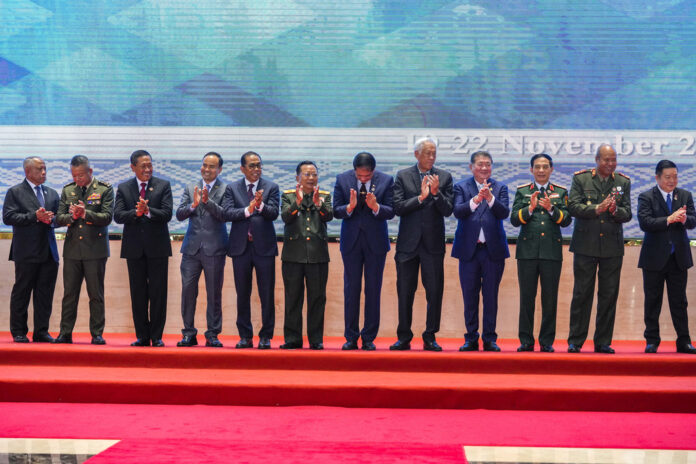
From left, Brunei's Defense Minister II Halbi bin Haji Mohd Yussof, Cambodian Defense Minister Tea Seiha, Indonesian Vice Defense Minister Donny Ermawan Taufanto, Myanmar's director of Defense Ministry's International Affairs Department Zaw Naing Win, Malaysian Defense Minister Mohamed Khaled Nordin, Laos' Defense Minister Chansamone Chanyalath, Philippine Defense Undersecretary Ignacio Florante Madriaga, Singaporean Defense Minister Ng Eng Hen, Thai Defense Minister Phumtham Wechayachai, Vietnamese Defense Minister Phan Van Giang, East Timor Chief of Defense Force Domigos Raul and ASEAN Secretary General Kao Kim Hourn pose for a group photo during the Association of Southeast Asian Nations (ASEAN) defense ministers' meeting in Vientiane, Laos, Wednesday, Nov. 20, 2024. (AP Photo/Anupam Nath)

JINTAMAS SAKSORNCHAI, VIENTIANE — U.S. Secretary of Defense Lloyd Austin expressed regret Wednesday that his Chinese counterpart chose not to hold talks with him during meetings of Southeast Asian defense chiefs in Laos, calling it a setback for the entire region.

The Association of Southeast Asian Nations is holding security talks in Vientiane at a time of increasing maritime disputes with China and as the transition to a new U.S. president approaches.

The decision by Chinese Defense Minister Dong Jun “is a setback for the whole region,” Austin said after the first day of meetings.

“It’s unfortunate. It affects the region because the region really wants to see us, two significant players in the region, two significant powers, talk to each other, and that reassures the entire region,” he said.

There was no immediate comment from China on its decision not to meet with Austin.
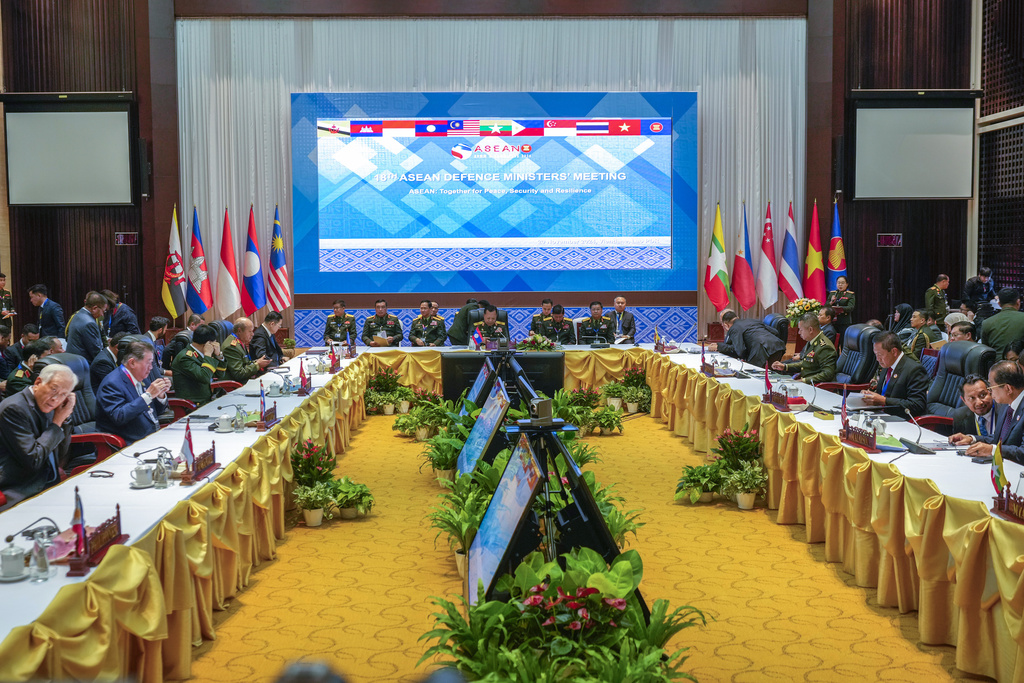
AP24325294118471
ASEAN defence ministers attend the ASEAN Defence Ministers’ Meeting in Vientiane, Laos, Wednesday, Nov. 20, 2024. (AP Photo/Anupam Nath)

Austin just wrapped up meetings in Australia with officials there and with Japan’s defense minister. They pledged to support ASEAN and expressed their “serious concern about destabilizing actions in the East and South China Seas, including dangerous conduct by the People’s Republic of China against Philippines and other coastal state vessels.”

In addition to the United States and China, other nations attending the two-day ASEAN meetings from outside Southeast Asia include Japan, South Korea, India and Australia.

Along with the Philippines, ASEAN members Vietnam, Malaysia and Brunei have competing claims with China in the South China Sea, which Beijing claims almost entirely as its own territory.

Indonesia, Thailand, Singapore, Myanmar, Cambodia and Laos are the other ASEAN members.

Opening the talks, Laotian Defense Minister Chansamone Chanyalath said he hoped for productive meetings that would “become a standard for us to continue ASEAN’s cooperation in defense, including how to handle, thwart, and manage security challenges in the present and in the future.”

As China has grown more assertive in pushing its territorial claims in recent years, ASEAN members and Beijing have been negotiating a code of conduct to govern behavior in the sea, but progress has been slow.

Officials have agreed to try to complete the code by 2026, but talks have been hampered by thorny issues, including disagreements over whether the pact should be binding.

Philippine President Ferdinand Marcos Jr., who has called for more urgency in the code of conduct negotiations, complained at a meeting of ASEAN leaders last month that his country “continues to be subject to harassment and intimidation” by China’s actions, which he said violated international law.

Chinese and Philippine vessels have clashed repeatedly this year, and Vietnam in October charged that Chinese forces assaulted its fishermen in disputed areas in the South China Sea. China has also sent patrol vessels to areas that Indonesia and Malaysia claim as their exclusive economic zones.

At the meeting of ASEAN leaders last month, U.S. Secretary of State Antony Blinken said Washington was “very concerned about China’s increasingly dangerous and unlawful activities in the South China Sea which have injured people, harm vessels from ASEAN nations and contradict commitments to peaceful resolutions of disputes.”

He pledged that the U.S. would “continue to support freedom of navigation, and freedom of overflight in the Indo Pacific.”

In response, Chinese Foreign Ministry spokesperson Mao Ning said U.S. and other non-regional militaries present in the sea were the main source of instability.

“The increasing military deployment and activities in the South China Sea by the U.S. and a few other non-regional countries, stoking confrontation and creating tensions, are the greatest source of instability for peace and stability in the South China Sea,” Mao said.
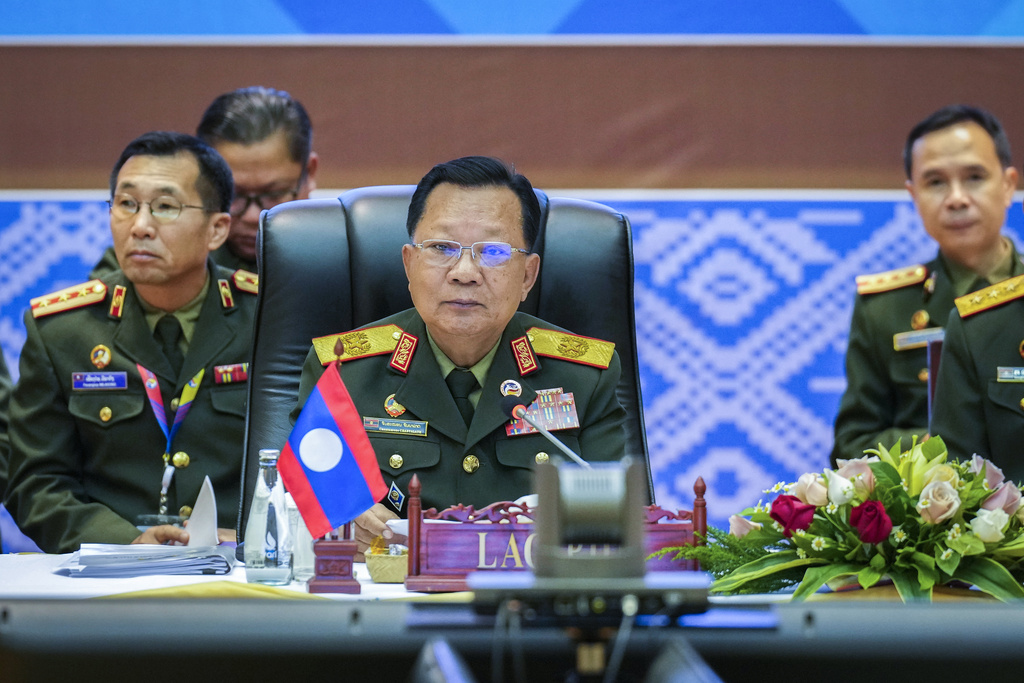
AP24325278131118
Laos’ Defence Minister Chansamone Chanyalath addresses the ASEAN Defence Ministers’ Meeting in Vientiane, Laos, Wednesday, Nov. 20, 2024. (AP Photo/Anupam Nath)

It is not clear how the incoming administration of U.S. President-elect Donald Trump will address the South China Sea situation.

After Austin’s meetings in Australia, the Defense Department said the U.S., Australia and Japan had agreed to expand joint drills and announced a defense consultation body among the three countries’ forces to strengthen their cooperation.

When asked Tuesday while in the Philippines about whether the strong U.S. defense support would continue for the country under Trump, Austin said he would not speculate.

Although Austin failed to hold talks with Chinese Defense Minister Dong, Japanese Defense Minister Gen Nakatani was expected to meet with Dong and express concerns about Beijing’s military activities, Japan’s NHK public television reported.

Japan has protested that a Chinese military aircraft violated its airspace briefly in August, and in September expressed “serious concerns” after a Chinese aircraft carrier and two destroyers sailed between two Japanese islands.

The meetings are also likely to touch on tensions in the Korean Peninsula, the Russia-Ukraine war, and wars in the Middle East. They are also expected to discuss other issues, including natural disasters, cybersecurity and terrorism.

Another thorny regional issue is the civil war and humanitarian crisis in ASEAN member Myanmar. The group’s credibility has been severely tested by the war in Myanmar, where the army ousted an elected government in 2021, and fighting has continued with pro-democracy guerillas and ethnic rebels.

More than a year into an offensive initiated by three militias and joined by other resistance groups, observers estimate the military controls less than half the country.

Myanmar military rulers have been barred from ASEAN meetings since late 2021, but this year the country has been represented by high-level bureaucrats, including at the summit in October.

___

Advertisement

British Tourist Dies in Phuket Drain After Climbing Barrier

barrier
Rescue workers peered into a drainage channel on the footpath with a 1-meter high metal barrier, where they found the body of a British tourist at the bottom on November 20, 2024.

PHUKET — A British tourist was found dead in a drainage channel on Phuket’s footpath after climbing over a protective barrier. CCTV footage revealed unusual circumstances.

Police Lt. Pongsathorn Pothong of Patong Police Station received a report at 9:30 AM on November 20 about a body discovered in a drainage channel in front of Tawan Bike Shop, near Patong Hospital intersection on Phra Metta Road.

The scene showed a drainage channel on the footpath with a 1-meter high metal barrier. The body, wearing white sneakers, was retrieved by rescue workers. Vachira Phuket Hospital conducted an autopsy.

The deceased was identified as Mr. Fraser, 36, from Swindon, UK. The autopsy revealed no wounds, with death occurring 5-6 hours prior due to suffocation.

Investigators contacted the British Embassy and Miss Katie, 17, Mr. Fraser’s relative. They learned that Mr. Fraser and his family of three had been staying at Seaview Hotel since November 17. He disappeared from his room around 10 PM on November 19.

Miss Katie accepted the death circumstances after reviewing CCTV footage, which showed no foul play. The footage showed Mr. Fraser walking to the spot, peering into the drain, climbing over the barrier, and falling in.

british fall patong1
The CCTV footage shows Mr. Fraser walking to the spot, peering into the drain, climbing over the barrier, and falling in on Tuesday night, Nov. 19, 2024.
british fall patong2
The CCTV footage shows Mr. Fraser walking to the spot, peering into the drain, climbing over the barrier, and falling in on Tuesday night, Nov. 19, 2024.

______

Advertisement

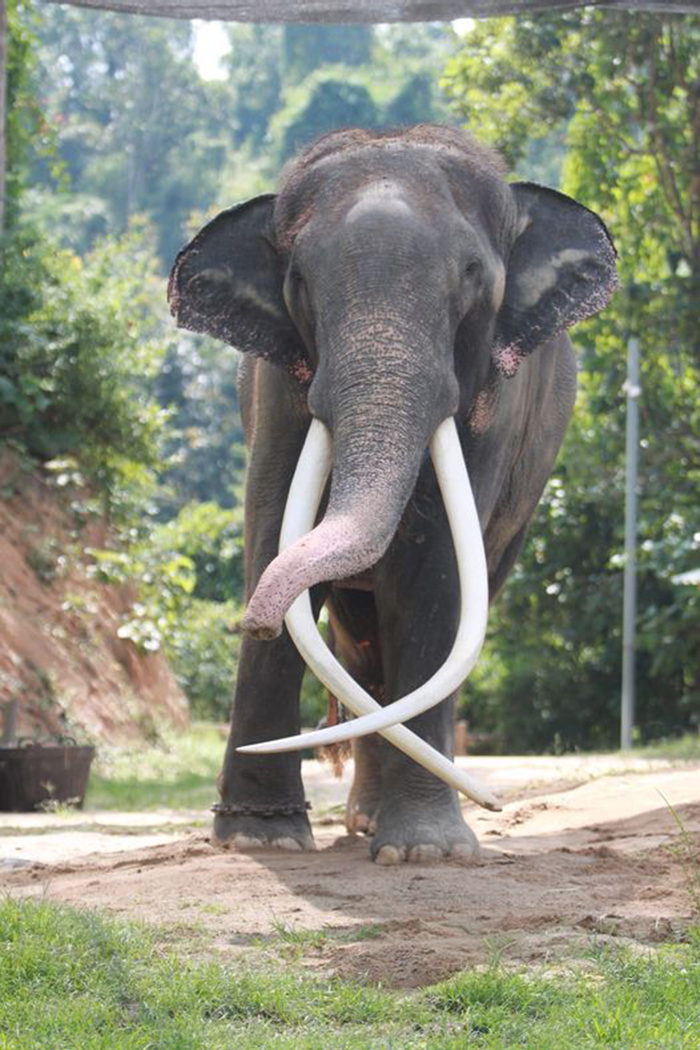
Thai Vets Consider Reducing Tusk Length of Plai Sak Surin

Plai Sak Surin
Plai Sak Surin has been under care at the Elephant Hospital of the Thai Elephant Conservation Center, National Elephant Institute in Lampang Province, for 1 year and 4 months.

LAMPANG — Plai Sak Surin, the famous Thai elephant who was brought back from Sri Lanka for health treatment last year, has growing tusks that concern veterinarians due to potential impact on his neck muscles. The matter is currently under consideration with experts from various sectors.

Plai Sak Surin, a male elephant around 30 years old, lived in Sri Lanka for 21 years before returning to Thailand for treatment. He was flown to Thailand on July 2, 2023, in an underweight condition, shackled, with abscesses on his hip and a crippled left leg.

On November 20, 2024, Dr. Taweepoke Angkawanich, Head of Elephant Conservation at the Thai Elephant Conservation Center, National Elephant Institute in Lampang Province, revealed that while Plai Sak Surin’s overall condition has improved, his extremely long tusks are affecting his body structure, particularly the muscles in his head and neck area.


“We’ve observed that the elephant must keep his head lifted while walking due to the long tusks. Therefore, it’s necessary to reduce their length to prevent excessive strain on the neck muscles. We are currently consulting with various medical specialists, and we will plan how to reduce the tusk length without causing other structural impacts,” Dr. Taweepoke said.

Dr. Warangkana Langkaphin, Head of the Elephant Hospital in Lampang, explained that there are various types of elephant tusks, each growing at different rates depending on the elephant’s lifestyle. Wild elephants typically use their tusks for fighting and finding food, causing natural wear, while domesticated elephants’ tusks can grow continuously throughout their lives.

Elephant tusks are comparable to human incisors or front teeth. While human teeth stop growing at a certain point, elephant tusks, like rabbit teeth, continue growing throughout their lives. Elephants that are protective of their tusks and don’t use them for fighting maintain longer tusks, while more playful elephants might break their tusks against trees.

plai tusk 1
For the past 16 months, Plai Sak Surin has been receiving treatment at the Elephant Hospital of the Thai Elephant Conservation Center, National Elephant Institute in Lampang Province.

Plai Sak Surin’s tusks are known as “Nga Um Bat” (alms bowl-holding tusks), characterized by their length and curve resembling a monk’s arms holding an alms bowl. According to ancient Sri Lankan beliefs, elephants with such tusks are suitable for carrying Buddha relics.

His tusks exceed 2 meters on both sides. While in Sri Lanka, he had the longest tusks in the country and was used in processions up to 30 times per month. He was kept in short chains, causing his left front leg to become stiff and unable to bend at the knee.

Plai Sak Surin suffered health problems for over 10 years, especially during Sri Lanka’s economic crisis when food was scarce. The conservation group Rally for Animal Rights and Environment (RARE) initiated his return to Thailand for treatment.

Currently, Plai Sak Surin has been under the elephant hospital’s care for 1 year and 4 months. Veterinarians are treating his stiff left front leg through X-rays, ultrasound examinations, gait analysis (both instrumental and visual), along with light exercise including straight walking, swimming, and hot compress treatments using herbal compresses or devices such as ultrasound massage and laser therapy.

_____________

Related article:

An Ailing Thai Elephant Returns Home For Medical Care After Years Of Neglect In Sri Lanka

Advertisement

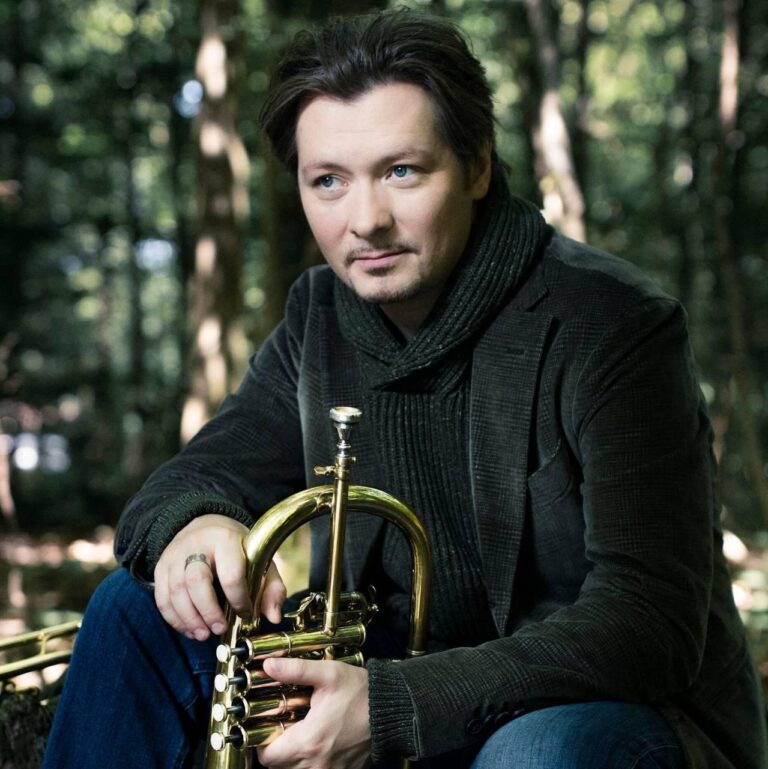
Trumpet Virtuoso Sergei Nakariakov Joins Royal Bangkok Symphony Orchestra

The Royal Bangkok Symphony Orchestra Foundation, in collaboration with B. Grimm Group Ltd., will present a concert titled “Sergei Nakariakov plays Arutunian’s Trumpet Concerto” at 7:30 p.m. on Saturday, December 14th at the Thailand Cultural Centre. This concert will begin with Dr. Vanich Potavanich’s Symphonic poem “Rattanakosin (R.E. 146-237),” which aims to describe significant events of King Rama IX that occurred during R.E. 146-137 of the Rattanakosin period. A number of melodic motives are drawn from impactful national compositions, including King Rama IX’s Candlelight Blue,  the Thai national anthem, Thai Royal Barge song, and Vijit Jitrangsan’s Rattanakosin (R.E. 1-145). Dr Vanich Potavanich is the resident conductor of the RBSO and was awarded by the Ministry of Culture the 2024 Silpathorn Artist Awards.

image3 21 image2 24

Followed by Sergei Nakariakov performing Alexander Arutiunian’s Trumpet Concerto. Arutiunian’s sixth major composition, an energetic powerhouse of Eastern European lyricism and harmonic textures, is usually played without pause. Sergei Nakariakov, Russian-born Israeli trumpet player, has established himself as one of the most sought-after trumpet players on the international stage. Born in Gorky Sergei began to play the piano when he was six years old, but moved on to the trumpet, since then,  he has developed long-standing relationships with many of the world’s most respected leading orchestras, conductors and musicians. Nakariakov has performed with many of the world’s most respected conductors, including Valery Gergiev, Vladimir Spivakov, Saulius Sondeckis, Christoph Eschenbach, Yuri Temirkanov, Jiří Bělohlávek, Jaap van Zweden, Yuri Bashmet, Sir Neville Marriner, Mikhail Pletnev, Dmitri Sitkovetsky, Kent Nagano, Vladimir Ashkenazy, Hugh Wolff, Ton Koopman as well as great orchestras. Furthermore, he regularly collaborates with many of the world’s leading musicians, like Vadim Repin, Martha Argerich, Mischa Maisky, Emmanuel Pahud, Julian Rachlin, and Dmitri Sitkovetsky, for chamber music projects. With the pianist Maria Meerovitch and his sister, Vera Okhotnikova, he combines a long musical-friendly collaboration. Sergei Nakariakov plays on AR Resonance trumpet and mouthpieces and flugelhorn by Antoine Courtois, Paris.

The concert’s second half will feature Béla Bartók’s Concerto for Orchestra. Many of Bartók’s works are severely uncompromising; however, in his last works, he had mellowed to an extraordinary degree, resulting in the composer’s most popular orchestral work. Like Shostakovich, Bartók was an artist for whom suffering was reality. Both composers had to find ways to escape the oppression of misfortune. Both wrote music of noisy high spirits; in each case, we had to read the irony of the music even while we caught the infectious vitality of that brilliant orchestral display. No music has so many layers of meaning as this, which is why we can return to it again and again with pleasure and satisfaction.

Tickets are available at Thaiticketmajor:

https://www.thaiticketmajor.com/concert/rbso-2024-sergei-nakariakov-plays-arutunians-trumpet-concerto.html

image4 13

Advertisement

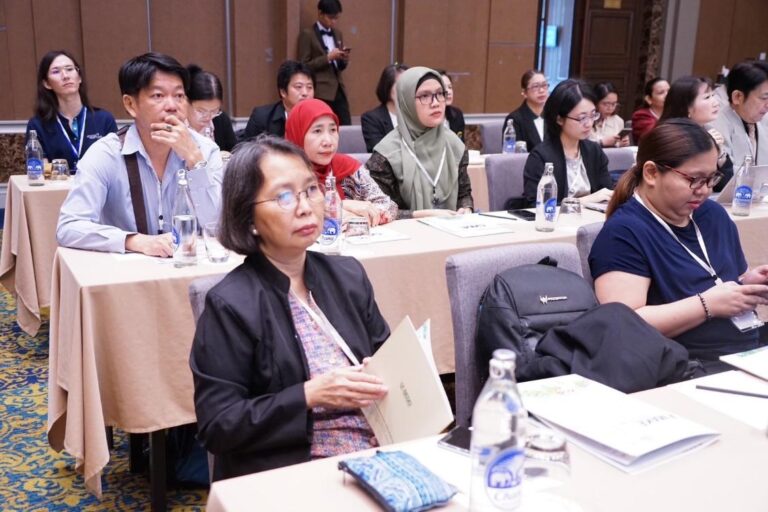
BEDO Hosts 21st Asian Microbial Resources Conference (ACM)

Biodiversity-Based Economy Development Office (Public Organization), or BEDO, will host the 21st Asian Consortium for the Conservation and Sustainable Use of Microbial Resources (ACM). The meeting aims to foster the exchange managing and utilizing microbial resources sustainably. The event will take place from November 19 to 21, 2024, at The Berkeley Hotel Pratunam in Bangkok, Thailand.

The opening session of the ACM meetig will gather representatives from 9 member countries across Asia, including China, Indonesia, Japan, Korea, Malaysia, the Philippines, Thailand, Vietnam, and India. Mrs. Suwanna Tiansuwan, Director General of BEDO, will deliver the opening remarks and a keynote speech on “Conservation and Utilization of Biodiversity.”

image3 20

Additionally, Professor Dr. Savitree Limthong, from the Department of Microbiology, Faculty of Science, Kasetsart University, will present a keynote lecture titled “How Exploration of Yeast Biodiversity Aids Yeast Taxonomy and Yeast Biotechnology?”. The day will feature presentations on microbial research topics and poster displays by member organizations. 

image2 23

The meeting has 140 attendees, comprising 73 international participants and 67 Thai participants.  

Research Presentations Include:

  • Community Biobank (BRC Management)
  • Korean Agricultural Culture Collection (KACC), Infrastructure of Agricultural and Food Microbial Industries
  • Current Status and Development Trend of Strain Preservation in China 
  • Development of Long-term Preservation Methods for Microorganisms: Focusing on Fungi and Algae
  • Experience Sharing on Implementation of Laboratory Accreditation in Malaysia
  • Azole-resistant Candida tropicalis Clade 4 Genotype Wildly Spreads in Asia
  • Marine Microorganisms as Biofactories: Tapping Their Potential for Enhanced Feed Development
  • Diversity of Lactic Acid Bacteria in Traditional Fermented Sausages and Their Potential Use for Starter Culture 
  • Visualization and Utilization of the Microorganisms Involved in Traditional Japanese Fermented Foods (sake-manju) for Quality Improvement and Quality Control

Poster Displays Include:

  • Exploring Yeast Diversity to Advance Sustainable Biosurfactant Production 
  • National Infectious Diseases Bank
  • Collection of Cyanobacteria Associated with Algae and Bryophyte from Freshwater Habitats in Indonesia
  • Whole Genome Sequence (WGS) Analysis of Gandjariella thermophila strains and their bioactivities
  • The study on microbial resource mining and utilization in the Guangdong Microbial Culture Collection Center
  • Microbial Genetic Resource in the Sludge: Metagenomic Profiling of Antimicrobial Resistance Genes in Select Wastewater Treatment Plants in the Philippines
  • Whole Genome Sequencing of Biofilm Producing Bacteria 
  • Biodiversity of Actinobacteria from Gorontalo, North Sulawesi
  • Violacein extracted from Chromobacterium sp. inhibit Cutibacterium acnes and Bacillus subtilis growth in In Vivo assay

image5 8 image4 12

Advertisement

Thai Court Hands Down Death Sentence in High-Profile Cyanide Murder Case

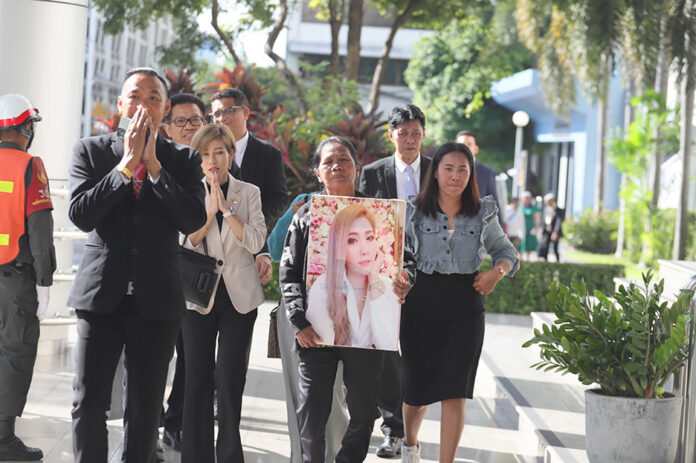
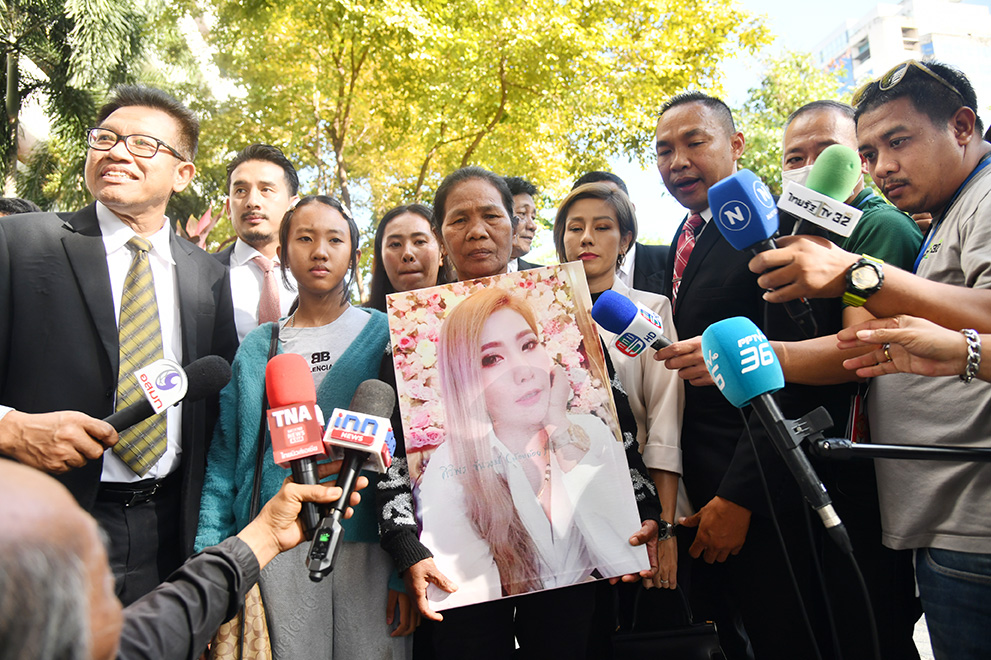
Mrs. Thongpin Kiatchanasiri, 63, mother of Siriporn Khanwong who was murdered by cyanide poisoning, holds a photo of her daughter while attending the verdict hearing at the Criminal Court on November 20, 2024. The court sentenced Am Cyanide (Sararat Rangsiwutthaporn) to death for premeditated murder. (Khaosod Photo/Yingyos Akmanachai)

BANGKOK — In a landmark ruling at Bangkok’s Criminal Court on Ratchadaphisek Road on Wednesday, Sararat Rangsiwutthaporn, 36, known as “Am Cyanide,” was sentenced to death for the premeditated murder of Siriporn Khanwong, 32.

The court found “Am Cyanide” guilty of poisoning Khanwong with Potassium Cyanide on April 14, 2023, by contaminating her consumables. Following the murder, she stole the victim’s belongings valued at 154,630 baht.

Two other defendants were convicted as accomplices: Police Lieutenant Colonel Withoon Rangsiwutthaporn, 40, the defendant’s ex-husband and former deputy superintendent of Suan Phueng Police Station, received one year and four months in prison for evidence tampering. Lawyer Thannicha Aeksuvanwat, 36, was sentenced to two years in prison without suspension.

Despite all three defendants pleading not guilty, the court proceeded with the convictions based on the evidence presented. While Am Cyanide remains in custody at the Central Women’s Correctional Institution, both co-defendants were granted bail at 100,000 baht each.

am1
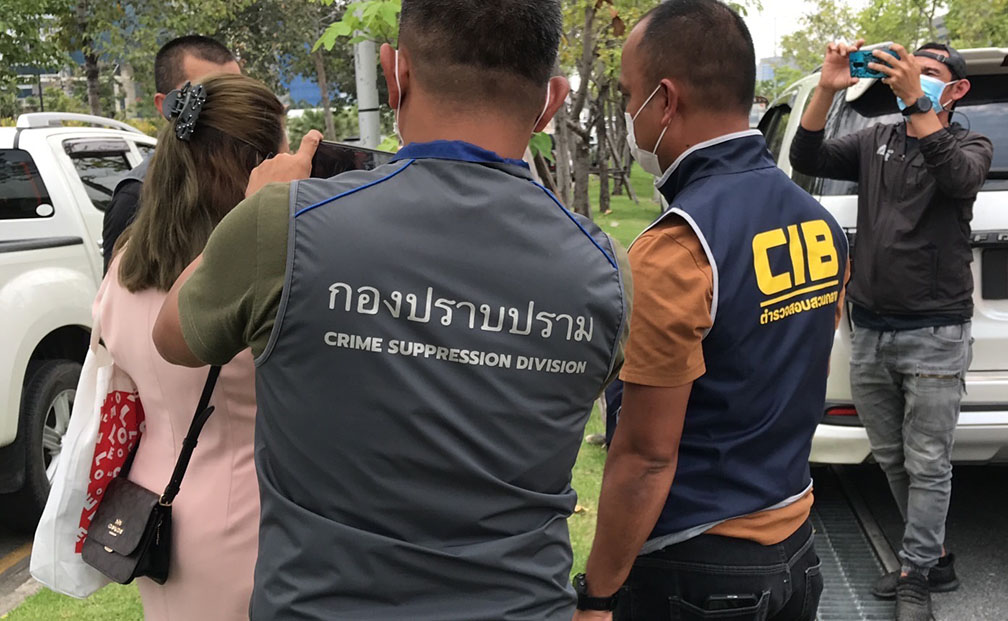
Police arrest ‘Am Cyanide’ on April 25, 2023.

Defendants showed No Signs of Remorse

The three-hour verdict reading in the Am Cyanide case on November 20, 2024, which ran from 9:30 a.m. to 12:30 p.m., saw contrasting reactions from those present in the courtroom. Am Cyanide, who was brought from the Central Women’s Correctional Institution, showed no emotion during the proceedings. She and her co-defendants, including Pach, the third defendant, were observed chatting and even laughing throughout the session.

Meanwhile, the victim’s family, including Mrs. Thongpin, broke down in tears of relief after hearing the court’s decision. “Justice has been served. Rest in peace now. You have nothing to worry about,” Mrs. Thongpin said in an emotional message to her deceased daughter during a post-verdict interview.

Mrs. Thongpin expressed her ongoing anger toward her daughter’s killer, noting that when she caught a glimpse of Am Cyanide, the defendant showed no signs of remorse.

First Verdict Delivered in Serial Murder Cases

The mysterious death of Siriporn Khanwong sparked an investigation that would uncover one of Thailand’s most shocking serial murder cases. When Khanwong’s family refused to accept her death as natural causes, investigators uncovered a disturbing pattern linking Sararat Rangsiwutthaporn, who was pregnant at the time, to numerous suspicious deaths.

In what became a massive investigation led by then-Police General Surachate Hakparn, authorities conducted an extensive three-month probe that included interviews with over 900 witnesses and examination of 26,500 documents. The investigation revealed a chilling pattern of murders spanning eight years.

am verdict2
Media interview Mrs. Thongpin Kiatchanasiri, 63, mother of Siriporn Khanwong who was murdered by cyanide poisoning, as she holds a photo of her daughter while attending the verdict hearing at the Criminal Court on November 20, 2024. The court sentenced Am Cyanide (Sararat Rangsiwutthaporn) to death for premeditated murder. (Photo: Khaosod/Yingyos Akmanachai)

According to police findings, Am Cyanide was responsible for 15 poisoning cases across eight provinces between 2015 and 2023. Of these victims, 14 died, with only one survivor.

Criminologists noted that the case aligned with typical patterns of female serial killers, whose motives often center around financial gain from people in their circle, contrasting with male serial killers who typically act on sexual motives and target random victims.

The plaintiff’s attorney, Decha Kittiwithayanan, noted that this verdict marks the first judgment among Am Cyanide’s multiple cases. He explained that the ruling, which incorporated evidence from related cases, could establish an important precedent for future proceedings.

The case has sent shockwaves through Thai society, marking one of the country’s most notorious poisoning cases in recent years and highlighting the sophisticated nature of the crimes and the lengthy period over which they were committed.

___________

Related news:

Police Close Thailand’s Historic Case of Serial Killer ‘Am Cyanide’

Advertisement

Thailand Can Transform Shadow Economy with 3-Point Plan, Says Expert

Bar hostesses await customers in Pattaya, a popular tourist destination.

BANGKOK — Thailand’s informal economy has enormous value but is not included in the calculation of national income, leading to significant inaccuracies in GDP figures. This discrepancy hinders effective economic planning and calls for reform, say Thai economists.

As debates continue over innovative ways to expand the Thai economy, inadvertently creating avenues for the shadow economy to thrive, Dr. Anusorn Thammajai, Dean of the Faculty of Economics and Director of the Digital Economy, Investment and International Trade Research Center at the University of the Thai Chamber of Commerce, recently published an analysis of the country’s unofficial economic activities.

He also outlined a three-part strategic framework for integrating these activities into a regulated and transparent system.

Dr. Anusorn highlighted the findings of the International Labor Organization, which show that Thailand’s informal economy includes workers who have no formal labor protection or social security. These workers work outside the social security system.

Anusorn Tamajai
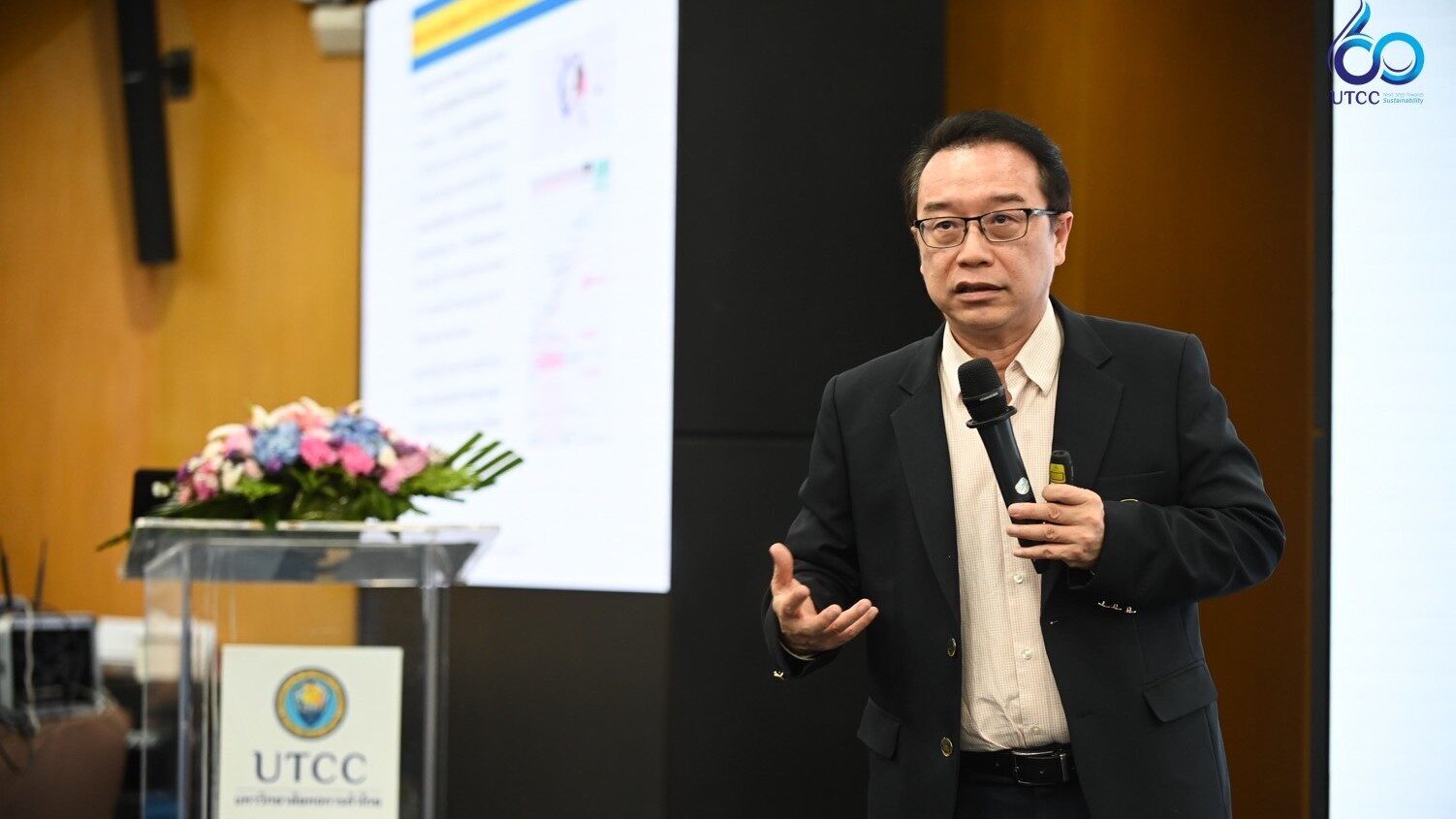
Dr. Anusorn Thammajai, Dean of the Faculty of Economics and Director of the Digital Economy, Investment and International Trade Research Center at the University of the Thai Chamber of Commerce

Gray Businesses

In addition, social and economic activities in Thailand also include illegal sectors, such as companies run by “gray Chinese” who expand illegal businesses in the country. These range from drug trafficking, smuggling and the trade in substandard goods to forced labor, sex work and illegal gambling.

Economists categorize these activities into four types:

  1. Legitimate and openly declared income: Income from formal economic activities within the legal framework.
  2. Legitimate but undeclared income: Income from micro-enterprises such as street vendors or household businesses that often go unreported.
  3. Non-monetary income: Barter systems or labor exchanges that operate at the community level.
  4. Illegal or semi-legal income: Activities such as gambling, prostitution, drug trafficking and unofficial transportation services that often arise from systemic inefficiencies or obstacles within the formal infrastructure.

The informal economy, which is often cash-based, is estimated to account for at least 50 percent of Thailand’s GDP, making it one of the largest in the world. However, most studies on its size date back to 2007–2017, calling for updated assessments to reflect current realities, especially given the growing influence of gray Chinese capital in Thailand.

A 2000 study by Pasuk Phongpaichit and colleagues identified six informal economic activities, drug trafficking, arms dealing, oil smuggling, prostitution, migrant labor and gambling, which account for about 13 percent of GDP. Such activities are more prevalent in developing countries, often due to weak law enforcement, high levels of corruption and bribery, which allow illegal actors to flourish.

three oil boat1
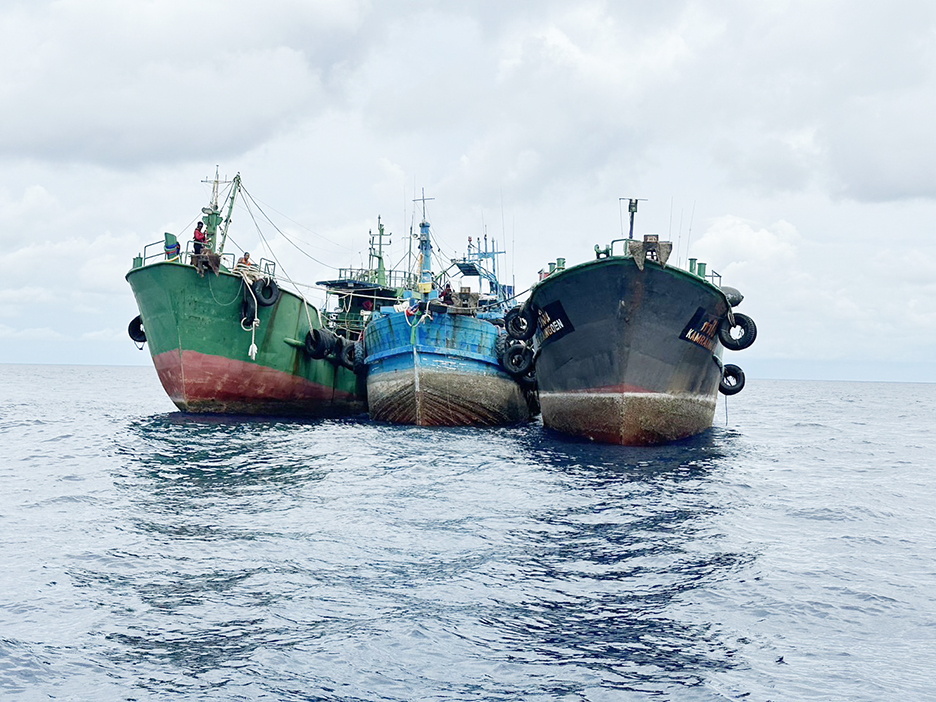
Three oil smuggling boats

Three Strategic Pillars

In the face of these challenges, Dr. Anusorn proposed three strategic pillars to effectively manage the informal economy:

1) Integrate the informal economy into the formal system: Promote regulation to generate tax revenues, create jobs and improve the income opportunities of those involved.

  • Risk management and social protection: Ensure the well-being of those working in the informal economy and ensure their active participation in regulatory discussions.
  • Mitigate social impacts: Tackle illegal business and prevent threats to social order by minimizing disruption to social harmony.

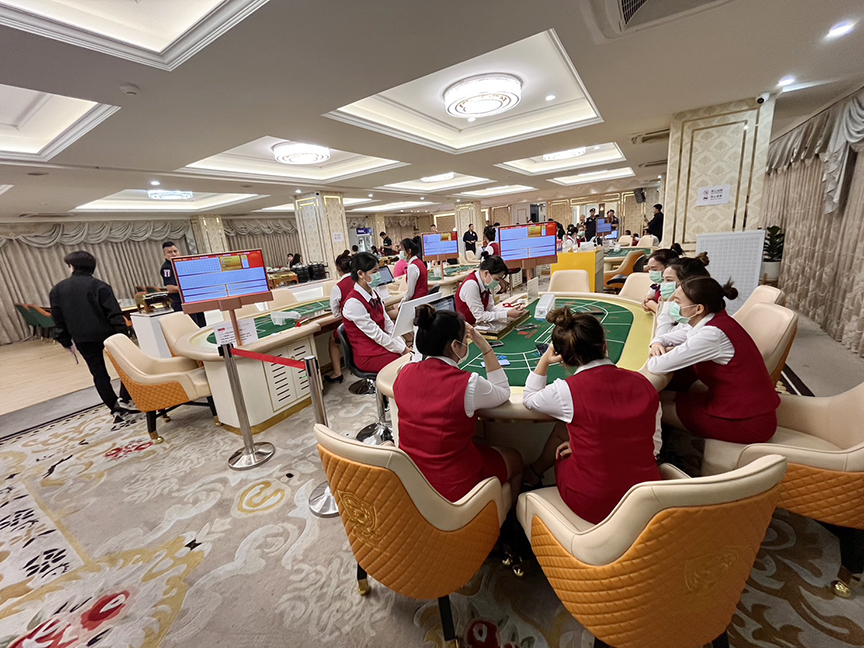
2) Legalizing gambling could be part of this broader strategy and benefit the economy while minimizing long-term societal harm. The establishment of entertainment complexes, including casinos, could promote tourism, bring underground activities into the formal economy, generate taxes and reduce corruption.

However, careful monitoring is essential to reduce negative impacts such as household indebtedness, family problems and crime.

3) Global benchmarks show that countries with entertainment complexes have made significant financial gains. Macau, for example, earns 32 billion dollars annually from gambling, the USA (Las Vegas) 30 billion dollars, Singapore 12 billion dollars, South Korea 9 billion dollars and the Philippines 6 billion dollars.

Singapore, whose natural tourist attractions are limited, generates 4 percent of its GDP from integrated entertainment businesses, with 30 percent of tourists visiting these complexes.

den2
Nonthaburi Police raid a luxuriously decorated hotel casino and arrest 49 gamblers and employees on November 29, 2023.

In Thailand, with its numerous attractions, the need for such complexes must be carefully considered. Tax rates for casinos should be between 15–30 percent (compared to Singapore’s 17 percent and Macau’s 35 percent).

If 30–50 percent of the projected 39 million foreign tourists in Thailand use these facilities, the state could earn 30–40 billion baht ($870-1,160 million), while the operators’ revenue would be between 50–80 billion baht (1.45 – 2.3 billion).

Nevertheless, legalized casinos must avoid becoming hubs for money laundering or unethical practices. The state and society must work together to enforce strict regulations. Clear, transparent and accountable legal frameworks are crucial to boost investor and public confidence while preventing corruption.

The number, scale and location of these projects should be carefully matched with market demand to ensure appropriate investment decisions.

_________


________


Advertisement

Southeast Asian Defense Chiefs Meet in Laos as Maritime Disputes with China Are Flaring

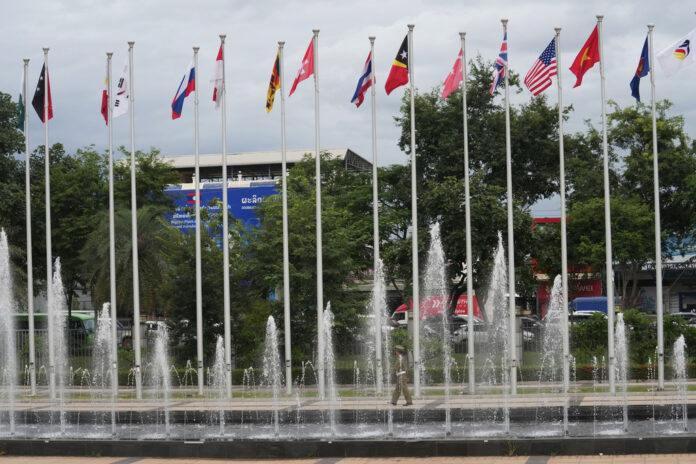
FILE- A police officer walks along flags of nations participating in the meetings of the Association of Southeast Asian Nations (ASEAN) at the national convention center in Vientiane, Laos, Wednesday, July 24, 2024. (AP Photo/Sakchai Lalit, File)

U.S. Secretary of Defense Lloyd Austin was set to join the meetings of the Association of Southeast Asian Nations defense ministers in Vientiane, where many will be looking for assurances ahead of President-elect Donald Trump’s return to power in January.

Austin just wrapped up meetings in Australia with officials there and Japan’s defense minister, where they pledged their ongoing support for ASEAN and their “serious concern about destabilizing actions in the East and South China Seas, including dangerous conduct by the People’s Republic of China against Philippines and other coastal state vessels.”

In addition to the United States, other nations attending the two-day ASEAN meetings include Japan, South Korea, India, Australia and China.

Along with the Philippines, ASEAN member states Vietnam, Malaysia and Brunei all have competing claims with China in the South China Sea, which Beijing claims almost in entirety as its own territory.

Indonesia, Thailand, Singapore, Myanmar, Cambodia, and Laos make up the rest of the member states.

Chinese Air Force
FILE – In this photo provided by the Philippine Coast Guard, a Chinese Coast Guard ship, right, uses its water cannons on a Philippine Bureau of Fisheries and Aquatic Resources (BFAR) vessel, as it approaches Scarborough Shoal in the disputed South China Sea, Dec. 9, 2023. (Philippine Coast Guard via AP, File)

As China has been more assertively pushing its claims in recent years, ASEAN members and Beijing have been negotiating a code of conduct to govern behavior in the sea for years, but progress has been slow.

Officials have agreed to try and complete the code by 2026, but talks have been hampered by sticky issues, including disagreements over whether the pact should be binding.

Philippine President Ferdinand Marcos Jr., who has called for more urgency in the code of conduct negotiations, complained at the meeting of ASEAN leaders last month that his country “continues to be subject to harassment and intimidation” by China’s actions, which he said violated international law.

Chinese and Philippine vessels have clashed repeatedly this year, and Vietnam in October charged that Chinese forces assaulted its fishermen in disputed areas in the South China Sea. China has also sent patrol vessels to areas that Indonesia and Malaysia claim as exclusive economic zones.

AP24232143249224
This photo provided by the Philippine Coast Guard, shows damage on the Philippines coast guard vessel BRP Cape Engano (MRRV-4411) after a collision with a Chinese coast guard ship Monday, Aug. 19, 2024 in the disputed South China Sea. (Philippine Coast Guard via AP)

At the meeting of ASEAN leaders last month, U.S. Secretary of State Antony Blinken said Washington was “very concerned about China’s increasingly dangerous and unlawful activities in the South China Sea which have injured people, harm vessels from ASEAN nations and contradict commitments to peaceful resolutions of disputes.”

He pledged that the U.S. would “continue to support freedom of navigation, and freedom of overflight in the Indo Pacific.”

In response, Chinese Foreign Ministry spokesperson Mao Ning said U.S. and other military presences from outside the region were the main source of instability in the sea.

“The increasing military deployment and activities in the South China Sea by the U.S. and a few other non-regional countries, stoking confrontation and creating tensions, are the greatest source of instability for peace and stability in the South China Sea,” Mao said.

It is not yet clear how the incoming Trump administration will address the South China Sea situation.

After Austin’s meetings in Australia, the Defense Department said the U.S., Australia and Japan had agreed to expand joint drills in the region, and announced a defense consultation body among the three countries’ forces to strengthen their cooperation.

When asked Tuesday while in the Philippines about whether the strong U.S. defense support would continue for the country under Trump, Austin said he would not speculate.

It remained unclear whether Austin plans to meet China’s Defense Minister Dong Jun on the sidelines of the ASEAN meetings, but Japanese Defense Minister Gen Nakatani is expected to meet with Dong to express his concerns over Beijing’s military activities, Japan’s NHK reported.

Japan has protested that a Chinese military aircraft violated its airspace briefly in August, and in September Japan expressed “serious concerns” after a Chinese aircraft carrier and two destroyers sailed between two Japanese islands.

The meetings are also likely to touch on the ongoing tensions in the Korean Peninsula, the Russia-Ukraine war, and the escalating conflict in the Middle East. They also expect to hold talks on a range of issues, including natural disasters, cybersecurity and terrorism.

Another thorny security issue in the region also includes the civil war and growing humanitarian crisis in ASEAN member Myanmar. The group’s credibility has been severely tested by the war in Myanmar, where the army ousted an elected government in 2021, and fighting has continued with pro-democracy guerillas and ethnic rebels.

More than a year into an offensive initiated by three militias and joined by other resistance groups, observers estimate that less than half the country’s territory remains under the army’s control.

Myanmar military rulers have been barred from ASEAN meetings since late 2021, but this year, the country has been represented by high-level bureaucrats, including at the summit in October.

Advertisement

La Braci Restaurant Opens in One City Centre Ploenchit

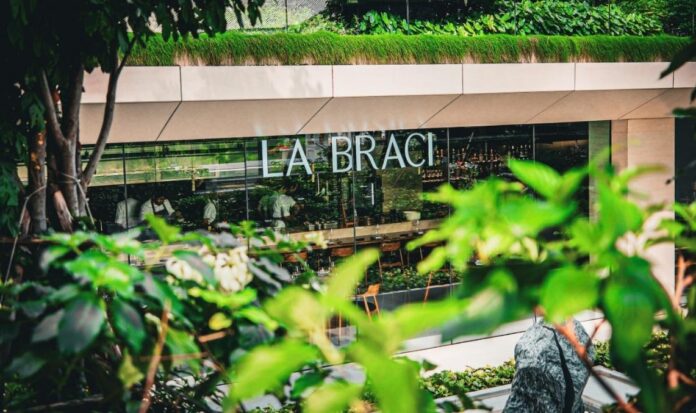
Bangkok – In the heart of the bustling Ploenchit district, La Braci unveiled its culinary offering (open from Tuesday 19 November) at the Secret Garden level of One City Centre. This eagerly anticipated venue promises a fresh take on modern casual fine dining with its emphasis on woodfire smoked cooking techniques.

image5

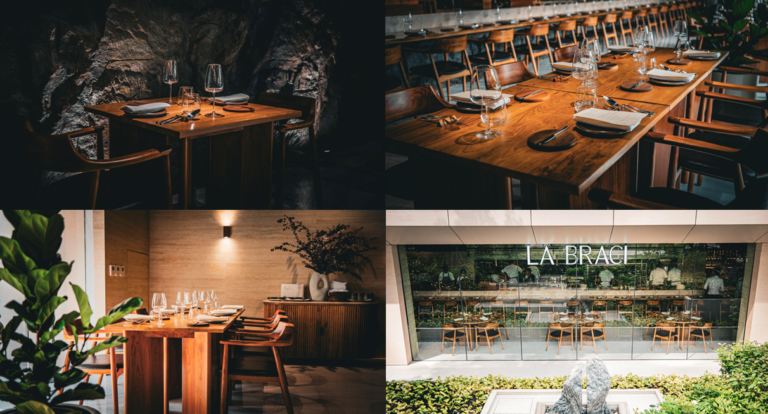
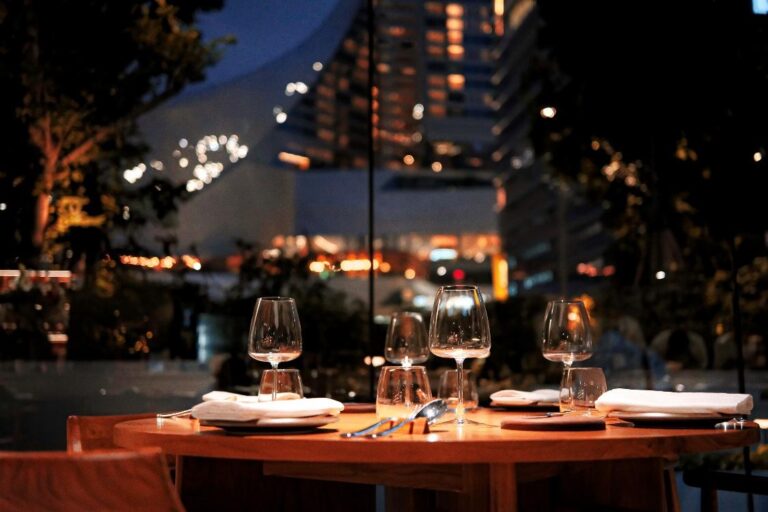
The restaurant greets guests by presenting an atmosphere of understated elegance. The space is a harmony of fusion between natural elements and contemporary design. Warm wood tones dominate, complemented by subtle touches of stone and brushed metal. Floor-to-ceiling windows gift the space with plenty of natural light during the day, while come the evening, the soft glow of outdoor garden lighting creates an intimate ambiance.

The 50-seater is thoughtfully arranged around an open kitchen with a custom-made fire pit, where the dancing flames and gentle crackle of wood-fired grills are visible from most tables. This sets the stage for an immersive dining experience, where the ancient art of flame cooking meets modern gastronomy. The restaurant also offers one of the longest counter seating sections in Thailand. 

image4 11

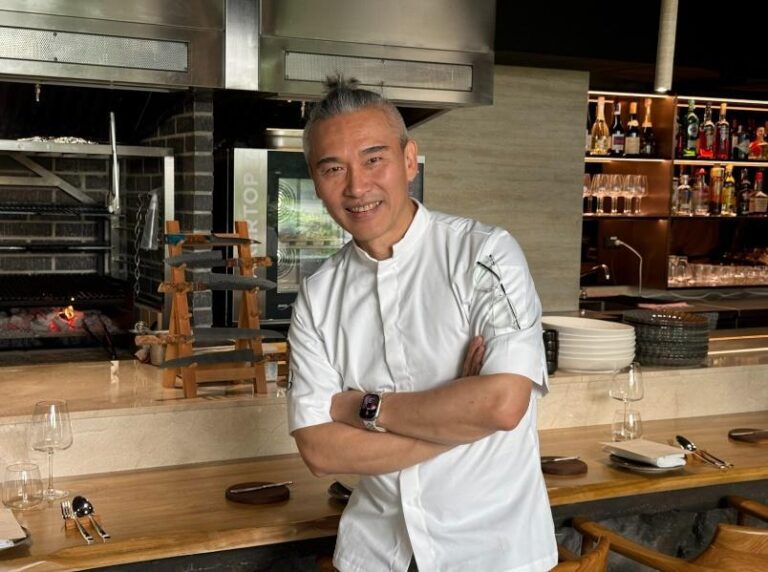
(In photo): La Braci Chef Owner Sean Lai

Sean Lai, Chef Owner of La Braci, explains, “Our culinary philosophy stems from a deep respect for both tradition and innovation. We’ve created a modern casual fine dining experience that celebrates the primal allure of wood-fire cooking while embracing contemporary techniques. Our aim is to let the natural flavours of our carefully sourced ingredients shine, enhanced by the subtle complexity imparted by fire and smoke. Each dish is a testament to the power of simplicity, crafted with precision to create a meal that’s both authentic and memorable.”

Another aspect of La Braci’s dining concept is its focus on shared plates. “We believe that food tastes better when it’s shared,” Sean adds. “Our menu is designed to encourage a communal dining experience, where guests can sample a variety of flavours and textures together. This not only enhances the enjoyment of the meal but also fosters a warm, convivial atmosphere that reflects the heart of Thai hospitality.”

Conveniently located near Siam Square and BTS Ploen Chit, La Braci offers an accessible retreat for both locals and visitors. Its luxurious yet vibrant ambiance, coupled with Instagram-worthy displays, makes it a must-visit for those in search of a unique and thoughtful dining experience.

La Braci: Chef, Team, and Dining Experience

image7

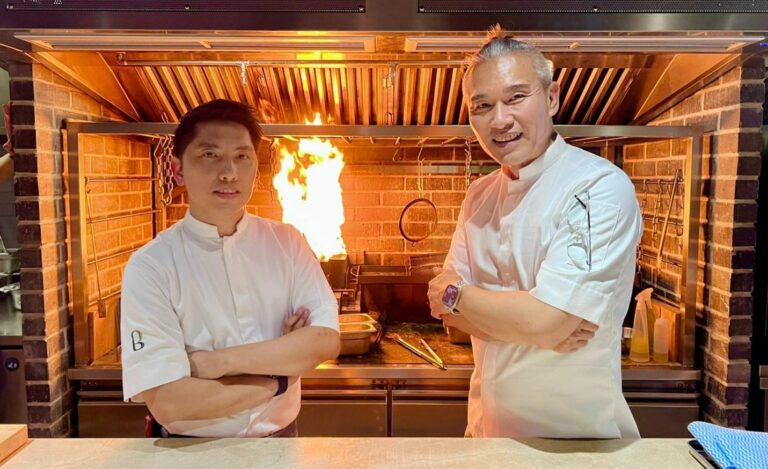
At the helm of this culinary venture are Chef Owner Sean Lai and Wachirawit Thananrat (Chef Bank), Director of Operations and Board Member. With their team of skilled Thai chefs, they create a dining experience that transcends the norm; chefs engage with guests from the open kitchen to introduce their creations, and so diners become part of La Braci’s evolving culinary narrative. This personal touch, combined with the flames, primal ambiance and shared dishes ensures that each visit is a memorable adventure. 


La Braci: Unique Features

The restaurant’s centrepiece is its live fire display, featuring multiple grilling stations tailored to different dishes. This creates both a visual focal point and an aromatic experience that engages diners’ senses upon entering La Braci.

Complementing the interior is a step-up garden area at the front of the restaurant creating the impression of a cosy cave within a vertical mountainside. This design element connects diners with nature, providing a pleasant contrast in the buzzing urban core of Bangkok. The seating arrangement encourages interaction between diners and chefs. As part of the experience, chefs present their creations, explaining the featured ingredients and preparation methods. This adds a fascinatingly insightful educational element to the meal, while offering an evolved and accessible ‘fine dining lite’ experience.

Sean concludes by saying, “It is our aim for La Braci that diners feel that it is more than just a restaurant. We want people to feel our passion for creating a vibe that connects everyone and especially to the food; La Braci therefore is a celebration of fire, flavours, and community. It promises to be a dining sensation that not only tantalises with its tastes and wood-fire aromas, but also elevates expectations in regard to what diners can expect at an accessible price point.”


La Braci Signature Dishes (Highlights)

image6 1

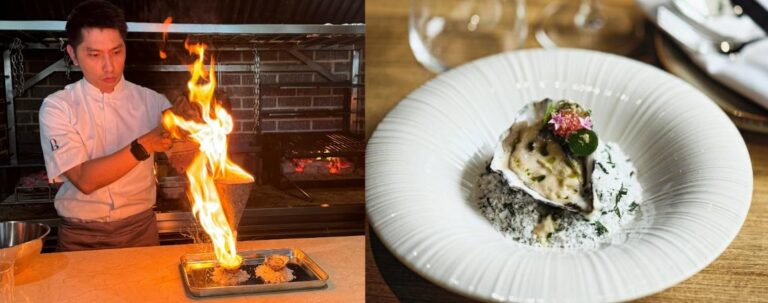
(In photo): Chef Bank and La Braci’s Oyster Flambée with beurre blanc and chive oil showcases the Flambadou, a mediaeval tool reinvented for modern cuisine.


La Braci’s Oyster Flambée with beurre blanc and chive oil starter employs the Flambadou, a mediaeval tool reinvented for modern cuisine. This conical funnel-shaped metal device, heated until glowing, transforms ordinary fats into flaming flavour-boosters. Chefs put on a real show as blazing pork lard cascades onto fresh oysters, searing them briefly and infusing rich umami notes. These succulent Irish Cocollos oysters are served on the half-shell, accompanied by a velvety whey cream sauce and a vibrant herb oil. The sauce, crafted from house-made yoghurt whey, adds a subtle tanginess that perfectly complements the briny oysters. 

Wood-Fired Australian Wagyu Angus Beef Flank with Charred Broccolini and Rof Emulsion lets diners savour the pinnacle of high-quality beef with wood-fired indulgent flank cut. Grilled over premium hardwood charcoal and basted with flaming wagyu fat, it develops a caramelised crust while maintaining a silky, sashimi-like interior. Charred broccolini provides a smoky contrast to the rich beef, while house-made Rof emulsion, a West African-inspired chimichurri, adds a bright, herbaceous note that balances the wagyu’s decadence and keeps things simple.

Wood-Fired Giant River Prawn presents juicy, bountifully large river prawns in prawn fat, fermented chili oil and refreshing sour tomato salsa with a sprinkle of wolffia, creating an elegant balance on the plate.

Charred Baby Squid Potato Dumplings showcases baby squids, lemon saffron emulsion, and dill oil. Served with dumplings made with tender potatoes, the lemon saffron sauce and dill oil are fragrant and evocative, with the slight sourness of the lemon emulsion delivering satisfying umami in a pleasant composition with the hearty dumplings.

image2 22

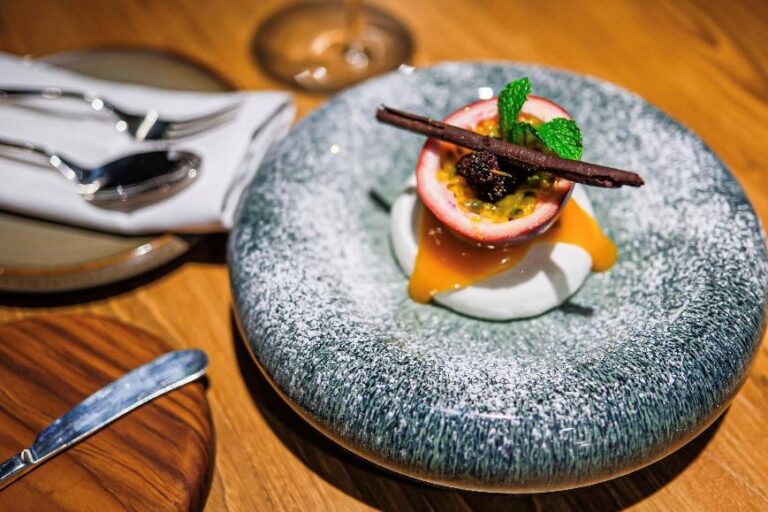
(In photo): Passion Fruit Curd Mini Pavlova 


Passion Fruit Curd Mini Pavlova is a tropical twist on a classic pavlova. A cloud-like meringue, crisp on the outside and airy within, serves as the canvas for a luscious curd made from tart passion fruit. The interplay of sweet and tangy flavours is further enhanced, providing a visual and textural contrast to this sharp-tasting, well-balanced dessert.

image1 30

The official opening period will be in November of this year. La Braci (www.labraci.com) is located just a few steps from BTS Ploenchit. For more information, please call La Braci on +66 (0)95 868 6565, or email [email protected]


La Braci officially opens from 19 November 2024 and is located just a few steps from Ploenchit BTS Station.

  For more information, please call (66) 95-868-6565

Instagram: @Labraci_bkk 

Make a Reservation: [email protected] 

🌐 Website: https://www.labraci.com/ 

📍 Located at: One City Centre, OCC – One City Center, Ploenchit Road, Pathum Wan, Bangkok 10330


About La Braci

For centuries, the fireplace has been the heart of the home. Today, it is the heart of La Braci, where we embrace the bold yet unpretentious art of wood-fire cooking. 

Our culinary philosophy is simple: harness the raw power of fire and let the ingredients shine. While this may sound straightforward, it demands skilful cooking techniques and a deep understanding of the food we prepare. By meticulously crafting each dish, we allow the natural flavours of our high-quality ingredients to take the spotlight, offering a dining experience that is both authentic and memorable. 

Join us at La Braci for a meal that celebrates the primal joy of fire-cooked food, in an elegant casual fine dining setting located at The One City Centre Tower, off the bustling attraction of Sukhumvit Road.

Despite offering a fine dining experience, La Braci remains sensibly affordable, making it accessible to a wide range of diners. The restaurant’s commitment to quality and value ensures that everyone can enjoy the unique flavours and ambiance without breaking the bank.

www.labraci.com

Advertisement

4 Million Thai Seniors to Receive ฿10,000 Digital Handout in Jan. 2025

Thai
Prime Minister Paetongtarn Shinawatra chairs the first Economic Stimulus Policy Committee meeting (1/2024) at Phakdi Bodin Building, Government House, November 19, 2024.

BANGKOK — The Thai government has approved the second phase of its 10,000 baht ($290) digital handout program, specifically targeting vulnerable elderly citizens aged 60 and above.

The initiative, announced during an economic stimulus committee meeting chaired by Prime Minister Paetongtarn Shinawatra on November 19, will benefit approximately 4 million eligible seniors, with a total budget allocation of 40 billion baht.

Deputy Prime Minister and Finance Minister Pichai Chunhavajira explained that this phase focuses on addressing the needs of vulnerable elderly citizens. Assistant Finance Minister Julapun Amornvivat confirmed that distributions will commence before Chinese New Year 2025.

Eligibility Requirements:

  • Must be 60+ years old and classified as vulnerable
  • Must register through “Tang Rath” government app
  • Not a recipient of Phase 1
  • Annual income under 840,000 baht
  • Total bank deposits under 500,000 baht
  • Not imprisoned
  • Not blacklisted from other government programs
app digital1
“Tang Rath” government app

A Debt Relief Initiative

In a significant parallel development, the government also unveiled a debt relief initiative. The program includes a three-year interest payment suspension for household debts, targeting loans less than one year old. This encompasses housing, vehicle, and consumer loans, with a total debt pool of approximately 1.2-1.3 trillion baht.

“During the first three years, principal payments will be reduced,” Chunhavajira stated. “For those who maintain good payment records, the interest reduction could extend to 5-10 years. However, those who fail to comply will need to resume regular interest payments.”

The government is currently developing a registration process for citizens without smartphones to ensure broader program accessibility.

Sirikanya Tansakul, deputy leader of the opposition People’s Party and monitor of government economic projects, criticized the government’s economic recovery plan. She posted that after making people wait for two full months, the announced plan still doesn’t utilize a digital wallet system. She also expressed uncertainty about whether this upcoming cash distribution to the elderly would effectively stimulate the economy.

GDP Target Hits 2.6%

According to the National Economic and Social Development Council’s announcement on November 18, Thailand’s Q3/2024 GDP grew 3%, with overall growth of 2.3% for the first 9 months.

Q3 growth was driven by government investment (expanding for the first time in 6 months), exports, and government consumption. Key metrics showed private consumption at +3.4%, service sector at +6.5%, construction at +15.5%, exports at +10.5%, and imports at +9.6%.

Thailand’s 2024 economic forecast was revised up to 2.6% from 1.9%. Inflation is expected at 0.5%, with the current account surplus projected at 2.5% of GDP.

Prime Minister Paetongtarn viewed the projected c economic growth for 2024 as a positive indicator for Thailand’s economy, noting that current growth is primarily driven by government investment and tourism sectors.

Recognizing the need for increased private sector participation, the Prime Minister has directed the Finance Ministry, Commerce Ministry, NESDC, and related agencies to develop measures to stimulate greater private sector investment to enhance GDP growth.

________

Advertisement

Hot News

LATEST NEWS

Bangkok
overcast clouds
30.2 ° C
31.6 °
28.8 °
76 %
4.5kmh
100 %
Tue
34 °
Wed
34 °
Thu
35 °
Fri
31 °
Sat
31 °