

































BANGKOK — Thai authorities have broken up a massive investment fraud ring led by a Chinese businessman and his Thai ex-wife, uncovering a scam that bilked victims out of more than 654 million baht ($20.5 million) through fake stock trading websites.
Coordinated Raids Net Major Players
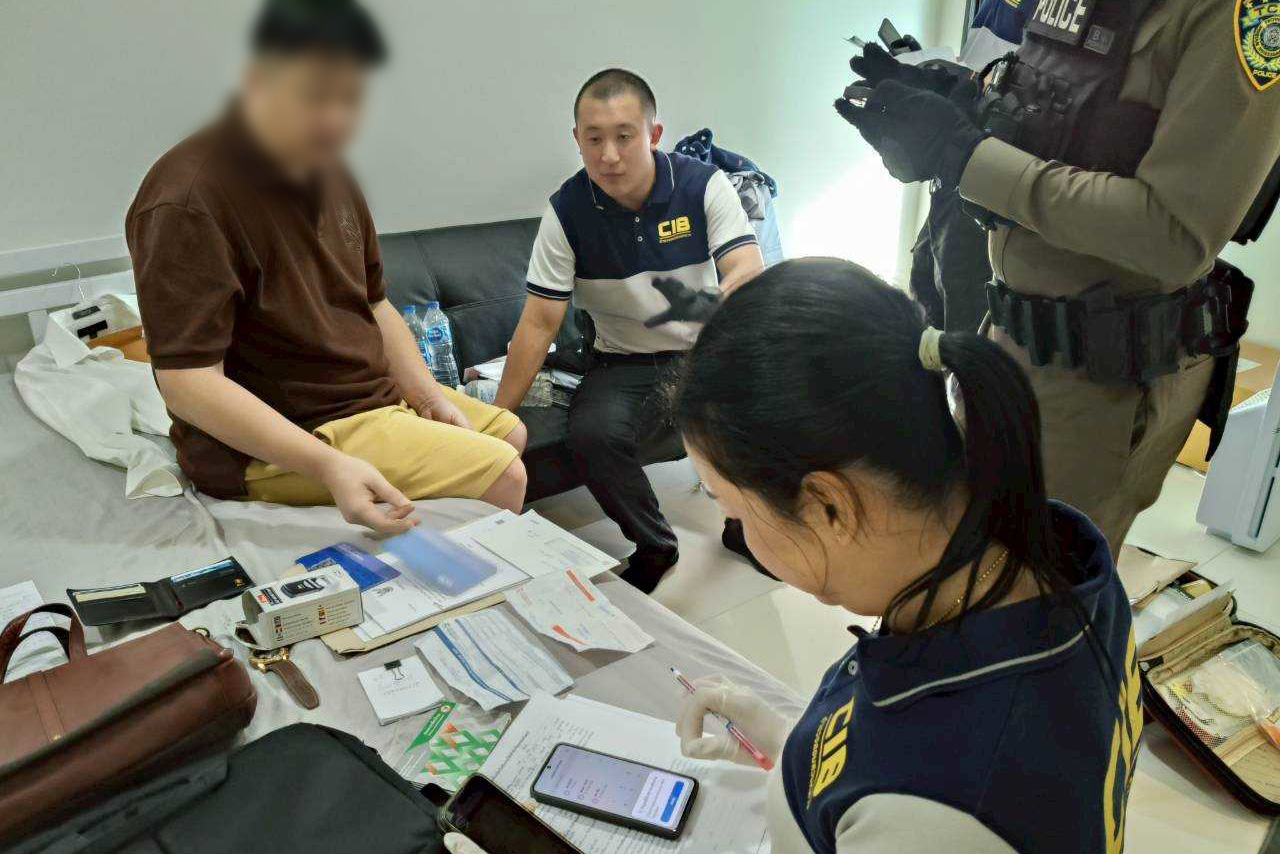
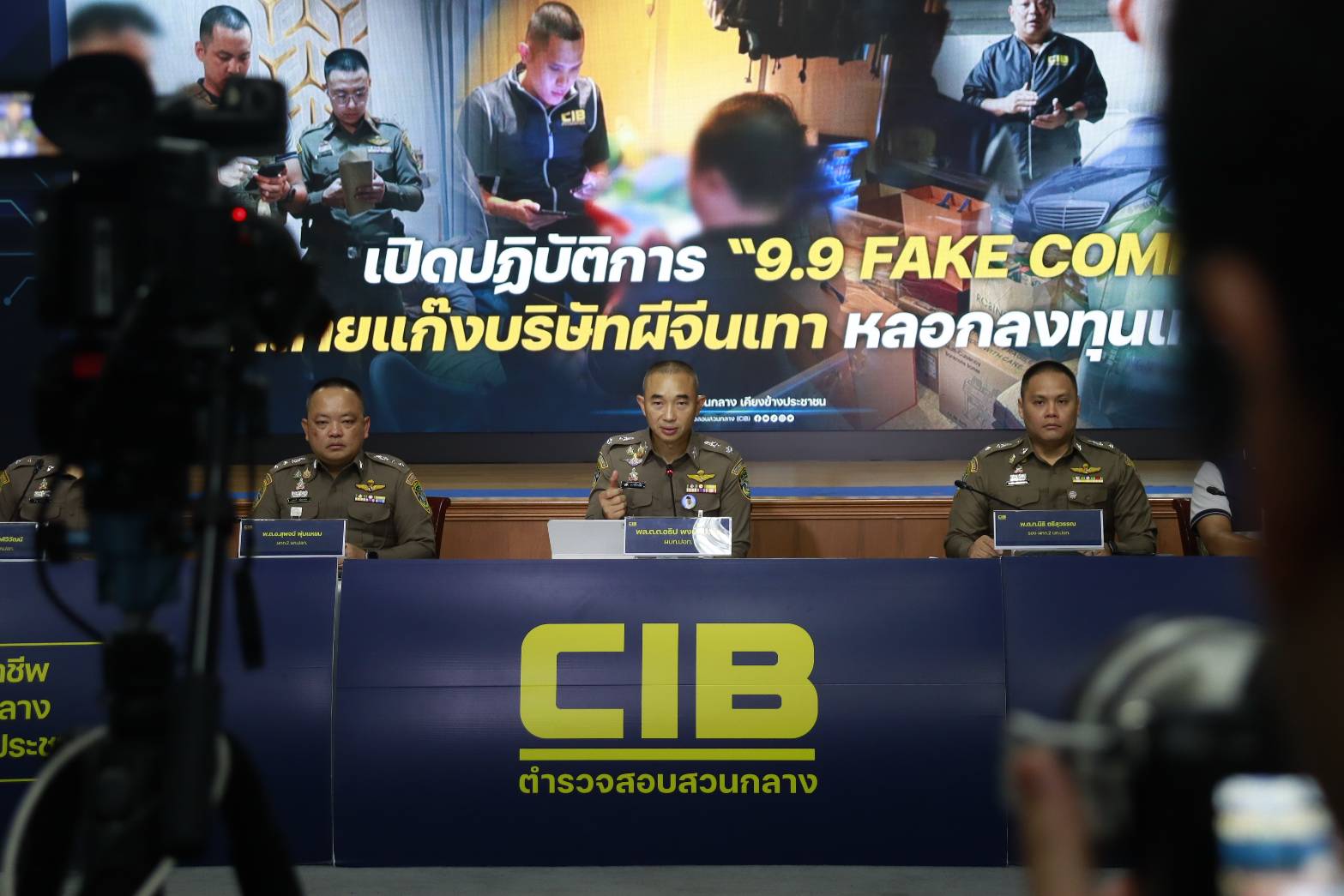
Technology Crime Suppression Division (TCSD) Commissioner Lt. Gen. Athip Pongsiwala announced the arrests following simultaneous raids across Bangkok, Nonthaburi, Pathum Thani, and Chiang Mai on September 11.
Police arrested Wang, a 40-year-old Chinese national running the operation, alongside his 33-year-old Thai ex-wife Rinyaphat and 13 other suspects. One additional accomplice already in prison was also charged.
The suspects face multiple charges including public fraud, identity theft, computer crimes, money laundering, and illegal gambling operations.
$660,000 in Assets Seized
The raids netted assets worth over 21 million baht ($660,000), including nine luxury cars, designer handbags and jewelry, cash in multiple currencies, dozens of phones and electronic devices, and more than 100 bank accounts and ATM cards.
How the Scam Worked
The sophisticated operation began with Facebook ads promoting investment opportunities on fake trading platforms called FINNIXMAX and CGS International. Interested victims were invited to LINE chat groups populated with over 100 fake accounts masquerading as successful traders and financial advisors.
“Victims could initially withdraw small amounts to build trust,” Lt. Gen. Athip explained. “But once they invested larger sums, the money disappeared and contact with the group vanished.”
The scammers even impersonated well-known investment personalities to boost credibility.
Criminal Enterprise with Clear Hierarchy
The network operated like a corporation with specialized divisions:
- Account teams procured corporate bank accounts to receive victim funds.
- Cash runners withdrew money within minutes of deposits and delivered it up the chain.
- Translators coordinated with Chinese masterminds behind the scenes.
- Money launderers converted cash to cryptocurrency for overseas transfer.
Workers earned either a percentage of withdrawals or flat fees ranging from 1,000 to 10,000 baht ($31-310) per job.
Police linked the network to 265 separate fraud cases across Thailand.
The total damage of 654 million baht ($20.5 million) makes this one of the largest online investment scams ever uncovered in the country.
Split-Second Money Transfers
Investigators revealed the group’s precise timing methods. Account holders would wait at shopping malls or coffee shops while victims made bank transfers. The moment money hit accounts, it was withdrawn within two minutes and passed along for cryptocurrency conversion.
“They evolved to use corporate accounts instead of personal ones,” said TCSD Deputy Commander Col. Suphot Pumyaem. “This made them harder to trace and appeared more legitimate to victims.”
The criminals purchased dormant company accounts or bought existing businesses and changed the authorized signatories to their own members.
During questioning, Wang and Rinyaphat denied the charges but admitted to collecting cash on instructions from another Chinese national. Several Thai suspects confessed to their roles in money withdrawals and transfers.
_____