
































30 C
Bangkok
Friday, July 3, 2026
Home Blog Page 109

Thailand’s Leading Coconut Milk Manufacturer for Beverage Brands

As global consumer preferences shift toward plant-based alternatives and dairy-free innovation, coconut milk has emerged as one of the most versatile and commercially valuable ingredients in the beverage industry. From barista-style lattes and ready-to-drink smoothies to functional wellness beverages, coconut milk is now positioned at the center of beverage formulation worldwide.

Amid this growing demand, Thailand has strengthened its reputation as a preferred sourcing hub for beverage manufacturers seeking high-quality, export-ready coconut milk. With its rich agricultural resources, established processing infrastructure, and international food safety compliance, Thailand is increasingly recognized as a global leader in producing what many brands consider the best coconut milk for beverages.

The Rise of Coconut Milk in Modern Beverage Innovation
Picture2

The surge in dairy-free and plant-based consumption has fundamentally reshaped the beverage landscape. Consumers are demanding alternatives that are not only lactose-free but also creamy, flavorful, and suitable for specialty drinks. Coconut milk delivers on all fronts.

For café chains and baristas, coconut milk offers a naturally smooth texture and subtle sweetness that complements espresso and tea-based drinks. For product developers, it provides a stable base for functional beverages enriched with vitamins, proteins, or adaptogens. As a result, sourcing a reliable coconut milk supplier for baristas and beverage manufacturers has become a strategic priority.

Thailand’s coconut milk industry has responded to this demand by scaling both quality and capacity, positioning itself as a trusted OEM coconut milk UHT supplier for international brands.

Strategic Sourcing from High-Yield Coconut Regions

One of Thailand’s key advantages lies in its agricultural geography. Regions such as Thap Sakae District in Prachuap Province are renowned for cultivating coconuts with exceptionally high fat yields and naturally aromatic profiles. These coconuts are particularly suited for beverage applications that require creaminess without artificial thickeners.

The tropical climate allows for consistent harvesting cycles, ensuring seasonal availability and supply predictability throughout the year. For international beverage companies, this means reduced raw material risk and greater pricing stability.

Thai coconuts are known for:

  • Naturally sweet flavor profiles
  • Aromatic characteristics that enhance beverage formulations
  • High fat content ideal for creamy textures

These attributes are especially important for brands developing high fat coconut milk for export markets, where consistency and sensory quality directly impact brand perception.

This dual-region sourcing model, combined with Bangkok’s role as a major Southeast Asian logistics hub, gives Thai manufacturers a distinct edge in supply reliability and export speed. International buyers benefit from access to diversified growing zones and efficient port connectivity, reducing both lead times and raw material risk.

From Extraction to UHT Sterilization: Manufacturing Excellence

หัวข้อ 4

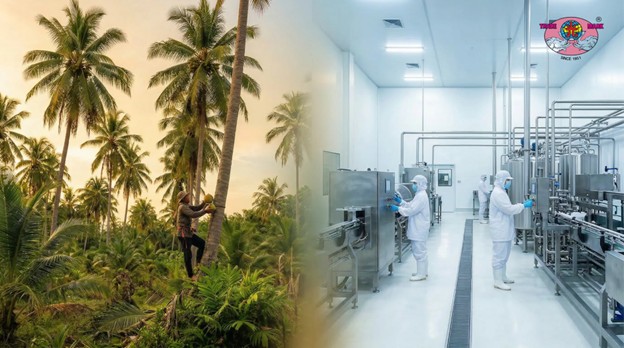
Behind every high-quality coconut milk product is a sophisticated manufacturing process. Leading Thai producers employ advanced extraction systems that begin with fresh coconut meat pressing and proceed through precise blending to achieve targeted fat levels.

Manufacturers typically offer customizable fat content ranging from 5 percent for lighter beverage blends to 22% for rich, cream-forward formulations. This flexibility allows beverage brands to tailor their products according to market preferences, whether for low-calorie smoothies or indulgent coconut-based lattes.

UHT sterilization technology plays a critical role in maintaining both safety and shelf life. Through ultra-high temperature treatment, coconut milk can be preserved for extended periods without refrigeration prior to opening. This makes Thailand a reliable OEM coconut milk UHT supplier for international markets where long transit times are common.

Packaging options include:

  • Retail cans suitable for supermarkets
  • Aseptic cartons designed for beverage production lines
  • Bulk packaging for industrial-scale use

Export logistics are optimized for both cold chain and ambient shipping, depending on product specifications and client requirements. For beverage companies managing global distribution networks, this logistical flexibility provides a clear operational advantage.

What Differentiates Thai Coconut Milk Suppliers

In an increasingly competitive global market, differentiation comes down to compliance, stability, and innovation.

Leading Thai factories operate under internationally recognized certifications such as BRC, IFS, GHPs, and BSCI. These certifications ensure that production meets stringent food safety, hygiene, and ethical standards, allowing smoother access to markets in the European Union, the United States, Japan, and the Middle East.

Beyond certification, formulation stability is a crucial factor for beverage applications. Coconut milk used in ready-to-drink products must maintain emulsion stability, prevent separation, and retain flavor consistency over time. Thai manufacturers invest in homogenization and quality control processes to ensure batch-to-batch reliability.

The industry’s ability to support product innovation further enhances its global appeal. Coconut milk is now being integrated into:

  • Barista-style coconut lattes
  • Plant-based protein beverages
  • Functional wellness drinks
  • Dairy-free iced teas and specialty coffees

As demand for plant-based drink ingredients Thailand continues to grow, manufacturers are increasingly collaborating with beverage brands to co-develop tailored solutions.

OEM and Private Label: Accelerating Brand Growth

Picture3

For emerging beverage brands and established café chains alike, OEM production in Thailand offers a strategic pathway to market expansion.

Thai coconut milk manufacturers provide private label and OEM services that include customized fat ratios, packaging design, labeling compliance, and flexible minimum order quantities. This enables both startups and multinational beverage companies to develop proprietary coconut milk products without investing in their own processing facilities.

Several café chains and wellness-focused beverage brands have leveraged Thailand’s OEM capabilities to introduce coconut-based drink lines that align with clean-label and plant-based positioning. By partnering with an experienced manufacturer, brands can accelerate time to market while maintaining full control over product identity.

The advantage lies not only in production scale but also in responsiveness. Shorter lead times and streamlined export documentation allow brands to react quickly to shifting consumer trends and seasonal demand.

Supporting the Global Plant-Based Movement

The global transition toward sustainable, plant-based consumption continues to influence purchasing decisions across regions. Coconut milk stands out as a naturally dairy-free ingredient that appeals to environmentally conscious consumers.

Thailand’s well-established coconut farming and processing ecosystem supports this shift by offering traceability and responsible sourcing practices. Beverage brands seeking a coconut milk supplier for baristas or large-scale production benefit from working with manufacturers who understand both quality and sustainability expectations.

In a market where consumers increasingly scrutinize ingredient origins and production standards, transparency has become a competitive advantage.

A Strategic Partner for Beverage Innovation
Picture4

As global beverage brands compete to meet evolving consumer demands, sourcing decisions play a critical role in long-term success. Thailand’s combination of agricultural strength, advanced manufacturing, international compliance, and OEM flexibility makes it a preferred destination for companies seeking the best coconut milk for beverages.

Finding the Right Manufacturing Partner

For beverage brands evaluating sourcing options, the difference between a reliable partner and a generic commodity supplier often comes down to formulation flexibility and regulatory readiness.

Manufacturers based in Thailand’s central processing corridor, including Bangkok-based facilities with direct export infrastructure, are increasingly preferred by international brands for their ability to handle both small-batch development runs and large-scale commercial production under a single OEM framework.

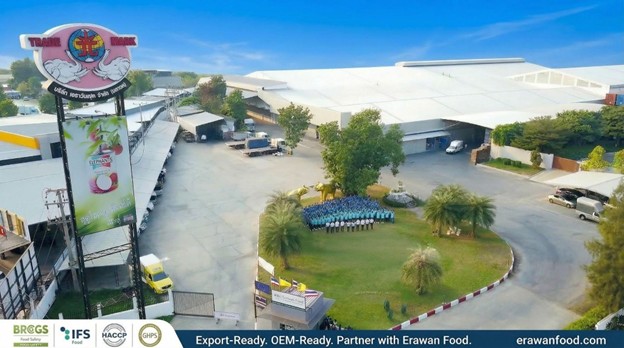
One example of this integrated approach is Erawan Food, a Thailand-based manufacturer specializing in high fat coconut milk for export and UHT coconut milk supply across beverage categories. The company’s OEM program supports private label development from formulation to export documentation — a structure that has attracted partnerships with café chains, wellness drink brands, and specialty importers across Asia, Europe, and the Middle East.

For beverage companies at the product development stage, the priority should be selecting a supplier that offers not just raw material, but formulation support, compliance documentation, and consistent batch-to-batch quality. These are the factors that separate a short-term vendor from a long-term growth partner.

As the plant-based beverage segment continues to mature, sourcing strategies will increasingly determine product differentiation. Brands that invest in understanding their ingredient supply chain — from coconut variety and fat content to UHT processing and shelf stability — will be better positioned to meet evolving consumer expectations.

For those ready to explore OEM production or private label development in Thailand, reviewing manufacturer capabilities early in the formulation process typically leads to faster time-to-market and stronger product outcomes.

For brands ready to elevate their coconut milk product line or explore OEM and export partnerships, Erawan Food welcomes direct inquiries from beverage innovators, distributors, and private label businesses worldwide.

Interested companies can reach the team at [email protected] or contact the sales department directly at +66 86 900 7777 for product specifications and partnership discussions.

Advertisement

Thick haze blankets Pai as wildfires rage in north

Thick haze blankets Pai as wildfires rage in north

MAE HONG SON — 1 April 2026, Pai district remains shrouded in dense haze as wildfires continue to burn across mountainous areas, pushing air pollution to hazardous levels, officials said.

Authorities reported that Pai, Mueang Mae Hong Son and Mae Sariang districts are experiencing PM2.5 levels in the red and purple zones, indicating severe health risks.

At 07:00, 24-hour average PM2.5 readings reached 293.1 micrograms per cubic metre in Pai, 147.3 in Mueang Mae Hong Son and 145.6 in Mae Sariang, all far exceeding safe standards.

Governor Wiboon Waewbundit chaired an emergency “war room” meeting at 08:00 to monitor wildfire and haze conditions, as officials warned the situation remains critical.

Data showed 3,851 hotspot detections between 1 January and 31 March, with Pai recording the highest number at 845. Most fires were found in protected forest areas.

The governor has ordered a strict ban on entering conservation forests from 1 February to 30 April, warning violators face legal action. Arrests have already been made for illegal entry, hunting and deliberate forest burning.

Firefighting efforts have been hampered by steep terrain, making many areas inaccessible to ground crews. Authorities have deployed helicopters to drop water on active fires, completing 28 flights and releasing more than 14,000 litres of water in a single day, with further operations planned.

Officials said additional aircraft have been requested to support containment efforts, particularly in areas where fires continue to spread beyond the reach of ground teams.

Despite ongoing operations, volunteers and officials are struggling to fully extinguish the fires, with smouldering debris and inaccessible mountain zones allowing flames to persist.

Authorities also cited cross-border haze from neighbouring countries and weather conditions, including temperature inversions trapping smoke in valleys, as factors worsening air quality.

Disaster officials warned of at least seven active fire clusters burning for more than six hours as of 15:03 on 1 April, raising concerns over potential large-scale wildfires.

Residents have been urged to take precautions as the crisis continues, with officials acknowledging that significant rainfall may be the only effective way to clear the haze.

Advertisement

Thailand to shift cannabis shops into medical clinics

Thailand to shift cannabis shops into medical clinics

BANGKOK — 1 April 2026, Thailand’s public health minister said the government will press ahead with its medical cannabis policy, including plans to convert about 11,000 licensed cannabis shops into regulated medical clinics.

Speaking at the Ministry of Public Health, Public Health Minister Pattana Prompat said the move forms part of broader efforts to tighten oversight of cannabis use, from cultivation and extraction to distribution, while focusing on medical applications.

The announcement followed a senior ministry meeting reviewing key policies, including Thailand’s push to join the Organisation for Economic Co-operation and Development (OECD), which requires improvements in healthcare standards, service quality and system management.

Pattana said new regulations are being developed in three main areas: clarifying regulatory authority, transitioning cannabis retailers into healthcare facilities, and ensuring cannabis is used primarily for medical purposes. Existing operators will be given a transition period of about three years to comply.

Currently, around 11,000 cannabis shops are registered nationwide, with 30–40% of licences expiring each year. Under the new framework, businesses will be required to operate as licensed medical facilities with qualified healthcare personnel on site.

The ministry also plans to introduce a database and visible storefront markers to allow the public to verify licensing status.

Pattana highlighted the economic potential of medical cannabis, particularly in extraction and processing, which could support domestic use and future exports under strict regulatory standards.

Separately, the ministry is promoting the use of traditional Thai herbal medicine within the healthcare system, backed by a budget of more than 2 billion baht from the National Health Security Office. About half of the funds have already been disbursed in the first half of the fiscal year, with full utilisation targeted by year’s end.

Officials are also reviewing healthcare infrastructure standards to better withstand natural disasters, drawing on lessons from recent floods and landslides. Measures include relocating critical systems such as oxygen supply points and electrical equipment to safer areas.

The meeting further addressed challenges in managing health insurance for migrant workers and foreign nationals, particularly those outside formal employment systems, as well as ongoing health concerns linked to PM2.5 air pollution in northern Thailand.

Advertisement

Axe-wielding neighbour leaves woman living in fear

Axe-wielding neighbour leaves woman living in fear

PRACHUAP KHIRI KHAN — 1 April 2026, a 46-year-old woman has appealed to authorities for urgent help after enduring years of harassment and threats from a neighbour she says is heavily drug-affected, raising fears for her safety.

Orapin, known as “Pin”, living in a municipal area of Khlong Wan in Mueang Prachuap Khiri Khan district, said the incidents have persisted for several years, leaving her in constant fear.

The neighbour, identified as Yodchai, 46, lives opposite her home and is accused of repeated aggressive behaviour, often at night. He has allegedly kicked her gate, shouted abuse, shone a torch into the house and fired stones from a slingshot at the property. On some occasions, he reportedly carried a metal pipe and even an axe while approaching the house.

The latest incident occurred at 22:04 on 29 March 2026, when he allegedly kicked the gate with such force that it shook violently and partially came off its track, narrowly avoiding damage to a parked car.

Orapin said she is often alone at home during the day while her sisters are at work. Her husband works in Phuket and returns only once a month, while her two sons study outside the area, heightening her sense of vulnerability, particularly when she must open the gate for customers.

She also alleged that before installing the gate, the neighbour had engaged in voyeuristic behaviour and committed indecent acts in front of women in the neighbourhood. Residents, many of them elderly in the small seven-house community, are aware of his behaviour but are too afraid to intervene.

Axe wielding neighbour leaves woman living in fear 2

Orapin said she has reported the incidents to police multiple times over the past four to five years and was advised to collect evidence, leading her to install CCTV cameras. While officers have occasionally detained or warned the man, she said the measures have failed to stop the harassment.

Authorities said the suspect has a long history of substance abuse. He has also reportedly assaulted family members, in incidents that required police intervention.

Orapin urged relevant agencies to step in, detain the suspect and ensure he receives proper treatment, warning that without intervention the situation could escalate into serious violence and further endanger the community.

Advertisement

Serial burglar held over raids on foreign homes

Serial burglar held over raids on foreign homes

CHIANG MAI — 1 April 2026, Police in northern Thailand have arrested a 39-year-old man accused of a string of night-time burglaries targeting homes of foreign residents, with losses estimated at more than 50,000 baht.

The suspect, identified as Sitthi (surname withheld), from Inthakhin subdistrict in Mae Taeng district, was detained by officers from Phu Phing Ratchaniwet Police Station.

Police said items seized included about 50,000 baht in cash, foreign banknotes, a mobile phone, clothing allegedly worn during the offences and a motorcycle believed to have been used in the crimes.

He faces charges of night-time theft using a vehicle to facilitate the offence or evade arrest, a serious offence under Thai law.

Investigators said the suspect would scout potential targets during the day by riding a motorcycle, focusing mainly on houses or rental rooms occupied by foreigners. He would then return at night to break in and steal valuables.

Police said further investigation indicated the suspect had carried out similar offences across multiple areas before being tracked down and arrested by the Phu Phing Ratchaniwet investigative team.

The suspect has been handed over to investigators for legal proceedings.

Serial burglar held over raids on foreign homes 2

Advertisement

Cabinet backs UNESCO bid for ‘Nang Yai’ revival as global cultural diplomacy push

BANGKOK — The Cabinet has approved a proposal to nominate “The Revival of Nang Yai by Nang Yai Communities in Thailand” for inscription with the UNESCO under the category of “Good Safeguarding Practices of Intangible Cultural Heritage,” marking Thailand’s first submission in this category.

Culture Minister Sabida Thaiset said on 26 March 2026 that the Cabinet also authorised the Director-General of the Department of Cultural Promotion, in their capacity as secretary to the national cultural heritage committee, to sign and submit the nomination dossier by 31 March 2026, in line with the deadline.

20260327103901 6994
Culture Minister Sabida Thaiset

Sabida said the move represents a key step in advancing Thailand’s cultural diplomacy by promoting the value of community-led heritage preservation on the global stage.

“Nang Yai is not merely a performing art, but a living heritage that reflects the strength of communities in preserving, revitalising and passing on traditions from generation to generation,” she said.

The nomination builds on local success and aims to elevate it to policy and international recognition. It highlights the work of three communities: Wat Khanon in Ratchaburi, Wat Ban Don in Rayong, and Wat Sawang Arom in Sing Buri, which have played central roles in reviving Nang Yai both domestically and internationally.

Nang Yai is a traditional Thai shadow play featuring large, intricately carved leather puppets that are performed against a backlit screen. The performances combine storytelling, music and dance, and have been passed down through generations as a vibrant form of community-based cultural heritage.

Sabida noted that the Wat Khanon community previously received an award from the Asia/Pacific Cultural Centre for UNESCO (ACCU) in June 2007 for its outstanding efforts in safeguarding intangible cultural heritage, demonstrating the strong potential of Thai communities in cultural conservation.

20260327103901 8310

She said the nomination is fully prepared in terms of documentation, content and community participation. Missing the 31 March deadline would delay the submission by one year and could cost Thailand an opportunity to strengthen its cultural presence on the international stage.

“This is a crucial moment for Thailand to affirm its cultural role globally and create pride among the Thai people,” she said.

The minister added that the push to list Nang Yai is not only about preserving cultural heritage, but also about using culture as a creative force to foster mutual understanding and connect people worldwide in a sustainable way.


Advertisement

Suspected bomb in Phayao found to be harmless hoax

Suspected bomb in Phayao found to be harmless hoax

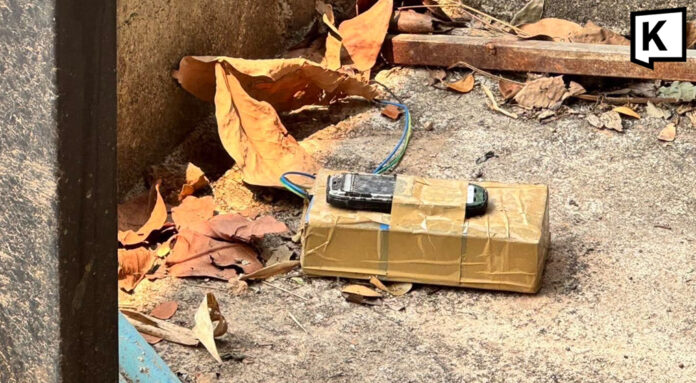
PHAYAO — 01 April 2026, A suspected explosive device found outside a rental house in northern Thailand prompted a bomb disposal response before being confirmed as a harmless hoax, officials said.

Police from Phayao’s explosive ordnance disposal (EOD) unit were alerted via the 191 emergency radio centre that a suspicious object resembling a bomb had been discovered outside a rented property in Ban Rong Ha Pa Cham Cha, Moo 14, Ban Tom subdistrict, Mueang Phayao district.

Authorities cordoned off the area and barred access to ensure public safety amid alarm among nearby residents.

After a detailed examination, the object was identified as an improvised but fake explosive device, containing no detonator or explosive materials. Officials believe it may have been planted to cause panic or for unknown motives.

The device was safely removed for further inspection, and authorities later confirmed the area was secure. Residents were advised not to touch or move suspicious objects and to immediately notify officials if such items are found.

Police said an investigation is under way to identify who placed the object and determine their intent, with legal action to follow.

Advertisement

Tour boat crew filmed dumping rubbish off Phuket coast

Tour boat crew filmed dumping rubbish off Phuket coast

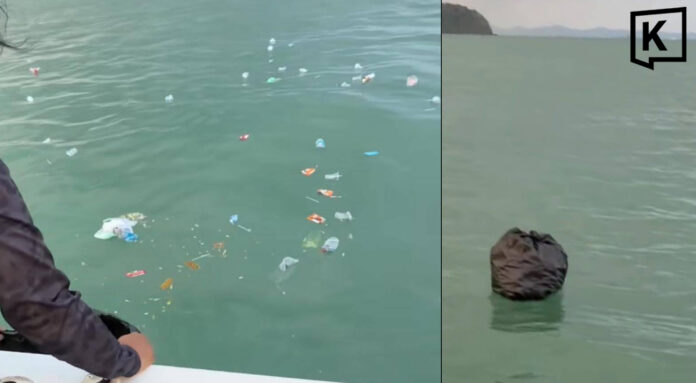
PHUKET — 01 April 2026, Authorities are being urged to investigate after images circulated online appeared to show a tour boat crew dumping rubbish into the sea near the mouth of Tha Chin canal in Phuket province.

The incident included four images showing two men aboard a vessel in Rassada subdistrict, Mueang Phuket district, throwing black garbage bags overboard. The bags reportedly burst upon hitting the water, scattering waste across the surrounding area.

The post claimed such incidents were not isolated, alleging similar dumping behaviour has been observed multiple times in the same location.

The images drew widespread criticism on social media, with many users expressing anger over the environmental damage and calling on authorities to take legal action against those responsible.

There were also calls for stricter enforcement and tighter regulation of tour boats and operators to prevent marine pollution, which could harm the environment and damage Phuket’s tourism image.

Advertisement

Thailand warns April Fools’ posts risk jail and fines

Thailand warns April Fools’ posts risk jail and fines

BANGKOK — 1 April 2026, Thai government warned the public to exercise caution on April Fools’ Day, saying false or misleading posts that cause harm or public panic could lead to criminal charges, including imprisonment and fines.

Ayrin Phanrit, deputy government spokesperson, said 1 April is widely observed as April Fools’ Day, when people often share jokes or hoaxes for amusement. While such activities can help build relationships and relieve stress, she said they can also negatively affect others or trigger public alarm, particularly when false information is posted on social media and rapidly shared.

The government, through the Royal Thai Police, urged people to avoid creating or spreading false claims, even as jokes, if they could damage others or cause panic.

Under Thai law, offences may include:

  • Defamation by publication under Section 328 of the Criminal Code, which carries a penalty of up to two years in prison and/or a fine of up to 200,000 baht for content that harms a person’s reputation or exposes them to hatred or contempt.
  • Importing or disseminating false information into a computer system in a way that affects national security, public safety, the economy, or critical infrastructure, or causes public panic, under the Computer Crime Act (2007) and its amendments, Section 14 (1), (2) and (15). This carries a penalty of up to five years in prison and/or a fine of up to 100,000 baht.

Ayrin added that amid tensions in the Middle East affecting the global energy situation, the government is urging the public to share only accurate and useful information to maintain confidence.

She advised people to verify information before sharing it and said those affected by fake news, or who encounter misleading content causing confusion, can file complaints at local police stations or report tips via the 191 emergency hotline or the Royal Thai Police hotline 1599, available 24 hours a day.

Advertisement

Wild elephant herd of 30 enters Nakhon Nayok village

Wild elephant herd of 30 enters Nakhon Nayok village

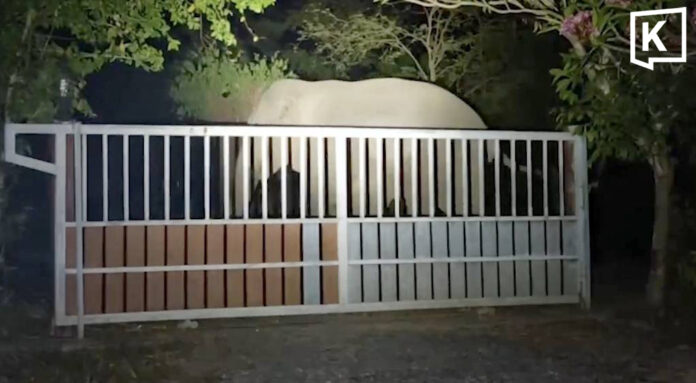
NAKHON NAYOK — 31 March 2026, A herd of more than 30 wild elephants from Khao Yai National Park strayed into a village in Sarika subdistrict, alarming local residents, officials said.

The herd, comprising adult elephants and calves, descended from forested areas within Khao Yai National Park, which borders Sarika in Mueang Nakhon Nayok district. The animals entered from behind Khwan Nakhon village, Moo 1.

Wild elephant herd of 30 enters Nakhon Nayok village 2

Following reports from villagers, a joint team including local elephant response units, national park officials, disaster prevention officers and Sarika subdistrict fire services was deployed to the area.

Authorities worked to drive the elephants away from residential zones, successfully guiding the herd back into forest areas adjacent to Wang Takhrai at around 23:30 the same night.

No injuries or damage were immediately reported, but the incident heightened concerns among residents living near the park boundary.

Wild elephant herd of 30 enters Nakhon Nayok village 3

Advertisement

Hot News

LATEST NEWS

Bangkok
overcast clouds
30 ° C
30 °
26.6 °
79 %
4.9kmh
100 %
Fri
30 °
Sat
30 °
Sun
31 °
Mon
30 °
Tue
31 °