30 C
Bangkok
Saturday, July 4, 2026
Home Blog Page 114

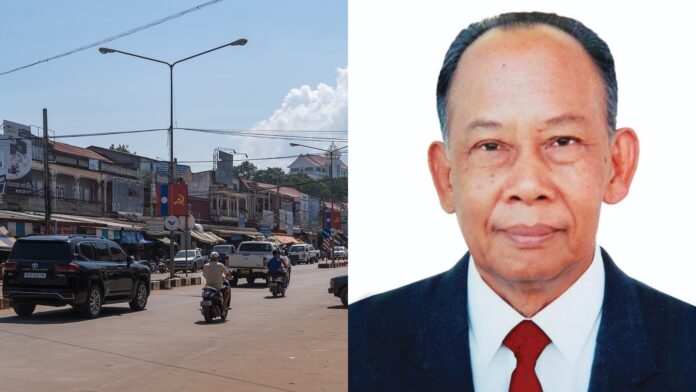
Laos considers renaming Pakse after former president Khamtai Siphandone

Authorities in southern Laos are considering renaming Pakse, the main city of Champasak province, to Khamtai Siphandone City, in honour of the late former president.

The proposal is currently undergoing official procedures, with local authorities preparing documents and consultations for approval by the provincial assembly. If endorsed, it will be forwarded to the national government for a final decision.

Khamtai Siphandone, who died on 2 April 2025 at the age of 101, was a key figure in Laos’ modern political history. He served as chairman of the Lao People’s Revolutionary Party from 1992 to 2006 and as the country’s fourth president from 1998 to 2006.

Born in 1924 in Khong district, now part of Champasak province, Khamtai joined the independence movement after World War II and played a significant role in the country’s revolutionary struggle.

If approved, the renaming would mark a major symbolic shift for one of southern Laos’ most important urban centres.

Advertisement

Barber shaves “too rich to handle” slogan into hair, sparking buzz

Barber shaves “too rich to handle” slogan into hair, sparking buzz

AYUTTHAYA — 27 March 2026, A barber shop in Ayutthaya has gone viral after carving the phrase “too rich to handle” into a customer’s hair, following a popular catchphrase associated with Thailand’s prime minister.

Reporters visited “Hai Huang Barber” at Khok Chang market in tambon Uthai, Uthai district, where a regular customer from Ang Thong province had travelled specifically to have the slogan shaved onto his head.

Shop owner Wongwiset Menklai, 53, said the customer had booked an appointment earlier in the day and clearly requested the phrase, which has recently gained traction online.

“The customer said he is a fan of the prime minister and really likes the phrase, so he wanted it on his head as a symbolic expression,” Wongwiset said, adding that the customer was pleased with the result.

He noted that while the idea may seem unusual, it reflects creativity and current social trends, particularly as the phrase has been widely discussed amid rising fuel prices.

A video of the haircut has since circulated widely on social media, drawing large numbers of views and comments and bringing attention to the barber shop.

Advertisement

Ancient China had no “Thai” people

BANGKOK — Sujit Wongthes, founder of Silpa Wattanatham magazine, argues in Matichon Weekly that ancient China had no people who called themselves Thai. According to Sujit, what existed were communities speaking Tai-Kadai (Tai-Tai) languages, which Chinese chroniclers referred to derogatorily as Yue or Baiyue, meaning “barbarian tribes.”

“These Tai-Kadai groups identified themselves by various tribal names such as Zhuang, Li, and Lue,” Sujit writes, “but never as Thai. Later, some Thai historians and scholars in the 19th–20th centuries mistakenly labeled these groups as ‘Thai,’ even though there is no evidence they called themselves that.”


Thai origins lie in the Chao Phraya basin

According to Sujit, Thai people did not originate in China. Their original homeland was the Chao Phraya River basin, supported by historical, archaeological, and anthropological evidence.

  1. Thai people came from the Siamese of the Chao Phraya basin, a mix of several indigenous ethnic groups. They used Thai as a common language and only began calling themselves Thai after adopting Theravada Buddhism (Lanka tradition) around 1200 CE.
  2. Outside the Chao Phraya basin, no communities called themselves Thai:
    • North of Uttaradit: Lao Lanna
    • Northeast of Saraburi: Khmer along the Mun River and Lao along the Chi and Mekong rivers
    • South of Phetchaburi: Malay or foreign peoples

It was only in 1939 CE that these regions were unified as Thailand, and people of various ethnicities were officially labeled Thai.

  1. The 2015 edition of Thai National History, under a military government, states:

“The Thai people in today’s Thailand may have migrated in large waves into this region around the 12th century CE.”

Sujit notes that evidence shows no large-scale migration, only gradual movements along trade routes. Thai became a lingua franca for commerce, and its spread did not require mass migration.

By 1200 CE, Theravada Buddhism, Pali-Sanskrit culture, and the Ramakien epic had already shaped the Chao Phraya Siamese, who then began identifying as Thai.


The “Thai from China” theory

Sujit explains that Western scholars and colonialists were the first to suggest that Thai people originated in China. Later, Thai intellectuals and elites accepted these ideas, giving rise to the Altai–Nan Chao narrative, which appears in the work of Khun Wichitmatra, a historian and bureaucrat.

William Clifton Dodd, an American missionary in northern Thailand, Burma, and China, argued in The Tai Race: The Elder Brother of the Chinese (1928 CE) that Thai people descended from the Mongoloid Altai region, predating both the Hebrews and Chinese. He claimed they were original inhabitants of China over 2,200 years ago and migrated south to Indochina over centuries.

Khun Wichitmatra later adapted Dodd’s ideas in his book Lak Thai, which won royal recognition in 1928 CE. He traced the Thai origin to the Altai mountains, the creation of kingdoms in southern China, migration south to Yunnan, and the formation of Nan Chao and Yonok kingdoms in present-day northern Thailand.


Altai–Nan Chao migration according to Lak Thai

According to the narrative in Lak Thai: Thai ancestors initially settled between the Yellow and Yangtze rivers, forming the Ai Lao kingdoms with capitals such as Nakhon Lung, Nakhon Pa, and Nakhon Ngeow.

Around 243 BCE, Chinese invasions reportedly pushed these groups south, establishing the Nan Chao kingdom in Yunnan by 557 CE. Under King Pilogo, Nan Chao expanded into northern Thailand, including Sipsong Chutai and Luang Prabang, and founded the Yonok kingdom in Suvarnabhumi, once home to Lawa, Khmer, and Mon peoples.

By 757 CE, Chinese chronicles record Nan Chao splitting into multiple regions: Kosampi (Saenwi), Julani (Tangke), Paisali/Manipur (Assam), and Yonok Chiang Saen. In 1235 CE, Kublai Khan’s forces destroyed Nan Chao. Thai people from Nan Chao migrated south, merging with earlier inhabitants of Suvarnabhumi (Lak Thai, 1928 CE).

Problems with the Altai theory

Even high-level Thai historians, such as Prince Damrong Rachanuparb, raised doubts about the Altai hypothesis. While the Ministry of Education removed the Altai origin theory from school textbooks in B.E. 2521, many books continued to include it. The idea persisted in public consciousness for generations and influenced subsequent historical writings, including works by Prince Chulchakkrapong (B.E. 2502).

Sujit concludes in Matichon Weekly that Thai identity is firmly rooted in the Chao Phraya river basin, shaped by Theravada Buddhism, Pali culture, and regional trade networks—not ancient China.


Advertisement

US pauses immigrant visas for Thais, 74 other countries

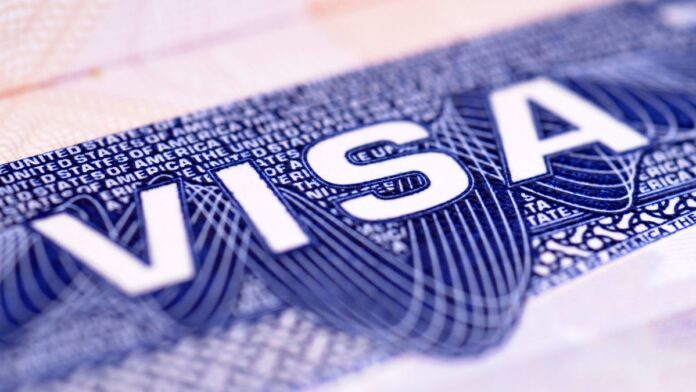
BANGKOK — 27 Mach 2026, The U.S. Embassy in Bangkok has announced that the U.S. Department of State has paused all immigrant visa issuances to nationals of 75 countries, including Thailand, effective 21 January 2026.

According to the Department of State, the pause affects countries “whose immigrants have a high rate of collecting public assistance at the expense of the U.S. taxpayer.” Applicants can still submit applications and attend interviews, but no visas will be issued during the pause. Exceptions apply for dual nationals with valid passports from countries not on the list and children being adopted by American families. Some cases may also receive National Interest Exceptions under Presidential Proclamation 10998.

The policy is part of a broader review to ensure immigrants from high-risk countries do not unlawfully rely on U.S. welfare programs or become a public charge. The move aligns with guidance from President Donald Trump, who emphasized that immigrants should be financially self-sufficient and not be a burden on American taxpayers.

The full list of affected countries includes Afghanistan, Albania, Algeria, Antigua and Barbuda, Armenia, Azerbaijan, Bahamas, Bangladesh, Barbados, Belarus, Belize, Bhutan, Bosnia and Herzegovina, Brazil, Burma, Cambodia, Cameroon, Cape Verde, Colombia, Cote d’Ivoire, Cuba, Democratic Republic of the Congo, Dominica, Egypt, Eritrea, Ethiopia, Fiji, The Gambia, Georgia, Ghana, Grenada, Guatemala, Guinea, Haiti, Iran, Iraq, Jamaica, Jordan, Kazakhstan, Kosovo, Kuwait, Kyrgyz Republic, Laos, Lebanon, Liberia, Libya, Moldova, Mongolia, Montenegro, Morocco, Nepal, Nicaragua, Nigeria, North Macedonia, Pakistan, Republic of the Congo, Russia, Rwanda, Saint Kitts and Nevis, Saint Lucia, Saint Vincent and the Grenadines, Senegal, Sierra Leone, Somalia, South Sudan, Sudan, Syria, Tanzania, Thailand, Togo, Tunisia, Uganda, Uruguay, Uzbekistan, and Yemen.

The embassy urged affected Thai nationals to review eligibility for exceptions and check the Department of State website for updates.

Advertisement

Thailand’s population shrinks down to 65.8 million

Thailand's population shrinks down to 65.8 million

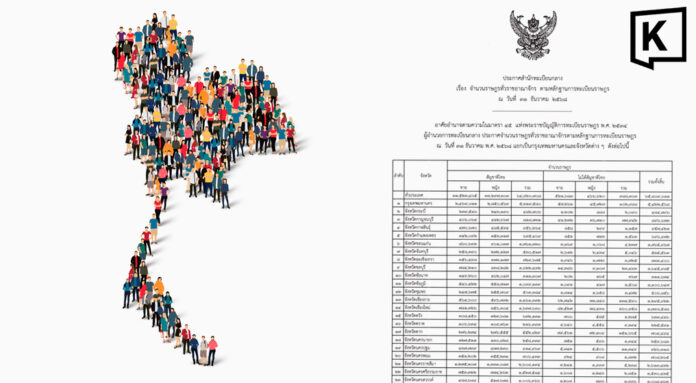
BANGKOK — 25 March 2026, Thailand’s population stood at 65,809,011 as of 31 December 2025, according to the Central Registration Office under the Department of Provincial Administration.

The figures show 64,820,708 Thai nationals and 988,620 non-Thai residents recorded in the civil registration system.

Data compiled from the announcement ranks the 10 most populous provinces as follows:

  1. Bangkok — 5,422,568
  2. Nakhon Ratchasima — 2,613,132
  3. Ubon Ratchathani — 1,865,501
  4. Chiang Mai — 1,798,588
  5. Khon Kaen — 1,785,462
  6. Chonburi — 1,618,485
  7. Buriram — 1,570,279
  8. Nakhon Si Thammarat — 1,540,132
  9. Udon Thani — 1,556,337
  10. Si Sa Ket — 1,452,941

Bangkok remains by far the most populous area, with more than double the population of second-ranked Nakhon Ratchasima. Most of the top 10 provinces are located in the northeastern region.

The total marks a decrease from 65,951,210 recorded in 2024, a drop of about 142,199 people.

Advertisement

Monk in wig held for drink driving, with woman and gun

Monk in wig held for drink driving, with woman and gun

SURIN — 27 March 2026, Police arrested a man who admitted he is still an ordained monk after he was caught driving drunk while wearing a wig at a checkpoint in Surin province, with a handgun and cash found in the vehicle.

Officers from Mueang Surin Police Station set up a checkpoint on Sukhumvit (Krung Si Nok) Road in Nai Mueang subdistrict. A grey Chevrolet car was stopped, and the driver initially gave inconsistent information before being identified as Suphawat (surname withheld), 42.

A breath test found his blood alcohol level exceeded the legal limit. He was arrested on a charge of drink-driving.

A female passenger, identified as “Sumanthathip” (alias), 46, appeared suspicious. A search uncovered a 9mm handgun and ammunition hidden in her shoulder bag. She was initially charged with illegal possession of a firearm and carrying a weapon in public without permission.

Monk in wig held for drink driving with woman and gun 2

Further inspection of the car found 123,814 baht (about 3,540 USD) in cash, along with saffron robes and monastic items used by Buddhist monks.

During questioning, Suphawat admitted he remains an active monk residing at a monastic residence in Tha Tum district, Surin. The woman later told police the gun belonged to Suphawat and said she had earlier claimed responsibility out of concern over the potential legal and disciplinary consequences he might face.

Both suspects were taken into custody and handed over to investigators. Police said they are coordinating with relevant authorities to verify the man’s monastic status and any violations of Buddhist disciplinary rules.

Advertisement

Cambodia suspends fines on road traffic violators amidst rising fuel prices

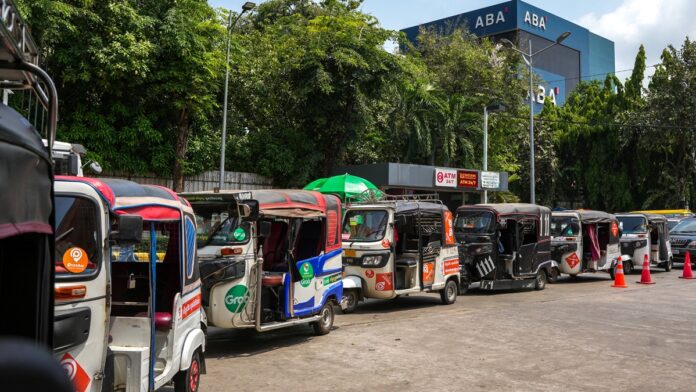
PHNOM PENH, March 26 (Xinhua) — Cambodia on Thursday temporarily suspended fines on road traffic violators amidst rising fuel prices caused by the ongoing Middle East conflict, said a Ministry of Interior spokesperson.

“The move is not to put further pressure on drivers who have been facing the significant rise in fuel prices,” Touch Sokhak told Xinhua.

However, traffic police will still be deployed to roads to educate drivers on traffic laws and to facilitate traffic, especially during rush hours. And they will still conduct alcohol tests on drivers and inspect weapons or explosives as usual at nighttime.

The Ministry of Commerce said in an announcement that a liter of regular gasoline will cost 5,450 riels (about 1.35 U.S. dollars) from Thursday until the next notice, slightly up 0.92 percent from 5,400 riels in the past seven days.

Diesel will go for 7,100 riels per liter, up 5.97 percent from 6,700 riels, the announcement added.

Also on Thursday, the price of Liquefied Petroleum Gas (LPG) costs 3,200 riels per liter.

Since the onset of the Middle East conflict, the prices of regular gasoline, diesel and LPG in Cambodia rose by 41.5 percent, 84 percent and 60 percent, respectively, according to the Ministry of Commerce.

Since last week, the Cambodian government has reduced import duties and taxes on gasoline and diesel products, aiming at mitigating the impact of rising international oil prices and relieving consumers’ burden.

The Southeast Asian country entirely relies on imported petroleum and diesel, as its seabed’s oil reserves have not been exploited yet.

Advertisement

Officials rescue 3 fox cubs from ashes after wildfire

Officials rescue 3 fox cubs from ashes after wildfire

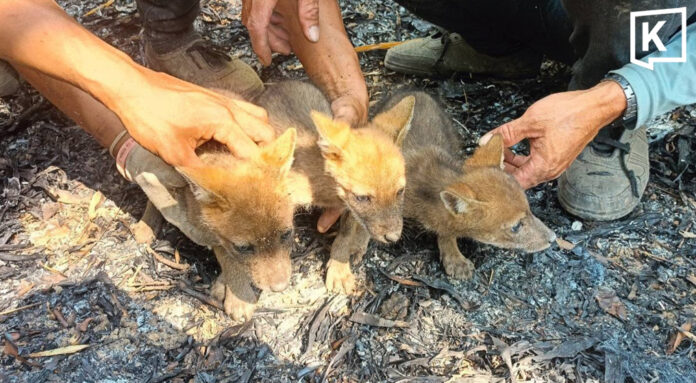
LAMPANG — 25 March 2026, Forestry officials rescued three fox cubs from a wildfire site in Chae Son National Park after flames scorched about 30 rai of forest, authorities said.

A team of 11 officers from the Mae Ka Forest Protection Unit, two wildfire watch points in Ban Mai Santi Suk and Ban Mai Phatthana, and the Chae Son Forest Fire Control Station inspected a hotspot in Chae Son subdistrict, Mueang Pan district.

They confirmed an active forest fire on a ridge near Huai Mae Soi in Ban Mai Santi Suk village. Firefighting operations began at 09:40 and the blaze was brought under control at 17:00.

Initial assessments found about 30 rai of mixed deciduous and dry dipterocarp forest damaged within the protected area of Chae Son National Park. Officials believe the fire was likely caused by people illegally entering the forest to forage.

Authorities said the operation was difficult due to steep terrain, requiring extra caution from personnel.

During the effort, officers discovered three fox cubs huddled in ashes and visibly distressed. The animals were moved to a nearby safe area to await the return of their mother.

Advertisement

Phuket police arrest two foreigners for bike stunts

Phuket police arrest two foreigners for bike stunts

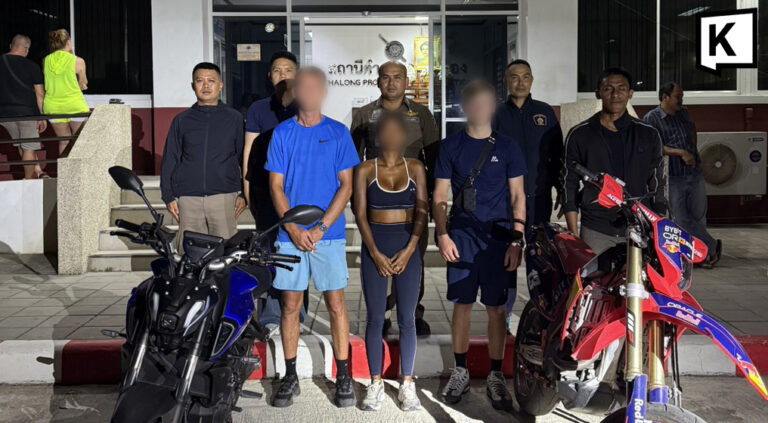
PHUKET — 25 March 2026, Two foreign men have been arrested after performing dangerous wheelie stunts on big motorcycles on a public road in Phuket, police said.

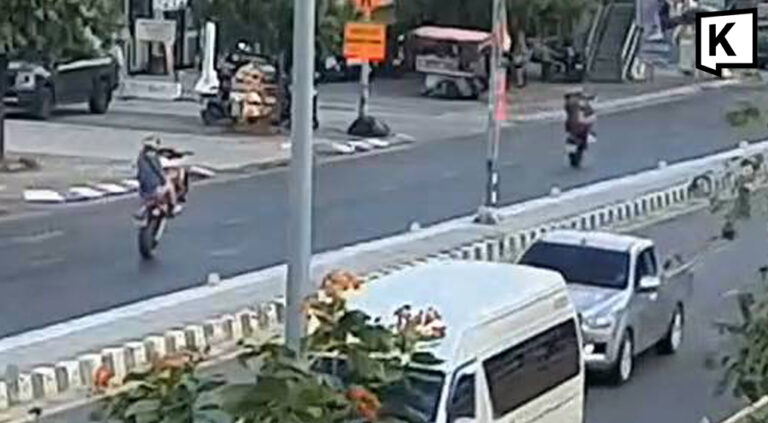
The incident came to light at about 14:00 on 25 March 2026, when a local Phuket news page posted images of foreign riders lifting their front wheels while speeding along Chao Fa West Road in Chalong, Mueang Phuket district. The post criticised the riders for reckless behaviour that endangered other road users.

Following the report, Pol. Col. Surasak Jaidee, superintendent of Chalong Police Station, ordered an immediate investigation. Traffic police, led by Pol. Lt. Col. Jakkrapong Phetcharat, deputy superintendent, and Pol. Lt. Col. Siripong Suriyan, traffic inspector, identified the suspects within about three hours.

Police said the incident occurred earlier the same day at 10:27, when one of the men repeatedly rode on one wheel along Chao Fa West Road near a Lotus’s supermarket, alarming motorists and posing a risk of accidents. A second foreign rider was also seen performing similar stunts.

Phuket police arrest two foreigners for bike stunts 3

Later that evening, officers located the motorcycles seen in the footage parked outside a convenience store on the same road. The vehicles were identified as a red-blue Honda CRF 450R, and a Yamaha MT-07.

The riders were identified as Harry, a British national, and Brian, an Irish national. Police said both men were unable to produce valid motorcycle driving licences issued by authorities, nor did they have international driving permits or equivalent documents.

Both suspects were taken to Chalong Police Station, where they admitted to the offences shown in the social media clips. Police seized the motorcycles and charged them with reckless driving endangering others and driving without a valid licence.

The suspects have been handed over to investigators for legal proceedings and will be referred to prosecutors for further action.

Phuket police arrest two foreigners for bike stunts 2

Advertisement

Activists urge police to end HIV ban on recruits

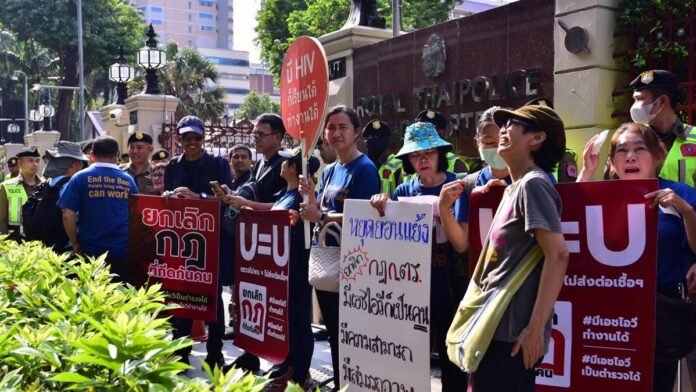
BANGKOK — HIV advocacy groups gathered outside the Royal Thai Police headquarters on Wednesday to demand the removal of a regulation that bars people living with HIV from joining the police force.

Representatives from the Thailand Network of People Living with HIV and the Foundation for Sexual Orientation and Gender Identity Rights and Justice submitted a petition addressed to national police chief Kitrat Phanphet, calling for the repeal of a 2023 Police Civil Service Commission rule that lists HIV/AIDS as a disqualifying condition.

The groups said the regulation is discriminatory and outdated, arguing it denies qualified individuals opportunities based solely on their health status. They noted that advances in medical treatment allow people living with HIV to lead normal lives and work effectively.

Citing the scientific principle of U=U (Undetectable = Untransmittable), the groups said individuals undergoing continuous treatment with undetectable viral loads cannot transmit the virus to others through daily activities or workplace contact.

They also argued the rule contradicts Section 27 of Thailand’s Constitution, which prohibits discrimination on health grounds, as well as national goals to end AIDS and international standards set by the World Health Organization and the International Labour Organization.

The groups called for the immediate removal of HIV from the list of prohibited conditions, revisions to recruitment criteria in line with human rights and modern science, and efforts to reduce stigma within the police force.

The protest featured performances, including a live art display symbolising the exposure of hidden prejudice, before demonstrators moved to the Government Complex on Chaeng Watthana Road to file a complaint with the Ombudsman seeking a review of the regulation.

Advertisement

Hot News

LATEST NEWS

Bangkok
overcast clouds
30 ° C
30 °
30 °
70 %
4.5kmh
100 %
Fri
30 °
Sat
30 °
Sun
31 °
Mon
30 °
Tue
31 °