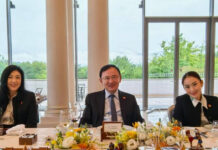

























BANGKOK — Thailand’s ruling Pheu Thai Party is preparing for a potential leadership transition as suspended Prime Minister Paetongtarn Shinawatra awaits a crucial Constitutional Court ruling that will determine whether she can resume office or must step down permanently.
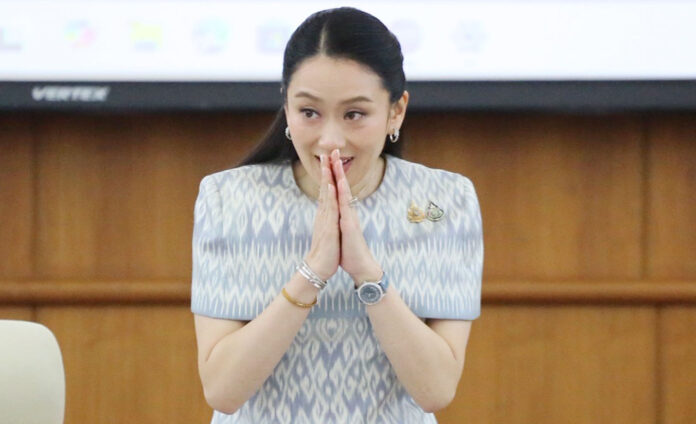
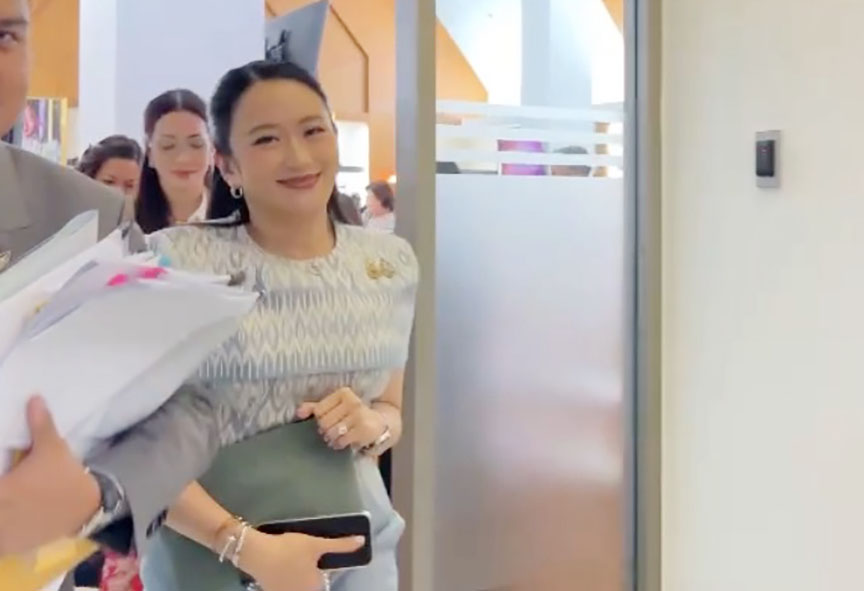
Just two days before learning her political fate, Paetongtarn maintained her public duties on Wednesday, chairing a National Culture Committee meeting in her capacity as Culture Minister. The case stems from leaked audio recordings of her conversations with Cambodian leader Hun Sen that surfaced publicly on June 18, leading to her suspension from the prime ministerial role on July 1.
Party Rallies Behind Embattled Leader
Despite mounting pressure, Paetongtarn has remained largely silent, responding to reporters’ persistent questions with only smiles. Her restraint appears strategic—PM Secretary-General Dr. Prommin Lertsuridej explained that her decision to participate in recent Cabinet meetings via teleconference was specifically to avoid media interactions that might prejudice the ongoing legal proceedings.
The August 26 Cabinet meeting demonstrated the government’s unity, with Acting PM Phumtham Wechayachai representing the Cabinet in offering encouragement and expressing hopes for a favorable verdict on August 29. Paetongtarn responded with gratitude, saying she “hopes to return to work.”
Historical Pattern of Judicial Removals
The stakes are particularly high given Pheu Thai’s troubled history with the courts. Four previous prime ministers from the party—including those serving under different party names—have been removed from office by judicial decisions. Most notably, this includes Paetongtarn’s aunt Yingluck Shinawatra and, just last year, Srettha Thavisin, creating a pattern that weighs heavily on the current proceedings.
Misinformation Campaign Targets Courts
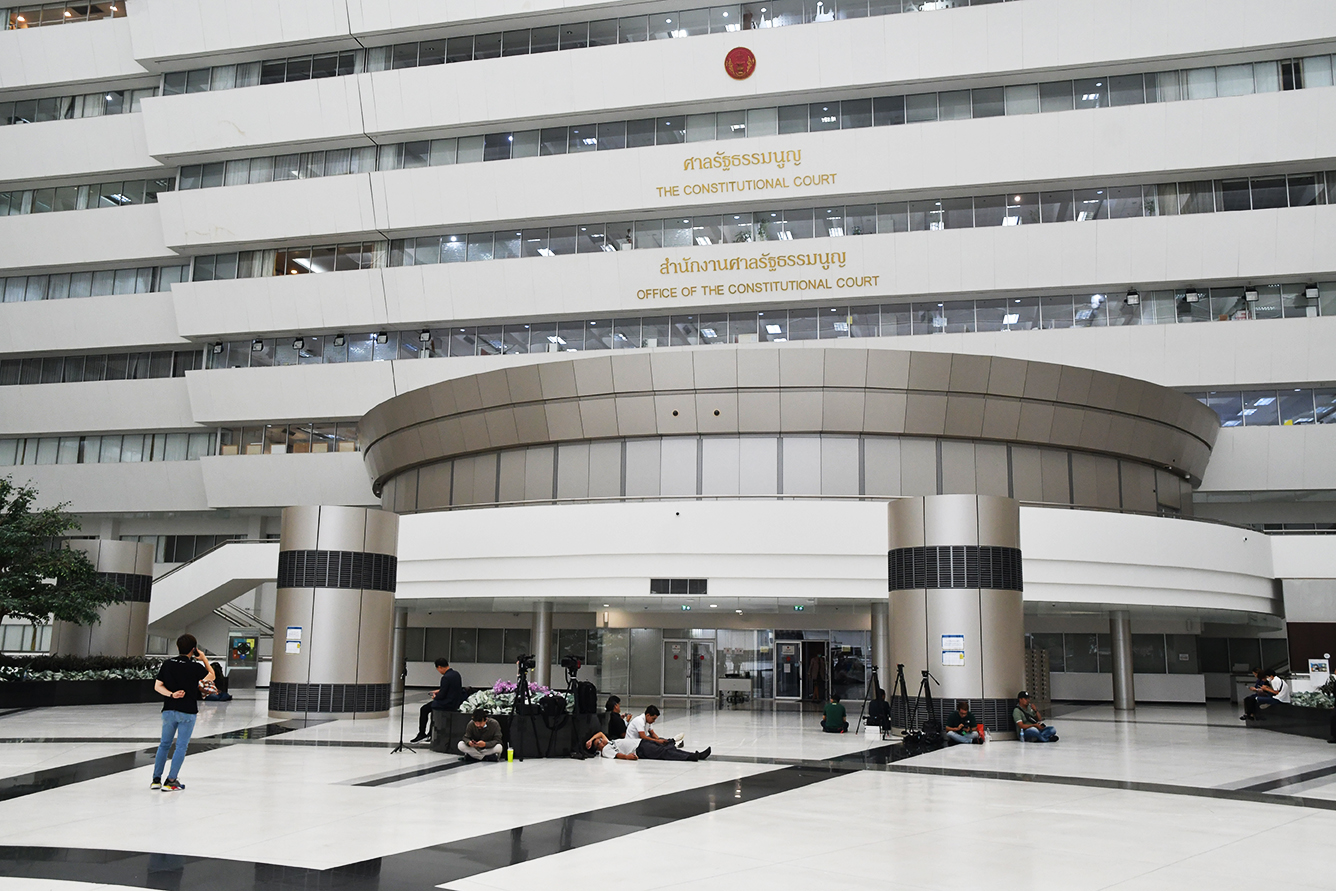
The political tension has been exacerbated by a sophisticated disinformation campaign. Manipulated audio clips surfaced online using artificial intelligence to alter recordings from Constitutional Court judges during Paetongtarn’s August 21 hearing. The doctored audio changed an innocuous “please sit down” to the more demeaning “sit down, child,” which spread rapidly across social media platforms.
The Constitutional Court responded decisively on August 25, announcing legal action against those who created and distributed the manipulated content, citing violations of the Computer Crime Act and contempt of court.
PM Secretary-General Prommin condemned the tactics, stating that “some Thai groups use fake news to create internal conflict and weakness, even crossing lines with the courts, prioritizing political interests over national interests—this is the real enemy of the Thai people.”
Backup Plan in Motion
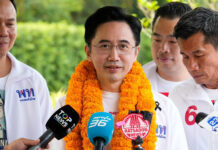
Anticipating a potential adverse ruling, Pheu Thai has already identified its contingency plan. Party spokesperson Danuporn Punnakanta confirmed that while the party will respect the Constitutional Court’s decision and continue supporting Paetongtarn, they are prepared to nominate their third prime ministerial candidate if necessary.
That candidate is 76-year-old Chaikasem Nitisiri, a seasoned political veteran who previously served as Justice Minister and Attorney General. Despite his age, Chaikasem has expressed confidence in his ability to lead, emphasizing that the prime ministerial role “doesn’t require extraordinary qualities” and that governance “follows its natural course.”

In a revealing interview, Chaikasem outlined his independent approach: “Whatever I’m asked to do, I must use my knowledge and judgment. I can’t be ordered around. If instructions benefit the nation and are correct, fine. But if they’re forced and don’t benefit the country, I can’t do them blindly—that’s my nature.”
Precarious Parliamentary Mathematics
The government’s vulnerability extends beyond the court case to the parliamentary arithmetic. The 11-party ruling coalition controls just 253 seats against the opposition’s 239 seats—a razor-thin margin that has already caused several parliamentary sessions to collapse due to insufficient attendance.
Rumors persist about potential vote-buying efforts to flip coalition partners, though Deputy PM Secretary-General for Political Affairs Somkid Chueakong has dismissed such speculation, arguing the opposition lacks sufficient votes for a successful challenge.
Critical Timing for National Challenges
The political uncertainty comes at a particularly challenging moment for Thailand. The country faces ongoing tensions with Cambodia that, despite ceasefire agreements, continue to affect border communities and impact the national economy. A prolonged leadership transition could hamper the government’s ability to address these pressing issues effectively.
If Paetongtarn cannot continue in office, the constitutional process of selecting and confirming a new prime minister could take 2-3 weeks, adding further uncertainty to Thailand’s political landscape during an already volatile period.
As Thailand awaits the Constitutional Court’s verdict, the decision will not only determine Paetongtarn’s political future but could reshape the country’s governance at a critical juncture, testing both democratic institutions and the resilience of the ruling coalition.
_________