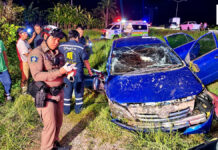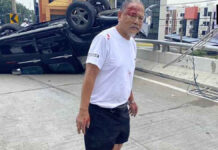
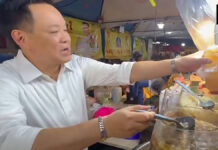





















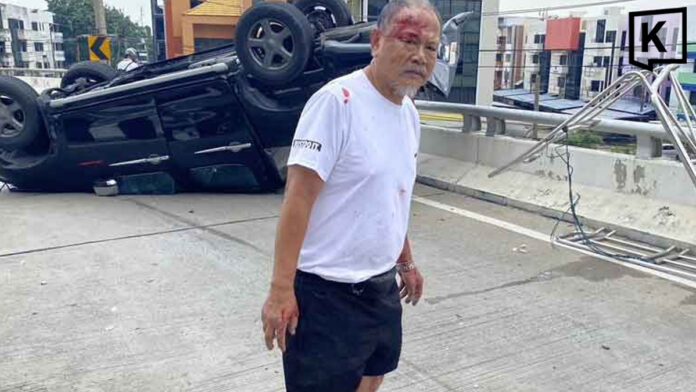
BANGKOK — 18 October 2026, A 69-year-old owner of a famous Bangkok yen ta fo noodle shop escaped with only four stitches after his pickup truck overturned in a serious crash earlier this month, an experience he believes was connected to a sacred amulet he carries.
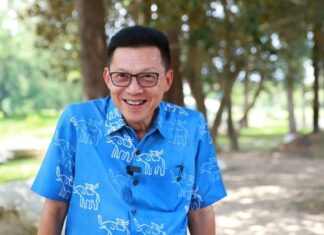
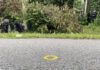
Saroj Duangjai, known as “Au” and owner of the Pratu Phi yen ta fo shop on Soi Saimai 22, shared his experience following the accident on 3 October near a U-turn in front of the air force base along Vibhavadi Rangsit Road.
He said he had taken his pickup truck, which had been left sitting in floodwater for an extended period during recent flooding, to buy supplies in Yaowarat before heading home to Saimai.
On the way back, he noticed something wrong with the vehicle and tried to drive slowly while looking for a place to stop. As he drove up a ramp towards Don Mueang Air Force Base, the brakes failed to work properly.
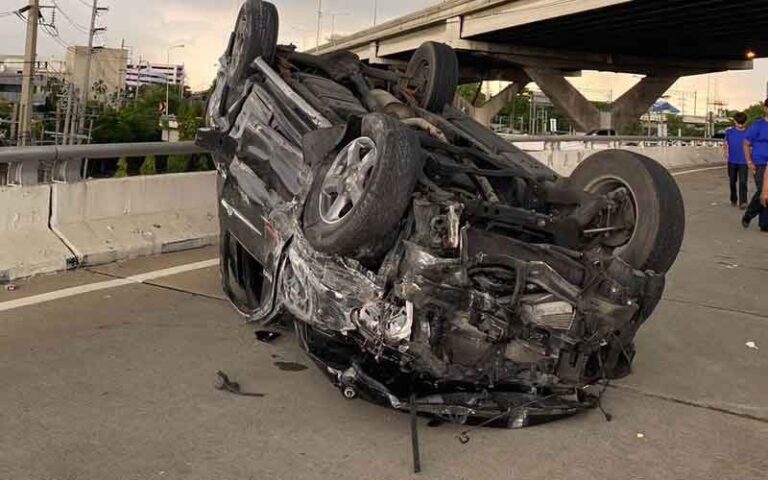
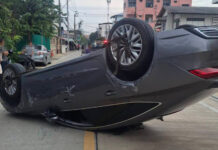
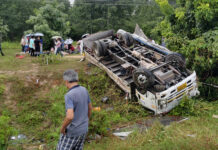
He attempted to pull over, but the wheels struck a kerb, causing a tyre to burst and the pickup to overturn. The vehicle was so badly damaged that it had to be sold for scrap.
Saroj sustained a head injury requiring four stitches, along with minor abrasions. He said he felt fortunate to have survived with no serious injuries, given the wreckage.
He attributed his survival to his faith in sacred amulets associated with Luang Pho Aod of Wat Sai Mai, which he regularly carries. His explanation reflects his personal belief rather than an established cause of the outcome.
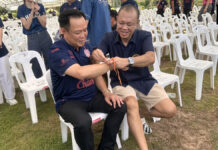
After recovering, Saroj visited Luang Pho Aod to pay his respects, receive a holy-water blessing and undergo the implantation of a gold takrut, a traditional protective charm, for good fortune. He expressed gratitude for surviving the crash, despite losing his pickup truck.