


































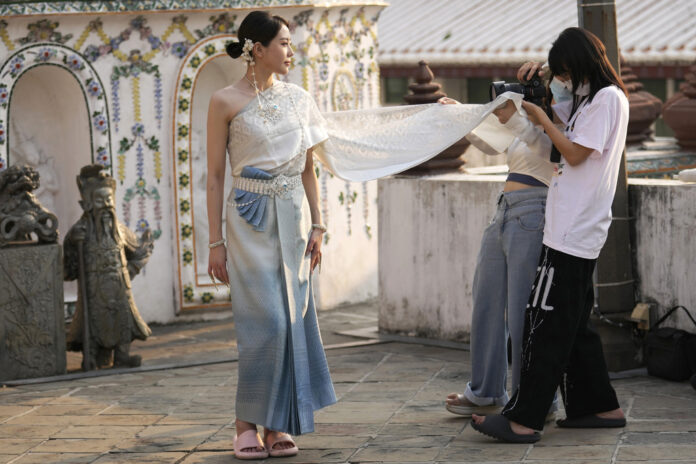
BANGKOK — A heated debate has emerged between Thailand and Cambodia over traditional wedding attire following Cambodia’s submission to UNESCO for Intangible Cultural Heritage recognition, with Thai nationalist groups raising concerns about cultural similarities in the proposed heritage listing.
The controversy centers on Cambodia’s proposal to register Khmer wedding traditions with UNESCO, which Thai critics claim features wedding attire resembling traditional Thai clothing. This has prompted questions about whether Thailand’s Ministry of Culture was aware of the submission and sparked broader discussions about cultural ownership in the region.
Ministry Clarifies UNESCO Process
Prasop Riangngern, Permanent Secretary of Thailand’s Ministry of Culture, moved to clarify the situation, stating that Cambodia’s UNESCO proposal focuses solely on Khmer wedding traditions without any reference to Thai clothing or cultural dress practices. He emphasized that UNESCO’s rigorous evaluation process involves detailed content verification by expert committees operating under principles of transparency, mutual respect, and international cooperation.
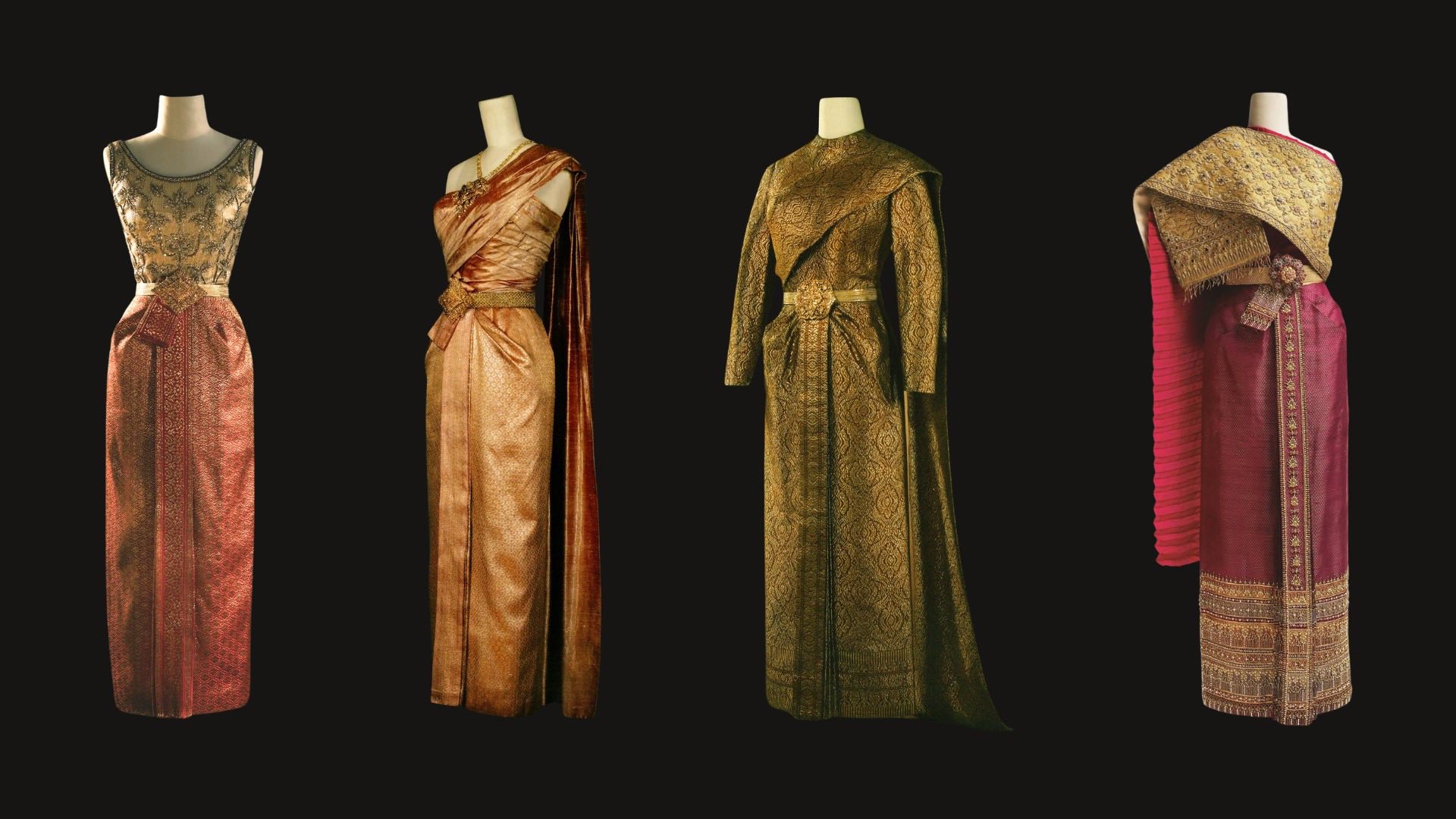
The clarification comes as Thailand pursues its own UNESCO heritage recognition for “Chud Thai” – the traditional Thai costume. Submitted last year under the title “Chud Thai: The Knowledge, Craftsmanship and Practices of the Thai National Costume,” the proposal will undergo UNESCO evaluation in 2026 during the 21st session of the Intergovernmental Committee for the Safeguarding of Intangible Cultural Heritage.
Parallel Heritage Preservation Efforts
Thailand’s UNESCO submission represents part of a broader cultural preservation strategy that has been ongoing since 2009, aimed at promoting the country’s soft power while safeguarding national cultural heritage. The “Thai Royal-Inspired Costume,” which received national heritage registration in 2023, gained Cabinet approval for international UNESCO submission in March 2024.
The traditional Thai costume reflects cultural identity through regional craftsmanship, transmitted through distinctive patterns, tailoring techniques, and traditional Thai fabrics. The garments gained particular prominence when Queen Sirikit wore them during official state visits to the United States and Europe with King Rama IX in 1960, establishing their role in projecting Thai identity internationally.
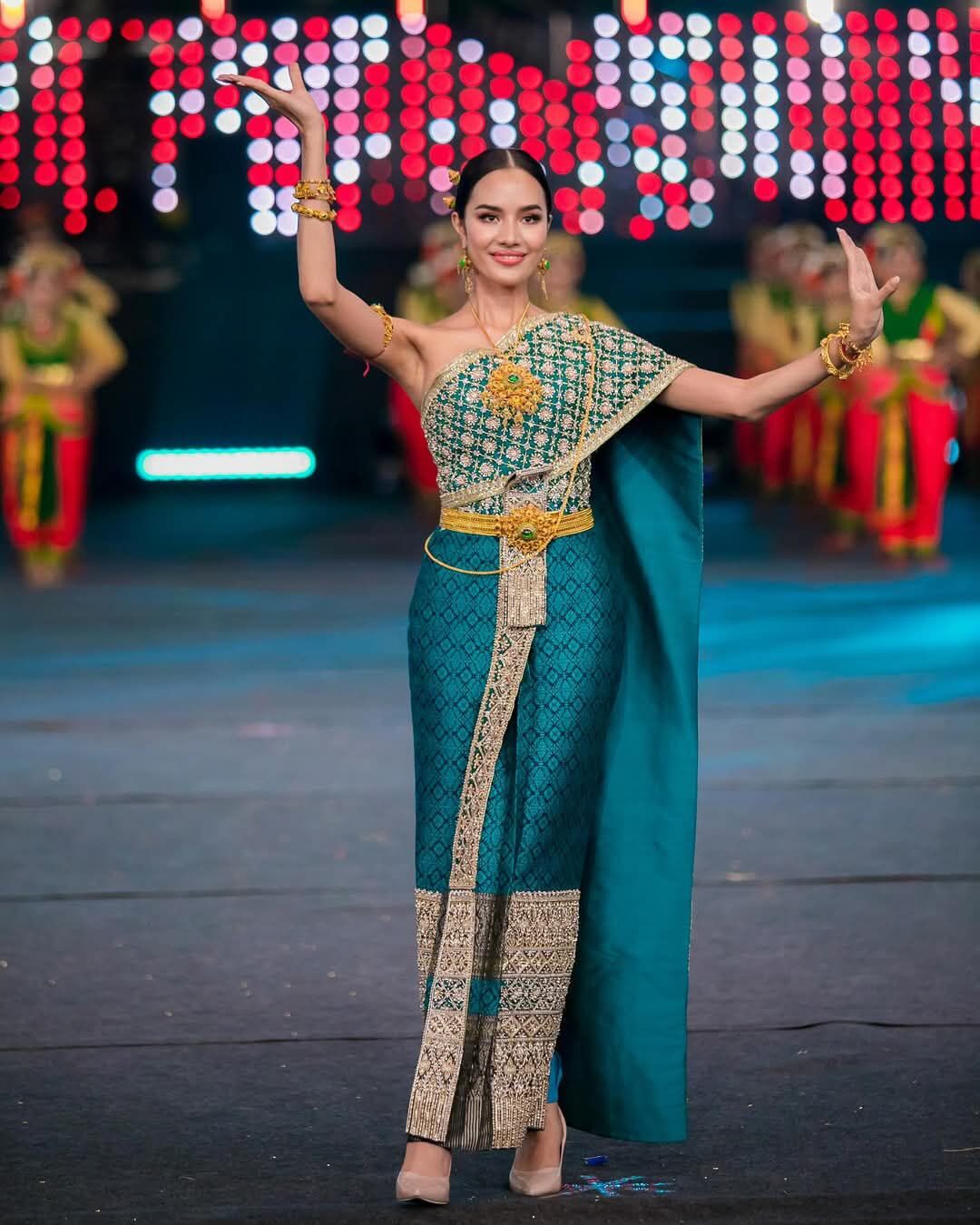
These costumes continue to serve as symbols of Thai identity across various occasions, from royal ceremonies to wedding celebrations, demonstrating their enduring cultural significance.
UNESCO’s Framework for Cultural Diversity
The heritage debate highlights UNESCO’s approach to cultural recognition, which encourages countries to submit their cultural practices transparently while promoting cooperation and mutual respect. The Permanent Secretary emphasized that heritage registration represents community value preservation rather than cultural ownership claims.
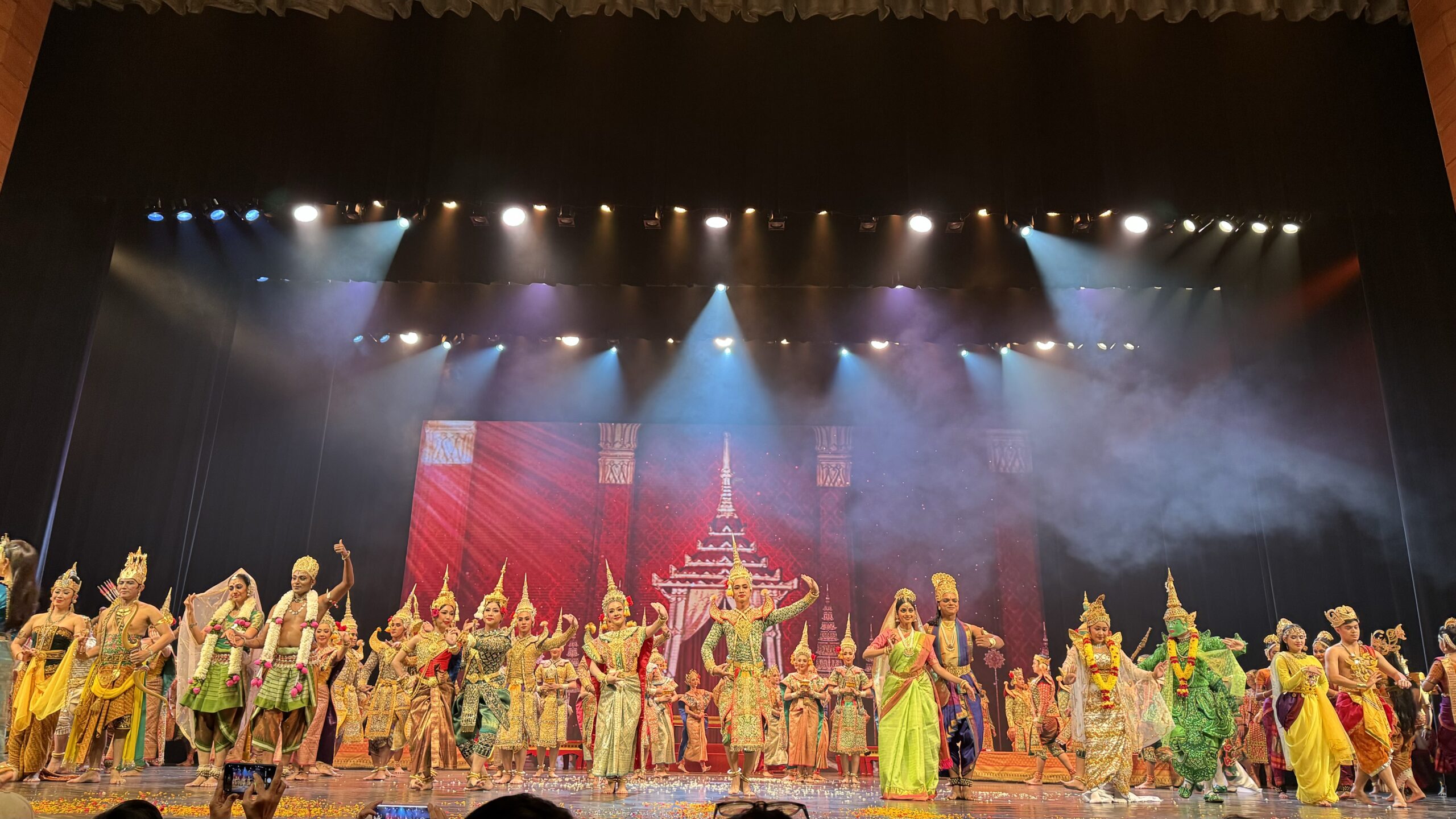
This framework has enabled successful collaborative submissions, such as the “Kebaya” costume jointly proposed by Singapore, Indonesia, Malaysia, Brunei, and Thailand. Similarly, Thailand’s “Khon” and Cambodia’s “Lakhon Khol” were independently proposed in 2018 without generating conflict, demonstrating how countries with shared cultural roots can pursue separate or joint heritage recognition.
Deeper Historical Context
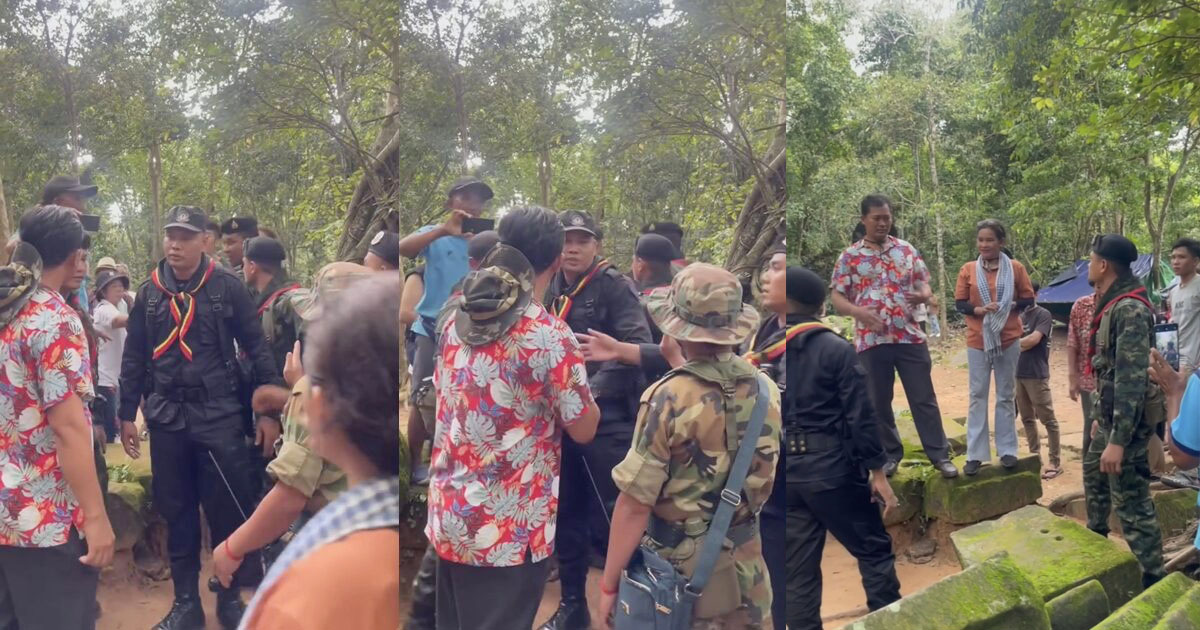
The traditional dress controversy reflects broader Thai-Cambodian tensions that extend beyond cultural heritage to include border disputes and historical grievances. These disagreements manifest in social media debates where Cambodian nationalists label Thais as “Siamese thieves” over territorial disputes, while Thai nationalists refer to Cambodia as “Claimbodia” for allegedly appropriating Thai culture.
Thai academics trace these tensions to historical nationalism processes and competing narratives that have developed over time in both societies, rather than viewing them as isolated contemporary disputes.
Academic Perspective on Resolution
Writer and journalist Sujit Wongthes attributes the cultural disputes to colonial-era concepts of racial and nation-state history. He advocates for abandoning divisive historical narratives in favor of studying “kinship history,” which emphasizes people and relationships over territorial claims.
“Southeast Asian history traditionally valued population over territory. While this approach won’t eliminate all conflicts, it reduces conditions that lead to division,” Wongthes explained. “For lasting peace—not just between Thailand and Cambodia, but throughout Southeast Asia—we must persist in these efforts despite the challenges.”
_________