































PUTRAJAYA, Malaysia — Thailand and Malaysia have agreed to swiftly resolve a recent fisheries trade dispute that disrupted seafood exports between the two countries, with both governments aiming to reopen affected markets within a week.
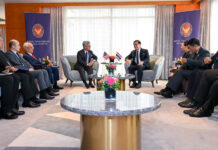
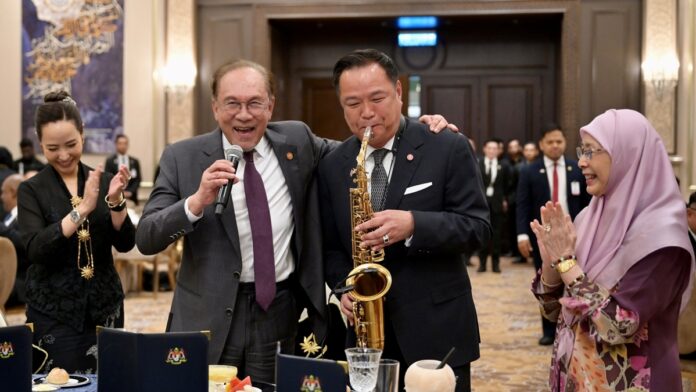
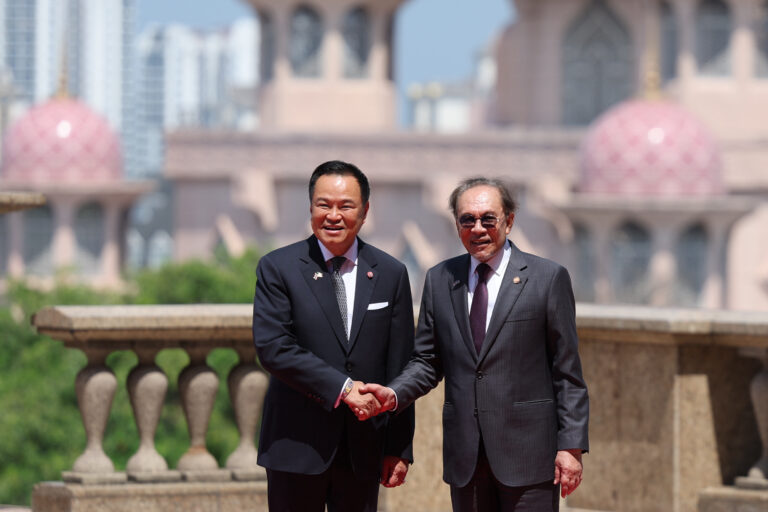
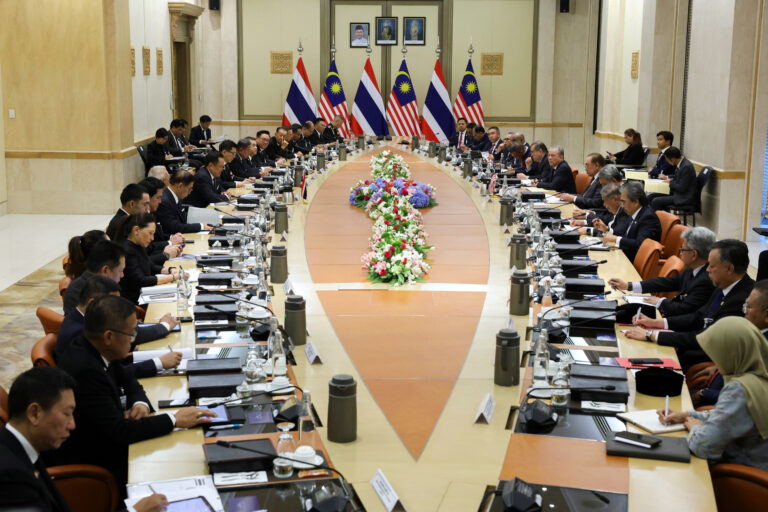
The breakthrough came after talks between Thai Prime Minister Anutin Charnvirakul and his Malaysian counterpart Anwar Ibrahim in Putrajaya on Thursday, during Anutin’s two-day official visit aimed at strengthening bilateral ties.
“We have resolved this outstanding issue of fisheries,” Anwar told reporters after the meeting, adding that both sides agreed the measures should be implemented within one week.
The dispute flared earlier this year after Thailand suspended imports of Malaysian sea bass over concerns about chemical residues. Malaysia later imposed temporary restrictions on certain varieties of Thai shrimp, citing food safety controls.
According to the Thai government, agriculture ministers from both countries have now reached a mutual understanding and will expedite the reopening of agricultural and fisheries markets to ease the impact on farmers and seafood producers.
The two leaders also agreed to deepen economic cooperation by accelerating plans for a special border economic zone and improving cross-border trade and transport links.
On Friday, Anutin and Anwar are scheduled to jointly inaugurate the new Sadao border checkpoint in Thailand’s Songkhla province and Malaysia’s Bukit Kayu Hitam crossing, the busiest land trade gateway between the two countries.
Both governments also pledged to advance several connectivity projects, including the resumption of the Satun–Kuala Perlis ferry service, integration of ticketing systems for rail services between Bangkok, Hat Yai and Butterworth, the restoration of the Sungai Kolok–Rantau Panjang railway, and construction of a new cross-border bridge.
Thailand and Malaysia also reaffirmed their commitment to boosting bilateral trade, with a shared target of reaching 30 billion in trade in the near future. The leaders said they would strengthen supply chains in food security, energy and high-tech industries while promoting investment, tourism and job creation in border areas.
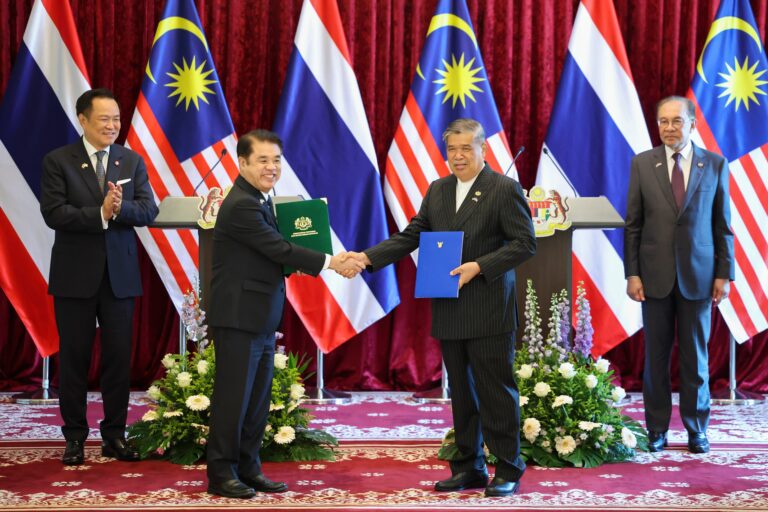
The two prime ministers also witnessed the exchange of a memorandum of understanding on agricultural cooperation covering crops, livestock, fisheries, research, technology transfer, human resource development and food security.
On regional issues, Anwar praised Thailand’s role in addressing the crisis in Myanmar, saying both countries believe lasting progress will require constructive engagement by all stakeholders. Thailand, which shares a long border with Myanmar, has continued humanitarian assistance while supporting regional efforts to restore peace.
Addressing security concerns closer to home, Anutin said ending violence in Thailand’s southern border provinces remained one of his government’s highest priorities, stressing that economic development and peace-building must go hand in hand. The two countries also agreed to expand cooperation against transnational crime, drug trafficking, human trafficking and border security, while establishing a joint mechanism to manage the Golok River and improve flood warning systems.