Khaosod English






































The United States has introduced new restrictions on exports of advanced artificial intelligence (AI) chips to Thailand, identifying the country as one of five markets where American technology faces a higher risk of being diverted to China.
According to Reuters, the Trump administration announced the measures on Monday (16 November), requiring US export licences for shipments of advanced AI chips to Thailand, Singapore, Malaysia, Indonesia and Brazil.
The restrictions aim to prevent Chinese companies from accessing powerful computing technology, including chips manufactured by Nvidia, through overseas data centres used to train AI models.
However, the new licensing requirements do not apply to US companies operating data centres in the five countries.
The regulations also require overseas data centres providing significant computing power to companies headquartered in China to obtain US export licences within 90 days or face further restrictions.
The measures could affect Thailand’s growing data centre and AI infrastructure sectors, particularly operators importing advanced American chips or supplying computing services to Chinese companies.
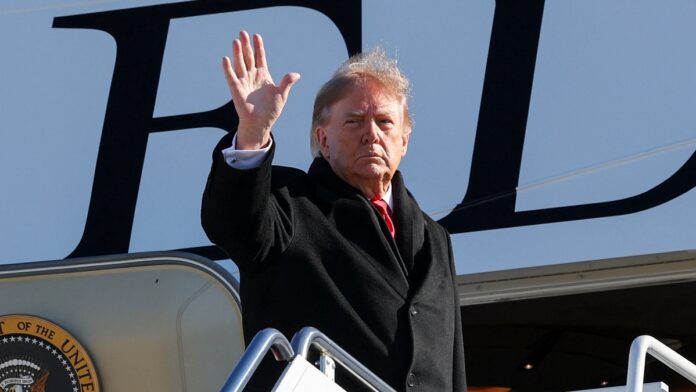
The announcement comes ahead of US President Donald Trump’s scheduled meeting with Chinese President Xi Jinping on Thursday in Shenzhen, China, during the APEC summit.
Reuters reported that the move follows growing scrutiny of Washington’s enforcement of technology export controls amid concerns that Chinese companies have used Southeast Asian data centres to access restricted AI computing power.
The new regulations also formally revoke a Biden-era framework governing global AI chip exports, replacing it with tighter controls targeting potential routes for sensitive technology to reach China.