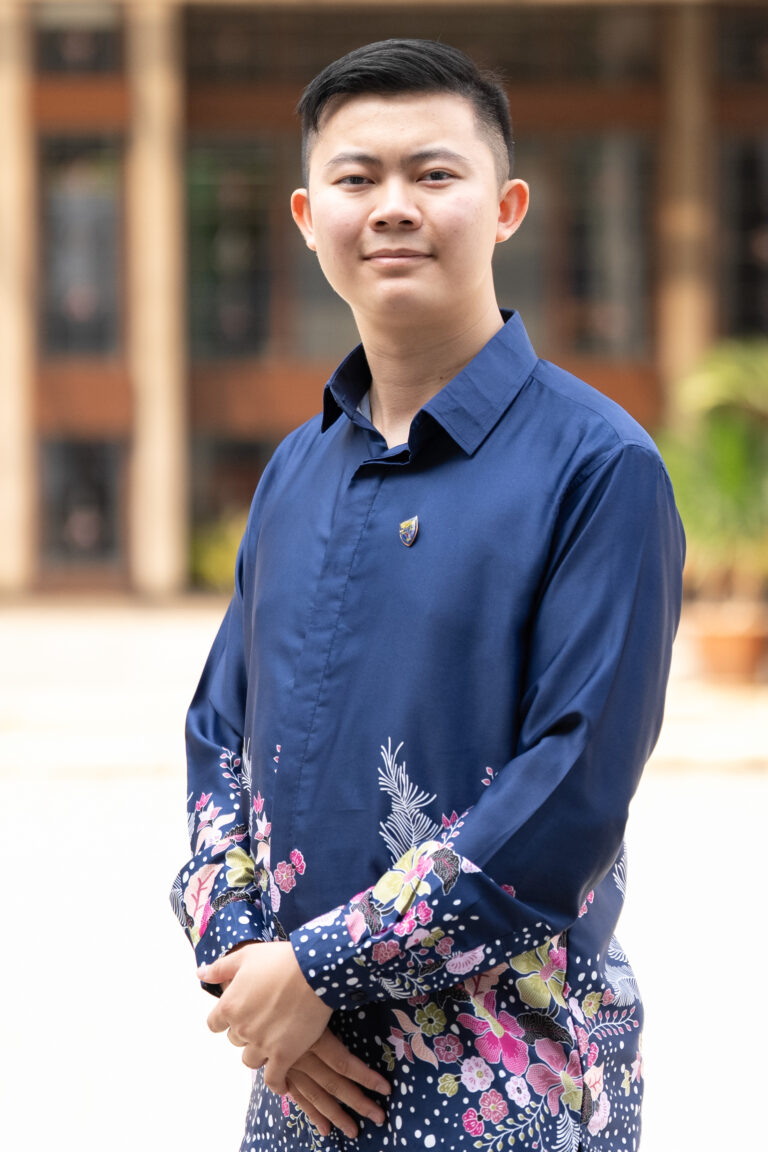
































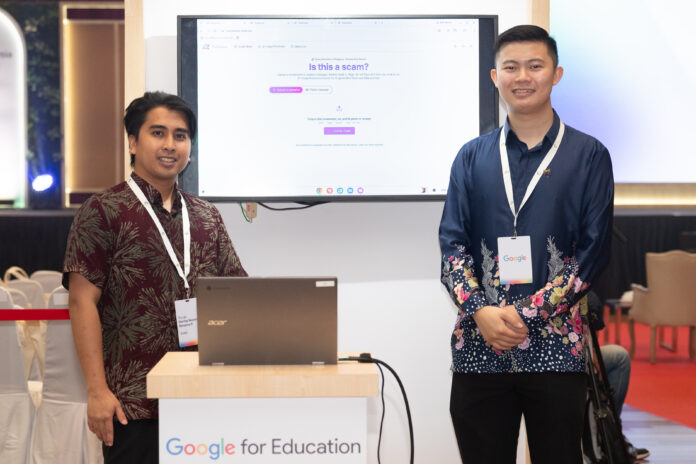
KUALA LUMPUR, Malaysia — A final-year student at Universiti Malaya has developed a web application designed to help users identify potential online scams and AI-generated content after becoming a victim of an AI-powered scam himself.
Min Han, who studies Computer Systems and Networks at the Faculty of Computer Science and Information Technology, is developing a platform called TruthLens to help people recognise early warning signs of scams, particularly those involving artificial intelligence (AI).
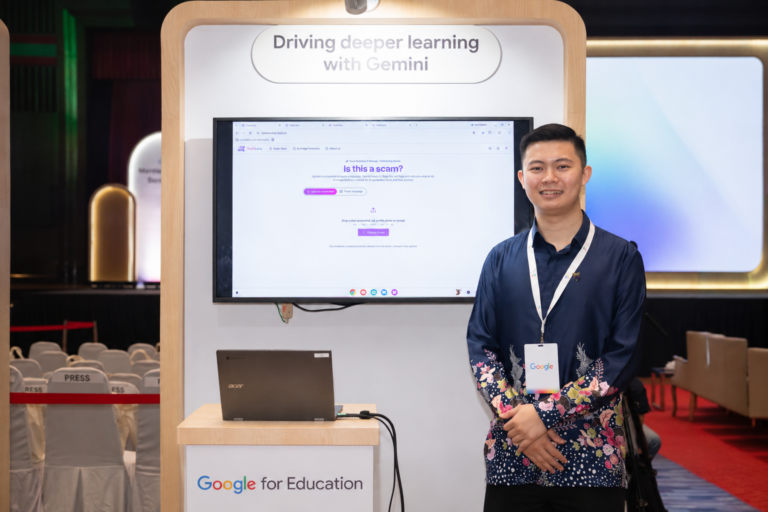
“Even though I’m studying cybersecurity, I still fell for it,” he said.
“That made me ask: how can I help people who don’t have any cybersecurity knowledge avoid these traps and the losses they can cause?”
Min Han said he was also concerned about the financial impact of AI-enabled fraud in Malaysia, citing an estimate that such scams caused RM2.7 billion in losses in 2025. The figure was not independently verified in his presentation.
Combining AI Detection with Scam Awareness
TruthLens is designed to analyse images for potential signs of AI generation and provide users with information that could help them assess whether the content is suspicious.
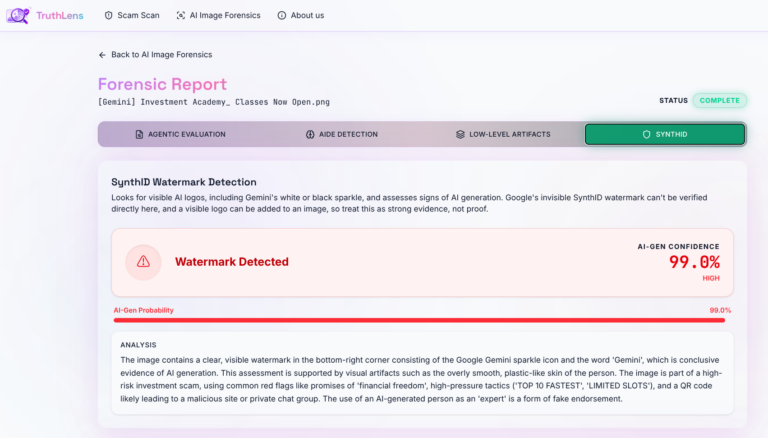
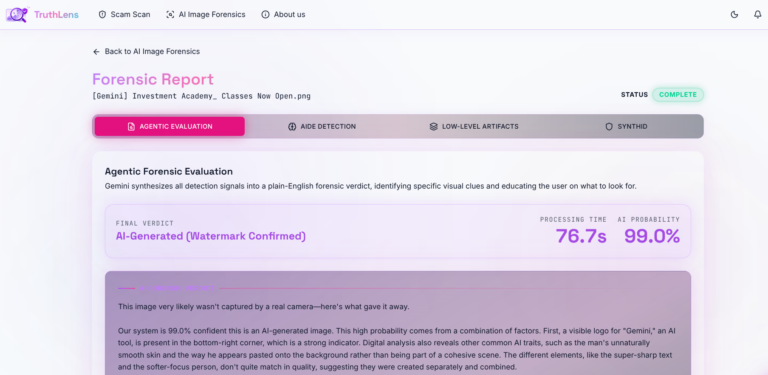
The application combines several detection methods, including AI detection models, pixel-level analysis and SynthID watermark detection, a technology used to identify certain AI-generated content.
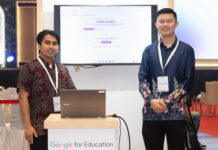
During a demonstration, Min Han uploaded an image to the platform to show how the system examines visual content and presents its findings.
The application uses Google’s Gemini AI to translate technical detection results into explanations that are easier for users without cybersecurity expertise to understand.
Gemini also helps identify additional warning signs that could suggest an image may be used in a scam.
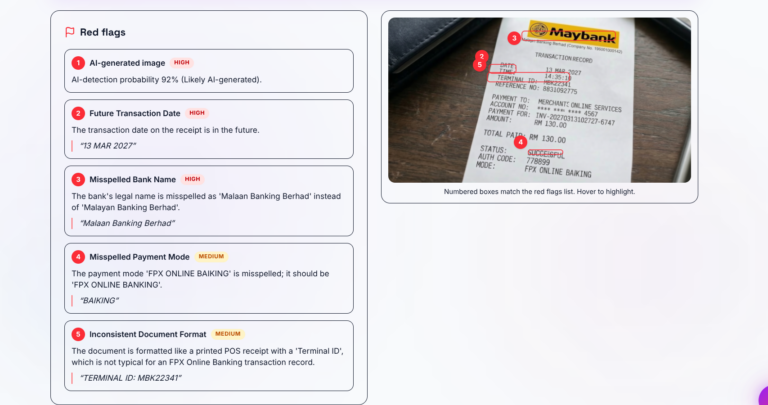
However, AI detection tools have limitations, and their findings do not necessarily establish whether an image is authentic or being used for fraudulent purposes.
Min Han said the objective of TruthLens extends beyond identifying potentially manipulated content. He hopes the platform will help users develop the knowledge needed to recognise suspicious material independently.
Min Han said access to Google’s Gemini and Google Cloud technologies has enabled him to experiment with different approaches to AI detection while developing his technical skills.
“It has also helped me understand what I need for my future career.”
The development of TruthLens comes amid growing concerns about the use of AI-generated images and other synthetic content in online fraud, which can make it more difficult for internet users to distinguish genuine material from potentially deceptive content.
Min Han’s project focuses on making technical detection methods more accessible to the public while encouraging users to assess online content critically.

The presentation did not specify when TruthLens would become publicly available or provide independent testing results on the platform’s detection accuracy.
For now, the project illustrates how AI tools are being applied by university students to address online safety challenges, while highlighting the importance of public awareness alongside technological solutions.