



































Thailand’s e-gates promise a faster arrival. But who can actually use them?
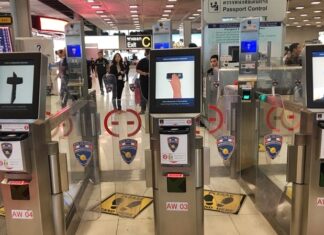
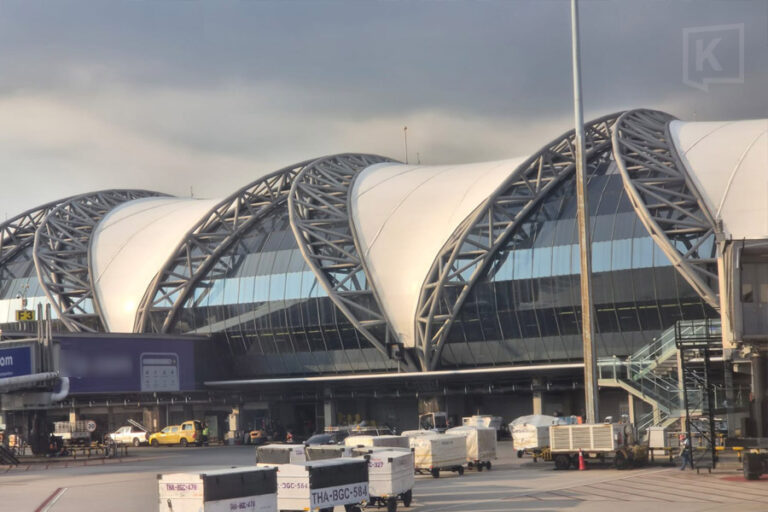
BANGKOK — Thailand has installed dozens of electronic immigration gates at Suvarnabhumi Airport (BKK) to help travellers clear passport control faster. The automated E-gates look crisp, modern, and promising. Following recent expansions by the Thai Immigration Bureau to speed up queues, hopes were high that long airport waits would finally become a relic of the past.
The idea is simple. Scan an e-passport, look into a camera for a biometric facial check, and walk through without waiting to see an immigration officer. It is a familiar system for travellers who have used e-gates in many other parts of the world. Ideally, a person using one of these gates could breeze through immigration in under a minute.
However, behind the high-tech facade, the real-world experience paints a different picture. For a massive chunk of international arrivals landing in the land of smiles, the new E-gates remain strictly out of reach.
The Catch: A Long List of Exceptions
While automated channels sound like an instant fix for airport congestion, Thailand’s system comes with major fine print that leaves many travelers shaking their heads.
First and foremost, the arrival E-gates are strictly designed for return travelers entering under a 30-day visa exemption. First-time visitors to Thailand cannot use them, as their biometrics and fingerprints must initially be captured manually at a staffed immigration desk. Furthermore, if you hold a new passport that hasn’t previously been stamped into the Thai immigration database, you are directed right back to the human counter.
More surprisingly, long-term residents and specialized visa holders are entirely excluded. As covered in previous reporting on Suvarnabhumi Auto Gate expansions and ongoing Thai Immigration digital updates, anyone entering on a Non-Immigrant visa—such as a Non-B (work), Non-O (family/retirement), ED (education), or the popular Destination Thailand Visa (DTV)—must see an officer. Using an E-gate while holding a valid visa risks misregistering your entry status as a standard short-term visa exemption.
Missing Key Tourist Demographics
When looking at the figures released by the Ministry of Tourism and Sports, the restrictions become even harder to reconcile with actual arrival volumes.
Chinese passport holders consistently make up the single largest community of international travelers visiting Thailand. Yet, Chinese nationals are notably absent from the list of countries allowed to use the E-gate system.
Among Western and English-speaking majority nations, arrivals from the United States slightly edge out those from the United Kingdom as the largest visitor group. However, while UK passport holders were included in the expanded 33-nation E-gate list, US passport holders are surprisingly omitted.
So, who are these E-gates actually for? Not very many travelers, as it turns out. Because the criteria cut out the top source market (China), first-time tourists, and all long-stay visa holders, relatively few people stepping off arriving flights can actually pass through the glass barriers.
First-Hand at Suvarnabhumi: Reality Check
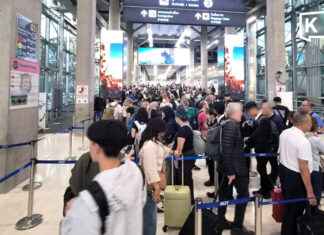
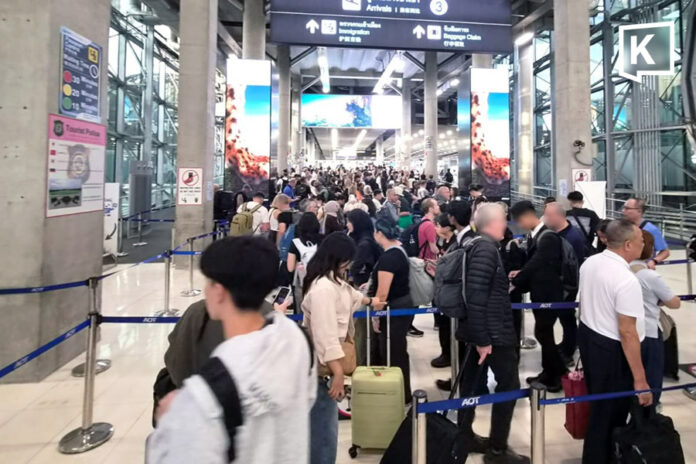
A Khaosod English employee recently experienced the Suvarnabhumi arrival terminal first-hand during a peak travel window around 17:00. Arriving on a non-exempt status, our staff member was forced into the standard manual line, spending over 45 minutes shuffling forward. Online, fellow travellers have reported queue times stretching anywhere from 1 to 2 hours during peak flight waves.
That reality clashes with the official benchmarks posted inside the terminal. Immigration officials have put up posters illustrating processing standards:
- Green: 10 minutes
- Yellow: 20 minutes
- Red: 30 minutes
By the Immigration Bureau’s own traffic light metric, our reporter’s 45-minute wait was way past red. He also noted that he was lucky to get shuffled into a shorter line than many others around him.
The government set a target in 2024 for the immigration process — from joining the queue to receiving a passport stamp — to take no more than 30 minutes, then-prime minister Srettha Thavisin said at the time.
Adding to the frustration is a noticeable lack of clear, early signage. At Suvarnabhumi, foreign arrivals encounter an enormous hall filled with thousands of travelers trying to figure out where to queue. The poster explaining E-gate eligibility criteria was only visible in one single location near the front of the lanes.
By the time travelers discover they qualify for the E-gates, they may have already spent 20 to 30 minutes shuffling through the regular line. If they guess wrong and head straight for the automated gates when they don’t qualify, they are turned back and forced to rejoin the standard queue many spots behind where they could have been.
The Verdict: Great Potential, Needs Greater Access
Automated border technology is undoubtedly a step in the right direction. When the E-gates work for an eligible traveler, they cut processing down to seconds. But given Thailand’s massive tourism volume, its true impact remains bottlenecked until accessibility is broadened.
In the short term, simple logistics—like installing prominent, multi-language signage further back in the arrival concourse—could improve traveler confusion. In the long term, expanding access to major tourist source markets like the US and China, alongside returning long-stay residents, is essential if Thailand wants its airport automated gates to be a genuine success.
an e-gate only reduces a queue if enough people know they can use it — and if enough of the people arriving at the airport are eligible in the first place.
Millions of tourists fall in love with Thailand every year, but an exhausting 45-minute queue right out of the gate is never a great first impression.