


























32.3 C
Bangkok
Monday, June 8, 2026
Home Blog Page 1017

‘Ordinary People Suffer Most’: China Farms Face Climate Woes

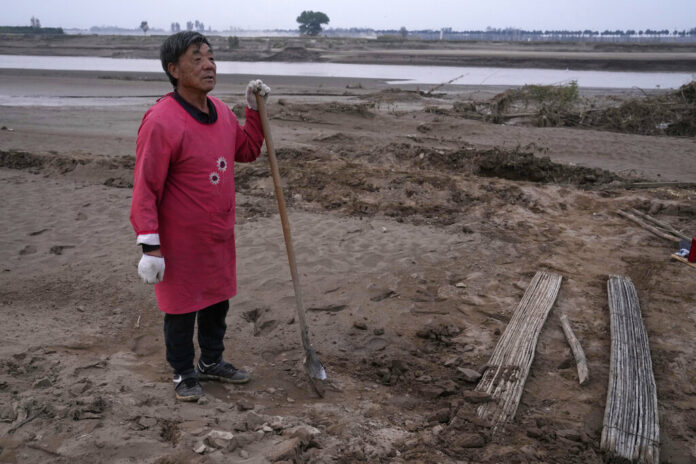
Wang Yuetang stands near what used to be his peanut farm before torrential rains submerged the lowland leaving him with no summer harvest near Xubao village in central China's Henan province on Friday, Oct. 22, 2021. Photo: Ng Han Guan / AP

JIAOZUO, China (AP) — Wang Yuetang’s sneakers sink into the mud of what was once his thriving corn and peanut farm as he surveys the damage done by an unstable climate.

Three months after torrential rains flooded much of central China’s Henan province, stretches of the country’s flat agricultural heartland are still submerged in several inches of water. It’s one of the many calamities around the world that are giving urgency to the U.N. climate summit underway in Glasgow, Scotland.

”There is nothing this year. It’s all gone,” Wang said. “Farmers on the lowland basically have no harvest, nothing.” He lost his summer crop to floods, and in late October the ground was still too wet to plant the next season’s crop, winter wheat.

On other nearby farms, shriveled beanstalks and rotted cabbage heads bob in the dank water, buzzing with flies. Some of the corn ears can be salvaged, but because the husks are moldy, they can be sold only as animal feed, bringing lower prices.

The flooding disaster is the worst that farmers in Henan like Wang can remember in 40 years — but it is also a preview of the kind of extreme conditions the country is likely to face as the planet warms and the weather patterns growers depend upon are increasingly destabilized.

“As the atmosphere warms up, air can hold more moisture, so when storms occur, they can rain out more extreme precipitation,” said Richard Seager, a climate scientist at Columbia University. “Chances are extremely likely that human-induced climate change caused the extreme flooding you saw this summer in places like China and Europe.”

China, the most populous country in the world, with 1.4 billion people, is now the planet’s largest contributor to climate change, responsible for around 28% of carbon dioxide emissions that warm the Earth, though the United States is the biggest polluter historically.

As world leaders take part this week in the climate summit, China is being criticized for not setting a more ambitious timeline for phasing out fossil fuels.
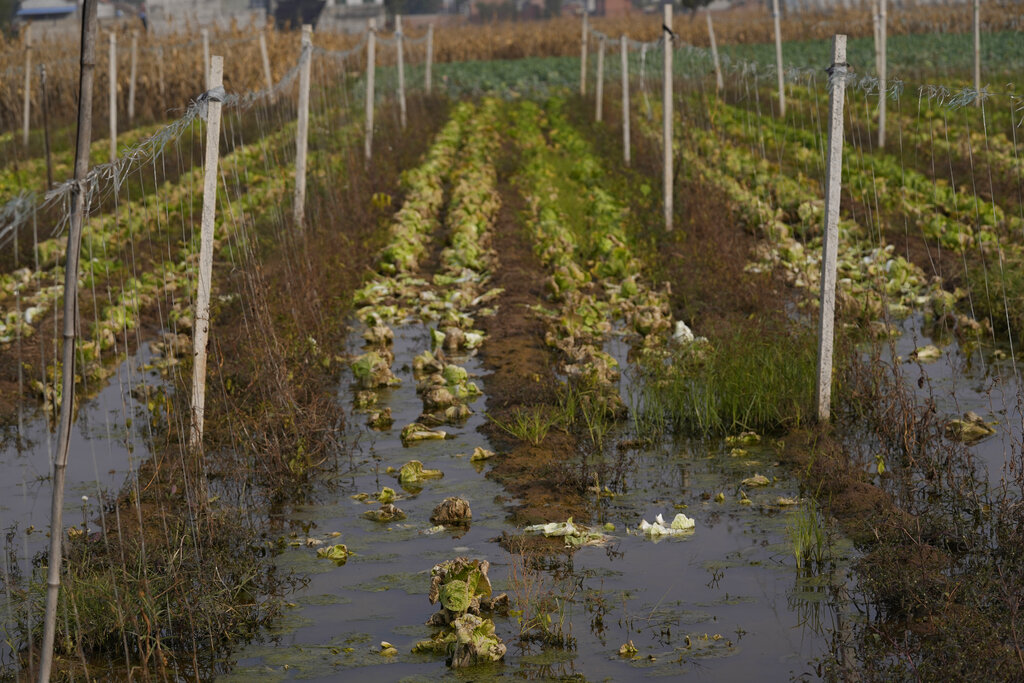
AP21306006342922
Vegetables rot in water logged fields months after torrential rain flooded the region of Zhaoguo village in central China’s Henan province on Friday, Oct. 22, 2021. Photo: Ng Han Guan / AP

President Xi Jinping, who has not left China since the start of the COVID-19 pandemic and will not be attending the summit but sent a veteran negotiator, has said the country’s carbon emissions will level off before 2030. Critics say that’s not soon enough.

Chinese government projections paint a worrying vision of the future: rising sea levels threatening major coastal cities, including Shanghai, Guangzhou and Hong Kong, and melting glaciers and permafrost imperiling western China’s water supply and grand infrastructure projects such as the railroads across the Tibetan plateau.

Top government scientists also predict an increase in droughts, heat waves and extreme rainfall across China that could threaten harvests and endanger reservoirs and dams, including Three Gorges Dam.

Meanwhile, China’s people are already suffering the brunt of climate change. And in a common pattern around the world, those who have contributed least to the warming and have the fewest resources to adapt often feel the pain most acutely.

In late July, Chinese news broadcasts carried startling footage of torrential rains swamping Henan’s provincial capital, Zhengzhou — at one point, 8 inches (20 centimeters) fell in a single hour — with cars swept away, subways flooded and people struggling through waist-deep water. More than 300 people died as the megacity turned into an accidental Venice, its highways transformed into muddy canals.

Even after the most dramatic storms ceased, the water continued to pool in much of the surrounding countryside, a flat and fertile region.

Here the economy depends on corn, wheat and vegetables, and other regions of China depend on Henan for food. The local government reported that nearly 3 million acres (1.2 million hectares) of farmland were flooded — an area about the size of Connecticut — with damage totaling $18 billion.

“All I could do at the time was to watch the heavens cry, cry and cry every day,” said Wang, the peanut farmer.

A limited number of rudimentary pumps were shared among farmers in Henan. Soft plastic tubes were stretched across fields to drain water, but they periodically burst, sending farmers running to patch holes.

A 58-year-old farmer who gave only her last name, Song, said everything she owned was submerged by the floods — her home, furniture, fields, farming equipment.

“Nothing was harvested. This year, the common people have been suffering all year long,” she said. “Ordinary people suffer most.”

“We have been working so hard, breaking our backs … without even a penny back, my heart aches,” said Hou Beibei, a farmer whose simple vegetable greenhouses — plastic tarps covering plots of eggplant, garlic and celery — remain flooded, her hard work washed away.
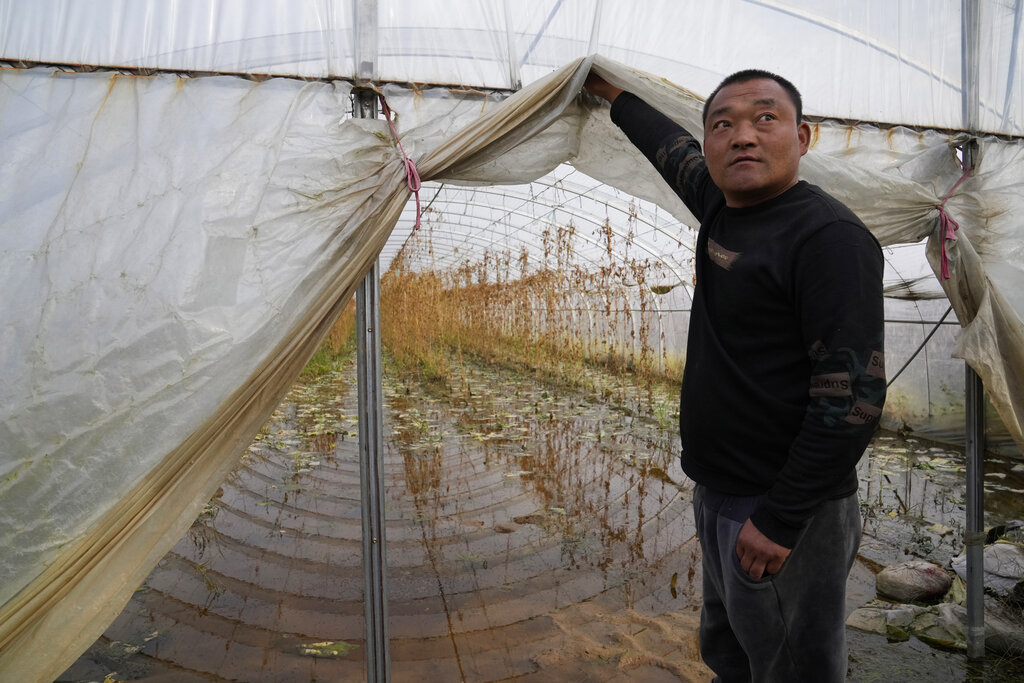
AP21306005041948
Qin Shixian lifts the tarp to show the flooded insides of his covered farm in Zhaoguo village in central China’s Henan province on Friday, Oct. 22, 2021. Photo: Ng Han Guan / AP

She is worried about her two young children. “The tuition fees of the children and the living expenses of the whole family rely on this land,” she said.

The summer also saw another climate-linked natural disaster in China. In July, the hottest month on Earth in 142 years of record-keeping, according to U.S. weather experts, a vast and toxic blue-green algae bloom spanning 675 square miles (1,748 square kilometers) engulfed coastal waters off the prosperous city of Qingdao, threatening navigation, fishing and tourism. State broadcasts carried footage of people using dump trucks to remove the mounds of algae.

Another threat to China’s coastal provinces is sea level rise. Government records show that coastal water levels have already risen around 4.8 inches (122 millimeters) between 1980 and 2017 and project that within the next 30 years, waters could rise an additional 2.8 to 6.3 inches (70 to 160 millimeters).

Because China’s coastal areas are largely flat, “a slight rise in the sea level will aggravate the flooding of a large area of land,” erasing expensive waterfront properties and critical habitats, a government report projects.

“I think these impacts are triggering a national awakening. I think people are increasingly asking, ‘Why have extreme weather events like this happened? What are the root causes?’” said Li Shuo, a climate policy expert at Greenpeace East Asia in Beijing.

“I think this is bringing the Chinese policymakers and the general public to a realization that we are indeed in a climate emergency.”

___

Story: Christina Larson and Emily Wang Fujiyama. AP researcher Chen Si contributed research from Shanghai.

___

The Associated Press Health and Science Department receives support from the Howard Hughes Medical Institute’s Department of Science Education. The AP is solely responsible for all content.
Advertisement

Australia, Thailand Reopen Borders After Lengthy Lockdowns

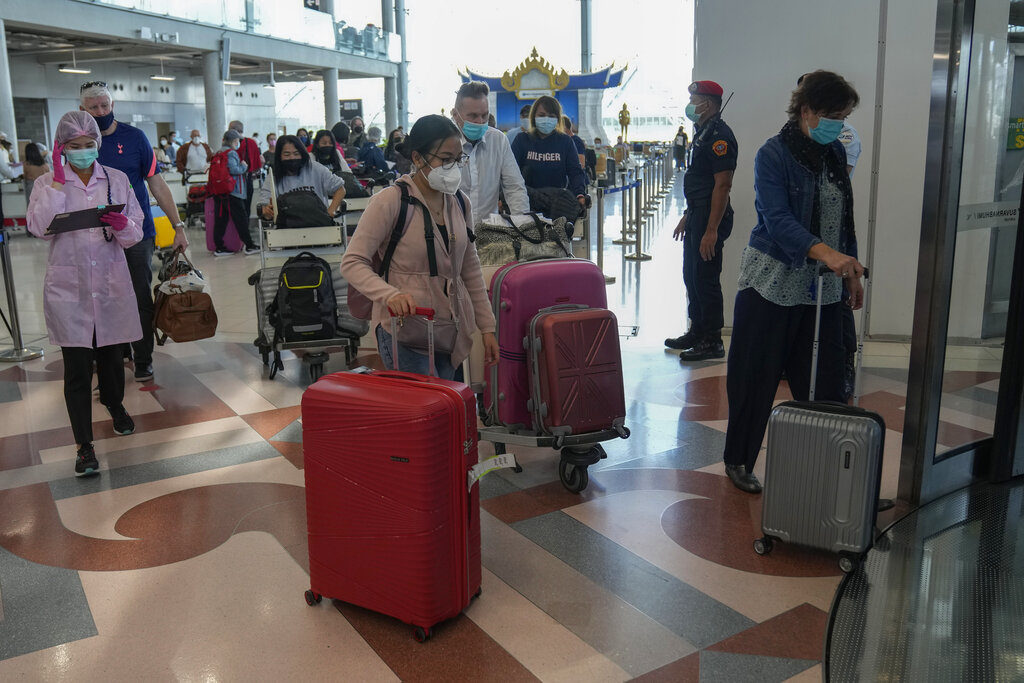
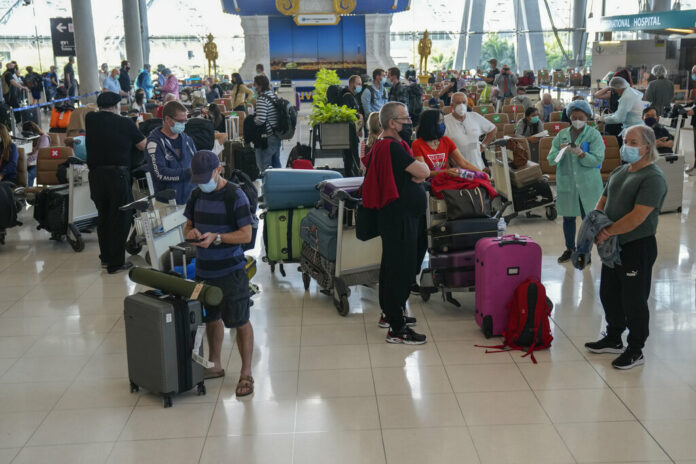
Tourists arrive at Suvarnabhumi International Airport in Bangkok, Thailand, Monday, Nov. 1, 2021. Photo: Sakchai Lalit / AP

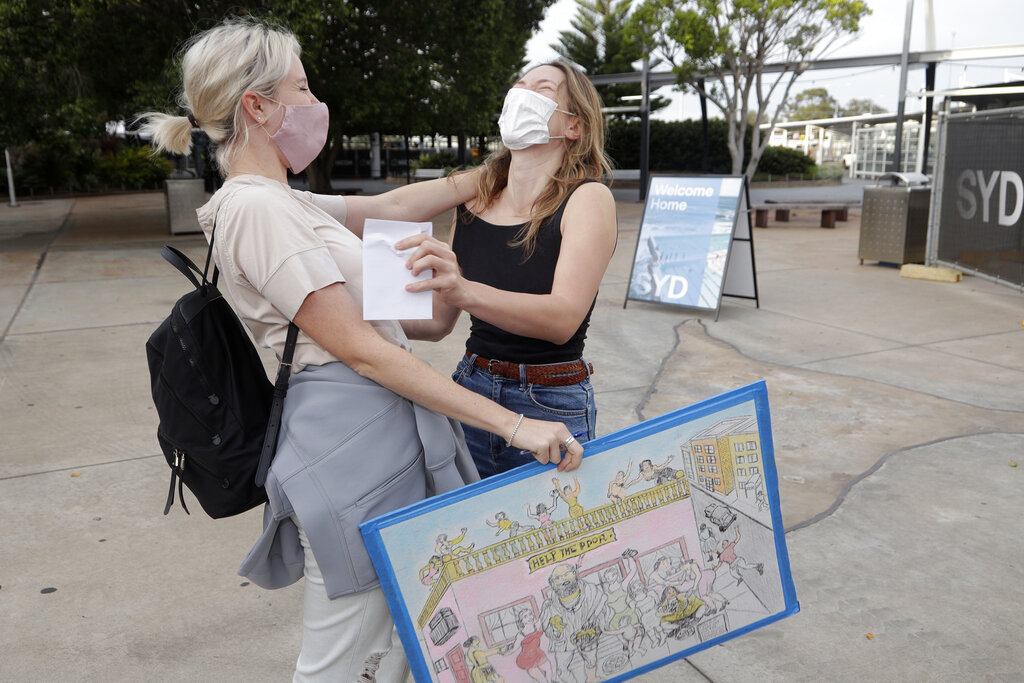
CANBERRA, Australia (AP) — Sydney’s international airport came alive with tears, embraces and laughter on Monday as Australia opened its border for the first time in 20 months, with some arriving travelers removing mandatory masks to see the faces of loved ones they’ve been separated from for so long.

Australia and other countries in the Asia-Pacific have had some of the world’s strictest COVID-19 pandemic lockdown measures and travel restrictions, but with vaccination rates rising and cases falling, many are now starting to cautiously reopen.

Some, like China and Japan, remain essentially sealed off to foreign visitors, but Thailand also started to substantially reopen Monday and many others have already started, or plan to follow suit.

Traveler Carly Boyd seized the opportunity presented by the new Australian regulations to jump on the first flight home from New York to surprise her parents, whom she hadn’t seen in three years.

“Just being able to come home without having to go to quarantine is huge,” she told reporters at Sydney’s airport, where the country’s unofficial anthem “I Still Call Australia Home” was playing.

“There’s a lot of people on that flight who have loved ones who are about to die or have people who died this week, so for them to be able to get off the plane and go see them straight away is pretty amazing.”

AP21304732848193
A woman, left, is embraced by a friend after arriving on a flight from Los Angeles at Sydney Airport as Australia opened its borders for the first time in 19 months in Sydney, Monday, Nov. 1, 2021. Photo: Rick Rycroft / AP

In Thailand, a country where tourism accounted for some 20% of the economy before the pandemic, the lockdown has caused massive job losses and hardship, and the government hopes the return of foreign visitors will provide a much-needed boost.

Still, only a few months removed from a surge fueled by the delta variant of the virus that saw deaths rise dramatically, many Thais remain worried that an influx of outsiders could trigger new outbreaks.

Bangkok taxi driver Issarapong Paingam lost his mother to COVID-19 during the recent surge, and said it would make more sense to him for the government to focus its attention fully on reopening domestically before introducing foreign travelers into the mix.

“The government has not yet told the public what they would do if an outbreak takes place again,” the 34-year-old said. “I don’t understand why they don’t let people in the country live normally as a trial to see the trend (of COVID-19 cases) before welcoming tourists.”

Thailand has allowed residents to travel during the pandemic, but mandated a strict two-week quarantine in specially designated hotels for people entering the country.

AP21305129052296
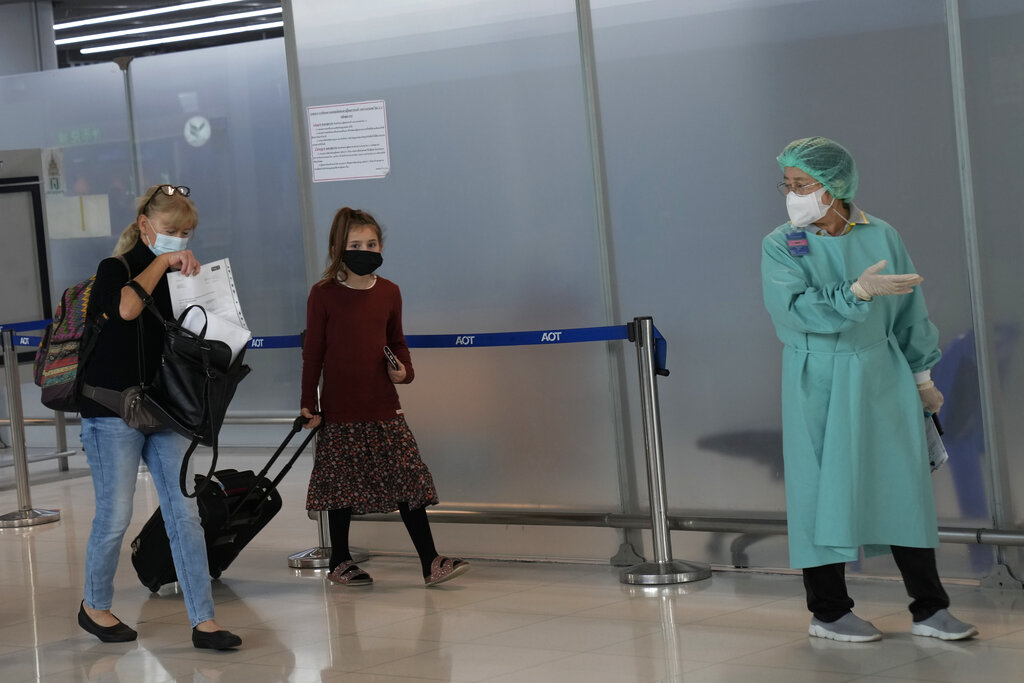
Tourists leave after arrival at Suvarnabhumi International Airport in Bangkok, Thailand, Monday, Nov. 1, 2021. Photo: Sakchai Lalit / AP

Foreign arrivals plummeted from 40 million in 2019 to 6.69 million in 2020 — almost all in the first three months before the pandemic restrictions were introduced — to fewer than 100,000 so far in 2021.

Monday’s reopening builds on a pilot scheme launched in July on the resort island of Phuket, which allowed fully vaccinated travelers from selected countries to spend their quarantine moving around the island instead of in a hotel room.

Starting Monday, if travelers are fully vaccinated and from one of 63 countries and territories deemed “low risk” — which some cynical Thais have noted seem to be based more on spending power than coronavirus infections — they are exempt from quarantine. They need to spend one night at a designated hotel and can’t check out until they have a negative COVID-19 test, but then are free to travel.

Travelers from countries not on the preferred list or those who are unvaccinated are still subject to various quarantine rules.

Restrictions are also being relaxed in the destination areas, including widespread reopening of businesses and other facilities such as department stores, spas, tattoo shops, schools and sporting events.

With the combination of strict screening of visitors and higher vaccination rates in Thailand, Supat Hasuwannakit, president of Thailand’s Rural Doctor Society, said he is not concerned about foreign tourists sparking a new surge in cases.

But he said he does worry about the planned reopening of bars and clubs in December, noting that recent domestic outbreaks came after the government allowed people to gather for activities such as religious services and weddings.

“Once people start to gather, eat and drink, it has a high possibility to create a new outbreak,” he said. “Most bars and nightclubs are indoors with bad airflow, so it is easy for COVID-19 to spread once they reopen.”

Rules requiring masks and distancing remain in place, much like other countries in the region that have begun reopening.

AP21305078977074
A hotel worker guides arriving tourists at Suvarnabhumi International Airport in Bangkok, Thailand, Monday, Nov. 1, 2021. Photo: Sakchai Lalit / AP

In India, which saw a peak of 400,000 daily cases in April and May, officials have been warning that people need to continue following such restrictions to avoid causing “super spreader” events during the holiday season as the country gradually reopens.

India began granting tourist visas on Oct. 15 for fully vaccinated people arriving on charter flights, and will extend them to tourists on commercial flights starting Nov. 15.

Neighboring Sri Lanka has already started to allow fully vaccinated travelers without quarantines, and partially or non-vaccinated people with some restrictions. South Korea, which on Monday began to allow larger social gatherings and lifted operating-hour restrictions on restaurants, has a similar scheme.

Vietnam is still closed but plans to open the popular resort island of Phu Quoc to fully vaccinated vacationers by the end of the month, and neighboring Cambodia, which on Monday lifted restrictions on domestic travel, has a similar plan to open two seaside provinces to international travelers. Malaysia intends to open its northern resort island of Langkawi on Nov. 15 to fully vaccinated tourists.

Australia is betting that vaccination rates are now high enough to mitigate the danger of allowing international travel.

Initially only Australian permanent residents and citizens will be free to enter the country. Fully vaccinated foreigners traveling on skilled worker and student visas will be given priority over international tourists.

But the government expects Australia will welcome international tourists back to some degree before the year ends.

Already, Australia announced Monday that vaccinated tourists from Singapore — which has one of the highest vaccination rates in the world — will be welcome from Nov. 21 under a bilateral agreement.

The new freedoms also mean that fully vaccinated Australian permanent residents and citizens can leave the country for any reason without asking the government for an exemption from a travel ban that has trapped most at home since March 25, 2020.

Sydney was the first Australian airport to announce it would reopen Monday because New South Wales was the first state where 80% of the population aged 16 and older has been fully vaccinated. Melbourne and the national capital, Canberra, also opened on Monday after Victoria state and the Australian Capital Territory achieved the vaccination benchmark.

Even though Australians are now free to travel overseas, four Australian states and a territory are still maintaining pandemic restrictions on crossing state lines.

Australian Ethen Carter, who landed at Sydney’s airport from Los Angeles on Monday, expressed his frustration at having to apply for permission to visit his dying mother in Western Australia state.

He pleaded through the media to Western Australia Premier Mark McGowan, who has said the state border will not open this year, to let him in.

“Mark, think of the people that are suffering, like, mentally to see their family. That’s also a health issue,” Carter said. “And we know we’ve got to protect people’s lives, but you’ve got to bring families together again, you have to.”

McGowan said his government would consider allowing Carter to enter the state if he applies for an exemption.

“These situations are very sad and very difficult and we’ve seen much of this over the course of the last two years,” McGowan said.

___

Story: Rod Mcguirk and David Rising. Rising reported from Bangkok. Associated Press journalists Chalida Ekvitthayavechnukul and Tassanee Vejpongsa in Bangkok and Ashok Sharma in New Delhi contributed to this report.

Advertisement

The Breakfast Club Returns to Thailand! Start Your Day in Style for Only 1 Baht with Marriott Bonvoy

“How do you like your eggs in the morning?” I like mine for a baht! 

Marriott Bonvoy’s Breakfast Club has returned to Thailand! When two diners enjoy a blissful breakfast together at any of Marriott’s participating hotel restaurants throught out November and December 2021, the second diner will pay just THB 1.

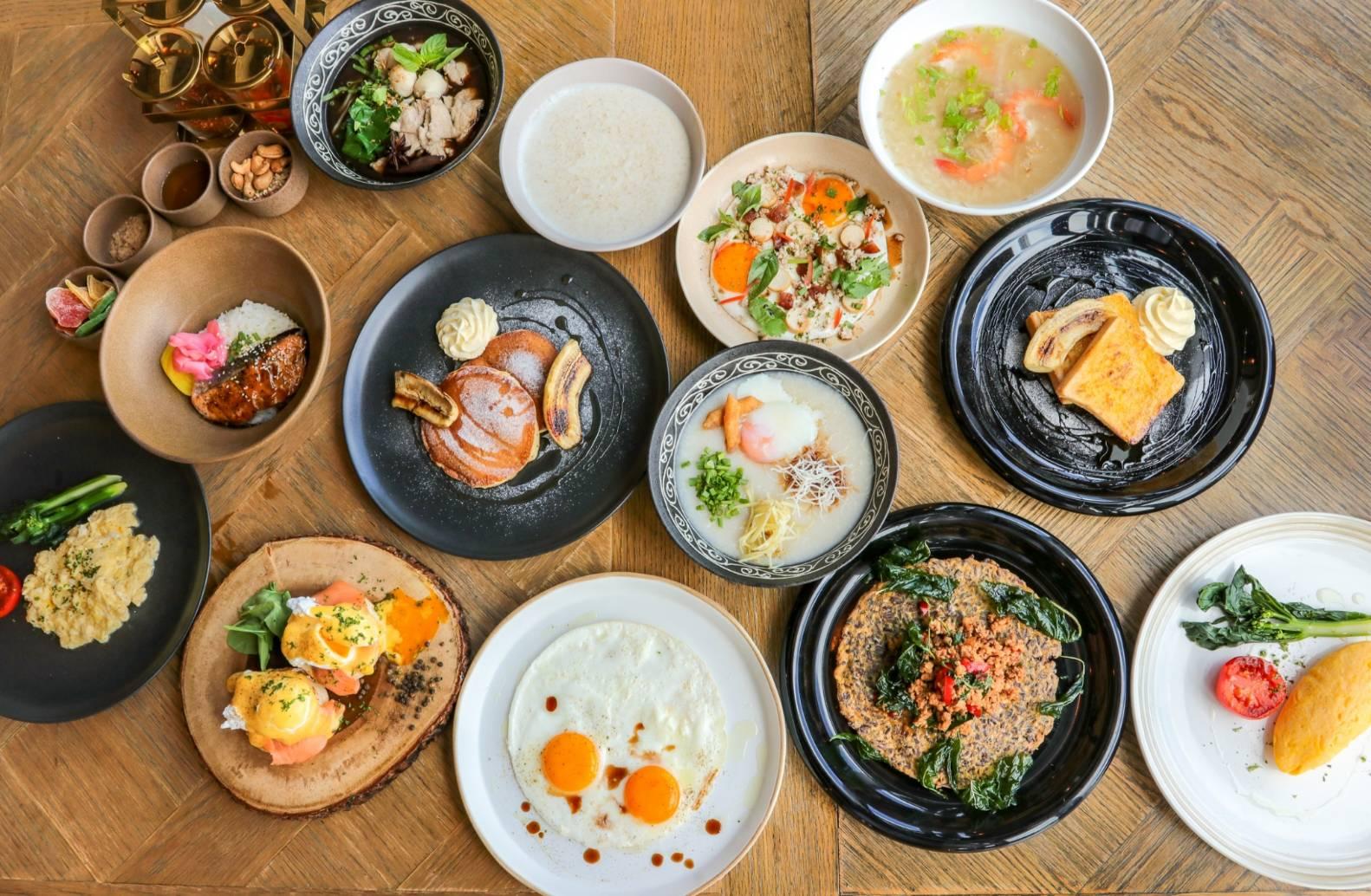
Hotel guests and local residents can discover a series of enticing à la carte, buffet or set breakfasts at 14 properties across the country. Every restaurant will also showcase its own signature dishes, specially created by their expert chefs. From delicious pancakes and waffles to eggs cooked to-order and aromatic curries, Marriott makes every morning more memorable.

Are you seeking an energizing start to your day in Thailand’s capital city? Six Bangkok hotels – Sukhumvit Park, Bangkok – Marriott Executive Apartments, Mayfair, Bangkok – Marriott Executive Apartments, Bangkok Marriott Hotel The Surawongse, Renaissance Bangkok Ratchaprasong Hotel, The Athenee Hotel, a Luxury Collection Hotel, Bangkok, and Royal Orchid Sheraton Hotel & Towers – are offering Breakfast Club deals on their bountiful buffet breakfasts! Alternatively, unlimited à la carte dining is available at Viu, overlooking the Royal Bangkok Sports Club at The St. Regis Bangkok. Siam Tea Room, the elegant Thai eatery at Bangkok Marriott Marquis Queen’s Park has crafted a sublime Breakfast Set, while Seasonal Tastes at The Westin Grande Sukhumvit, Bangkok is offering its Breakfast Bites with a tempting THB 1 deal for the second diner.

Guests in Southern Thailand can take advantage of a Breakfast Club deal at Phuket Marriott Resort & Spa, Merlin Beach, where a breath-taking buffet breakfast can be savored overlooking the lagoon pool, or up the coast at JW Marriott Khao Lak Resort & Spa and Le Méridien Khao Lak Resort & Spa, which promise bottomless à la carte breakfasts with uninterrupted views of the Andaman Sea.

At Le Méridien Chiang Mai meanwhile, Latest Recipe is inviting diners to enjoy an unlimited à la carte option, including locally-inspired dishes from Northern Thailand, and finally, down on the glittering Gulf coast, Sheraton Hua Hin Resort & Spa is serving the ultimate tropical breakfast at The Deck, surrounded by shimmering pools and lush foliage.

Delicious Thai, pan-Asian and international dishes are freshly prepared every morning by Marriott’s culinary teams all across Thailand, accompanied with premium coffee and tea, natural juices, baskets of warm bread and much more. With 14 participating hotels across the Kingdom, in-house guests and local residents alike can experience a new taste sensation every day with the Breakfast Club!

For full information about the Breakfast Club and to start your day for only THB 1, please CLICK HERE.

The full list of participating hotels and restaurants is as follows:

  1. Le Méridien Khao Lak Resort & Spa – Beach Grill
  2. Phuket Marriott Resort & Spa, Merlin Beach – Merchant Kitchen
  3. Sukhumvit Park, Bangkok – Marriott Executive Apartments – Bistro M
  4. JW Marriott Khao Lak Resort & Spa – Olive
  5. Mayfair, Bangkok – Marriott Executive Apartments – Bistro M
  6. The St. Regis Bangkok – Viu
  7. Le Méridien Chiang Mai – Latest Recipe
  8. Bangkok Marriott Hotel The Surawongse – Praya Kitchen
  9. Renaissance Bangkok Ratchaprasong Hotel – Flavors
  10. Bangkok Marriott Marquis Queen’s Park – Siam Tea Room
  11. The Westin Grande Sukhumvit, Bangkok – Seasonal Tastes 
  12. The Athenee Hotel, a Luxury Collection Hotel, Bangkok – Rain Tree Café 
  13. Royal Orchid Sheraton Hotel & Towers – Feast
  14. Sheraton Hua Hin Resort & Spa – The Deck

image1 image2

Advertisement

It’s Happening! Visitors Arrive in Thailand for Nov. 1 Reopening

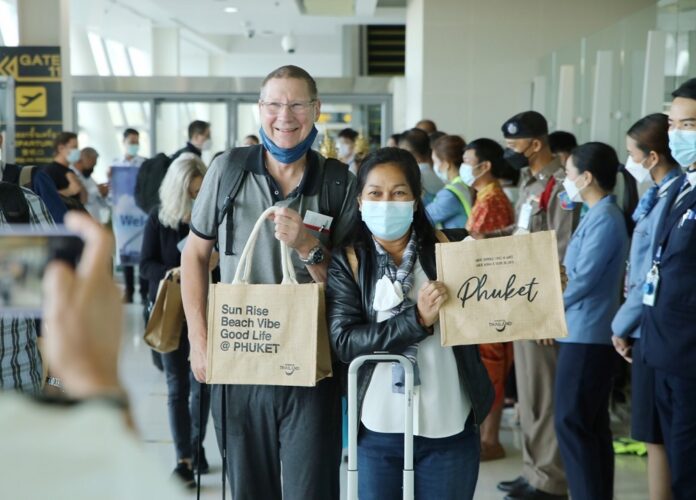
Passengers arrive at Phuket International Airport on the first flight under the tourism reopening program, having flown from Switzerland, on Nov. 1, 2021.

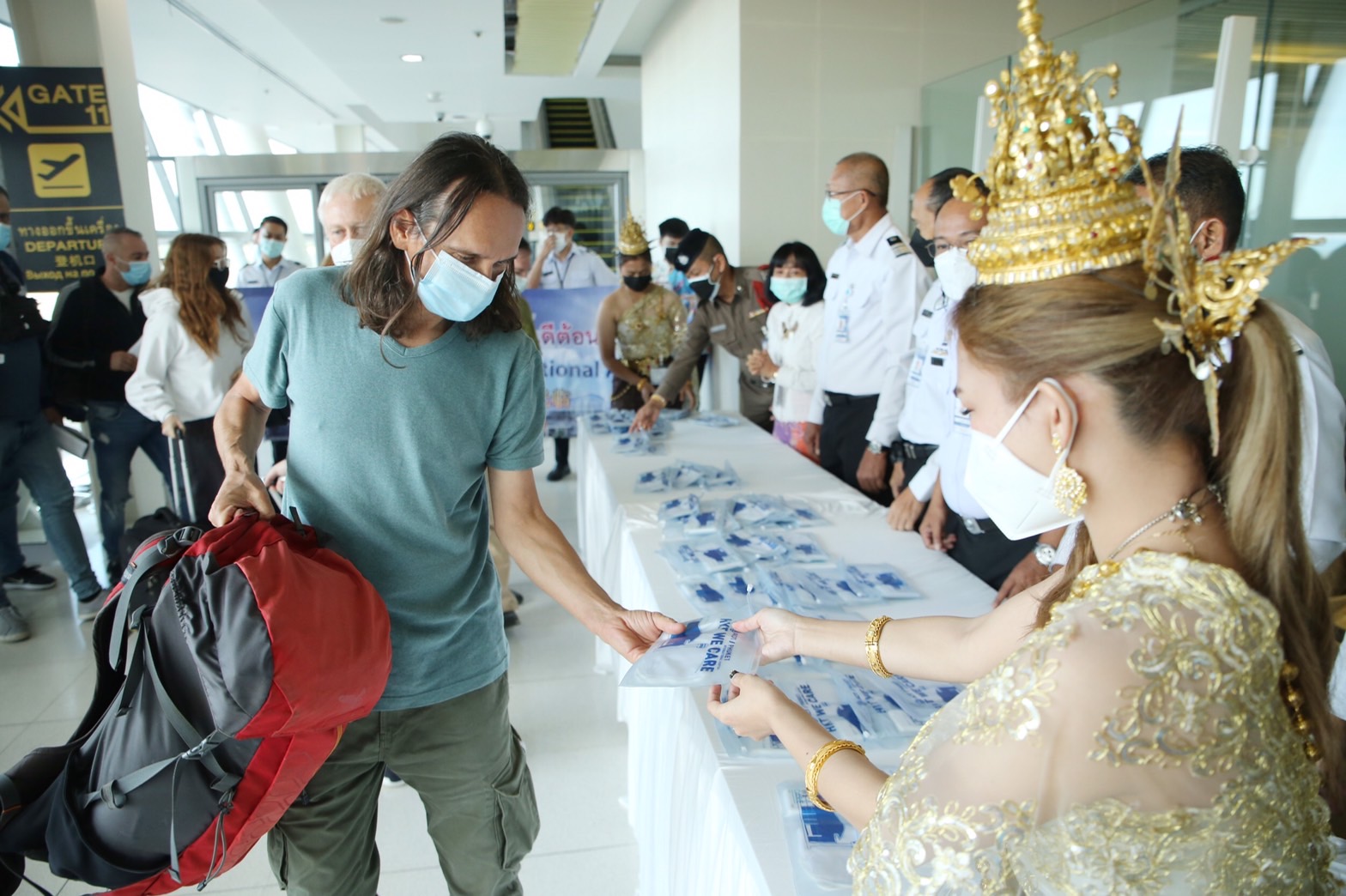
BANGKOK — Fully vaccinated travelers from 63 countries and territories can now fly to Thailand with minimal quarantine requirements as the highly anticipated reopening officially begins today.

The first flight to arrive at Suvarnabhumi Airport under the reopening program, which allows visitors to freely travel in Thailand after their PCR test results came out negative, was from Japan. Arriving shortly after midnight, the largely empty flight carried 11 foreign nationals and 30 Thais, most of them returning to their home in Thailand.

Another flight, this time from Singapore, followed at Suvarnabhumi Airport about 11am, though airport officials did not say how many passengers it carried. 

For Phuket island, the first flight to arrive was from Switzerland, carrying 229 passengers, according to official figures. 

S 5325021
Passengers arrive at Phuket International Airport on the first flight under the tourism reopening program, having flown from Switzerland, on Nov. 1, 2021.

The government initially released a list of 46 countries and territories from where vaccinated tourists could enter the kingdom, but then added another 17 more to the list. The new additions include India, Taiwan, Laos, Myanmar, the Philippines, Croatia, Indonesia, Kuwait, the Maldives, Mongolia, Nepal, Oman, Romania, Slovakia, Sri Lanka, Vietnam, and Luxembourg.

Upon arriving in Thailand, fully inoculated tourists from those approved countries only need to wait in their hotel room for the result of their PCR test and are then free to go where they like. The testing fee is included in the one-night accommodation at approved hotels, and government regulations say the PCR result should be available within 6 hours.

Tourism Authority of Thailand governor Yuthasak Supasorn said the reopening will boost revenue and bring in much needed hotel bookings from foreign travelers.

“I’m confident the re-opening will greatly benefit the country,” he told reporters, adding that the agency expects over 1 million tourists to visit in the next 6 months.

Advertisement

Activists Launch Campaign for Repeal of Royal Defamation Law

Anti-government protesters participate in a rally in Bangkok, Thailand, Sunday, Oct. 31, 2021.

BANGKOK (AP) — Pro-democracy activists in Thailand on Sunday announced a campaign to gather 1 million signatures to support the abolition of the law that makes defaming the monarchy a crime.

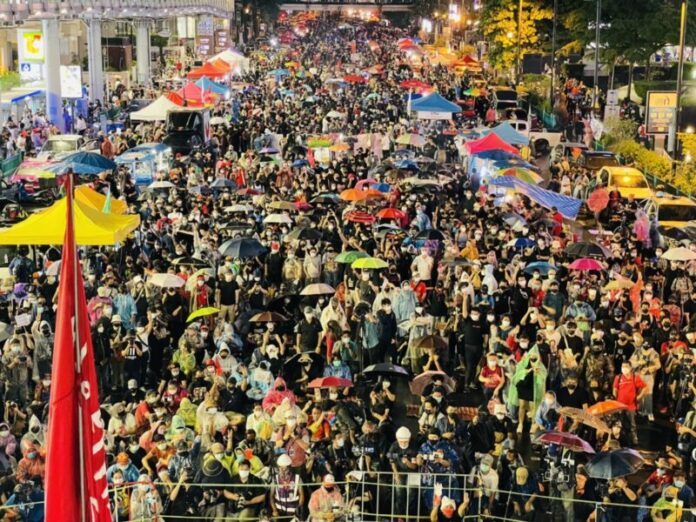
About 3,000 people turned out in central Bangkok for a rally urging the end of the lese majeste law — also known as Article 112 — which makes even constructive criticism of the royal institution risky. They also called for dropping charges and releasing those arrested under the law.

The law makes defaming, insulting, or threatening the king, queen, heir apparent, heir presumptive, or regent punishable by three to 15 years in prison. In practice, critics say, it has been used for political purposes. Even advocating the law’s abolition can trigger a police investigation.

The rally organizers last year began holding street demonstrations with three core demands: the resignation of Prime Minister Prayuth Chan-ocha, who initially came to power as army commander by staging a coup in 2014; amendment of the constitution to make it more democratic; and reform of the monarchy to make it more accountable.

The last demand was the most radical and controversial because the monarchy has rarely faced any public scrutiny and is considered by many to be an untouchable pillar of Thai identity. Its reputation is fiercely guarded by the country’s ruling elite, including the military.

Leaders of the movement holding Sunday’s rally have been major targets of Article 112, with several facing multiple counts of violating it. Some are free on bail while others remain jailed awaiting trial.

Somyot Pruksakasemsuk, one of the protest leaders, read a letter to the crowd from one of his imprisoned colleagues calling for gathering 1 million signatures to present to Parliament in support of repealing Article 112. The imprisoned activist, Parit “Penguin” Chiwarak, has been charged in 21 cases, said the protest group.

Organizers later said they had gathered 3,000 signatures at the rally.

“There are many political concerns that must be addressed straightforwardly,” Panusaya “Rung” Sitthijirawattanakul, another protest leader, told the crowd.

“People who speak out, however, face charges and detentions under Article 112 of the Thai Criminal Code. These are high school students, university students, lawyers, artists, politicians, nurses, vendors and many others whose faults are their dreams for a better future, better society,” she said.

After her speech, she carved the digits “112” into her forearm, drawing blood.

The movement lost steam early this year due to its leaders’ arrests, COVID-19 restrictions and the controversy over its view of the monarchy.

Story: Chalida Ekvitthayavechnukul

Advertisement

Man in ‘Joker’ Costume Stabs 17 People on Tokyo Train, Starts Fire

Image: Twitter

TOKYO (AP) — A man dressed in Batman’s Joker costume and brandishing a knife on a Tokyo commuter train on Sunday stabbed several passengers before starting a fire, which sent people scrambling to escape and jumping from windows, police and witnesses said.

The Tokyo Fire Department said 17 passengers were injured, including three seriously. Not all of them were stabbed and most of the other injuries were not serious, the agency said.

The attacker, identified as a 24-year-old man, was arrested on the spot and was being investigated on suspicion of attempted murder, NHK said. His motive was not immediately known.

Nippon Television reported that the suspect told police that he wanted to kill and get the death penalty, and that he used an earlier train stabbing case as an example.

Witnesses told police that the attacker was wearing a bright outfit — a green shirt, a blue suit and a purple coat — like the Joker in Batman comics or someone going to a Halloween event, according to media reports.

Tokyo police officials said the attack happened inside the Keio train near the Kokuryo station.

Television footage showed a number of firefighters, police officials and paramedics rescuing the passengers, many of whom escaped through train windows. In one video, passengers were running from another car, where flames were gushing.

NHK said the suspect, after stabbing passengers, poured a liquid resembling oil from a plastic bottle and set fire, which partially burned seats.

Shunsuke Kimura, who filmed the video, told NHK that he saw passengers desperately running and while he was trying to figure out what happened, he heard an explosive noise and saw smoke wafting. He also jumped from a window but fell on the platform and hurt his shoulder.

“Train doors were closed and we had no idea what was happening, and we jumped from the windows,” Kimura said. “It was horrifying.”

The attack was the second involving a knife on a Tokyo train in two months.

In August, the day before the Tokyo Olympics closing ceremony, a 36-year-old man stabbed 10 passengers on a commuter train in Tokyo in a random burst of violence. The suspect later told police that he wanted to attack women who looked happy.

While shooting deaths are rare in Japan, the country has had a series of high-profile knife killings in recent years.

In 2019, a man carrying two knives attacked a group of schoolgirls waiting at a bus stop just outside Tokyo, killing two people and injuring 17 before killing himself. In 2018, a man killed a passenger and injuring two others in a knife attack on a bullet train. In 2016, a former employee at a home for the disabled killed 19 people and injured more than 20.

Advertisement

How ‘Let’s Go Brandon’ Became Code for Insulting Joe Biden

A sign reading "Let's go Brandon" is displayed on the railing in the first half of an NCAA college football game between Boston College and Syracuse in Syracuse, N.Y., Saturday, Oct. 30, 2021. (AP Photo/Joshua Bessex)

WASHINGTON (AP) — When Republican Rep. Bill Posey of Florida ended an Oct. 21 House floor speech with a fist pump and the phrase “Let’s go, Brandon!” it may have seemed cryptic and weird to many who were listening. But the phrase was already growing in right-wing circles, and now the seemingly upbeat sentiment — actually a stand-in for swearing at Joe Biden — is everywhere.

South Carolina Republican Jeff Duncan wore a “Let’s Go Brandon” face mask at the Capitol last week. Texas Sen. Ted Cruz posed with a “Let’s Go Brandon” sign at the World Series. Sen. Mitch McConnell’s press secretary retweeted a photo of the phrase on a construction sign in Virginia.

The line has become conservative code for something far more vulgar: “F—- Joe Biden.” It’s all the rage among Republicans wanting to prove their conservative credentials, a not-so-secret handshake that signals they’re in sync with the party’s base.

Americans are accustomed to their leaders being publicly jeered, and former President Donald Trump’s often-coarse language seemed to expand the boundaries of what counts as normal political speech.

But how did Republicans settle on the Brandon phrase as a G-rated substitute for its more vulgar three-word cousin?

It started at an Oct. 2 NASCAR race at the Talladega Superspeedway in Alabama. Brandon Brown, a 28-year-old driver, had won his first Xfinity Series and was being interviewed by an NBC Sports reporter. The crowd behind him was chanting something at first difficult to make out. The reporter suggested they were chanting “Let’s go, Brandon” to cheer the driver. But it became increasingly clear they were saying: “F—- Joe Biden.”

NASCAR and NBC have since taken steps to limit “ambient crowd noise” during interviews, but it was too late — the phrase already had taken off.

When the president visited a construction site in suburban Chicago a few weeks ago to promote his vaccinate-or-test mandate, protesters deployed both three-word phrases. This past week, Biden’s motorcade was driving past a “Let’s Go Brandon” banner as the president passed through Plainfield, New Jersey.

And a group chanted “Let’s go, Brandon” outside a Virginia park on Monday when Biden made an appearance on behalf of the Democratic candidate for governor, Terry McAuliffe. Two protesters dropped the euphemism entirely, holding up hand-drawn signs with the profanity.

On Friday morning on a Southwest flight from Houston to Albuquerque, the pilot signed off his greeting over the public address system with the phrase, to audible gasps from some passengers. Southwest said in a statement that the airline “takes pride in providing a welcoming, comfortable, and respectful environment” and that “behavior from any individual that is divisive or offensive is not condoned.”

Veteran GOP ad maker Jim Innocenzi had no qualms about the coded crudity, calling it “hilarious.”

“Unless you are living in a cave, you know what it means,” he said. “But it’s done with a little bit of a class. And if you object and are taking it too seriously, go away.”

America’s presidents have endured meanness for centuries; Grover Cleveland faced chants of “Ma, Ma Where’s my Pa?” in the 1880s over rumors he’d fathered an illegitimate child. Thomas Jefferson and Andrew Jackson were the subject of poems that leaned into racist tropes and allegations of bigamy.

“We have a sense of the dignity of the office of president that has consistently been violated to our horror over the course of American history,” said Cal Jillson, a politics expert and professor in the political science department at Southern Methodist University. “We never fail to be horrified by some new outrage.”

There were plenty of old outrages.

“F—- Trump” graffiti still marks many an overpass in Washington, D.C. George W. Bush had a shoe thrown in his face. Bill Clinton was criticized with such fervor that his most vocal critics were labeled the “Clinton crazies.”

The biggest difference, though, between the sentiments hurled at the Grover Clevelands of yore and modern politicians is the amplification they get on social media.

“Before the expansion of social media a few years ago, there wasn’t an easily accessible public forum to shout your nastiest and darkest public opinions,” said Matthew Delmont, a history professor at Dartmouth College.

Even the racism and vitriol to which former President Barack Obama was subjected was tempered in part because Twitter was relatively new. There was no TikTok. As for Facebook, leaked company documents have recently revealed how the platform increasingly ignored hate speech and misinformation and allowed it to proliferate.

A portion of the U.S. was already angry well before the Brandon moment, believing the 2020 presidential election was rigged despite a mountain of evidence to the contrary, which has stood the test of recounts and court cases.

But anger has now moved beyond die-hard Trump supporters, said Stanley Renshon, a political scientist and psychoanalyst at the City University of New York.

He cited the Afghanistan withdrawal, the southern border situation and rancorous school board debates as situations in which increasing numbers who were not vocally anti-Biden now feel that “how American institutions are telling the American public what they clearly see and understand to be true, is in fact not true.”

Trump hasn’t missed the moment. His Save America PAC now sells a $45 T-shirt featuring “Let’s go Brandon” above an American flag. One message to supporters reads, “#FJB or LET’S GO BRANDON? Either way, President Trump wants YOU to have our ICONIC new shirt.”

Separately, T-shirts are popping up in storefronts with the slogan and the NASCAR logo.

And as for the real Brandon, things haven’t been so great. He drives for a short-staffed, underfunded team owned by his father. And while that win — his first career victory — was huge for him, the team has long struggled for sponsorship and existing partners have not been marketing the driver since the slogan.

___

Associated Press writers Aamer Madhani, Mary Clare Jalonick, Brian Slodysko and Will Weissert in Washington and Jenna Fryer in Charlotte, N.C., contributed to this report.

Advertisement

Shattering the Notion of a Beauty Queen and Beyond

Anchilee “Ann” Scott-Kemmis is crowned Miss Universe Thailand 2021 at the pageant finals on Oct. 24, 2021 in Pattaya.

The selection of Anchilee Scott-Kemmis as Miss Universe Thailand 2021 on Sunday propelled the issue of what constitutes ideal beauty into the forefront of debate. 

While some netizens labeled the new beauty queen as “plus size”, “big” or “plump,” Anchilee’s who’s a model would accept none of that. 

“Here I am, representing each and everyone of you who ever felt excluded, judged or hurt because you don’t fit into the standard. I’m here today to be your voice and our young girls celebrating individuality, uniqueness and you. I see you. I hear you and I’m here for you,” the 22-year-old Thai-Australian Anchilee said during the preliminary round of the competition a week ago last Friday.

There were more elaborations afterward. Local media including Thai PBS quoted her as saying: “No one really wants to be called plus-sized. I think we should just be called models; you don’t need to add the curve, plus, or the sample size. It causes too much segregation and divides when it doesn’t have to.”

Suddenly, with the selection of this year’s Miss Universe Thailand, the standard of beauty (queen) has been shaken to the core. The hour-glass body shape is no longer a must and many were charmed by the 22-year-old ‘real-size beauty’ and intelligence.

 The time is long overdue for the narrow notion of beauty to be challenged and this writer hopes Anchilee will continue to fight for a changing mindset on the notion of female’s beauty and beyond. (Please note that during the Renaissance, plump women were considered ideally beautiful.)

Some supporters even pin their hope on Anchilee’s unconventional look and advocacy for real-size beauty as an asset and a boost for her candidacy for the Miss Universe 2021 Competition in Israel this December. This hope was further buoyed by a message on social media posted by the Israeli Embassy in Bangkok on Wednesday that Israel is the first nation to ban the employment of underweight models for advertising, “in order to avoid an appropriate standard of beauty for women and children.” 

Weight and size aside, Thai society is known for its unfair preference for women with fair skins – beauty creams promising fairer and pinky faces and skins for users are very popular. Thai women with tan complexion are still generally regarded as less attractive than women with light skin complexion. Chinese and half-Western girls also trump more indigenous faces.

In Thailand, it’s not just the realm of female beauty that’s still under hegemonic discourses.

LGBT community is still struggling to break the yoke of binary gender classification with legal marriage registration and rights are still elusive. This despite gradual progress being made including the two main opposition political parties now visibly and publicly discussing the issue of LGBTI rights. The opposition Pheu Thai Party may be late in joining but on Thursday it gave space to a LGBT right activist to join the party and take to the stage during its general assembly in Khon Kaen province to speak.

 More elusive are the notion of patriotism and Thainess still tied to the Victorian-era notion of unquestioning loyalty to the nation, religion (primarily and unfairly read as Buddhism) and the monarchy. The monarchy in particular has come under scrutiny and attack by the mostly young monarchy-reform and anti-government protesters. This begs the question as to whether one can still be a patriotic Thai and a republican.

On many fronts, the theatres of struggles to shatter the hegemonic discourses of beauty, gender, politics and Thai identity are occurring in parallel and will likely be protracted. Where there exists restrictive controls there exists resistance and the case of Anchilee is just one of the many occurring in Thailand at present.   

Advertisement

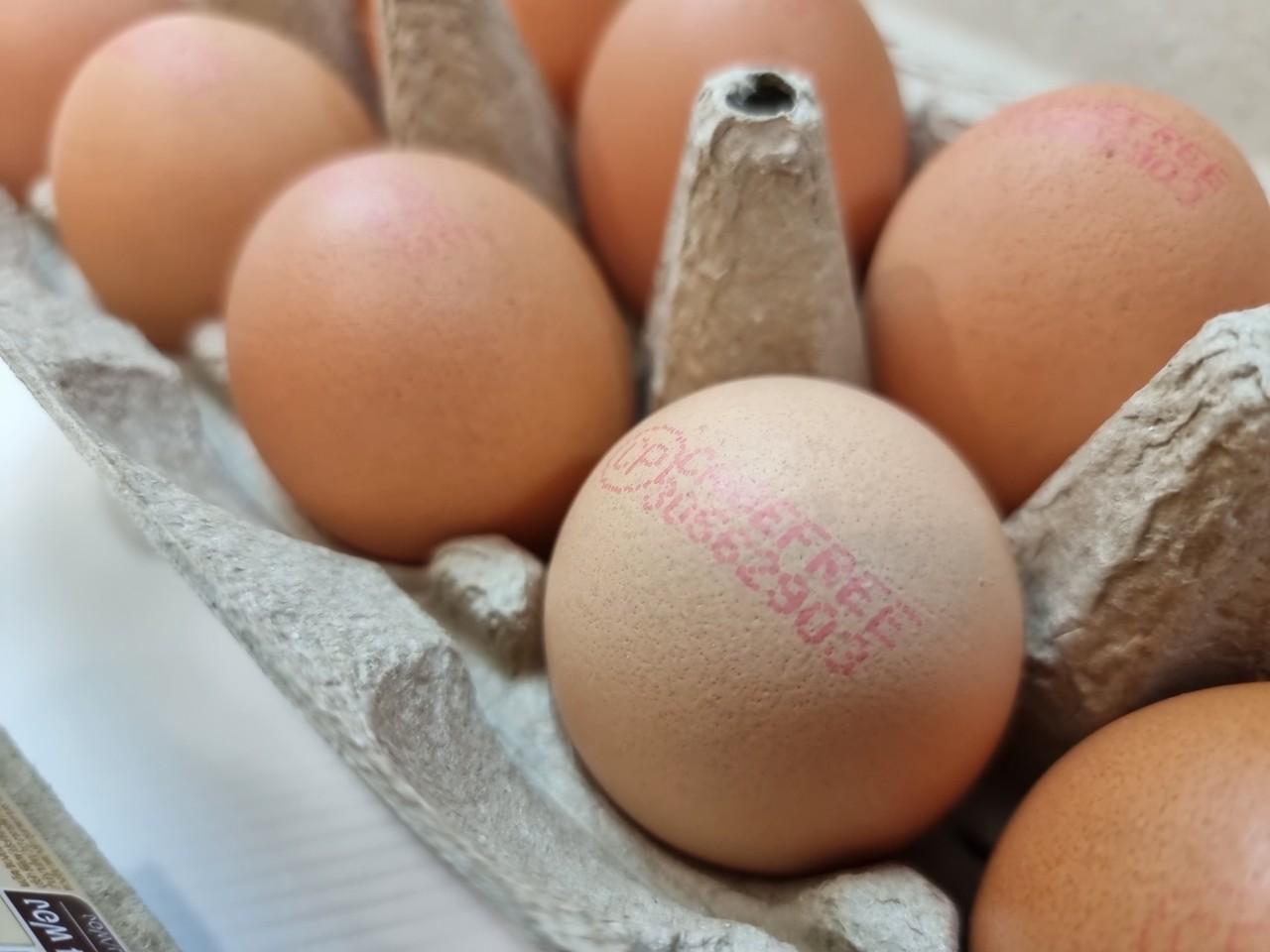
CP Foods target to increase Cage Free eggs 30 percent annually 

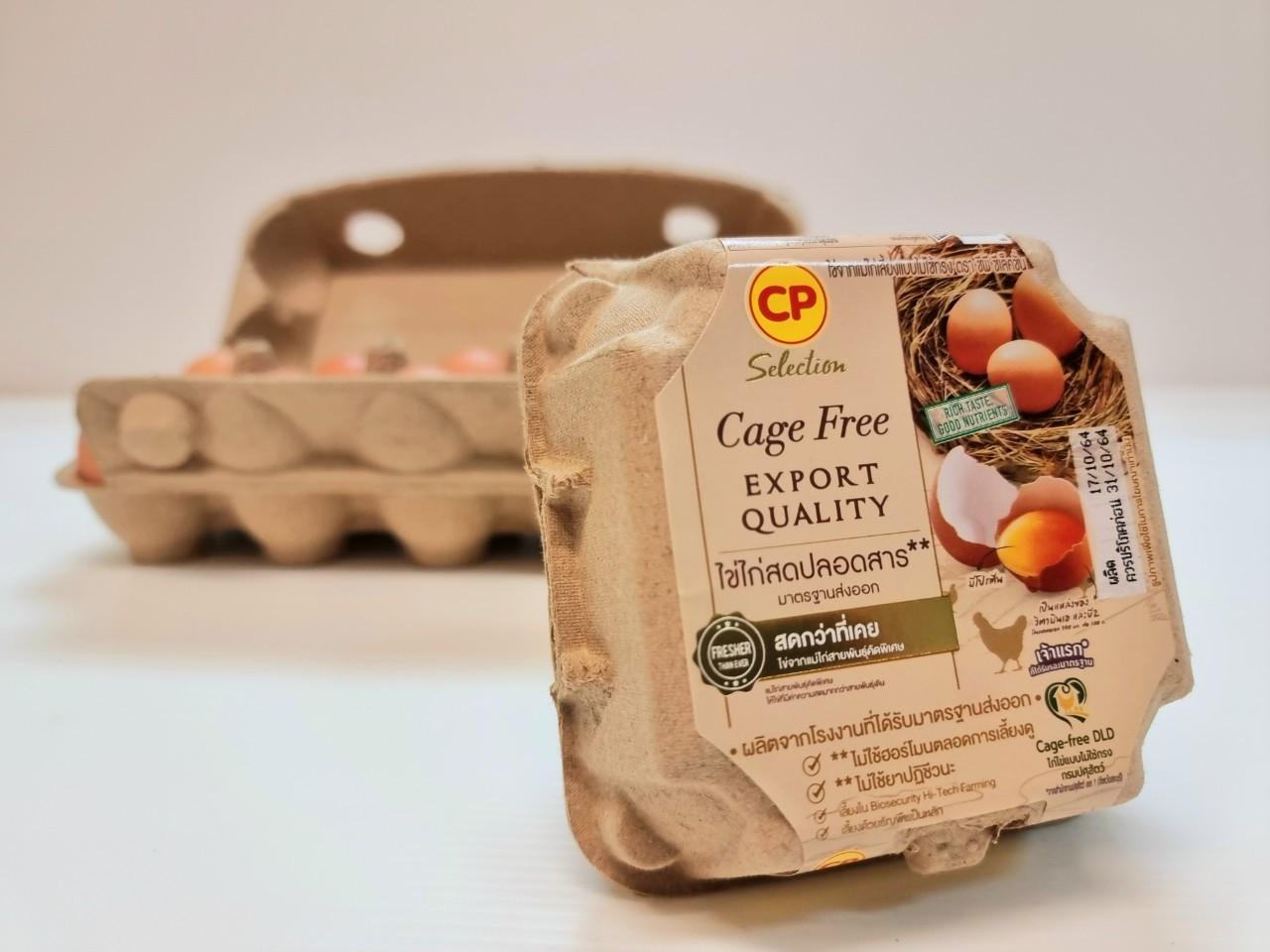
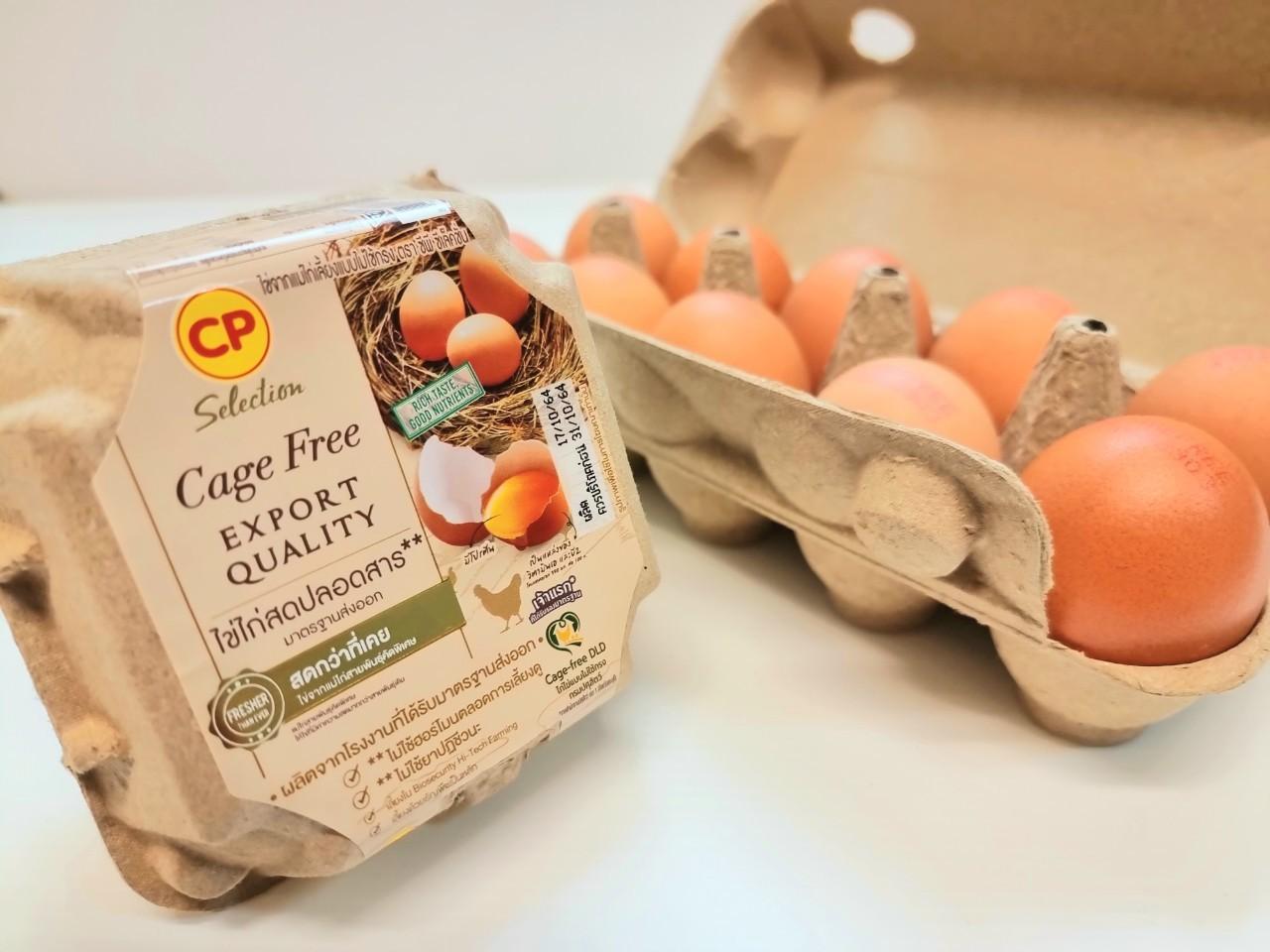
Charoen Pokphand Foods Public Company Limited (CP Foods) will increase the production of this year’s cage free eggs to 16 million in an effort to meet rapid growth in demands for high-animal welfare and antibiotic-free products.  

Somkid Wannalukkhee, Senior Vice President at CP Foods, said that due to the COVID-19 situation, this has resulted in an increase in health-conscious consumption. This is also in line with the company’s food product development guidelines, which has always given importance to the sustainable food supply chain for the egg.

image3 9

CP Foods’ Wang Somboon Farm, Saraburi Province, is the first cage-free farm in Thailand that is certified by the Department of Livestock Development for Cage Free farming. Wang Somboon Farm has started a cage-free production with high animal welfare principles since 2018. 

The farm targets to produce 16 million cage-free eggs in this year and increase the output each year by 30%. This target is along with CP Foods’ new stragety “CPF 2030 Sustainability in Action.” 

image2 11

“CP Food places importance upon safe, sustainable and antibiotic-free production, using the best farming technologies to manage the cage-free farm, ensuring eco-friendly and safe operation,” he said.

Wang Somboon Farm, naturally raised hen in a closed system house that is managed in accordance with animal welfare principles, such as using 15 cm per hen for linear perch space, multiple enrichments that allow hens to express their natural behaviors and a system to digitally control the environment. These are made for the sole purpose which is to make the laying hens happy and healthy all the time and raised without antibiotics. Cage Free eggs from Wang Somboon Farm are Chemical-Free, Safe and 100% Natural.

image5 1

Mr. Somkid says the special breed laying hens are fed 100% grains to keep chickens in good health and reaching their full genetic potential. With strong hens, good genetics, good animal welfare practices and high biosecurity combined, CP Foods’ cage free eggs are fresher, having bright orange egg yolks and use antibiotic-free. He added that all products have to go through Freshness test to ensure that they are all at the same quality.

image4 4

Besides the quality of product, CP Foods has introduced a digital product traceability system, printing a safe color on the eggshell to identify the farm that it came from. This is to increased confidence in transparency of cage-free egg production to consumers.

CP Foods’ cage free eggs come with sustainable packages, choosing egg trays made from 100% recycled paper.

The products is recognized by chefs and leading restaurant businesses in Thailand such as Momo Paradise, Jay Fai’s Kitchen, hotel chains as well as being sold in many leading supermarkets.

Advertisement

In the Middle of a Crisis, Facebook Inc. Renames Itself Meta

A Facebook employee take a selfie in front the company's new name and logo outside its headquarters in Menlo Park, Calif., Thursday, Oct. 28, 2021, after announcing that it is changing its name to Meta Platforms Inc. Photo: Tony Avelar / AP

OAKLAND, Calif. (AP) — Like many companies in trouble before it, Facebook is changing its name and logo.

Facebook Inc. is now called Meta Platforms Inc., or Meta for short, to reflect what CEO Mark Zuckerberg said Thursday is its commitment to developing the new surround-yourself technology known as the “metaverse.” But the social network itself will still be called Facebook.

Also unchanged, at least for now, are its chief executive and senior leadership, its corporate structure and the crisis that has enveloped the company.

Skeptics immediately accused the company of trying to change the subject from the Facebook Papers, the trove of leaked documents that have plunged it into the biggest crisis since it was founded in Zuckerberg’s Harvard dorm room 17 years ago. The documents portray Facebook as putting profits ahead of ridding its platform of hate, political strife and misinformation around the world.

The move reminded marketing consultant Laura Ries of when energy company BP rebranded itself to “Beyond Petroleum” to escape criticism that the oil giant harmed the environment.

“Facebook is the world’s social media platform, and they are being accused of creating something that is harmful to people and society,” she said. “They can’t walk away from the social network with a new corporate name and talk of a future metaverse.”

Facebook the app is not changing its name. Nor are Instagram, WhatsApp and Messenger. The company’s corporate structure also won’t change. But on Dec. 1, its stock will start trading under a new ticker symbol, MVRS.

The metaverse is sort of the internet brought to life, or at least rendered in 3D. Zuckerberg has described it as a “virtual environment” you can go inside of, instead of just looking at on a screen. People can meet, work and play, using virtual reality headsets, augmented reality glasses, smartphone apps or other devices.

It also will incorporate other aspects of online life such as shopping and social media, according to Victoria Petrock, an analyst who follows emerging technologies.

Zuckerberg’s foray into virtual reality has drawn some comparisons to fellow tech billionaires’ outer space adventures and jokes that perhaps it’s understandable he would want to escape his current reality amid calls for his resignation and increasing scrutiny of the company.

On Monday, Zuckerberg announced a new segment for Facebook that will begin reporting its financial results separately from the company’s Family of Apps segment starting in the final quarter of this year. The entity, Reality Labs, will reduce Facebook’s overall operating profit by about $10 billion this year, the company said.

Other tech companies such as Microsoft, chipmaker Nvidia and Fortnite maker Epic Games have all been outlining their own visions of how the metaverse will work.

Zuckerberg said that he expects the metaverse to reach a billion people within the next decade and that he hopes the new technology will creates millions of jobs for creators.

The announcement comes amid heightened legislative and regulatory scrutiny of Facebook in many parts of the world because of the Facebook Papers. A corporate rebranding isn’t likely to solve the myriad problems revealed by the internal documents or quiet the alarms that critics have been raising for years about the harm the company’s products are causing to society.

Zuckerberg, for his part, has largely dismissed the furor triggered by the Facebook Papers as unfair.

In an interesting twist, the Chan Zuckerberg Initiative, the philanthropic organization run by Zuckerberg and his wife, Priscilla Chan, bought a Canadian scientific literature analysis company called Meta in 2017.

By Thursday afternoon, though, its website Meta.org announced that it will “sunset” at the end of March. The Meta.com domain, meanwhile, redirected to the former Facebook’s rebranded corporate site.

At headquarters in Menlo Park, California, the iconic thumbs up sign that has long been outside was repainted to a blue, pretzel-shape logo resembling an infinity symbol.

Some of Facebook’s biggest critics seemed unimpressed by the name change. The Real Facebook Oversight Board, a watchdog group focused on the company, announced that it will keep its name.

“Changing their name doesn’t change reality: Facebook is destroying our democracy and is the world’s leading peddler of disinformation and hate,” the group said in a statement. “Their meaningless name change should not distract from the investigation, regulation and real, independent oversight needed to hold Facebook accountable.”

In explaining the rebrand, Zuckerberg said the name Facebook no longer encompasses everything the company does. In addition to the social network, that now includes Instagram, Messenger, its Quest VR headset, its Horizon VR platform and more.

“Today we are seen as a social media company,” Zuckerberg said. “But in our DNA we are a company that builds technology to connect people.”

___

Story: Barbara Ortutay. Associated Press writers Mae Anderson and Tali Arbel in New York and Matt O’Brien in Providence, R.I., contributed to this report.

Advertisement

Hot News

LATEST NEWS

Bangkok
overcast clouds
32.3 ° C
33.3 °
30 °
80 %
5kmh
100 %
Mon
32 °
Tue
37 °
Wed
35 °
Thu
34 °
Fri
32 °