


































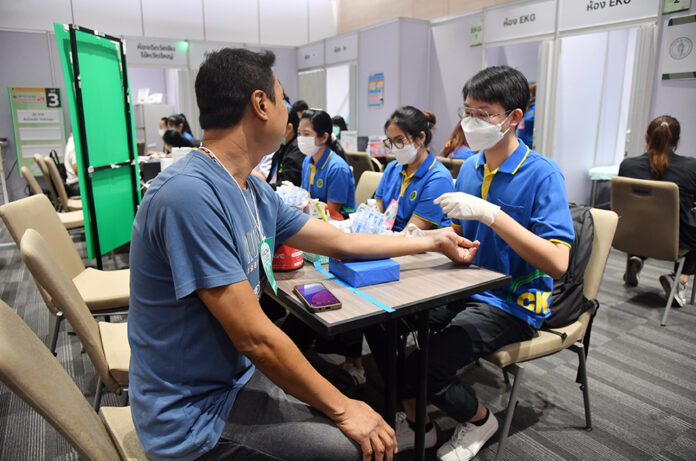
BANGKOK — Non-communicable diseases remain the leading cause of death in Thailand, driving more than 400,000 deaths annually — or 77% of all deaths — and costing the country over USD 6 million each year, speakers said last week at a panel held during the 18th National Health Assembly at IMPACT Forum in Muang Thong Thani.
Dr. Pairoj Saonuam, deputy manager of the Thai Health Promotion Foundation, said diabetes, cardiovascular disease, cancer, chronic respiratory disease and mental health disorders are the top killers. He said they are fueled by five major behavioral risks: air pollution, smoking, unhealthy diets, physical inactivity and alcohol consumption.
“NCDs impose significant economic losses,” Pairoj said. “We found that premature exit from the labor market accounts for 86% of total economic losses — 52% due to premature deaths and 34% due to early retirement.”
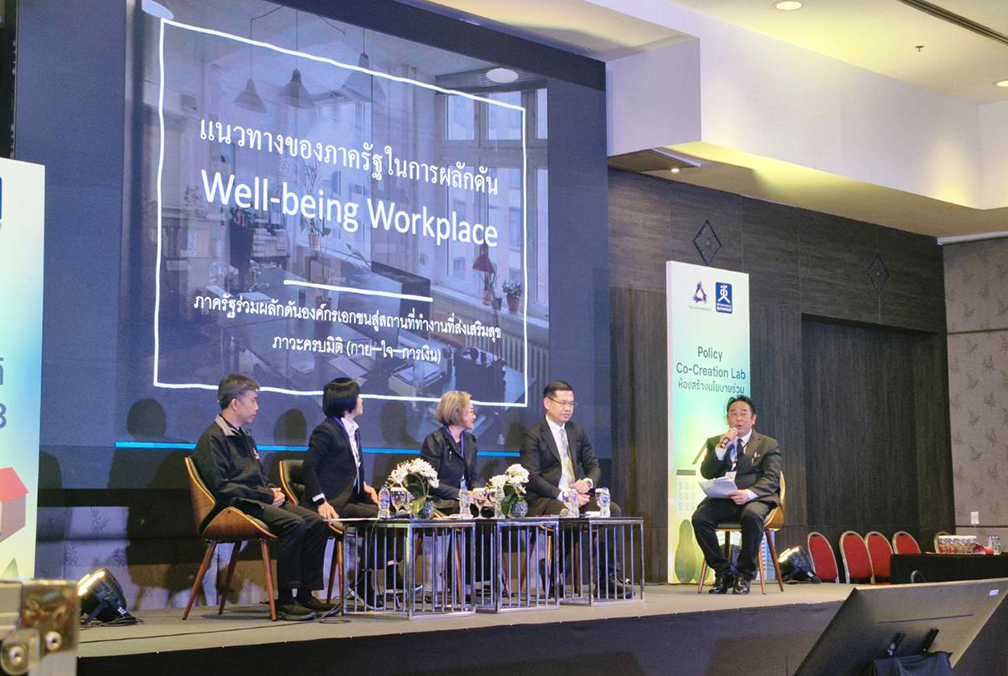
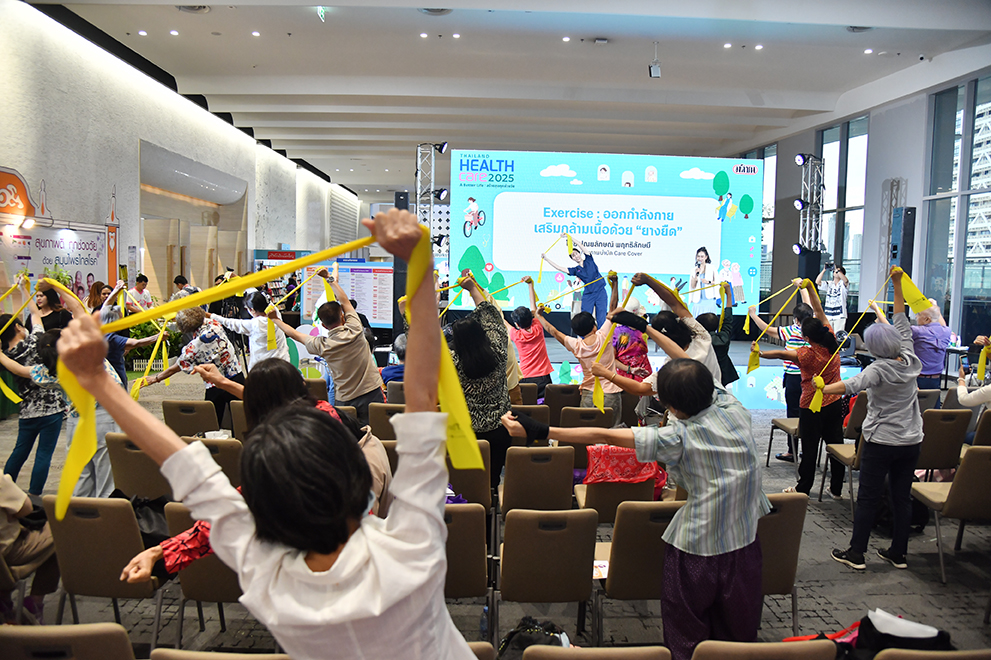
Data from ThaiHealth show that among Thais aged 15 and older, 27 million are overweight or obese, 25 million lack sufficient physical activity, 17 million drink alcohol and 11 million smoke. Pairoj said reducing risk factors will require coordinated action from multiple agencies to build supportive environments at the individual, family, community, economic and policy levels.
At the industrial level, companies are already feeling the strain. Dr. Wipaporn Kiattianuay, deputy managing director of J.H. Industrial Co. in Nakhon Ratchasima, said the company has promoted workplace health since 2008. Surveys show most of its 450 employees live with NCDs or related conditions, with 51% overweight and nearly 70% diagnosed with NCD-linked health issues.
A new “carbohydrate counting” program has helped cut sick leave by 10%, healthcare costs by 16% and alcohol consumption by nearly 12%, while improving smoking-cessation rates by 17%, she said. “To succeed, workplaces must stop treating these as one-off activities and weave them into daily routines,” she said. “Healthy employees are the foundation of a strong organization.”
Warada Chamnanphuet, vice-chair of the Chonburi Federation of Industries for Labour Development and Human Security, urged employers to adopt a more responsible approach to worker well-being or risk a future workforce “left only with its remnants” — workers suffering chronic illnesses caused by hazardous conditions or unchecked risky behaviors.
Warada called on the Labour Ministry to strengthen Occupational Safety and Health Management Systems by requiring safety committees in workplaces and recognizing companies that excel in long-term health and safety, not only in labor relations.
She also urged the Social Security Office to launch a health-promotion fund, support workplace screening programs and partner with hospitals for preventive care.
She added that employers should receive tax incentives or financial support, noting they already bear significant costs for employee healthcare, including social security contributions and private insurance.
Somkiat Pitakkamonporn, assistant secretary-general of the National Health Commission Office, said Thailand’s “Ecosystem 3:5:5” framework aims to create healthier environments using behavioral economics, fiscal tools such as sugar taxes and community-based social credit systems that reward healthy activities.
_________