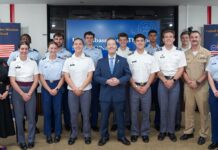
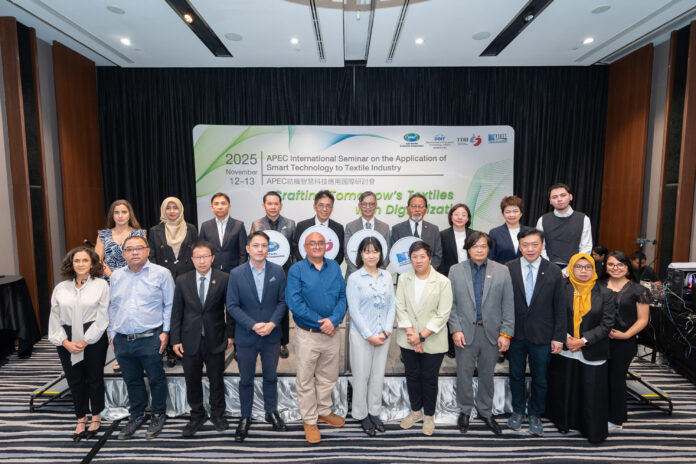
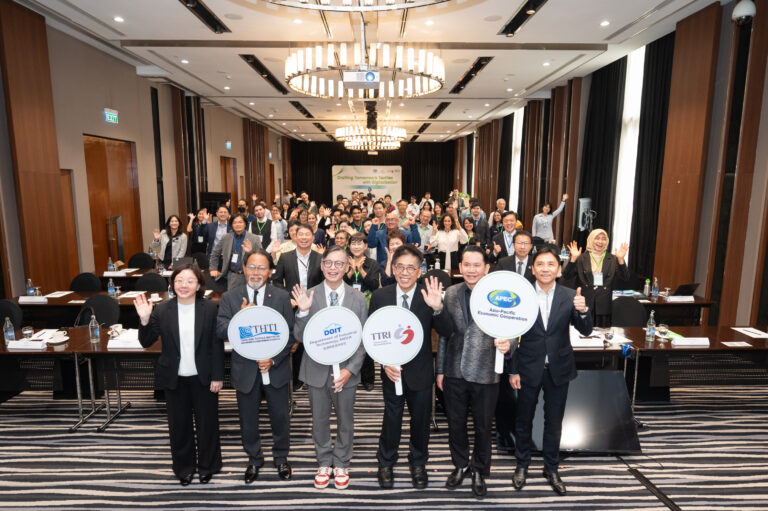
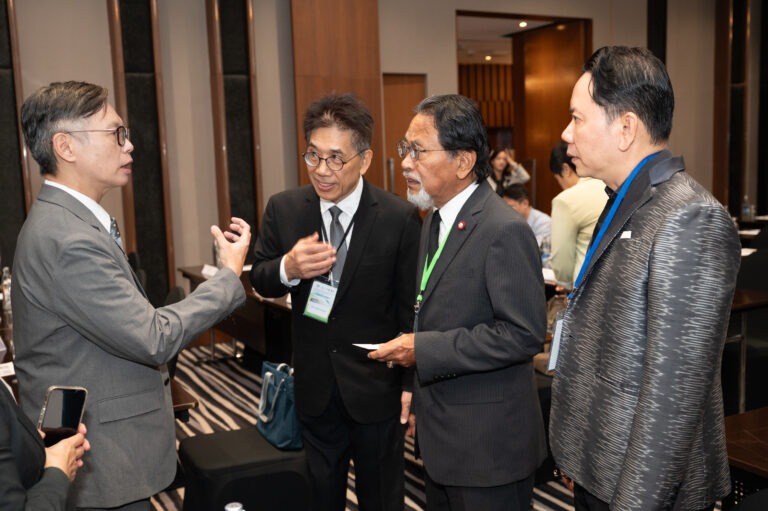
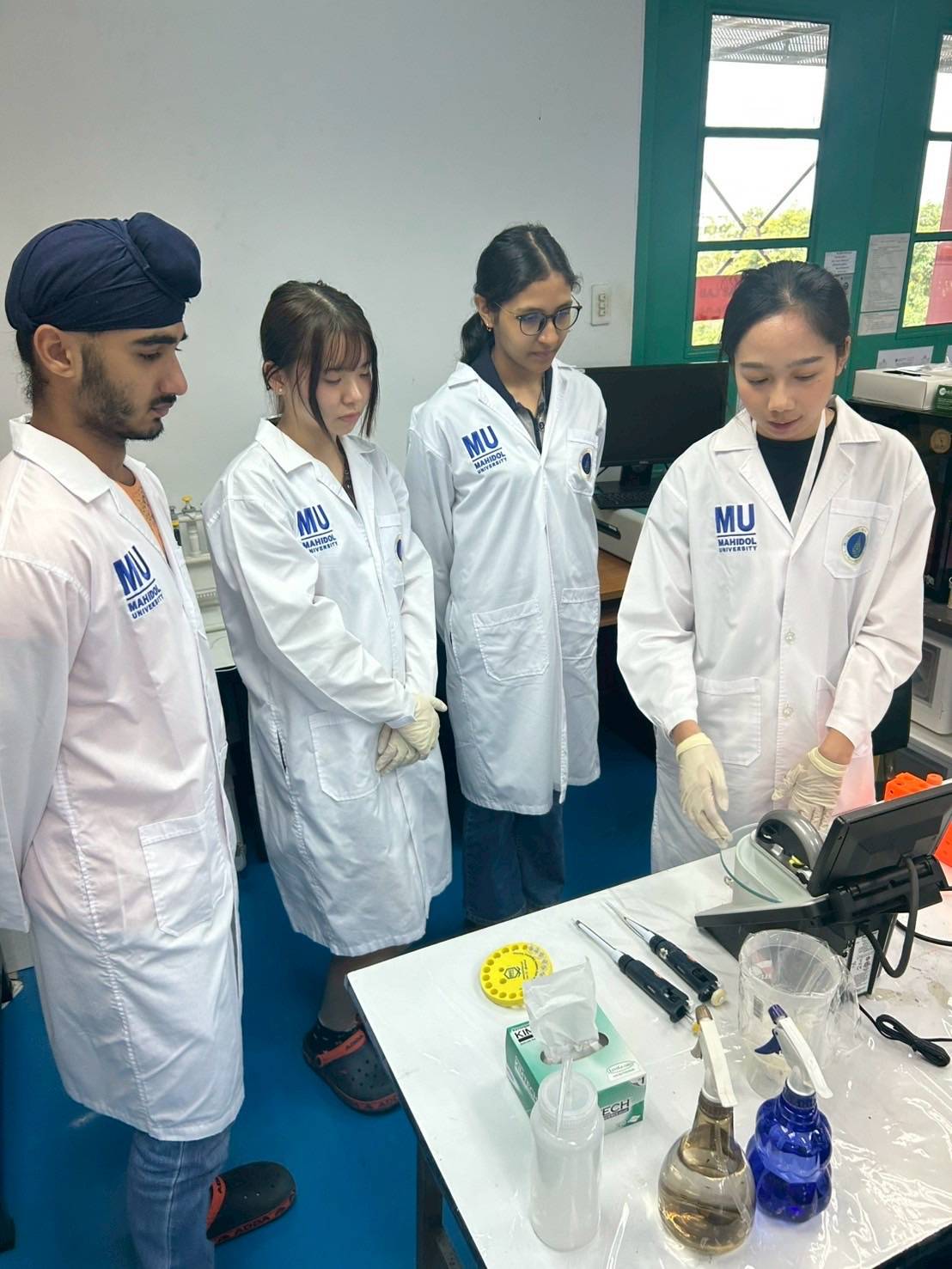
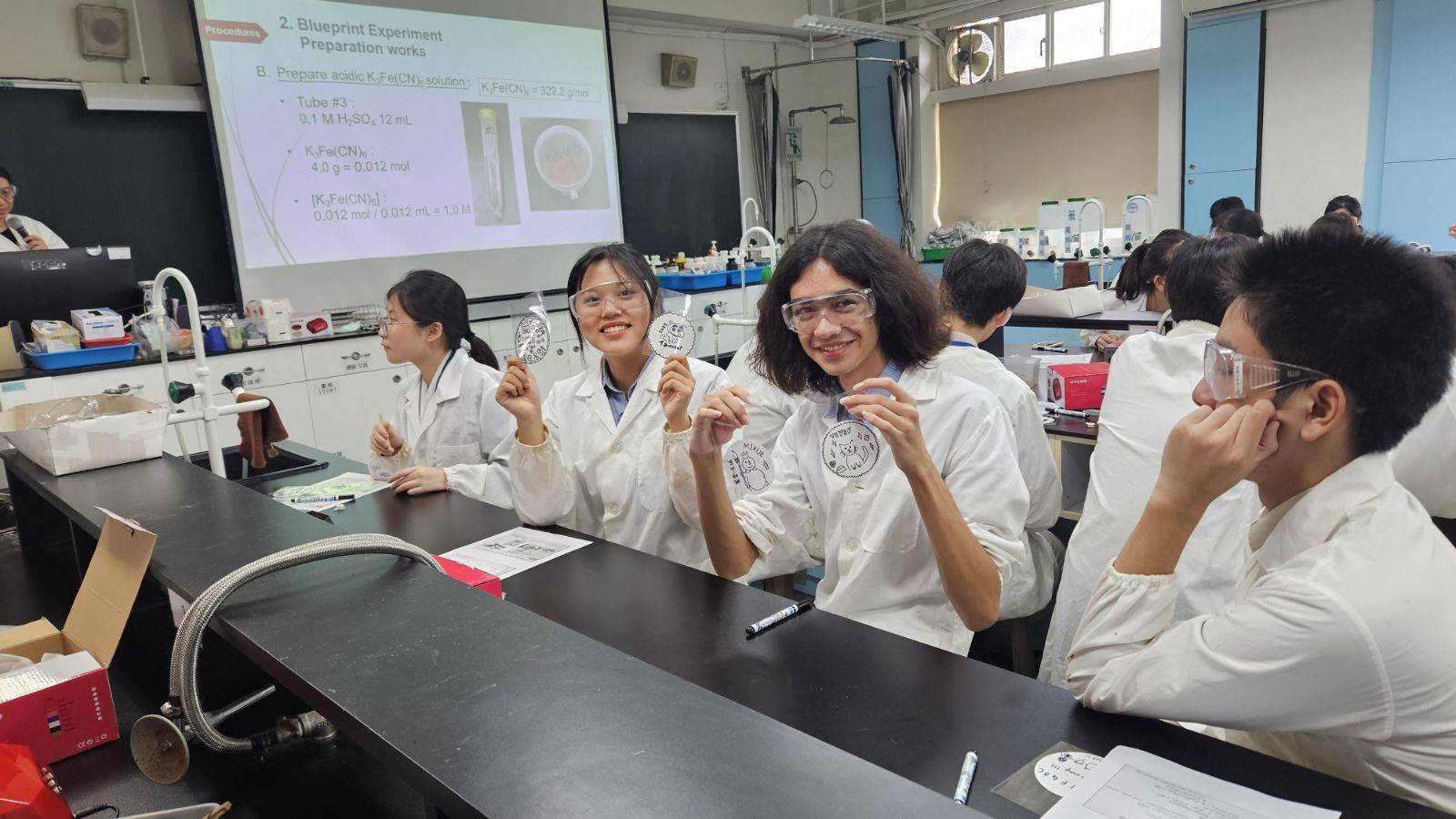
Guided by Taiwan’s Ministry of Economic Affairs (MOEA) and organized by the Taiwan Textile Research Institute (TTRI), the APEC International Seminar on Smart Technology Applications in Textiles took place in Bangkok, Thailand, on November 12–13, 2025.
With the theme “Digital Empowerment for Supply Chain Resilience and Sustainable Prosperity,” the seminar brought together over 100 delegates from seven APEC economies to exchange insights on how AI, smart manufacturing, and data governance can drive textile digitalization and sustainability. Hosting the event in Thailand underscores its strategic role in the regional supply chain and symbolizes Taiwan’s long-term commitment to Asia-Pacific cooperation. Taiwanese teams have advanced automation and digital integration, partnering with the Thailand Textile Institute (THTI) to strengthen supply chain resilience.
Dr. Chien-Cheng Tai, Senior Technical Specialist from MOEA, shared Taiwan’s success in digitalizing and automating manufacturing, featuring smart dyeing, intelligent weaving, and AI inspection platforms.
The two-day program also featured field visits and on-site demonstrations showcasing energy-saving and digital transformation solutions at dyeing and testing facilities. In line with APEC’s commitment to inclusiveness, the seminar encouraged active participation of women and young professionals to promote diverse perspectives in the future of textile innovation.
Through its “Team Taiwan” collaborative model, integrating efforts from government, research institutes, and industry, Taiwan continues to advance low-carbon, transparent, and efficient textile ecosystems. The seminar not only highlighted Taiwan’s pioneering role in smart manufacturing and sustainable development, but also reinforced its commitment to fostering innovation and shared prosperity across the Asia-Pacific region.
Officers arrest 35-year-old Chinese fugitive (right) at a luxury condominium in downtown Khon Kaen, where he was hiding from fraud charges and an Interpol warrant, on November 12, 2025.
KHON KAEN — Thai immigration police have arrested a Chinese national wanted by authorities in China for alleged contract fraud, after locating him hiding in a luxury condominium in downtown Khon Kaen.
Officers from the Khon Kaen Immigration Office’s Investigation and Suppression Unit and the provincial Tourist Police apprehended Zhou, 35, who was listed on Interpol’s database and wanted under an arrest warrant issued by the Ministry of Public Security in Zhujiang City, China.
Pol. Col. Piyapong Ensan of the Tourist Police said investigators verified Zhou’s identity and travel documents before taking him into custody. He was later transferred to the Khon Kaen Immigration Office, where he was informed that his permission to stay in Thailand was revoked pending deportation to China. Thai authorities said they have notified the Chinese Consulate General, the Chinese Embassy, and Interpol.
The Chinese suspect is detained at Khon Kaen Immigration Office headquarters on November 12, 2025, after his arrest, where he was informed of his deportation to China to face contract fraud charges.
According to Pol. Lt. Col. Sorat Wichayasut, Chief Inspector of Khon Kaen Immigration, Zhou is accused of defrauding the Qijiang District Public Health Office in Chongqing Municipality in August 2022. As the legal representative of Chongqing Xingcheng Industrial Co., Ltd., Zhou allegedly signed a construction contract with Chongqing Chuanzhou Construction Co., Ltd. for a tourism development project valued at 2 million yuan, but the company failed to fulfill the contract.
Investigators in China suspect Zhou may be involved in additional cases of contract fraud. Thai authorities said he will remain in custody while awaiting deportation proceedings.
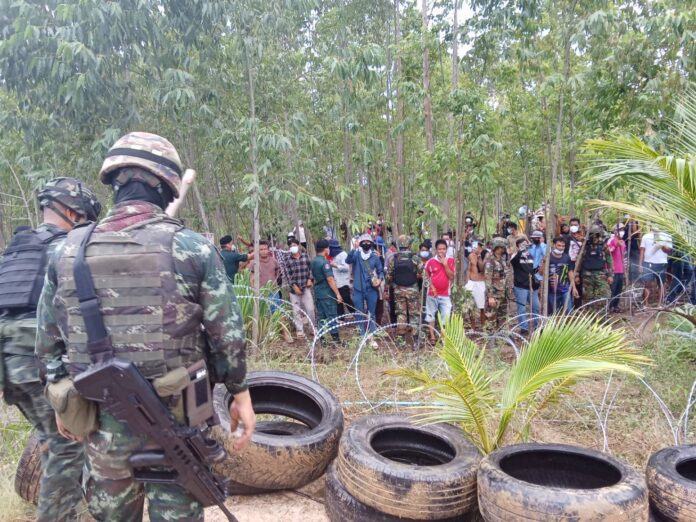
FILE - Thai military personnel face off against Cambodian crowds across improvised barriers at the disputed Ban Nong Ya Kaew border area, where violent confrontations erupted over territorial claims on September 17, 2025.
By SOPHENG CHEANG and GRANT PECK
PHNOM PENH, Cambodia (AP) — Cambodia’s prime minister said a villager was killed when shooting broke out Wednesday along the volatile border with Thailand, as the ceasefire partly brokered by U.S. President Donald Trump that ended five days of combat between the two nations appeared to be breaking down.
The reported death occurred two days after a Thai solder lost a foot to a land mine while patrolling another area of the border. Thailand blamed Cambodia for the blast and announced it was suspending honoring the terms of the ceasefire, which was originally agreed to on July 28.
Trump had threatened to withhold trade privileges from the two countries unless they stopped fighting. The pact was reaffirmed in greater detail last month when Trump attended an Association of Southeast Asian Nations summit meeting in Malaysia.
Territorial disputes over exactly where the border lies between the Southeast Asian neighbors led to five days of armed conflict in late July that killed dozens of soldiers and civilians.
Thai Prime Minister Anutin Charnvirakul on Tuesday went to the border to visit front-line troops and told reporters that Thailand had consistently sought to honor the ceasefire agreement, but that Cambodia had tried to delay progress, so Thailand would also not carry out its terms.
“Today, we consider that the deal that we made in order to bring peace is now over, ” he said. Foreign Ministry spokesperson Nikorndej Balankura later clarified that Thailand has not officially withdrawn from the agreement but has only paused its implementation.
According to a statement posted on the Telegram social media platform by Cambodian Prime Minister Hun Manet, one civilian was killed and three others wounded when Thai troops opened fire on civilians residing in the area of Prey Chan in Cambodia’s northwestern province of Banteay Meanchey.
The same village was the site of a violent but not lethal confrontation in September between Thai security personnel and Cambodian villagers.
“It should be noted that this attack occurred after the Thai forces engaged in numerous provocative actions for many days with the objective of instigating confrontations,” Hun Manet wrote, adding that Cambodia still accepted the ceasefire terms.
The Thai military said the incident began when Cambodian soldiers allegedly fired into a district in Thailand’s eastern province of Sa Kaeo.
“Thai forces took cover and fired warning shots in response, following rules of engagement,” said a statement from army spokesperson Maj. Gen. Winthai Suvaree. “The incident lasted about 10 minutes before calm was restored. No Thai casualties were reported.”
A villager from Prey Chan contacted by phone recounted how she was starting to prepare dinner for her family when she heard gunshots come from territory held by Thailand.
“When I heard the gunshots, I immediately felt very scared and panicked,” said Hul Malis, a mother of four. “I didn’t know what to do, but I jumped into the bunker for safety. My husband, who was sleeping in the hammock, went into the bunker with me.” She said they built the shelter two months ago,
Thailand and Cambodia countries have a history of enmity going back centuries, when they were warring empires.
Their competing territorial claims stem largely from a 1907 map drawn when Cambodia was under French colonial rule, which Thailand has argued is inaccurate.
The International Court of Justice in 1962 awarded sovereignty to Cambodia over an area that included the 1,000-year-old Preah Vihear temple, which still rankles many Thais.
The ceasefire does not spell out a path to resolve the underlying basis of the dispute, the longstanding differences over where the border should run.
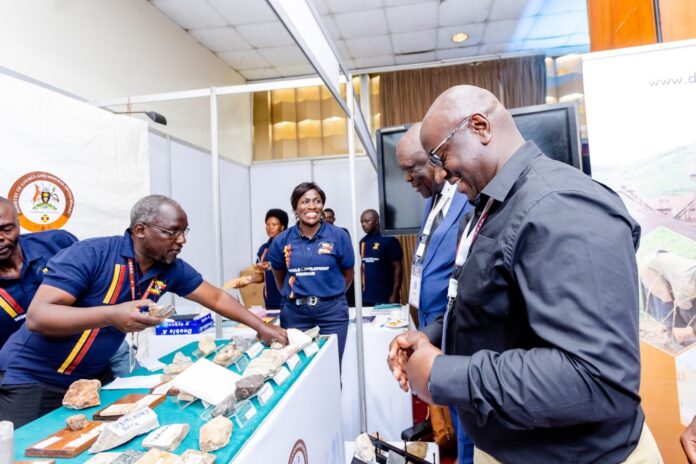
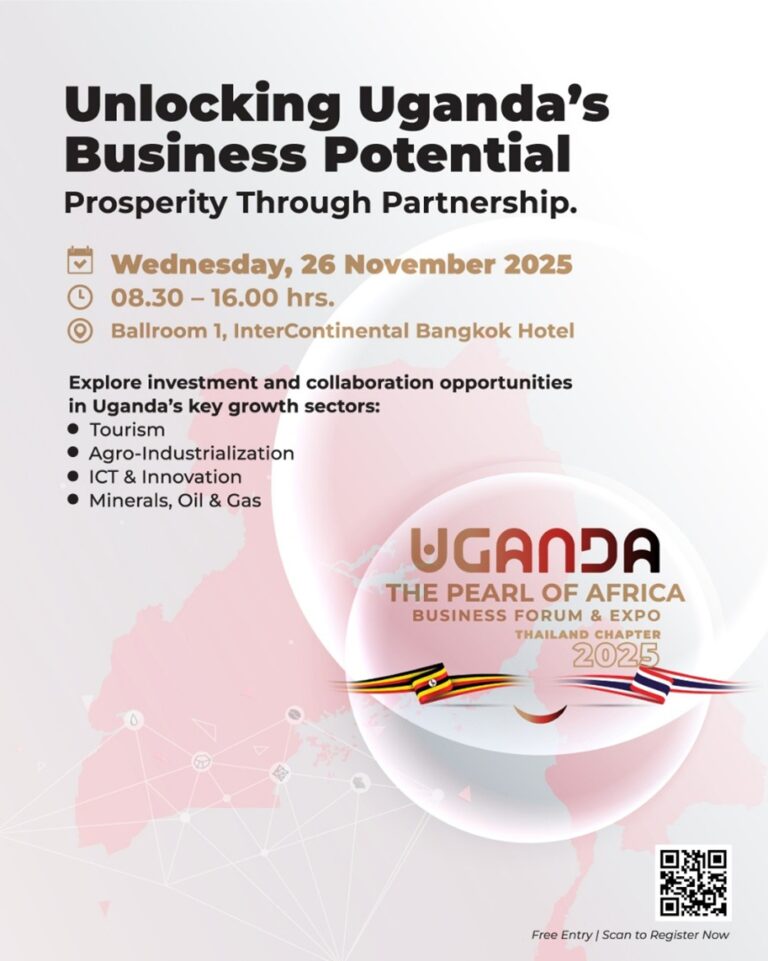
The Uganda High Commission in Kuala Lumpur, accredited to the Kingdom of Thailand, proudly announces The Pearl of Africa – Uganda Business Forum & Expo 2025 – Thailand Chapter, under the theme “Unlocking Uganda’s Business Potential, Prosperity Through Partnerships,” to be held on 26 November 2025 at the Intercontinental Hotel, Bangkok.
This landmark Expo serves as a crucial platform to advance trade, tourism, and investment cooperation between Uganda and Thailand.
Thai government agencies, business associations, investors, and development partners are specifically invited to explore new markets and build sustainable partnerships.
Uganda as a Prime Investment Destination:
Uganda is positioned as Africa’s new investment destination, offering stability and competitive incentives.
It provides crucial access to over 500 million consumers through the East African Community (EAC) and COMESA.
The country’s strategic location makes it a gateway to one of Africa’s fastest-growing regions.
This confidence is reflected by a USD 59 million increase in bilateral trade with Thailand in 2024.
Key Sectors Open for Collaboration and Investment:
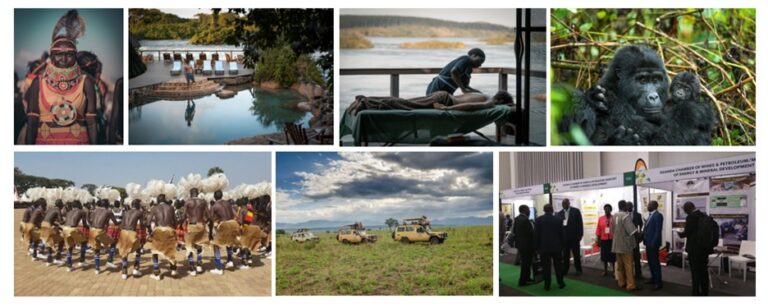
Agribusiness: Opportunities to establish processing plants, modern irrigation, fertilizer industries, and export-oriented agro-value chains.
Tourism & Hospitality: Development of eco-lodges, resorts, theme parks, and partnerships in destination branding.
ICT & Innovation: Collaboration in fintech, digital infrastructure, data centers, and ICT training hubs.
Minerals, Oil & Gas: Exploration, refining, and value-addition in resources like oil, gold, cobalt, and copper.
Immigration police arrested a 35-year-old Russian hacker at a hotel in Thalang District, Phuket on November 6, 2025.
BANGKOK — Thai police working with the FBI have recovered and returned more than $320,000 in stolen cryptocurrency to Thai victims after tracking down a Russian hacker hiding in Phuket, officials said Wednesday.
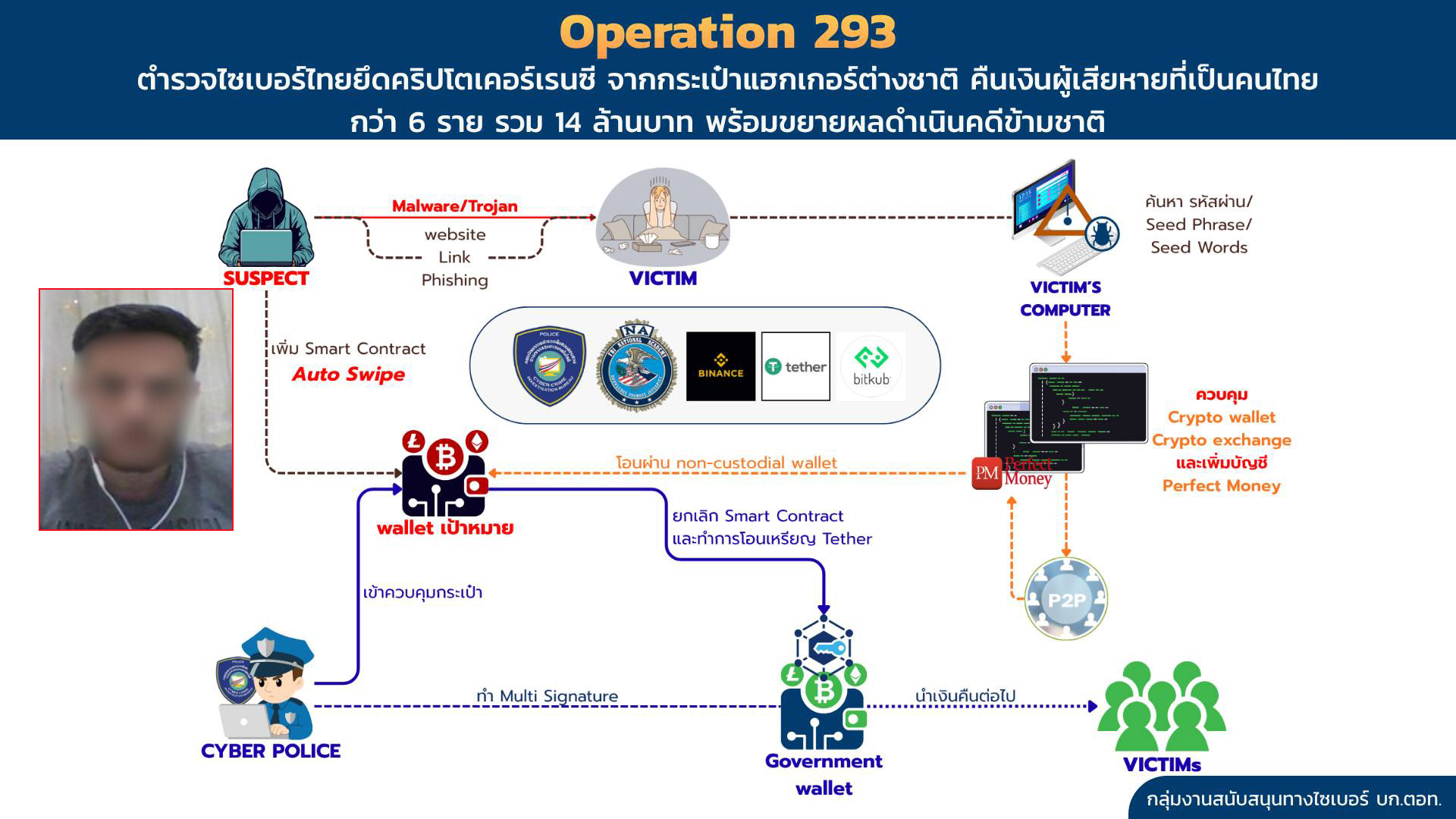
Lt. Gen. Suraphon Prempoot, commander of Thailand’s Cyber Crime Investigation Bureau (CCIB), said the operation—code-named “Operation 293”—followed an FBI alert that the suspect had fled to Thailand. Investigators later seized digital assets from the hacker’s wallets, marking one of the country’s most successful international cybercrime recoveries to date.
Authorities said the case began when victims’ computers were infected with malware that stole authentication keys and seed phrases used to access crypto trading accounts. The hacker then converted victims’ assets into USDT and Bitcoin, siphoning funds into multiple wallets.
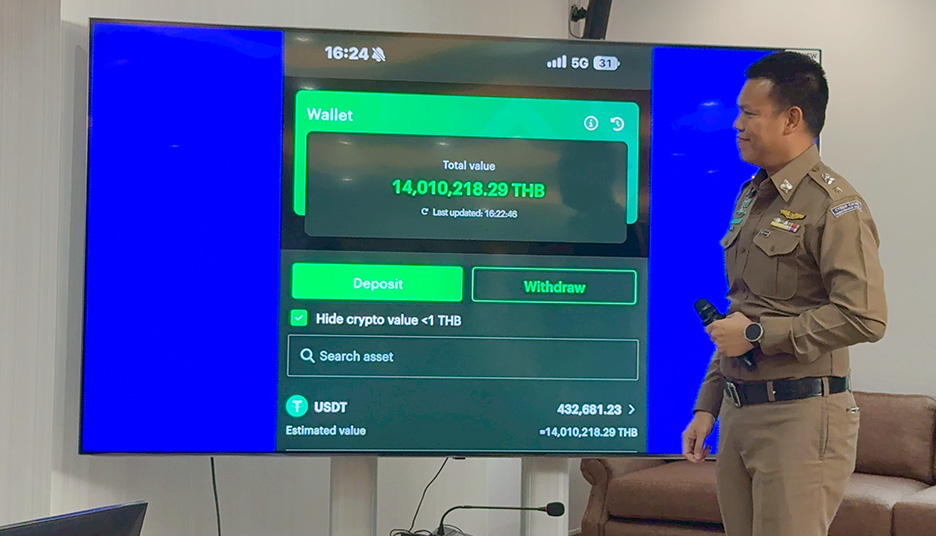
A Thai cybercrime officer presents a digital wallet showing more than 14 million baht ($432,000) in recovered cryptocurrency during a press conference in Bangkok, following a joint operation with the FBI to seize assets from a European hacker.A Thai cybercrime officer presents a crime investigation chart during a press conference at the CCIB on November 12, 2025, following a joint operation with the FBI to seize assets from a Russian hacker.
Police determined the suspect was from Russia, and coordinated with Tether, the issuer of USDT, to freeze the stolen funds. Investigators identified six more Thai victims targeted in the same scheme, with total losses exceeding 100,000 USDT (about 3.2 million baht).
Working with Thai exchange Bitkub, officers analyzed smart contracts and secured the assets before transferring 432,000 USDT into the CCIB’s custody wallet to begin restitution.
Suraphon said the case highlights the importance of cross-border collaboration among law enforcement and private companies in tackling transnational cybercrime.
“This operation shows that even sophisticated hackers cannot hide behind digital anonymity,” he said, adding that the seized funds were formally returned to two Thai victims on November 10.
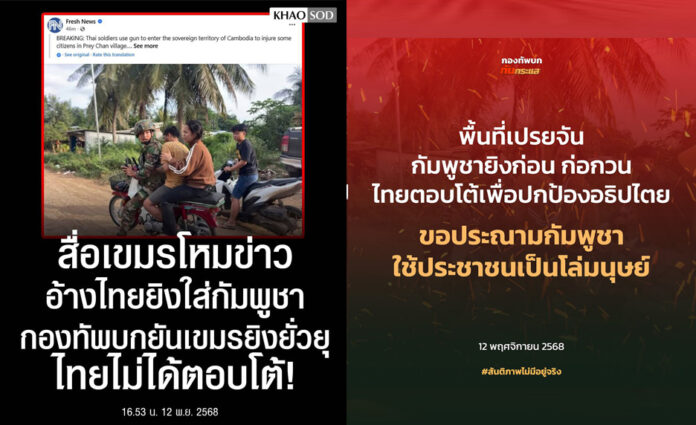
I strongly reprimand the Royal Thai Army for initially reporting that they did not return fire, and then admitting an hour later that they did return fire, while also claiming that Cambodian soldiers used Cambodian civilians as human shields. This issue does not just affect the credibility of the Royal Thai Army, but also impacts Thailand’s credibility in the eyes of the world.
I also express my condolences for the 5 injured Cambodian civilians, and I call on the Cambodian people not to be tricked into being used as human shields (if this was indeed the case).
As for the Royal Thai Army, they should apologize and publicly explain why, if they truly knew that Cambodian civilians were being used as human shields, they chose to return fire with live ammunition nonetheless.
…….
Note: Cambodia’s Kiripost reports on Wednesday evening that one Cambodian civilian has died.
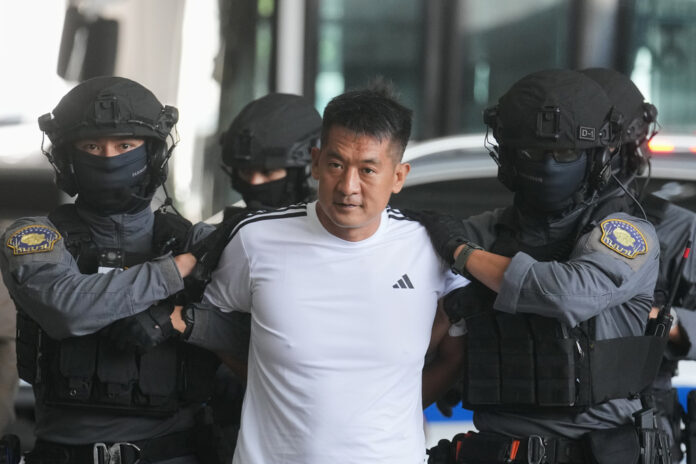
She Zhijiang, an alleged transnational crime kingpin accused by Beijing of having run illegal online gambling operations, is escorted by police at Suvarnabhumi International Airport in Thailand's Samut Prakarn province ahead of being extradited to China, Wednesday, Nov. 12, 2025. (AP Photo/Sakchai Lalit)
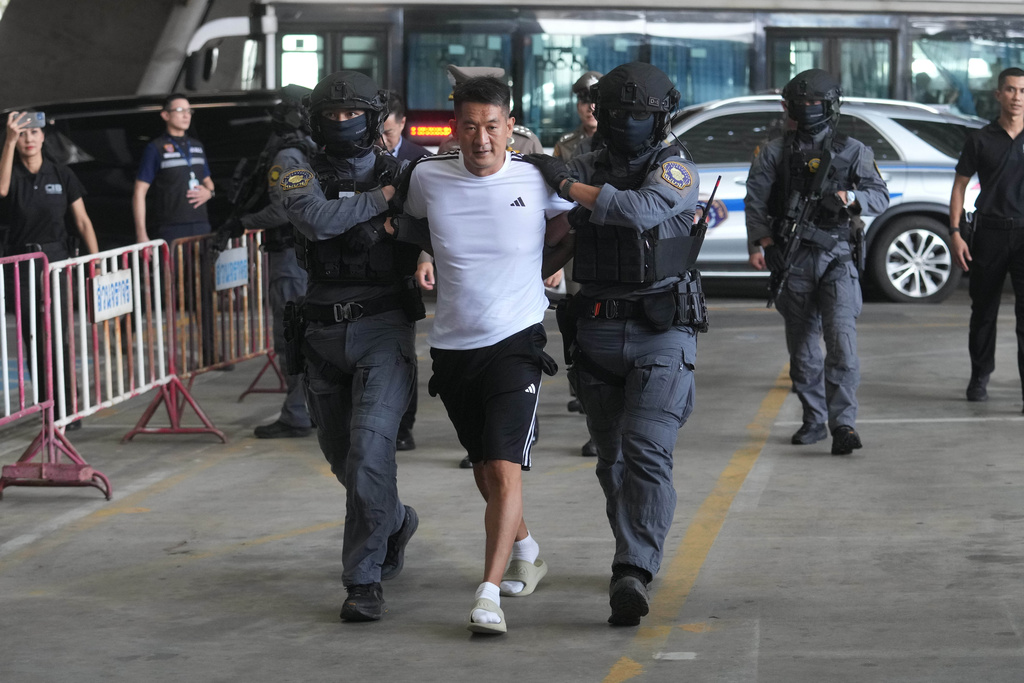
BANGKOK (AP) — Thailand on Wednesday extradited a Chinese man wanted by Beijing on suspicion of running over 200 illegal online gambling operations.
A Thai appeals court on Monday approved sending She Zhijiang back to China, more than three years after his arrest in Bangkok on a 2014 warrant from Chinese police.
“Chinese authorities made a request for the suspect, who’s their top priority, and asked Thailand for cooperation, which we have supported,” said police Lt. Gen. Jirabhop Bhuridej, chief of Thailand’s Central Investigation Bureau. He added that China promised it will elevate joint efforts with Thailand to crack down on scam centers.
She, a Chinese national believed to be 43 years old, also obtained Cambodian citizenship in 2017, and was active in Southeast Asian countries. He became prominent after developing a complex in Myanmar’s Shwe Kokko city, near the Thai border, that is now notorious for online scam activities and human trafficking.
The U.S. and British governments imposed sanctions on She for his alleged criminal activities.
A 2024 report by the U.N. Office on Drugs and Crime said She “is known to have a robust business and investment portfolio across Southeast Asia, and particularly Cambodia, Myanmar, Thailand, and the Philippines, spanning across industries including real estate, construction, entertainment, and blockchain technology.”
She Zhijiang, an alleged transnational crime kingpin accused by Beijing of having run illegal online gambling operations, is escorted by police at Suvarnabhumi International Airport in Thailand’s Samut Prakarn province ahead of being extradited to China, Wednesday, Nov. 12, 2025. (AP Photo/Sakchai Lalit)
Cybercrime has flourished in Southeast Asia, where law enforcement is weak, especially in Cambodia and Myanmar. Casinos often served as centers for online criminal activity, including scams, after the COVID-19 pandemic hampered in-person gambling.
In response to Monday’s court ruling, a spokesperson for She’s company, called Yatai New City and sometimes Asia-Pacific New City, referred to a previous statement that said “while Mr. She Zhijiang was involved in the gambling industry, these activities were conducted under a legally obtained license in their operating jurisdiction, and were not concealed illegal enterprises.” It said his role “is strictly that of a developer.”
Igniting New Living Concepts by Fusing Technology, Environment, and Sustainable Quality of Life
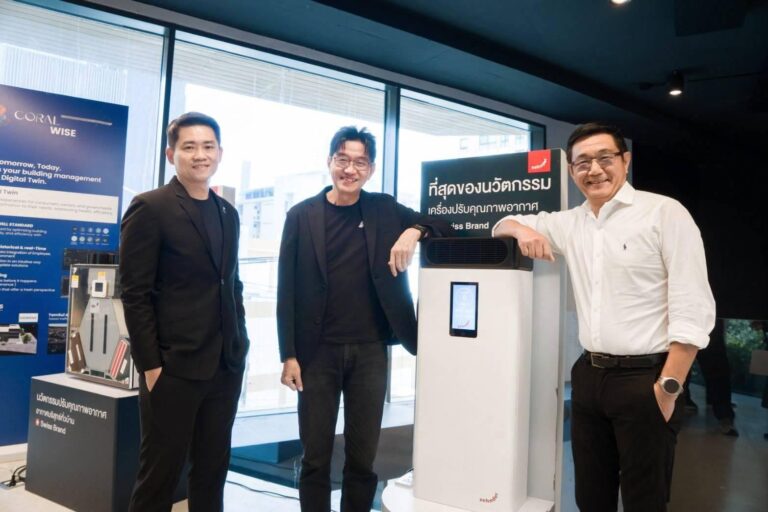
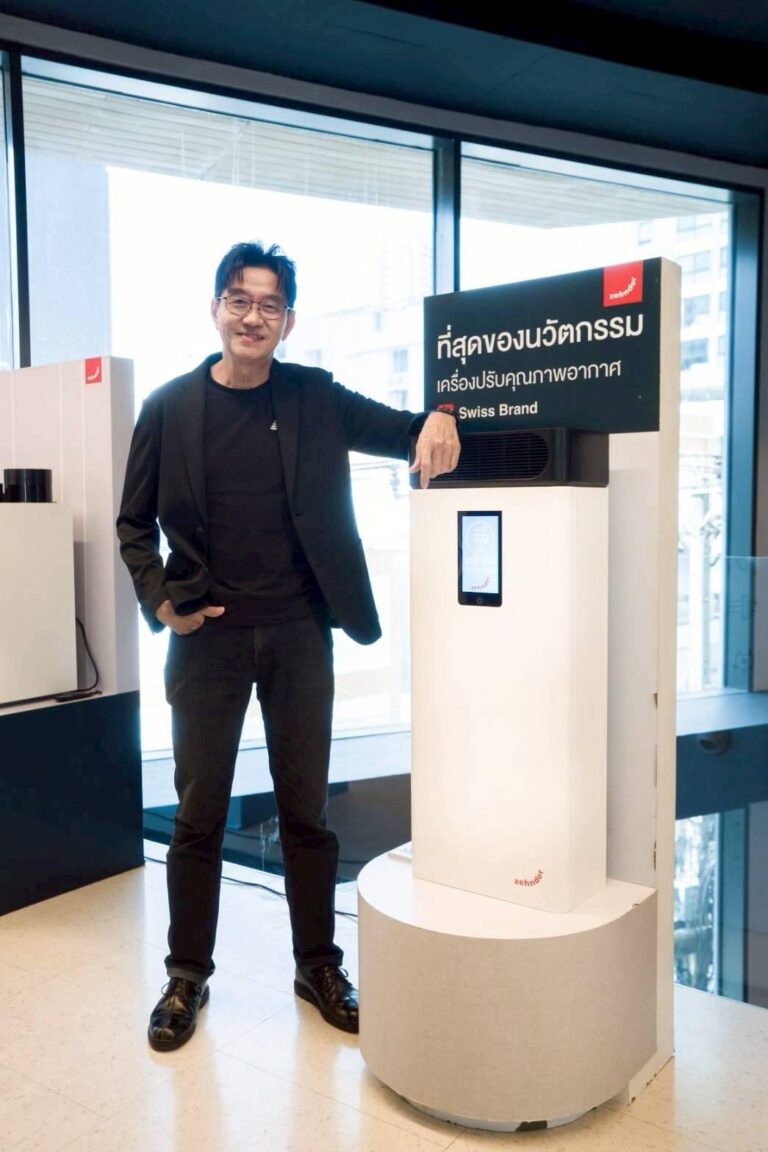
In a world where “air” has become a vital resource demanding thoughtful management, Coral Life stands as a leader in built environment total solutions — sustainable real estate solutions founded on a deep understanding of building structures and residents’ quality of life. Guided by its vision of “Improving People’s Quality of Life through Breathable Buildings,” the company continues its mission to “Rewrite the Future,” harnessing technology and innovation not merely to reshape buildings, but to genuinely redefine the future of urban living.
James Doan, CEO of Coral Life Co., Ltd., shared that the company’s goal is to “create a smart ecosystem for sustainable quality of life.” He envisions an opportunity to elevate the standard of living buildings into a smart ecosystem that can intelligently self-adjust, encompassing both air quality and energy management systems under the Coral Life Total Solution. Over the past five years, Coral Life has redefined buildings in Thailand and abroad, turning them into energy-efficient, responsive environments that dynamically adjust to energy usage, temperature, and air quality — creating living spaces that nurture the body, mind, and the planet.
Decoding the Success of “Wells International School”.
Highlighting an “Outstanding Curriculum” to Lead Students to Success in Life!
International schools in Thailand today often have distinctive features and unique identities. However, one of the key features that forms the heart of each school is the “curriculum” that the school chooses to use in its teaching and learning system.
The curriculum that is currently gaining momentum and receiving tremendous interest at present is the International Baccalaureate (IB) system, which not only emphasizes learning content but also focuses on cultivating students to be inquisitive learners who know how to question, think systematically, and are able to connect knowledge for application in real life.
Dr. Chang Yao-Lang Chairman of the Board, Wells International School stated that Wells International School designs its curriculum with the primary goal of paving the way for student success through combining rigorous standards, holistic development, and understanding connections for real-life application.
Wells International School
“Our curriculum is skills-based, inquiry-focused, and developed according to internationally recognized concepts, following U.S. Common Core standards and International Baccalaureate (IB) curriculum guidelines for some of its programs, such as the Primary Years Programme (PYP) at Wells Bang Na and the IB Diploma Programme at Wells On Nut.”
This curriculum not only emphasizes academic excellence but also gives importance to the intellectual, emotional, social, and behavioral development of each individual student. In the curriculum development process, several important factors are taken into consideration, including:
Alignment with international standards and practices to ensure global competitiveness
The learning needs of students at each age level
Integration of essential skills such as critical thinking, problem-solving, and effective communication
Integration of cultural elements such as Thai language and traditions to cultivate responsible global citizenship
Use of diverse teaching strategies and assessment methods to accommodate different learning styles
Emphasis on “Expected Schoolwide Learning Results (ESLRs)” which promote lifelong learning attitudes and behaviors, such as critical thinking, responsible global citizenship, and appreciation of Thai culture
Wells International School
“Overall, Wells International School aims to create engaging and meaningful learning experiences to prepare students for success in both their academic and professional futures,” Dr. Chang emphasized.
Regarding the outstanding curriculum of Wells International School at each grade level, Dr. Chang further specified that at the kindergarten level, we use a curriculum based on the American system, emphasizing the foundation of literacy skills, mathematics, emotional and social development, and creativity.
The learning environment is nurturing, promoting curiosity and learning habits from an early age. At the primary school level, the curriculum emphasizes skills and inquiry based on U.S. Common Core standards, promoting holistic development in intellectual, emotional, social, and behavioral aspects. There is integrated teaching and learning in science, social studies, mathematics, literacy, Thai language, and culture.
Additionally, there are courses in arts, physical education, technology, and foreign languages to prepare students for secondary education. At the high school level, the school provides intensive college preparatory curricula options such as Advanced Placement (AP), AP Capstone, and IB Diploma Programme (IB DP), including opportunities to study university-level courses through Arizona State University (ASU).
Wells International School
Students also participate in internship activities, leadership development through student council, clubs, conferences, and service projects. All grade levels at Wells integrate technology, extracurricular activities, and experiential learning to develop students into thinkers, communicators, and lifelong learners.
For extracurricular activities, Wells International School has arranged numerous enrichment programs and activities, such as academic clubs, debate, Model United Nations, STEM programs, volunteer clubs, sports teams, and performing arts (music, drama, visual arts).
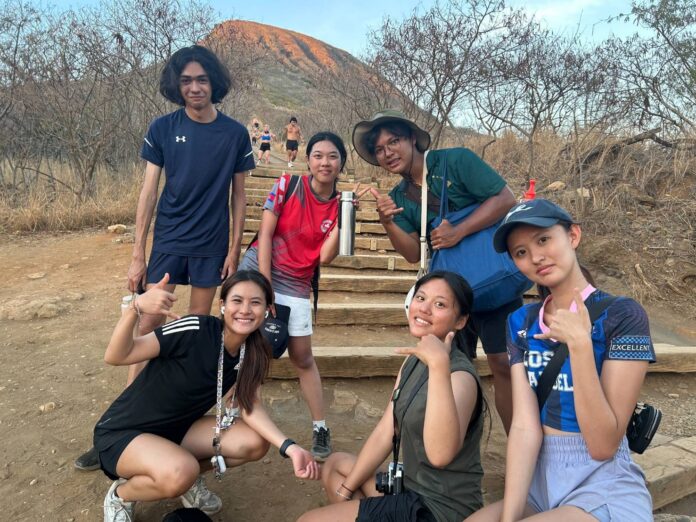
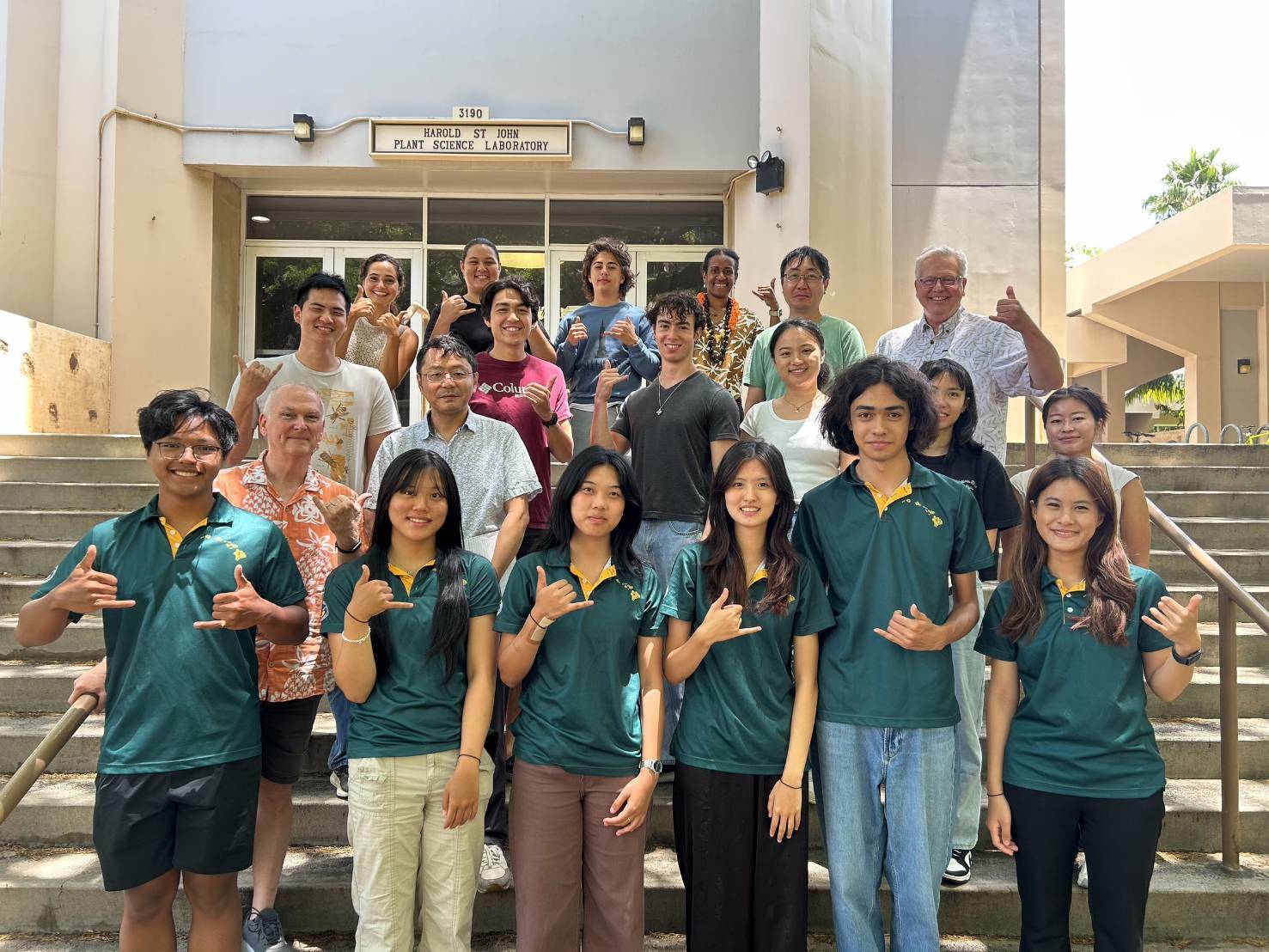
One highlight is the Summer Science Program in collaboration with the University of Hawaii, where students spend 6 weeks working with master’s and doctoral level researchers in laboratories, learning real work in a university environment, while experiencing Hawaiian culture and nature. Another important program is Creativity, Activity, and Service (CAS), which is a core component of secondary student development.
“This program encourages students to engage with the community through social service activities, environmental projects, and leadership. It also provides internship opportunities with local organizations to connect academic knowledge with the real working world,” the Chairman of the Board of Wells International School stated.
Furthermore, Wells International School also supports students in participating in various competitions in academic, artistic, and sports fields, both domestically and internationally, to create good experiences and serve as trial stages before actual competitive examinations, such as Model United Nations, World Scholar’s Cup, debate, robotics competitions, sports competitions, etc.
In the past, Wells’ students have achieved success and received numerous awards, such as national debate championships, mathematics and spelling bee awards, etc. Student selection depends on academic performance, ability, and teacher recommendations. The school provides practice sessions, tutoring, and counseling to develop speaking, thinking, and teamwork skills.
Theo An Rousseau, a Grade 12 student who scored a combined SAT score of 1560 and won first place in a national French history essay competition when he was in Grade 9, said that personally he likes studying biology the most because he can conduct research on his own on topics he selects and is interested in, which is very fun and he intends to pursue studies in this field in the future because he wants to work in research specifically.
Wells International School
After participating in the summer Science program in Hawaii, he experienced working in an actual plant research laboratory and really enjoyed how everyone in the lab worked independently on their own tasks but still collaborated toward the same goal.
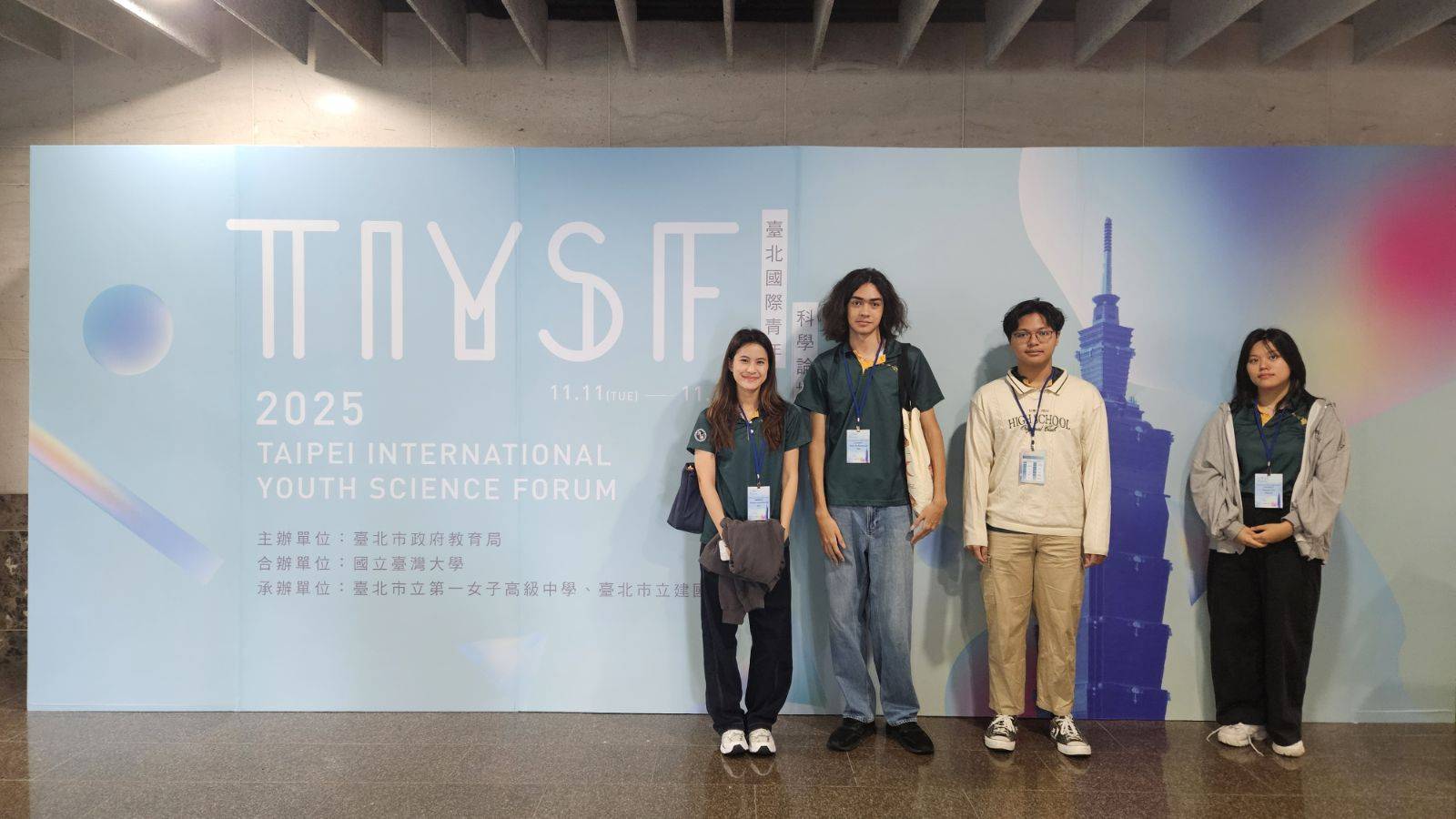
“I think extracurricular activities are important because they enhance your learning, but the most important thing is to do them happily, for our own learning. At school, I participated in the Wells Hawaii Summer Science Program at the University of Hawaii. At that time, I truly learned what working in a laboratory is like. It was a very valuable experience because it made me more certain that this is what I want to do in the future. And very soon, I am also preparing to participate in the Taipei International Youth Science Forum in Taiwan, where I will have the opportunity to conduct research again. It will definitely be fun.”
Theo also gave tips on studying well while doing activities, saying that if there is an exam, he will read books in advance, including during the weekend before the exam. But the most important thing is paying attention in class. There are many study methods, such as spaced repetition or the Pomodoro method, but what’s important is that you have to be there in class.
He usually reviews his own notes. If he doesn’t understand in class or can’t remember, then he uses those methods to help. He likes to go out to a coffee shop with his computer without a phone because the environment helps with concentration, unlike being on a bed. “Don’t stress too much. You need to find stress-reducing activities.” He plays piano to relieve stress. It’s relaxing.
Sunnathakarn (Karn) Siriwongkul, a Grade 5 student who is a winner of spelling bee competitions, essay competitions, and poetry competitions, said that what she likes most about school is student-centered learning because she likes to ask questions and find answers on her own, likes to research and discover new things.
She loves writing very much because writing helps her express herself, share her thoughts and emotions. She also likes art. In the future, she wants to be a wildlife conservationist because she is someone who loves animals and nature very much.
“When you get burnt out, anxious or low, it’s important to know who to talk to. My best friend and my Mom are my sources of support, so I would encourage others to have someone to reach out to. Therefore, when I study, I find a way to make it more fun. When I study Chinese, I use pictures to help me remember the characters. Anything that helps you stay motivated can help,” Karn recommended.
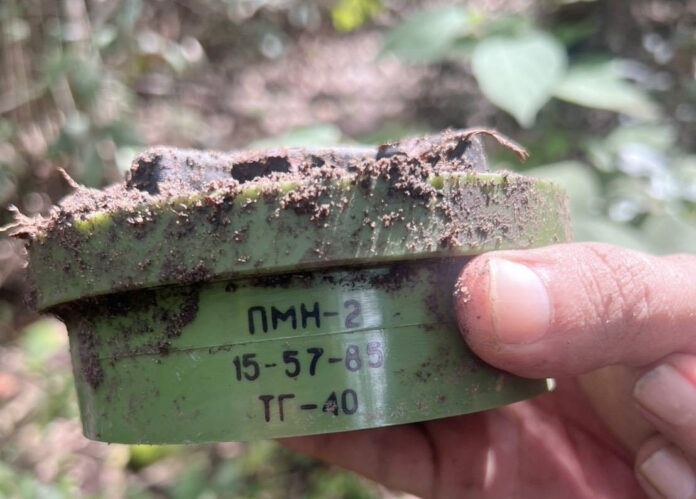
A Thai officer inspects a landmine near the Thai-Cambodia border in Sisaket province, Thailand, Monday, Nov. 10, 2025. (Royal Thai Army)
No Real Peace Yet: Lessons from the Thai–Cambodian Landmine Incident
By Thanachate Wisaijorn Faculty of Political Science, Ubon Ratchathani University
Thanachate Wisaijorn
T he recent landmine explosion in Kantharalak District, Sisaket Province, on Monday morning severely injured a Thai soldier, resulting in the loss of his leg — the seventh casualty since renewed clashes began in May this year.
This tragic event serves as a painful reminder that Thai–Cambodian relations, particularly in the field of security, remain fragile and beset by mistrust. Although both governments have attempted to project an image of calmness and cooperation through diplomatic channels, mutual suspicion continues to run deep along the border — especially in the Phu Ma Khuea area, a historically contested and strategically sensitive zone.
This incident is not unprecedented. In July this year, the two sides clashed in the same vicinity, and the Thai military raised serious concerns that the mines which detonated were of the PMN-2 type — a form of anti-personnel mine that should have long been cleared under the Ottawa Convention. The continued discovery of such devices cannot simply be dismissed as remnants from the past. Rather, it raises the troubling possibility that these mines may have been newly planted, which, if verified, would constitute a grave breach of international obligations.
For decades, the Cambodian state has benefited from substantial financial and technical assistance from international organisations and non-governmental agencies to support mine clearance operations within its territory. Yet, the persistence of the problem raises serious questions about the effectiveness and transparency of the Cambodian government’s efforts.
If Cambodian state continues to receive considerable international funding but fails to produce tangible results, doubts inevitably emerge as to whether landmines are merely a lingering physical danger or a reflection of deeper political and economic structures of vested interest embedded within the state apparatus.
More concerning still, despite a jointly facilitated declaration between the Thai and Cambodian state — brokered by the US and the Malaysian state — which obliges both parties to cooperate on mine clearance, there are allegations that new mines have been laid in recent months. Such actions, if true, not only undermine mutual confidence but also deepen an already volatile and dangerous situation along the border.
In response, Thailand’s National Security Council (NSC), yesterday, took decisive steps to safeguard national interests and the safety of its people. The Council has resolved to suspend the Joint Declaration with Cambodia, halt the dispatch of joint survey teams, and lodge a formal diplomatic protest with Phnom Penh.
The Thai state will now proceed with unilateral mine clearance operations within its own territory, citing the imperative of protecting Thai citizens and soldiers stationed along the frontier. Furthermore, letters will be sent to the US and Malaysian government to clarify Thailand’s position, while the military has been authorised to act within the established rules of engagement.
While these measures reflect a firm stance by the Thai government, they also highlight an uncomfortable reality: there is still no genuine peace along the Thai–Cambodian border. What exists at best is a temporary ceasefire rather than lasting stability. Political leaders in Bangkok and Phnom Penh may speak eloquently of friendship and ASEAN solidarity, yet soldiers continue to patrol terrain where every step could conceal a hidden mine, and border communities live in a state of constant anxiety.
The Thai government must therefore look beyond the diplomatic optics and focus on the human dimension of this issue. The immediate priority should be the protection of Thai soldiers’ lives and limbs. The introduction of modern technology to enhance safety in the field is urgently needed — including advanced protective leg gear, high-sensitivity metal detectors, surveillance drones, and remote-controlled patrol robots capable of scanning hazardous terrain ahead of deployment. Such short-term technological measures could significantly reduce the risk of injury and loss of life among personnel on the ground.
At the same time, the Thai state must pursue a dual-track strategy that combines robust security measures with sustained diplomatic engagement. The Cambodian state should be urged to allow international mechanisms — such as the ASEAN Mine Action Centre (AMAC) or the United Nations — to participate in independent monitoring and verification processes.
This would enhance transparency and help rebuild confidence within the international community. Mine clearance must not be exploited as a political instrument but treated as a shared humanitarian duty rooted in mutual trust and responsibility.
Following this latest incident, it is worth noting that several security analysts have begun to discuss the notion of a pre-emptive strike should the Cambodian state continue to pose a perceived threat. The very emergence of such discourse reflects the extent of frustration and the erosion of trust towards Cambodian state’s intentions. Nevertheless, the Thai government has, thus far, refrained from adopting such a course, maintaining instead a cautious approach grounded in diplomacy and de-escalation.
The agreement brokered several weeks ago by the United States and Malaysia initially appeared to offer a pathway towards cooperation. In practice, however, it has failed to alleviate tensions. The most recent explosion only underscores the reality that agreements on paper cannot substitute for genuine action in the field. Without mechanisms for verification and shared accountability, trust will remain elusive, and peace will continue to exist only as an aspiration rather than a reality.
As long as Thai soldiers must risk their lives in mine-infested areas, as long as local residents cannot live without fear, and as long as the Cambodian government fails to demonstrate genuine transparency before the international community, peace along the border will remain an illusion.
The lesson from this tragedy is not merely about assigning blame, but about urging both nations to confront a deeper question: Do we truly seek peace — or simply a temporary silence of the guns?