BANGKOK — 19 May 2026, Thai government may abandon plans to purchase broadcasting rights for the 2026 FIFA World Cup because the proposed price is too high to justify to the public, a government minister said Tuesday. She added that, on a per-capita basis, Thailand was being asked to pay far more than larger countries for the rights package.
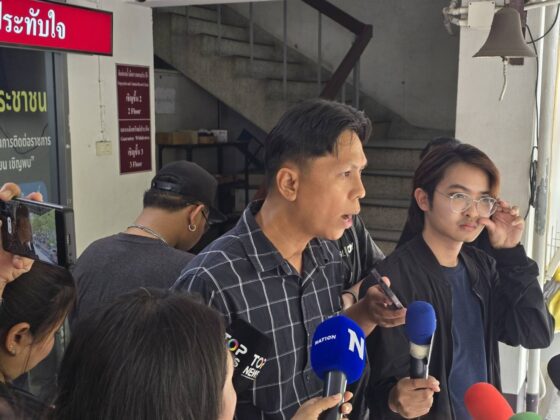
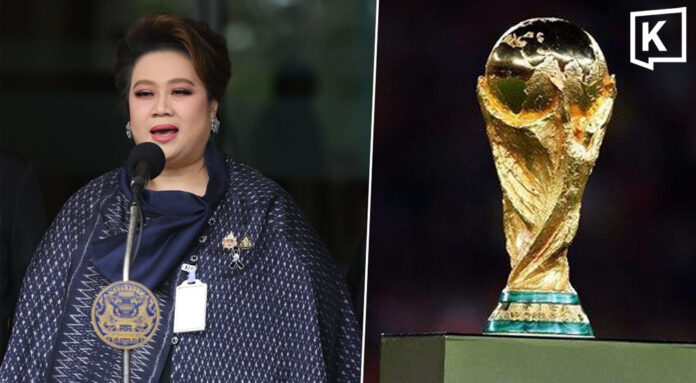
Speaking at Government House on Tuesday morning, Supamas Isarabhakdi, Minister to the Prime Minister’s Office, addressed reports that the government might withdraw its bid for the 2026 World Cup broadcasting rights. The tournament is to be co-hosted by the United States, Canada and Mexico from 11 June to 19 July 2026.
Supamas said Prime Minister wanted Thai people to be able to watch the tournament. Last week, the Cabinet instructed the Public Relations Department to discuss possible funding with state agencies, private companies and the National Broadcasting and Telecommunications Commission, which supported previous World Cup broadcasts.
However, Supamas said conditions had changed since the last tournament. Ongoing conflict in the Middle East and unfavourable match times were expected to reduce advertising revenue and commercial opportunities, particularly for restaurants and businesses that rely on live screenings.
Asked about the price quoted to Thailand for the rights, Supamas said the exact figure could not be disclosed because of non-disclosure agreements with FIFA. However, she said the proposed amount was difficult to justify to the public.
She said Thailand, with a population of nearly 70 million, had been quoted a higher overall price than countries with populations approaching 1.5 billion. On a per-capita basis, Thailand was being asked to pay 10 to 20 times more than some other countries.
Supamas said the government recognised that the country was facing economic difficulties and that public welfare remained a priority. She added that the proposed licensing fee was too expensive and that, unlike during the previous tournament, no private sponsors had committed support.
She said match schedules were less attractive for advertisers, making commercial sales more difficult.
Supamas added that four years ago, funding came from both the broadcasting regulator and private-sector sponsors. This time, however, no major corporate backers had agreed to participate. As the minister overseeing the Public Relations Department, she said she would raise the issue at the next Cabinet meeting to determine the government’s next steps.
Regarding alternative viewing options, Supamas said officials were checking with FIFA following reports that FIFA might offer pay-per-view streaming or limited highlight packages lasting five to 10 minutes, although details remained unclear.
Asked whether the public should abandon hope of seeing the World Cup on free television, Supamas said that although time was running short, the government remained open to private companies that might view the project as a business opportunity.
On whether rights holders might reduce the asking price, she said authorities would have to wait and see, but any final figure must be justifiable to taxpayers. If the price was not fair, the government would need to preserve the funds for other public priorities.
Asked whether the project had effectively been scrapped, Supamas said the government still wanted to support World Cup broadcasts to inspire young people, but there were many other ways to promote Thai football.
She said the investment might not deliver sufficient returns at this stage and required careful consideration. The public should wait for the outcome of future Cabinet discussions before any official announcement is made.