






























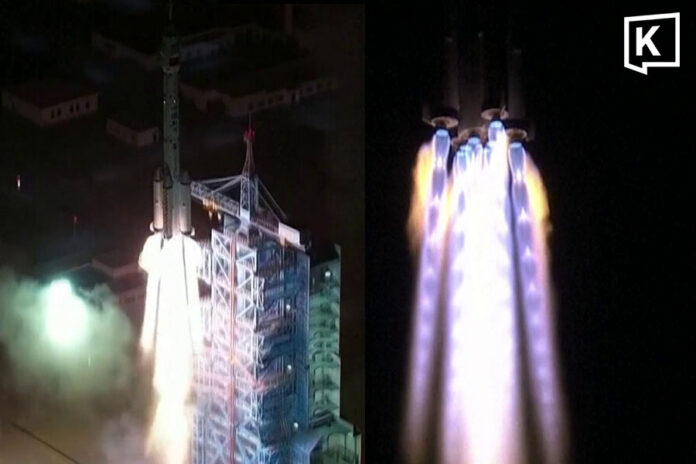
JIUQUAN, China — 24 May 2026, China launched three astronauts to its Tiangong space station on Sunday night, beginning a mission expected to result in the country’s first year-long human stay in orbit as Beijing advances plans to land astronauts on the moon before 2030.
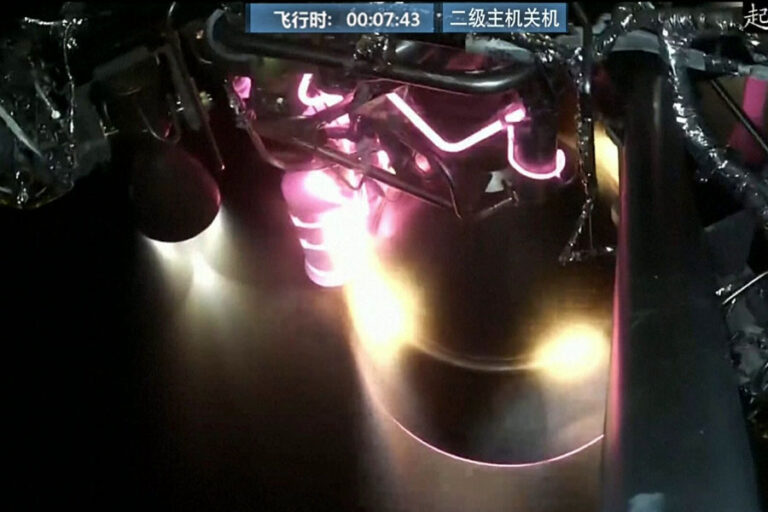
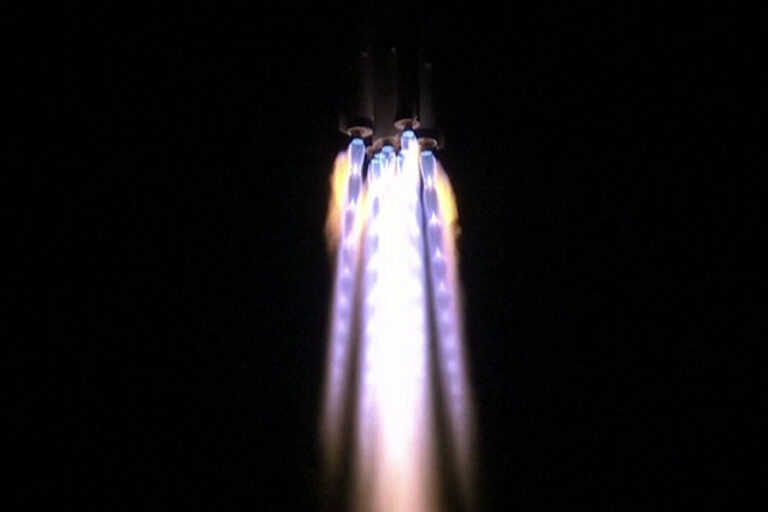
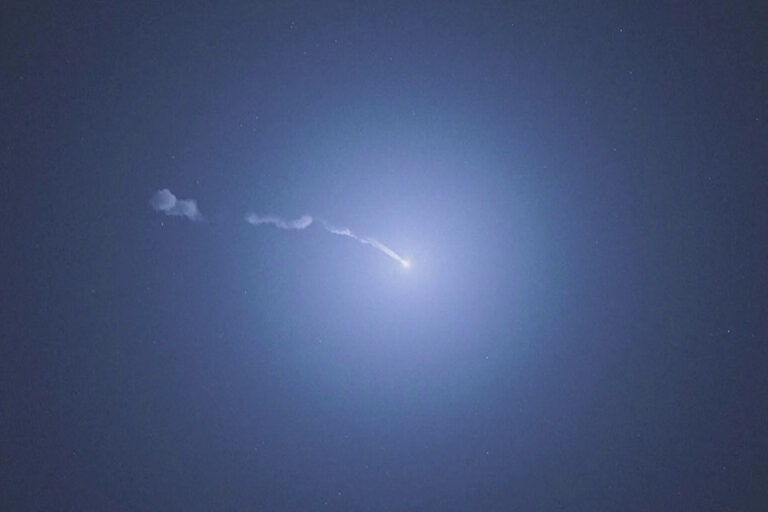
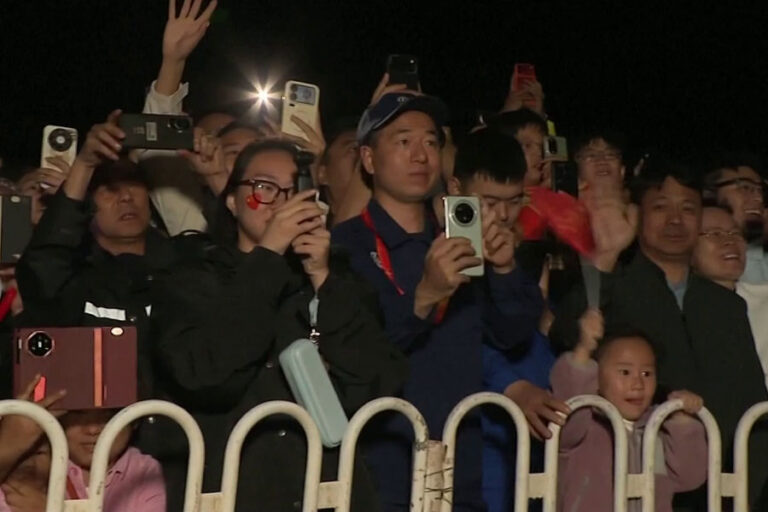
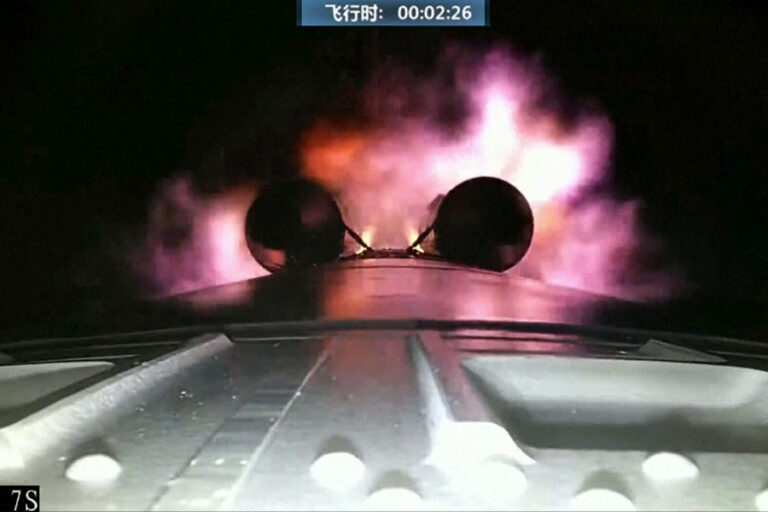
The Shenzhou-23 spacecraft lifted off at 23:08 Beijing time, or 15:08 GMT, aboard a Long March-2F rocket from the Jiuquan Satellite Launch Center in northwest China, according to China’s state-run Xinhua News Agency and Reuters.
The crew includes mission commander Zhu Yangzhu, pilot Zhang Zhiyuan and payload specialist Li Jiaying, also known in Cantonese as Lai Ka-ying. Reuters reported that Li, a former Hong Kong police officer, is the first astronaut from Hong Kong to take part in a Chinese space mission. AP identified her as Lai Ka-ying, noting that Chinese authorities refer to her as Li Jiaying using the Mandarin transliteration of her name.
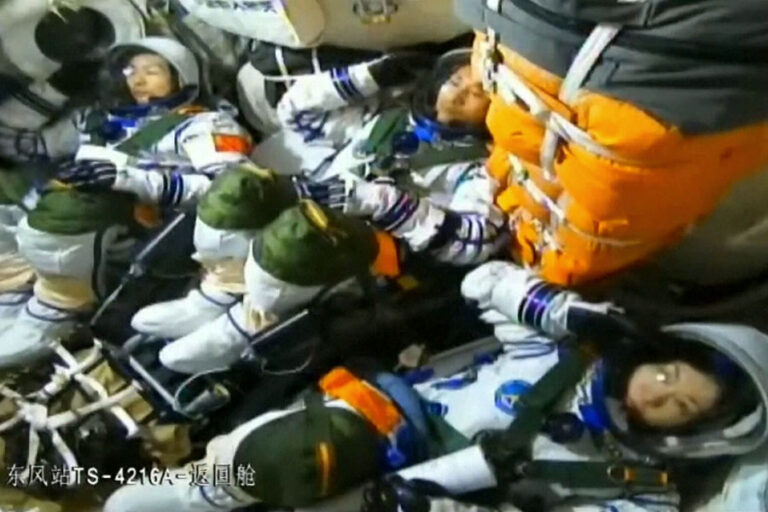
One of the three astronauts is expected to remain aboard Tiangong for about a year, setting a national record for China and allowing scientists to study the effects of long-duration spaceflight on the human body, including radiation exposure, bone-density loss and psychological stress, Reuters reported. The astronaut selected for the extended stay will be determined later, depending on the mission’s progress.
Since 2021, China has regularly launched three-person Shenzhou crews to Tiangong for missions lasting about six months. According to Xinhua, the Shenzhou-23 crew is expected to carry out more than 100 science and application projects involving space life science, aerospace medicine, materials science and microgravity physics.
Xinhua also reported that the mission will test China’s first autonomous rapid rendezvous and docking procedure with Tiangong’s core module, a capability considered important for future lunar operations and more complex orbital missions.
The launch comes as China and the United States continue expanding rival lunar exploration programmes. China has said it aims to land astronauts on the moon before 2030 and plans to establish a permanent lunar research base with Russia by 2035. Reuters reported that Beijing has been testing hardware linked to those ambitions, including the heavy-lift Long March-10 rocket, the Mengzhou spacecraft and the Lanyue lunar lander.
Meanwhile, NASA says its Artemis programme is designed to return astronauts to the moon and establish a long-term lunar presence as preparation for future human missions to Mars. NASA has described Artemis II as the first crewed test flight of its deep-space exploration systems ahead of later lunar landing missions.
China has not yet carried out a crewed lunar landing, but it has achieved several major robotic milestones in recent years. In 2024, China became the first country to return samples from the far side of the moon, a mission widely viewed by space analysts as a demonstration of the country’s growing deep-space capabilities.
Reuters also reported that the Shenzhou-23 mission follows an earlier disruption in China’s space station programme. The previous Shenzhou-22 launch was moved forward after the Shenzhou-20 spacecraft was reportedly damaged by space debris in orbit, requiring another vehicle to return three astronauts safely to Earth.
The extended Tiangong mission is expected to provide Chinese scientists and engineers with additional data on how astronauts, spacecraft and support systems perform during longer stays in orbit, as Beijing prepares for more ambitious human spaceflight missions beyond low-Earth orbit.