



























33.8 C
Bangkok
Saturday, June 27, 2026
Home Blog Page 300

Cambodian Migrant Workers Face an Uncertain Future As Thai Border Conflict Drives Them Home

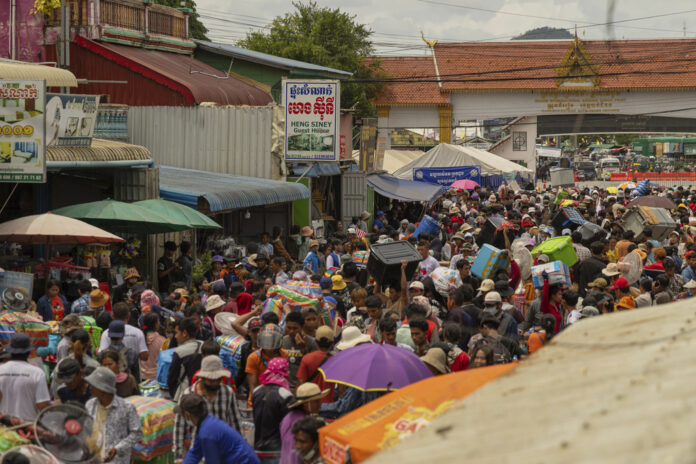
Migrant workers re-enter Cambodia through the Daung International Border Check Point between Cambodia and Thailand, in Kamrieng, on Wednesday, Aug. 6, 2025. (AP Photo/Anton L. Delgado)

By ANTON L DELGADO and SOPHENG CHEANG

KAMRIENG, Cambodia (AP) — Hundreds of thousands of Cambodian migrant workers have been heading home from Thailand as the two countries work to keep a ceasefire in armed clashes along their border.

Tensions between the countries have escalated due to disputes over pockets of land along their 800 kilometer (500 mile) border. A five-day clash in July left at least 43 people dead and displaced more than 260,000 in both Southeast Asian nations.

fragile ceasefire brokered by Malaysia, with backing from the U.S. and China, appears to be holding while officials try to resolve issues underlying the conflict. The retreat has left many of the workers streaming back to Cambodia wondering how to get by after they left jobs that enabled them to send money back to their families.

Kri Phart, a 56-year-old poultry worker, said he began packing after reading a post by Cambodian Prime Minister Hun Manet on Facebook urging migrants to return to Cambodia.

“I have no idea if the fighting will really stop and with fewer and fewer Cambodians in Thailand, I got nervous,” said Kri Phart, seated on a stoop with two big bags of belongings and a big electric fan. “I didn’t want to be the last Cambodian migrant in Thailand.”

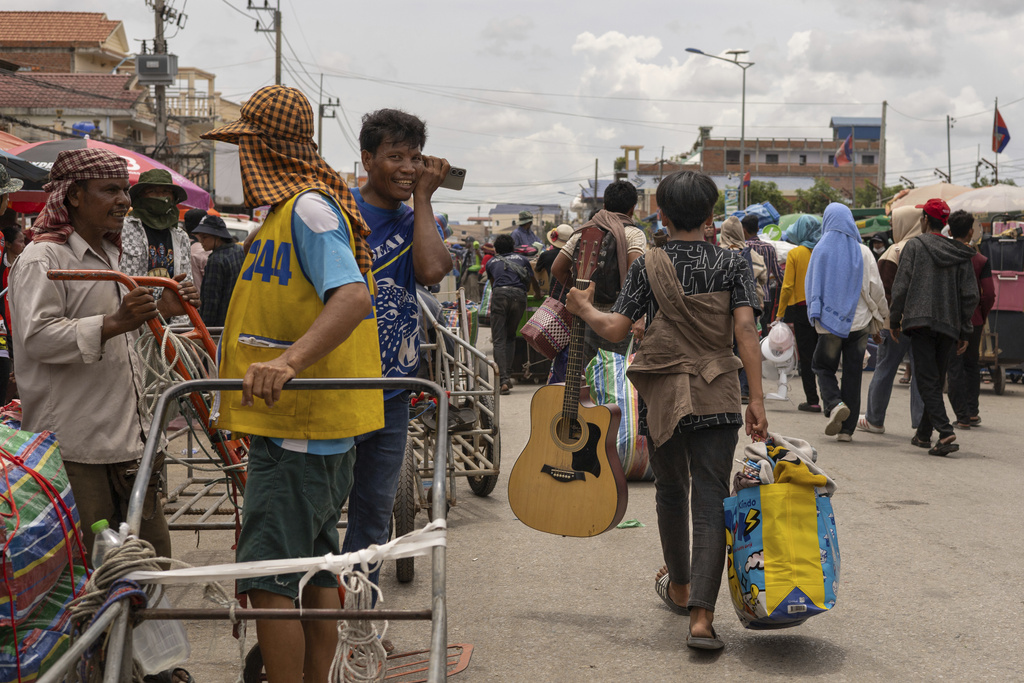
“I got scared because of the border conflict,” said Kri Phart, one of thousands of Cambodians streaming shoulder-to-shoulder through the Daung International Border Gate last week, hauling rainbow colored bags, appliances and even guitars in the 40 Celsius (104 F) heat.

“Many of the Cambodians I knew working in Thailand ran away. Everyday more and more of us fled,” he said.
AP25223278886272
With a guitar in hand, a Cambodian migrant worker carries his belongings in Kamrieng, after crossing the Daung International Border Check Point between Cambodia and Thailand on Wednesday, Aug. 6, 2025. (AP Photo/Anton L. Delgado)

The reasons driving Cambodians to flee Thailand are varied. Human rights activists reported that some migrant workers had been attacked by gangs of young Thais. Others were alarmed by unsubstantiated rumors that the Cambodian government would seize their land and revoke their citizenships if they didn’t return home by mid-August.

Cambodia’s Ministry of Labor and Vocational Training estimates 1.2 million Cambodians were working in Thailand when the border disputes began to escalate in June. Estimates vary, but Sun Mesa, a ministry spokesman said at least 780,000 — about 65% — have returned to Cambodia.

He said the workers could find jobs with equal pay and benefits back home. Many of those who were driven by poverty or climate change to leave for work in Thailand expressed doubts.

“Now that I am back, there is going to be no income for a while and this will really put my family in a bad situation,” said Thouk Houy, 26, who left a job at a leather factory south of Bangkok that enabled her to send $70 to $100 a month back to her parents.

“I’m the last of my siblings who is still single, meaning it’s my responsibility to support my parents. I don’t know how I can do that now that I am back home,” she said.

Minor spats between Cambodian and Thai workers at the factory and her mother’s nightly pleas for her to go home were factors behind her decision to leave, she said. Handing over her belongings to be strapped into the back of a precariously packed van, Thouk Houy said the clincher was a claim by influential former Cambodian Prime Minister Hun Sen, father of the current prime minister, Hun Manet, that Thailand was preparing to invade.

“Now that I’m home, what will I do to make a living?” she said.

AP25223278688864
Shuttles packed to the brim with Cambodian migrant workers and their belongings drive away from the Daung International Border Check Point between Cambodia and Thailand, in in Kamrieng, on Wednesday, Aug. 6, 2025. (AP Photo/Anton L. Delgado)

Migrant workers fill vital roles in Thailand’s farming, construction and manufacturing industries. They also send home close to $3 billion in remittances each year, according to labor ministry data.

The loss of that income can be devastating for families relying on it to manage big debts, said Nathan Green, an assistant professor of geography at the National University of Singapore.

“These kinds of conflicts demonstrate how precarious migrant livelihoods are in Cambodia,” Green said.

An overseas advocacy group, the Khmer Movement for Democracy, has urged the government to defer loan payments and provide incentives for companies to hire returning migrants.

“Without economic safeguards, families of returning migrants will not be able to repay their debts and financial institutions will be at their throats,” said Mu Sochua, the group’s president. “We are talking about the poorest of the poor, who will be deprived of incomes.”

Meng Yeam, who was trying to wave down a taxi while keeping an eye on his belongings, said he managed to send his family back home 20,000 baht (roughly $600) while working as a manager at a rubber factory in eastern Thailand’s Chonburi Province.

More than 90% of the Cambodians working in the factory have left, said the 32-year-old.

Meng Yeam said he expected his family to be okay, though it won’t be able to save as much as it did while he was working in Thailand. And he was glum about the prospects for things to return to normal.

“Cambodia and Thailand need each other to do well, but for now, it seems like we just cannot get along,” Meng Yeam said. “I hope we can work in Thailand again one day, but who knows, maybe I will be retired by the time we stop fighting.”

___

Sopheng Cheang reported from Phnom Penh, Cambodia.

Advertisement

Chinese Man Arrested in Thailand for Million-Dollar Durian Farm Fraud

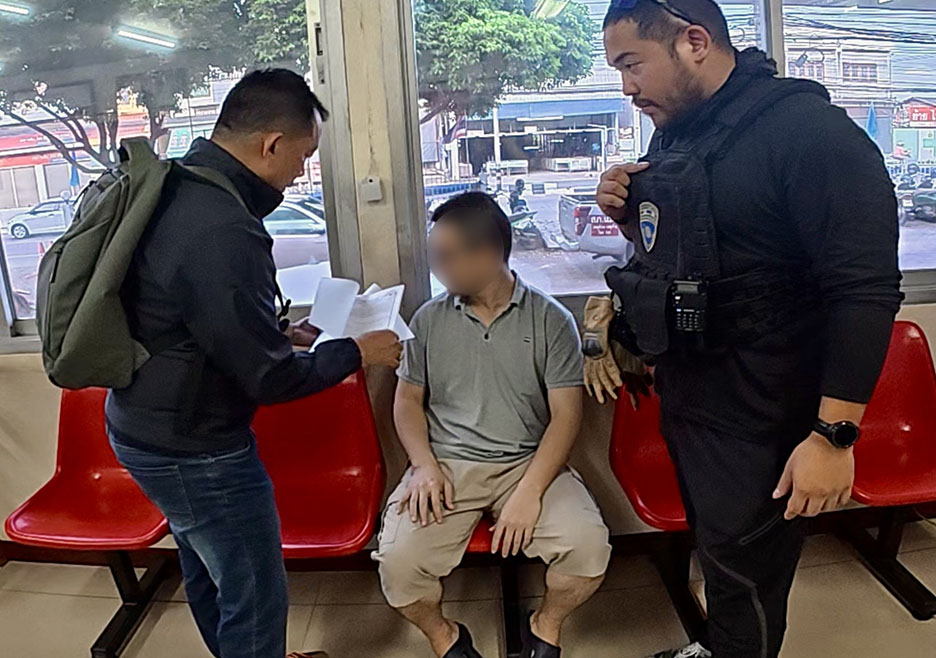
Thai immigration authorities arrest a 41-year-old Chinese suspect at a gas station in Mae Rim District, Chiang Mai Province, on August 11, 2025.

CHIANG MAIThai immigration authorities have arrested a 41-year-old Chinese fugitive wanted for defrauding investors in a fake durian farm scheme that spanned multiple provinces in eastern Thailand.

The Immigration Division 3 Investigation Unit tracked down Mr. Long (alias) during a cross-country pursuit that ended at a gas station in Mae Rim District, Chiang Mai Province, on August 11. The suspect had been wanted under an arrest warrant issued by authorities in Guangzhou, China.

Elaborate Durian Investment Scam

According to investigators, Mr. Long orchestrated an elaborate fraud scheme targeting Chinese investors, convincing them to invest more than 5.5 million yuan (approximately $765,145) into what he claimed was a lucrative durian farm operation in Chanthaburi Province and other areas of eastern Thailand. After collecting substantial sums from victims, he disappeared with the funds and fled China.

Chinese authorities subsequently issued an international arrest warrant and formally requested Thailand to revoke his legal permission to remain in the kingdom. They also provided detailed information about the suspect to the Thai Immigration Bureau to assist in his capture.

chinese durian fraud1
Thai immigration authorities arrest a 41-year-old Chinese suspect at a gas station in Mae Rim District, Chiang Mai Province, on August 11, 2025.

Multi-Province Manhunt

Upon receiving the tip from Chinese authorities, Thai immigration officers launched an extensive tracking operation that followed the suspect’s movements from Pattaya, through Bangkok, and northward to Chiang Mai Province. The coordinated effort prevented any chance of escape when officers finally cornered him at the Mae Rim gas station.

Officials immediately revoked Mr. Long’s permission to stay in Thailand and transported him to the Immigration Detention Center in Bangkok, where he awaits deportation through proper legal channels.

Crackdown on Transnational Crime

Police Major General Chairit emphasized that the arrest aligns with Royal Thai Police and Immigration Bureau policies to suppress transnational criminals and foreign nationals committing offenses within Thailand’s borders.

“This operation demonstrates our commitment to maintaining public order, national security, and Thailand’s positive reputation in the international community,” he stated.

The case highlights growing concerns about investment fraud schemes targeting overseas Chinese communities, particularly those involving agricultural projects that exploit Thailand’s reputation as a major agricultural exporter. Durian farming has become an increasingly popular investment target due to the fruit’s high value in Chinese markets.

Thai authorities continue to work closely with international partners to identify and apprehend suspects involved in cross-border financial crimes, particularly those that exploit Thailand’s agricultural sector to deceive foreign investors.

Advertisement

Nan’s Old Provincial Hall Becomes New Art and Culture Center

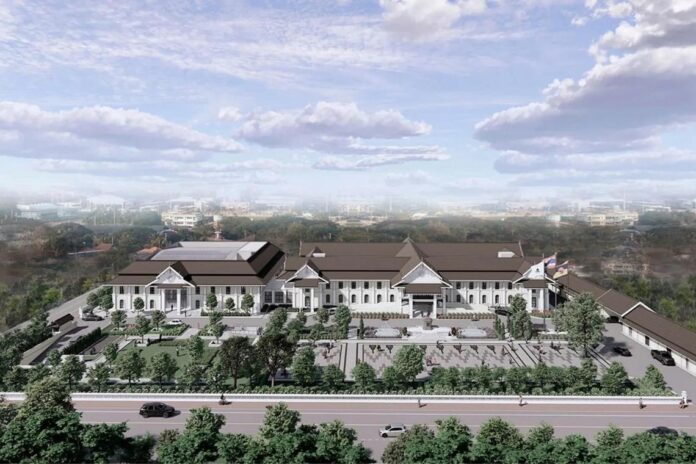
NAN – The city of Nan is entering a new era with an exciting project: the Nan and Eastern Lanna Art and Culture Center. This initiative involves transforming the old provincial hall into a new center for learning and creativity that is designed to enhance the city’s future.

This project is more than just a new building; it’s a “reinterpretation of space” that focuses on modern and sustainable concepts. The design blends the elegance of Lanna-Baroque architecture with the principles of Universal Design, thereby ensuring equal accessibility for everyone.

Moreover, it’s also a certified green building. This ambitious endeavor is the result of a strong partnership between the public sector and the Rak Pa Nan Foundation, which aims to create a landmark that truly reflects the identity and heritage of the people of Nan.

image3 9

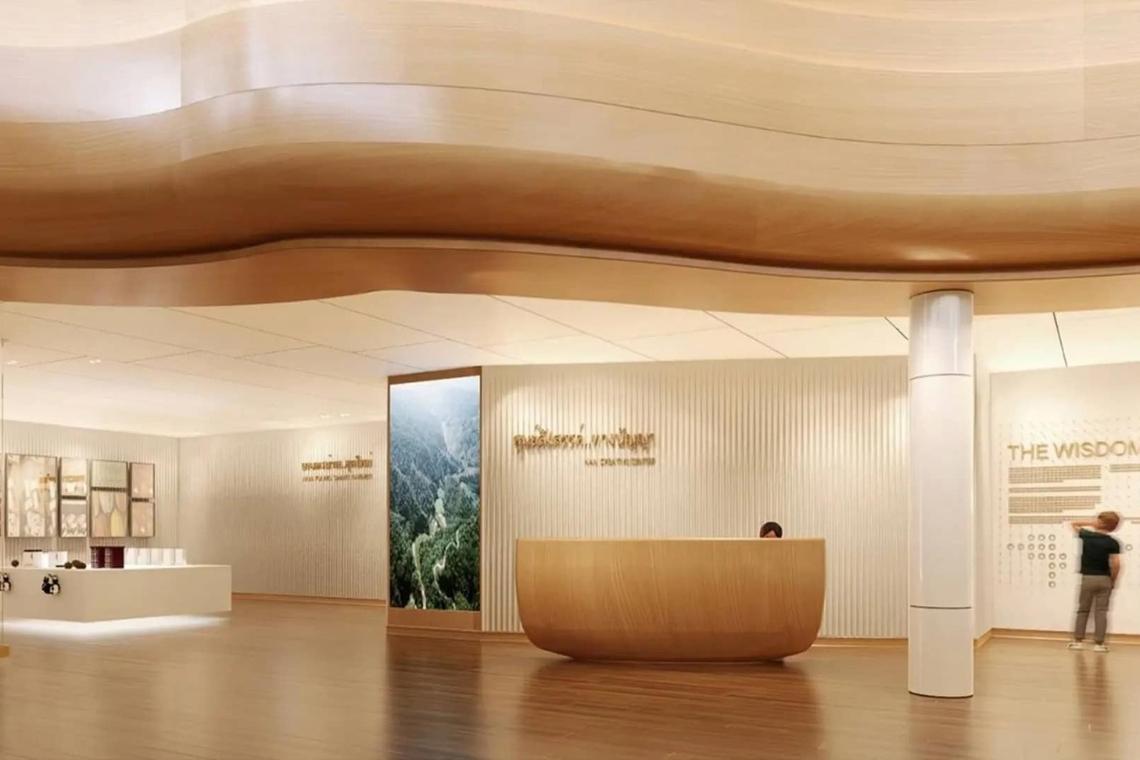
Beyond its physical foundation, the center has a forward-looking vision: to function as a creative hub that develops the potential of younger generations. The integration of the “Pa-pun-panya” (Cultivating Wisdom) curriculum for youth development shows that the project’s leaders understand the importance of fostering a local “creative class.”

This curriculum moves beyond traditional classroom learning by focusing on the development of 21st-century skills through hands-on experience, research, and the solving of real-world problems. Using this approach, young people will be able to integrate various disciplines holistically.

image2 11

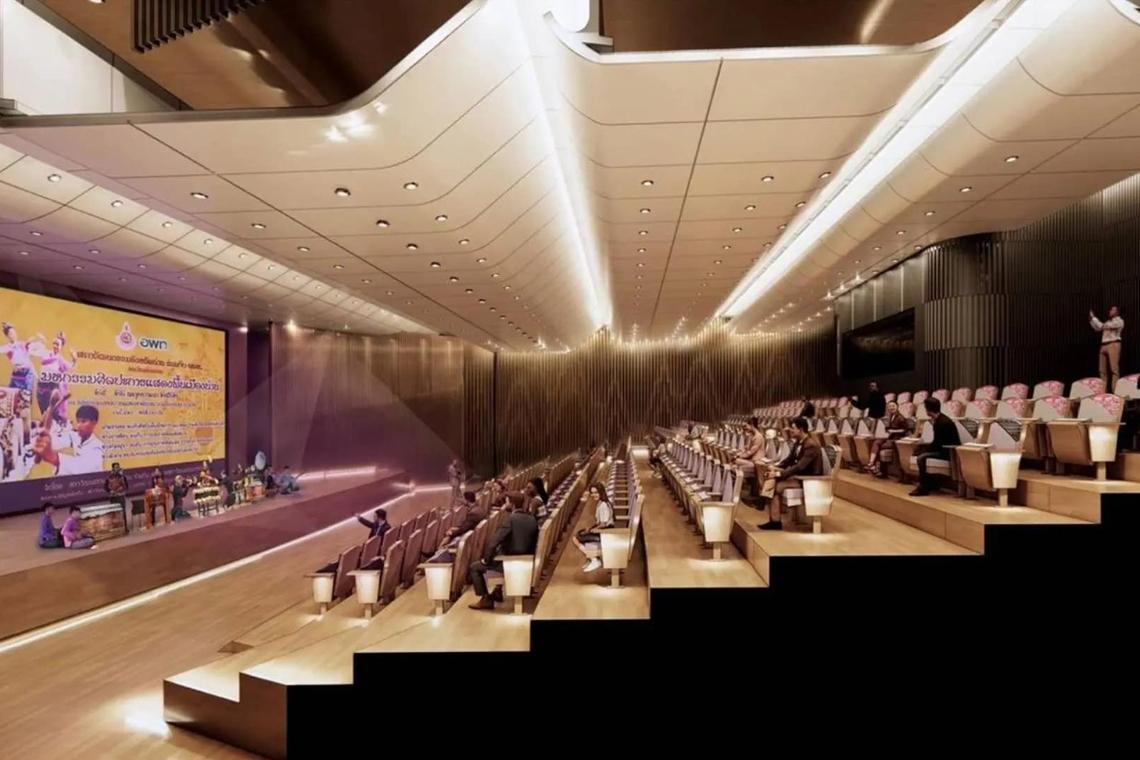
The center will also feature modern conference rooms and a multi-purpose activity area, thereby preparing Nan to step onto the global stage. This “hard infrastructure” development will help elevate Nan as a MICE (Meetings, Incentives, Conferences, and Exhibitions) destination.

At the same time, by providing a space for local artists, students, and academics to showcase their work, a “soft infrastructure” allowing creativity to flourish will also be established.

Despite facing a historic flood in July, the project has pushed forward, demonstrating the unwavering commitment of all parties involved to complete the art center on schedule, with the opening of the new center anticipated toward the end of this year.

This redevelopment will not only create a new center for learning but also serve as a symbol of hope and readiness for the people of Nan, who are prepared to use creativity as a tool for achieving their city’s sustainable progress in the future.

______

Advertisement

Why We Are Willing to Believe Fake News: A Comparison of the Thai-Cambodian War and Thai Monarchy Issue

Thai government agencies regularly report fake news from Cambodian Facebook pages.

In the last couple of weeks, there has been much discussion about the spread of fake news concerning the war and conflict between Thailand and Cambodia.

Last week, August 9, 2025, the Thai army reported that three Thai soldiers were injured after stepping on a Cambodian landmine at the border. Shortly after, the Cambodian Ministry of Defense denied the claim, stating that the landmine was not theirs.

The question is, both sides’ media and citizens cannot independently verify the information themselves. The same goes for news from any two conflicting countries—for example, which side fired first, or which side violated the ceasefire agreement.

The truth is that both the media and the vast majority of citizens in both countries will ‘naturally’ believe their own nation’s official sources and news outlets, assuming they are speaking the truth. This is because they are citizens of that nation. They see it as: “If I’m a Thai person, why should I not believe the Thai military and government? Why should I instead believe Cambodia?”

Furthermore, how many Thai media outlets and how many Thais would dare to question the information and news that the Thai military and Thai government feed them multiple times a day? How much of it is real, how much is fake news? And if a Thai media outlet is suspicious of the information received from the Thai army or government, how many of them would dare to state at the end of the news report, “We cannot independently verify the information.”

Additionally, how many even question whether the Thai side might not be in the right? This is an extremely difficult thing to do because Thailand is ‘our side.’ Therefore, our side cannot possibly be the villain. Hardly anyone wants to believe that their side is the villain, the evil one, the aggressor.

A lack of access to primary sources in the war coverage is a problem for Thai media in times of war, especially this war. This is particularly true when the border conflict zones are blocked off, preventing media or the public from getting close. It’s also true that many of  today’s journalists, reporters, and photographers are not willing or ready to risk their lives facing bullets, landmines, or missiles.

As Somsak Jeamteerasakul, a noted exiled critic of the Thai monarchy posted a few days ago.

“As far as I know, there is not even a single journalist who has gone to the front lines to report on the fighting between Thailand and Cambodia and has actually seen the clashes.

“For this reason, all the ‘news’ about the fighting, written in great detail by journalists and countless others, is ultimately sourced entirely from the Thai military.”

These two paragraphs from Somsak led me to post a satirical response the other day too:

“As far as I know, there is not even a single person among those who post various [negative] stories about the monarchy who has gone to see the things they talk about inside the palace or on the front lines and has actually seen anything they talk about concerning the monarchy.

“For this reason, all the ‘news’ about the monarchy, written in great detail by keyboard warriors in Thailand, such as on the ‘Royalist Marketplace’ (talat luang), and by those in exile abroad, is ultimately sourced entirely from… [fill in the blank yourself]”

My satire of Somsak, who was formerly a lecturer of history at Thammasat University, led to a response from him a few hours later:

“Those two situations are not comparable because a key factor that creates a problem in one (the war) does not exist in the other.

That is, the fighting is a matter of two enemy countries at war. Therefore, to get a real picture of the fighting, there must be journalists stationed at the actual battle sites on both sides. In Thailand’s case, there are none. What the fighting is like is heard from only one side: Thailand itself.

“The other matter does not have this problem. There are supporters and opponents [of the Thai monarchy] to choose from all the time.

This issue also has many different aspects…

(Too lazy to write, because the comparison is flawed.)

After reading Somsak’s response, I feel that sometimes everyone needs a mirror to self-reflect. If they refuse to find one themselves, others who care should hold up a large mirror for them to examine themselves.

Somsak should not have a double standard, using a flawed logical method to get to the truth about the monarchy and posting about the monarchy loosely in many cases, while at the same time demanding that the media have a higher standard for reporting factual news about the Thai-Cambodian war.

I agree with Somsak’s first post, and I would like to suggest that whenever Thai media report information from the Thai state and feel unsure about the data or figures, they should inform the public in the news report that they “cannot independently verify the information given by the government or the military as of press time.”

However, I believe that the deductive reasoning method of getting to the truth and facts about the monarchy used by Somsak and many others who oppose the lèse-majesté law is flawed and problematic as well. I see these two issues as the same in the sense that they both concern the logical problem of getting to facts and truth and of determining what is real, what is fake, and what is trustworthy.

In the case of the war, many Thais are prejudiced against Cambodia because of their patriotism, or even ultranationalism. In the case of the monarchy, online groups like the ‘Royalist Marketplace’ and people who frequently post about the monarchy and criticize the royal defamation law, are also prejudiced against the monarchy. (Some are obsessed, posting negative information, some real and some fake, almost every day or multiple times a day on social media. I feel sorry for these people because they do not love or revere the monarchy, but their lives seem cursed to post about the monarchy and revolve around the institution almost daily).

Somsak may have written that, “The two situations are not comparable,” but the problem regarding the method of accessing the truth (whether about the war or the monarchy) is comparable. Although access to the truth about the monarchy is severely restricted by the anachronistic and controversial royal defamation law and self-censorship in the mainstream Thai media, at the same time, the prejudice of a number of people who do not favour the monarchy causes them to neglect attempts to verify information or makes them willing to believe fake news. This is similar to the situation during the war, where the majority of Thai people who hate Cambodia and view all Cambodians as enemies are readily willing to believe fake news and negative information about Cambodia.

In both cases, these people may not be stupid, but they choose to believe, consume, and share what they already believe in as it reflect and sustain their prejudice – whether it’s against Cambodians or the Thai monarchy. The more dramatic or “bizarre” the news is (without being able to verify the facts), the more popular and well-received it is. (In the case of the Thai-Cambodian war, two examples are the AI-generated image of a beautiful teenage girl holding a photo of her deceased soldier father, which was widely shared and significantly drive social media engagement, or the unverified photo of Cambodian Defence Ministry spokesperson Maly Socheata having “an affair” with Cambodian Senate President Hun Sen)

Conclusion

The point is not which issue is more important, but rather the desire to believe and consume negative information or fake news—or information that cannot yet be verified—simply because the recipient is already full of prejudice (whether against Cambodia or the Thai monarchy). They are therefore willing and ready to believe in negative information about the people or side they dislike or even abhor.

The more negative and bizarre the news and information, the “better” it is. It sells well and gets shared widely and quickly, leading to high engagement. The verification of facts is a secondary concern or has no importance because these people are blinded by prejudice. Therefore, the problems in the logic and process of accessing facts and truth exist at all levels: the originator of the message, the news item, the recipients who consume the news and information, and the people who share the news and information.

P.S. One of my life philosophies is: We cannot choose the era or place (country) where we are born, and we are enormously influenced by our motherland and the era in which we grew up and lived. But at the very least, it would be good for our understanding of life if we could try to recognize and be aware of the influence of these two important factors that shape us.

Advertisement

Thai Popular Army Commander Versus Struggling Government in Cambodia Dispute

Lieutenant General Boonsin Padklang, Commander of the 2nd Army Area

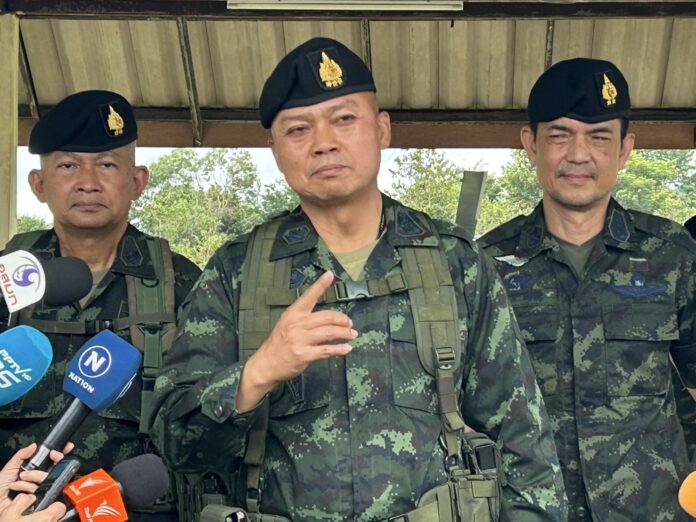
BANGKOK —  The Thai military and government were forced to issue competing clarifying statements within hours following controversial remarks by Lieutenant General Boonsin Padklang, Commander of the Second Army Region, about military objectives to reclaim the disputed Ta Kwai temple from Cambodia. His comments have exposed a deepening power imbalance between Thailand’s civilian leadership and its popular military commanders.

Lt Gen Boonsin’s interview sparked immediate backlash from Cambodia, which denounced his remarks as provocative, particularly troubling given that military representatives from both nations had recently met and agreed to de-escalate tensions during a General Border Committee (GBC) meeting.

“This declaration is irrefutable evidence of provocation and a deliberate and premeditated attempt to invade Cambodian territory,” Defense Ministry spokesperson Maly Socheata said in a statement issued on August 10.

boonsin1
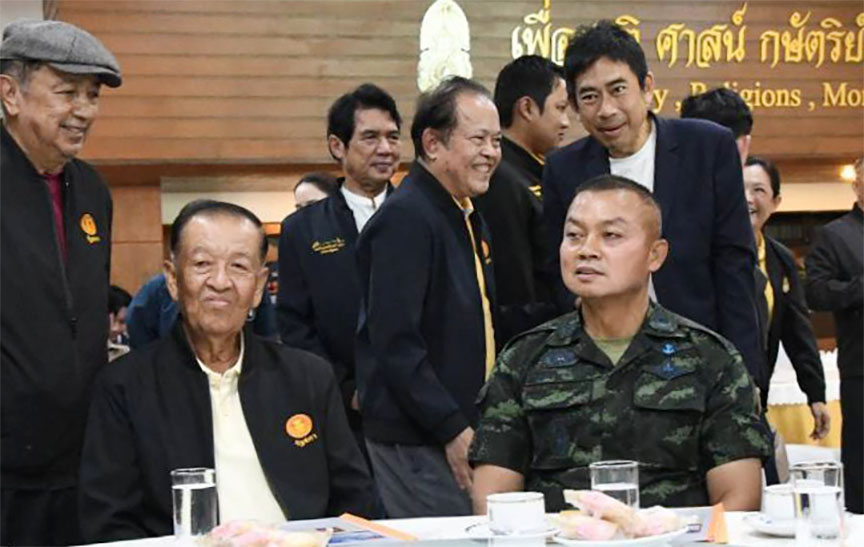
Lt. Gen. Bunshin Padklang (sitting right) welcomes parliamentary delegation led by House Speaker Wan Muhamad Noor Matha, who delivered aid and moral support to soldiers defending national sovereignty during the Thai-Cambodia border crisis at Second Army Region headquarters, Nakhon Ratchasima, August 10, 2025.

Army spokesperson Maj. Gen. Winthai Suwaree quickly countered that Lt Gen Boonsin’s interview did not carry the meaning interpreted by Cambodia’s Defense Ministry, emphasizing that he did not discuss troop movements to violate Cambodian sovereignty.

“What the Second Army Region commander said was that Ta Kwai temple falls under Thai sovereignty. During past clashes, attempts were made to seize it through force deployment, but this was unsuccessful, so forces were positioned outside, about 30 meters from the temple structure. In the future, efforts must be made to bring it back under Thai control through appropriate procedures,” the army spokesperson explained.

Government Scrambles to Contain Fallout

The Ministry of Foreign Affairs issued separate clarifications, calling Cambodia’s interpretation a “misrepresentation” and reaffirming that Thai forces remain in ceasefire positions as agreed during the Extraordinary GBC Meeting.

“Thailand reiterates our call on Cambodia to also strictly adhere and implement the terms of the ceasefire, particularly on refraining from disseminating false information or fake news, to avoid misunderstanding among the people on both sides, and create an environment conducive to peaceful dialogue.”

The military announced plans to discuss various matters in the Regional Border Committee framework scheduled for the next two weeks, while firmly stating Thailand will not withdraw from its current force deployment positions.

AP25219245766643
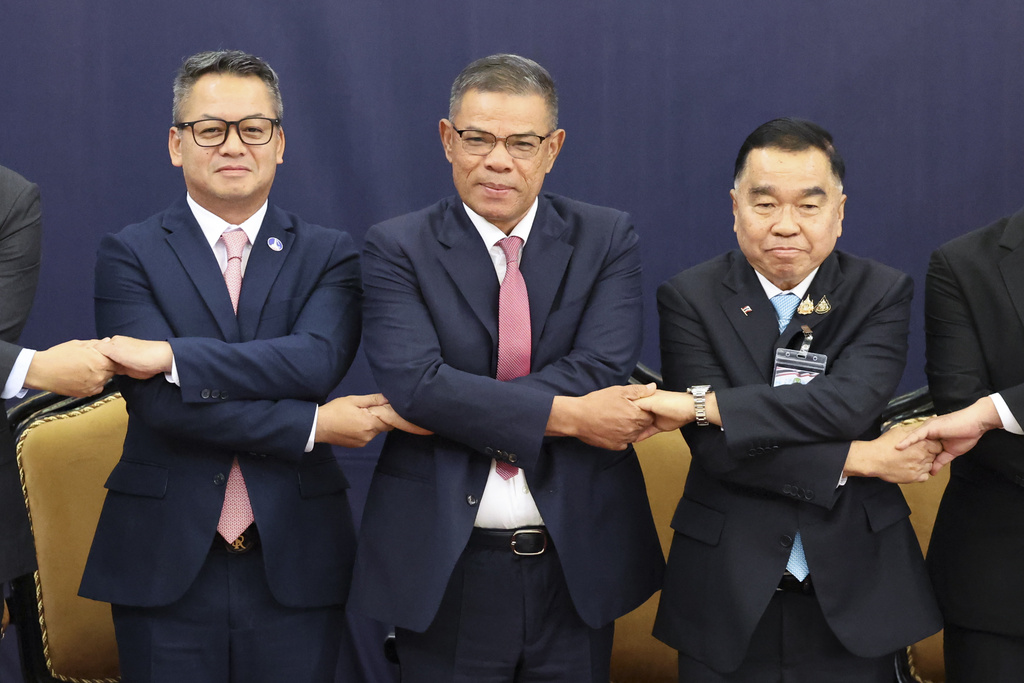
Malaysian Home Minister Saifuddin Nasution Ismail, sixth left, Thai and Cambodian delegates led by Thai Deputy Defense Minister Natthaphon Narkphanit, seventh left, and Cambodian Defense Minister General Tea Seiha, fifth left, pose for a group photo ahead of the Extraordinary General Border Committee (GBC) to discuss their border dispute between Cambodia and Thailand in Kuala Lumpur, Malaysia, Thursday, Aug. 7, 2025. (Hasnoor Hussain/Pool Photo via AP)

Government Appears Relegated to a Secondary Role

Lt Gen Boonsin’s latest remarks, which resonate strongly with Thai nationalist groups, followed by hasty government damage control, highlight how the civilian administration increasingly appears relegated to a secondary role in both decision-making and public messaging. This follows the controversial change in border checkpoint operating hours ordered by the Second Army Region that angered Cambodia.

The situation worsened when a leaked private conversation between Prime Minister Paetongtarn Shinawatra and Senate President Hun Sen surfaced, in which she criticized Lt Gen Boonsin as opposing the government’s approach.

“He wants to look tough, so he says things that aren’t beneficial to the nation. But what we really want is peace like before the border clashes,” Paetongtarn said. She later claimed these words were merely negotiating tactics and affirmed that the government and military work as one team. This statement came before she was suspended from her PM duties by the Constitutional Court.

AP251
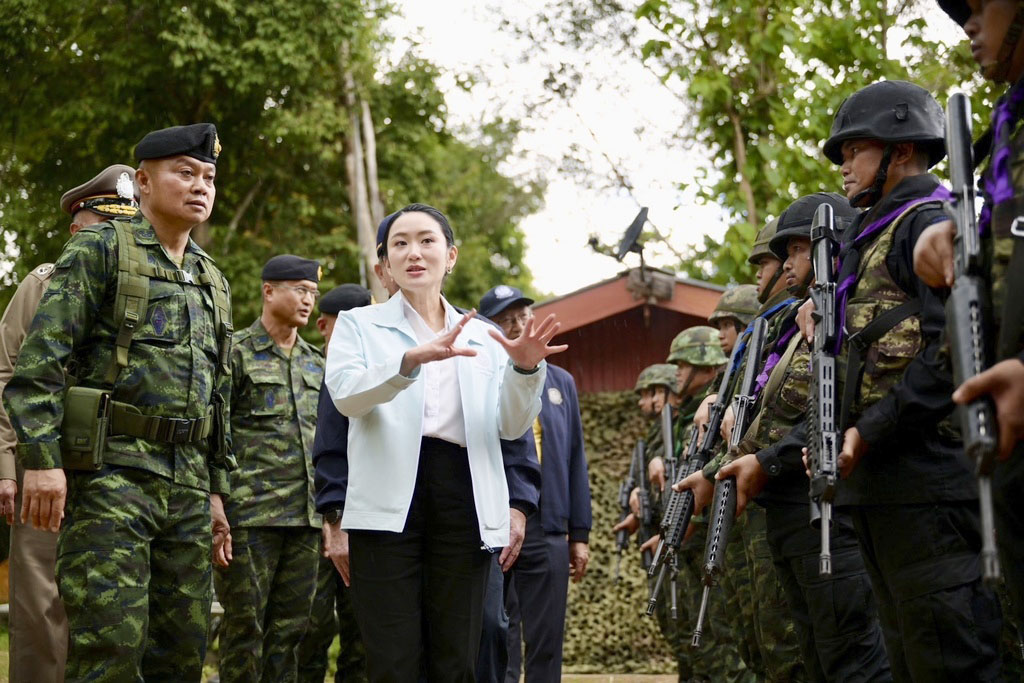
Thailand’s Prime Minister Paetongtarn Shinawatra, talks to Commander of the 2nd Army Area Lieutenant General Boonsin Padklang, left, during a meeting with soldiers at Ubonratchathani province, northeast of Bangkok, Friday, June 20, 2025. (Government Spokesman Office via AP)

Her criticism of the popular Second Army Region commander appears to be one of the few clear dissenting voices from the political establishment, as even opposition parties have barely spoken against the military’s stance. Nearly all People’s Party members praise the military while criticizing the government’s handling of the Cambodia issue.

Public Backs Military Over Government

Recent opinion polls conducted by various organizations, including NIDA Poll, asked respondents to distinguish between confidence in the government versus the military regarding protecting the country while facing Cambodia. Thai respondents overwhelmingly placed their confidence in the military while showing little trust in the government.

Thai public attitudes toward the military often fluctuate with political events. The worst instance in contemporary politics occurred in 2010 when military force was used to suppress Red Shirt protesters, resulting in 99 deaths.

However, during multiple democratic crises, many of Thailand’s middle and upper classes have supported military intervention through at least three coups, including two that targeted Shinawatra family prime ministers in 2006 and 2014.

padklang
People gather for photos with Lt Gen Boonsin Padklang, 2nd Army Region Commander, who presided over a tree-planting ceremony (Tongkwao trees) at Wat Suan Dhamma Piti in Chiang Khrua Subdistrict, Mueang District, Kalasin Province on August 9, 2025.

Political Future Hangs in Balance

Under Thailand’s current judicial system, Paetongtarn’s political fate rests more with court decisions than military intervention. Meanwhile, no political party or faction dares confront the military’s widespread popularity, particularly that of the Second Army Region commander scheduled to retire in late September.

Acting Prime Minister Phumtham Wechayachai was asked about growing calls to extend Lt Gen Boonsin’s service, saying this would require reviewing regulations. “In the past, there has never been any service extension for anyone to continue in position, but extending time while still in service is possible, with the military making the consideration.”

“Don’t let the system become distorted. It will create problems in various government administration systems,” Phumtham warned.

When reporters pressed him about the Second Army Region commander’s temple reclamation statements that raised Cambodian suspicions, the acting PM deflected: “When the military, which is the main actor, has confirmed it’s not as Cambodia interpreted, the matter ends there. Thailand has not violated any agreements.”

______

Advertisement

Two Domestic Violence Cases Rock Pattaya as Foreign Men Injured

French man with bandaged head wound sits amid scattered belongings believed to result from a violent struggle at an apartment in Na Klua sub-district, Banglamung District, Chonburi Province on August 11, 2025.

PATTAYA — Two separate domestic violence incidents occurred within hours of each other in Pattaya, Chonburi Province, both involving foreign men who ended up injured after attacking women.

French National Hospitalized After Family Dispute

The first incident unfolded at 2 a.m. when Banglamung Police and rescue volunteers responded to reports of assault at an apartment in Na Klua sub-district. Officers found Mr. Alex, a 37-year-old French citizen, with severe head injuries requiring immediate hospitalization. The apartment showed clear signs of a violent struggle, with belongings scattered and damaged throughout the room.

Witnesses reported that the French man had assaulted his Thai girlfriend before a physical altercation ensued. Unable to endure the abuse, the woman called her sister and brother-in-law—a tall foreign national—for help. During the subsequent confrontation, the French man appeared to be overpowered and sustained the head injury. Police are conducting further investigations into the incident.

Korean Man Injures Himself After Violent Rampage

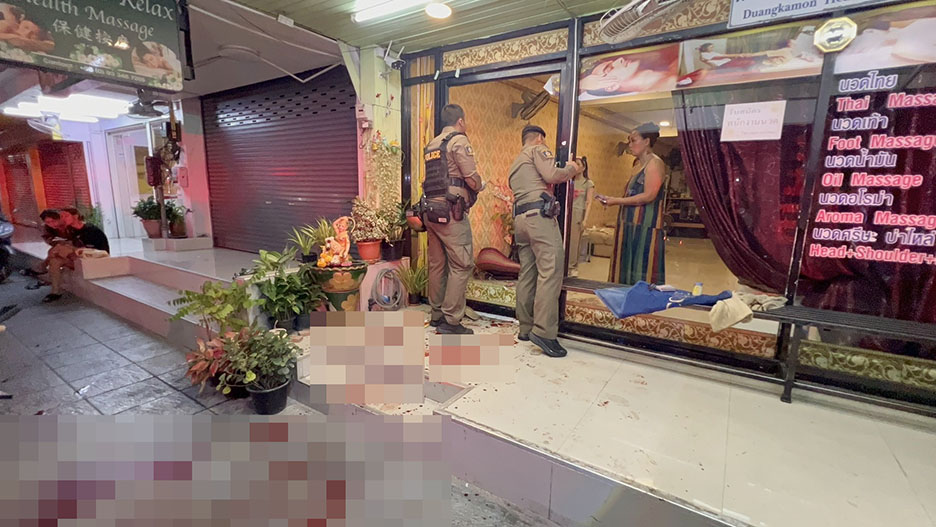
The second case occurred around 4 a.m. when Deputy Inspector Sonthaya Khonsap of Pattaya City Police Station received reports of a man destroying property at a massage parlor on Central Pattaya Road. Officers arrived to find the front glass door shattered and blood splattered across the floor.

korean violence2
Blood stains cover the sidewalk in front of a massage parlor on Central Pattaya Road after a Korean man violently kicked the shop’s door while searching for his Thai girlfriend, who had fled to a neighboring nail salon on August 11, 2025.

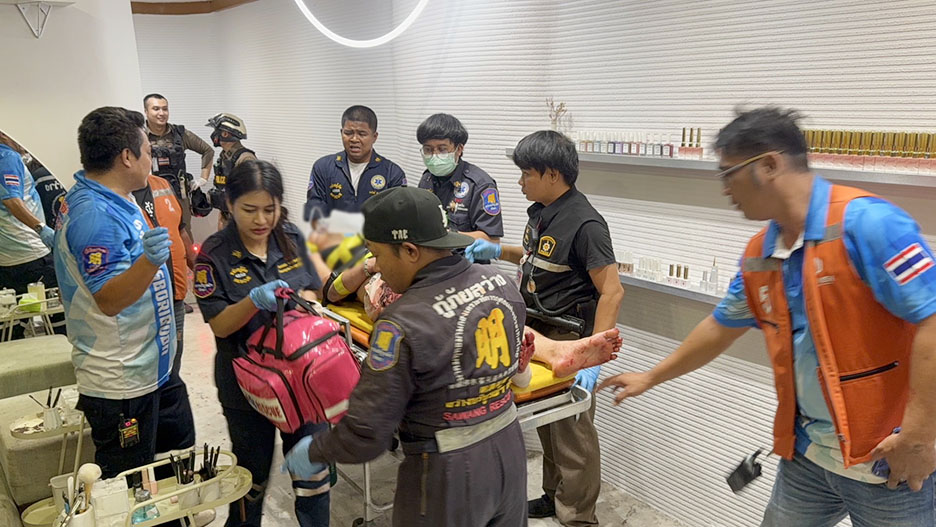
The perpetrator, a Korean national, had fled into an adjacent nail salon where he was found lying in a pool of blood in his ex-girlfriend’s room, severely weakened from blood loss. Police and rescue workers provided emergency first aid before rushing him to the hospital.

The incident was witnessed by Somjai Sida-noi, 55, a housekeeper at the massage parlor, who was sleeping downstairs when she was startled awake by the sound of breaking glass. Initially thinking it was a car crash, she discovered the Korean man had apparently kicked the glass door, severely injuring himself in the process. She immediately fled to the neighboring nail salon and called police.

History of Violence and Weapons Charges

Police investigations revealed that the Korean man, surnamed Kim and aged 27, had previously been involved in a domestic violence case where he held his girlfriend captive in the nail salon before fleeing on a bicycle. During that earlier incident on June 16, authorities discovered he possessed a SIG Sauer P320 pistol with a full 15-round magazine, leading to weapons charges.

korean violence1
Rescue volunteers provide first aid and transport an injured Korean man to hospital after he kicked through a glass door at a massage parlor on Central Pattaya Road, causing severe leg injuries and heavy bleeding on August 11, 2025.

Despite being released on bail pending trial, Kim returned to harass the woman again, culminating in this latest violent episode.

These back-to-back incidents have created significant fear among local residents, particularly given the repeat nature of the violence. Fortunately, no bystanders were injured in either case, with damage limited to property destruction.

Both cases highlight ongoing concerns about domestic violence involving foreign nationals in the popular tourist destination, with police continuing their investigations into both incidents.

_________

Advertisement

ROCTEC Q1 Revenue Up 9.1%, Net Profit Surges 63%

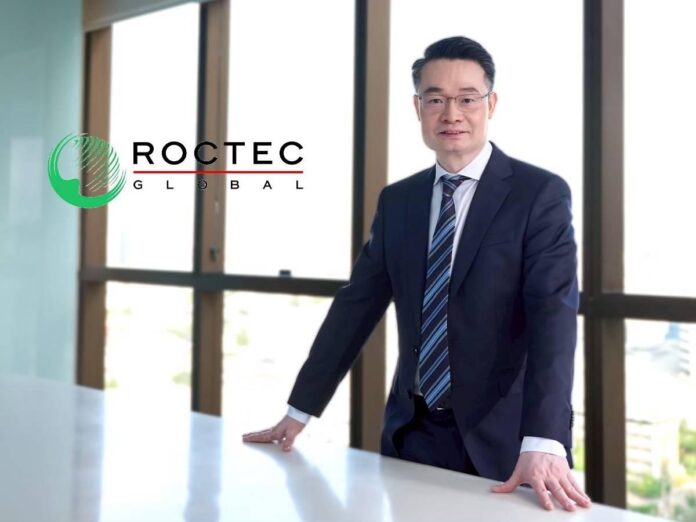
Bangkok, August 11, 2025 – ROCTEC Global Public Company Limited, or “ROCTEC,” reported first quarter results for fiscal year 2025/26 (April – June 2025) with total revenue of THB 825 million, an increase of 9.1% from the same period last year, reflecting the growth potential of the ICT services segment, which remains the company’s core business, contributing over 85% of total revenue. The company recorded a net profit of THB 121 million, up 63.0% YoY, supported by growth in operating profit and the recognition of share of profit from investments in overseas associates that have continued to deliver strong performance.

Mr. Weng Sam Lam, Chief Executive Officer of ROCTEC, stated, “The strong performance this quarter reinforces the success of the company’s strategy to focus on comprehensive ICT services, which has continuously expanded the customer base across both public and private sectors. This is particularly evident in the Integrated Technology Solutions segment, which covers network infrastructure and cybersecurity systems, and has shown clear growth among government agencies and institutions in Hong Kong. The company will continue to build on its strengths in technology and project management to drive sustainable growth in all markets where the company operates.”

In this quarter, the company also achieved significant milestones, including the commencement of revenue recognition from the telecommunications infrastructure installation project for the State Railway of Thailand (SRT), as well as progress in revising the terms of the Hello LED transaction with PlanB, which maintains the original transaction value and includes the establishment of a non-refundable deposit. Although both items did not have a material numerical impact on this quarter’s results, they reflect the company’s ability to leverage the partner network and create long-term business and financial opportunities.

Advertisement

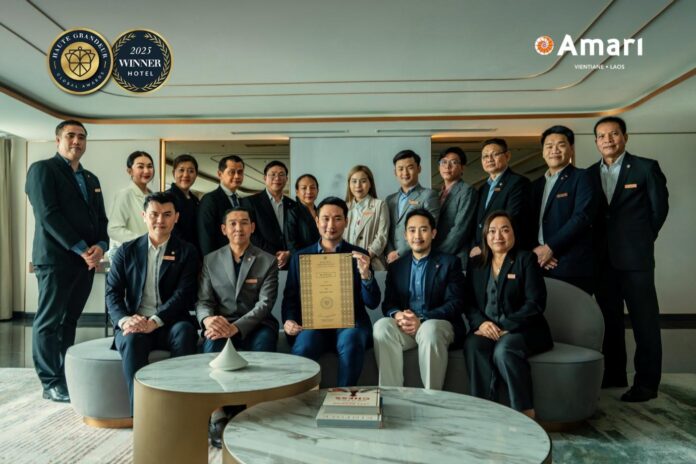
Amari Vientiane Wins Four Awards at Haute Grandeur Global Awards 2025

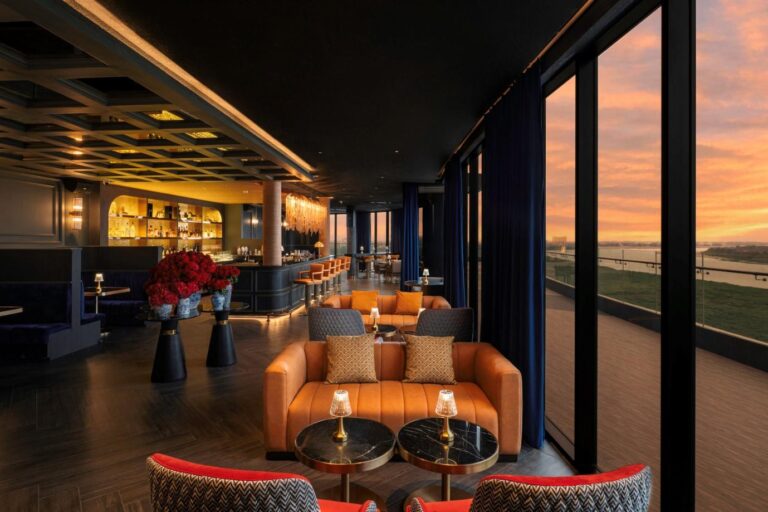
A milestone moment reinforcing ONYX Hospitality Group’s leadership in regional hospitality excellence August 2025: ONYX Hospitality Group, a leading hospitality management company in Southeast Asia specialising in hotels, resorts, serviced apartments, and luxury residences, is pleased to announce that Amari Vientiane has been recognised with four prestigious accolades at the Haute Grandeur Global Awards 2025, underscoring the hotel’s rising profile and commitment to delivering world-class guest experiences.

image3 8

A recent opening for ONYX Hospitality Group, Amari Vientiane welcomed its first guests in March 2025. Nestled in the heart of Laos’ culturally rich capital, the hotel is situated along the serene banks of the Mekong River and offers a full range of facilities catering to both business and leisure travellers. With refined service standards and the distinctive warmth of the Amari brand, it provides guests with an exceptional and memorable stay.

image2 10

The hotel received the following accolades: Best City Hotel – Laos, Best Destination Hotel – Laos, Best Luxury Hotel – Laos and Best New Hotel – Laos.

This recognition reflects not only the hotel’s quality and early success but also ONYX Hospitality Group’s wider vision: to become ‘The Best Medium-Sized Hospitality Management Company in Southeast Asia’. With deep expertise and a strong understanding of the region’s tourism landscape.

Advertisement

New Season of the Carabao Cup Now Streaming Exclusively on Monomax

“Cheer Ball, Cheer Bao” Campaign Launched to Celebrate Thai Pride and Honor the Carabao Cup as “The Cup for All Thais”

The Carabao Cup, one of England’s most prestigious football trophies, is widely recognized by football fans both in Thailand and around the world. Carabao Group Public Company Limited, in partnership with the English Football League (EFL), has proudly sponsored the Carabao Cup since 2017. Now entering its eighth consecutive season, the sponsorship has been extended through the 2026/2027 season—marking a commitment to be the tournament’s 10 -season title sponsor.

image3 7

Kamoldist Smuthkochorn, Deputy Managing Director of Carabao Group Public Company Limited, revealed that Carabao has continued its partnership with the English Football League (EFL) to support the Carabao Cup for the eighth consecutive year. As the 2025/2026 season kicks off, the company is introducing new viewing options through Monomax and Mono29. Viewers who have already subscribed to the Monomax Standard package can enjoy the matches at no additional cost.

image2 9

The first round of the Carabao Cup 2025/26 is set to kick off on August 12, 2025, followed by the second round on August 26, 2025. Football fans across the country can catch all the live action on Monomax and Mono29, bringing the excitement of every match straight to their screens. For more football-related fun and activities throughout the season, fans can stay connected with Carabao beverages via the Carabao Tawandang Beverage Facebook page.

Carabao invites all football fans to join in the excitement of “Cheer Ball, Cheer Bao” and unite in creating a nationwide buzz as the Carabao Cup 2025/26 season kicks off on August 12.

Advertisement

Lt Gen Boonsin Padklang: Thailand’s “All-Powerful” Multi-Role Military Leader?

People gather for photos with Lt Gen Boonsin Padklang, 2nd Army Region Commander, who presided over a tree-planting ceremony (Tongkwao trees) at Wat Suan Dhamma Piti in Chiang Khrua Subdistrict, Mueang District, Kalasin Province on August 9, 2025.

Why, at this stage, we might as well name the 2nd Army Region Commander, Lt Gen Boonsin Padklang, ‘the all-powerful’, concurrently holding the following posts: Acting PM, Government spokesperson, Foreign Minister, Foreign Ministry spokesperson, and more if he can handle it.

Today, we have to ask ourselves: what is the point of having a Ministry of Foreign Affairs and a civilian government? They have been trying to tell the international community that Thailand respects the ceasefire agreement, but all of a sudden yesterday evening, the commander of the Second Army Region, Lt Gen Boonsin Padklang, announced that he would reclaim the disputed Ta Kwai Temple because “it belongs to Thailand.”

According to the ceasefire agreement signed between the Thai and Cambodian government on August 7, 2025, point 2 states that both sides “agree to maintain troop deployments without further movement…”

Point 4 meanwhile stipulates that: “Both sides agreed not to undertake provocative actions that may escalate tensions…”

A few hours later, Boonsin’s remark was followed by the Cambodian Ministry of Defence spokesperson condemning Thailand in the middle of Sunday night, saying Boonsin’s declaration “is irrefutable evidence of provocation and a deliberate and premeditated attempt to seize Cambodian territory.”

More than 12 hours later (9.30 a.m. on August 11, 2025), the Thai government spokesperson, the acting prime minister, the ruling Pheu Thai Party, the Thai Minister for Foreign Affairs, and the spokesperson for the Thai Ministry of Foreign Affairs are all as silent as the grave.

Meanwhile, Cambodia is condemning Thailand… If that’s the case, then just hand the positions of acting prime minister, Thai government spokesperson, Minister for Foreign Affairs, and spokesperson of the Thai Foreign Ministry to Lieutenant General Boonsin, so the international community won’t be confused any longer about who is in charge in Thailand and what Thailand’s intentions and true foreign policy really are.

Leaving the matter as it is, Thailand will only end up a laughing stock in the eyes of the world.

_____

Advertisement

Hot News

LATEST NEWS

Bangkok
overcast clouds
33.8 ° C
35 °
32.2 °
63 %
3.6kmh
100 %
Sat
37 °
Sun
36 °
Mon
35 °
Tue
34 °
Wed
33 °