

































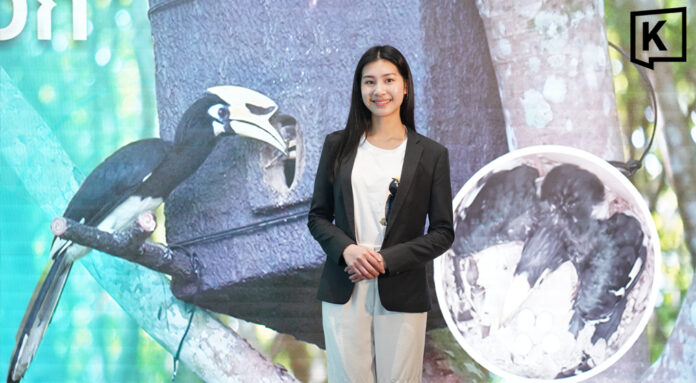
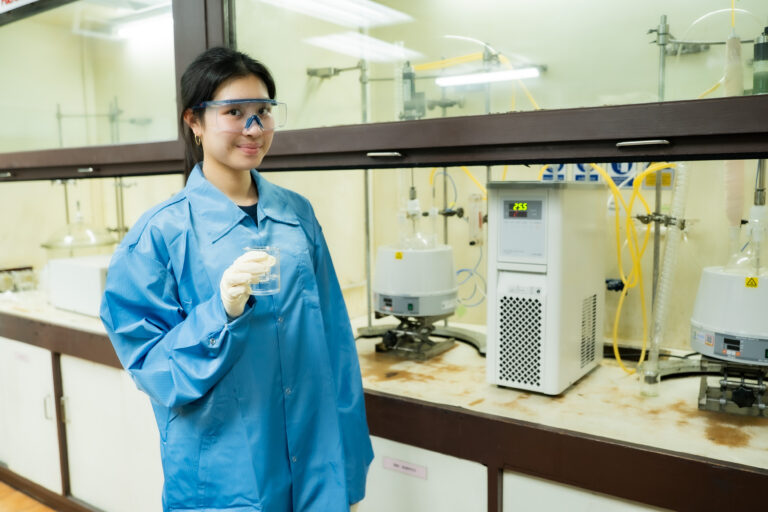
GENEVA, Switzerland — 15 May 2026, A 17-year-old Thai student has received international recognition from both The Earth Prize 2026 and National Geographic’s Slingshot Challenge for a conservation project aimed at protecting hornbill through artificial nests made from recycled plastic.
Yanin “Proud” Tangkaravakoon was named the Oceania and Southeast Asia winner of The Earth Prize 2026 for her project Homes for Hornbills, which combines wildlife conservation, recycled materials and community engagement to address declining hornbill populations in Thailand. As one of seven regional winners in The Earth Prize, Proud will receive US$12,500 in funding and mentorship to further develop the project. Public voting to select the global winner is scheduled to open on 18 May, with the overall winner due to be announced on 29 May.
The same project was also recognised as a Top Honors Award recipient in the 2026 Slingshot Challenge, a global environmental competition supported by the National Geographic Society and Allen Family Philanthropies. Top Honors Award recipients receive US$10,000 in funding and become eligible for the public-voted People’s Choice Award, as well as the Explorer Connection Award recognising projects closely aligned with the work of National Geographic Explorers.
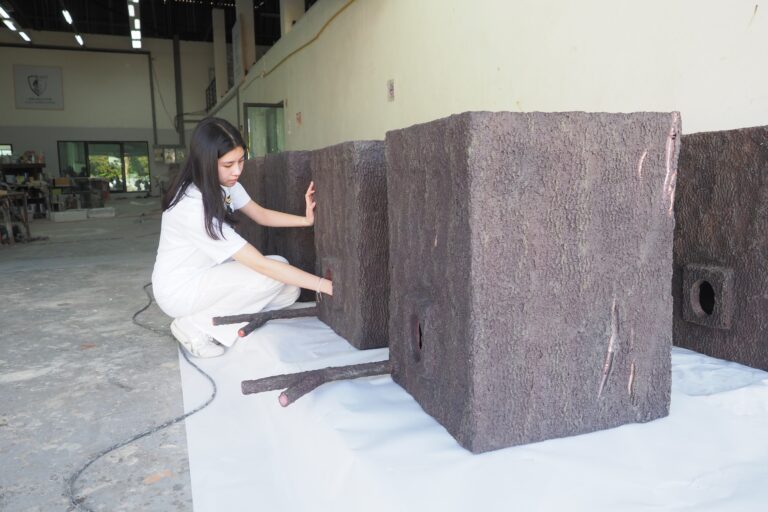
The hornbill artificial nests project
Hornbills are regarded as vital to forest ecosystems because they disperse seeds across wide areas, helping forests regenerate naturally. According to organisers, 51 of the world’s 62 hornbill species are experiencing population declines due to deforestation, habitat destruction and poaching.
Proud said her interest in hornbills began during a primary school field trip to Khao Yai National Park, where she became fascinated by the birds and later learned about the threats they face.
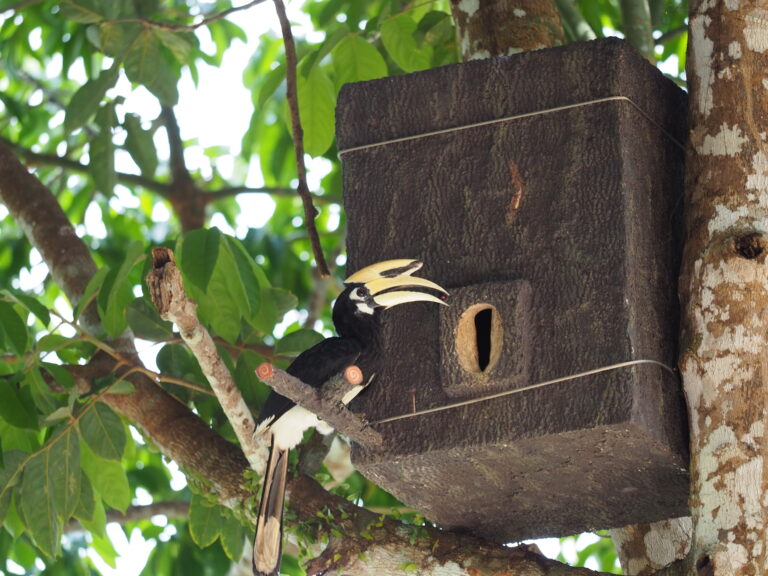
She went on to work with the Thailand Hornbill Research Foundation to develop a three-part conservation model consisting of durable artificial nests designed around hornbill behaviour, school-based conservation education and long-term plans to create alternative income opportunities for local communities to reduce poaching and deforestation.
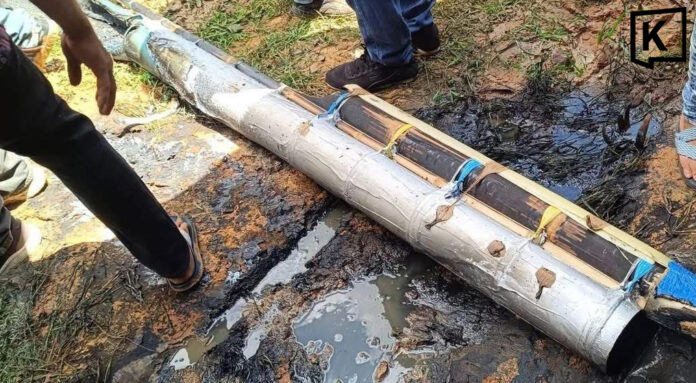
The nests are built using upcycled materials including discarded plastic bottles.
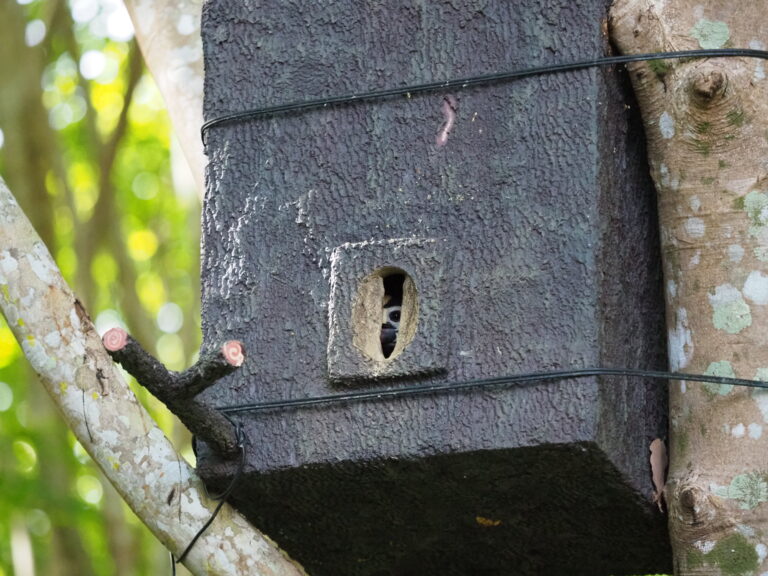
So far, 20 nests have been installed in southern Thailand. Organisers said 14 hornbill chicks successfully fledged in 2025, while 14 nests were occupied in 2026.
The initiative has involved 60 local students and partnered with TOA Venture Holding to support the use of recycled plastic materials in nest construction.
Award-winning documentary
Proud has also produced Homes for Hornbills, an award-winning documentary that ranked among Thailand’s top 10 youth documentaries and is now streaming on Thai PBS’s VIPA platform. She has presented her findings to the Faculty of Forestry at Kasetsart University and has been featured in Thai media reports.
“Seeing how important hornbills are to forests made me realise how urgent it is to protect them,” Proud said in a statement released by The Earth Prize. “Winning the Earth Prize gives me the chance to scale this work by expanding nest deployment and partnering with local communities to create long-term solutions for both wildlife and the forests they sustain.”
The Earth Prize 2026
The Earth Prize, founded by the Geneva-based Earth Foundation during the 2019 School Strike for Climate movement, describes itself as the world’s largest environmental competition and “ideas incubator” for people aged 13 to 19. The programme has reached more than 21,000 students across 169 countries and territories.
Peter McGarry, founder of The Earth Foundation, said this year’s winners demonstrated “that age is no barrier to meaningful change”.
National Geographic’s Slingshot Challenge 2026
At the same time, Proud’s recognition in National Geographic’s Slingshot Challenge placed her among leading youth environmental innovators worldwide.
Launched in 2022, the Slingshot Challenge invites young people aged 13 to 18 to submit one-minute videos presenting solutions to environmental issues linked to nature protection, waste reduction, climate change, ocean restoration and air quality.
This year’s challenge attracted more than 2,300 submissions from over 5,900 participants across 104 countries, organisers said.