30 C
Bangkok
Sunday, June 28, 2026
Home Blog Page 426

Valentine’s Night Gone Wrong: Turkish Tourist Robbed in Pattaya

Turkish
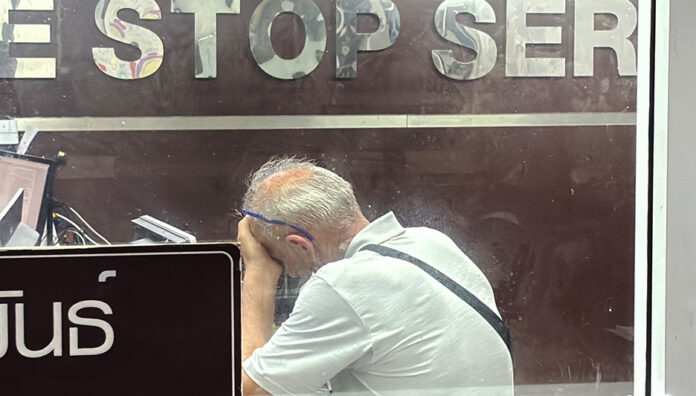
A 56-year-old Turkish tourist files a police report at Pattaya City Police Station on Feb 15, 2025, visibly disappointed after being robbed by a woman he liked who took all his cash from his hotel room.

PATTAYAIn the early hours of February 15, a 56-year-old Turkish tourist, Mr. Nevzat, filed a police report at Pattaya City Police Station after falling victim to theft in a South Pattaya hotel.

According to the report, Mr. Nevzat met a woman on Pattaya Beach on Valentine’s Day evening. After agreeing on a service fee, they returned to his hotel room in the Nong Prue area of Bang Lamung district, Chonburi province. The tourist stated that he left the woman in the bedroom while he took a shower. However, when he emerged from the bathroom, she had disappeared.

After several failed attempts to contact her by phone, Mr. Nevzat discovered that 4,000 Thai baht and 600 US dollars (approximately 25,000 baht in total) were missing from his belongings. He expressed deep disappointment over the incident while filing the report.

Police Lieutenant Nares Phumsuk, Deputy Investigation Inspector at Pattaya City Police Station, documented the case and has coordinated with the investigation team to track down the suspect. Authorities are now working to identify and apprehend the woman to proceed with legal action.

_____

Advertisement

Trump’s Reciprocal Tariffs Will Overturn Decades of Trade Policy

Tariffs
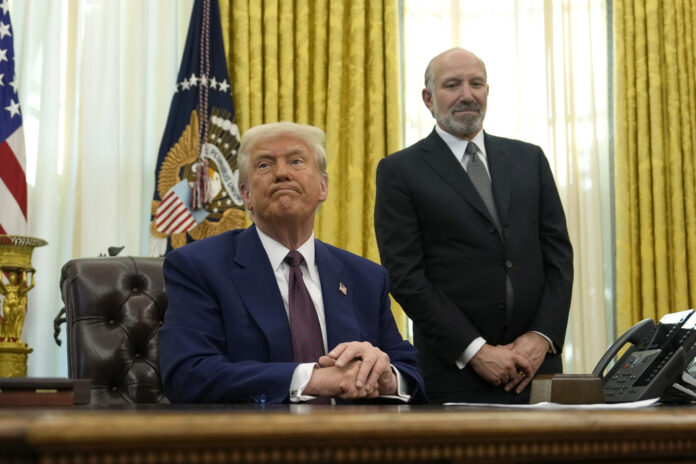
President Donald Trump listens to a question from a reporter as Commerce Secretary nominee Howard Lutnick watches after Trump signed an executive order in the Oval Office of the White House, Thursday, Feb. 13, 2025, in Washington. (AP Photo/Ben Curtis)

WASHINGTON (AP) — President Donald Trump is taking a blowtorch to the rules that have governed world trade for decades. The “reciprocal’’ tariffs that he announced Thursday are likely to create chaos for global businesses and conflict with America’s allies and adversaries alike.

Since the 1960s, tariffs — or import taxes — have emerged from negotiations between dozens of countries. Trump wants to seize the process.

“Obviously, it disrupts the way that things have been done for a very long time,’’ said Richard Mojica, a trade attorney at Miller & Chevalier. “Trump is throwing that out the window … Clearly this is ripping up trade. There are going to have to be adjustments all over the place.’’

Pointing to America’s massive and persistent trade deficits – not since 1975 has the U.S. sold the rest of the world more than it’s bought — Trump charges that the playing field is tilted against U.S. companies. A big reason for that, he and his advisers say, is because other countries usually tax American exports at a higher rate than America taxes theirs.

Trump has a fix: He’s raising U.S. tariffs to match what other countries charge.

AP25045691601798
Coils of steel are seen at the ArcelorMittal Dofasco Steel Plant in Hamilton, on Friday, Feb. 14, 2025 (Chris Young/The Canadian Press via AP)

The president is an unabashed tariff supporter. He used them in his first term, and three weeks into his second he has already slapped 10% tariffs on China; effectively raised U.S. taxes on foreign steel and aluminum; and threatened, then delayed for 30 days, 25% taxes on goods from Canada and Mexico.

Economists don’t share Trump’s enthusiasm for tariffs. They’re a tax on importers that usually get passed on to consumers. But it’s possible that Trump’s reciprocal tariff threat could bring other countries to the table and get them to lower their own import taxes.

“It could be win-win,” said Christine McDaniel, a former U.S. trade official now at George Mason University’s Mercatus Center. “It’s in other countries’ interests to reduce those tariffs.”

She noted that India has already cut tariffs on items from motorcycles to luxury cars and agreed to ramp up purchases of U.S. energy.

What are reciprocal tariffs and how do they work?

They sound simple: The United States would raise its tariff on foreign goods to match what other countries impose on U.S. products.

“If they charge us, we charge them,’’ the president told reporters on Sunday. “If they’re at 25, we’re at 25. If they’re at 10, we’re at 10. And if they’re much higher than 25, that’s what we are too.’’

But the White House didn’t reveal many details. It has directed Commerce Secretary Howard Lutnick to deliver a report April 1 about how the new tariffs would actually work.

Among the outstanding questions, noted Antonio Rivera, a partner at ArentFox Schiff and a former attorney with U.S. Customs and Border Protection, is whether the U.S. is going to look at the thousands of items in the tariff code – from motorcycles to mangos — and try to level the tariff rates out one by one, country by country. Or whether it will look more broadly at each country’s average tariff and how it compares to America. Or something else entirely.

“It’s just a very, very chaotic environment,” said Stephen Lamar, president and CEO of the American Apparel & Footwear Association. “It’s hard to plan in any sort of long-term, sustainable way.’’

AP25042719014593
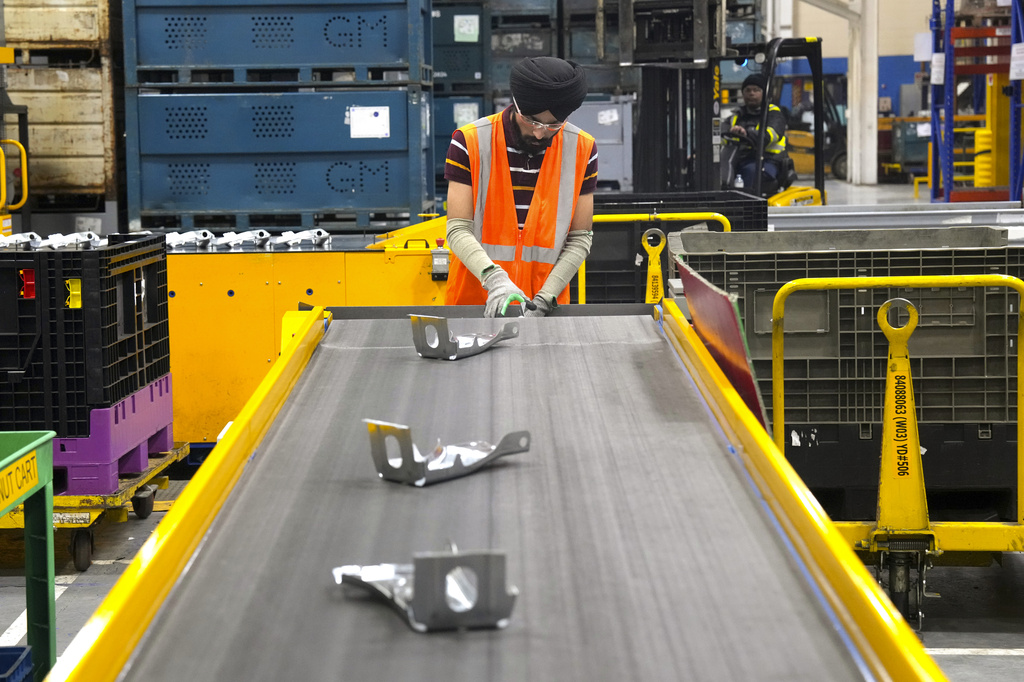
FILE – An employee works on the production line at the Martinrea auto parts manufacturing plant that supplies auto parts to Canada and U.S. plants, in Woodbridge, Ontario, Monday, Feb. 3, 2025. (Chris Young/The Canadian Press via AP, File)

How did tariffs get so lopsided?

America’s tariffs are generally lower than those of its trading partners. After World War II, the United States pushed for other countries to lower trade barriers and tariffs, seeing free trade as a way to promote peace, prosperity and American exports around the world. And it mostly practiced what it preached, generally keeping its own tariffs low and giving American consumers access to inexpensive foreign goods.

Trump has broken with the old free trade consensus, saying unfair foreign competition has hurt American manufacturers and devastated factory towns in the American heartland. During his first term, he slapped tariffs on foreign steel, aluminum, washing machines, solar panels and almost everything from China. Democratic President Joe Biden largely continued Trump’s protectionist policies.

The White House has cited several examples of especially lopsided tariffs: Brazil taxes ethanol imports, including America’s, at 18%, but the U.S. tariff on ethanol is just 2.5%. Likewise, India taxes foreign motorcycles at 100%, America just 2.4%.

Does this mean the U.S. been taken advantage of?

The higher foreign tariffs that Trump complains about weren’t sneakily adopted by foreign countries. The United States agreed to them after years of complex negotiations known as the Uruguay Round, which ended in a trade pact involving 123 countries.

As part of the deal, the countries could set their own tariffs on different products – but under the “most favored nation’’ approach, they couldn’t charge one country more than they charged another. So the high tariffs Trump complains about aren’t aimed at the United States alone. They hit everybody.

Trump’s grievances against U.S. trading partners also come at an odd time. The United States, running on strong consumer spending and healthy improvements in productivity, is outperforming the world’s other advanced economies. The U.S. economy grew nearly 9% from just before COVID-19 hit through the middle of last year — compared with just 5.5% for Canada and just 1.9% for the European Union. Germany’s economy shrank 2% during that time.

AP25042539897877
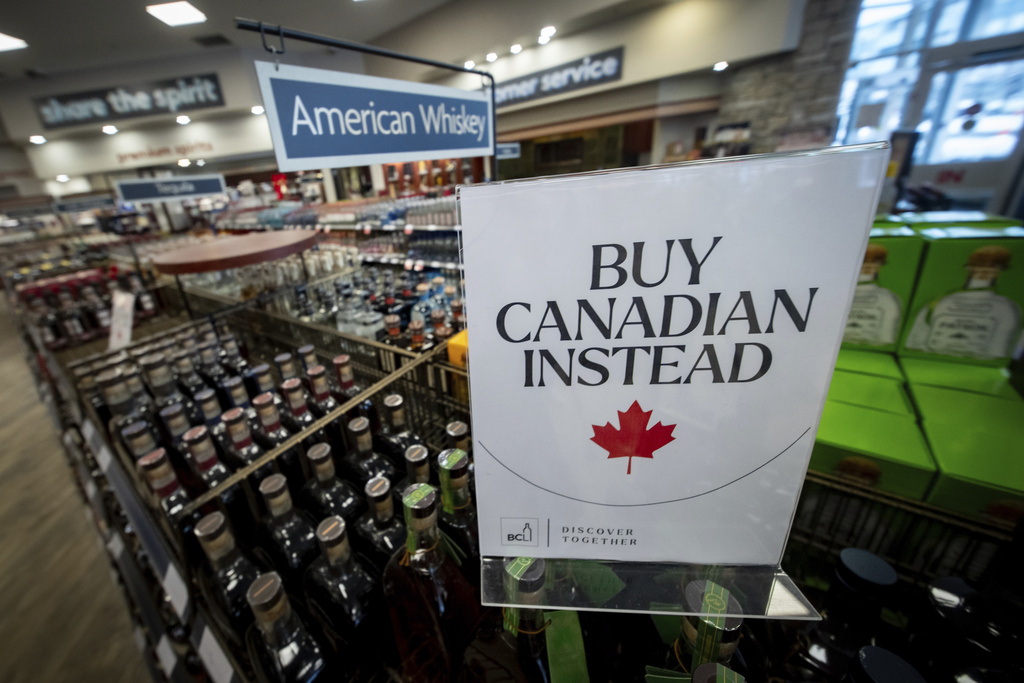
FILE – A sign is placed in front of the American whiskey section at a B.C. liquor store after top selling American made products have been removed from shelves in Vancouver, B.C., Feb. 2, 2025. (Ethan Cairns/The Canadian Press via AP, file)

Trump’s plan goes beyond foreign countries’ tariffs

Not satisfied with scrambling the tariff code, Trump is also going after other foreign practices he sees as unfair barriers to American exports. These include subsidies that give homegrown producers an advantage over U.S. exports; ostensible health rules that are used to keep out foreign products; and loose regulations that encourage the theft of trade secrets and other intellectual property.

Figuring out an import tax that offsets the damage from those practices will add another level of complexity to Trump’s reciprocal tariff scheme.

The Trump team is also picking a fight with the European Union and other trading partners over so-called value-added taxes. Known as VATs, these levies are essentially a sales tax on products that are consumed within a country’s borders. Trump and his advisers consider VATs a tariff because they apply to U.S. exports.

Yet most economists disagree, for a simple reason: VATs are applied to domestic and imported products alike, so they don’t specifically target foreign goods and haven’t traditionally been seen as a trade barrier.

And there’s a bigger problem: VATs are huge revenue raisers for European governments. “There is no way most countries can negotiate over their VAT … as it is a critical part of their revenue base,’’ Brad Setser, senior fellow at the Council on Foreign Relations, posted on X.

Paul Ashworth, chief North America economist for Capital Economics, says that the top 15 countries that export to the U.S. have average VATs topping 14%, as well as duties of 6%. That would mean U.S. retaliatory tariffs could reach 20% — much higher than Trump’s campaign proposal of universal 10% duties.

Tariffs and the trade deficit

Trump and some of his advisers argue that steeper tariffs would help reverse the United States’ long-standing trade deficits.

But tariffs haven’t proven successful at narrowing the trade gap: Despite the Trump-Biden import taxes, the deficit rose last year to $918 billion, second-highest on record.

The deficit, economists say, is a result of the unique features of the U.S. economy. Because the federal government runs a huge deficit, and American consumers like to spend so much, U.S. consumption and investment far outpaces savings. As a result, a chunk of that demand goes to overseas goods and services.

The U.S. covers the cost of the trade gap by essentially borrowing from overseas, in part by selling treasury securities and other assets.

“The trade deficit is really a macroeconomic imbalance,” said Kimberly Clausing, a UCLA economist and former Treasury official. “It comes from this lack of desire to save and this lack of desire to tax. Until you fix those things, we’ll run a trade imbalance.”

_____

Advertisement

Thailand’s Reform Agenda Stalls as ‘Blue Network’ Consolidates Power

Thailand
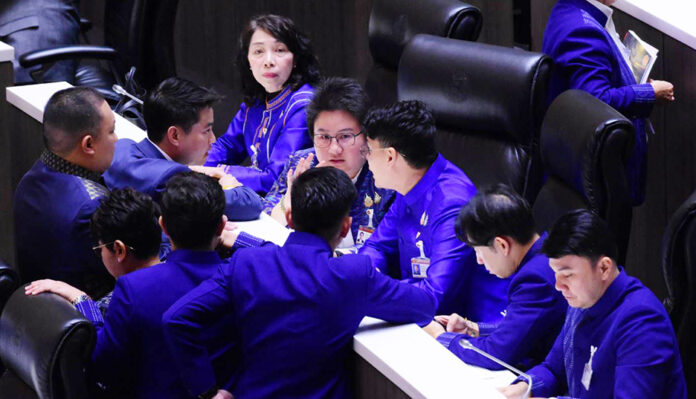
Bhumjaithai Party MPs, dressed in blue shirts, confer inside the parliament chamber before walking out of the session to emphasize their non-participation in any constitutional amendment proceedings they deemed unconstitutional, February 13, 2025. (KHAOSOD PHOTO/ Chalathip Rungbour)

BANGKOK — The recent collapse of joint parliamentary sessions on February 13-14 highlights the increasingly difficult path to amending Thailand’s 2017 military-era constitution.

The sessions, which failed to meet quorum requirements, were meant to consider two constitutional amendment drafts proposed by the Pheu Thai and Move Forward parties.

The obstacles aren’t just in the constitution’s carefully crafted “blocking” mechanisms. A clearer political picture has emerged showing that Bhumjaithai Party, the third-largest party in parliament with its signature blue color, now wields considerable leverage over the ruling Pheu Thai Party through its control of at least 140 Senate votes.

parliament collapse1
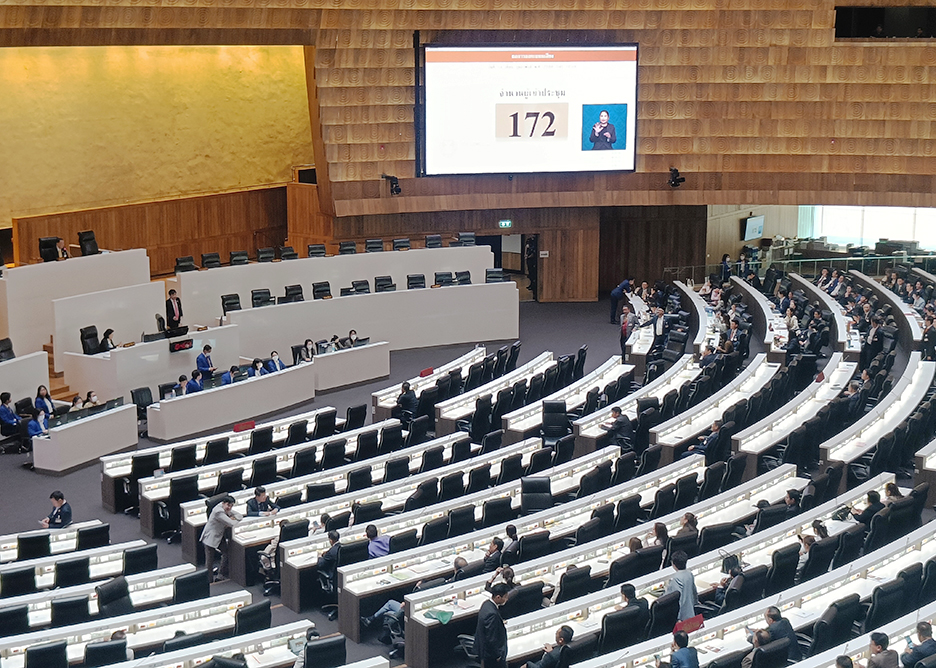
The parliament session fails to meet quorum requirements for constitutional amendment deliberations, leading to a second consecutive day of collapsed meetings on February 14, 2025. (KHAOSOD PHOTO/Chalathip Rungbour)
senators walk out
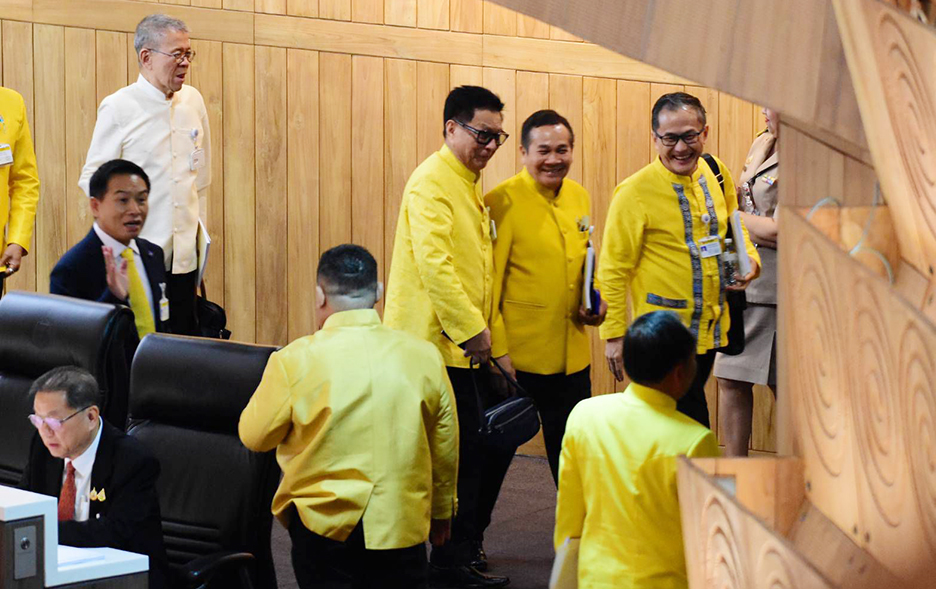
Members of the ‘Blue Network’ senators, wearing yellow shirts, walk out of the chamber, following Bhumjaithai Party MPs’ move to boycott the constitutional amendment deliberation on February 13, 2024. (KHAOSOD PHOTO/ Chalathip Rungbour)

Prime Minister Paetongtarn Shinawatra appears to have accepted this new reality. After Bhumjaithai MPs and their “blue network” senators walked out of the tense session, she diplomatically stated, “This is the parliamentary mechanism. MPs and senators can have different opinions, and when the two houses disagree, this is the result.”

The Bhumjaithai Party, which was part of the previous Prayut Chan-o-cha government since 2019, has significantly strengthened its negotiating position. Beyond its Senate network, the party has shown competitive strength against Pheu Thai in recent local elections on February 1, despite not officially fielding candidates under its banner.

Even former Prime Minister Thaksin Shinawatra has softened his previously frustrated stance toward Bhumjaithai’s limited cooperation with government policies. He now acknowledges that Pheu Thai is unlikely to achieve a landslide victory in the next general election, stating, “We don’t want to be a single-party government anymore. A bird without feathers, a person without friends – that’s not good. We need allies, just not too many to avoid headaches.”

paetong anutin
Prime Minister Paetongtarn Shinawatra gives a cabinet meeting briefing with Deputy Prime Minister and Interior Minister Anutin Charnvirakul standing beside her on February 11, 2025. Both affirmed there were no conflicts within the executive branch, despite their legislative disagreements over constitutional amendments.(KHAOSOD PHOTO/Yokin Charoenying)

The Move Forward Party’s leader, Natthapong Ruangpanyawut, has called for parliament’s dissolution, recognizing that Pheu Thai is powerless to advance its agenda without Bhumjaithai’s support.

Meanwhile, Pheu Thai’s strategist Sutin Klangsaeng revealed that his party deliberately allowed the session to collapse rather than risk a failed vote. The party plans to seek constitutional court interpretation of unclear points next week.

This political maneuvering demonstrates how Bhumjaithai, through its control of crucial Senate votes and growing provincial influence, has emerged as a powerful gatekeeper in Thai politics, effectively able to block major constitutional reforms despite being a junior coalition partner.

_________

Advertisement

10 Chinese Scammers Deported as Thailand Gets List of 3,700 Suspects

scammers
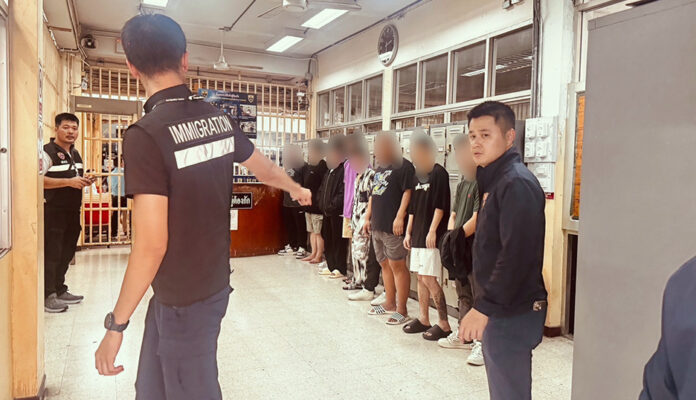
Police officers escort 10 Chinese suspects, scammers who fled from Myawaddy, Myanmar to Thailand, to the Immigration Detention Center to prepare for their handover to Chinese authorities on February 14, 2025.

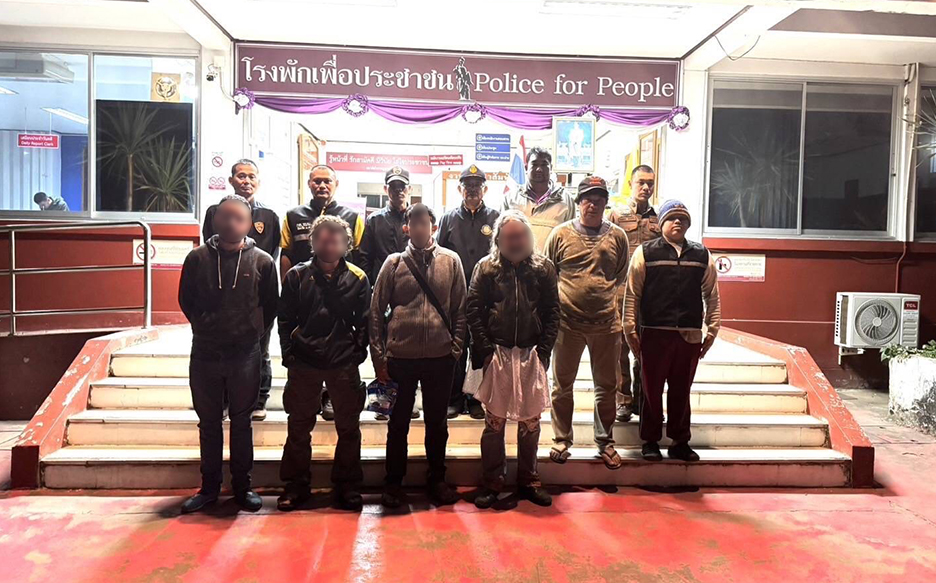
BANGKOK — Thai police have begun acting on China’s list of 3,700 suspected human traffickers and scammers from Myawaddy, with the first deportation of 10 Chinese suspects who were caught in Thailand after fleeing Myanmar. The suspects were wanted in connection with defrauding Chinese actor Wang Xing, according to the head of the Thai police screening team.

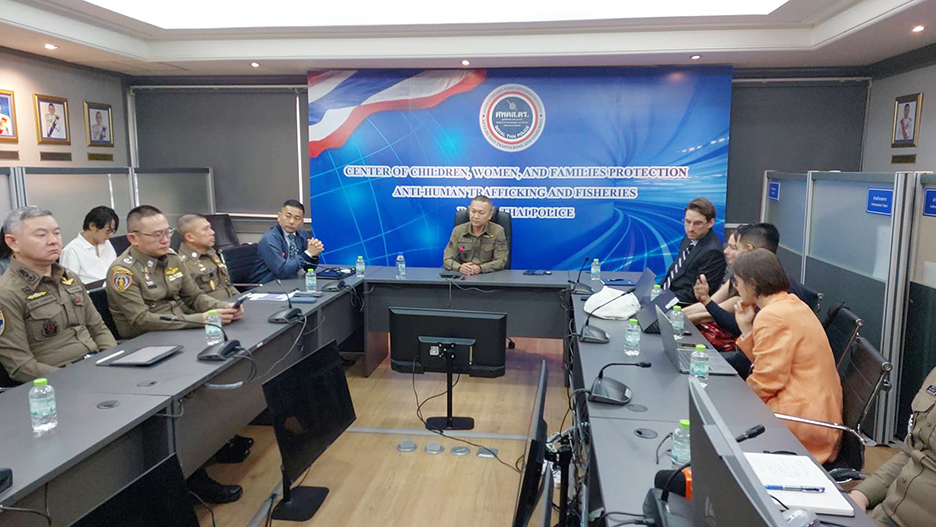
Pol. Gen. Thatchai Pitaneelaboot, Inspector General of the Royal Thai Police and Director of the Anti-Human Trafficking Center and the Cybercrime Center, chaired a meeting with the United Nations Office on Drugs and Crime (UNODC) to form the Specialized Task Force on Internet Fraud and Human Trafficking.

At the meeting, held at the Royal Thai Police headquarters in Bangkok on February 14, officials discussed lessons learned from Thailand’s crackdown on call center scammers and human trafficking networks. Measures taken included cutting off electricity, suspending telephone and internet services and restricting fuel supplies in border areas.

These strategies were initially enforced along the border with Myanmar and will be extended to other countries as part of a seven-point action plan to combat these crimes.

thatchai UNODC1
Pol. Gen. Thatchai Pitaneelaboot, Inspector General of the Royal Thai Police and Director of the Anti-Human Trafficking Center and the Cybercrime Center, chairs a meeting with the United Nations Office on Drugs and Crime (UNODC) to form the Specialized Task Force on Internet Fraud and Human Trafficking at the Royal Thai Police Office on Feb. 14, 2025.

The seven measures:

  1. Pre-entry screening: Strengthen cooperation in screening foreign nationals before they enter Thailand.
  2. Stricter border controls: Tighten inspections at airports and immigration checkpoints, with a focus on high-risk individuals.
  3. Checkpoints along major travel routes: Establishment of checkpoints to track suspicious movements.
  4. Accommodation inspections: Monitoring accommodation to identify potential fraud activity.
  5. Proactive surveillance: Investigation of transportation routes and temporary hiding places.
  6. Enhanced border security: conducting extensive patrols at natural crossings, border checkpoints and provinces along Thailand’s borders.
  7. Coordinated investigations: Expand investigations to identify masterminds and facilitators, including corrupt officials.

Pol. Gen. Thatchai explained that the authorities are using the National Referral Mechanism (NRM) and information sharing between the Royal Thai Police database and foreign embassies to distinguish victims from criminals among those handed over from Myanmar. China has now officially identified 3,700 people suspected of being involved in human trafficking and call center fraud in Myawaddy.

BGF
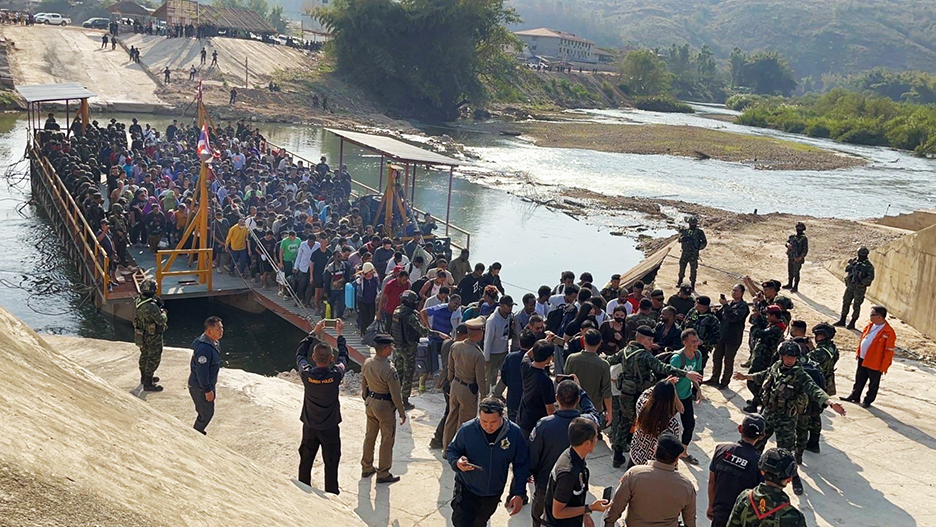
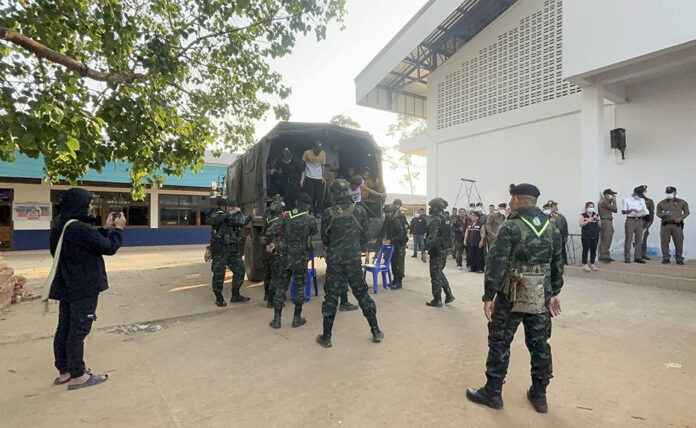
260 victims of an international scam call center operation are handed over to Thailand from Myanmar by the DKBA forces at 4 p.m. on Wednesday, Feb 12, 2025.

He emphasized that almost 100% of the people who came to Mae Sot entered Myanmar voluntarily and only two or three cases reported that they were cheated. “This confirms that the people entering Thailand are not cheated by Thailand itself. However, since these people are taking advantage of Thai resources, we need to focus on burning the criminals’ bridges by eliminating the masterminds,” he said.

When asked about the recent transfer of police officers in Tak province, which may be linked to human trafficking networks and the Myawaddy complex, Police General Thatchai explained that the matter is still under investigation for the sake of transparency. He clarified that while there may have been no prior misconduct, the authorities must respond quickly to unusual circumstances and take the necessary action when irregularities are found.

Wang Xing
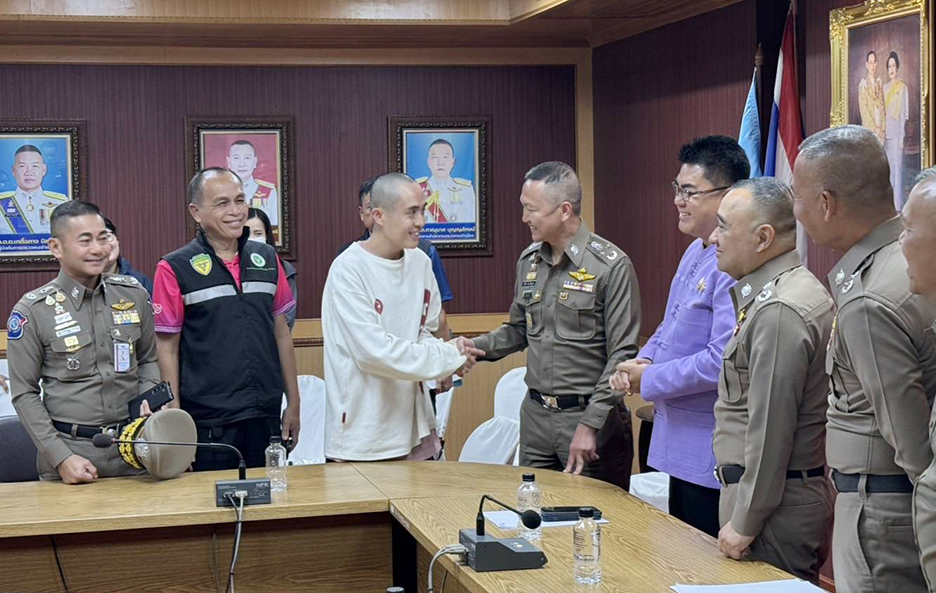
Wang Xing shakes hands with Pol. Gen. Thatchai Pitaneelaboot, director of Thailand’s anti-trafficking center (TICAC), thanking him for helping cross the natural border back to Mae Sot district, Tak province, on January 7, 2025.

Later that same evening, Pol. Gen. Thatchai assigned the Immigration Bureau to deport 10 Chinese scammer suspects from Myawaddy, Myanmar, who were involved in the fraud case of Chinese actor Wang Xing, to be handed over to Chinese authorities for legal prosecution.

The owner of this scammer network is named Fei Ge, who has already been arrested in China. Additionally, measures will be increased to pressure and investigate assets of call center gang owners in close cooperation with the Anti-Money Laundering Office (AMLO).

The 10 Chinese suspects fled from Myawaddy into Thailand and were arrested at Bang Kaew Police Station in Samut Prakan, Bang Rachan Police Station in Singburi, and Khiri Mat Police Station in Sukhothai respectively. Thai police have completed prosecuting all ten individuals for illegally entering the kingdom without permission, and are now proceeding with deportation and transfer to Chinese authorities for further legal action.

________

Advertisement

PM Paetongtarn Promises Economic Reforms to Woo Foreign Investors at JFCCT Event

reforms

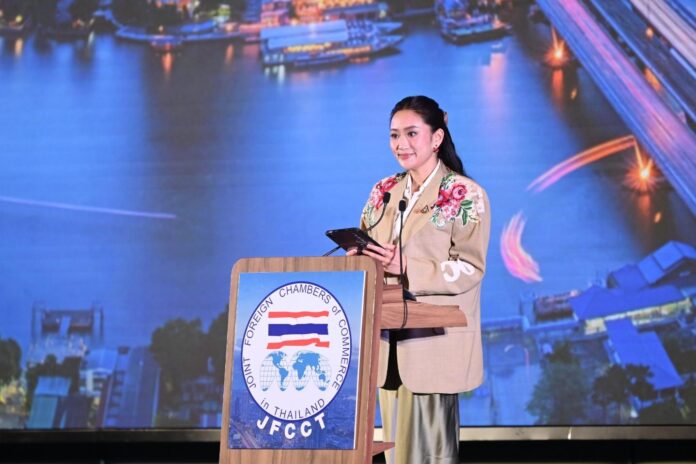
BANGKOK – Prime Minister Paetongtarn Shinawatra has pledged comprehensive economic reforms to enhance Thailand’s competitiveness, improve investor confidence, and solidify the country’s position as a top destination for foreign investment.

Speaking at the JFCCT Prime Minister Address Luncheon 2025, hosted by the Joint Foreign Chambers of Commerce in Thailand (JFCCT), she outlined her administration’s vision for faster regulatory processes, a seamless digital economy, and sustainability-driven growth. Held at the Grand Ballroom, Grand Hyatt Erawan Bangkok, the high-profile event brought together government officials, foreign investors, and key business leaders to discuss Thailand’s future as a regional economic hub.

In her address, Prime Minister Paetongtarn Shinawatra made a direct appeal to foreign businesses, reinforcing her administration’s commitment to creating a more transparent, investor-friendly environment.

“My government envisions a future where we transform traditional economic growth into sustainable growth. Thailand is not just opening its doors to investment; we are creating a business ecosystem that fosters innovation, transparency, and long-term growth. Our policies focus on simplifying investment processes, modernizing infrastructure, and ensuring a fair, competitive market that encourages both foreign and domestic investors,” she stated. 
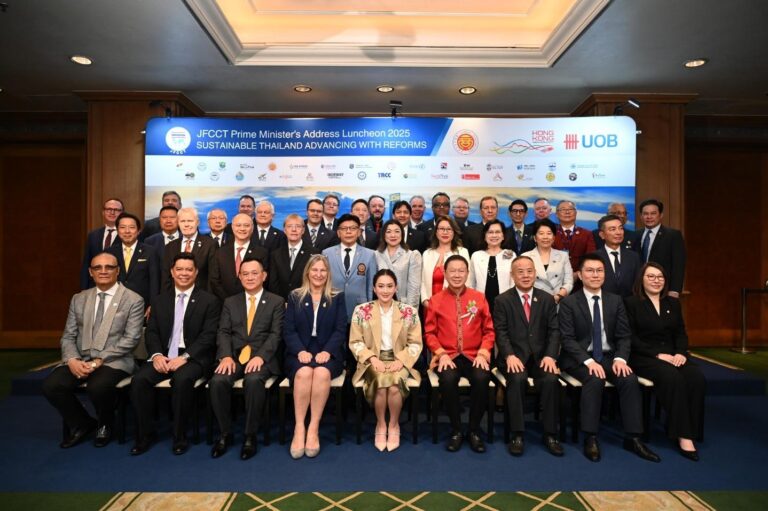
image4 3

She underscored that foreign direct investment (FDI) is critical to Thailand’s future, particularly in high-value industries such as technology, sustainable manufacturing, and services. She further highlighted the need to strengthen Thailand’s competitiveness through investment in infrastructure, supply chain efficiency, and strategic regulatory improvements, ensuring the country remains a top destination for businesses seeking stability and long-term growth.

A key pillar of her speech was the collaboration between the government and private sector is essential to the country. In addition, she reaffirmed her administration’s commitment to sustainable economy and development, stressing that the government will ensure businesses must have real access to finance, opportunities to integrate into global supply chains, and practical support to adopt sustainable business practices.

“The future of Thailand depends on a holistic and cohesive sustainability strategy that balances economic growth with social and environmental responsibility. By embedding BCG economic model, climate resilience, and inclusive business policies, we can create a sustainable future for all,” she concluded.
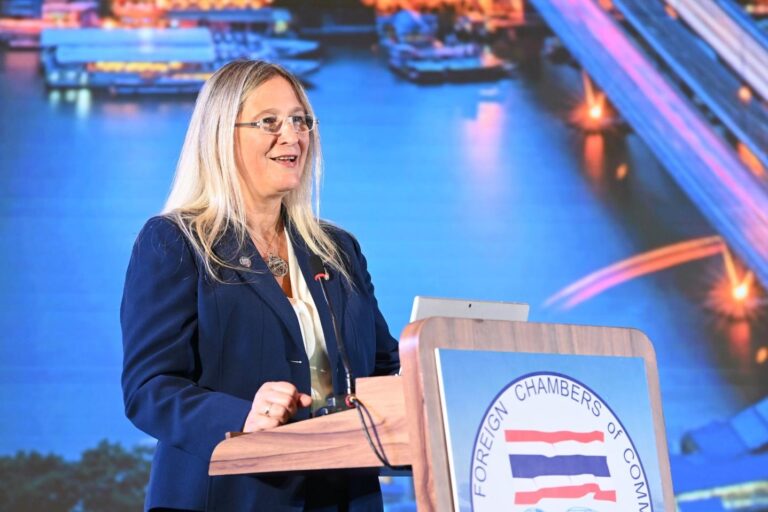
image3 8

Mrs. Vibeke Lyssand Leirvåg, Chairwoman of JFCCT, acknowledged that while 2024 presented significant challenges for both Thailand and the global economy, Thailand demonstrated resilience and outperformed economic forecasts. She highlighted a modest recovery, particularly in tourism and domestic consumption, and emphasized that exports rebounded strongly in the latter part of the year, signaling renewed economic momentum.

Foreign direct investment (FDI) also showed notable growth, particularly in key sectors supported by the Eastern Economic Corridor (EEC) and the Board of Investment (BOI). “Thailand offers compelling advantages for investors, particularly through its strategic incentives and robust infrastructure. While ease of doing business remains complex in some areas, initiatives within EEC and BOI have made Thailand an increasingly attractive destination for FDI,” Mrs. Leirvåg stated.

Looking ahead, she emphasized the importance of resilience amid global uncertainties, including geopolitical tensions, trade conflicts, and potential tariff adjustments impacting supply chains. She called for greater collaboration between large corporations and SMEs to ensure inclusive growth, urging policymakers to prioritize regulatory reforms and digital transformation.

“Thailand must remain adaptable, ensuring that SMEs are not left behind. With the right reforms and public-private sector collaboration, we can drive sustainable growth and strengthen Thailand’s position as a leading business hub,” Mrs. Leirvåg concluded.
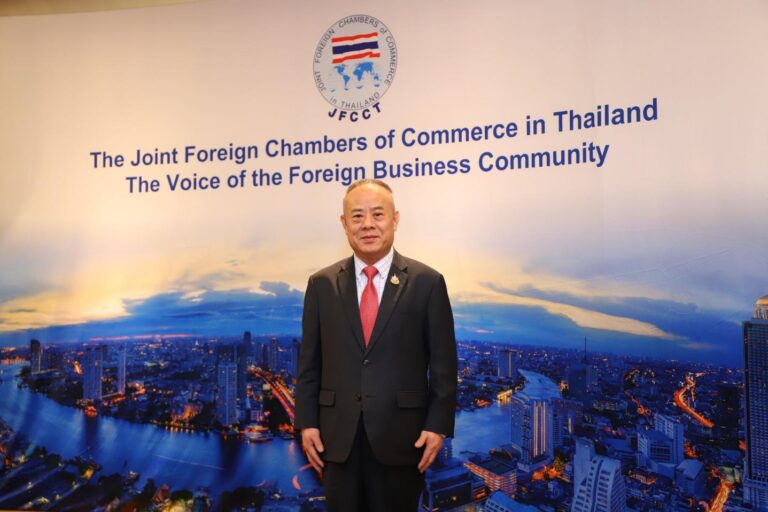
image6

Mr. Boonyong Yongcharoenrat, Vice President of the Thai-Chinese Chamber of Commerce (Thai CC), reaffirmed the strong economic partnership between Thailand and China, emphasizing that bilateral trade, infrastructure development, and investment collaborations are key drivers of regional economic growth.

“Thailand and China have maintained a deep-rooted economic relationship for decades, with China being Thailand’s largest trading partner for 12 consecutive years. As Chinese enterprises expand globally, Thailand is strategically positioned as a key production and logistics hub within ASEAN,” he stated.

Mr. Yongcharoenrat also highlighted the critical role of infrastructure projects such as the China-Laos Railway and Thailand’s ongoing high-speed rail developments, which will significantly enhance regional connectivity, reduce logistics costs, and facilitate smoother trade flows between Thailand, China, and ASEAN markets.

“Strategic infrastructure investment not only strengthens but also paves the way for deeper business cooperation across industries, including manufacturing, energy, and technology,” he noted. 

He further emphasized that Thailand’s active participation in China’s Belt and Road Initiative (BRI), investment incentives in the Eastern Economic Corridor (EEC), and regional trade agreements such as RCEP and ACFTA will play a crucial role in expanding market access, fostering long-term trade, and attracting high-quality foreign investment.

“By deepening economic collaboration, expanding cross-border e-commerce, and supporting high-tech industries, Thailand and China can drive long-term, sustainable growth for the region,” Mr. Yongcharoenrat emphasized.
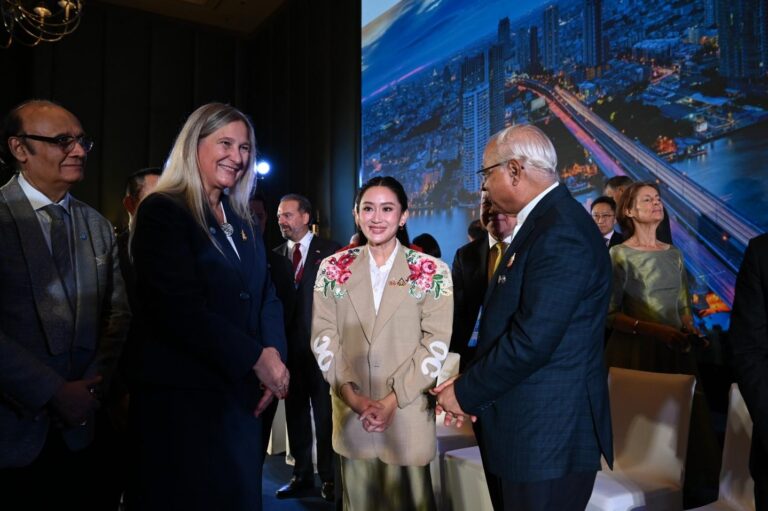
image5 1

Adding to the discussion, Mr. Parson Lam, Director of the Hong Kong Economic and Trade Office in Bangkok (HKETO), reinforced the importance of Thailand’s economic ties with global financial centers like Hong Kong. “Thailand and Hong Kong have a well-established trade relationship, with bilateral trade exceeding USD 20 billion in 2024.

As an international finance and logistics hub, Hong Kong serves as a gateway for Thai businesses seeking global expansion and foreign investors looking for a foothold in ASEAN markets,” he explained. He also emphasized that Hong Kong’s low-tax environment, strong capital markets, and international trade networks make it a critical partner for Thailand’s economic ambitions.

“There is strong potential for closer supply chain integration, as shifting global trade patterns bring new opportunities for businesses in both Thailand and Hong Kong. By working together, we can strengthen regional logistics networks and enhance Thailand’s role as a strategic hub within ASEAN,” Mr. Lam noted. 

He also pointed to the growing demand for sustainable finance and digital innovation, encouraging Thai enterprises to take advantage of Hong Kong’s expertise in green finance and fintech. “As we move forward, fostering bilateral investment and supporting businesses in navigating regulatory landscapes will be key to ensuring that Thai and Hong Kong enterprises continue to thrive in a rapidly evolving economic environment,” Mr. Lam concluded.

Ms. Vira-anong C. Phutrakul, Managing Director – Deputy CEO and Head of Wholesale Banking at UOB Thailand, highlighted UOB’s long-standing commitment to supporting Thailand’s economic development and investment landscape. “At UOB, we recognize Thailand’s strategic importance as a gateway to ASEAN. Through our established network in the region and capabilities in corporate banking, sustainable finance, and cross-border trade, we are dedicated to helping both Thai and foreign businesses expand seamlessly within the region,” she stated.

She emphasized the bank’s role in facilitating foreign direct investment (FDI), noting that UOB’s Foreign Direct Investment Advisory (FDIA) unit has helped over 370 companies establish operations in Thailand, contributing more than 45 billion baht in projected investment and creating over 18,000 jobs since 2020.
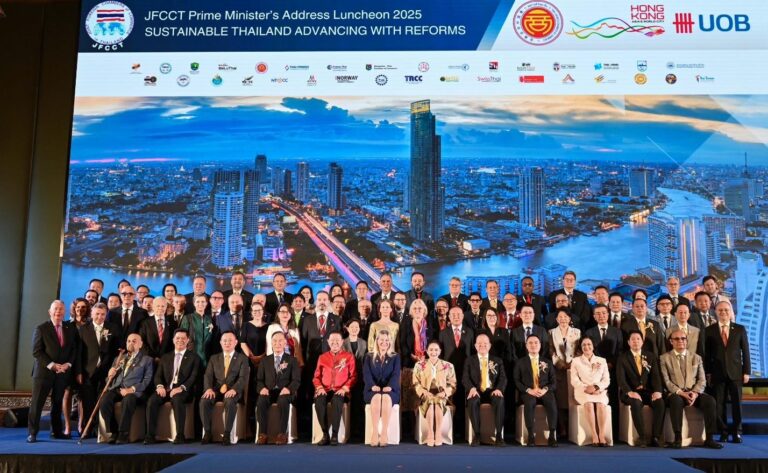
image1 8

Beyond investment facilitation, Ms. Vira-anong highlighted UOB’s focus on digital innovation and sustainability as key enablers for business growth. “With the rise of digital transformation and ESG-driven investments, we are committed to providing customized financial solutions and tools to empower businesses in Thailand. By fostering financial resilience, promoting sustainable growth, and enhancing regional connectivity, UOB stands as a trusted partner for businesses looking to navigate Thailand’s dynamic investment environment,” she concluded.

The JFCCT Prime Minister Address Luncheon 2025 underscored Thailand’s determination to reshape its economic landscape, strengthen global trade partnerships, and drive long-term sustainable growth. With total investment applications reaching a decade-high of 1.14 trillion baht (approximately USD 32.8 billion) in 2024, and foreign investments accounting for 832 billion baht (around USD 23.9 billion), the country is poised to reinforce its status as a premier investment hub in ASEAN.

As regulatory reforms accelerate and new investment incentives take shape, Thailand’s economic outlook signals unprecedented opportunities for global investors, industry leaders, and SMEs alike. “The road ahead requires collaboration, bold decision-making, and an unwavering commitment to innovation and sustainability,” said JFCCT Chairwoman Vibeke Lyssand Leirvåg.

Advertisement

Amazon Job Scam Turns Pakistani Man into Myanmar Nightmare

Myanmar
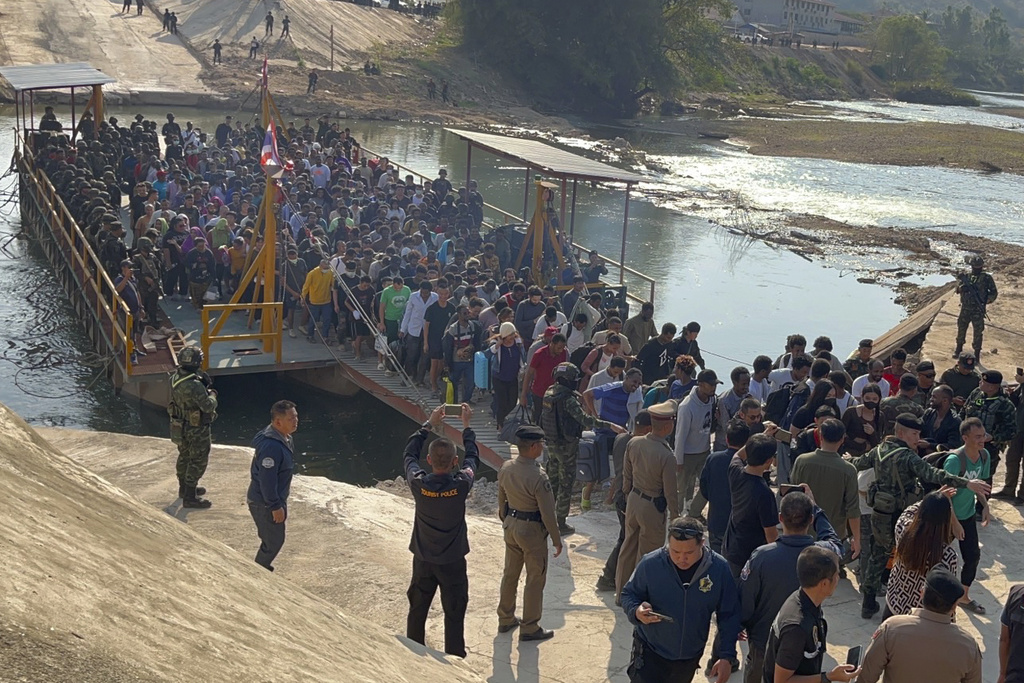
260 people from 20 nations who were reportedly rescued from alleged scam centers in Myanmar, as they crossed into Thailand's Tak province on Wednesday, Feb. 12, 2025.

MAE SOT — One of the 260 people handed over to Thai authorities by DKBA forces in Myanmar after being rescued from a scam gang base recounted his harrowing experience with checkpoint officials at the cargo terminal of Pier 28, Ban Chong Khaep, Chong Khaep Subdistrict, Phop Phra District, Tak Province, on February 12.

Sulaiman, a 22-year-old Pakistani national, said he had previously worked in Dawei, Myanmar. About six months ago, he met a Chinese man who offered him a job in Mae Sot, Tak province, claiming he was working for the e-commerce company Amazon. The job supposedly offered good benefits, a pleasant working environment and a monthly salary of 1,500 dollars. Intrigued, he agreed and successfully passed the recruitment process.

The Chinese man then arranged a flight for him to Thailand via Suvarnabhumi airport. On arrival, he was picked up by another Chinese man and taken to Mae Sot. At this point, he had no idea where he was going. After passing through Thai immigration in Tak, he was taken to a hotel in Mae Sot where he saw a large number of Chinese people.
AP25044349610308
More than 250 people from 20 nations who were reportedly rescued from alleged scam centers in Myanmar, as they crossed into Thailand’s Tak province on Wednesday, Feb. 12, 2025. (Royal Thai Army, by Army Spokesperson via AP)

He spent a night in the hotel, and the next morning he was taken to the Thai-Myanmar border. The Moei River lay before him, an unfamiliar sight. Without understanding what was going on, he was ferried across to Myanmar. Throughout the journey, he did not know when he had left Mae Sot and entered Myanmar.

At that moment, Sulaiman said, he was confused and bewildered. When he reached the other side of the border, he encountered uniformed soldiers armed with guns. They were members of the DKBA (Democratic Karen Buddhist Army). Shocked and frightened, he asked the Chinese men accompanying him why he had been taken to Myanmar and not to Mae Sot. He received no answer. Instead, his passport and two cell phones were confiscated and he was threatened into working for an online scam organization.

Sulaiman stated that when he refused and insisted on going to Mae Sot as originally agreed, he was severely beaten and tortured. He was electrocuted until he had no choice but to comply. Even when he did his best at his assigned scam work, he continued to be beaten daily.


“A Chinese boss told me that I would have to pay 1,200 dollars if I wanted to leave. I managed to contact my family and they agreed to send the money. But after I transferred the amount, they still refused to let me go and demanded another 500 dollars. At that point, I realized that paying more money would not free me, so I had no choice but to keep working.”

Sulaiman explained that he was forced to work 18 to 20 hours a day in extremely harsh conditions. He tried to escape several times, but it was almost impossible as armed guards and soldiers were constantly monitoring the area.

“Even now, many foreigners are still trapped there. They are brought here from Bangkok in several vehicles and often exchanged between different traffickers. These people are incredibly ruthless. Getting out of there is the luckiest thing that has ever happened to me.

Now I will finally be able to reunite with my family. I would like to express my deepest gratitude to the Thai military, the Thai government and the Myanmar authorities for helping me to return safely,” he said.

___________________

Related articles:

260 Foreigners Rescued from Virtual Slavery in Myanmar’s Online Scam Centers Are Being Repatriated

Advertisement

Foreign Musicians Arrested in Pai for Working Without Permits

musicians
Four foreign nationals perform at Jazz House Pai in Moo 3, Wiang Tai Sub-district, Pai District, Mae Hong Son Province, moments before police officers identified themselves and made arrests on February 13, 2025.

PAI — Thai authorities arrested four foreign musicians performing at a restaurant in Pai, a popular tourist destination in Mae Hong Son province, northern Thailand, amid growing concerns from local residents about the impact of foreign visitors on their community.

The joint operation, conducted by Immigration Police Region 5 Chiang Mai, Mae Hong Son Provincial Police, Mae Hong Son Employment Office, and the Internal Security Command, raided Jazz House Pai in Wiang Tai subdistrict Thursday evening before 10 p.m., following reports of unauthorized foreign performers.

According to complaints, the venue regularly featured three foreign bands: WALK THE DOG 2 (7-8 p.m.), PINK FRAUD (8-9:30 p.m.), and MIZU AND BRANDA (9:30-10:30 p.m.). During the raid, officers found four foreign nationals performing on stage. The musicians attempted to flee through the back of the stage but were quickly apprehended by authorities.

pai music2
Officers document the arrest of four foreigners working as musicians without permits in front of Pai Police Station on February 13, 2025.

The arrested performers were identified as Mr. Brian (Ireland, lead singer and guitarist), Mr. Matheus (Brazil, bass guitarist), and two Israeli nationals, Mr. Yishay (drummer) and Mr. Shay (guitarist). All four were charged with working without work permits and failing to report their employment details to the registrar within the mandatory 15-day period. The venue owner faces charges for employing unauthorized foreign workers.

This enforcement action follows a January meeting between the Mae Hong Son Immigration Office and Pai community leaders, where residents voiced concerns about unauthorized foreign workers and the changing character of local tourism.


During the meeting, officials encouraged residents to report suspected cases of illegal employment by foreign nationals, excluding those from neighboring countries like Laos, Myanmar, Cambodia, and Vietnam.

Local representatives have emphasized their desire for authorities to prioritize community well-being over purely economic considerations, expressing particular concern about tourism activities that benefit business operators while disrupting local life. Immigration officials have committed to addressing these issues through proper channels in coordination with other relevant agencies.

_________

Related article:

Immigration, Locals Meet to Tackle Foreign Worker Issues in Pai

Advertisement

BGF Leader’s U-Turn: Hundreds to be Freed from Shwe Kokko to Thailand

BGF
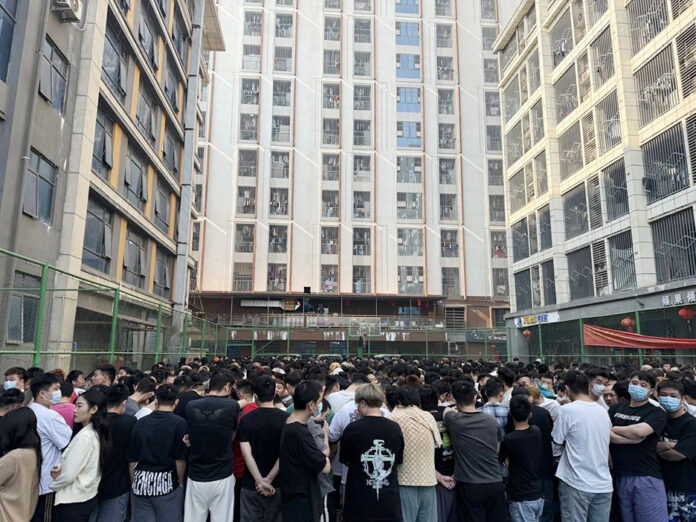
BGF forces inspect hundreds of foreigners at a Shwe Kokko building as leader Maung Chit Thu pledges to return illegal workers to Thailand, February 14, 2025.

BANGKOK —  Thai security officials reported today that Colonel Saw Chit Thu, also known as Maung Chit Thu, leader of the Border Guard Force (BGF/KNA), has pledged to cooperate with Thai authorities in combating illegal online operations and scammer networks, marking a significant shift in position.

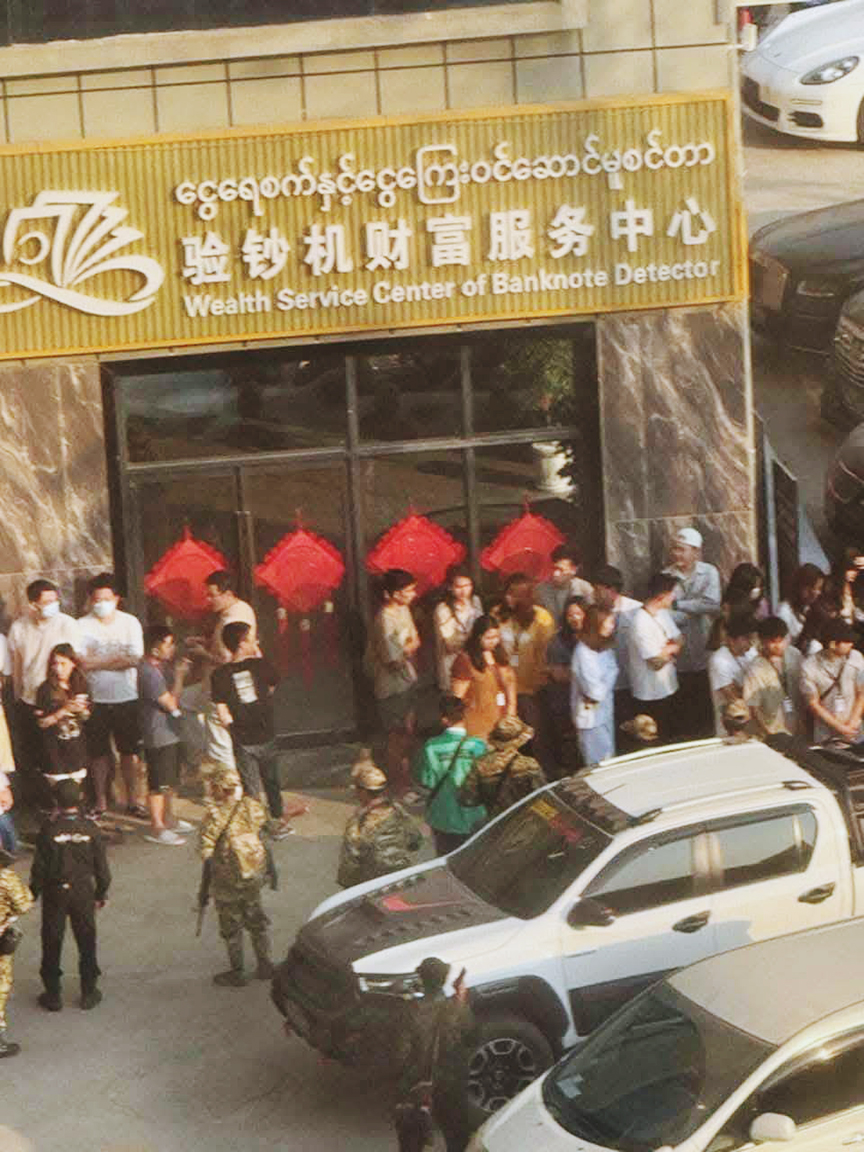
In an immediate demonstration of this commitment, BGF forces on February 14 began screening over 600 foreign nationals at a nine-story facility in Shwe Kokko’s Yatai New City project, located opposite Thailand’s Wang Kaew village in Mae Sot district, Tak province.

Those found to be working illegally will be repatriated through Thailand to their home countries, though the number of Thai nationals among them remains unconfirmed.

Shwe Kokko scammer1
BGF forces inspect foreigners at a Shwe Kokko building as leader Maung Chit Thu pledges to return illegal workers to Thailand, February 14, 2025.

The announcement comes on the same day Prime Minister Paetongtarn Shinawatra held a high-level security meeting at Government House with Defense Minister Phumtham Wechayachai and senior military officials to address transnational scam operations in Myanmar and Cambodia. The Prime Minister has demanded a comprehensive action plan within 30 days, emphasizing the serious threat these criminal networks pose to public safety.

paetong scam meeting
Prime Minister Paetongtarn Shinawatra chairs a meeting with army and police leaders on how to further crack down on call center scammers in neighboring countries at Government House, Feb. 14, 2025.

Thai authorities have been applying mounting pressure on BGF, including cutting off electricity, fuel, and internet services to the Myanmar side. Maung Chit Thu himself faces potential human trafficking charges, with the Thai Department of Special Investigation (DSI) currently gathering evidence regarding a 2022 case involving eight Indian nationals.

The BGF’s action follows similar moves by the Democratic Karen Buddhist Army (DKBA), which recently set a February 28 deadline for Chinese operators to leave the Phaya Tong Su area opposite Thailand’s Kanchanaburi province.

The DKBA has already facilitated the release of 321 victims from the Myawaddy area, with 260 people freed on February 12 following an initial group of 61 on February 6.

________

Related articles:

Advertisement

EBC Financial Group Analysis: Thailand’s 2025 Economic Outlook

Thailand’s inflation eases, but trade risks and policy shifts loom. EBC Financial Group analyses key 2025 market trends and investment opportunities.

As Thailand enters 2025, the country’s economic landscape remains shaped by a delicate balance of fiscal stimulus, monetary policy adjustments, and shifting global market dynamics. While inflation has remained subdued, economic growth faces headwinds from weak exports, geopolitical uncertainties, and structural challenges. At the same time, government-led stimulus measures and a resilient tourism sector offer potential recovery paths. EBC Financial Group (EBC) explores the evolving financial landscape, providing traders with insights into key trends and market opportunities that will define Southeast Asia’s second-largest economy in 2025.

Inflation Trends and Monetary Policy Response Shape an Eventful Year-End

Throughout 2024, Thailand’s inflation rates remained below the Bank of Thailand’s (BoT) target range of 1% to 3%. In December 2024, the Consumer Price Index (CPI) rose by 1.23% year-on-year, up from November’s 0.95%, marking the first return to the BoT’s target range in seven months. Despite this uptick, the average inflation rate for 2024 was 0.4%, the lowest in four years.

In response to subdued inflation and economic growth concerns, the BoT reduced the policy interest rate by 25 basis points to 2.25% in October 2024, its first rate cut since September 2023. Subsequently, the BoT maintained this rate in December, citing increased economic uncertainties and the need for policy flexibility. The BoT has projected economic growth of 2.9% in 2025 and inflation within its 1%-3% target range, at 1.1%.

EBC analysts caution that the effectiveness of the rate cut may be constrained by deeper structural challenges. Thailand’s export sector faces persistent headwinds from global trade disruptions, while private sector investment remains subdued. These factors add layers of complexity to efforts aimed at revitalizing economic growth in an increasingly uncertain global landscape.

Finance Minister Pichai Chunhavajira has signalled the possibility of further rate reductions, emphasising the necessity of coordinated monetary and fiscal measures to reinvigorate Thailand’s economy. As a critical node in Southeast Asia, Thailand’s financial markets remain highly sensitive to external factors, including shifting U.S. Federal Reserve policies and geopolitical tensions that influence global trade flows. EBC sees the interplay between domestic challenges and external pressures presents both risks and opportunities for traders and investors, highlighting the need for strategic decision-making in navigating these evolving dynamics. 

Tourism Recovery and Government Stimulus Drive Economic Activity

Thailand’s economic recovery has been significantly influenced by the resurgence of its tourism sector. In 2024, the country welcomed approximately 35.5 million foreign visitors, contributing substantially to economic growth. Despite this rebound, the Stock Exchange of Thailand (SET) has faced persistent challenges, underperforming regional peers due to political unrest and economic policy uncertainty. This disconnect between tourism recovery and stock market performance suggests underlying economic challenges that may affect investor sentiment and present potential value opportunities for traders and investors.

In response to these challenges, the Thai government has implemented a series of fiscal measures, including a $14 billion stimulus program targeting approximately 45 million citizens, a minimum wage increases effective January 2025 by 2.9%, and tax incentives of up to 50,000 baht to stimulate consumer spending across various sectors. EBC notes that sectors such as consumer goods and tourism-linked industries may benefit from these initiatives, while infrastructure projects tied to Thailand’s broader development agenda may also offer growth opportunities for long-term investors. However, the effectiveness of these measures will hinge on Thailand’s ability to implement deeper structural reforms to ensure sustainable growth.

U.S. Tariffs on China and Thailand’s Economic Outlook

A key factor shaping Thailand’s economic trajectory in 2025 is the evolving trade relationship between the United States and China. With newly imposed U.S. tariffs on Chinese goods set to take effect this year, the world’s second largest economy may need to ramp up stimulus. If weak consumer spending persists in the country, outbound tourism will likely be slowing.  

Chinese nationals remained the biggest group of foreign tourist arrivals in Thailand in 2024 despite heightened safety concerns. This uncertainty reinforces the role of gold as a preferred safe-haven asset for local investors as the industry plays a significant role in the Thai economy.

EBC analysts suggest that traders and investors should monitor trade developments closely, as gold and other commodities may play a more central role in portfolio risk management strategies in response to heightened global economic uncertainty.

EBC Remains Committed to Informed Decision-Making

At the forefront of advocating informed decision-making among traders and investors is EBC Financial Group (EBC), a global brokerage firm.With a presence in key financial hubs worldwide, EBC is committed to empowering traders through access to knowledge and tools that foster a deeper understanding of market dynamics. By offering insights into diversified financial instruments—such as forex, commodities, US stocks, and indices—EBC aims to contribute to the financial literacy and preparedness of traders navigating dynamic economies like Thailand’s.

Advertisement

Bangkok Police Crash Poker Game at Chinese Restaurant, 13 Arrested

Poker
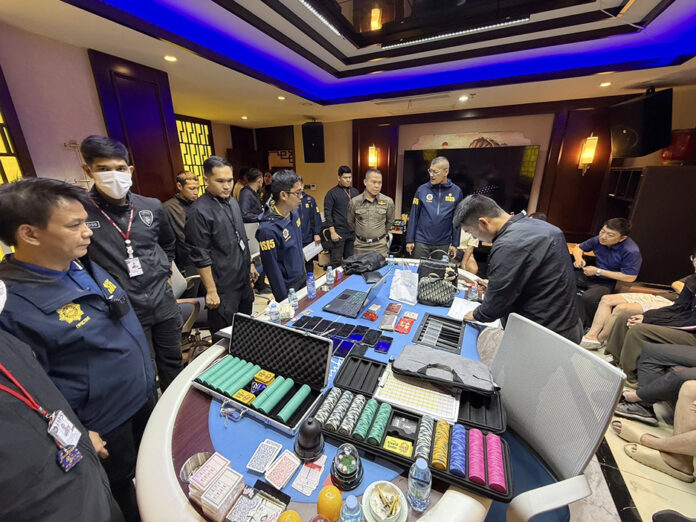
Bangkok Metropolitan Police conduct a raid on a high-end Chinese restaurant in the Yan Nawa district and arrest twelve foreign nationals caught participating in an unauthorized poker game on Feb. 13, 2025.

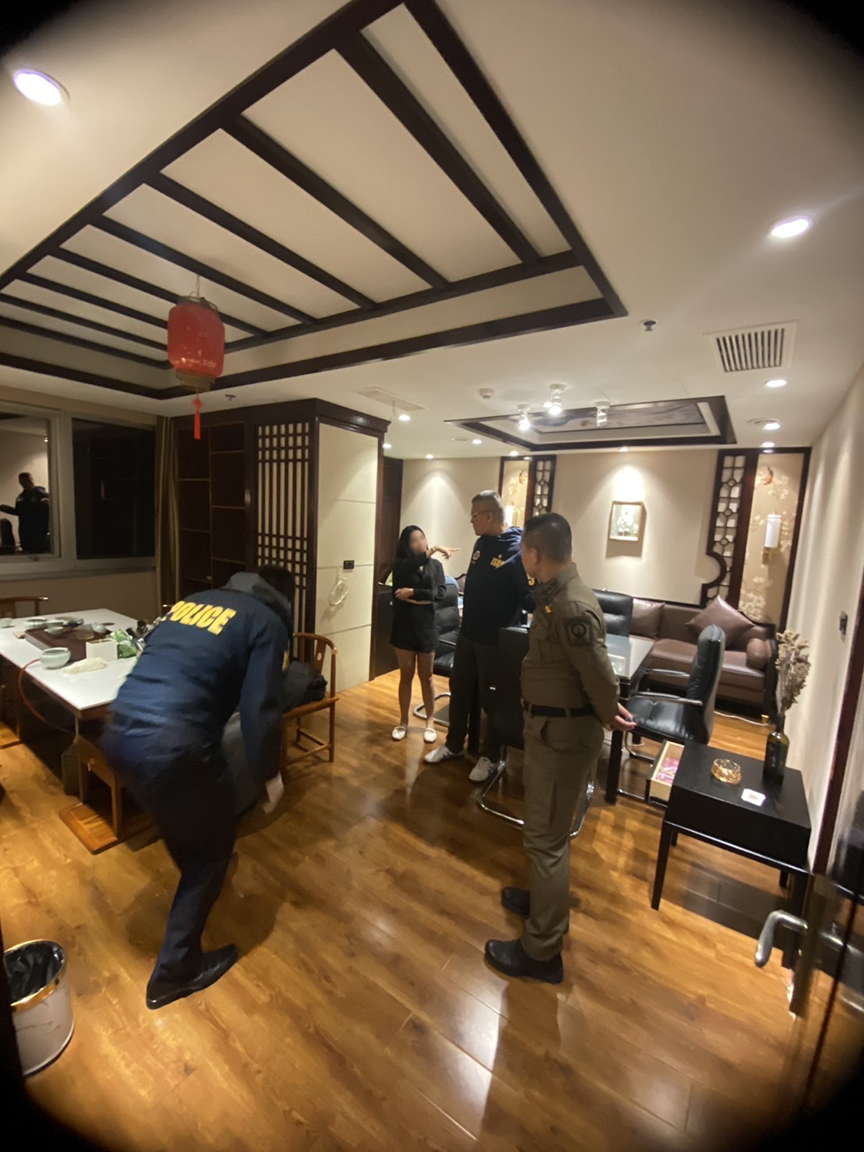
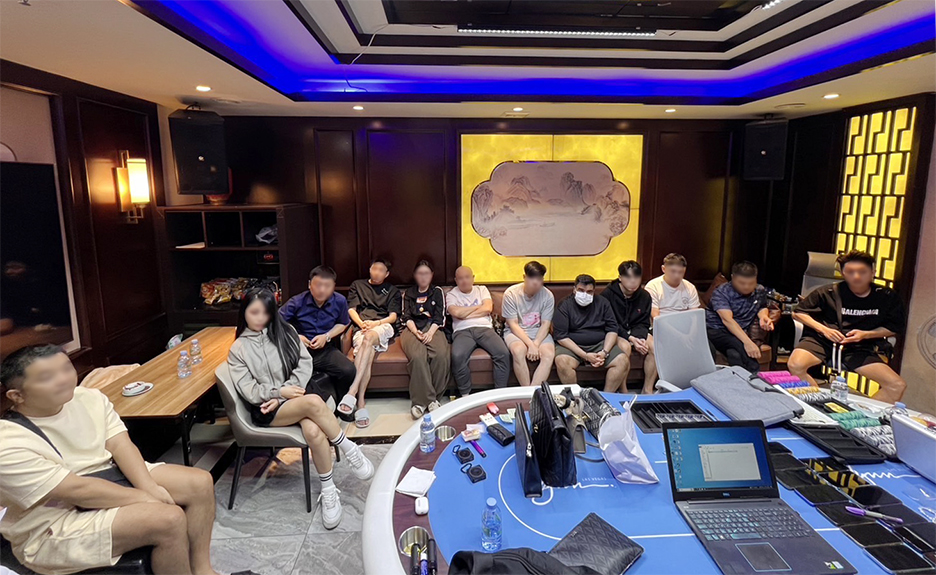
BANGKOK — Metropolitan Police conducted a raid on a high-end Chinese restaurant after receiving intelligence about illegal gambling operations in the Yan Nawa district. The operation led to the arrest of twelve foreign nationals caught participating in an unauthorized poker game and one Thai woman organizing and facilitating illegal gambling activities.

On February 13, at approximately 10:30 p.m., Police Lieutenant General Siam Boonsom led a task force to investigate the Bitcoin Club Chinese restaurant, located on the third floor of Galaxy Place building on Nonsi Road in Chan Nontri, Yan Nawa, Bangkok. The raid uncovered an active poker game in progress, with a Thai national, Ms. Chatchaya, age 31, allegedly facilitating the illegal operation.

chinese poker3
The Metropolitan Police raid uncovered an active poker game in progress, with a Thai national, Ms. Chatchaya (center), allegedly facilitating the illegal operation.

The suspects included nine Chinese nationals, two Singaporeans, and one Indian citizen, aged between 28 and 46 years. Ms. Chatchaya faces charges of organizing and facilitating illegal gambling activities, while the foreign nationals have been charged with participating in unauthorized gambling.

Police seized substantial evidence including 319,400 Thai Baht, 5,308 Singapore Dollars, 7,035 Chinese Yuan, 12,074 Hong Kong Dollars, 100 Euros, 70 Macau Patacas, two sets of poker chips with cases, four decks of playing cards, and one poker table.

All seized items have been transferred to Bang Phongphang Police Station as evidence. The suspects have reportedly admitted to participating in gambling for monetary gains. The case is now under further investigation by local authorities.

chinese poker2
Bangkok Metropolitan Police conduct a raid on a high-end Chinese restaurant in the Yan Nawa district and arrest twelve foreign nationals caught participating in an unauthorized poker game on Feb. 13, 2025.

_________

Advertisement

Hot News

LATEST NEWS

Bangkok
overcast clouds
30 ° C
31.6 °
30 °
75 %
4.7kmh
100 %
Sun
31 °
Mon
33 °
Tue
33 °
Wed
31 °
Thu
29 °