

































35.5 C
Bangkok
Monday, June 22, 2026
Home Blog Page 43

Philippine senator wanted by the International Criminal Court flees from Senate

Senate security run after gunfire was heard along a hallway at the Philippine Senate in Pasay, Philippines, Wednesday, May 13, 2026. (AP Photo/Aaron Favila)

MANILA, Philippines (AP) — A Philippine senator wanted by the International Criminal Court for an alleged crime against humanity has fled from the Senate, where he sought refuge to evade arrest, officials said Thursday.

Sen. Ronald dela Rosa ’s exit from the heavily guarded Senate came after volleys of gunshots were fired Wednesday night by the building’s security personnel during an argument with government agents positioned in an adjacent building, sparking chaos that apparently helped the senator to slip out.

President Ferdinand Marcos Jr. made a late-night TV statement to ask the public to remain calm. A police investigation was underway, including into suspicions that the incident was instigated to provide dela Rosa a cover to escape.

“There is no obstruction of justice,” Senate President Alan Cayetano said of dela Rosa’s escape while in the Senate’s protective custody.

He told a news briefing that he did not see any ICC warrant of arrest against dela Rosa and the senator was free to leave the premises.

Critics, however, said Cayetano and the Senate’s security chief should be held responsible for dela Rosa’s escape.

Dela Rosa, 64, served as the former national police chief of Rodrigo Duterte, who was president from 2016 to 2022. Duterte was arrested in March last year on a ICC warrant for alleged crimes against humanity in connection with deadly anti-drugs crackdowns he launched and for which he is now facing a trial in The Hague.

A warrant unsealed Monday by the ICC charges dela Rosa with the crime against humanity of murder of “no less than 32 persons” between July 2016 and the end of April 2018, when he led the national police force under Duterte and enforced his bloody crackdowns.

Dela Rosa has questioned the ICC warrant’s legality and asked the Supreme Court to immediately stop the Philippine government from enforcing it. The court asked dela Rosa and government officials Wednesday to provide more details in 72 hours.
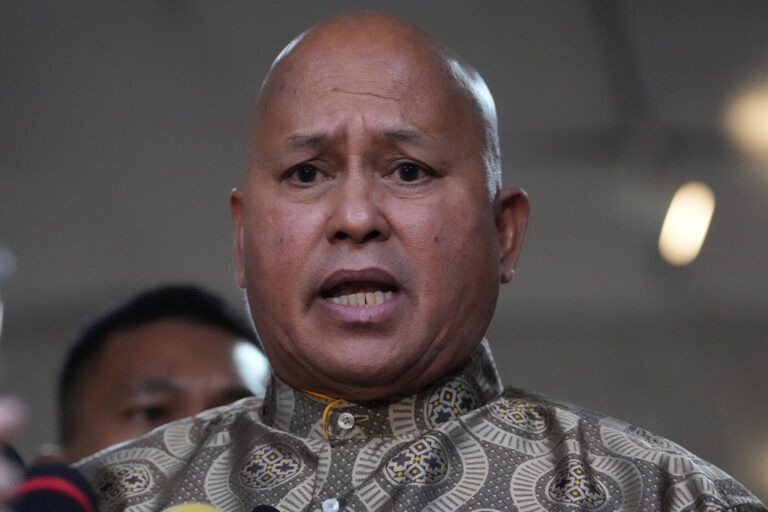
AP26133209633379
Philippine Senator Ronald dela Rosa speaks to reporters at the Philippine Senate in Pasay, Philippines on Wednesday, May 13, 2026. (AP Photo/Aaron Favila)

Dela Rosa and Duterte have separately denied authorizing extrajudicial killings although the former president has openly threatened drug suspects with death while he was in office.

Dela Rosa’s legal predicament came as political disputes escalated between the Duterte family and Marcos. Vice President Sara Duterte, the former president’s daughter, has blamed Marcos for what she said was the “kidnapping” of her father and handover to a foreign court.

The disputes reflect the deep divisions that have long plagued the rambunctious Asian democracy.

On Monday, Sara Duterte was impeached by the House of Representatives, which is dominated by Marcos’ allies, over alleged unexplained wealth, misuse of state funds and a public threat to have Marcos, his wife and the House speaker assassinated if she herself was killed in their intensifying conflict.

She has denied any wrongdoing but has refused to answer specific allegations in detail.

The Senate will convene into an impeachment court on Monday at the earliest to prepare for the trial of the vice president, Cayetano said.

Cayetano, a key ally of Rodrigo Duterte, wrested the presidency of the Senate Monday after he got the support of 13 of 24 senators. He gained the majority after dela Rosa, who has been absent for months due to fears of his possible arrest, suddenly showed up in the Senate Monday, arriving in Cayetano’s car.

National Bureau of Investigation agents tried to serve the ICC arrest warrant, but dela Rosa darted toward a narrow stairway into the Senate plenary hall and sought the help of allied senators, who took him into protective custody.
Advertisement

Thailand unveils largest dinosaur species ever found here

Thailand unveils largest dinosaur species ever found here

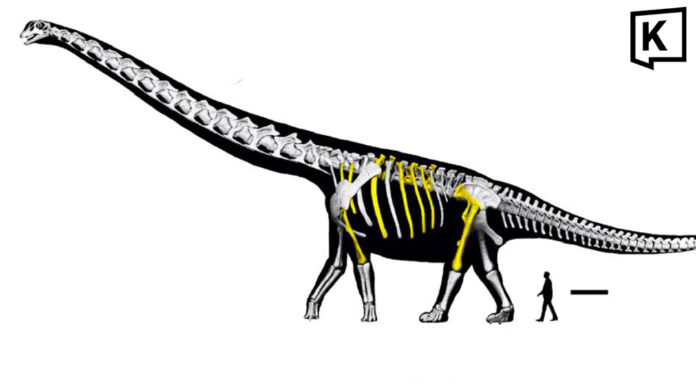
CHAIYAPHUM — 15 May 2026, Thai and British palaeontologists have identified a new species of long-necked dinosaur believed to be the largest ever discovered in Thailand and Southeast Asia, researchers said.

The dinosaur, named Nakha Titan Chaiyaphumensis, was identified from fossil remains unearthed in Chaiyaphum province in northeastern Thailand.

news132856 rkOuCRf6ig1778829274
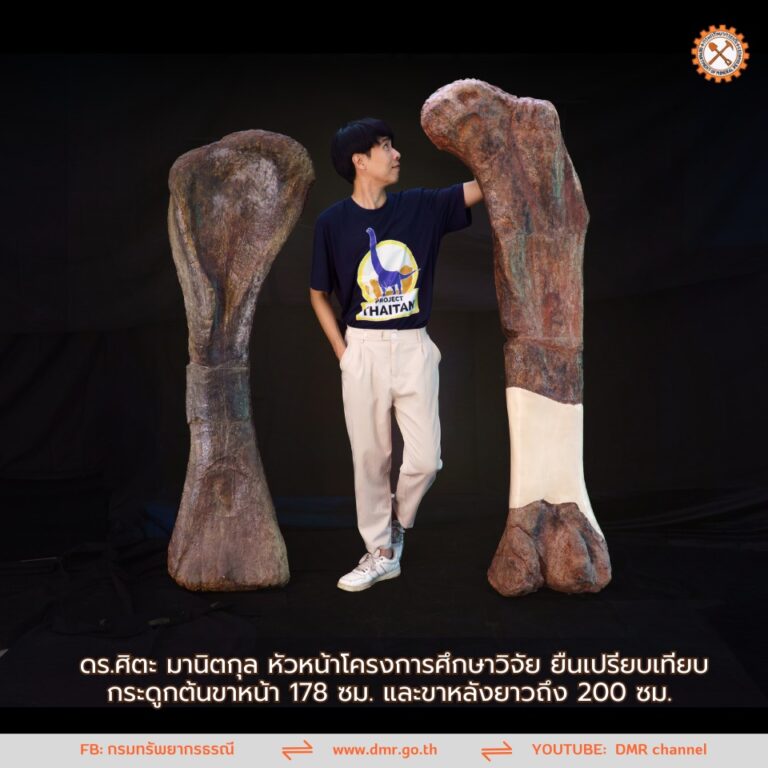
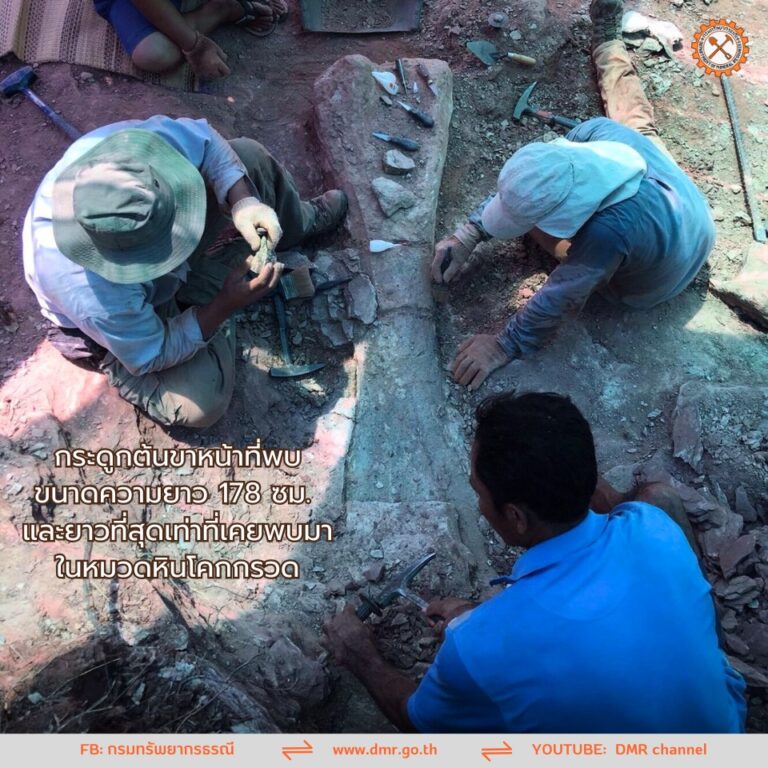
The right upper arm bone measuring 178 centimetres in length.

Researchers estimated the plant-eating sauropod measured about 27 to 30 metres in length and weighed more than 26 tonnes.

The discovery was announced by Sita Manitkul, a researcher at the Palaeontological Research and Education Centre of Mahasarakham University, who led the study of the new species.

news132856 KXaJOlyEMi1778829275
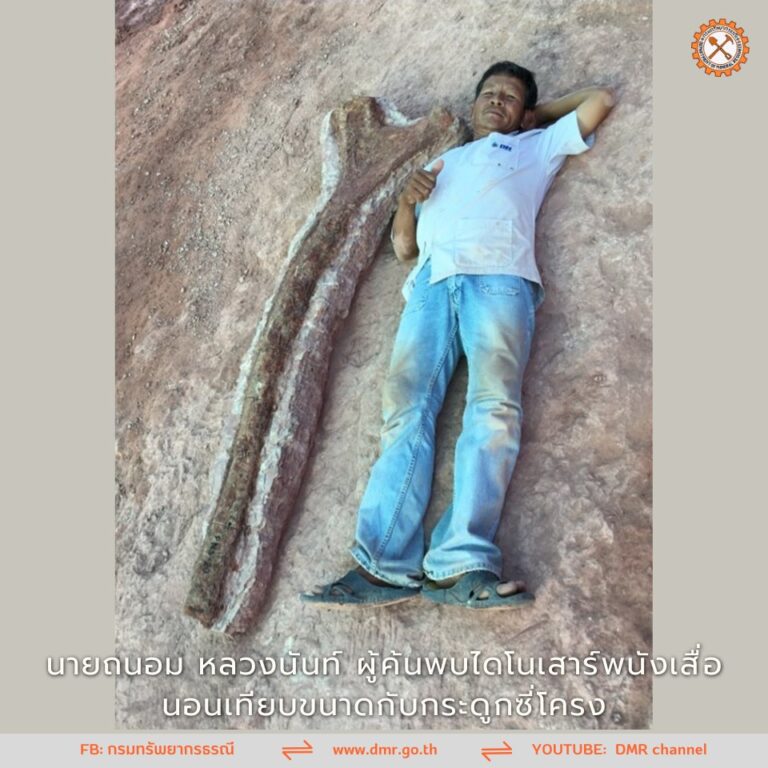
The rib bone, with Mr. Thanom, the first founder of the fossil.

Scientists examined more than 20 fossil fragments, including a right upper arm bone measuring 178 centimetres in length, as well as ribs and hind leg bones exceeding 2 metres.

Researchers said the dinosaur belonged to the Titanosauriformes group, a branch of giant sauropods that lived during the Early Cretaceous period around 100 million to 115 million years ago.

news132856 b3N7s8kstY1778829275
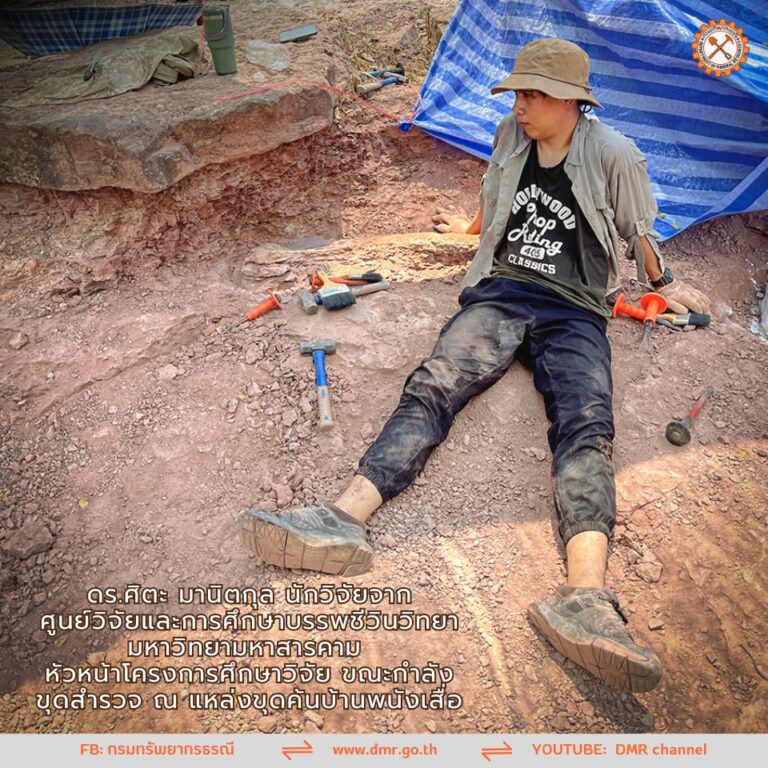
Dr. Sita Manitkul, a researcher at the Palaeontological Research and Education Centre of Mahasarakham University.

The name “Nakha Titan” combines “Nakha,” referring to the mythical serpent of Thai folklore, and “Titan,” the giant figures of Greek mythology. The species name “Chaiyaphumensis” honours Chaiyaphum province, where the fossils were discovered.

The fossils were first noticed in 2016 by a local resident in Ban Phanang Suea village before the discovery was reported to Thailand’s Department of Mineral Resources.

news132856 m1D0qZOmp91778829275
Dr. Sita Manitkul with two leg bones.

Subsequent excavations by government geologists and palaeontologists uncovered more than 20 fossil pieces, including vertebrae, pelvic bones and the unusually large humerus.

Some of the fossils are now preserved at the Sirindhorn Dinosaur Museum in Kalasin province, while the excavation site has been developed into a local dinosaur learning centre.

news132856 DQE8chmzmj1778829274
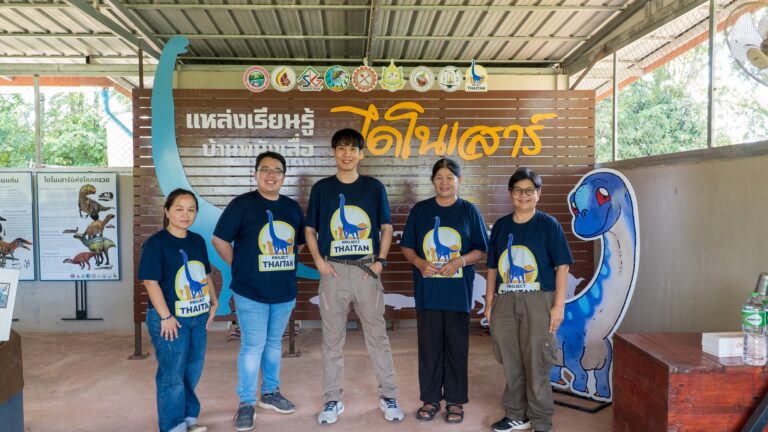
The study team of the new species.

The research project later received support from the National Geographic Society under a programme focused on studying Thailand’s largest dinosaur discoveries and promoting education in Chaiyaphum Geopark communities.

Researchers said the discovery provides important evidence about prehistoric ecosystems, biodiversity and the evolution of giant land animals on Earth before the emergence of humans.

Advertisement

CPF posts THB 4.875 billion Q1 profit amid global economic challenges

CPF reported a net profit of THB 4.875 billion in the first quarter of 2026, up 349% from Q4 2025, as the meat oversupply situation began to ease. Overseas operations accounted for 65% of total sales.

Charoen Pokphand Foods Public Company Limited (CPF) reported Q1 2026 sales revenue of THB 136.697 billion, down approximately 5% year-on-year, mainly due to the impact of foreign exchange translation from overseas operations into Thai baht. Operations across 13 countries generated about 65% of total sales, with Vietnam ranking as the second-largest revenue contributor after Thailand, accounting for 18% of total revenue.

Mr. Prasit Boondoungprasert, Chief Executive Officer of CPF, said the company’s first-quarter performance showed clear signs of recovery from the meat oversupply situation seen at the end of last year. The improvement reflected effective business management and continuous efficiency enhancement measures. However, operations in China remained affected by significant pork oversupply, causing performance to fall short of target.

CPF continues to operate amid external challenges, including rising energy prices driven by conflicts in the Middle East, which have pushed up transportation, packaging, and animal feed raw material costs. At the same time, the sluggish global economy, weaker consumer purchasing power, and more cautious spending behavior have added further pressure, with the potential to trigger deflationary conditions in several markets.

To mitigate volatility and sustain profitability, CPF is strengthening its integrated supply chain management while accelerating the development of ready-to-eat food products to meet rising consumer demand for convenience. The company has expanded this segment in several countries and sees strong growth opportunities in Vietnam.

Compared with the same period last year, CPF’s net profit declined by around 43%, mainly due to pork oversupply in several countries and weaker consumer demand. However, market balance has continued to improve and is expected to become clearer in the second half of 2026.

Advertisement

Khon Kaen probes tissue found inside fish dumpling

Khon Kaen probes tissue found inside fish dumpling

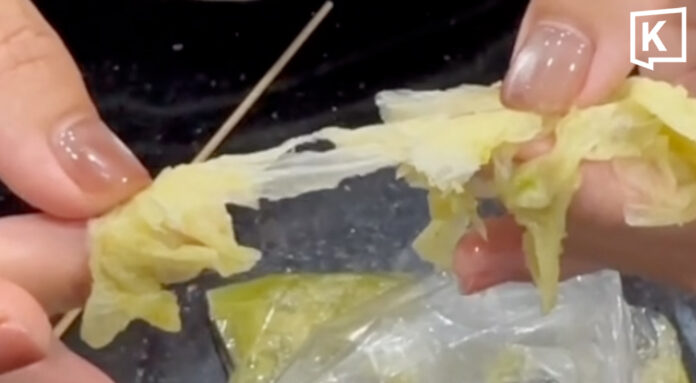
KHON KAEN — 15 May 2026, authorities in northeastern Thailand are investigating a complaint that tissue paper was found inside a fish dumpling purchased at a popular market in Khon Kaen province, officials said.

The investigation began after a 58-year-old woman posted on social media that she discovered tissue paper inside a fish dumpling she had bought at the Bueng Kaen Nakhon market area in Khon Kaen municipality.

The post triggered widespread criticism online and prompted health officials to launch an inquiry.

Nutchaniwan Dondilerd, deputy mayor of Khon Kaen municipality, said officials had contacted market managers and learned that vendors at the market include both permanent traders and temporary daily sellers.

Preliminary findings indicated the fish dumpling stall was not a regular vendor and had reportedly operated near the rear entrance of Wat That temple on 13 May before leaving the area.

Municipal health and environmental officials are attempting to locate the vendor and have asked the customer to submit the dumpling for laboratory examination to determine whether foreign material was present.

Authorities said legal action could follow if the investigation confirms food contamination.

Officials also planned inspections at the Bueng Kaen Nakhon market on the evening of 15 May to reassure residents and tourists about food safety standards and protect the province’s tourism image.

Advertisement

Thailand Lists Hantavirus as Dangerous Disease

Thailand Lists Hantavirus as Dangerous Disease

NONTHABURI — 15 May 2026, The National Communicable Disease Committee (NCDC) of Thailand has approved classifying “hantavirus infection” as a dangerous communicable disease, introducing stricter surveillance, requiring disease investigations for patients meeting the criteria within 12 hours, and a mandatory 42-day quarantine for high-risk contacts, officials said on Friday.

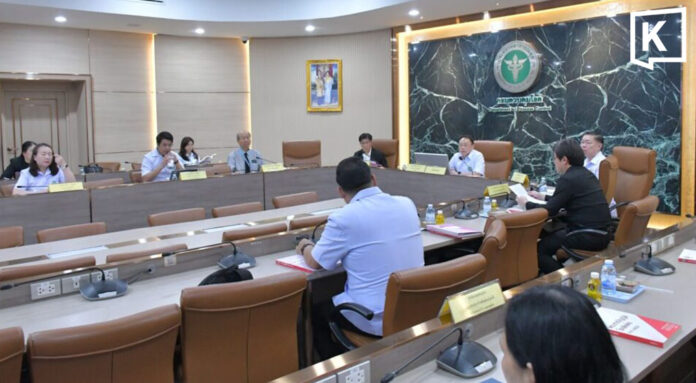
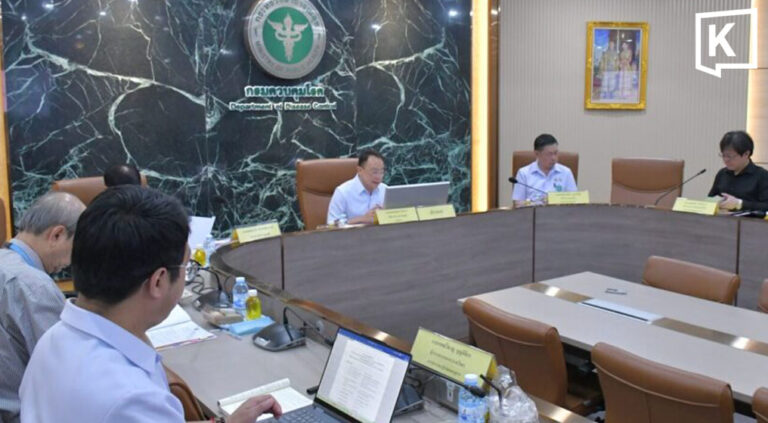
The decision was announced following the NCDC Meeting No. 2/2026 at the Department of Disease Control (DDC) chaired by Permanent Secretary of the Ministry of Public Health, Dr. Somruek Chungsaman, assigned by Public Health Minister, Pattana Promphat. Dr. Somruek said the committee had previously instructed the Department of Disease Control on 8 May to study whether hantavirus infection should be formally designated a dangerous communicable disease following the Communicable Disease Act of 2015.

To ensure that surveillance, prevention, and disease control measures are implemented effectively according to the level of risk and the current situation, a panel of experts later met on 12 May and concluded that the disease should receive the classification because of its high severity, the potential for transmission through respiratory droplets, and evidence that some strains can spread from person to person, including growing international concern surrounding the virus. The designation covers both Hantavirus Pulmonary Syndrome (HPS) and Hemorrhagic Fever with Renal Syndrome (HFRS).

Dr. Somruek further stated that the meeting has resolved to approve the draft announcement from the Ministry of Public Health regarding the names and primary symptoms of dangerous communicable diseases. This draft will officially add hantavirus infection as the 14th disease on Thailand’s high-alert list, granting disease control officers broad powers to enforce isolation.

Regarding disease investigation, the implementation of orders, such as isolation or quarantine, is intended to facilitate rapid and effective surveillance, prevention, and control. Dr. Somruek said the designated names and key symptoms are defined as follows:

“Hantavirus disease causes fever, chills, headache, muscle pain and fatigue, with some patients also experiencing gastrointestinal symptoms such as abdominal pain, nausea, vomiting or diarrhea. Severe cases may involve coughing, breathing difficulties, pneumonia, fluid accumulation in the lungs, shock, low blood pressure, bleeding, acute kidney failure, respiratory failure and death.”

hanta web1 0

He continued that the clinical criteria for Hantavirus infection apply to individuals with a fever exceeding 38°C accompanied by at least one of the following symptoms: chills, muscle pain, headache, abdominal pain, nausea, vomiting, or diarrhea. Additionally, at least one clinical abnormality must be detected, categorized under Hemorrhagic Fever with Renal Syndrome (HFRS), which includes: abnormal bleeding, low blood pressure, or acute renal failure. Alternatively, they may fall under Hantavirus Pulmonary Syndrome (HPS).

Suspected cases must be reported within three hours and disease investigations launched within 12 hours at all levels once a suspected infection is identified. High-risk contacts will be quarantined for 42 days from their last exposure to a suspected or confirmed patient. Anyone developing symptoms during quarantine will be treated as a suspected case and isolated for testing.

Dr. Somruek stated that the measures for surveillance, prevention, and control have been elevated as follows:

  • Strengthening surveillance at international entry points as the DDC will establish formal criteria for Patients Under Investigation (PUI) and deploy rapid-response disease investigation protocols if suspected domestic cases emerge, including a 42-day quarantine for high-risk contacts, starting from their last date of contact with the patient, with officials providing continuous health monitoring.
  • Upgrading laboratory systems by the Department of Medical Sciences to improve testing speed and accuracy.
  • Preparing treatment guidelines and infection prevention measures for hospitals nationwide by the Department of Medical Services.
  • Instructing provincial health offices and hospitals to intensify local surveillance, ensure suspected cases are reported within three hours, review treatment protocols, and communicate risks to local communities immediately

Dr. Somruek urged that, “I want to reassure the public to remain confident in Thailand’s disease surveillance system and advise anyone with a history of rodent exposure or travel to high-risk areas who develops high fever or breathing difficulties to seek medical attention immediately and disclose their travel history to doctors. It is crucial to do this as it can ensure a rapid diagnosis and prevent the further spread of the disease.”

Advertisement

Bangkok governor set to resign ahead of re-election run

Bangkok governor set to resign ahead of re-election run

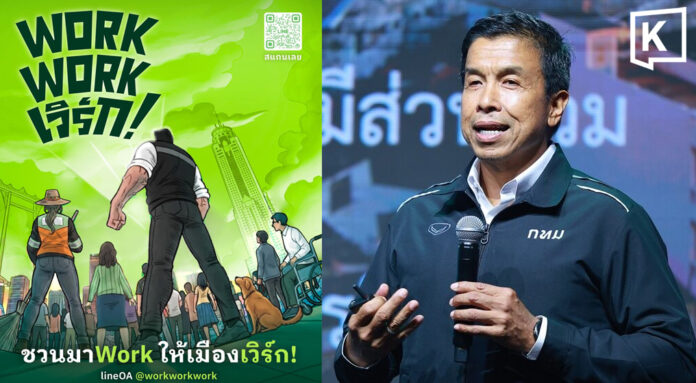
BANGKOK — 15 May 2026, Bangkok Governor Chadchart Sittipunt is expected to submit his resignation ahead of launching a bid for a second term, local media reported.

The resignation letter is expected to be filed with Thailand’s Interior Ministry before Chadchart formally re-enters the Bangkok gubernatorial race.

Officials at Bangkok Metropolitan Administration headquarters said Chadchart was absent from a scheduled briefing on revisions to the city’s comprehensive urban development plan, with Deputy Governor Wisanu Subsompon appearing in his place.

When asked whether the governor’s absence was linked to plans to resign before the end of his term, Wisanu said Chadchart had multiple engagements.

Wisanu declined to confirm whether he would remain part of Chadchart’s administration if the governor wins another term, saying Chadchart had yet to formally announce his candidacy.

According to reports, Chadchart plans to travel to the United States after resigning to visit his son and attend celebrations marking his graduation.

683733019 1612581494203853 3847844397342106691 n
One of Chadchart’s campaign, with the slogan “Invite you to work, to make the city work”.

He is expected to officially register his candidacy and unveil his deputy governors and campaign team on 28 May 2026.

Officials said Chadchart’s resignation would automatically dissolve the Bangkok Metropolitan Administration’s political executive team, including deputy governors, advisers and secretaries.

During the transition period until a new governor is elected, the Bangkok permanent secretary, as the city’s highest-ranking civil servant, will oversee the administration.

City officials are also expected to finalise Bangkok’s 2027 fiscal budget proposal worth 93 billion baht before the new governor takes office and submits it to the Bangkok Metropolitan Council for approval.

Advertisement

MIXUE turns to Win Metawin as it expands Thai youth appeal

BANGKOK — 15 May 2026, Chinese bubble tea and ice cream chain MIXUE is expanding its presence in Thailand by combining celebrity-driven marketing with community outreach efforts, including a recent event featuring Thai actor Win Metawin Opas-iamkajorn.

As competition in Thailand’s beverage and lifestyle market intensifies, international consumer brands are increasingly seeking ways to build stronger local connections beyond rapid branch expansion and online visibility. Industry observers say younger Thai consumers are paying closer attention to whether brands engage meaningfully with local culture and communities, rather than relying solely on aggressive marketing campaigns.

MIXUE, which entered Thailand in 2022, has steadily expanded across major cities including Bangkok, Chiang Mai, and Phuket. Alongside its commercial growth, the company has also participated in several local social initiatives over the past year.

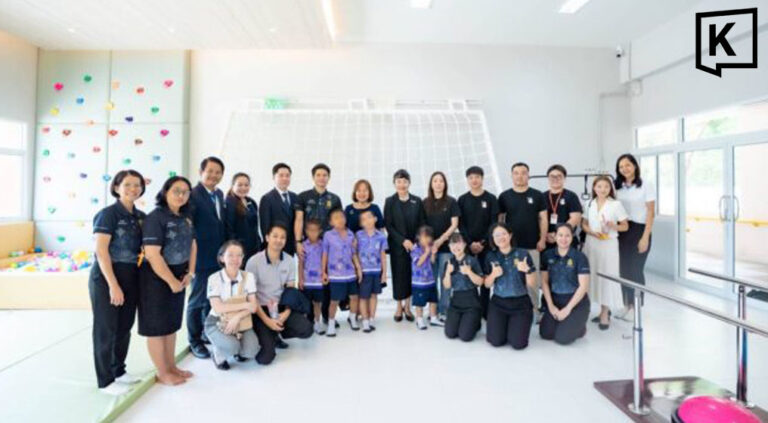
During severe flooding in southern Thailand last year, MIXUE Thailand donated 1 million baht to support relief efforts in affected communities. Earlier this year, company representatives also visited the Nakhon Nayok Special Education Centre, which operates under Thailand’s Ministry of Education, where drinks and gifts were distributed to students and teachers.

More recently, the company organized a “One-Day Store Manager” event at its Siam Square branch in Bangkok on 9 May, featuring actor Win Metawin. Large crowds gathered at the event, reflecting both the actor’s popularity and the growing role celebrity engagement plays in Thailand’s youth-focused consumer market.

Rather than functioning purely as a product promotion, the event centred on customer interaction and social media engagement. Win took part in drink preparation, interacted with customers, and joined staff in routine store activities throughout the day.

This type of campaign has become increasingly common as brands compete for visibility among younger consumers who value experience-driven engagement and online shareability.

Thailand’s youth market has become particularly important for international brands seeking long-term growth, especially as younger consumers increasingly expect companies to demonstrate awareness of local culture and social issues alongside commercial expansion.

MIXUE’s partnership with Win Metawin reflects a broader strategy of embedding itself more deeply within Thai youth culture, including through university-oriented promotions, online campaigns, and entertainment partnerships.

While many foreign brands previously emphasized their international image when entering Thailand, but consumer expectations are shifting toward brands that appear more locally engaged and culturally aware.

The company has indicated it plans to continue investing in local marketing partnerships, youth-oriented campaigns, and social initiatives as it expands further in Thailand.

In an increasingly competitive consumer landscape, long-term success may depend not only on pricing and expansion, but also on whether brands can sustain meaningful engagement with local communities and consumers over time.

win web2

Advertisement

Cambodia releases Thai man detained near border

SURIN — Cambodian authorities have released a Thai man known as “Uncle Yot” and returned him to Thailand following coordination between Thai and Cambodian regional border committees, officials said on Friday.

According to reports, Maj. Gen. Nid Narong, deputy chief of staff of Cambodia’s Border Protection Force 4 and head of the Cambodian Regional Border Committee (RBC), contacted Thailand’s 2nd Army Region on Thursday regarding the repatriation of Yot Sainoi, or “Uncle Yot.”

The handover took place at Chong Sa-ngam border checkpoint in Phu Sing district of Sisaket province at around 11:00 on 15 May. Maj. Gen. Kampanat Waphansu, chief of staff of the 2nd Army Region and head of the Thai RBC delegation, received the 58-year-old Thai national from Cambodian officials.

Officials said Yot appeared to be in good health and showed no signs of injury.

The 2nd Army Region said the return was achieved through close coordination between Thailand’s 2nd Army Region and Cambodia’s Border Protection Force 4 under the RBC mechanism, which both sides described as a positive sign of continued bilateral cooperation aimed at easing tensions along the Thai-Cambodian border.

Yot, a resident of Prasat district in Surin province, had earlier been reported missing by his family after entering a forest area near the Thai-Cambodian border in Kab Choeng district on 25 April. Thai authorities later found his motorcycle abandoned near the forest edge and launched a joint search and coordination effort with security agencies.

Following talks with Cambodian officials, Thai authorities were informed that Yot had illegally crossed into Cambodia and was arrested by Cambodian forces. He was prosecuted in Oddar Meanchey province on charges of illegal entry and trespassing in a military area before being detained in a provincial prison prior to his release.

Advertisement

Building a Healthier Future Together: Why Taiwan and Thailand Are Essential Partners for Global Health

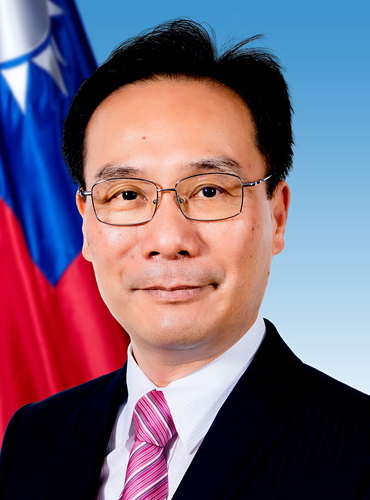
This article is authored by Peter Lan, Representative of the Taipei Economic and Cultural Office in Thailand.

As the 79th World Health Assembly (WHA) approaches, the global community once again gathers to address the most pressing health challenges of our time. From the rising tide of noncommunicable diseases to the complexities of aging societies, the need for inclusive, science-based cooperation has never been more urgent. In this endeavor, Thailand stands as a beacon of leadership in Southeast Asia, and Taiwan stands ready to contribute as a vital, professional partner.

Thailand’s Leadership: A Model for the Region

Thailand has long been recognized as a regional leader in public health, particularly through its Universal Health Coverage (UHC) system. In 2026, Thailand continues to champion science-based actions and health equity, emphasizing that health is a fundamental right. By hosting significant international health forums and actively participating in World Health Organization (WHO) initiatives, Thailand has demonstrated how strategic investment in primary healthcare can transform a nation’s well-being.

Mr.Peter Lan
Peter Lan, Representative of the Taipei Economic and Cultural Office in Thailand.

Taiwan and Thailand: Shared Visions and Synergistic Strengths

Taiwan and Thailand share a remarkably similar outlook on the future of healthcare. Both sides are navigating the transition into “super-aged” societies, smart healthcare and are pivoting toward high-tech, people-centered solutions.

Taiwan’s “Healthy Taiwan” initiative, launched by President Lai Ching-te, focuses on extending healthy life expectancy and integrating physical and mental well-being. This aligns perfectly with Thailand’s focus on holistic health. Our cooperation can yield transformative results in several key areas:

  • Digital Healthcare and AI: Taiwan has pioneered AI in chronic disease management, such as AI-based diabetes risk prediction models developed with partners like Google. These tools, linked with our National Health Insurance (NHI) system, allow for precise, personalized care.
  • Infectious Disease Surveillance: Taiwan’s highly digitalized surveillance system successfully flagged the initial COVID-19 outbreak in late 2019. Our geographic proximity to regional hubs allows us to detect outbreaks early, providing a stronger early warning system for Southeast Asia.
  • Smart Long-Term Care: As populations age, Taiwan is deploying smart assistive technologies to reduce the burden on personnel. Sharing these innovations can help both sides maintain high-quality care amidst demographic shifts.

The Cost of Taiwan’s Exclusion

Despite our proven track record—including achieving WHO hepatitis C elimination targets five years ahead of schedule in 2025—Taiwan’s participation in the WHO remains limited. Between 2012 and 2025, Taiwan was invited to an average of only seven technical meetings per year.

This “blind spot” in the global health network is a risk for the entire world. When Taiwan is blocked from the WHO Pathogen Access and Benefit-Sharing (PABS) System or the Global Pandemic Supply Chain and Logistics Network, the international community loses access to real-time data and a world-class manufacturing hub for medical supplies.

Time to “Chip in with Taiwan”

Taiwan is a trusted partner of the global health community. We have consistently shared technologies and supplies, such as licensing COVID-19 vaccine technology to the WHO. We do not seek to disrupt; we seek to fulfill our responsibilities as a responsible member of the international community.

We call on all nations, including our friends in Thailand, to support Taiwan’s participation in the WHA as an observer. Health knows no borders. To build a more resilient and secure world, it is time to “Chip in with Taiwan”.

Advertisement

Thai officials seize 43 cattle near Cambodia border

Thai officials seize 43 cattle near Cambodia border

SA KAEO — 15 May 2026, Thai livestock and security officials seized 43 cattle allegedly being smuggled toward the Cambodian border during a patrol operation in eastern Thailand, authorities said.

The operation was led by Sa Kaeo Animal Quarantine Station chief Suphot Sangka and involved livestock officials, border security forces and Border Patrol Police officers.

Authorities said officers encountered a group of men herding two mixed-sex beef cattle herds near Ban Saeng village in Ta Phraya district close to the Thai-Cambodian border.

When officers moved in to inspect the animals, the men fled into nearby forested areas and escaped arrest, officials said.

A subsequent search uncovered two groups of cattle nearby, one containing 13 animals and the other 30, for a total of 43 cattle.

Officials said the animals were seized and transferred to the Sa Kaeo Animal Quarantine Station in Ta Phraya district because their origin could not be verified and authorities feared the potential spread of livestock diseases.

Samples were collected for laboratory testing, and police records were filed at Thap Thai police station.

Authorities said that if no infectious diseases are detected and no owner comes forward to claim the cattle, the animals will be auctioned in accordance with government regulations.

Advertisement

Hot News

LATEST NEWS

Bangkok
overcast clouds
35.5 ° C
36.6 °
33.3 °
52 %
3.1kmh
97 %
Mon
36 °
Tue
37 °
Wed
37 °
Thu
36 °
Fri
36 °