33.9 C
Bangkok
Tuesday, June 23, 2026
Home Blog Page 45

Cambodia releases Thai man detained near border

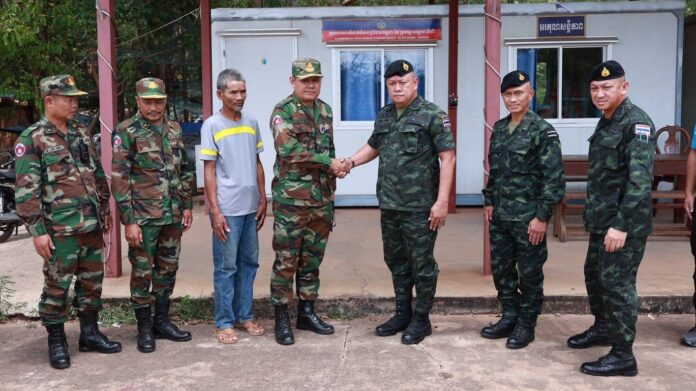
SURIN — Cambodian authorities have released a Thai man known as “Uncle Yot” and returned him to Thailand following coordination between Thai and Cambodian regional border committees, officials said on Friday.

According to reports, Maj. Gen. Nid Narong, deputy chief of staff of Cambodia’s Border Protection Force 4 and head of the Cambodian Regional Border Committee (RBC), contacted Thailand’s 2nd Army Region on Thursday regarding the repatriation of Yot Sainoi, or “Uncle Yot.”

The handover took place at Chong Sa-ngam border checkpoint in Phu Sing district of Sisaket province at around 11:00 on 15 May. Maj. Gen. Kampanat Waphansu, chief of staff of the 2nd Army Region and head of the Thai RBC delegation, received the 58-year-old Thai national from Cambodian officials.

Officials said Yot appeared to be in good health and showed no signs of injury.

The 2nd Army Region said the return was achieved through close coordination between Thailand’s 2nd Army Region and Cambodia’s Border Protection Force 4 under the RBC mechanism, which both sides described as a positive sign of continued bilateral cooperation aimed at easing tensions along the Thai-Cambodian border.

Yot, a resident of Prasat district in Surin province, had earlier been reported missing by his family after entering a forest area near the Thai-Cambodian border in Kab Choeng district on 25 April. Thai authorities later found his motorcycle abandoned near the forest edge and launched a joint search and coordination effort with security agencies.

Following talks with Cambodian officials, Thai authorities were informed that Yot had illegally crossed into Cambodia and was arrested by Cambodian forces. He was prosecuted in Oddar Meanchey province on charges of illegal entry and trespassing in a military area before being detained in a provincial prison prior to his release.

Advertisement

Building a Healthier Future Together: Why Taiwan and Thailand Are Essential Partners for Global Health

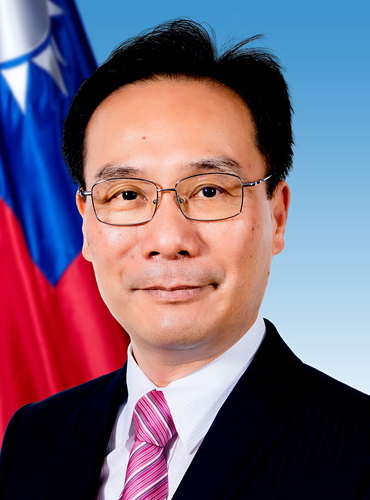
This article is authored by Peter Lan, Representative of the Taipei Economic and Cultural Office in Thailand.

As the 79th World Health Assembly (WHA) approaches, the global community once again gathers to address the most pressing health challenges of our time. From the rising tide of noncommunicable diseases to the complexities of aging societies, the need for inclusive, science-based cooperation has never been more urgent. In this endeavor, Thailand stands as a beacon of leadership in Southeast Asia, and Taiwan stands ready to contribute as a vital, professional partner.

Thailand’s Leadership: A Model for the Region

Thailand has long been recognized as a regional leader in public health, particularly through its Universal Health Coverage (UHC) system. In 2026, Thailand continues to champion science-based actions and health equity, emphasizing that health is a fundamental right. By hosting significant international health forums and actively participating in World Health Organization (WHO) initiatives, Thailand has demonstrated how strategic investment in primary healthcare can transform a nation’s well-being.

Mr.Peter Lan
Peter Lan, Representative of the Taipei Economic and Cultural Office in Thailand.

Taiwan and Thailand: Shared Visions and Synergistic Strengths

Taiwan and Thailand share a remarkably similar outlook on the future of healthcare. Both sides are navigating the transition into “super-aged” societies, smart healthcare and are pivoting toward high-tech, people-centered solutions.

Taiwan’s “Healthy Taiwan” initiative, launched by President Lai Ching-te, focuses on extending healthy life expectancy and integrating physical and mental well-being. This aligns perfectly with Thailand’s focus on holistic health. Our cooperation can yield transformative results in several key areas:

  • Digital Healthcare and AI: Taiwan has pioneered AI in chronic disease management, such as AI-based diabetes risk prediction models developed with partners like Google. These tools, linked with our National Health Insurance (NHI) system, allow for precise, personalized care.
  • Infectious Disease Surveillance: Taiwan’s highly digitalized surveillance system successfully flagged the initial COVID-19 outbreak in late 2019. Our geographic proximity to regional hubs allows us to detect outbreaks early, providing a stronger early warning system for Southeast Asia.
  • Smart Long-Term Care: As populations age, Taiwan is deploying smart assistive technologies to reduce the burden on personnel. Sharing these innovations can help both sides maintain high-quality care amidst demographic shifts.

The Cost of Taiwan’s Exclusion

Despite our proven track record—including achieving WHO hepatitis C elimination targets five years ahead of schedule in 2025—Taiwan’s participation in the WHO remains limited. Between 2012 and 2025, Taiwan was invited to an average of only seven technical meetings per year.

This “blind spot” in the global health network is a risk for the entire world. When Taiwan is blocked from the WHO Pathogen Access and Benefit-Sharing (PABS) System or the Global Pandemic Supply Chain and Logistics Network, the international community loses access to real-time data and a world-class manufacturing hub for medical supplies.

Time to “Chip in with Taiwan”

Taiwan is a trusted partner of the global health community. We have consistently shared technologies and supplies, such as licensing COVID-19 vaccine technology to the WHO. We do not seek to disrupt; we seek to fulfill our responsibilities as a responsible member of the international community.

We call on all nations, including our friends in Thailand, to support Taiwan’s participation in the WHA as an observer. Health knows no borders. To build a more resilient and secure world, it is time to “Chip in with Taiwan”.

Advertisement

Thai officials seize 43 cattle near Cambodia border

Thai officials seize 43 cattle near Cambodia border

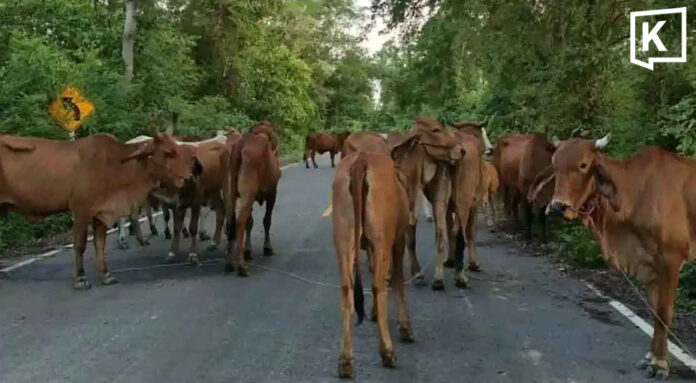
SA KAEO — 15 May 2026, Thai livestock and security officials seized 43 cattle allegedly being smuggled toward the Cambodian border during a patrol operation in eastern Thailand, authorities said.

The operation was led by Sa Kaeo Animal Quarantine Station chief Suphot Sangka and involved livestock officials, border security forces and Border Patrol Police officers.

Authorities said officers encountered a group of men herding two mixed-sex beef cattle herds near Ban Saeng village in Ta Phraya district close to the Thai-Cambodian border.

When officers moved in to inspect the animals, the men fled into nearby forested areas and escaped arrest, officials said.

A subsequent search uncovered two groups of cattle nearby, one containing 13 animals and the other 30, for a total of 43 cattle.

Officials said the animals were seized and transferred to the Sa Kaeo Animal Quarantine Station in Ta Phraya district because their origin could not be verified and authorities feared the potential spread of livestock diseases.

Samples were collected for laboratory testing, and police records were filed at Thap Thai police station.

Authorities said that if no infectious diseases are detected and no owner comes forward to claim the cattle, the animals will be auctioned in accordance with government regulations.

Advertisement

Thai police arrest Nigerian man for nearly 3-year overstay

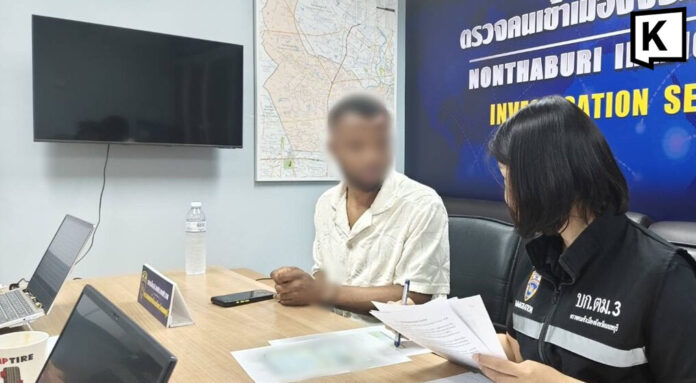
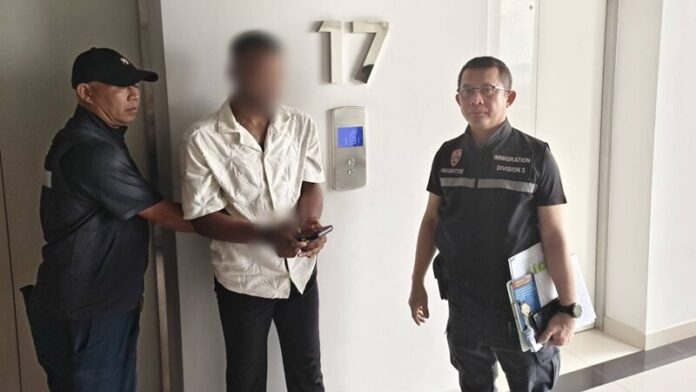
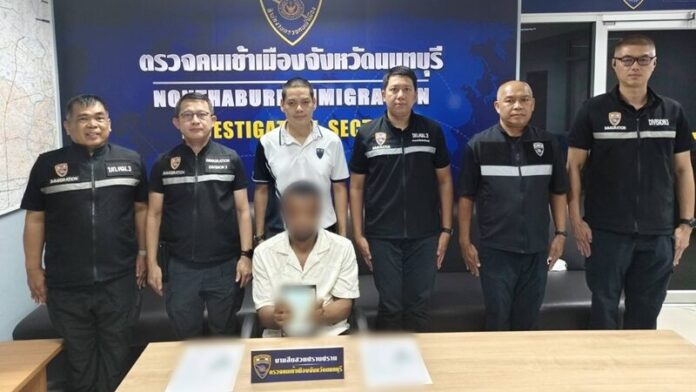
NONTHABURI — 14 May 2026, Thai immigration police have arrested a Nigerian man accused of overstaying his visa for nearly three years after he allegedly remained in the country to live with his Thai girlfriend, authorities said.

The 29-year-old man was detained at a condominium in Nonthaburi province following a tip-off received through the Immigration Bureau’s hotline, police said.

Investigators from Nonthaburi Immigration Police searched the condominium on Bangkok-Nonthaburi Road and found the suspect living on the 17th floor of the building.

ตม2 696x392 1

Authorities said he entered Thailand on 13 April 2023 on a tourist visa during the Songkran holiday festival and repeatedly extended his stay. His most recent visa extension expired on 6 June 2024, after which he remained in the country illegally for 1,069 days, police said.

During questioning, the suspect told officers he travelled to Thailand to attend Songkran celebrations in Bangkok and later began a relationship with a Thai woman.

Police said he attempted to obtain a student visa through an educational institution in Nakhon Ratchasima province, but the application was rejected. He later continued extending his tourist visa before eventually overstaying.

ตม1 696x392 1

The suspect reportedly told investigators he was unemployed and financially supported by his girlfriend.

Immigration officers charged him with remaining in Thailand after his permission to stay had expired, in violation of Thailand’s Immigration Act. He was transferred to Muang Nonthaburi police station for further legal proceedings.

Advertisement

Temple thieves steal Buddha finials and replica footprint

Temple thieves steal Buddha finials and replica footprint

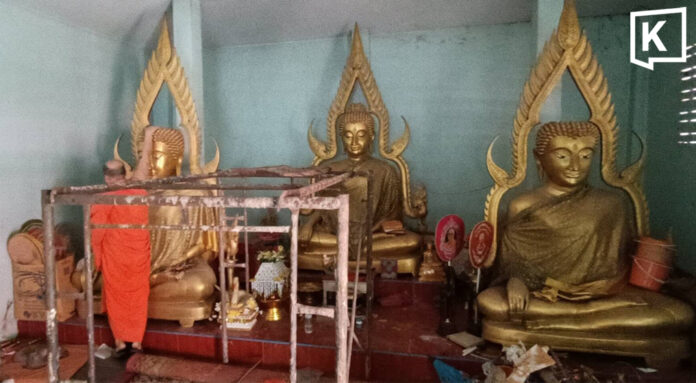
RATCHABURI — 14 May 2026, thieves stole brass religious artefacts and temple property from a Buddhist temple, including brass finials from Buddha statues and a large replica Buddha footprint kept inside a cave used for meditation, monks said.

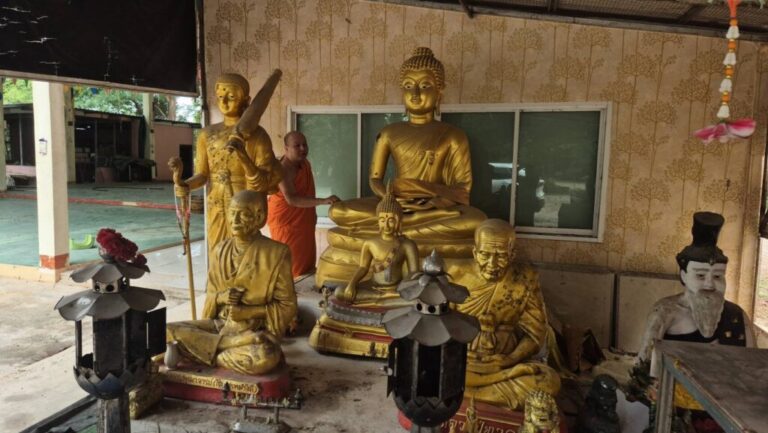
The thefts were reported at Wat Tham Kunchon Rat Rangsan in Pak Tho district, where monks discovered that brass decorations and valuable temple items had gradually disappeared from several buildings across the hilltop temple complex.

Phra Athikan Phanuphong Puriyano, abbot of the temple, said brass finials from more than 10 Buddha statues had been removed or cut away. Older Buddha statues inside the temple had also been damaged, while smaller brass Buddha figures placed at the base of a shrine had disappeared entirely.

The thieves also stole electrical wiring, circuit boards, power sockets, two air-conditioning units, ceiling fan blades and CCTV cameras from the temple grounds, the abbot said.

news132593 XKaunAGArs1778746670 1024x577 0

Among the missing items was a large brass replica Buddha footprint installed more than 10 years ago inside a cave used by Buddhist worshippers for meditation and prayer. Water naturally dripped onto the footprint from stalactites and stalagmites inside the cave, making it one of the temple’s most revered sites.

The abbot said the loss of the footprint was particularly painful because it had been created through donations and religious devotion from local worshippers.

He said he believed the thieves had gradually cut the brass artefacts into smaller pieces for resale because some items were too large to remove intact.

The temple houses only three monks, and the abbot said one section of the grounds had been left under the care of two monks, one of whom had fallen ill before the thefts were discovered.

Police were notified two days earlier and are investigating possible involvement by a temple assistant after pieces of cut brass allegedly linked to the stolen footprint were found in the person’s possession.

The suspect reportedly claimed the abbot had authorised the removal, but the abbot denied this and said he believed the individual may also have been connected to the disappearance of other temple property.

The abbot said the temple would continue restoration efforts while authorities pursued legal action.

news132593 sll7KY1RJh1778746670 1024x577 1 0

Advertisement

Russia Strikes Ukraine for Third Day, 9 Dead

Russia Strikes Ukraine for Third Day, 9 Dead

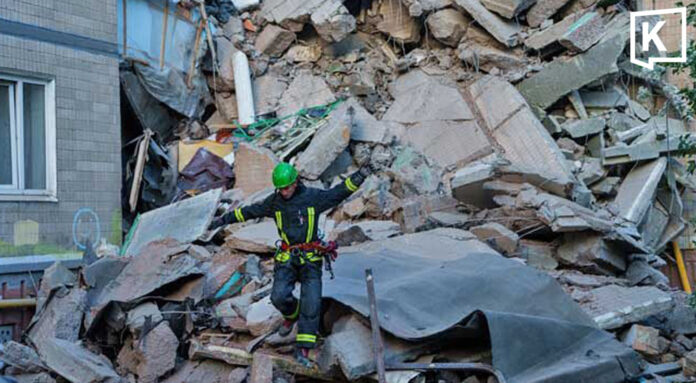
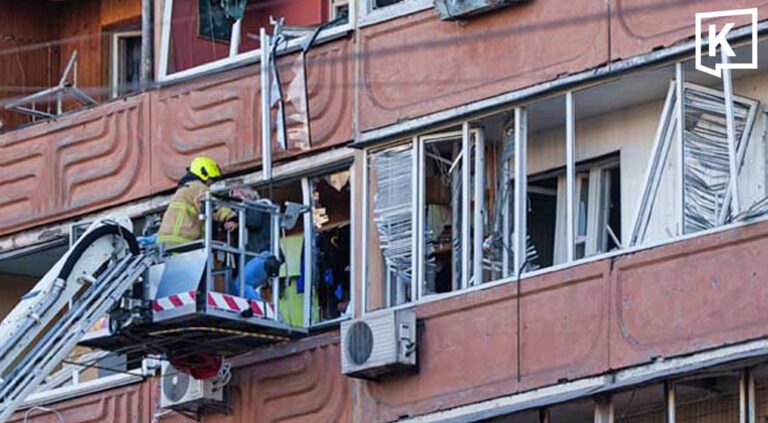
KYIV — 15 May 2026, BBC reported that Russian forces launched waves of missiles and drones at Kyiv and several other Ukrainian regions for a third consecutive day on Thursday, 14 May, local time, killing at least nine people, including a 12-year-old girl, according to Ukrainian officials.

Ukraine’s emergency services revealed that rescuers recovered bodies from the rubble of a partially destroyed apartment building in Kyiv and were searching for more than 20 missing people. Kyiv Mayor, Vitalii Klitschko, said dozens of people were injured in the strikes, including two children.

The latest bombardment came after a three-day ceasefire agreement expired on Monday, 11 May. Ukrainian President, Volodymyr Zelenskyy, stated that more than 670 drones and 56 missiles were targeted at Ukraine during the overnight strikes, describing it as one of the largest attacks carried out by Russia since the full-scale invasion began in 2022.

Zelenskyy said the strikes targeted more than 180 locations across Ukraine, including more than 50 residential buildings. Many Russian drones and missiles were intercepted, with the overall interception rate reaching 93%. He added that there must be a response for the sake of justice, while calling on allied nations to hold Russia accountable and maintain global sanctions.

Interior Minister, Ihor Klymenko, said more than 1,500 rescue workers and police officers were deployed following the overnight attacks, including nearly 600 personnel operating in Kyiv.

Ukraine web 1

Advertisement

Why Thailand Must Oppose Religious Mobs, Whether Islamic or Buddhist

In scenes in Bangkok that might have resembled the Taliban’s Kabul or cities from conservative Islamic states in the Middle East, an angry mob of about 1,000 Thai Muslims gathered outside a tea shop in Bangkok’s Ramkhamhaeng area on Sunday, paralysing the street as they searched for a Muslim trans woman, known as ‘Madam Lor’, or Abdulloh, who was accused of mocking the Koran on social media.

Despite police presence on the scene, the mob shaved the head of Abdulloh, who had criticised and mocked the Koran, as public punishment. Some of those present chanted “Allahu Akbar!” (“God is great”), while insisting that she was not being “coerced” but had repented and accepted the punishment voluntarily.

A police officer attempting to mediate stood by as the extrajudicial punishment was carried out.

Thailand is a country in which Muslims make up less than 5 per cent of the population of 67 million — around three million people. Yet the mob appeared determined to impose its own religious law, although the majority of Thais are Buddhist and Thailand is not a religious state.

The mob must be condemned for its vigilante-style intimidation and extrajudicial punishment of Abdulloh. Thailand is governed by law, not mob rule. If there was an insult to a religious text, legal channels should have been pursued.

The sight of large groups of Thai Muslims gathering to pressure and humiliate someone in such a manner risks deepening fear and mistrust among people of other faiths — and among the non-religious — especially at a time when anti-Muslim sentiment is already rising in parts of Europe and the United Kingdom.

Thai society already has enough divisions. Mob intimidation carried out in the name of religion risks deepening social anxiety and distrust. At the same time, anyone wishing to criticise any religion should do so in a respectful and constructive manner.

I also call on the police to arrest those who may have committed crimes.

By Wednesday evening, a Buddhist volunteer Facebook page amplified the case by arguing that Buddhism is somehow “better”.

What struck me most was the claim that Buddhism does not support war and does not permit the killing of animals, unlike Islam.

Yet in reality, a majority of Thai Buddhists appeared to support the conflict with Cambodia last year, while most also consume meat — including Buddhist monks in Thailand.

Another intriguing aspect of the disturbing incident is that the apparent inconsistency among some self-described progressives seems to stem less from principled commitment than from social calculation and fear. Most remained silent in the face of Sunday’s mob frenzy.

Activist Chotisak Onsoong, one of Thailand’s prominent critics of Islam, called them out in a Facebook post on Wednesday:

“‘Progressive only when convenient’ seems to define how many so-called [Thai] progressives approach matters of faith.

“These people are perfectly willing to mock religions and beliefs — whether Jesus, Siddhartha, the Pope, Buddhist monks, or even the Royal Ploughing oxen. Everything is fair game.

“At the same time, these same people are ready to defend religion from mockery the moment Islam is involved.”

My response to Chotisak was that I believe there are at least two factors at work.

Most Thai Buddhists see Thai Muslims as a minority group and therefore do not wish to make them feel ridiculed or humiliated unnecessarily.

At the same time, many fear aggresive backlash from Muslims, and therefore fear consequences themselves when speaking critically. The angry mob on Sunday only reinforced that perception.

In other words, many are guided not consistently by principle, but by what carries the lowest social cost — what English speakers might call “fair-weather progressives”.

Others say many of the so-called “Thai progressives” are too westernised and wary of appearing to adopt what might be branded as an “Islamophobic” stance, hence the silence.

Chotisak, whose activism years ago included helping lead a movement refusing to stand for the royal anthem in cinemas, later failed to become a party-list MP candidate for the People’s Party. He was later dropped following complaints about his criticisms of Islam. He promptly replied to this writer on Facebook by asking: What about Thai Christians? He argued that there are even fewer Christians in Thailand, yet nothing similar has ever happened.

I told him that perhaps some Thai progressives or liberals perceive Muslims as potentially violent or extreme, and therefore do not wish to provoke unnecessary confrontation by defending the trans individual. The incident itself, however, only reinforced those stereotypes.

Thailand must oppose religious mobs imposing their rules through intimidation or violence, whether Islamic or Buddhist — the former seen here on Sunday, the latter witnessed in Myanmar during violent attacks against the Rohingya Muslim minority.


Advertisement

Chinese man arrested for damaging Suvarnabhumi gate

Chinese man arrested for damaging Suvarnabhumi gate

BANGKOK — 14 May 2026, Thai police have charged a Chinese passenger accused of damaging automated passport control gates and verbally abusing immigration officers at Bangkok’s Suvarnabhumi Airport, authorities said.

Police said the incident occurred at about 14:35 on 13 May in the outbound immigration area of Zone 2 at Thailand’s main international airport.

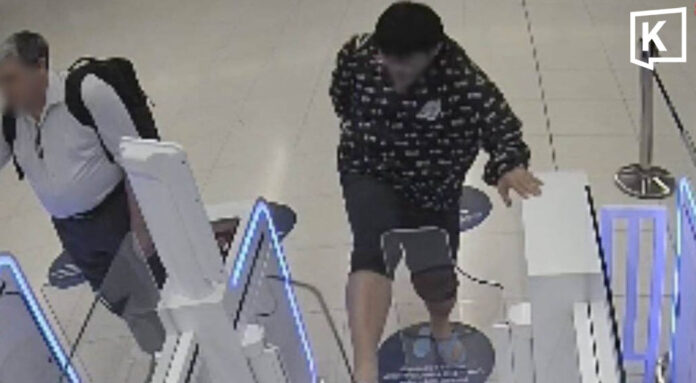
According to immigration police, the man, identified as Zheng, allegedly kicked and damaged two automated passport control gates before forcing his way through the checkpoint without authorisation.

Authorities said the suspect then shouted insults at officers in Chinese, including profanities directed at police, and attempted to physically confront officers while they were on duty. Police said the man’s wife intervened and restrained him before the situation escalated further.

Immigration officers filed complaints accusing the suspect of insulting public officials during the performance of their duties and damaging government property.

Airport officials said the damaged passport control machines sustained severe damage estimated at about 481,500 baht ($13,000), excluding value-added tax.

The suspect was reportedly travelling on Spring Airlines flight 9C7282. Police said investigators were gathering evidence and proceeding with legal action.

Advertisement

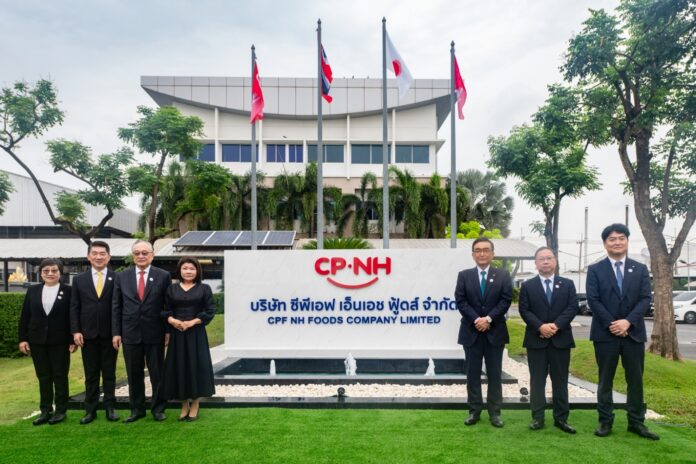
CPF NH Foods launches ‘CP Nippon’ premium pork brand

Charoen Pokphand Foods Public Company Limited (CPF) and NH Foods Ltd. today announced that their joint venture, CPF NH Foods Co., Ltd., has officially commenced production at its modern manufacturing facility in Chachoengsao, Thailand, alongside the launch of a new premium brand, CP Nippon.

The start of operations follows the successful establishment of the joint venture in late 2025, combining CPF’s fully integrated supply chain and regional distribution network with NH Foods’ advanced food processing technologies and product development expertise. The facility now serves as the production hub for a new generation of high-quality processed meat products, targeting both domestic and export markets including Japan, Hong Kong, Singapore, and other key Asian destinations.

CPNH2 0 0

Prasit Boondoungprasert, Chief Executive Officer of CPF, said  “Starting production and introducing CP Nippon brand mark an important milestone in our partnership with NH Foods. This collaboration enables us to move beyond primary production to premium processed products, creating greater value for Thailand’s pork industry while strengthening its position as a key exporter across Asia.”

The manufacturing facility integrates advanced production systems and stringent quality assurance processes aligned with international standards, reinforcing both companies’ commitment to food safety, traceability, and sustainability. By leveraging CPF’s high-quality raw material sourcing and NH Foods’ precision manufacturing know-how, the joint venture aims to set new benchmarks in processed meat production.

Fumio Maeda, President and Chief Executive Officer of NH Foods, said The commencement of production represents a key milestone in our collaboration with CPF. By combining our strengths in technology and product innovation with CPF’s operational excellence, we are bringing together the rich culinary traditions of Japan and Thailand to deliver refined, high-quality food experiences to consumers across Asia.

CPNH4 0 0

The product range under CP Nippon brand reflects NH Foods’ Japanese culinary expertise—rooted in the craftsmanship of ryōrinin—combined with CPF’s strength in high-quality sourcing and production.

Beyond product innovation, CPF NH Foods is committed to sustainable manufacturing practices, including efficient resource utilization and environmentally responsible operations, in line with CPF’s “Kitchen of the World” vision and both companies’ long-term sustainability goals.

About CPF:

Charoen Pokphand Foods Plc (CPF) is a leading global agro-industrial and food company, operating in 17 countries and exporting to more than 50 markets worldwide. Guided by its “Kitchen of the World” vision, CPF focuses on delivering safe, high-quality, and nutritious food through a vertically integrated business model. The company integrates technology and innovation across its operations while advancing sustainability and working toward a low-carbon, resilient food system that supports global food security.

CPNH3 0 0

Advertisement

KMITL joins forces with South Korea’s LIG on defense tech

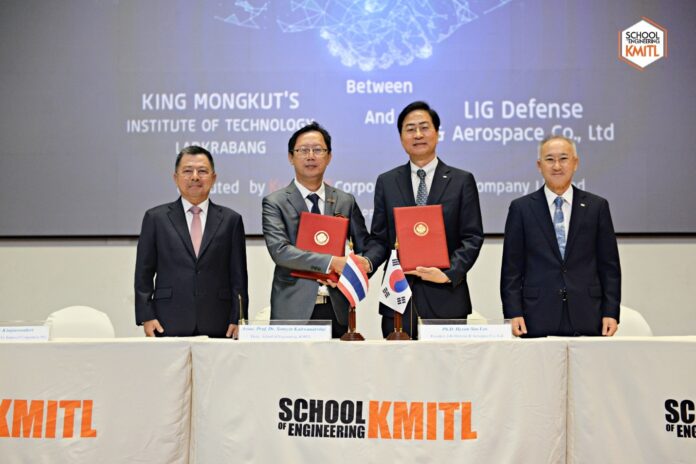
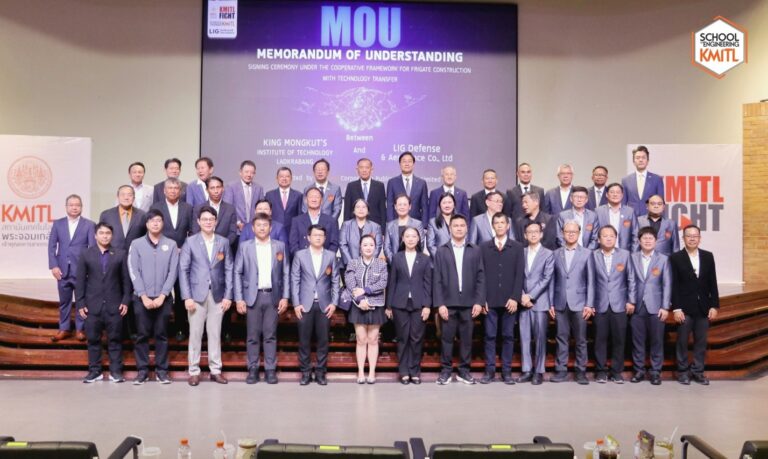
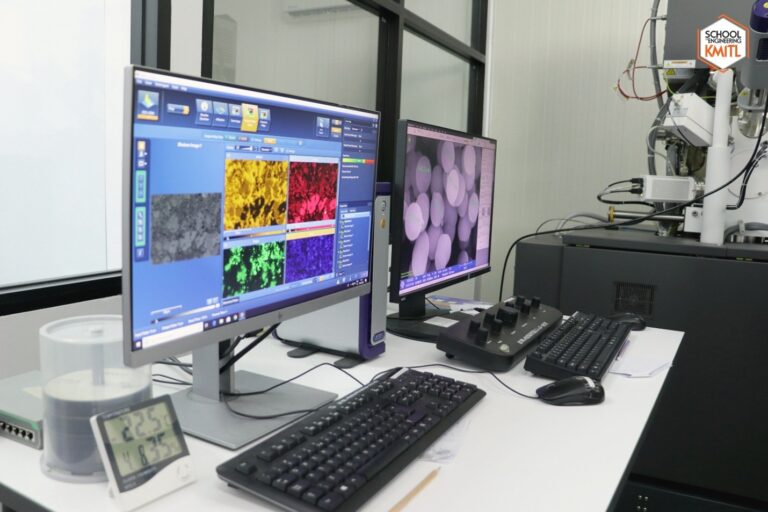
The School of Engineering at King Mongkut’s Institute of Technology Ladkrabang (KMITL) has signed a landmark Memorandum of Understanding (MOU) with LIG Defense & Aerospace Co., Ltd. of the Republic of Korea, cementing a high-level partnership aimed at advancing Thailand’s capabilities in defense technology, telecommunications engineering, and advanced communications.

The signing ceremony, held at KMITL’s School of Engineering auditorium, was led by Associate Professor Dr. Somyot Kiatvanichvilai, Dean of the School of Engineering, and Dr. Hyeon Soo Lee, President of LIG Defense & Aerospace. Senior executives from both institutions attended, with Mr. Boonsak Kiatjaroonlert, CEO of Kumwell Corporation PLC, serving as a formal witness.

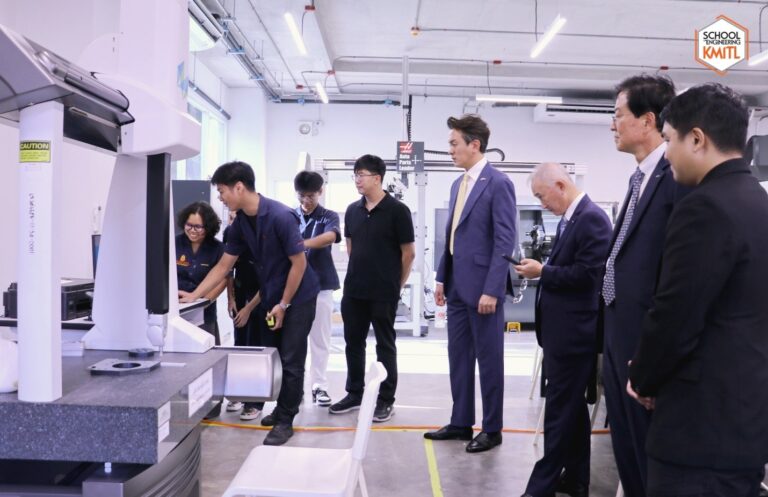
KMITL’s School of Engineering has long positioned itself as a primary gateway for technology transfer in Thailand, channeling global expertise into the country’s engineering and innovation landscape. Under the new agreement, the two parties will collaborate on joint training programs, research and development initiatives, and deep technology transfer—with a particular focus on sectors critical to national security and economic competitiveness.

Picture2 5

A key priority of the MOU is supporting the Royal Thai Navy’s Frigate II program, one of Thailand’s most strategically significant defense procurement initiatives. The partnership is designed to accelerate domestic localization efforts within this flagship project, reducing reliance on foreign expertise and building indigenous technical capacity over the long term.

“This agreement goes beyond a standard academic collaboration. It lays the groundwork for cultivating a highly skilled, future-ready workforce in cutting-edge technologies, and directly bridges the gap between research and real-world industrial application.” Assoc. Prof. Dr. Somyot Kiatvanichvilai, Dean, School of Engineering, KMITL

“Strengthening local capabilities is not just a strategic preference—it is essential for long-term industrial resilience and technological security. We are committed to ensuring that this partnership delivers lasting, tangible benefits to Thailand’s technology ecosystem.” Dr. Hyeon Soo Lee, President, LIG Defense & Aerospace

The MOU signals a broader ambition: to position Thailand as a regional hub for advanced technology development. With KMITL anchoring the academic and R&D dimension of the partnership, both organizations expect the collaboration to yield measurable progress in defense, high-tech communications, and critical infrastructure—sectors increasingly vital to Thailand’s long-term strategic interests.

Picture3 5

About KMITL School of Engineering

The School of Engineering at King Mongkut’s Institute of Technology Ladkrabang (KMITL) is one of Thailand’s foremost institutions for engineering education, research, and international technology transfer. The school serves as a strategic bridge between global innovation and Thailand’s growing industrial and defense sectors.

About LIG Defense & Aerospace

LIG Defense & Aerospace Co., Ltd. is a South Korean defense and aerospace company specializing in advanced communications systems, defense technology, and high-precision engineering. The company is a key player in South Korea’s globally recognized defense industry.

Picture4 3

Advertisement

Hot News

LATEST NEWS

Bangkok
broken clouds
33.9 ° C
36.6 °
33.8 °
54 %
5.1kmh
64 %
Tue
36 °
Wed
37 °
Thu
37 °
Fri
37 °
Sat
37 °