





























30 C
Bangkok
Saturday, June 20, 2026
Home Blog Page 52

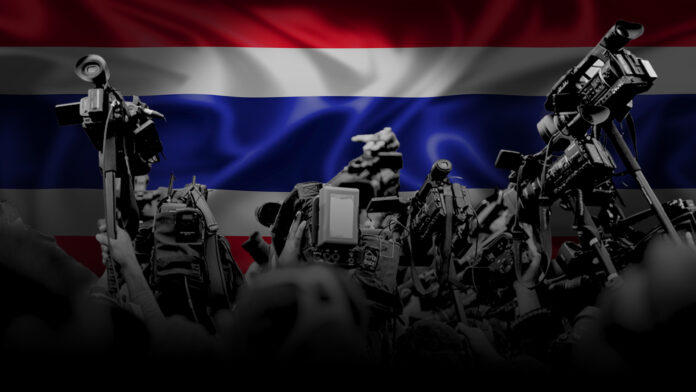
Thailand’s RSF Press Freedom Ranking Is Falling — and Should Be Even Lower Next Year

​On Sunday afternoon, this writer received a surprising phone call from France, from exiled Thai political dissident Jaran Ditapichai.

The 78-year-old Jaran has lived many lives: university student in France, communist insurgent in Thailand during the 1970s, detainee of the Burmese junta for distributing pro-democracy leaflets in Yangon, national human rights commissioner, redshirt co-leader, and now political dissident fleeing lèse-majesté charges since 2014.

Jaran told me he called to offer words of support on World Press Freedom Day, observed on 3 May, which fell on a Sunday this year. I asked how many Thai journalists he admired he had called that day. Was it more than six? ​He said three.

As for Thai media firms, he said there were only a few before complaining that one major and financially successful Thai-language online outlet was secretly funded by a large conglomerate and continually promoted its backers without public disclosure.

​While I cannot verify the claim, Thailand’s current media landscape is hardly cause for celebration.

Paris-based Reporters Without Borders (RSF) released its 2026 World Press Freedom Index last week, and Thailand’s ranking among 180 countries fell from 85th to 92nd.

I agree with the assessment. Perhaps it should be even lower, and next year it will likely be so.

​As one of the few people invited by RSF to assess Thailand’s press freedom conditions annually on a pro bono basis for the past decade, I always reminded the Paris group that Thailand’s levels of press freedom are overrated.

​I have written to them, for some years now, at the end of the questionnaires sent by Reporters Without Borders that although Thailand has had no journalist in prison for some years now, and no journalist killed, it doesn’t mean it’s more free than countries that imprison journalists, or even kill some. This is because nearly all Thai journalists and media organisations have internalised self-censorship on anything mildly critical of the monarchy, to the point where they are taking no risks and there is no need to prosecute or imprison them at all. At the surface, metrics showing that no Thai journalist is imprisoned or has been killed could suggest that Thailand enjoys a high degree of press freedom, but that is not the case here. It can be misleading and inflate the international rankings.

​The case of Bang La or Mr. Rungaroon, a former security guard who became a viral topic in Thailand late last month, is one of the most recent examples of self-censorship within much of the Thai press.

​The man, who possesses an uncanny facial resemblance to the Thai king, was vilified after ultra-royalists accused him of undermining the monarchy through his TikTok videos.

​While Bang La himself eventually confirmed through a video that he was not charged under the lèse-majesté law, contrary to early social media claims, malicious actors have taken his images and doctored them in ways deemed offensive toward the monarchy and spread them on social media.

Bang La eventually clarified in the same video that he is a royalist, but this has affected his life and employment. In a genuinely free society, the issue itself would be widely reported news. The majority of the mainstream Thai press chose to censor themselves, however.

​In fact, the aversion to anything mildly critical of the king is so deeply ingrained at an almost subconscious level that the Thai Journalists Association (TJA), the kingdom’s largest journalist association, and other similar press associations, have no stance on the draconian royal defamation law, also known as the lèse-majesté law, which carries a maximum prison term of 15 years. And they can celebrate Thai press freedom every World Press Freedom Day (or Thai Journalists Day) without talking about this biggest obstacle to genuine press freedom in Thailand, and without acknowledging the irony of celebrating press freedom while avoiding discussion of its most significant restriction.

​The fact that mainstream mass media are essentially corporate entities means they do not want to alienate their sponsors and advertisers by engaging in critical coverage and analysis of the Thai monarchy. They believe doing so would be tantamount to breaking their own bread basket, and so reporters also learn not to cross the line, and anything critical about the monarchy is discussed in private or as gossip. And if you are not sure, there’s ‘no harm’ in self-censoring more, than less.

​When censorship is so internalised to the point where you don’t see this self-censorship as a problem for press freedom, such a society is more disturbed than countries that still imprison journalists, because in the latter case, the brute force of the state is naked and journalists there are still trying to push the envelope. Here in Thailand, most do not even try to resist or point out the elephant in the room.

​I reckon that next year, the scores for Thailand in the 2027 annual World Press Freedom Index should be lower because of this reason and other new factors, particularly the use of SLAPP against two editors at The Isaan Record recently, and an apparent increase in online harassment and character assassination against a prominent reporter working on the Deep South issue.

​On the broader picture, the continued downsizing of most mainstream media organisations in Thailand is undermining the Thai press’s ability to serve as a capable watchdog.

​They now can hardly pay able young journalists salaries competitive with other well-paid professions. Some work for international news agencies in order to earn a decent income, but they end up functioning as cogs within large media organisations with little chance to become public intellectuals as their job descriptions limit their roles.

​Then there is the ever-shorter news cycle. This significantly discourages us from stopping and reflecting deeply. Instead, we move rapidly from one often sensational news item to another every five to 10 minutes, like someone virtually trapped in a never-ending rat race.

​Back to Jaran, who somehow mentioned during our phone conversation that one relatively new and successful news organisation is virtually secretly funded by a major Thai corporation and incessantly promotes the funder’s business interests without acknowledging the link. It reminded me of ​RSF’s assessment on the Thai economic context:

​“Public and semi-public media outlets are directly owned or controlled by the government and military. Meanwhile, some private media outlets are owned by powerful conglomerates and are often influenced by corporate interests or business partners who are likely to steer content to protect their economic interests. The rise of sponsored content — funded by big corporations and political parties — has made it difficult for audiences to distinguish real news from paid promotional content, further challenging the integrity of the information space.”

​Given the dire situation, and despite Thailand still being ranked second in the ASEAN region, behind new ASEAN member Timor-Leste, what we need in Thailand is greater courage among the Thai press and higher media literacy among the public.

The Thai public must better understand the media’s limitations, hidden agendas, and taboo topics. They should not be passive consumers and should question what they read and watch as the Thai press continues to struggle with all the issues mentioned.
Advertisement

Thai EOD teams clear remaining BM-21 rockets in Surin

Thai EOD teams clear remaining BM-21 rockets in Surin

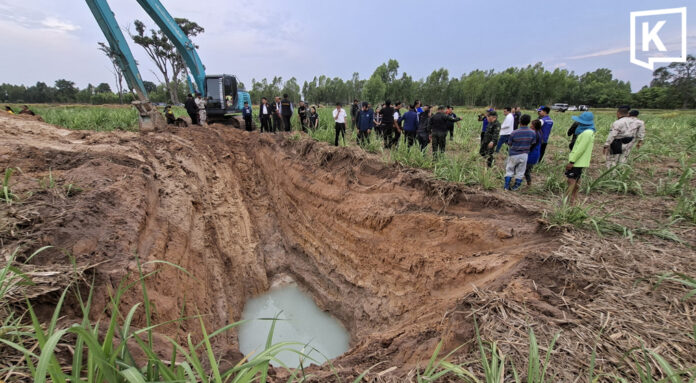
SURIN — 8 May 2026, Explosive ordnance disposal teams in Surin province are racing to locate and destroy the final unexploded BM-21 rockets left from clashes along the Thai-Cambodian border before local residents resume farming activities.

Pol. Lt. Col. Watcharin Chanthom, head of the EOD special operations unit in Surin provincial police, led officers and humanitarian demining teams on Thursday to sugarcane fields and rice paddies west of Ban Chorok village in Dan subdistrict, Kap Choeng district.

The operation focused on six remaining impact sites linked to the same barrage of BM-21 rockets fired during fighting on 24 July 2025, the same attack that killed an 8-year-old boy known as “Nong Namkhong” and 32-year-old Bandit Unjit.

Authorities used scanning equipment to search for explosive devices before excavating two sites.

At the first location, officials determined the rocket had already exploded on impact and fragments remained buried underground.

At a second site in a nearby sugarcane field, crews dug almost 10 metres deep but failed to locate the rocket after groundwater flooded the excavation area.

Officials said the rocket likely penetrated deeper than 10 metres into the soft, rain-soaked soil during the monsoon season and no longer posed a danger. They noted that BM-21 rockets can sink more than 20 metres underground in saturated conditions.

The sugarcane field owner said he was reassured by the explanation and planned to place a concrete pipe over the location to mark the impact site and use the groundwater for agricultural purposes.

Authorities said the remaining four sites would be excavated within the next two days.

The operation was observed by senators, provincial officials and local administrators following visits to border communities affected by the unrest and compensation efforts for residents impacted by the fighting.

Lt. Gen. Boonchan Nuansai, a senator from Surin province, thanked EOD officers for helping ensure villagers’ safety.

Officials said that in Kap Choeng district alone, including Dan and Ta Tien subdistricts, 189 BM-21 rockets had been identified, while eight additional suspected impact points remained under investigation.

In neighbouring Phanom Dong Rak district, authorities estimated that between 400 and 500 BM-21 rockets landed during the first round of fighting, while later clashes involved heavier use of RPG weapons.

The clearance operation began after residents requested assistance from district authorities to ensure fields were safe before planting crops.

Suphon Kanphai, 47, the owner of one of the sugarcane fields, said he discovered impact marks and metal fragments after inspecting his land following the clashes.

“In this area alone, nearly 10 rockets fell,” he said. “Some craters were very small and could disappear after heavy rain washed soil over them.”

He added that although the rocket at his site was not recovered, he trusted the information provided by authorities and no longer feared returning to work on the land.

The BM-21 rocket attack on Ban Chorok village occurred during cross-border fighting on 24 July 2025, when Cambodian forces fired multiple rockets into Thai territory, killing two civilians and damaging homes in the area.

Advertisement

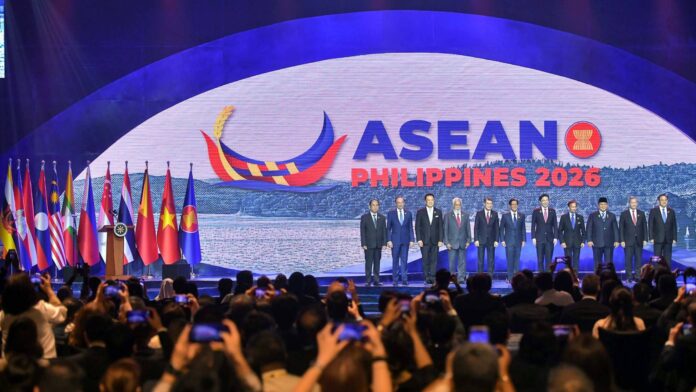
Alarmed ASEAN leaders discuss crisis plan to mitigate backlash from Middle East war

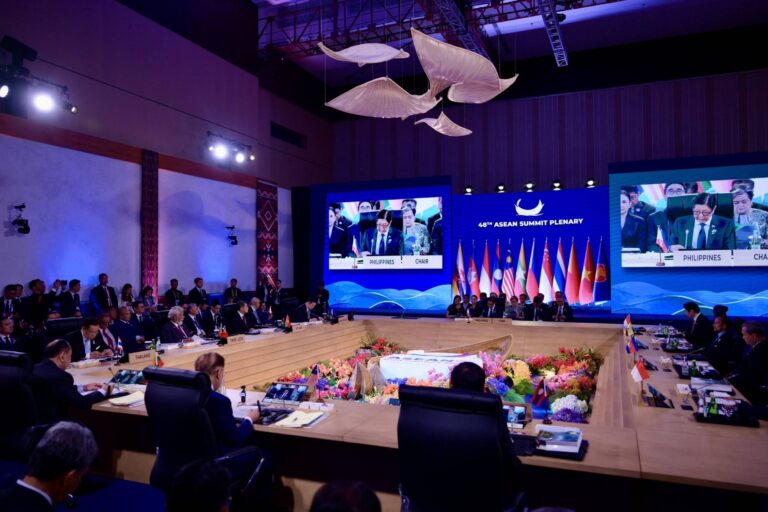
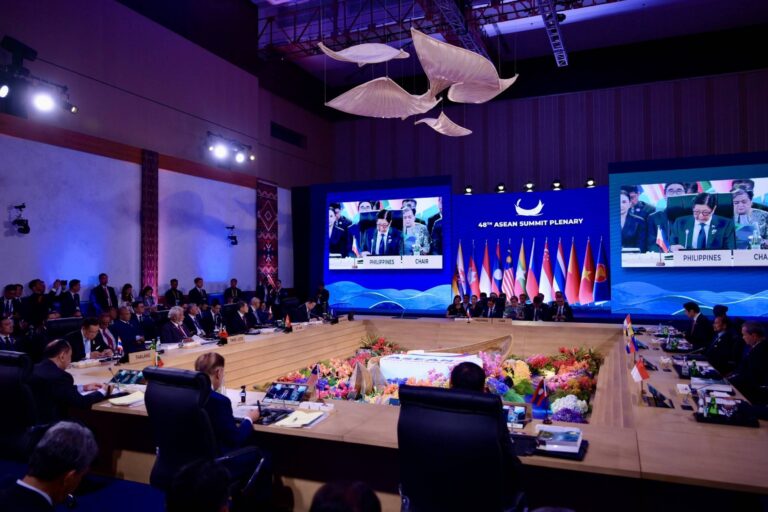
CEBU, Philippines (AP) — Southeast Asian leaders met in an annual summit Friday under intense pressure to mitigate the impact on their people and economies from the Iran war, which one top minister said, “should not have occurred in the first place.”

The alarm by the heads of state of the Association of Southeast Asian Nations was underscored by their decision to focus discussions on a contingency plan to ensure their fast-growing region, which imports most of its oil and gas from the Middle East, will have stable fuel and food supplies.

The Philippines is hosting the summit on the central island province of Cebu. President Ferdinand Marcos Jr. has ordered the summit to be stripped of the traditional pomp and pageantry in keeping with the economic headwinds worldwide.

AP26128101718715
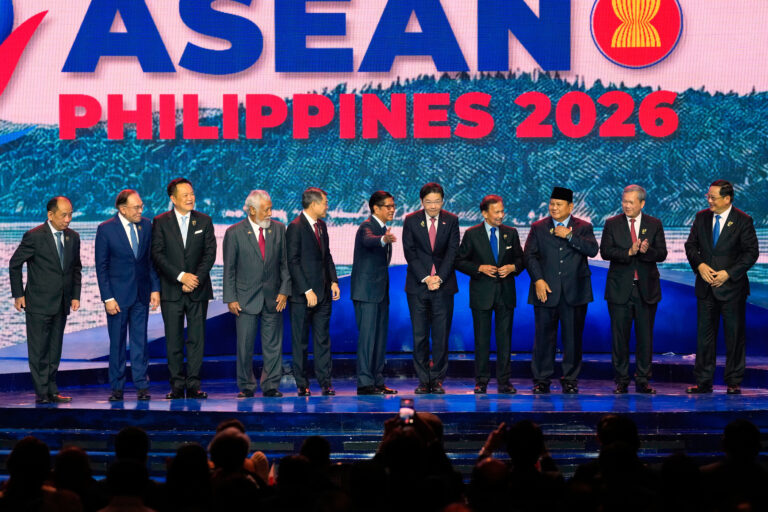
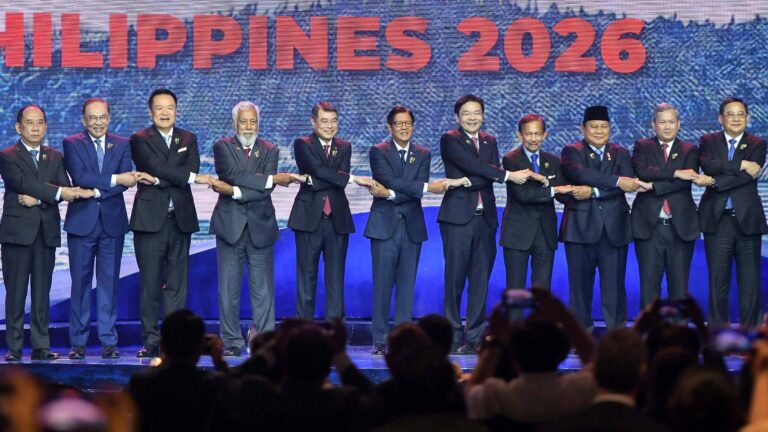
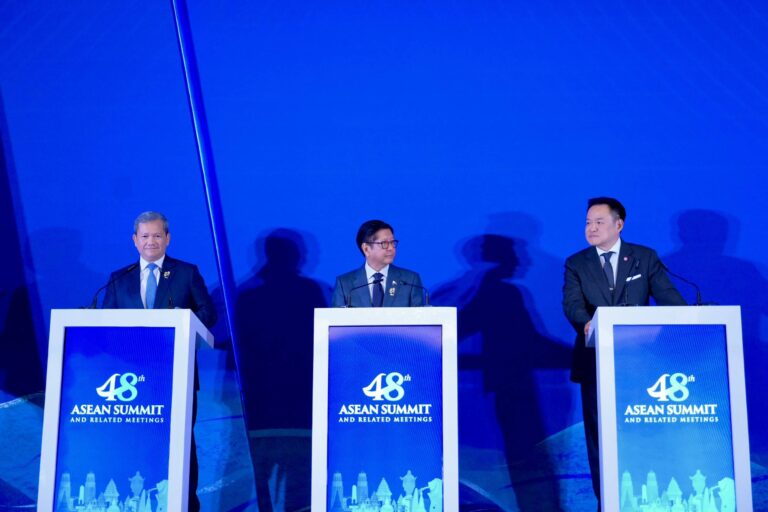
From left, Myanmar’s Permanent Secretary of the Ministry of Foreign Affairs U Hau Khan Sum, Malaysia’s Prime Minister Anwar Ibrahim, Thailand’s Prime Minister Anutin Charnvirakul, East Timor’s Prime Minister Xanana Gusmao, Vietnam’s Prime Minister Le Minh Hung, Philippine President Ferdinand Marcos Jr., Singapore’s Prime Minister Lawrence Wong, Brunei’s Sultan Hassanal Bolkiah, Indonesia’s President Prabowo Subianto, Cambodia’s Prime Minister Hun Manet, and Laos’ Prime Minister Sonexay Siphandone stand on stage for a group photo during the opening ceremony of the 48th ASEAN summit and Related Meeting in Cebu, Philippines, on Friday, May 8, 2026. (AP Photo/Aaron Favila, Pool)

A key dilemma of the ASEAN leaders is how to carry out large-scale evacuations from the Middle East, where more than a million of their citizens work and live, if widespread hostilities flare up again.

Several Southeast Asian citizens have been killed since the United States and Israel launched military strikes on Feb. 28 against Iran. The hostilities have continued sporadically despite a month-old ceasefire, especially in the strategic Strait of Hormuz.

A draft of a joint declaration by the leaders which outlines a contingency plan and which was seen by The Associated Press, called on the regional bloc’s 11 state members to share information and strengthen coordination with international organizations “to ensure the safety and welfare of ASEAN nationals in affected areas.”

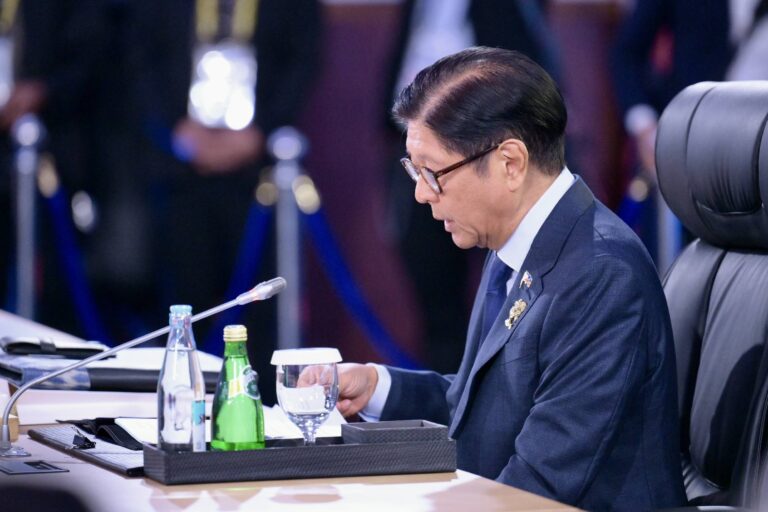
Marcos told fellow leaders in a closed-door meeting that the Iran war exposed the weaknesses of Southeast Asian nations to external shocks and warned that recovery could take years even if the war ends now.

“We have seen firsthand the vulnerability of our nations to external factors,” Marcos said. “The domino effect of oil supply disruptions on the various sectors of our countries has affected how we conduct business, how we work, how we live.”

“Even if the tensions de-escalate in time, the damage to critical infrastructure, to vital systems and trust in general will continue to be felt for years to come,” Marcos said.

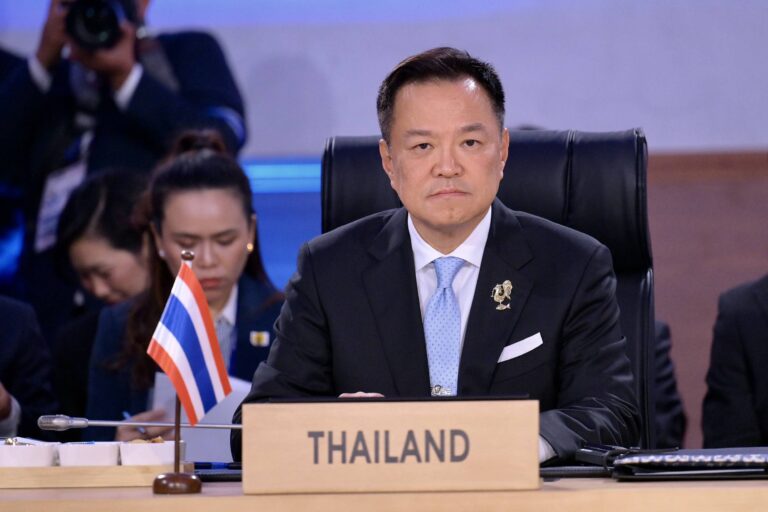
Known for their conservative and careful rhetoric, top delegates to the ASEAN summit avoided blunt expressions of their disappointment over the continuing hostilities, but Thailand’s foreign minister, Sihasak Phuangketkeow, was more emphatic and called for the current ceasefire between the U.S. and Iran to be extended and assurances for the safe passage of ships through the Strait of Hormuz.

“This war should not have occurred in the first place,” Sihasak told AP in a brief interview and added that all ASEAN states were alarmed. “We don’t know what the objectives are right?”

“The peace talks seem to be moving, but we want the war to end,” Sihasak said.

ASEAN’s contingency plan calls for actions including the ratification possibly this year of an agreement that will pave the way for coordinated emergency fuel sharing, planning a regional power grid, diversifying the region’s sources of crude oil, promoting the use of electric vehicles and studying the use of new technologies, including civilian nuclear energy.

20260508095225 6136 1

Despite the focus on the Middle East and their shortened summit to cut costs, the leaders will take up major regional flash points, including the South China Sea territorial disputes involving Beijing, a five-year civil war in Myanmar and a recent border conflict between Thailand and Cambodia.

In a separate statement by the leaders on maritime issues that will be made public after the summit and was also seen by the AP, they pledged to “endeavour to conclude the negotiation of an effective and substantive Code of Conduct in the South China Sea.”

Negotiations on the proposed non-aggression pact by the ASEAN and China has dragged on for more than a decade as increasingly tense confrontations intensified in recent years, particularly between Chinese and Philippine coast guard and naval forces.

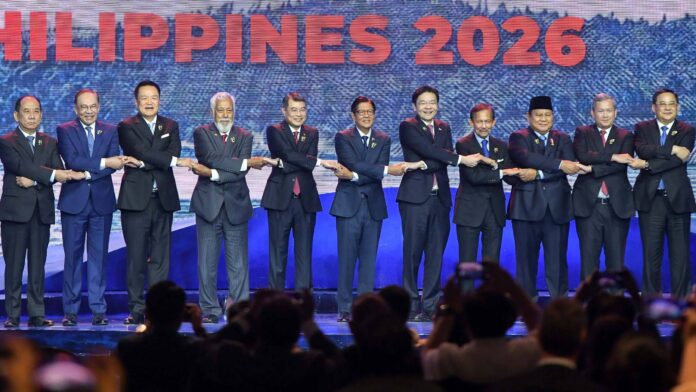
That has stoked criticisms of ASEAN as an ineffective “talk shop,” where leaders show up each year in their native shirts and pose for a group handshake to project unity despite deep divisions.

20260508094723 1322

ASEAN members Brunei, Malaysia, Vietnam and the Philippines are involved in the decades-long territorial standoffs in the South China Sea. The other members of the regional bloc are Cambodia, East Timor, Indonesia, Laos, Myanmar, Singapore and Thailand.

Advertisement

Thai PM says ASEAN can no longer remain reactive

Thai Prime Minister Anutin Charnvirakul on Friday urged ASEAN to strengthen unity, resilience and its global role amid rising geopolitical uncertainty and a changing world order.

20260508095225 6136

Speaking during the Retreat Session of the 48th ASEAN Summit in Cebu, the Philippines, Anutin said recent tensions in the Middle East reflected growing global instability and showed that the international order was undergoing significant change.

“The world will never be the same again,” government spokeswoman Rachada Dhnadirek quoted him as saying.

Anutin said ASEAN could no longer remain reactive and must respond to challenges with greater agility and foresight. He proposed three strategic priorities for the bloc: stronger regional unity, greater resilience and maintaining ASEAN’s relevance on the global stage.

20260508095225 9032

He stressed the importance of “ASEAN Centrality,” saying member states should keep ASEAN at the core of their foreign policies while strengthening mechanisms for crisis coordination and confidence-building.

Anutin also said ASEAN must remain a trusted partner in supporting multilateralism and a rules-based international order, while ensuring regional integration delivers tangible benefits for people.

20260508095225 2017

On Myanmar, he said recent developments — including the pardon of former President U Win Myint and the transfer of detained former state counsellor Aung San Suu Kyi to a residential setting — could help create a more favourable atmosphere for dialogue and reconciliation.

He added that Thailand was ready to support ASEAN efforts to gradually re-engage with Myanmar under the bloc’s Five-Point Consensus.

Advertisement

Police raid illegal Chinese drama shoot in Chiang Mai

Police raid illegal Chinese drama shoot in Chiang Mai

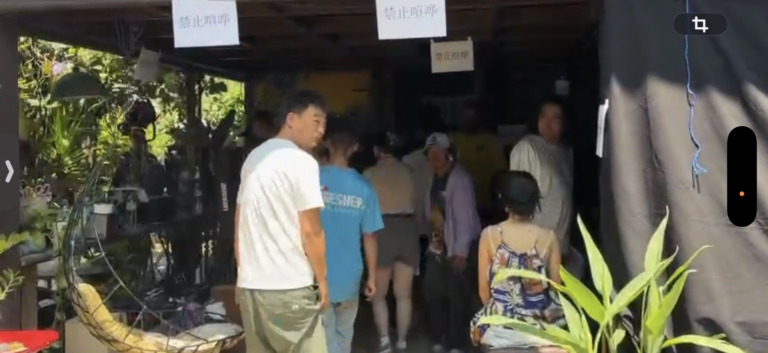
CHIANG MAI — 7 May 2026, Thai tourist police arrested eight Chinese nationals during a raid on an illegal film set in Chiang Mai where a Chinese “vertical series” was allegedly being produced without official permission.

The operation followed a nationwide crackdown ordered by the Royal Thai Police targeting criminal activity linked to foreign tourists.

Tourist Police Bureau Commissioner Lt. Gen. Saksira Pueak-am instructed units across the country to intensify inspections of foreign visitors, while investigators under Tourist Police Division 2 launched an inquiry after receiving reports of unauthorised filming at a house in Hang Dong district.

Police said they found a group of Chinese crew members and a Thai interpreter actively filming scenes inside the property.

news131119 aDqPUUvwgU1778214319

Authorities said the group failed to produce filming permits required under Thai law and no government officials were supervising the production as mandated. Investigators also found that the Chinese nationals had entered Thailand as tourists and did not possess work permits.

One suspect, identified by police as Ms Wei, reportedly admitted she was working as both producer and actress for a “vertical series”, a short-form drama format that has recently grown in popularity online.

She told investigators the production team selected Chiang Mai because of its popularity among Chinese tourists and its well-known tourist attractions.

Police informed the suspects that film production in Thailand is regulated under the 2008 Film and Video Act, which requires official approval, script review and government supervision during filming to prevent content that could damage the country’s image.

Violations can carry fines of up to 1 million baht.

The eight Chinese nationals were handed over to investigators at Hang Dong police station to face charges of working in Thailand without permission.

Authorities said additional legal action regarding the unauthorised film production would be referred to the Film and Video Committee under the Tourism Department for further consideration.

Tourist police urged the public to report suspicious behaviour involving foreign nationals through the 1155 Tourist Police hotline or the Thailand Tourist Police application, available 24 hours a day.

Advertisement

CKPower’s green debenture sale draws demand more than double offering size

Reflecting Strong Investor Confidence in a Resilient Business amid Global Economic Volatility

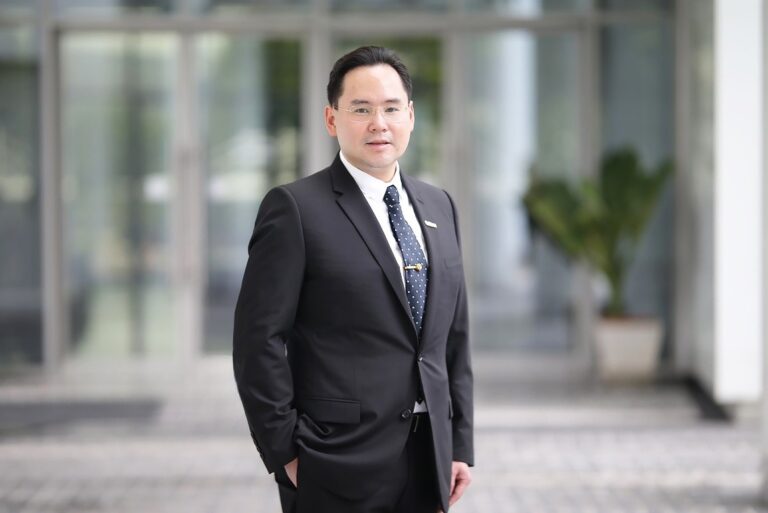
Mr. Thanawat Trivisvavet, Managing Director of CK Power Public Company Limited or CKPower (SET: CKP), one of the region’s largest producers of electricity from renewables with one of the lowest carbon footprints, announced the successful offering of its green debentures. The company’s unsubordinated and unsecured green debentures with a debentureholders’ representative were issued on April 27-29, consisting of three tranches and amounting to THB 5 billion. The oversubscription of over 2 times reflected strong investors’ confidence in the company’s business fundamentals and growth outlook amid global economic volatility.

Picture2 2

“CKPower would like to express its sincere appreciation to all investors for their trust and confidence in the company’s debentures and business operations. We also extend our gratitude to the joint lead arrangers, Krung Thai Bank Public Company Limited, CIMB Thai Bank Public Company Limited, The Siam Commercial Bank Public Company Limited, and Kiatnakin Phatra Securities Public Company Limited for their support in ensuring the success of the debenture issuance. This success reflects confidence in the company’s strong business fundamentals and its commitment to renewable energy development that strengthens energy security while supporting sustainable growth,” said Mr. Thanawat.

The debentures have been assigned an “A-” credit rating with a “Stable” outlook by TRIS Rating, consistent with CKPower’s corporate credit rating. In addition, the debentures are classified as Green Debentures in accordance with the Green Bond Principles 2021, the Green Loan Principles 2025 and the Thailand Taxonomy 2023. The issuance has been reviewed by DNV, a leading global assurance provider, acting as the Independent External Reviewer. This reflects the company’s commitment to transparent fundraising practices which are in line with international standards. The issuance comprises three tranches as follows:

  • Tranche 1: THB 5 billion 4-year tenure with interest rate of 2.89% per annum;
  • Tranche 2: THB 1 billion 7-year tenure with interest rate of 46% per annum and the issuer’s right to early redemption; and
  • Tranche 3: THB 5 billion 10-year tenure with interest rate of 3.75% per annum and the issuer’s right to early redemption.

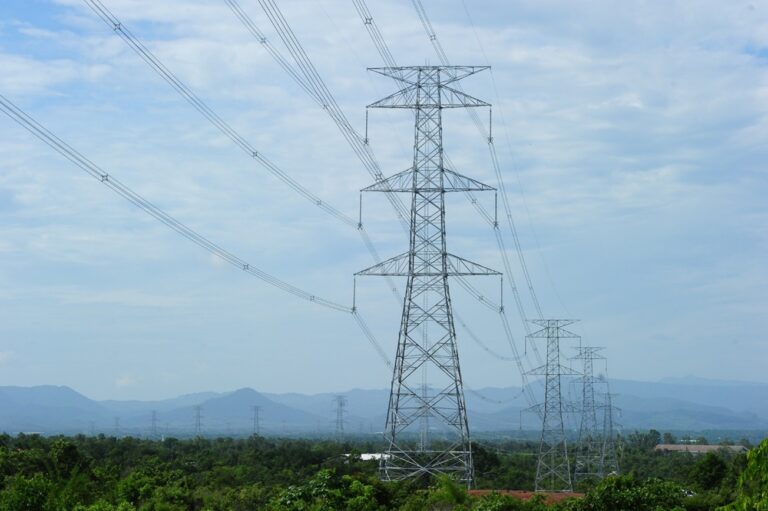
Proceeds from this issuance will be used to invest in the Luang Prabang Hydroelectric Power Project in the Lao People’s Democratic Republic, which is currently under construction. The project aims to enhance Thailand’s energy security and support the transition toward renewable energy in line with global energy trends. The successful issuance also reinforces CKPower’s role as a green debentures issuer that effectively links fundraising with the development of environmentally friendly energy projects in a tangible way.

Picture3 2

Mr. Thanawat stated that, under the company’s five-year plan (2026–2030), CKPower aims to expand its power generation capacity through solar energy projects in the form of private PPA arrangements and participation in government renewable energy bidding, alongside the sale of Renewable Energy Certificates (RECs). Meanwhile, the Luang Prabang Hydroelectric Power Project has reached 65% construction progress as of the end of 2025 and is expected to commence commercial operations (COD) as scheduled in 2030. CKPower remains committed to driving growth through innovation in energy efficiency, enhancing power generation performance and raising energy conservation awareness across the value chain. These efforts aim to balance energy security, sustainable returns and environmental stewardship, while supporting the transition from fossil fuels toward a low-carbon energy generation system to achieve net-zero greenhouse gas emissions by 2050.

Advertisement

Anutin says UNCLOS will guide future Thai-Cambodian negotiations

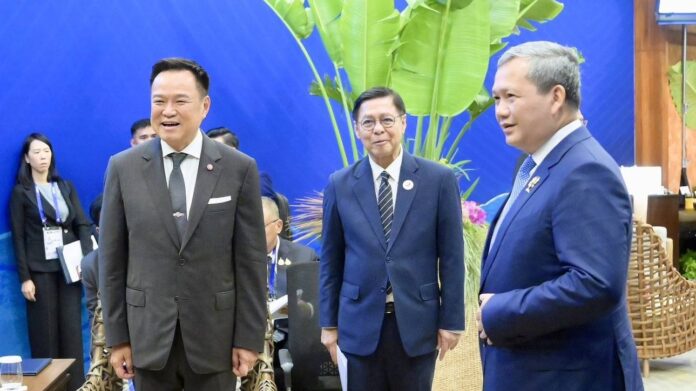
Thai Prime Minister Anutin Charnvirakul said Cambodia has acknowledged Thailand’s cancellation of the 2001 memorandum of understanding, with both sides agreeing to use the United Nations Convention on the Law of the Sea (UNCLOS) as the key framework for future discussions.

Speaking after a trilateral meeting between Thailand, Cambodia and the Philippines on the sidelines of the ASEAN Summit in Cebu on Thursday evening, Anutin said both countries shared a commitment to peace, stability and constructive dialogue while protecting their national interests.

The talks were held at the invitation of Philippine President Ferdinand Marcos Jr., who sought to promote cooperation and mutual understanding within ASEAN, Anutin said.

20260507192811 1812

Thailand brought representatives from its foreign affairs and security agencies to reaffirm its position of pursuing peaceful approaches alongside safeguarding sovereignty and the interests of the Thai people, he added.

Anutin said the meeting reviewed progress on security measures and military coordination between Thailand and Cambodia, noting that no violent incidents had occurred along the border during the past five months.

Thailand also explained its reasons for terminating the 2001 MOU, formally known in Thailand as MOU 2544, with Cambodia acknowledging and understanding Bangkok’s position, he said.

“Both countries agreed to adhere to the principles under UNCLOS as an important framework for future operations,” Anutin said, adding that further discussions would still be needed on practical details.

The two sides also agreed to gradually resume discussions at all levels, including through the Joint Boundary Commission (JBC), General Border Committee (GBC), and talks between foreign ministers, with the aim of generating mutual benefits for both peoples.

Anutin stressed that all negotiations must remain based on the existing ceasefire agreement and previously agreed mechanisms in order to build trust and maintain a peaceful atmosphere.

20260507192811 4799

He described the discussions as a positive signal for strengthening peace and stability between Thailand and Cambodia, while insisting that the dispute was between governments and not between the peoples of the two countries.

The prime minister also urged both countries to ensure the safety of Thai nationals in Cambodia and Cambodians in Thailand, and to prevent discrimination or inappropriate actions.

Anutin said Thailand and Cambodia should continue bilateral discussions through constructive negotiations without pressure from third countries, warning against any escalation of tensions.

He clarified that the talks did not involve negotiations on border demarcation or border reopening, but focused only on agreeing to begin operational-level discussions, with Thailand’s foreign minister and deputy chief of defence forces expected to continue detailed talks.

Thailand would fully protect its dignity, sovereignty and national interests throughout the process, he said.

Advertisement

Phuket student helps saves life of foreign toursit with CPR

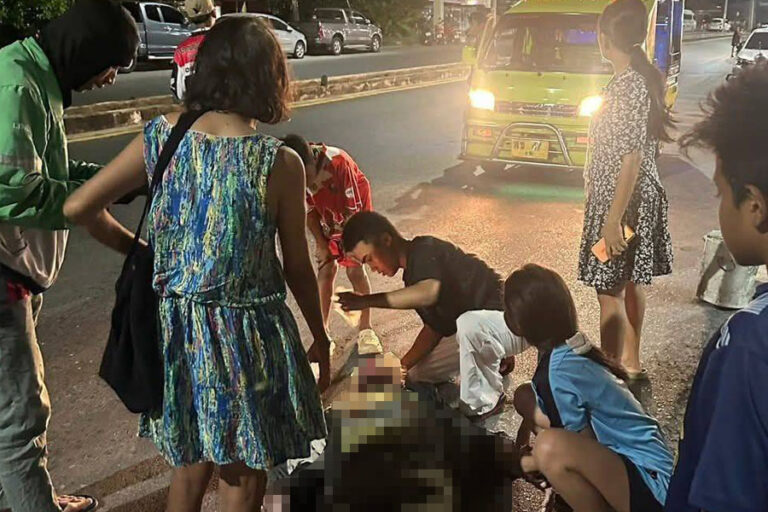
PHUKET — 8 May 2026, Jojo Savel, a teenage student in Phuket has been praised after performing CPR on a foreign tourist who collapsed unconscious on a road in Kathu, helping save the man’s life before emergency responders arrived.

According to local page Phuket Times, the incident occurred in front of a tea shop in Kathu district, Phuket, when the tourist suddenly fainted and fell to the ground, striking his head and suffering a bleeding injury.

Amid panic from bystanders, a schoolboy selling grilled mala pork skewers nearby rushed to assist the tourist and began performing CPR while waiting for rescue workers and an ambulance to arrive.

banner1 5

After several minutes of chest compressions, the tourist reportedly began showing signs of responsiveness and regained consciousness, bringing relief to witnesses at the scene.

The page praised the student, writing: “A Kathu Wittaya student in Phuket helped save a foreign tourist’s life with CPR. While selling mala skewers, he saw a male tourist collapse unconscious and hit his head on the ground, causing bleeding. Without hesitation, he stepped in to perform CPR while waiting for an ambulance.”

banner2 2

The post drew widespread praise online, with many social media users commending the student for his quick thinking and compassion.

Jojo Savel is a student at Kathu Wittaya School. Locals said the teenager regularly sells grilled pork skewers after school to help support his education.

Residents said the tourist may not have survived had the student not intervened during the critical moments before paramedics arrived, calling the incident an inspiring example of kindness and public spirit among Phuket’s youth.

Advertisement

Russian tourist praised for helping Phuket street vendor

Russian tourist praised for helping Phuket street vendor

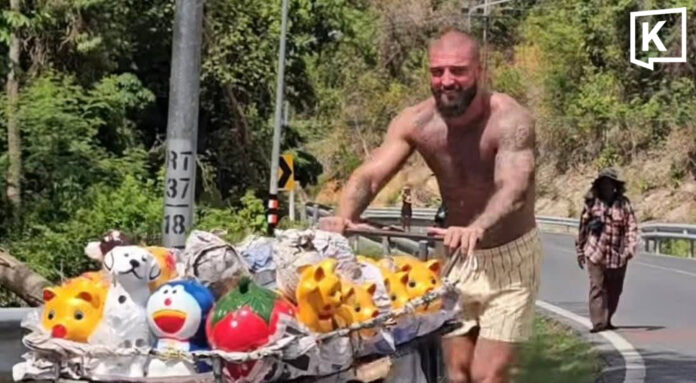
PHUKET — 8 May 2026, A Russian tourist has drawn praise online after stopping to help an elderly street vendor push his cart up a steep hill at a popular viewpoint in Phuket.

The incident, shared by the local Facebook page, took place at the Windmill Viewpoint in Rawai subdistrict, Mueang district.

Video footage showed the Russian man pulling over after noticing the elderly vendor struggling to push a cart loaded with piggy banks uphill on his own. The tourist immediately got out of his vehicle and helped push the cart while the vendor walked behind.

The gesture impressed onlookers and quickly attracted widespread praise after the clip circulated online.

Social media users commended the tourist’s kindness, with many saying compassion transcends nationality, language and religion.

“One good tourist like this is worth welcoming by the thousands,” one commenter wrote, while another said, “Whether someone is good or bad has nothing to do with nationality or religion. It depends on the person’s heart.”

Others thanked the tourist on behalf of the elderly vendor and noted that many Russian visitors to Thailand are generous and kind-hearted.

The brief roadside act has since become another feel-good story widely shared online, highlighting how small acts of kindness can bridge cultural and language differences.

Advertisement

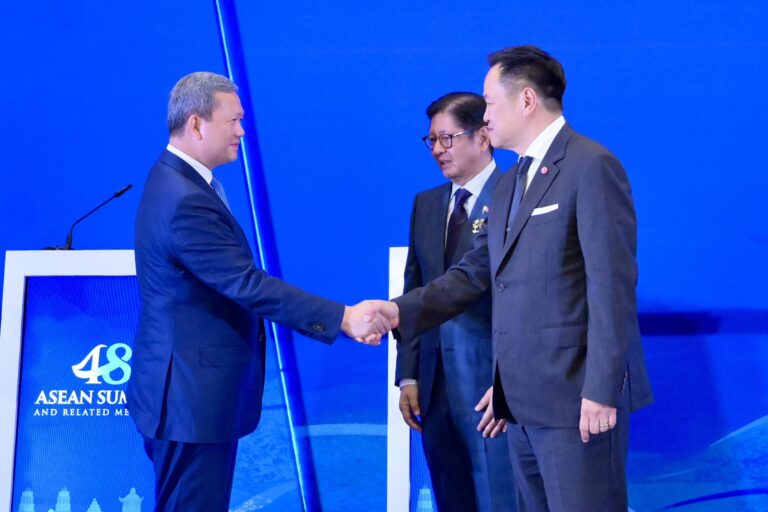
Anutin, Hun Manet agree to rebuild trust after Cebu trilateral talks

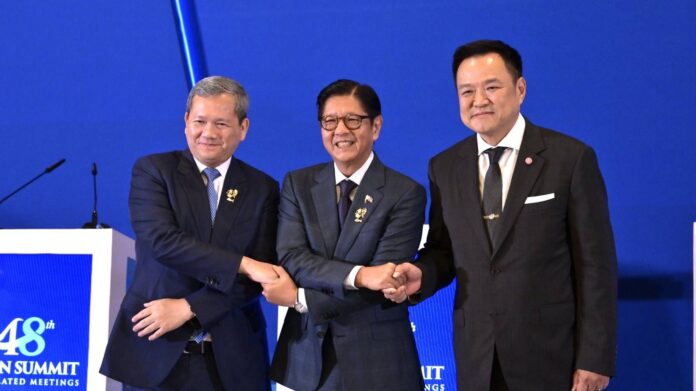
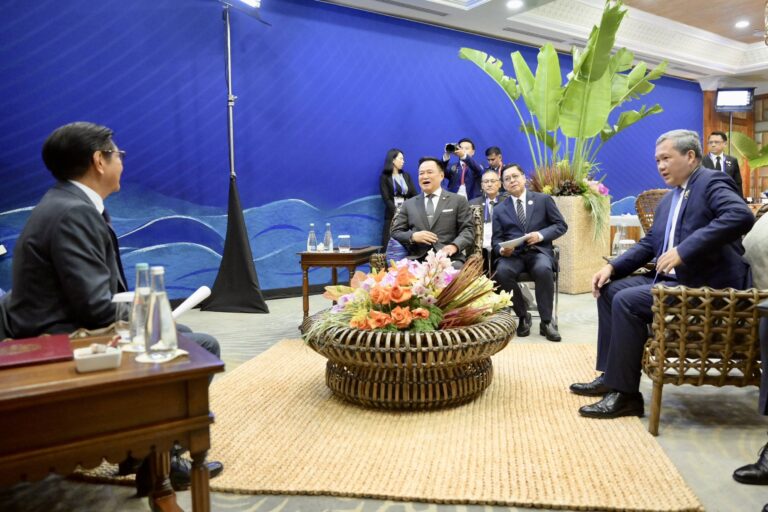
Thai Prime Minister Anutin Charnvirakul and Cambodian Prime Minister Hun Manet agreed to pursue peace and rebuild mutual trust following trilateral talks hosted by Philippine President Bongbong Marcos in Cebu on Thursday evening.

The meeting, held at the Shangri-La Mactan ahead of the 48th ASEAN Summit, was initiated by the Philippines in its role as ASEAN chair to discuss the Thai-Cambodian situation.

Speaking after the talks, Anutin thanked Marcos for facilitating what he described as an important meeting. He said discussions with Hun Manet were constructive, forward-looking and candid, while reaffirming both sides’ commitment to dialogue and peace.

Anutin said Thailand and Cambodia share close ties in many areas and stressed that conflict only brings loss and suffering to all parties.

“It is time for both countries to look forward and open a new chapter in relations,” he said, adding that rebuilding ties would require sincerity, honesty and a shared commitment to overcoming challenges together.

912

Thailand and Cambodia also agreed to assign their foreign ministers to jointly develop practical confidence-building measures, starting with areas where both sides share common ground and can take immediate action.

The Thai premier said the measures would help gradually restore trust and strengthen bilateral relations.

He added that both countries should increase direct communication at all levels to reduce misunderstandings and expand cooperation in areas of mutual benefit.

On land and maritime boundary issues, Anutin said Thailand proposed approaches for future discussions based on good neighbourly relations.

He described the meeting as an important step toward creating an atmosphere conducive to peace and regional cooperation, while reaffirming Thailand’s readiness to work constructively with all parties based on mutual respect and shared interests.

Advertisement

Hot News

LATEST NEWS

Bangkok
overcast clouds
30 ° C
31.1 °
27.7 °
78 %
3.4kmh
100 %
Sat
32 °
Sun
35 °
Mon
37 °
Tue
36 °
Wed
36 °