































33.8 C
Bangkok
Saturday, June 20, 2026
Home Blog Page 618

Airborne Microplastics a Dark Cloud on Horizon for Human Health

Microplastics found in snow in Hokkaido. (Photo courtesy of Hiroshi Ono, associate professor at Kitami Institute of Technology. (Kyodo)

Microplastics are widely recognized as a major marine pollutant, but their lesser-known presence in the air has become a major concern in recent years due to the possible risks posed to human health.

Japanese researchers leading studies on the issue have confirmed that microplastics have infiltrated the skies and gone on to make their way into clouds and snow. It is possible they can be ingested into the human body in their airborne state and could then move into the vascular system, they said.

Hiroshi Okochi, professor of environmental chemistry at Waseda University, and Hiroshi Ono, an associate professor at Hokkaido’s Kitami Institute of Technology, are among those dedicated to advancing research that is still in its infancy stage.

Microplastics measure less than 5 millimeters in length. They are produced when plastic waste is broken down by ultraviolet light and natural forces such as wind and waves.

Microplastics are considered chemically harmful to organisms because their relatively large surface area allows them to absorb and transport toxic substances. When ingested by organisms, the plastics release the chemicals which can enter the human food chain through fish and shellfish, damaging both natural ecosystems and the people that rely on them.

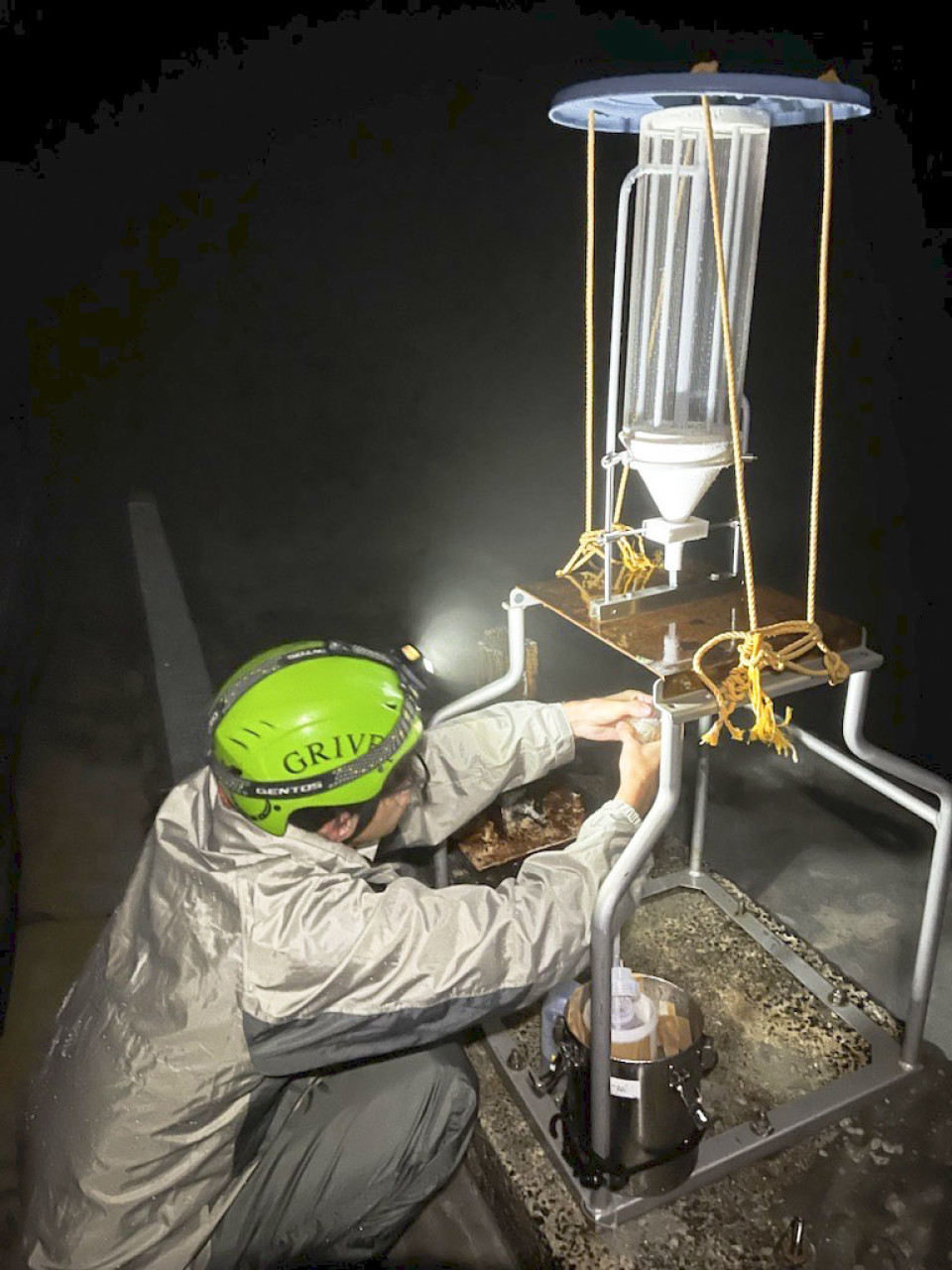
Okochi and his research team demonstrated for the first time through field observations conducted from 2021 to 2022 that microplastics were contained in cloud water collected in three locations, including the summit of Mt. Fuji.
microplastic2
Photo taken in August 2023 shows a Waseda University research team led by professor Hiroshi Okochi collecting cloud water at the top of Mt. Fuji. (Photo courtesy of Hiroshi Okoch / Kyodo)

The airborne particles become less water-repellent due to ultraviolet degradation, with evidence to suggest they may act as condensation nuclei of cloud ice and water, the researchers said.

Microplastics emit greenhouse gases when degraded by UV light. The researchers think they might hasten cloud formation, making it more difficult for the sun’s rays to reach the earth’s surface and thus interfering with predictive models of global warming.

Okochi’s team hypothesizes that airborne microplastics originate both from land- and ocean-based sources.

“In Japan, the most likely source is marine microplastics, which are blown up from the neighboring seas by typhoons and winter monsoons from the northwest,” Okochi said.

Ono of the Kitami institute, who specializes in cryology, or the study of snow and ice, discovered microplastics in snow.

Analysis of snow collected at nine locations in Hokkaido from 2021 to 2023, including the World Natural Heritage site of Shiretoko and Mt. Asahidake, found microplastics at all sites investigated.

In Shiretoko and other similarly remote areas, the majority of the materials found were less than 0.06 mm, a relatively small size. They included particles of polyethylene used for plastic containers thought to have been transported in the air.

In urban areas, synthetic rubber particles and relatively large microplastics were primarily found, most likely of local origin from sources such as car tires.

Supplied photo shows microplastics found in snow in Hokkaido. (Photo courtesy of Hiroshi Ono, associate professor at Kitami Institute of Technology)(Kyodo)

According to Okochi, microplastics in the atmosphere are less than 0.1 mm, which is small in comparison to those in the ocean, but they deteriorate more quickly because they are exposed to strong UV light.

As for health concerns, inhaled microplastics are thought to accumulate in the lungs, with the finer particles making their way into the bloodstream and then spreading around the body. But they are difficult to expel unlike plastics ingested through contaminated food and drink, he said.

The first paper referring to microplastics in the atmosphere appeared in 2016. Due to it being a relatively new field of study with a lack of standardized methodology, there has been little progress on grasping the actual severity of the situation, such as the amount of microplastics in the atmosphere and their size.

“There are still many things we don’t know. We would like to clarify the health risks in particular and consider how to deal with them,” Okochi said.

Advertisement

Is the Thai Massage Parlour Business Really Doomed in the Future?

massage
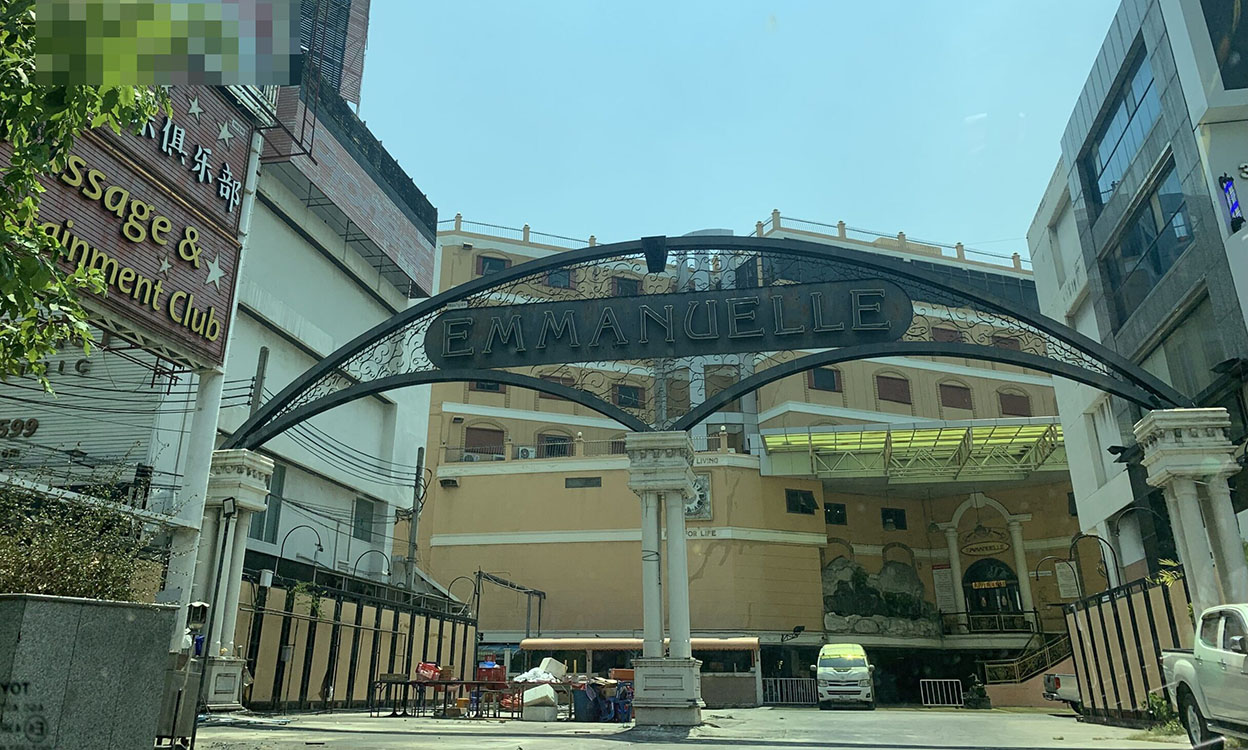
The massage parlor "Emmanuelle" ceased its operations on April 30, 2024.

BANGKOK – The closure and sale announcement of the famous massage parlour in Bangkok, “Emmanuelle Entertainment,” located in the Ratchada area for 645 million baht, just recently, seems to indicate the state of this business in Thailand quite well.

The location of Emmanuelle is on leased land, with an area of approximately 1 rai. The land in front is leased by the State Railway of Thailand (SRT), with the lease expiring on 30 April 2027. Although it’s possible to extend the lease, the business owner has chosen not to do so.

Sopon Pornchokchai, President of the Thai Real Estate Information Center (AREA), stated that the massage business reached its peak in 2013 with 527 establishments in Bangkok alone. In 2007, there were only 390, indicating significant growth. However, many of these massage establishments, including spas and related businesses, are large-scale operations, contributing to the high numbers.

However, in 2024, there are only 71 authentic massage parlour in Bangkok, with the highest concentration in Din Daeng district (19), followed by Huai Khwang (18), Ratchathewi (9) and Bang Phlat (4). Otherwise, they are scattered, with only 1-2 businesses in each district.

massage
The famous massage parlor in Bangkok, ‘Emmanuelle Entertainment,’ located in the Ratchada area, put up a sale announcement for 645 million baht.

The top five massage businesses with high registered capital are:

  • Youtopia Entertainment Complex, Huai Khwang District, Bangkok: 300 million baht
  • Plaza, Ratchathewi District, Bangkok: 88.2 million baht 
  • La Belle Entertainment Complex, Huai Khwang District, Bangkok: 50 million baht
  • Velthee Pilar, Nonthaburi Province: 100 million baht
  • Wee Chai Somboon, Huai Khwang District, Bangkok: 80 million baht

There are 29 massage establishments in other provinces, most in Chonburi (6), followed by Nakhon Ratchasima (4), with only 1-2 establishments per province in others such as Krabi, Khon Kaen, Chanthaburi, Chiang Mai, Nakhon Pathom, Nonthaburi, Phuket, Rayong, Samut Prakan, Saraburi, Sukhothai, Surat Thani, Udon Thani and Ubon Ratchathani.

When evaluating massage facilities, assuming that each facility has about 50 service providers, which with 527 facilities in 2013 equates to a total number of about 50,000 service providers, with each person providing services about three times a day, the revenue would amount to about 82.125 billion baht per year, assuming an average rate of 1,500 baht per person.

emmanuelle12
The massage parlor “Emmanuelle” ceased its operations on April 30, 2024 and put up a sale announcement for 645 million baht.

In this respect, the likelihood of massage businesses collapsing and disappearing is still low. If there are mergers between hotels and massage establishments or spas (of the higher category), the chances of survival are greater.

Sopon mentioned that from a financial perspective, currently, a typical 3-star hotel might have an occupancy rate of 60 percent with 100 rooms and a net income of 1,000 baht per night, resulting in a monthly income of 1.8 million baht. However, in the case of a massage establishment with 100 rooms, if the net room rate is only 600 baht per night (reflecting current market conditions) but with clients coming in once per day, the monthly income would also be 1.8 million baht. Moreover, other revenue streams such as food and beverages are likely to be higher compared to a regular hotel.

“Therefore, the possibility of massage businesses collapsing and disappearing altogether is still low at this stage. If there is further integration between a hotel and a massage facility or (higher-end) spa, the chances of sustainability will be even greater.”

massage parlour
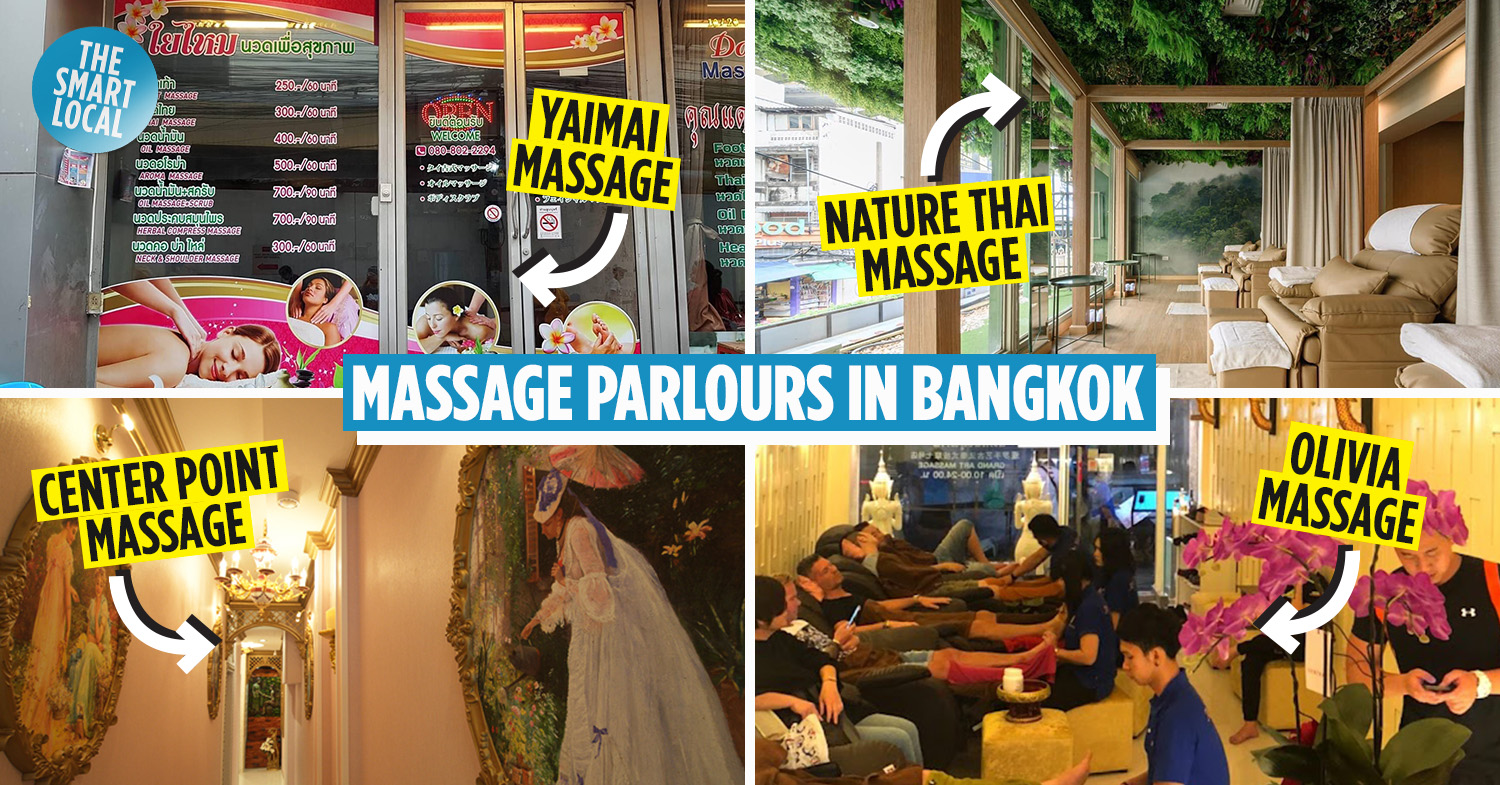
The smartlocal.co.th website introduces massage parlours in Bangkok.

However, if property prices are rising due to the prime location, it might be better to sell the business. For example, if a massage or hotel business generates a net income of 1.8 million baht per month or 21.6 million baht per year with a plot size of about 1.5 rai or a price of 450,000 baht per square meter (after deducting construction and other costs), it would be advantageous to sell the business at a higher land price of 1 million baht per square meter. This avoids the complexity of running the business and allows investment in other ventures.

So the massage business is not quite dead yet. There are still opportunities and potential for sustainability.

The massage parlour, or Ap Op Nuat in Thai, according to Claude, offers a range of services, including bathing, steaming, and massage. However, the term is often associated with establishments that provide sexual services, operating under the guise of a legitimate spa or massage parlour. It is important to note that not all massage parlors or spas in Thailand provide sexual services, and many operate as legitimate businesses offering therapeutic treatments.

_____

Advertisement

South and Southeast Asian Countries Cope with a Weekslong Heat Wave

A pedestrian holds an umbrella to protect from the sun in Bangkok, Thailand, Friday, May 3, 2024. (AP Photo/Sakchai Lalit)

South and Southeast Asian countries have been coping with a weekslong heat wave rendering record high temperatures that have posed a severe health risk.

Umbrellas to shield against blazing sunlight are popular, air-conditioned malls are serving as urban oases, and schools in Cambodia have been cutting back their hours. In the Philippines, India and Bangladesh, officials have told students to stay home and do their lessons remotely.

In April, the United Nations Children’s Fund warned that the sweltering weather could put millions of children’s lives at risk and asked caregivers to take extra precautions.

AP24124629069691
A man pours water on his daughter on a hot summer day in Manila, Philippines on Friday, April 26, 2024. (AP Photo/Aaron Favila)

A UNICEF statement said that in the Asia-Pacific region, “around 243 million children are exposed to hotter and longer heatwaves, putting them at risk of a multitude of heat-related illnesses, and even death.”

The advice everywhere for everyone? Avoid outdoor activities and drink plenty of water.

Meteorologists in Cambodia say the country is facing its hottest temperatures in 170 years, reaching as high as 43 degrees Celsius (109 degrees Fahrenheit).

In Myanmar, weather experts said some parts of the country experienced record high temperatures in the past week. Several towns were included on lists of the hottest spots worldwide in April, in at least one case surpassing 48.2 C (118.8 F).

Parts of eastern India experienced their hottest April on record as a heat wave scorched the region amid a general election.

The recorded highs reflect only air temperature, the historical measure for hot and cold weather. They don’t factor in the debilitating effects of humidity, which can make it feel even hotter.

The Thai capital Bangkok has touched 40 C (104 F), but the heat index reportedly topped 50 C (122 F).

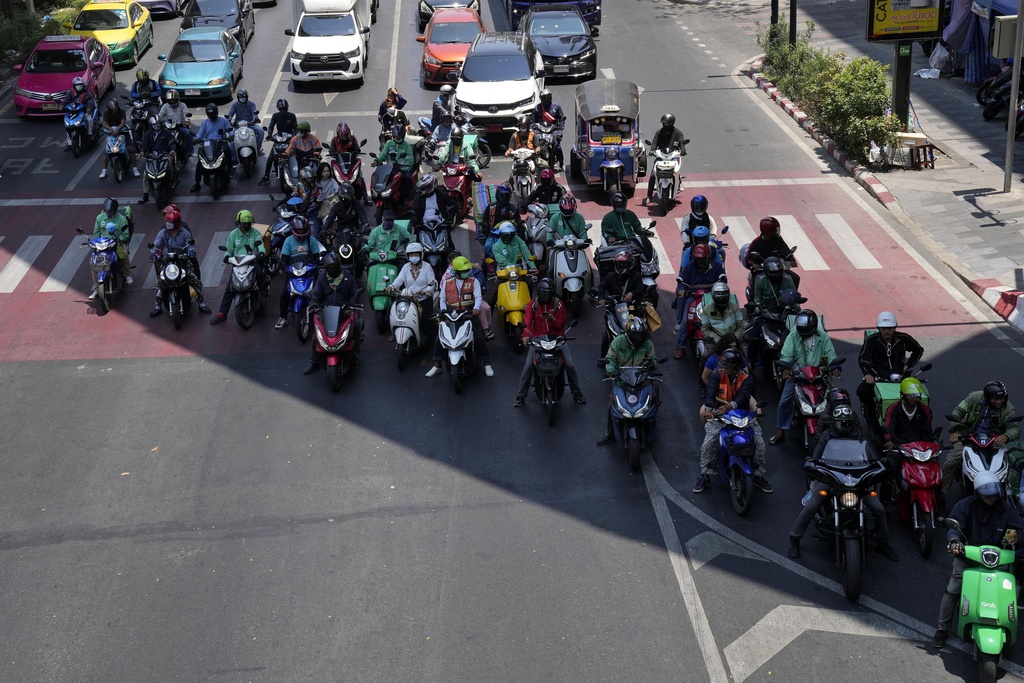
Motorcyclists stop in the shade of a skytrain line on a hot day in Bangkok, Thailand, Friday, May 3, 2024. Photo: Sakchai Lalit / AP

Cities such as Bangkok constitute urban heat islands, where the temperatures are hotter than in the surrounding countryside because of the mass of buildings and concrete that trap and retain heat.

Benjamin Horton, director of the Earth Observatory of Singapore where natural phenomena such as climate change are studied, said there are three causal factors for heat waves: El Nino, a naturally occurring climate phenomenon; an increase in global temperatures; and human-induced climate change.

___

Advertisement

Chiang Mai Police Rescue Another Chinese Student Based in Australia, Lured by Scammers

Police officers found Ms. Xu at the Thapae Inn Hotel in Chang Moi sub-district, Mueang Chiang Mai district, Chiang Mai province on May 2, 2024.

CHIANG MAI – Police in Thailand’s northern region 5 have found a Chinese student who was lured to Chiang Mai by a call center gang and extorted for 7 million baht. The student had flown to Thailand from Australia, where she was studying, to seek help. This case is similar to that of a Chinese female student who was lured to Bangkok in April.

On May 3, Pol. Maj. Gen. Worapong Kamlue, commander of Investigation Region 5, that the Chinese student surnamed Xu, 23, was threatened and deceived by a call center gang to travel to Thailand from Australia, where she was studying. She arrived at Suvarnabhumi Airport at 10.30pm on 30 April 2024 at 10:30 p.m. On Thursday, the Bangkok Metropolitan Police contacted the Information Technology Crime Suppression Center, Region 5 Police, asking for help in locating the student.

At around 11.50 p.m. on May 2, officers found Ms. Xu at the Thapae Inn Hotel in Chang Moi sub-district, Mueang Chiang Mai district, Chiang Mai province. She was on the phone with the call center gang at the time. Police officers immediately intervened and rescued her. She was then invited to the Information Technology Crime Suppression Center of Region 5 Police for questioning.

chinese student may2
Police in Thailand’s northern region 5 have found a Chinese student who was lured to Chiang Mai by a call center gang and extorted for 7 million baht.

Miss Xu said that around March 30, someone called her, posing as a Chinese police officer, and told her that her bank account had been opened using her identity card to transfer money obtained by fraud. She was told that her Australian visa would be revoked if she did not follow the instructions.

The scammers then got her to travel to Thailand and then to Chiang Mai province. She was told that the next day she would have to travel to Chiang Rai province to cross the border to a neighboring country.

On May 3, police from the Royal Thai Police and Miss Xu’s family traveled to Chiang Mai to pick her up and report the incident to the Chinese embassy and provide additional information for the investigation.

Pol. Lt. Gen. Thanathat Kangruambutr, deputy chief of staff of Special Analysis and Tools Division 1, stated that such cases mostly occur overseas, as wealthy Chinese families often send their children to study abroad, notably in the United Kingdom, the United States, and Australia.

_____

Related article: Scammers Lure an Australian-Based Chinese Student to Thailand for Ransom

Advertisement

Former Thai Police Officer Arrested for Extorting Chinese Group

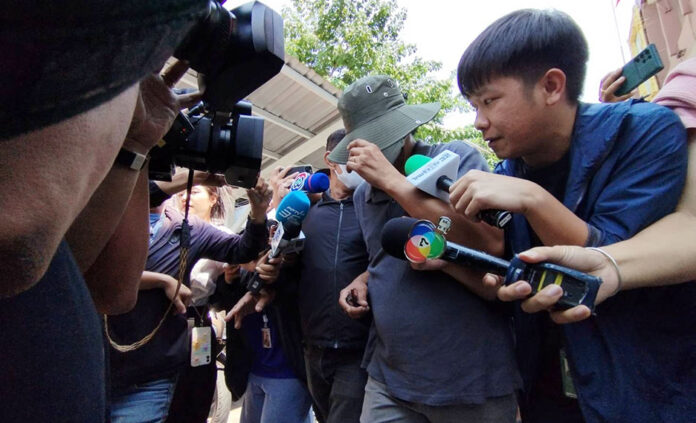
Mr. Athravut Sumanratthakul, or Mr. Boss, a former police officer, denied the accusation of extorting Chinese visitors.

BANGKOK – After officers from Din Daeng Police Station investigated a tourist robbery at a hotel in Soi Sutthiporn, Din Daeng District, Bangkok, on April 25 at around 8:30 p.m., they found that it was related to the abduction and extortion of Mr. Wang Zhen, 37, a Chinese national, and his four Chinese friends.

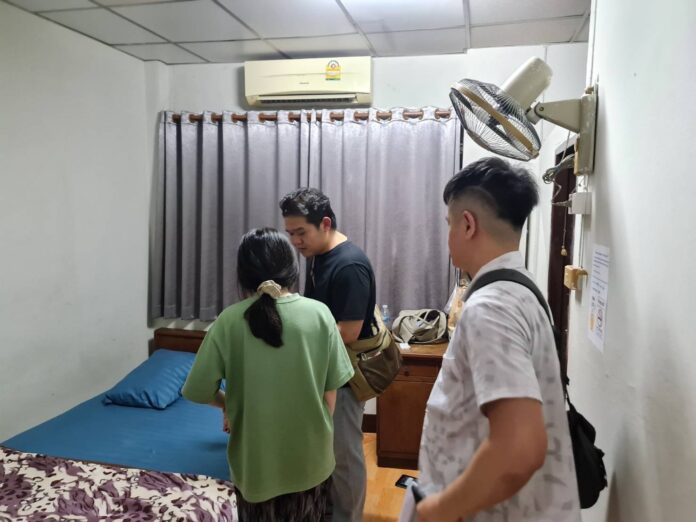
The investigation revealed that three men had entered the room, claiming to be Thai police officers. They took the five Chinese individuals into custody, alleging that they had violated the law of having a card skimmer and needed to be taken to the police station. Two cars were waiting outside the hotel.

On the way, the three men persuaded the victims to pay money in exchange for not being prosecuted. Mr. Wang’s group then contacted their Chinese friend in Cambodia to transfer money to a digital wallet account as instructed by the perpetrators, amounting to 65,000 USDT or approximately 2,500,000 Thai Baht. After the payment was made, the perpetrators released them.

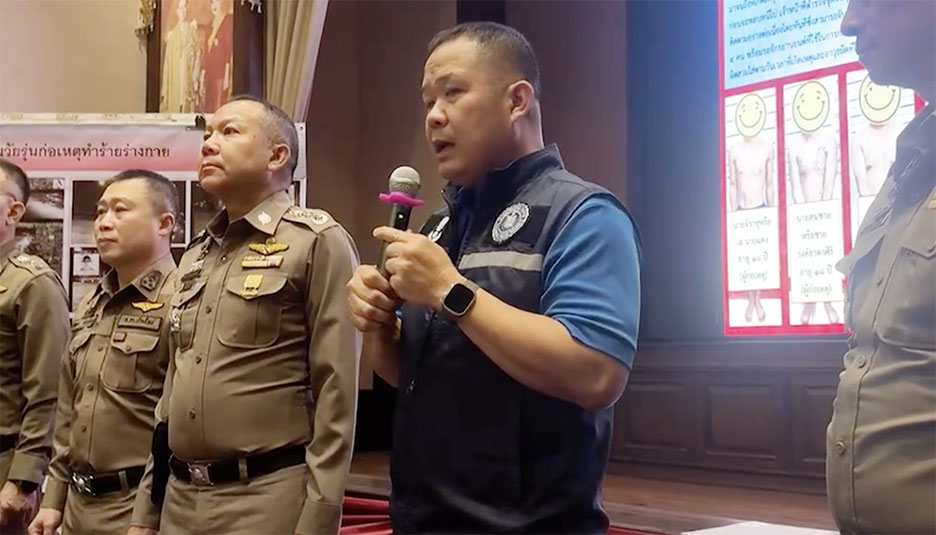
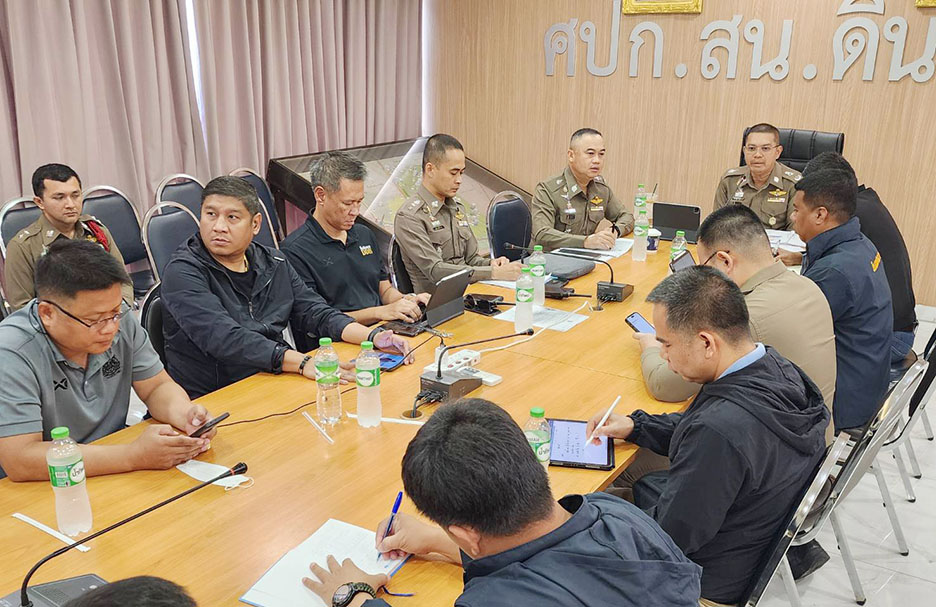
Police officers at Din Daeng Police Station held a meeting to discuss the case of a group of Chinese people being extorted for over 65,000 US dollars.

Following the incident, the victims met with the investigating officers to file a complaint and hand over the case to the investigators to proceed with legal action against all the suspects in this case, ensuring they are punished.

On May 3, the Metropolitan Police gathered evidence and requested the court to issue arrest warrants for three suspects: Mr. Attawut Sumanrattanakul, 52 years old, Mr. Theerachai Chalermpanpen, 36 years old, and Mr. Naphasin Nummak, 39 years old, on charges of “jointly extorting property, jointly impersonating an official and acting as an official without authority, jointly detaining or confining others or depriving them of their physical freedom.”

Mr. Athravut , or Mr. Boss, was arrested at his residence in the Khu Bon 33 area, Ram Inthra Subdistrict, Khan Na Yao District. He is the person who claimed to be a police officer, but it was found that he was a former police officer who had already been dismissed from the service in 2022.

During the intimidation of the Chinese visitors, Boss claimed that they had to pay 4 million baht in exchange for not being prosecuted. However, the Chinese group did not have that moch money to pay, so Mr. Boss reduced it to 3 million baht.

Mr. Boss gave a brief interview to the media, confirming that he was not involved in the incident. He did not participate in the gang’s extortion of a Chinese businessman and did not know Mr. Wang, the Chinese businessman. Importantly, he was not present at the scene of the incident.

When reporters tried to inquire about where was him on the day of the incident, he only replied that he would give his statement in court. When further asked if Mr. Boss had actually served as a police officer, he did not respond at all before being escorted into the investigation room at Din Daeng Police Station.

Advertisement

Tech Enablement as a Critical Development Factor for Thailand

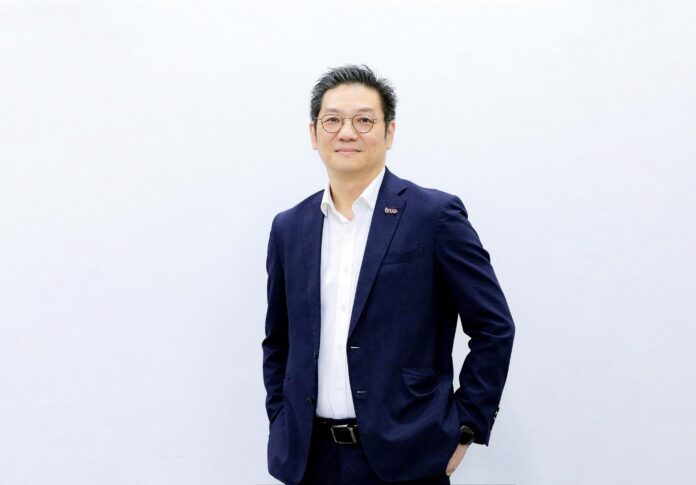
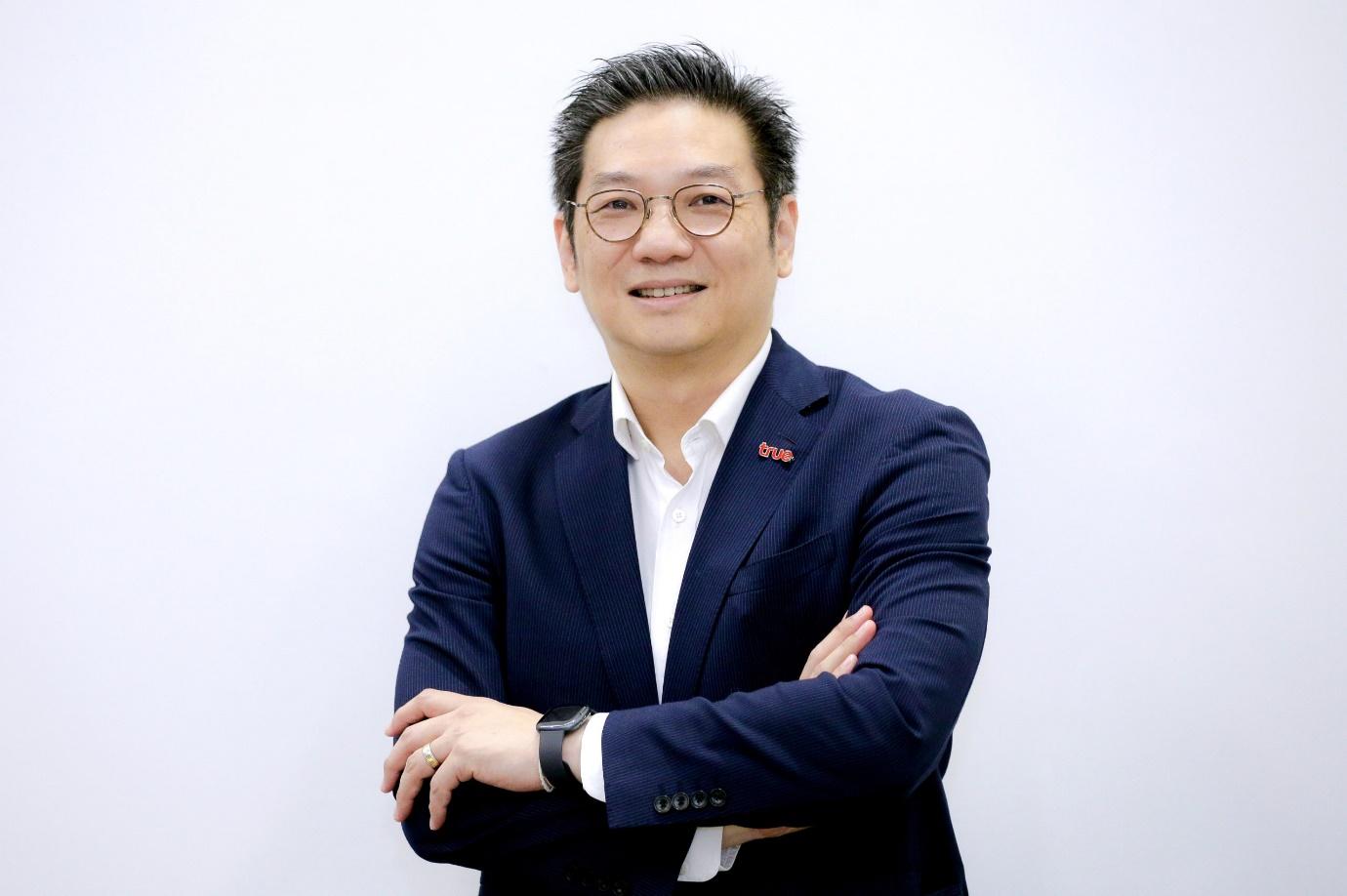
By Manat Manavutiveth, Chief Executive Officer, True Corporation Plc

Thai society’s long-term prospects face growing risks from skill gaps, lagging technological adoption, and the impact of climate change. Leading players from industries of strategic importance, such as telecom and tech, should play a pivotal role in contributing to the country’s ability to progress rapidly. True is responding to this challenge by driving systemic change in education, nurturing digital innovation, and enabling climate action.

Skills for Tomorrow

Thailand needs human capital investment to improve labor skills and productivity in the long term. Future economic development requires talents trained in advanced technologies such as artificial intelligence, automotive robotics, nano- and biotech. These skills are both an economic necessity and a societal one, as they can lead to developing solutions to build climate resilience and support Thailand’s aging population despite a shrinking workforce.

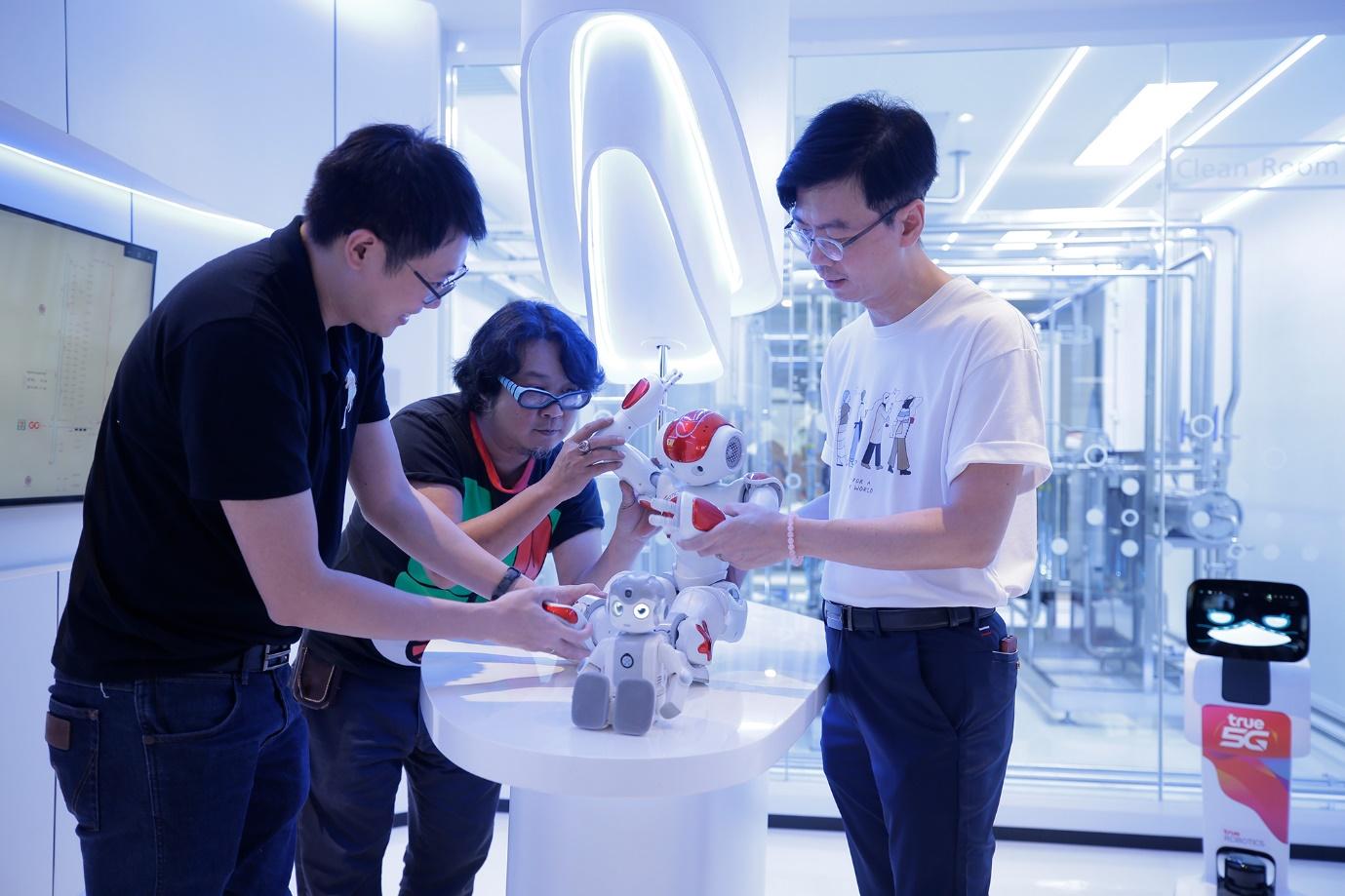
image3 3

True leverages our tech expertise for the positive development of Thai society by providing digital skills training for professionals and students. True Digital Academy has trained 30,000 talents in business digital skills such as cyber security, data analytics, and online marketing. For students, True Plookpanya has delivered online courses to over 34 million users. The website (trueplookpanya.com) has been Thailand’s number one educational website every year since 2019.

Our experience has been that supporting students online, although effective, is not a replacement for the systemic changes needed in Thailand’s education system. This includes enhancing the transparency of school assessments, improving the quality of teachers and principals, building a culture of engagement, increasing digital readiness, and promoting the adoption of child-centric curriculums.

To this end, True launched the CONNEXT ED Foundation with the Ministry of Education and public and private partners in 2020. Results are encouraging: Of the 5,000 schools that have joined the program, 72% have already achieved scores ranging from good to excellent. Technology has played a pivotal role in these achievements. In addition to providing schools with 6,000 laptops, CONNEXT ED has trained 5,000 ICT talents to ensure schools have the necessary skills to utilize them. We also connected nearly 1,300 schools to high-speed internet.

More importantly, we hope CONNEXT ED will serve as an incubator for the urgently needed reforms to Thailand’s education system. Support from ecosystem partners and collaboration with the government will be crucial to replicate these promising developments and rapidly achieve positive impact at a national scale.

Climate Action

If we succeed in nurturing a new generation of fast-thinking, creative, and confident Thais, the next challenge is to ensure they inherit a resilient planet. Nearly a third of the country’s workforce is in agriculture, but increasing temperatures and extreme weather threaten the ecosystems we depend on. As a result, Thailand is one of the countries most at risk from climate change.

True’s ambition is to enable climate action for the whole country. Research by GSMA Intelligence shows that mobile connectivity could facilitate 40% of the required carbon reduction across transport, energy, building, and manufacturing sectors by 2030. With 99% population coverage on 4G and 90% 5G coverage, our technology infrastructure is enabling the development of smarter vehicles, cities, and factories, thereby reducing emissions nationwide.

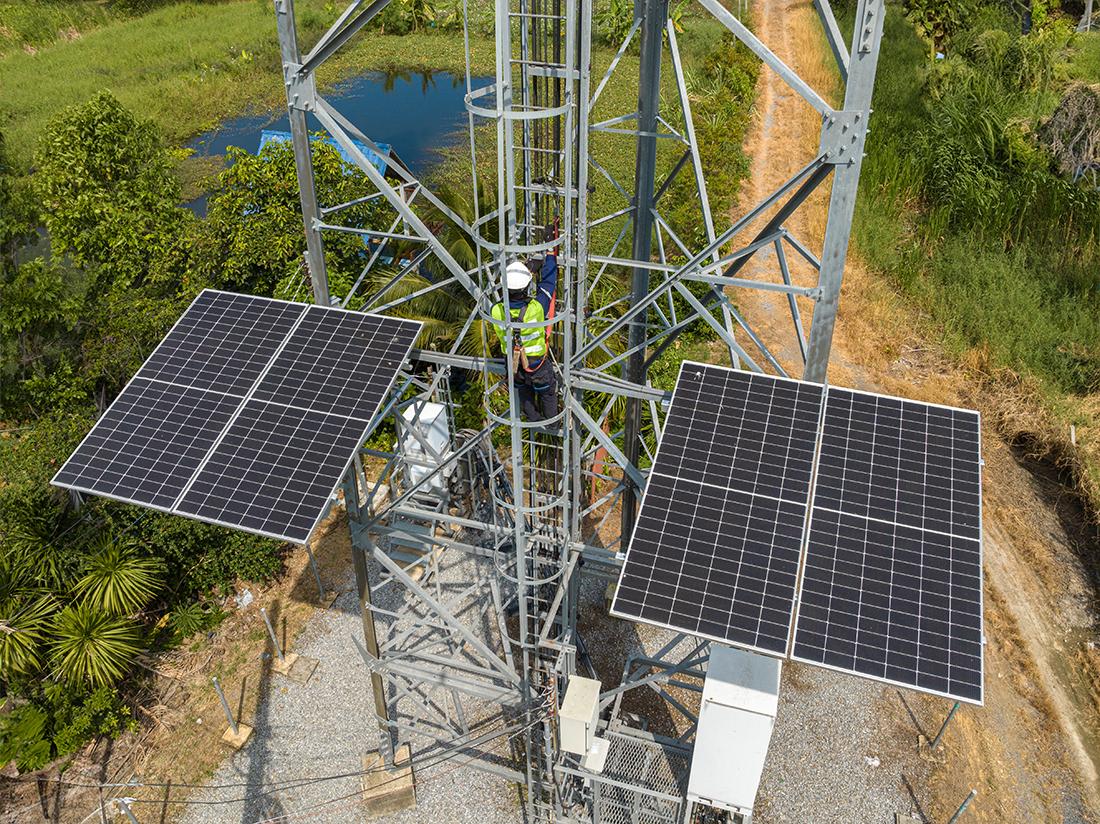
In addition to the enablement effect of mobile connectivity, True has worked on energy saving solutions based on artificial intelligence and IoT. These solutions achieved energy savings of up to 15% both in our operations and in the retail industry. In farming, they also reduce the need for pesticides, antibiotics, and fertilizer.

image2 4

These energy savings are significant but not sufficient to meet carbon neutrality by 2030—much more must be done. This is why True continues to push for a national grid with cleaner energy. We are also encouraging our suppliers to establish science-based emissions targets while providing training on the process and benefits of effective climate action. As a founding member of the UN Global Compact, True seeks to encourage decisive climate action among decision makers and critical stakeholders in the private and public domains.

Investing in Innovation

In addition to education and the environment, the other major challenge for Thailand is the need to “reboot productivity for resilient growth” (to quote the World Bank). The combination of AI, IoT, and 5G represents a unique opportunity for a new wave of development. But this requires upgrading Thailand from a consumer of technology to a producer.

Huge investments will be required to achieve this. Thailand’s Board of Investment targets 2 trillion baht (US$57 billion) by 2030 in sectors such as electric vehicles, smart electronics and green technologies. And even if this target is reached, investment from global tech players and manufacturers setting up operations in Thailand does not always translate to developing local tech champions.

image5 1

This why we feel True should play a critical role in building up Thai tech, both as a visionary telecom-tech leader and as an orchestrator of Thailand’s innovation ecosystem. Our innovation initiatives total 120 patents and we have partnerships with 50 universities to support their research. In addition, we established True Digital Park, the largest tech and startup hub in Southeast Asia, spanning over 230,000 sq meters, bringing local entrepreneurs, global tech companies, venture investors, startup accelerators, and government agencies under one roof.

Today, nearly 3,000 startups have already joined this ecosystem. And our startup incubator, True Incube, has raised US$100 million in investment from venture capital (VC) funds to Thai startups. But we see that much more investment is still needed; and we plan to establish strategic partnerships to launch a VC fund of US$300 million or more. We hope this will inspire others to join us or set up their own funds to accelerate the growth of digital Thailand.

Although Thailand faces serious challenges in education, climate action, and the digital transformation of its economy, these can be overcome through collaboration between public and private partners as well as civil society. Together, we can build innovative solutions for a safer, healthier, and more productive future. True Corporation is committed to being an ambitious enabler of this process.

image4 3

Manat Manavutiveth is chief executive officer of True Corporation, Thailand’s leading telecom-tech company. A veteran of the mobile communications industry, he is driven by connectivity’s power to accelerate the sustainable development of Thai society.

This piece is part of a series by the Sasin School of Management inviting thought leaders and practitioners from around the world to share their visions and insights on the reinvention of the systems that they are part of. 

Advertisement

Taiwan’s Indispensability in Preparing for Future Pandemics

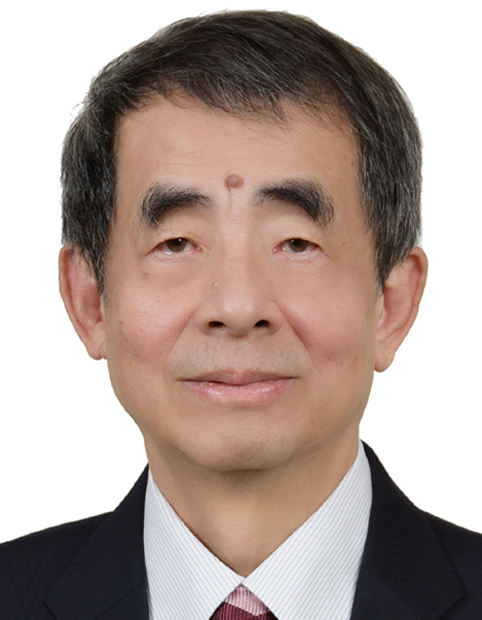
This article is written by Mr. Chang Chun-Fu, Representative of Taipei Economic and Cultural Office in Thailand.

According to the media reports, COVID-19 cases in Thailand have surged once again after this Songkran Festival, reminding us that the threat of the pandemic persists. Although COVID-19 is no longer classified as a Public Health Emergency of International Concern (PHEIC), the World Health Organization continues to warn about the threat of a Disease X pandemic. Therefore, enhancing global health governance becomes an important issue that Thailand, Taiwan, and governments worldwide cannot afford to overlook.

WHO and many countries began reviewing response strategies during the COVID-19 pandemic. Weaknesses in the International Health Regulations (2005) as concerns managing this crisis were revealed. As a result, changes are afoot. Proposed revisions include enhanced surveillance, reporting, and information sharing; improved response readiness; and revised criteria for declaring PHEICs.

At the same time, there is vigorous debate around a new pandemic agreement, which aims to craft a robust global pandemic governance framework grounded in accountability, transparency, and equity. This agreement is expected to be approved at the upcoming 77th World Health Assembly scheduled from May 27 to June 1 this year.

Chang Chun Fu
Mr. Chang Chun-Fu, Representative of Taipei Economic and Cultural Office in Thailand

Taiwan strongly supports the revision of the International Health Regulations (2005) and the approval of the new pandemic agreement. However, as Taiwan is not a member of the WHO, we cannot directly influence revisions to the IHR (2005) or drafting the new pandemic agreement is not possible. We call on WHO to include Taiwan as a signatory to these documents.

This inclusion would facilitate collaborative efforts in monitoring emerging virus strains, reporting and exchanging pathogen diagnosis data, and sharing novel vaccine and antiviral research or clinical trial results.  By fostering collective global action against future pandemics, we could build a more resilient global society with effective disease prevention measures.

We urge WHO to support Taiwan’s inclusion in overseeing global health. Taiwan remains committed to participating based on the principles of professionalism, pragmatism, and making contributions. Taiwan seeks to cooperate with WHO to remedy geographic gaps in global health security and to construct a comprehensive global health framework.

The WHO Council on the Economics of Health for All has found that at least 140 countries recognize health as a fundamental human right in their constitutions. Despite this, many nations have not passed and implemented relevant laws to ensure that their citizens have access to healthcare services. Taiwan has worked hard to reach universal health coverage and has consistently improved the quality of health care over the past few decades in line with WHO recommendations.

Taiwan has effectively integrated and allocated social welfare resources to enhance primary and oral health care for all, implement mental health programs, and strengthen the social safety net. Taiwan has put in place an agile and resilient healthcare system able to combat both communicable and noncommunicable diseases. We are improving health for all individuals over the course of their entire lives. Moreover, Taiwan is working to share its experience and expertise in achieving universal health coverage to help the international community realize health for all.

The theme for World Health Day 2024 is “My health, my right.” This is a way to advocate for every individual, everywhere, to have access to quality health services, education, and information, as well as enjoy safe drinking water, clean air, good nutrition, quality housing, decent working and environmental conditions, and freedom from discrimination.

Through a public-private partnership, Taiwan has been contributing to global efforts to realize the right to health in collaboration with partner countries and international organizations. We have improved medical care in South Pacific island nations, enhanced nutrition for women and children affected by an earthquake in Haiti, provided psychological support to Ukrainian refugee women and children in Romania as well as aid workers; bolstered climate change adaptability in the Caribbean; and improved access to water, sanitation, and hygiene at healthcare facilities in Kenya.

Taiwan is committed to supporting the World Health Organization in implementing the principle of “ health as a human right “. Yet the rights of Taiwan’s 23 million people are disregarded by WHO for political reasons. We urge WHO and all relevant parties to recognize Taiwan’s considerable contributions to global public health and the human right to health. It is imperative for WHO to adopt a more open-minded approach and demonstrate flexibility, adhering to the principles of professionalism and inclusivity.

Taiwan should be included, as a matter of pragmatism, in the World Health Assembly and all WHO meetings, activities, and mechanisms, particularly those related to the WHO pandemic agreement. This would better empower Taiwan to collaborate with global partners to uphold the fundamental human right to health stipulated in the WHO Constitution and the vision of leaving no one behind espoused in the United Nations Sustainable Development Goals.

______

Advertisement

CP Foods Wins Three International Awards for Innovative Vegan Cheese

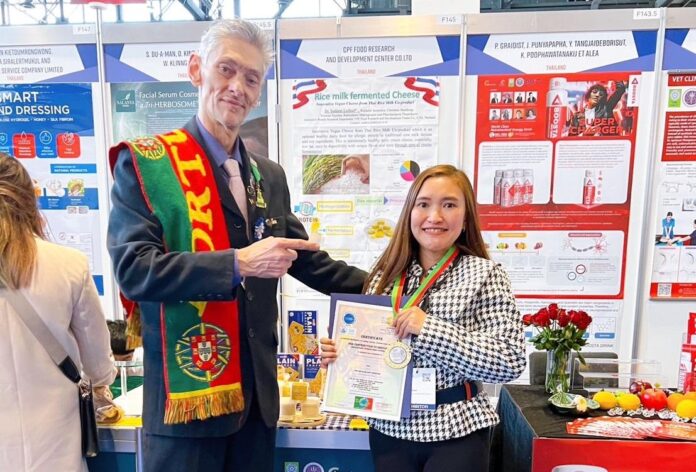
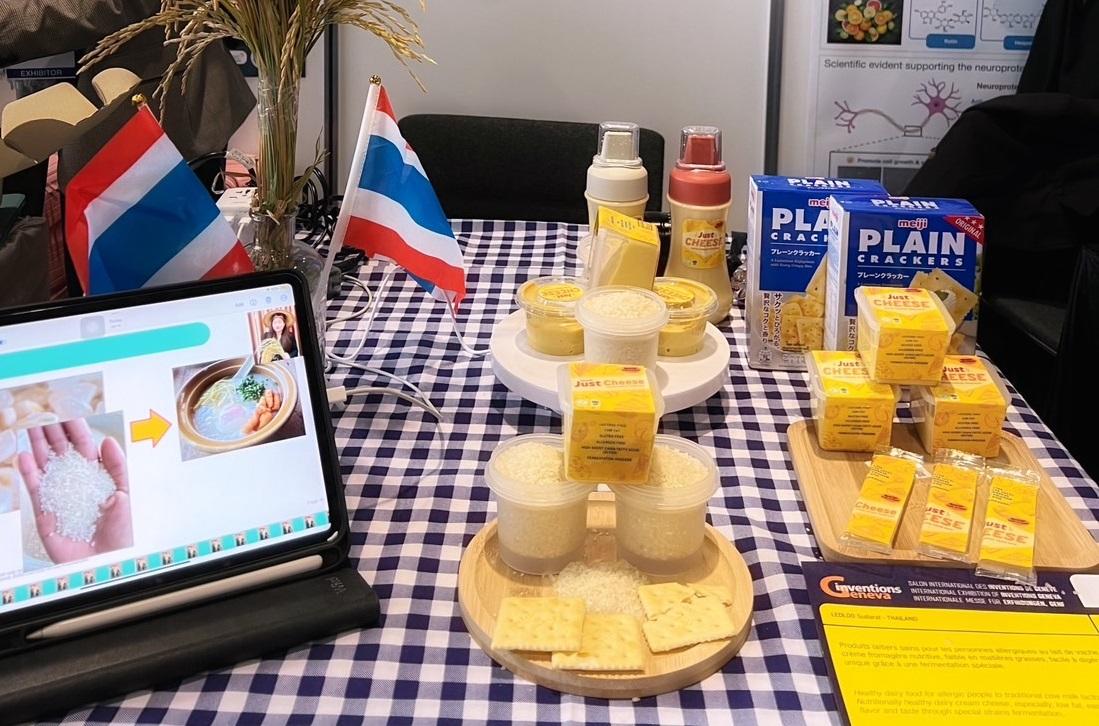
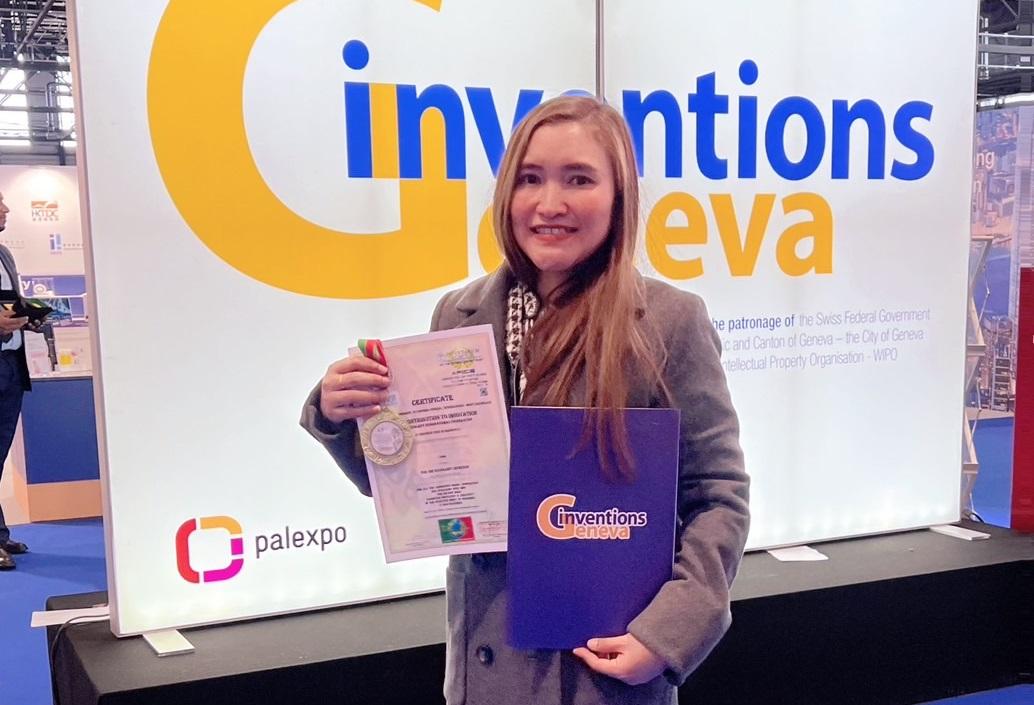
Charoen Pokphand Foods Public Company Limited (CP Foods) announces its recent international recognition at the 49th International Exhibition of Inventions in Geneva, Switzerland. The company garnered three prestigious awards, highlighting its innovative prowess in the food technology sector. Among the award-winning innovations was the groundbreaking “Just-Cheese” made from Fermented Broken-Milled Rice, an exceptional vegan cheese alternative.

“Just-Cheese” is celebrated for its low-fat composition and high nutritional value, boasting a flavor profile comparable to traditional milk-based cheeses. This product serves as an excellent option for cheese enthusiasts and vegetarians alike, offering a viable alternative for those sensitive to cow’s milk.

image3 2

Dr. Sudarat Ledlod, Alternative Protein Researcher at CP Foods’ R&D Center, spoke about the company’s dedication to integrating advanced technology and scientific research to produce food solutions that are beneficial for health and gentle on the environment. The development of the Vegan Cheese from Fermented Broken-Milled Rice is a result of collaborative efforts with culinary experts and various specialists, aiming to craft a product that is not only healthier with its low fat and lactose-free attributes but also rich in proteins, minerals, and vitamins.

image2 3

The Vegan Cheese innovation was recognized with the NRCT Honorable Mention Award by the National Research Council of Thailand and received two additional honors in Geneva: a Bronze award and a Special Prize from Portuguese Delegation. The International Exhibition of Inventions of Geneva, renowned as the largest event of its kind worldwide, draws inventors and researchers from over 45 countries. This marks the second consecutive year CP Foods has been acknowledged on this global stage, reinforcing its role as a leader in sustainable and innovative food solutions that also support Thai agriculture.

image4 2

Advertisement

Westin Hotels & Resorts Bolsters its ‘Best in Bed’

Westin Hotels & Resorts Bolsters its ‘Best in Bed’ Reputation with the Global Debut of the Next Generation Heavenly® Bed 

With sleep leading the broader health and wellness movement, Westin doubles down on the sleep conversation with its refreshed product, enhanced modern design and globally acclaimed wellness programming

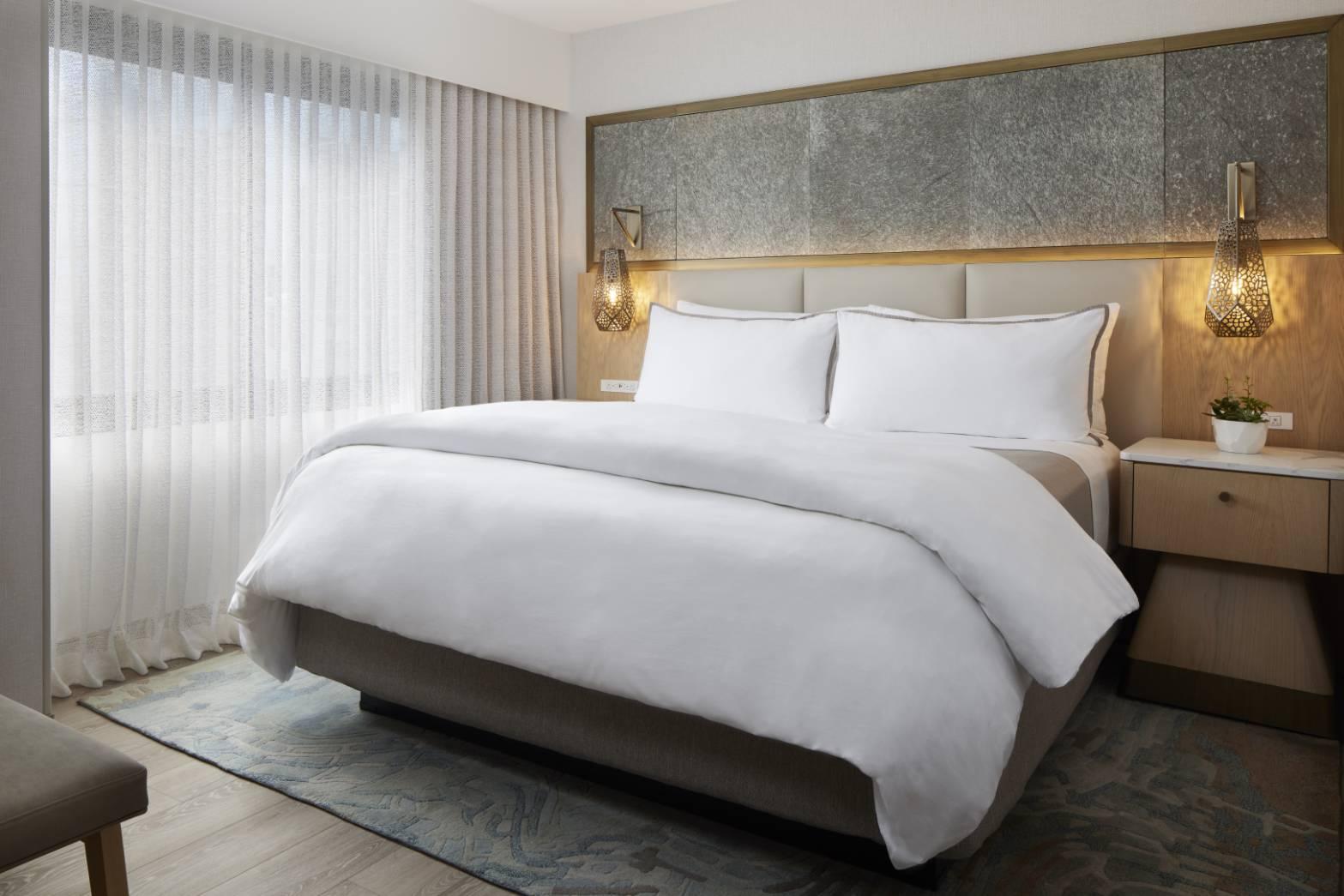
Building upon its legacy of delivering deep, restorative sleep for guests, Westin Hotels & Resorts, part of Marriott Bonvoy’s portfolio of more than 30 extraordinary brands, is unveiling its next generation Heavenly® Bed. Developed in collaboration with leading sleep experts, Westin associates and guests, the next generation Heavenly Bed fortifies the brand’s mission and 360-degree wellness approach, empowering discerning travelers to not only maintain but enhance their well-being while traveling. 

image3 1

As the preeminent wellness brand in hospitality, Westin has long recognized sleep as a cornerstone of well-being. Many travelers are now considering a restorative night’s sleep as a pivotal part of their overall travel experience, a subject in which Westin has served as an authoritative source for decades. This new prioritization in sleep quality has individuals seeking out new ways to optimize their sleep experience while traveling, as evidenced by the booming sleep sector which is expected to grow by over $400 billion through 2028. The legacy Heavenly Bed has not only paved the path for providing unparalleled comfort for travelers, but spurred consumers’ interest in bringing their sleep experience home, with more than 500,000 Heavenly Beds sold since its official launch on the Westin Store. 

Energized by its enduring success and prestigious reputation, Westin embarked on a multi-year journey to invigorate guests’ sleep experience and enhance travelers’ well-being at its 240+ hotels and resorts globally.  

image2 2

“An industry benchmark was set with the launch of our legacy Heavenly Bed in 1999, and it now serves as a testament to our unwavering commitment to provide the very best sleep experiences for guests around the world. In a culture that has long glorified busyness and productivity, Westin knows that a good night’s sleep is paramount to guests’ overall well-being, which is why our iconic Heavenly Bed has resonated with travelers for decades,” said Brian Povinelli, Senior Vice President and Global Head of Marketing and Brand, Marriott International. “Understanding the devoted fanbase the legacy bed has garnered over the years; our goal was to listen and carefully review every aspect of the guest and associate experience, ensuring each update was both intentional and impactful. We are confident that it will exceed the expectations of both loyal and future Westin guests across the globe and again raise the bar for the comfort of our guests.”  

Aiming to set the new standard of excellence for restorative sleep on the road, Westin’s significant development process included testing thousands of products, hosting consumer focus groups and property listening sessions, and researching the evolution of sleep comfort and technology. It culminated in a new, top-of-the-line product with a modernized design and a wider commitment to continue to evolve and improve the Westin Sleep Well experience.

image4 1

From the plush-top mattress and its innovative silver fiber weave to the added layers of temperature-regulating gel-infused memory foam, the next generation Heavenly Bed mattress offers a superior sleep experience further enhanced by the significant upgrades to bedding design and materials. All bedding components have been upgraded to hypoallergenic materials and the blended duvet insert was created with a unique mix of materials and wrapped in smooth cotton, which is designed to regulate temperature and keep guests cool for a better night’s sleep. Replacing the previous all-white aesthetic of the legacy bed with Westin’s new, modern design ethos, the next generation Heavenly Bed now includes a new charcoal blanket and full-frame piping on pillowcases to provide a warm residential feel and cloud-like appearance. The richly woven blanket features a tone-on-tone pattern inspired by the brand’s biophilic design principle and serves as both an added layer of warmth and a beautiful residentially inspired coverlet. Additional design updates include sateen linens with natural matte finish and the removal of the bed skirt and bolster pillow, reflecting a more modern sleep experience and guest input. 

To learn more about The Westin Heavenly Bed and the brand’s 360-degree wellness experience, please visit www.westin.marriott.com.

Advertisement

Thai Housekeeper Inherits $2.7million and 3 Cats from French Woman in Koh Samui

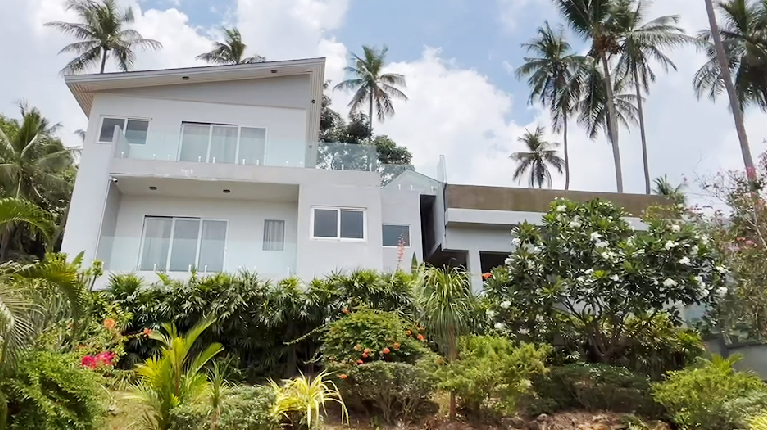
housekeeper
Pa Tim (Aunty Tim), a Thai housekeeper, tearfully said on May 2, 2024, that she was shocked and saddened by the tragic death of Madame Catherine, who left her fortune and three cats to her. 

KOH SAMUI – A French businesswoman, Madame Catherine, 59, who lived in a luxurious villa on Koh Samui in Thailand’s Surat Thani province, committed suicide by shooting herself. She left her 100 million baht, or about 2.7 million USD, fortune and three cats to her Thai housekeeper, known as “Pa Tim,” in her will.

Pa Tim (Aunty Tim), from Wanorn Niwas district in Sakon Nakhon province, tearfully said on Thursday she was shocked and saddened by the tragic death of Madame Catherine.

The Thai housekeeper said she had known Madame Catherine for over 17 years. She was introduced to Madame Catherine by a friend and started working as a housekeeper at Madame Catherine’s rental property. Mrs. Catherine then expanded her business from a rental property to a resort and villas, and Pa Tim continued to work for her throughout her career. She receives a salary of 22,000 baht per month.

thaimaid french2
A villa of a French businesswoman, Madame Catherine, who committed suicide, is left to Pa Tim, her housekeeper.

Before the incident occurred, on April 28, Pa Tim went to clean the house as usual. During the afternoon, she informed Madame Catherine that she was going to take leave to go to the temple, as it was her birthday. Madame Catherine allowed her and then said “Happy Birthday to you”.

The next day, the pool cleaner called Pa Tim and told her that Madame Catherine was lying on the ground next to the pool, covered in blood. Pa Tim said she was so shocked and rushed to the house. When she got there, she found that her boss had died with a gunshot wound to her temple.

After checking her LINE messages, Pa Tim found a message from Madame Catherine indicating that there was a farewell letter in the safebox. She and Madame Catherine’s friend then opened the safe and read the letter together.

It starts with the word “Au revoir” or “Goodbye,” and says, “My journey ends here. I very sincerely believe that you are a person of integrity. That’s why I leave you my safe. The second copy is for Tim. I wish to be cremated and my ashes scattered, if possible, in Saparot.”

housekeeper
Pa Tim gives an interview to Thai media. She tearfully talks about Madame Catherine, whom she loves like a relative.

The letter stated that Madame Catherine was bequeathing her villa, along with the surrounding land, two additional acres of vacant land, luxury cars, jewelry, rings, diamonds stored in the safe, and all cash in the bank to Pa Tim. She was also giving two other villas to Mr. Vincent, Madame Catherine’s ex-husband. Additionally, the Frenchwoman requested that Pa Tim take care of her three beloved cats.

“I want her to stay with me. I didn’t want that to happen. I received so much from her, but I lost her. I’m heartbroken and miss her so much. I don’t want her to leave me. She was like a mother to me, taking care of me all these years. I promise I’ll do my best,” said Pa Tim.

The Thai housekeeper, who has four children, also revealed that Madame Catherine had transferred her salary, internet fees, water and electricity bills in full before her death. She had also transferred 500,000 baht to Pa Tim to cover her funeral expenses. Pa Tim promised to hold a proper funeral and never forget Madame Catherine’s kindness.

She still does not know what she will do with the villa in the future, but she is sure that she will not sell it. This also applies to the luxury cars that Madame Catherine left her, even though she can not drive.

Pa Tim believes that Madame Catherine’s decision to commit suicide may have been due to stress from her illness. She had hemorrhoids that eventually turned into cancer. She may have wanted to pass away peacefully.

_____

Advertisement

Hot News

LATEST NEWS

Bangkok
overcast clouds
33.8 ° C
34.4 °
32.2 °
65 %
3.4kmh
100 %
Sat
34 °
Sun
36 °
Mon
37 °
Tue
36 °
Wed
36 °