28.8 C
Bangkok
Sunday, June 28, 2026
Home Blog Page 68

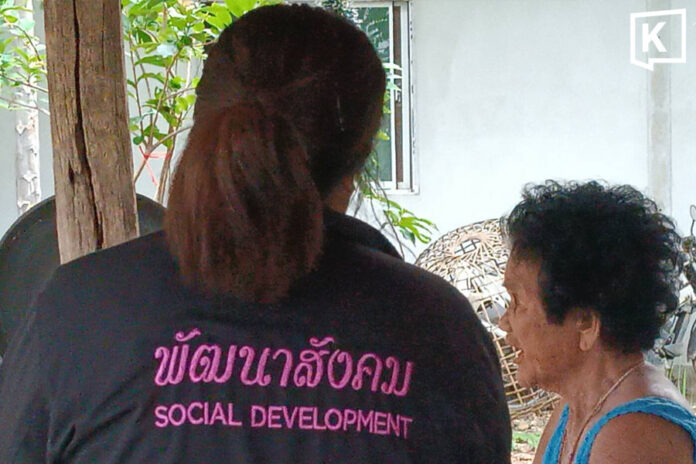
Police investigate alleged abuse of 11-year-old in Prachin Buri

Officials are investigating a sexual abuse case involving an 11-year-old girl in Prachin Buri, with authorities providing support.

PRACHIN BURI — 1 May 2026, An 11-year-old girl with a cognitive impairment has been identified as the victim in an alleged case of sexual abuse involving a relative in Kabin Buri district, authorities and family members say.

Police confirmed that a complaint was filed on 30 April by the girl’s mother and grandfather, alleging that a 50-year-old relative sexually abused the child at her home in Khao Mai Kaew subdistrict. The alleged incident took place on the afternoon of 28 April while the child’s mother was away.

According to the family, the incident is alleged to have taken place on the afternoon of 28 April at the child’s home in Khao Mai Kaew subdistrict while her mother was away.

The case came to light after a family member noticed something unusual inside the home and intervened. The child later disclosed to her mother that she had been harmed on more than one occasion, according to the family. A younger sibling may also have been present during some of the incidents.

The girl was taken for a medical examination at Kabin Buri Hospital, and a formal complaint was filed with police.

Authorities have not publicly detailed the allegations. A relative of the accused disputed the severity of the claims, saying he admitted only to inappropriate contact.

Officials from the provincial Children and Family Home and the Ministry of Social Development and Human Security visited the family on 30 April. Authorities say they are coordinating with police to pursue the case and to provide psychological support to the child.

Advertisement

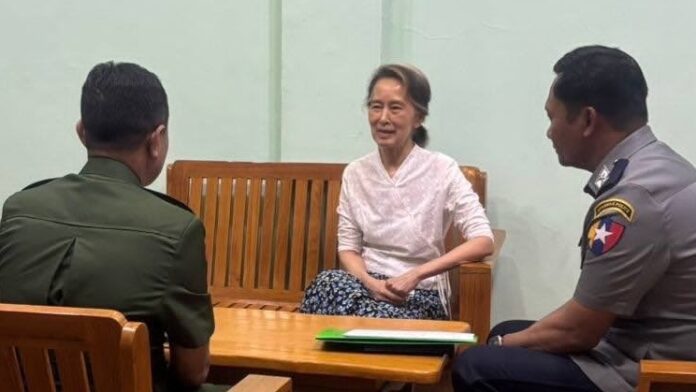
Myanmar state media: Aung San Suu Kyi shifted from prison to house arrest

Myanmar’s state media reported that detained former leader Aung San Suu Kyi has been transferred from Naypyitaw Prison to house arrest, marking a significant shift in her detention status.

The move comes after a series of recent amnesties under the administration of Min Aung Hlaing, who was sworn in as president earlier this month.

Suu Kyi’s overall prison term was reduced by one-sixth as part of a broader amnesty announced on 17 April. However, this is the first time she has officially been granted house arrest since she was detained following the Myanmar coup d’état in 2021.

No further details were immediately available regarding the conditions of her house arrest or whether additional measures could follow.

Advertisement

Australian embassy marks World Press Freedom Day 2026 in Bangkok

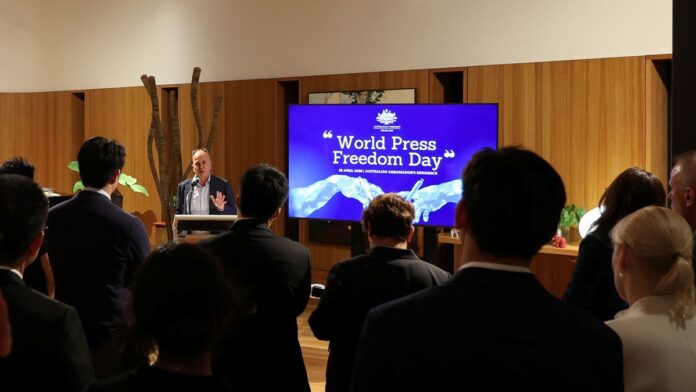
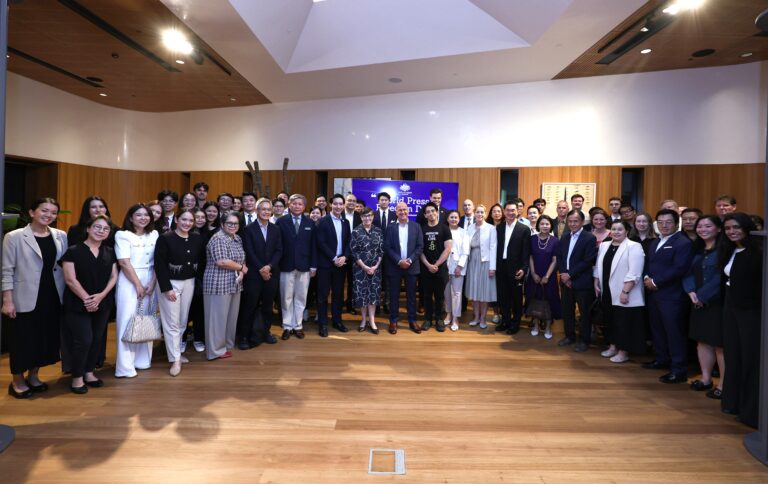
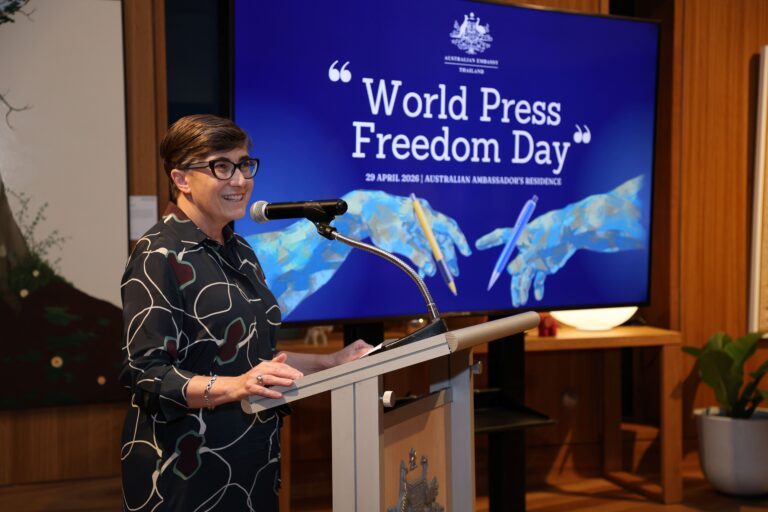
BANGKOK — The Australian Embassy Bangkok hosted a reception on Wednesday evening bringing together Thai and international media, government representatives, civil society and diplomats ahead of World Press Freedom Day.

Ambassador Macdonald giving opening remarks
Australian Ambassador to Thailand, Angela Macdonald

Australian Ambassador to Thailand Angela Macdonald said the occasion served as a reminder of the critical role of a free press.

“Timely, accurate and independent reporting has never been more important,” she said, noting that journalists around the world continue to face imprisonment and even death in the line of duty.

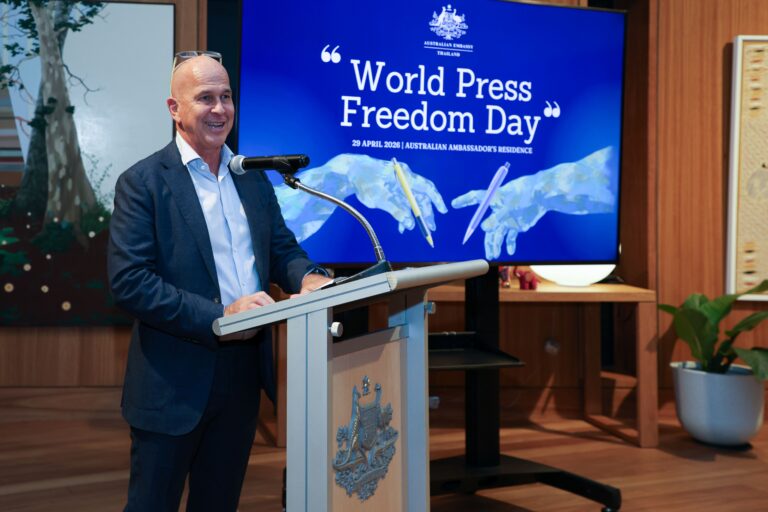
The event’s guest of honour, Peter Greste, a professor of journalism at Macquarie University, reflected on his own experience of being imprisoned in Egypt for 400 days.

Peter Greste delivering remarks
Peter Greste

He said the media industry is facing what he described as a “perfect storm” of economic, technological, political and security challenges.

“In a world awash with misinformation and propaganda, we have never needed ethical journalism more,” Greste said, adding that journalists must work to rebuild public trust while governments do more to protect press freedom.

Earlier in the week, the Foreign Correspondents’ Club of Thailand hosted a panel discussion on media freedom and threats to journalism.

Attendees at the World Press Freedom Reception at Australian Ambassadors Residence

Greste joined FCCT president Panu Wongcha-um and Karishma Vyas, Asia editor at the Australian Broadcasting Corporation, to discuss industry challenges, journalist safety and the importance of press solidarity.

The Australian government reiterated its support for freedom of expression and press freedom as key pillars of open and resilient societies, emphasising transparency, accountability and access to information.

Advertisement

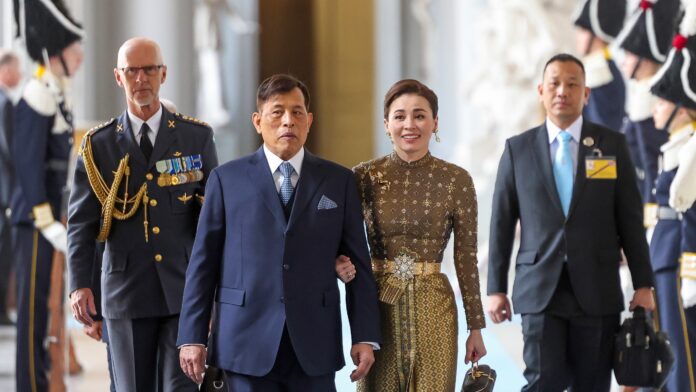
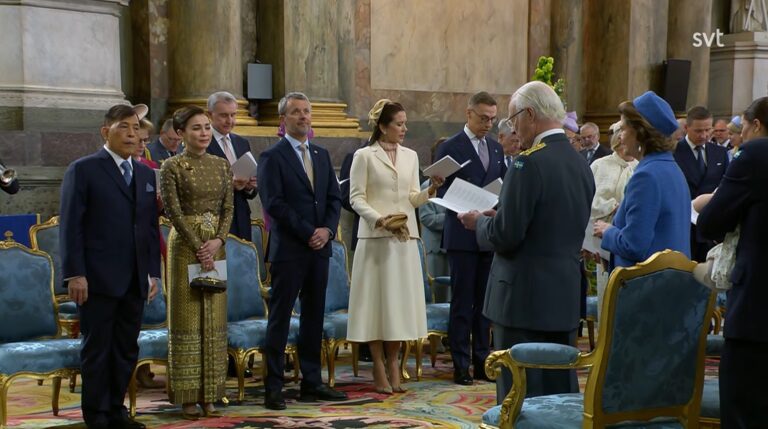
Thai King attends King Carl XVI Gustaf’s 80th birthday ceremony

Their Majesties the King and Queen of Thailand attended royal celebrations marking the 80th birthday of Carl XVI Gustaf at the Royal Palace in Stockholm on Thursday.

The Thai monarchs took part in a thanksgiving service at the Royal Chapel and observed the ceremonial changing of the Royal Guards, as well as a choral tribute in honour of the Swedish King.

messageImage 1777545461963

The visit forms part of Their Majesties’ official trip to Sweden, where they joined members of the Swedish royal family and dignitaries in commemorating the milestone birthday.

The Bureau of the Royal Household also released a congratulatory message from King Maha Vajiralongkorn to the Swedish monarch, expressing “heartfelt felicitations and very best wishes” for his good health and happiness.

messageImage 1777545518508

In the message, the Thai King highlighted the longstanding friendship between Thailand and Sweden, noting more than a century of close relations and cooperation. He also underscored the strong ties between the two royal families, describing them as a key pillar of bilateral relations.

“May the Kingdom of Sweden long flourish and prosper under Your Majesty’s glorious reign,” the message read.

S 10797073 0

The King added that Thailand is confident both countries will continue to strengthen cooperation, both bilaterally and within the ASEAN–EU framework, for the mutual benefit of their peoples.

Advertisement

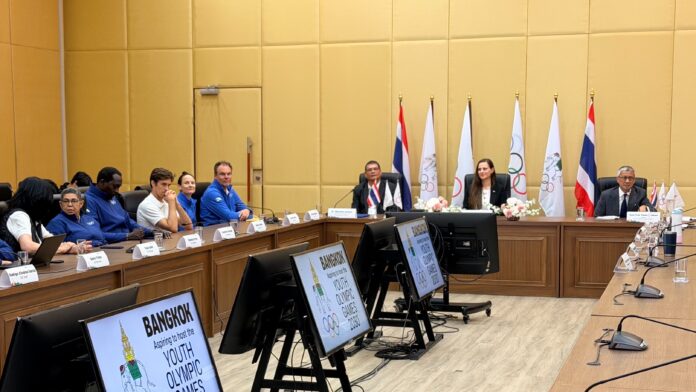
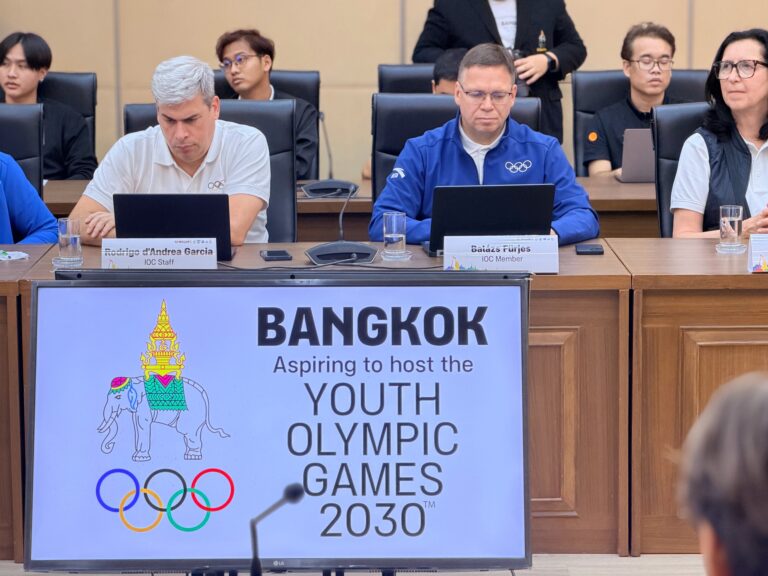
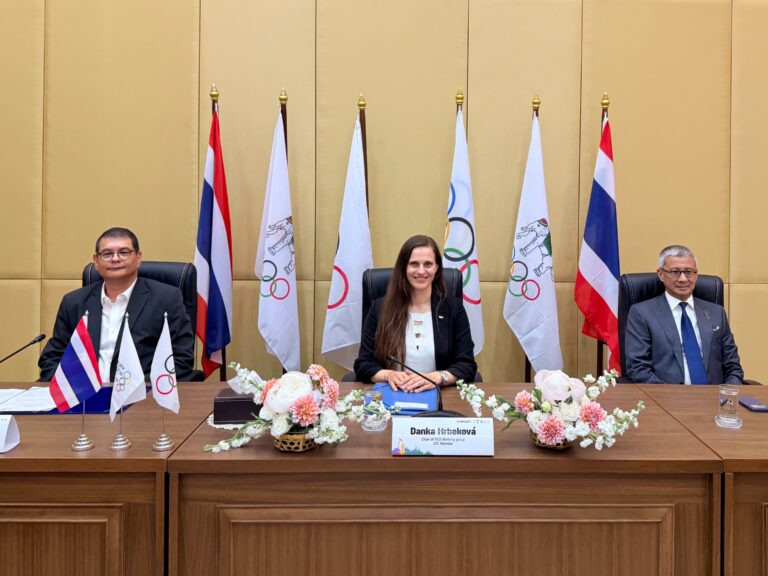
Thailand hosts IOC working group, reaffirms readiness for Youth Olympic Games 2030 bid

BANGKOK — The Thai government has welcomed members of the International Olympic Committee (IOC) Youth Olympic Games (YOG) 2030 Working Group during an official visit to Bangkok from 28–30 April, as the country pushes forward its bid to host the Youth Olympic Games in 2030.

The delegation was led by Danka Hrbékova, an IOC member and chair of the working group. Thai authorities said the visit marked a “significant step forward” in demonstrating the country’s readiness.

The bid is being spearheaded by the Ministry of Tourism and Sports, the Sports Authority of Thailand and the National Olympic Committee of Thailand.

S 40067279 0

Tourism and Sports Minister Surasak Phancharoenworakul said Thailand’s bid reflects a broader ambition to position the country as a global hub for sport, youth development and international events.

“Thailand has a strong and proven track record in staging international sporting events, supported by quality infrastructure and close collaboration across all sectors,” he said. “Hosting the Youth Olympic Games 2030 will create lasting value for our people, economy and global standing.”

Officials said the three-day programme included inspections of key venues in Bangkok and Chonburi, covering main stadiums, indoor arenas, training centres and coastal competition sites.

Dr. Meechai Inwood, deputy governor of SAT, said the visit allowed Thailand to showcase its capabilities not only in infrastructure but also in event management, logistics and coordination.

“Our readiness goes beyond venues, encompassing transport systems, medical and sports science services, security, technology and overall operations to ensure seamless delivery of a global multi-sport event,” he said.

Assistant Professor Pimol Srivikorn, president of NOCT, said the visit provided an opportunity to present Thailand’s preparedness across all key areas, including accommodation, workforce planning and sustainable event operations.

Thailand’s bid is guided by the vision “Inspiring Youth, Connecting South East Asia & Asia”, with a focus on delivering a compact, efficient and youth-centred Games aligned with the IOC’s Olympic Agenda 2020+5.

S 40067282 0

Bangkok is proposed as the host city, with plans to integrate sport, education and culture into a modern urban experience for young athletes. The concept emphasises compact venues, strong links with youth communities and regional engagement.

Key venues inspected in Bangkok included Rajamangala National Stadium, proposed for the opening and closing ceremonies, along with multiple competition and training facilities. The delegation also visited sites in Chonburi, including coastal venues and sports complexes.

Thailand is one of three shortlisted candidates to host the 2030 Youth Olympic Games, alongside Asunción and Santiago.

The IOC is expected to announce the host city in June.

Advertisement

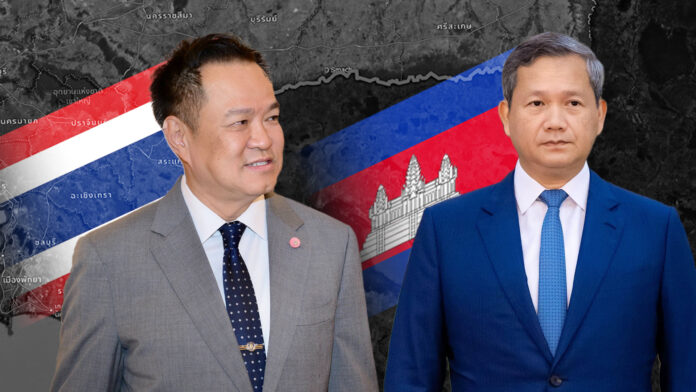
A Frank Conversation About The Challenges Facing Thailand–Cambodia Relations

A Bangkok-based Western researcher requested a meeting with me on Tuesday afternoon in Bangkok to discuss the troubling Thai–Cambodian relations, asking me whether I see any hope for the normalisation of the two neighbouring ASEAN member states. Before attempting to answer, I learned that he had recently visited Phnom Penh to talk to experts and officials (probably asking similar questions that were posed to me), so I asked for his personal assessment of the other side of the border first.

​Here are his answers, handwritten by this writer as the man gave his take. Please note that he is well aware that I am turning the tables around and explicitly told him that he would be quoted in my column today, although his identity and the organisation he works for will not be revealed.

​Let’s call him John, which is not his real name.

​John’s take on Cambodia:
“The fact of the war is much more present in people’s lives. [In Thailand] people just move on. [In Cambodia] it just weighs on people but not here [in Thailand].”

Please note that according to the Cambodian Ministry of Interior, as of mid-April 2026, over 34,000 Cambodian civilians remain displaced along the border with Thailand, despite the December 2025 ceasefire. In Thailand, virtually all displaced during the war have returned home.

​John on Cambodian Senate President and de facto leader Hun Sen:
“Most people in Cambodia recognise that the war was a huge mistake, [and was conducted] out of emotions and not cold calculation. This was a mistake.

​“They want to internationalise the issue,” John said, adding that an American public relations adviser working for Cambodia compares the conflict between Thailand and Cambodia to that of Israel and Palestine.

​John then lamented his job, saying he will write a report on the conflict and recommendations. “It’s a thankless job. You’re gonna get shit from both sides.”

​He then returned to criticising the Cambodian political leadership. “Cambodia acted in reckless and provocative ways. It’s really damaging to the Hun Sen regime, but it doesn’t sit well with the people there.”

​I then interjected and told John that Thailand is currently playing hard to get, not wanting to quickly return to the Thailand–Cambodia Joint Boundary Commission (JBC) negotiating table. Also, Cambodian leaders cannot be seen as giving up the disputed lands and temples ‘lost’ to Thailand.

​“What is it gonna take to get Thailand to restore normal diplomatic relations, e.g. reopen the border, resume trade and talk on the [disputed] boundaries?” John asks.

​I told him that a big part has to do with domestic Thai politics where the conflict between Thailand and Cambodia has been used as a tool to maintain and bolster the popularity of the conservative royalist Bhumjaithai Party and Prime Minister Anutin Charnvirakul, as well as the Thai armed forces. Especially now that the economy is fragile—and that’s an understatement—Anutin needs a reason for ordinary Thais to feel good, and that is to replay Thailand’s ‘victory’ over Cambodia. Cambodia basically became Thailand’s bogeyman.

​Also, Anutin may not be fully in control, I told John. To quickly compromise and reconcile with Cambodia could be seen as selling out the acquired ‘disputed lands and temples’ to Cambodia. After all, then-Prime Minister Paetongtarn Shinawatra eventually fell from power due to her perceived special relationship with her ‘uncle’, Hun Sen, which was revealed through the leaked audio recording last year.

​John then reminded me that his boss wants to hear about the role of foreign states possibly mending ties between Thailand and Cambodia.

​I told him only very few countries can assert any real influence or pressure. Japan failed when its embassy tried to call for the reopening of the border checkpoints in order to save its supply chains, but ended up being harshly criticised by Thai netizens who attacked the embassy’s Facebook page. It was so shocking that, last year, a senior correspondent from the Asahi Shimbun invited me to help explain why, as he believed Thailand and Japan maintained very good relations. I told the Japanese journalist that it was nothing personal against Japan but about ultranationalism blinding Thais from recognising what is best for Thailand.

It is clear that any nation with less influence on Thailand than Japan won’t make a difference.

​This means it’s down to the United States, China, the EU and ASEAN.

​The US is preoccupied with the cruel mess it has created (along with Israel) in Iran and the Middle East. China is giving it a try in an attempt to not only compete with the waning US influence in the ASEAN region, but to restore the region as China’s southern backyard. Chinese Foreign Minister Wang Yi just finished his high-profile visits to Phnom Penh and Bangkok and met both PMs, but beyond the diplomatic politeness offered by Anutin about China’s bid to restore Thailand–Cambodia relations, the Thai PM basically made no commitment on that front.

​Many Thais see Cambodia as a semi-satellite or client state of China, with its leaders’ continued tradition of seeking medical treatments and care there, and do not perceive China as impartial. China will try its best to reconcile the two nations, however, as it is in the best interests of the Middle Kingdom as well.

​As for the European Union, they could try harder but they are preoccupied with what is happening in Ukraine, Iran and the US. France, a key member of the EU, meanwhile, is perceived as being sympathetic to Cambodia due to its colonial history.

​Then there is the Association of Southeast Asian Nations (ASEAN) in which both Thailand and Cambodia are members, but the current rotating chair, the Philippines, has made little progress on the issue.

​John doesn’t believe that US President Donald Trump can do more than what he did last year in Kuala Lumpur when the ceasefire accord was signed, with the Malaysian PM and then ASEAN chair Anwar Ibrahim serving as the host.

​“Trump had an impact last year. I don’t know if he could do it today.”

​After the two-hour meeting ended, I wished John the best of luck in his work and left the café, my mind still preoccupied by the tragic reality of the situation between my country and Cambodia. I feel that those who stand for peace in both nations will have to work harder and be more imaginative in approaching the issue or more than a generation may be lost in both nations to this needless mutual animosity.

Many Thais may believe we have ‘won’. It is far from over. At best, this is a Pyrrhic victory—more accurately, a defeat for Thai–Cambodian relations and for ASEAN.

​All those lands and temples currently under Thai control are ‘disputed’ and will remain so, and the sooner more Thais recognise this, the better it will be for us, for there is no happiness or genuine security in making your next-door neighbour your nemesis.

Advertisement

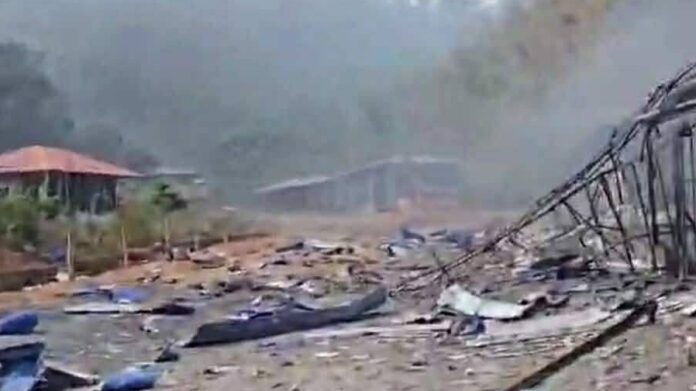
Myanmar airstrike hits Karen mining community, 12 injured

A Myanmar military aircraft carried out airstrikes on a mining community in Karen State, leaving at least 12 people injured, according to reports on Thursday.

The attack took place on 29 April, when a Y-12 aircraft conducted two sorties, dropping a total of 12 bombs on a mining site and a nearby village in Payathonsu township, opposite Sangkhla Buri district in Thailand’s Kanchanaburi province.

The first strike occurred at around 14:30, when six bombs were dropped, followed by a second round of six bombs at about 17:00.

The targeted area, located about 15 kilometres from the Thai border, is under the influence of the Karen National Liberation Army (KNLA) and the Karen National Union (KNU). The mining operations in the area had reportedly been granted to private companies.
Authorities said 12 civilians were injured in the strikes, including 11 men and one woman.
The incident had no impact on areas along the Thai–Myanmar border.

Advertisement

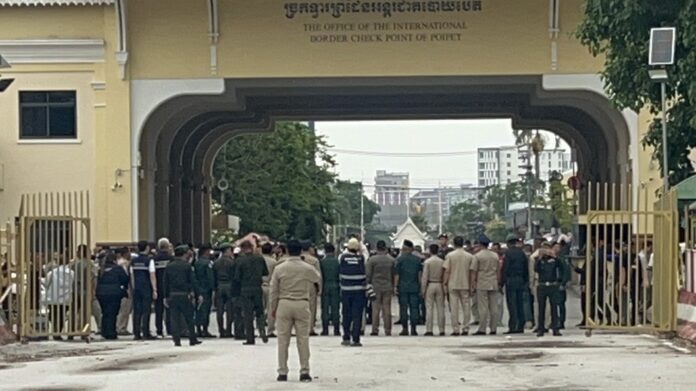
Thailand receives 635 suspected scam workers from Cambodia for screening

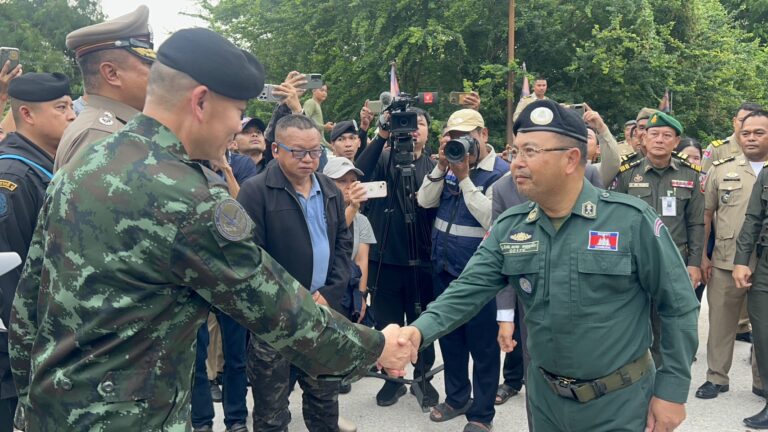
SA KAEO — Thai authorities on Thursday received 635 Thai nationals from Cambodia, suspected of involvement in online scam operations, for screening and legal action.

The group was handed over at Khlong Luek border checkpoint in Aranyaprathet district at 16:38 after delays earlier in the day. The transfer followed coordination between the Royal Thai Army and Cambodian authorities under military diplomatic procedures.

Army chief Phana Klaewplodthuk assigned officials to oversee the handover, working with the Royal Thai Police, Immigration Bureau and relevant ministries.

S 44220426

Authorities said all returnees had been working in the same 13-storey building, known as “Building F”, opposite Rong Kluea Market in Poipet.

All individuals will undergo a detailed screening process to determine whether they were victims of trafficking or willing participants in scam operations. Officials said each person will be questioned extensively and checked for criminal records before further legal proceedings.

The operation follows a joint Thailand–Cambodia statement signed on 27 December 2025 aimed at strengthening cooperation against transnational crime, including online fraud and human trafficking.

S 44220435

Earlier, Cambodian officials had planned to return about 300 people in the morning, but the transfer was delayed due to a shortage of buses after large-scale arrests of scam suspects overnight, according to officials.

The handover was led by Cambodian police official, who met Thai authorities at the border.

Thai officials said more returnees are expected as coordination continues to bring back nationals allegedly involved in scam networks.

Advertisement

Chiang Mai air quality improves as hotspots decline

Chiang Mai air quality improves as hotspots decline

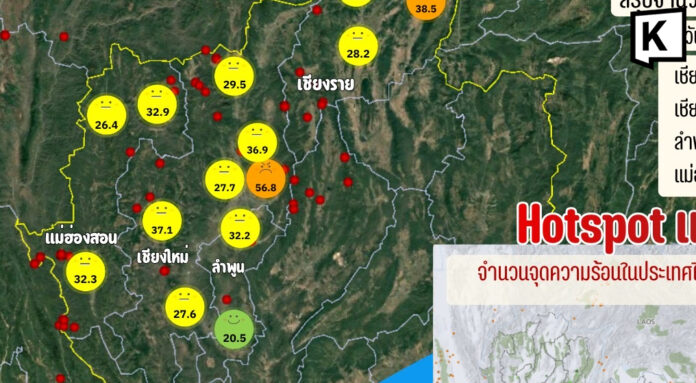
CHIANG MAI — 30 April 2026, Air quality in northern Thailand’s Chiang Mai province is showing signs of improvement as the number of wildfire hotspots declines, officials said.

At a provincial meeting on wildfire and PM2.5 pollution mitigation held in Chiang Dao district, Vice Governor Siwakorn Buapong said efforts were being stepped up to accelerate pollution reduction plans at the local level.

Authorities reported that the VIIRS satellite system used to detect hotspots is temporarily unavailable, but data from the NOAA-20 satellite identified two hotspots on the morning of 30 April in Mae Wang and Omkoi districts. Cumulative figures from 1 January to 27 April showed 10,849 hotspots, already exceeding the province’s target for 2026.

Despite this, air quality readings have gradually improved, with some monitoring stations reporting levels in the “green” category.

Weather forecasts for May indicate that the first half of the month will remain hot and humid, with frequent thunderstorms, before transitioning into the rainy season in the latter half, bringing lower temperatures and increased rainfall.

Authorities said law enforcement efforts against illegal burning between 1 January and 29 April resulted in 240 cases and 257 suspects. Offences included open burning in communities, forest law violations, roadside burning and breaches under national park, forest reserve and public health laws. Most cases have resulted in fines, with a small number forwarded for prosecution and others still under investigation.

The meeting also urged local administrative organisations to urgently submit integrated pollution reduction plans at subdistrict level, aligning with community strategies. These plans are to cover six key areas, including forest fire management, land and forest use, agricultural burning reduction, waste and carbon reduction, public health protection, and community participation, as part of Chiang Mai’s 2026–2028 pollution control action plan.

Advertisement

Global press freedom hits lowest level in 25 years, RSF warns

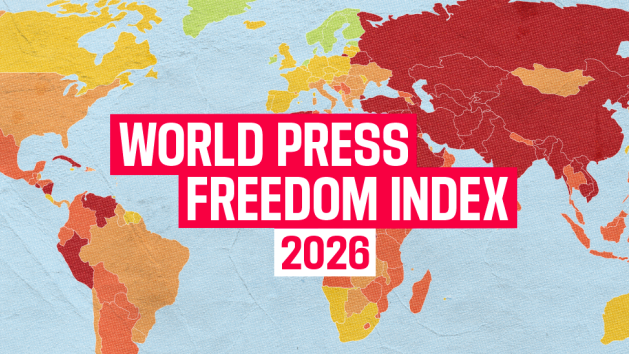
Global press freedom has fallen to its lowest level in a quarter of a century, with more than half of the world’s countries now classified as having a “difficult” or “very serious” situation, according to the 2026 World Press Freedom Index by Reporters Without Borders.

RSF said the average score across 180 countries and territories has never been lower in the Index’s 25-year history, reflecting a steady decline since 2001. The group warned that increasingly restrictive laws — particularly those tied to national security — are eroding the right to information, even in democratic countries.

The legal environment for journalism saw the sharpest deterioration over the past year, signalling what RSF described as a growing “criminalisation of journalism” worldwide.

In the Americas, press freedom also worsened, with the United States dropping seven places, while several Latin American countries, including Ecuador and Peru, saw significant declines amid rising violence and repression.

Norway retained its position as the world’s top-ranked country for press freedom for the 10th consecutive year, while Eritrea remained last for the third year in a row. Syria recorded the biggest improvement, climbing 36 places following political changes after the Assad era.

RSF Editorial Director Anne Bocandé warned that attacks on journalism are becoming more visible and systematic, driven by authoritarian governments, weak political leadership, economic pressures and under-regulated online platforms.

She called for stronger protections for journalists, including an end to the misuse of national security laws and legal harassment such as SLAPPs, warning that inaction would amount to “an endorsement” of declining press freedom.

RSF added that only a tiny share of the global population now lives in countries with a “good” level of press freedom — down from 20% in 2002 to less than 1% today — underscoring what it described as a global crisis for journalism.

Advertisement

Hot News

LATEST NEWS

Bangkok
overcast clouds
28.8 ° C
28.8 °
28.8 °
75 %
3.4kmh
100 %
Sun
34 °
Mon
34 °
Tue
33 °
Wed
33 °
Thu
33 °