


































28.8 C
Bangkok
Sunday, June 21, 2026
Home Blog Page 80

Crowds flock to Si Chang ‘carry women into sea’ rite

Crowds flock to Si Chang ‘carry women into sea’ rite

CHONBURI — 18 April 2026 — Thai and foreign tourists joined locals on Saturday for the annual Songkran “carry women into the sea” tradition on Koh Kham Yai in Si Chang district, a longstanding cultural event unique to the island community.

Chonburi Governor Narit Niramaiwong presided over the opening of the Koh Si Chang Songkran festival, known locally as “Wan Lai Koh Kham”, held on the beach of Koh Kham Yai in Tha Thewawong subdistrict. Residents and visitors turned out in force to take part.

The tradition, held every year on 18 April, dates back to the reign of King Chulalongkorn (Rama V), over a hundred years ago. Koh Kham Yai lies about 1 kilometre from the Si Chang district centre and can be reached by a 45-minute boat journey from Jarin Pier in Si Racha.

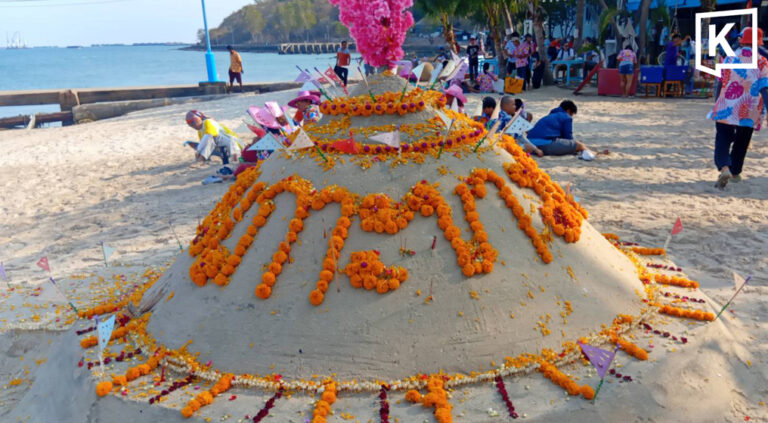
Festivities include merit-making and alms-giving, ritual bathing of Buddha images, ceremonial offerings, sand pagoda building, traditional games, rowing competitions and sea boxing. The highlight is the “carry women into the sea” ritual, which draws the most attention and participation.
Crowds flock to Si Chang ‘carry women into sea rite 2
Sand castle with flowers decoration spelled “Koh Kham”

During the ceremony, men, both young and elderly, ask permission to lift women into the sea, offering blessings as they do so. Elderly participants are also carried into the water by younger relatives as a gesture of respect and to receive blessings for the New Year.

The event reflects the island’s fishing heritage, as locals typically spend much of their time at sea. Songkran provides a rare opportunity for families to reunite, with many returning home from elsewhere to celebrate, mend relationships and seek forgiveness.

Female tourists, including foreigners, often join in the ritual without reservation, adding to the lively and inclusive atmosphere. The unusual custom has attracted growing international interest, with many visitors staying overnight on Koh Si Chang to take part and share their experiences abroad.

Locals say the tradition has been carefully preserved over generations, remaining both a source of community pride and a distinctive cultural attraction that continues to draw global attention.

Advertisement

Storm topples 24 poles, cuts power across Prachinburi

Storm topples 24 poles, cuts power across Prachinburi

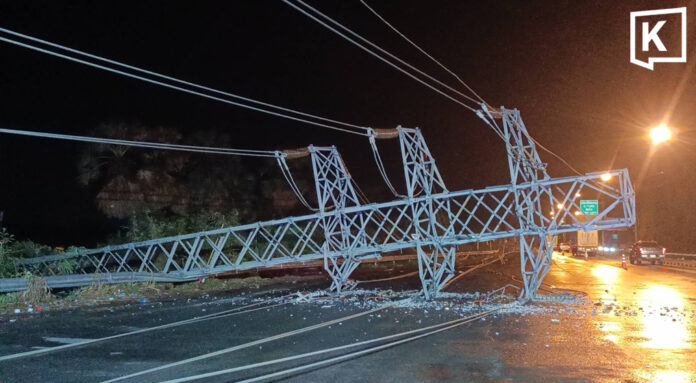
PRACHINBURI — 18 April 2026, a summer storm battered Kabin Buri district, toppling 24 electricity poles and paralysing traffic along Suwannason Road, while widespread power outages affected large parts of the province. Electricity was restored late at night, though clearance work continued.

At 1:00 on 18 April, local reporters said the storm struck the district on the evening of 17 April, with strong winds bringing down seven 115-kilovolt high-voltage steel poles and 17 low-voltage concrete poles, totalling 24.

The incident occurred near Khok Hom intersection on the inbound stretch towards Suan Nom Klao along the old Suwannason Road (Highway 33) in Muang Kao subdistrict. Fallen poles blocked one lane of traffic and disrupted the power distribution system, causing widespread blackouts across Prachinburi.

Bandit Panthum, manager of the Provincial Electricity Authority’s Kabin Buri office, said high-voltage poles carrying 20,000 volts collapsed and obstructed one inbound lane towards the municipal market. Crane trucks were deployed to remove debris and urgently repair the power system to ease disruption for residents.

Acting Sub Lt Thanongsak Suwannathami, head of the provincial Disaster Prevention and Mitigation Office, said Governor Weeraphan Dee-on had ordered relevant agencies, including disaster officials, the electricity authority, the highways department, Kabin Buri police and a rescue foundation, to coordinate operations.

Officials isolated damaged sections and managed the system to successfully restore electricity at about 20:00 on 17 April.

As of late night, one traffic lane remained closed to allow cranes and technicians to clear fallen poles and equipment. Lighting units were deployed to support overnight operations. No injuries or fatalities were reported.

Advertisement

Thai govt warns on melioidosis as cases reach 732

Thai govt warns on melioidosis as cases reach 732

BANGKOK — 18 April 2026, Thailand’s government has urged heightened vigilance over melioidosis, reporting 732 cumulative cases and 23 deaths nationwide so far this year, and warning at-risk groups to avoid contact with soil and water and seek prompt medical care if symptoms arise.

Lalida Perisviewattana, deputy government spokesperson, said that the Public Health Ministry is closely monitoring the disease situation amid concerns over a continuing upward trend. Data from 1 January to 16 April show 732 confirmed cases across the country, with 23 fatalities.

In Health Region 7, which includes Khon Kaen, disease control officials reported 68 cumulative cases and two deaths, with those aged 50 and above the most affected group.

The disease

Melioidosis, also known as soil fever, is caused by the bacterium Burkholderia pseudomallei, commonly found in tropical environments including Thailand.

  • Infection can occur through
  • direct contact with contaminated soil or water, particularly via skin wounds
  • inhalation of contaminated dust or water droplets
  • ingestion of contaminated food or water
  • contact with infected animals such as sheep, goats, pigs, wild boar, horses, cats and dogs.

Symptoms

Symptoms vary depending on the organs affected and a patient’s immune status. They typically appear between one and 21 days after exposure, though in some cases may develop months or even years later. Common symptoms include:

  • sudden high fever
  • headache
  • muscle pain
  • respiratory problems such as cough with phlegm and shortness of breath
  • skin abscesses or chronic wounds.

If the infection enters the bloodstream, it can lead to severe complications including sepsis, low blood pressure, shock and death. People with underlying conditions such as diabetes, chronic kidney disease, liver disease, chronic lung disease, thalassaemia or weakened immune systems face a higher risk of severe illness.

According to the US Centers for Disease Control and Prevention, melioidosis can spread throughout the body and affect multiple organs, including the liver, spleen, prostate, joints, bones, lymph nodes, skin and brain.

Treatments

The disease is treatable if diagnosed early. Treatment is divided into two phases depending on severity: an initial phase of intravenous antibiotics for at least two to eight weeks to eliminate the bacteria, followed by a continuation phase of oral antibiotics for three to six months to prevent relapse.

Preventive measures

With no vaccine currently available, authorities are advising the public, especially those in high-risk groups include farmers, agricultural workers and others frequently exposed to soil and water, as well as those with chronic illnesses or compromised immunity, to do as follow:

  • Avoid direct contact with soil and water where possible
  • Protective equipment such as boots and gloves should be worn when exposure is unavoidable
  • Hands and feet should be washed thoroughly with soap after contact
  • Any wounds should be cleaned immediately, disinfected and covered with waterproof dressings
  • Only boiled or properly filtered water should be consumed
  • Exposure to soil and water should be avoided during heavy rainfall or after flooding

Anyone experiencing a fever lasting more than two days, difficulty breathing or infected wounds is urged to seek medical attention immediately. Further information is available via the Department of Disease Control hotline at 1422, which operates 24 hours a day.

“Melioidosis can be cured if treated promptly. The public should not be complacent. Anyone with symptoms or risk factors should seek medical care as soon as possible to prevent serious complications,” Lalida said.

Advertisement

Bangkok eyes global status for Songkran festival

Bangkok eyes global status for Songkran festival

BANGKOK — 17 April 2026, Bangkok Governor Chadchart Sittipunt said the city plans to elevate the Songkran festival to global status, focusing on infrastructure upgrades, improved area management and environmental sustainability.

Speaking at Kasetsart University in Chatuchak district, Chadchart said the capital aims to develop the festival in line with its growing international appeal.

He noted that Songkran has expanded significantly and continues to attract visitors from around the world. Key areas such as Silom Road drew nearly 700,000 participants this year, with events proceeding smoothly and safely, underscoring Bangkok’s potential as a global destination.

City Hall is considering infrastructure improvements to support further growth, including upgrading pavements, enhancing connectivity of pedestrian routes and potentially constructing skywalks at key locations, such as linking Silom Road with Lumphini Park to improve convenience and safety.

Additional plans include improving waste management systems, drainage, vendor organisation and the installation of CCTV cameras to raise overall event standards.

On environmental management, the Bangkok Metropolitan Administration is working with the private sector to introduce new waste solutions, particularly for plastic water guns, which are difficult to recycle. These are being processed into naphtha oil and later converted into plastic pellets for food-grade packaging, helping to add value and reduce environmental impact. Nine collection points have been set up across the city, with more than 1,000 items expected to be collected.

Chadchart said the success of Songkran relies not only on public agencies but also on cooperation from residents, businesses and local operators, who help create the festival’s distinctive atmosphere of fun and hospitality.

The city is preparing a long-term development roadmap to position Songkran as a major global tourism highlight while ensuring a safe, enjoyable and sustainable experience.

“Songkran in Bangkok is more than a festival — it is a people’s festival that drives the economy from the grassroots level, benefiting small vendors, transport operators, hotels and service providers,” he said.

Advertisement

Myanmar sets up task force for burn-free corn exports

Myanmar sets up task force for burn-free corn exports

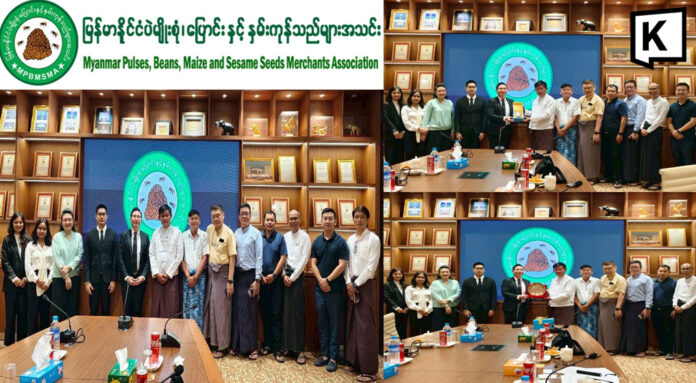
YANGON — 17 April 2026, Myanmar has established a public-private task force to certify “burn-free” maize, aiming to meet Thailand’s import requirements and strengthen environmentally sustainable agricultural trade between the two countries.

According to a report by the Office of Commercial Affairs in Yangon and state media Global New Light of Myanmar on 7 April 2026, Myanmar’s Ministry of Commerce has formed the task force to facilitate certification of animal feed maize produced without field burning.

The move comes in response to Thailand’s regulation requiring all imported feed maize to be burn-free, which took effect on 1 January 2026.

The task force, overseen by the Ministry of Commerce, will work alongside relevant agencies including the Ministry of Agriculture and the Ministry of Natural Resources and Environmental Conservation.

Thai trade officials in Yangon described the initiative as a “very positive signal”, reflecting Myanmar’s growing commitment to certification standards and sustainable production.

They said burn-free maize benefits both countries by reducing environmental damage, improving farmers’ health and supporting Myanmar’s exports, while ensuring a stable supply of raw materials for Thailand’s animal feed and food industries.

Thai authorities have advised private sector importers to source certified maize from Myanmar, either through documentation issued by the Myanmar Corn Industrial Association (MDA), which uses traceability systems, or via certification from the new task force.

Thai importers must register with the Department of Foreign Trade under the Ministry of Commerce. Initially, importers may use self-certification alongside export certificates as supporting documents.

Efforts to promote burn-free maize have been ongoing, with Thai trade officials and the Thai embassy in Yangon engaging Myanmar’s crop associations, including the Myanmar Pulses, Beans, Maize and Sesame Seeds Merchants Association, in late March.

Thailand currently imports between 1.3 million and 2 million tonnes of feed maize annually, valued at 15 billion to 19 billion baht. Myanmar is the largest supplier, accounting for nearly 90% of imports, or around 1.2 million to 1.8 million tonnes per year.

In addition, Thailand allows duty-free imports of maize from ASEAN countries, including Myanmar, under Form D certificates between 1 February and 30 June 2026.

Advertisement

Great Eared Nightjar spotted in Thailand after 30 years

Great Eared Nightjar spotted in Thailand after 30 years

PHETCHABURI — 17 April 2026, a rare Great Eared Nightjar has been spotted in Kaeng Krachan National Park after 30 years, drawing hundreds of tourists and wildlife photographers to the area.

The bird was seen near Ban Krang Camp after images circulated on social media during the Songkran holiday.

birdgoodrare3

Visitors travelled to the site, parking along roadsides before walking to a nearby stream along the route to Phanoen Thung, where the bird was perched motionless on a vine. They took turns photographing it at close range while avoiding disturbance.

Park chief Mongkol Chaiphakdi said the species is rarely observed, and many photographers had never previously encountered it in the wild.

Local photographers said the sighting marks the first time in three decades that the bird has been observed so prominently in the area.

birdgoodrare5

Ban Krang Camp is one of Thailand’s top birdwatching and butterfly-viewing sites, attracting photographers who camp there to capture images of both resident and migratory species throughout the year.

The Great Eared Nightjar, the largest of its kind found in Thailand, is distinguished by prominent ear-like feather tufts and mottled brown plumage, which provide effective camouflage against tree bark and leaf litter.

The species is found across South and Southeast Asia and typically inhabits forests and woodland areas from lowlands up to elevations of about 1,200 metres. A nocturnal bird, it feeds mainly on large insects such as moths and flying termites, catching prey in flight, and remains motionless during the day to avoid detection.

birdgoodrare4

Advertisement

Stray festival rocket hits home in Yasothon village

Stray festival rocket hits home in Yasothon village

YASOTHON — 16 April 2026, a homemade rocket fell onto a house in a village in Yasothon province on Wednesday, narrowly avoiding injuries as no one was inside at the time.

The incident occurred at about 14:20 in Ban Tha Kho, Khum Ngoen subdistrict, according to local reports.

The homeowner, Wilaiwan, said she was fortunate that the house was empty when the rocket came down, leaving no casualties. However, the property sustained damage.

She said rockets had been launched in the area for the past two days as part of off-season festivities.

Wilaiwan urged local leaders and authorities to consider public safety, warning that the consequences could have been serious had anyone been inside the house at the time.

Stray festival rocket hits home in Yasothon village 2

Advertisement

Wan Lai crowds cause heavy traffic gridlock in Bang Saen

Wan Lai crowds cause heavy traffic gridlock in Bang Saen

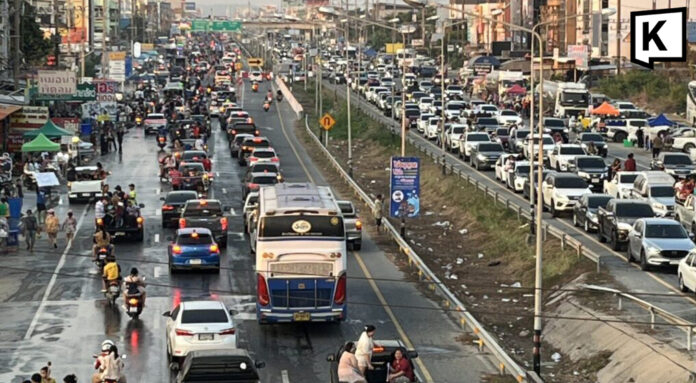
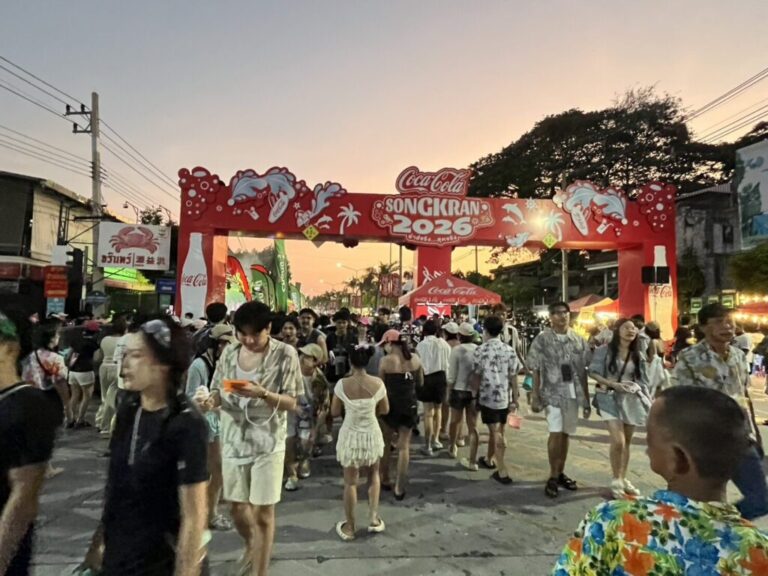
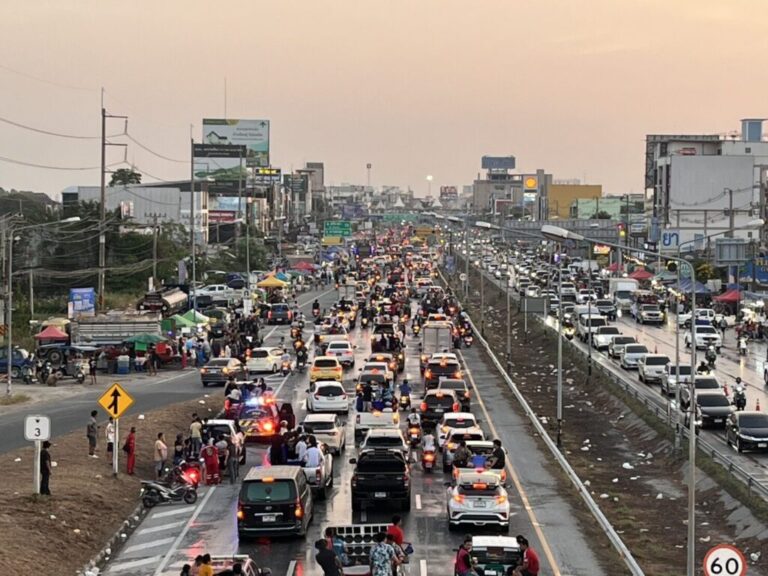
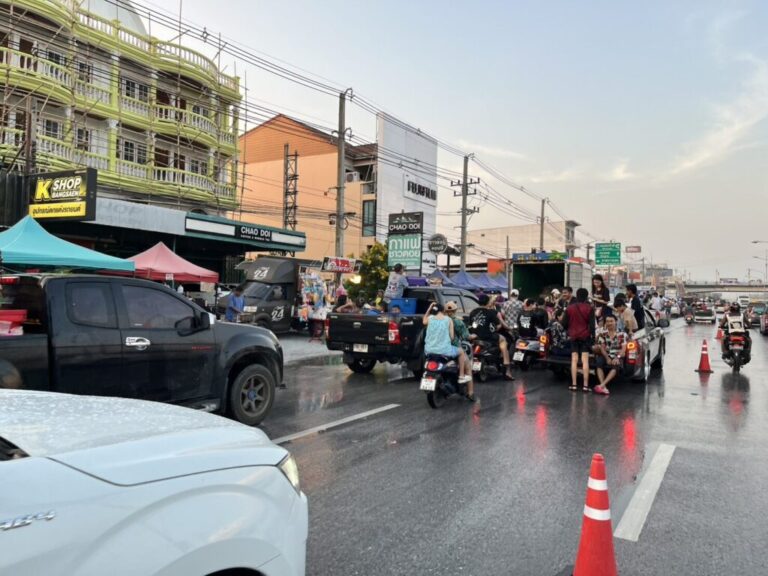
CHONBURI — 16 April 2026, heavy traffic congestion hit roads leading to Bang Saen beach on Thursday evening as large crowds gathered for the start of Wan Lai Songkran celebrations.

At around 18:00, people and tourists travelled to the coastal area in pickup trucks carrying water for traditional festivities, causing severe congestion along Sukhumvit Road towards the beach entrance. Traffic on Khao Lam Road was also heavily affected, with long queues stretching for several kilometres.

news126245 JqRJ6TRylt1776343685 1024x768 1

Police from Saensuk station were deployed to manage traffic flow and prevent overcrowding, restricting vehicle access to the beachfront area.

Authorities closed roads leading directly to Bang Saen beach to ensure emergency vehicles, including ambulances and rescue units, could access Burapha University Hospital if needed. The measure follows complaints over the past two years about congestion obstructing emergency services.

news126245 4UwnJRXNS51776343685 1024x768 1

Vehicles heading to the festival were redirected to alternative routes, while most visitors continued on foot to reach the beach. Areas near restaurants along the approach to the beachfront were crowded with tourists.

The Wan Lai festival in Bang Saen, held on 16–17 April, features traditional sand pagoda building along the beach. Around 100 sand structures are expected to be constructed on 17 April, with entries from government agencies, private organisations, schools and local administrative bodies taking part in a decoration contest.

news126245 o9XcR7nZEa1776343685 1024x768 1

news126245 g5fENc8pav1776343684 1024x768 1

Advertisement

Thai Airways trims May routes amid high fuel costs

Thai Airways trims May routes amid high fuel costs

BANGKOK — 17 April 2026, Thai Airways International has reduced flight frequencies across domestic, Asian and European routes for May 2026, citing high fuel costs and a slowdown in tourism demand.

The airline said the adjustments were made to align capacity with weaker travel demand while managing elevated operating costs, particularly fuel.

Domestic routes

  • Khon Kaen: reduced from four to three flights daily from 1–31 May
  • Udon Thani: reduced from three to two flights daily from 1–31 May
  • Ubon Ratchathani: reduced from 14 to 12 flights weekly from 5–28 May

Asian routes

Southeast Asia
  • Phnom Penh: reduced from 14 to 11 flights weekly from 2–30 May
  • Singapore: reduced from five to four flights daily from 2–31 May
North Asia
  • Tokyo (Narita): reduced from three to two flights daily from 11–31 May, except 29 May
  • Beijing: reduced from two to one flight daily from 7–31 May, except 29 May
  • Shanghai: reduced from two to one flight daily from 11–31 May, except 30 May
  • Seoul (Incheon): reduced from three to one flight daily from 8–31 May
  • Taipei: reduced from three to two flights daily from 6–31 May
  • Hong Kong: reduced from four to three flights daily from 6–31 May
  • Kaohsiung: suspended (previously one daily flight) from 8–31 May
South Asia
  • Hyderabad: reduced from seven to five flights weekly from 4–27 May
  • Delhi: reduced from 22 to 21 flights weekly from 1–29 May
  • Mumbai: reduced from two to one flight daily from 1–31 May

European routes

  • Istanbul: reduced from seven to five flights weekly from 11–27 May
  • Frankfurt: reduced from 14 to 12 flights weekly from 18–27 May
  • Munich: reduced from seven to five flights weekly from 19–28 May
  • Copenhagen: reduced from seven to five flights weekly from 18–27 May
  • Oslo: reduced from seven to five flights weekly from 18–27 May
  • Stockholm: reduced from seven to five flights weekly from 18–27 May

The airline noted the information was current as of 16 April 2026 and subject to change, adding that alternative arrangements have been prepared to assist agents and passengers.

Advertisement

Thai couple arrested over fake transfer slips petrol scam

Thai couple held over fake transfer slips petrol scam

HAT YAI — 17 April 2026, police have arrested a husband and wife accused of using doctored bank transfer slips to obtain free petrol and meals across multiple areas, with their latest offence reported in Phatthalung province.

The arrests followed an operation on 16 April led by Pol. Col. Macha Kaewthong, superintendent of Hat Yai Police Station, and an investigative team headed by Pol. Lt. Col. Nattaruet Khatiyasunthorn and Pol. Capt. Sarunpat Chujaroen.

The suspects, identified as Sarawut, 33, and Pornnapa, 32, were apprehended under warrants issued by the Songkhla Provincial Court.

Police located their grey Toyota Yaris parked along a road in Khlong Hae subdistrict. When the occupants spotted officers, they attempted to flee along the Khlong Hae–Khu Tao route. Officers pursued and intercepted the vehicle at the Khlong Hae–Khu Tao traffic lights on Lopburi Ramesuan Road.

During questioning, Sarawut confessed that on 6 April 2026 he ordered 500 baht worth of petrol at a filling station. While the attendant was refuelling, he altered an old transfer slip dated 2 April by editing the date, time and account name using a mobile application. He then presented the falsified slip as proof of payment before driving off. He later used a similar method to obtain free noodle meals.

Police have charged Sarawut with theft by deception using a vehicle to facilitate the crime, as well as forgery and use of forged documents.

Investigators are gathering further evidence to pursue additional charges against the pair, as records indicate they carried out similar offences in several parts of Hat Yai district and most recently in Phatthalung.

The suspects have been handed over to Hat Yai investigators for legal proceedings. Police have urged shop owners and petrol stations to verify account balances after each transfer to avoid falling victim to similar scams.

Advertisement

Hot News

LATEST NEWS

Bangkok
overcast clouds
28.8 ° C
31.1 °
26.6 °
76 %
2kmh
87 %
Sun
37 °
Mon
37 °
Tue
36 °
Wed
37 °
Thu
37 °