

























BANGKOK — 18 April 2026, Thailand’s government has urged heightened vigilance over melioidosis, reporting 732 cumulative cases and 23 deaths nationwide so far this year, and warning at-risk groups to avoid contact with soil and water and seek prompt medical care if symptoms arise.
Lalida Perisviewattana, deputy government spokesperson, said that the Public Health Ministry is closely monitoring the disease situation amid concerns over a continuing upward trend. Data from 1 January to 16 April show 732 confirmed cases across the country, with 23 fatalities.
In Health Region 7, which includes Khon Kaen, disease control officials reported 68 cumulative cases and two deaths, with those aged 50 and above the most affected group.
The disease
Melioidosis, also known as soil fever, is caused by the bacterium Burkholderia pseudomallei, commonly found in tropical environments including Thailand.
- Infection can occur through
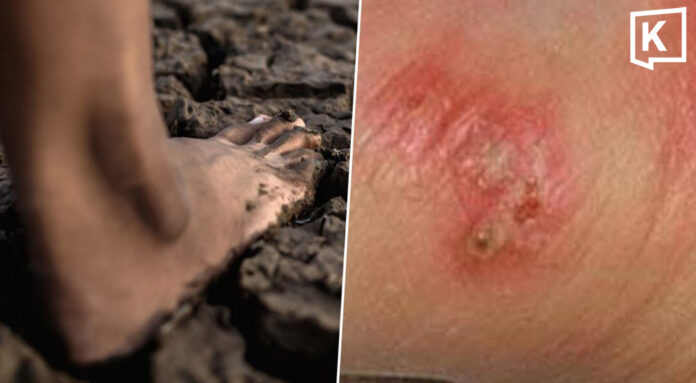
- direct contact with contaminated soil or water, particularly via skin wounds
- inhalation of contaminated dust or water droplets
- ingestion of contaminated food or water
- contact with infected animals such as sheep, goats, pigs, wild boar, horses, cats and dogs.
Symptoms
Symptoms vary depending on the organs affected and a patient’s immune status. They typically appear between one and 21 days after exposure, though in some cases may develop months or even years later. Common symptoms include:
- sudden high fever
- headache
- muscle pain
- respiratory problems such as cough with phlegm and shortness of breath
- skin abscesses or chronic wounds.
If the infection enters the bloodstream, it can lead to severe complications including sepsis, low blood pressure, shock and death. People with underlying conditions such as diabetes, chronic kidney disease, liver disease, chronic lung disease, thalassaemia or weakened immune systems face a higher risk of severe illness.
According to the US Centers for Disease Control and Prevention, melioidosis can spread throughout the body and affect multiple organs, including the liver, spleen, prostate, joints, bones, lymph nodes, skin and brain.
Treatments
The disease is treatable if diagnosed early. Treatment is divided into two phases depending on severity: an initial phase of intravenous antibiotics for at least two to eight weeks to eliminate the bacteria, followed by a continuation phase of oral antibiotics for three to six months to prevent relapse.
Preventive measures
With no vaccine currently available, authorities are advising the public, especially those in high-risk groups include farmers, agricultural workers and others frequently exposed to soil and water, as well as those with chronic illnesses or compromised immunity, to do as follow:
- Avoid direct contact with soil and water where possible
- Protective equipment such as boots and gloves should be worn when exposure is unavoidable
- Hands and feet should be washed thoroughly with soap after contact
- Any wounds should be cleaned immediately, disinfected and covered with waterproof dressings
- Only boiled or properly filtered water should be consumed
- Exposure to soil and water should be avoided during heavy rainfall or after flooding
Anyone experiencing a fever lasting more than two days, difficulty breathing or infected wounds is urged to seek medical attention immediately. Further information is available via the Department of Disease Control hotline at 1422, which operates 24 hours a day.
“Melioidosis can be cured if treated promptly. The public should not be complacent. Anyone with symptoms or risk factors should seek medical care as soon as possible to prevent serious complications,” Lalida said.