



















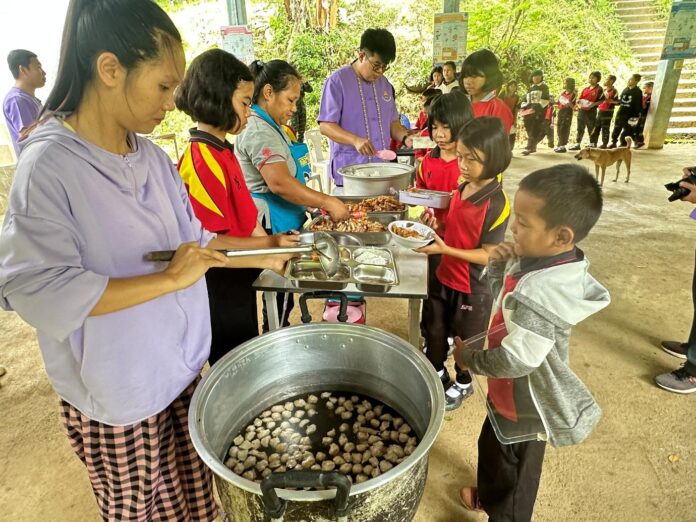
Thanks to a regional project, seven Southeast Asian schools have made positive and potentially sustainable impacts on their students via school breakfast or lunch initiatives.
“Their students have developed hygienic habits, like washing their hands before meals, and become more cautious about food choices,” said Ms. Duriya Amatavivat, Director of SEAMEO Regional Centre for Sufficiency Economy Philosophy for Sustainability (SEAMEO SEPS).
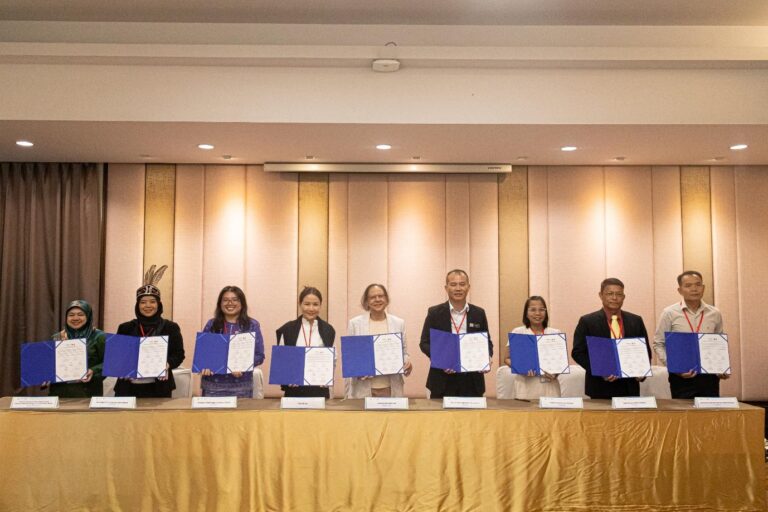
The Centre, in collaboration with the Southeast Asia One Health University Network (SEAOHUN) and Chevron, has implemented the Promotion of Well-being in Schools in Southeast Asia Project at the regional level since June 2024. During the first phase, participating schools engaged in capacity building and developed proposals to upgrade their school lunch/feeding programs. These proposals were then implemented with financial grants from last December to June this year at seven selected schools with results.
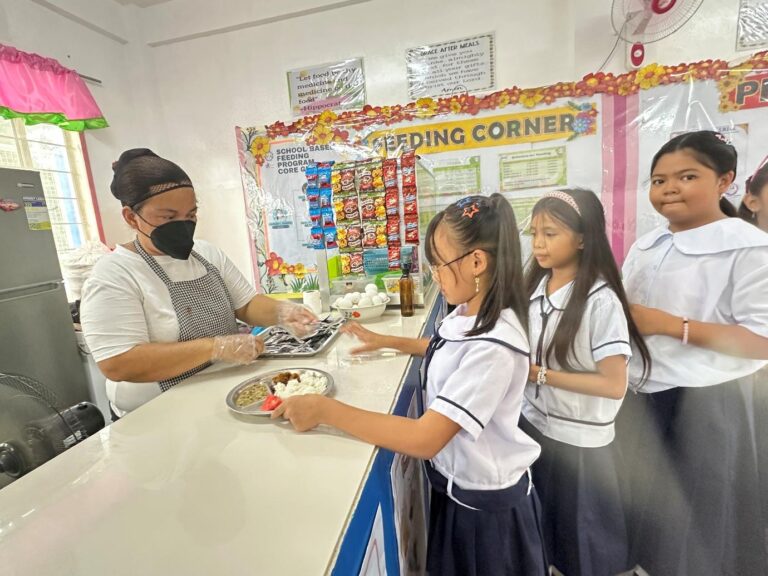
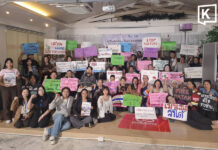
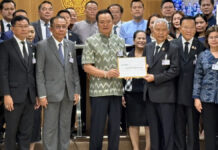
Winners of the project’s grant awards, which hail from Thailand namely Ban Pangmahan School and Aroyama Border Patrol Police school, Smet Primary School from Cambodia, Sekolah Bimbingan Jalinan Kasih (SBJK) from Malaysia, Patiis Elementary School from Philippines, Sekolah Rendah Pehin Dato Jamil&Sekolah Rendah Pengiran Anak Puteri Besar from Brunei Darussalam and SD Negeri 2 Landasan Ulin Barat from Indonesia, shared their success stories at the Seminar on the Integration of One Health and Sufficiency Economy Philosophy (SEP) for Sustainable School Well-being earlier this month.
Duriya now expects all the seven winners of the Promotion of Well-being in Schools in Southeast Asia Project’s grants to share their know-how with between eight and ten nearby schools each.