

































BANGKOK — 10 July 2026, A 17-year-old equestrian champion is combining her passion for horse riding with artificial intelligence to improve hippotherapy for children with disabilities, developing a system that helps therapists assess patients’ progress more objectively.
“Homey” Preyahathai Aroonvanichporn, a student at NIST International School, recently won two titles at the Thailand Dressage Championships 2025, claiming victories in the Novice (Young Rider) and Preliminary (Junior) categories.
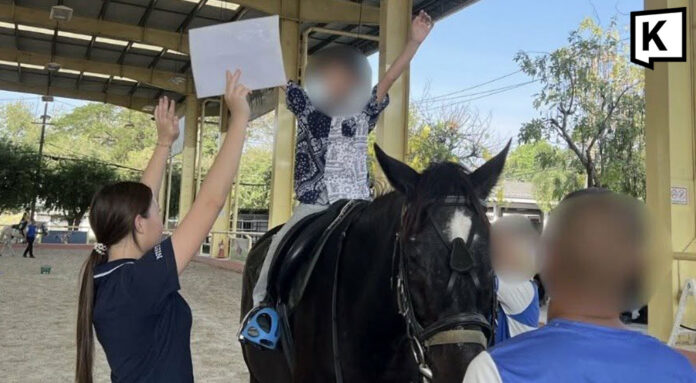
Alongside her success in equestrian sport, Homey volunteers in a hippotherapy programme at the Royal Horse Guard Club, where horses are used as part of rehabilitation for children with neurological conditions.
Hippotherapy uses the natural movement of horses to stimulate the nervous system, strengthen muscles and improve balance in children with conditions including cerebral palsy and autism. International studies have found the therapy can improve sitting ability, trunk control, balance and overall quality of life for children with neurological disabilities.
However, patient progress is still largely assessed through therapists’ observations, making it difficult for families to track improvements with measurable data. Therapists also have limited tools to systematically record and compare treatment outcomes over time.
To address the issue, Homey developed a concept that combines artificial intelligence with computer vision technology to analyse patients’ posture and movement during therapy sessions. The system is designed to provide therapists and families with objective, data-driven assessments instead of relying solely on visual observation.
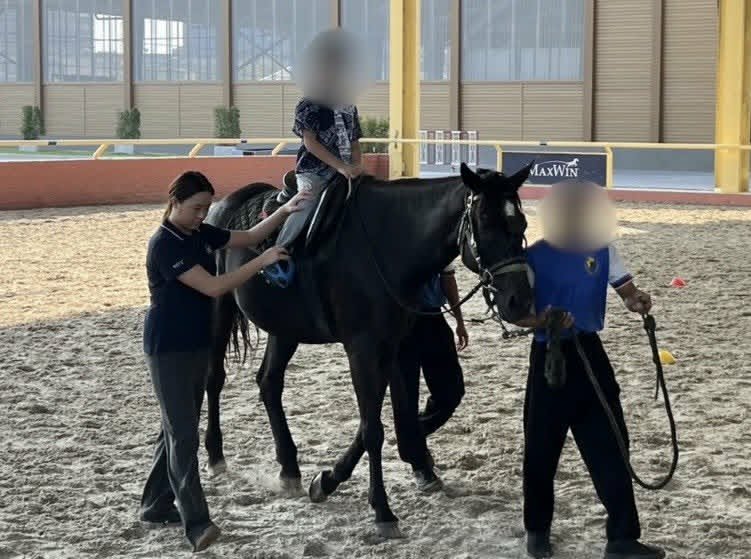
She said the data could also support future research and contribute to the development of rehabilitation technologies for people with disabilities.
Homey added that she hopes this project will improve the evaluation of hippotherapy while raising public awareness of its potential to enhance the quality of life of children with disabilities.