
























TRENDING









FRESH NEWS










Woman’s ‘NENE ROYAL’ trademark claim sparks questions online
A woman’s claim that she had registered “NENE ROYAL” as a trademark in Thailand has sparked confusion online after...
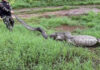





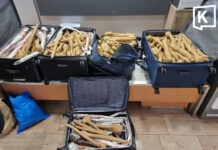
Israeli doctor faces legal action after smuggling 300 Thai plants in luggage
An Israeli doctor returning from Thailand faces legal proceedings...

Former flight attendant arrested in Hat Yai over alleged migrant-smuggling network
SONGKHLA — 15 October 2026, Immigration police have arrested...
Portuguese woman arrested in Phuket after nearly five-year overstay, police say
PHUKET — 13 October 2026, Immigration police arrested a...
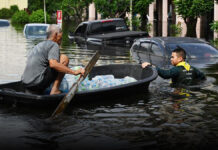
Floods affect 2.45 million people as Thailand prepares 645 million baht in aid
BANGKOK — 14 October 2026, Flooding continues across 20...
Three arrested over Pattaya call-centre scam targeting previous fraud victims
PATTAYA – Three suspects have been arrested after police...

From 7-Eleven to clothing shop: Phuket tourists linked to second theft
PHUKET – Two foreign tourists caught stealing goods at...

Embattled White House press secretary Katie Zacharia is leaving the job after less than...
WASHINGTON (AP) — Katie Zacharia is departing as White House press secretary, saying it “was an honor to work for” President Donald Trump after...
Israeli doctor faces legal action after smuggling 300 Thai plants in luggage
An Israeli doctor returning from Thailand faces legal proceedings after customs officers found about 300 banana and staghorn fern seedlings in five suitcases at...

Thai Police Probe Hong Kong Sex Trafficking Network After 9 Thai Women Detained
BANGKOK — 13 October 2026, The Royal Thai Police are coordinating with Hong Kong authorities to investigate a suspected cross-border sex trafficking network following...

Pope Leo XIV has lung cancer; surgery successful
ROME (AP) — Pope Leo XIV underwent surgery Tuesday that confirmed he has lung cancer and doctors removed the lower lobe of his right...
109 migrants, including 15 children, die after boat capsizes off Djibouti
GENEVA (AP) — At least 109 migrants, including 15 children, have died after a boat with 305 on board capsized off the coast of...



"SUSTAIN
ABILITY"
Sustainability content hub. Discover eco-friendly living, green innovations, and actionable tips for a more sustainable business and lifestyle.



"SUSTAIN
ABILITY"
Sustainability content hub. Discover eco-friendly living, green innovations, and actionable tips for a more sustainable business and lifestyle.