


























TRENDING









FRESH NEWS









Nene returns to Phuket after historic AGT victory
PHUKET — 27 September 2026, Nene Royal returned to Phuket on Sunday after making history by winning America’s Got...





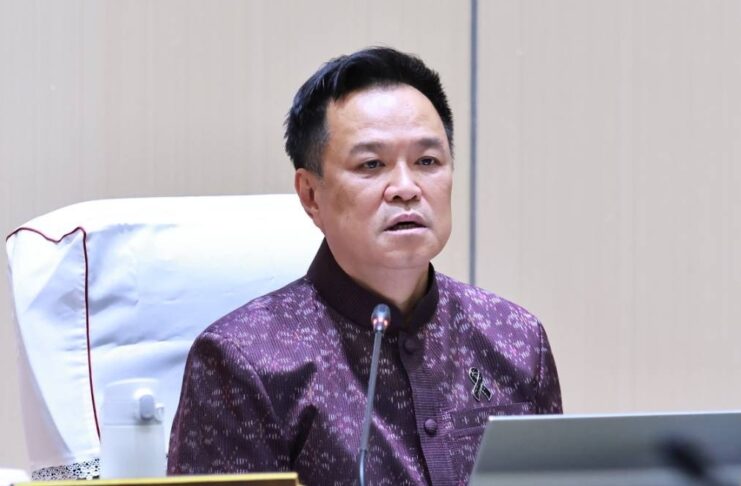
Anutin urges government departments to accept flood criticism and work together
BANGKOK — 30 September...
‘Hello from the future’: Netizens revisit Bhumjaithai disaster fund policy amid floods
BANGKOK — 29 September...





British woman faces up to 20 years in Cambodian prison over 34.5kg cannabis seizure
PHNOM PENH, Cambodia — A 31-year-old British woman could...
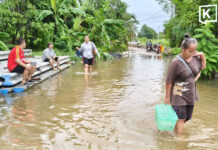
Nakhon Pathom hit as high tides, northern runoff flood Sam Phran orchards
NAKHON PATHOM — High tides and runoff from northern...

Two-storey rental building partially collapses, trapping tenant inside room
CHACHOENGSAO — 29 September 2026, A two-storey rental building...

Chadchart plans ‘guerrilla’ pumping operation to target most-affected communities
BANGKOK — 29 September 2026, Bangkok Governor Chadchart Sittipunt...
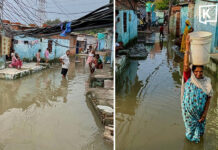
India, Nepal floods kill at least 83 as heavy rain damages homes
Heavy flooding after three days of rain in northern...

Court rules 2026 general election remains valid amid barcode controversy
BANGKOK — 28 September 2026, Thailand’s Constitutional Court ruled...

Myanmar airstrike kills 50 at market in Rakhine
An airstrike on a busy market in western Myanmar has killed at least 50 people and wounded dozens more, with families gathering at the...

Malaysia sends nearly 1500 Myanmar detainees home despite UN safety warning
MANJUNG, Malaysia (AP) — Malaysia on Tuesday began repatriating Myanmar nationals, including women and children, under a voluntary program despite warnings from the United...

Australia urged to help free activist jailed in Vietnam
By AAP
Australia is being urged to act after a Melbourne activist and two others were jailed by Vietnamese authorities on terror charges.
Democracy campaigner Tran...
British woman faces up to 20 years in Cambodian prison over 34.5kg cannabis seizure
PHNOM PENH, Cambodia — A 31-year-old British woman could face up to 20 years in a Cambodian prison after she was arrested at Techo...

Malaysia’s passport is now No. 2 globally, rising above the UK, US and Germany
Malaysia’s passport has risen to second place globally in the Passport Index Global Passport Power Rank 2026, moving up from third place last year.
Malaysia...




"SUSTAIN
ABILITY"
Sustainability content hub. Discover eco-friendly living, green innovations, and actionable tips for a more sustainable business and lifestyle.



"SUSTAIN
ABILITY"
Sustainability content hub. Discover eco-friendly living, green innovations, and actionable tips for a more sustainable business and lifestyle.