

































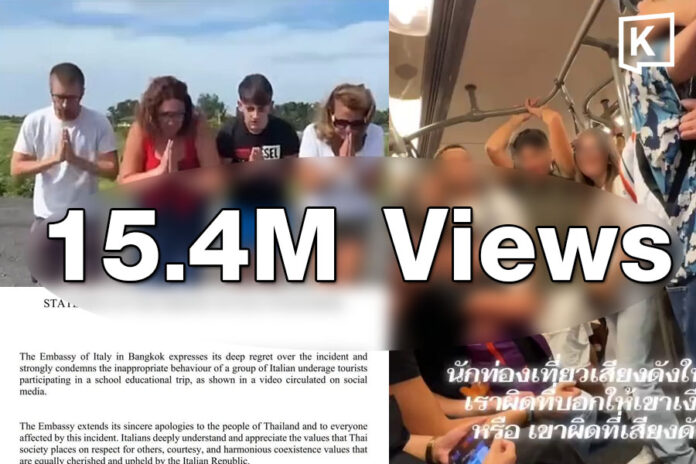
A video of a Thai passenger confronting a group of Italian students on the BTS Skytrain has prompted backlash far beyond the carriage where it was filmed, attracting more than 15.4 million views on X alone as of Saturday. The group has since been identified as students travelling with an Italian tour operator. The company, the Embassy of Italy in Bangkok, and several student representatives have apologised.
The BTS dispute was not extraordinary because a group of teenagers made noise on a train. Bangkok commuters see worse all the time. What made the video travel so far was the feeling behind it: that a Thai passenger had finally said aloud what most people usually swallow.
But the intensity of the response cannot be explained by a loud group of teenagers alone.
For many Thai viewers, the video felt familiar: a local commuter enduring behaviour they find disruptive, hesitating to say anything, but this time someone spoke up. The passenger’s approach, including her decision to film the confrontation, has also drawn criticism. Yet many people saw her as voicing a frustration they had experienced but rarely expressed directly.
“The reason many Thais are upset about this video is because it feels very relatable,” said a Bangkok woman we interviewed who asked to remain anonymous. We’ll call her Ann.
“Every Thai has experienced foreigners being loud on public transport or acting disrespectfully.”
Ann said she did not believe the woman should necessarily have recorded the group since they were underage, but understood why viewers responded with such anger.
“She was someone who spoke up for us, and said what a lot of Thais are feeling,”
And that feeling is why this incident has become so important to Thais.
Public transport is not expected to be silent in Bangkok. BTS guidance does not ban conversation, but it asks passengers not to make loud noises or disturb others. The dispute, therefore was not simply about whether the students were talking. It was about the sense that other people’s comfort in a shared space had been dismissed.
One line in the video landed particularly badly:
“Sorry for bringing money to your country.”
The remark came after the passenger asked the group to quiet down. Whatever the speaker intended, many viewers heard it as a suggestion that the group’s spending power should buy tolerance for its behaviour.
For Ann, that was the moment that changed the argument from an everyday dispute into something deeply personal.
“For many Thais, it came across as implying that Thailand should be grateful simply because foreigners spend money here,” she said.
“There is an unequal power dynamic with Western tourists, where we’re expected to accommodate them or be thankful that they choose to visit Thailand. That Feels demeaning.”
Thailand’s tourist economy is central to the country, and visitors are welcomed in overwhelming numbers every year. But that welcome also carries an unspoken expectation: guests should behave as guests, not as customers who own the place because they have paid to be there.
The incident also touched on a broader cultural tension. Many Thais value kreng jai, a difficult-to-translate idea associated with consideration, restraint and not imposing on others. It does not mean Thai people never argue, or that they accept poor behaviour without objection. But it can make direct confrontation, particularly with strangers, feel uncomfortable or socially costly.
Kreng jai is a highly contextual Thai social value, rather than a simple rule of politeness. Thammasat University has published research on how differences in culture can clash when Thais and non-Thais interact. It helps explain why what may have been a normal subway ride for a group of students on vacation was the tipping point for one young person who was tired of foreign entitlement.
In Ann’s words, seeing a Thai woman push back “empowers Thais, and helps them feel seen”, even if confrontation was not the most diplomatic response.
Anger unbound and social justice
The online outrage has, at times, gone too far. Some users have tried to identify individual students and locate their personal social-media accounts, hotel and travel details. Videos have appeared online of individuals reporting on students current locations. There are even instances of look-alike Italians being blamed and threatened who had nothing to do with the ordeal.

That is not accountability, it is turning a dispute over disrespect into harassment of innocent young people abroad.
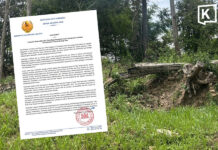
Still, the episode has produced a response that is more constructive than the original argument. The Italian tour operator said it did not support the students’ behaviour and apologised to Thai people. The Italian Embassy also released a formal statement:
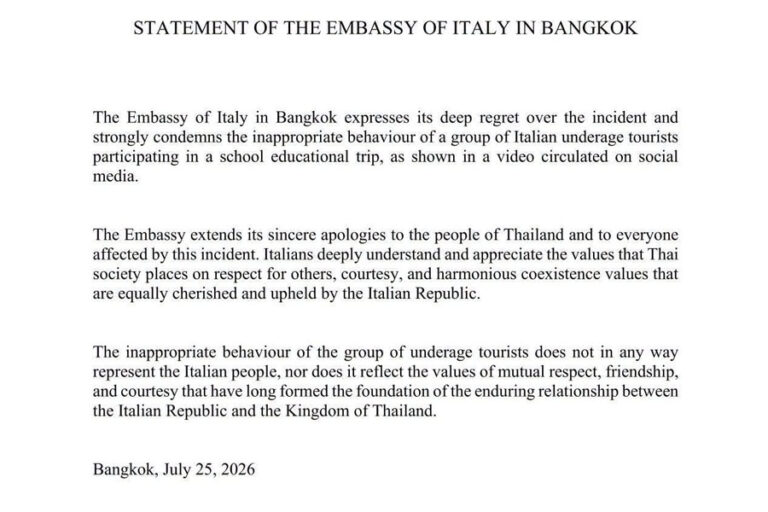
The Italian Embassy later shared a video in which four self-proclaimed leaders of the tour group performed a wai, apologised to Thai people and Thai culture, and asked for forgiveness.

Those apologies matter because they acknowledge the point at the centre of the backlash: this was never really about demanding silence from foreigners, or treating every tourist as a problem.
It was about the basic expectation that people who visit Thailand should respect the people and customs of those who live here, especially when they are forced to share public spaces together.
The BTS dispute was messy, and neither side handled every moment well. But for many Thais, the video resonated because it gave shape to a small, familiar resentment: the feeling of being asked to smile through another obnoxious tourist who doesn’t understand Thai culture.