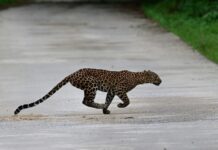
































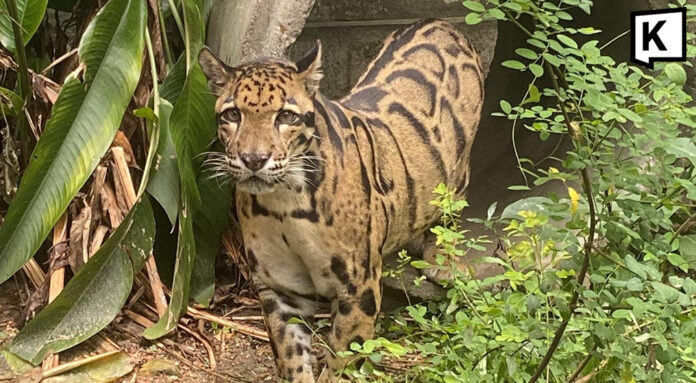
CHONBURI — 4 June 2026, the official Twitter account of Thailand’s Khao Kheow Open Zoo has photographs of “Nong Yan”, the clouded leopard that inspired its official logo. According to the zoo, the image of a clouded leopard set against a tropical rainforest backdrop reflects the biodiversity and ecological richness of Southeast Asia’s forests, the species’ natural habitat.
The clouded leopard, a rare wild cat native to Southeast Asia’s tropical forests, has become a symbol of conservation success at Khao Kheow Open Zoo, with the zoo’s decades-long breeding programme earning international recognition and helping raise Thailand’s profile in global wildlife conservation efforts.
For more than 30 years, Khao Kheow Open Zoo, under the Zoological Park Organization of Thailand under Royal Patronage, has continuously developed expertise in clouded leopard conservation and captive breeding. The programme is now recognised as one of the world’s leading centres for clouded leopard management through cooperation with the Clouded Leopard Consortium and international partners, including the Smithsonian Conservation Biology Institute, Nashville Zoo, Point Defiance Zoo & Aquarium and the Species Survival Plan.
The achievement is particularly significant because clouded leopards are among the most difficult wild cat species to breed in captivity. The animals are highly sensitive to stress and require carefully managed breeding pairs.
Through years of research and the development of specialised animal husbandry techniques, Khao Kheow Open Zoo has successfully bred multiple generations of clouded leopards. The programme has played a key role in increasing captive populations and maintaining genetic diversity within global conservation initiatives.
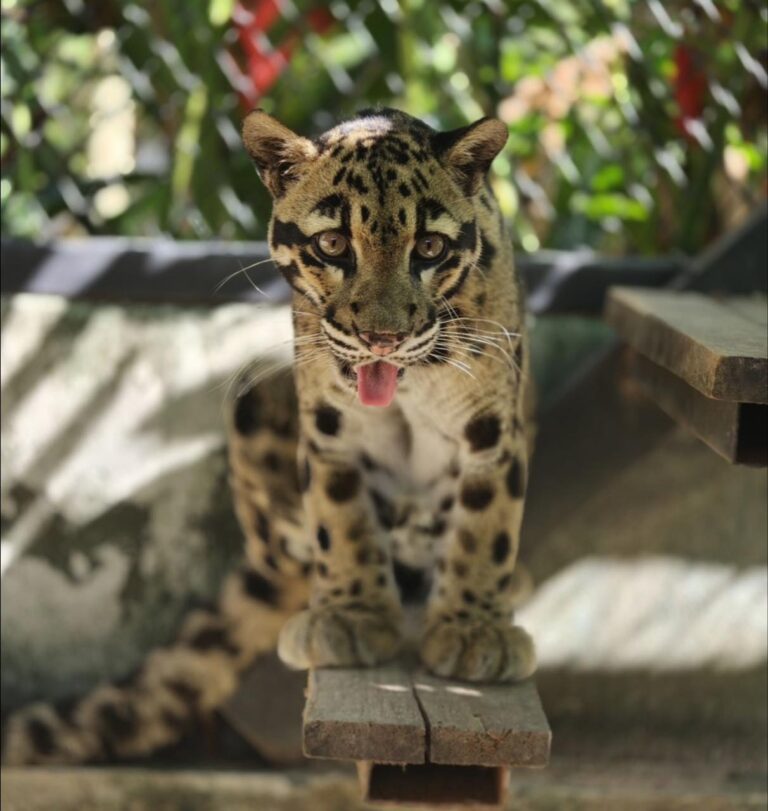
Beyond breeding efforts, the clouded leopard serves as an important ambassador for wildlife conservation, helping raise public awareness of Thailand’s forest biodiversity and the importance of protecting endangered species and ecosystems.
Knowledge gained from the programme has also contributed to conservation planning and efforts to restore clouded leopard populations in the wild, a long-term objective of modern wildlife conservation.
Researchers and veterinarians involved in the project say conservation programmes continue to face challenges from climate change, ageing animal populations and concerns over maintaining sufficient genetic diversity. As a result, work is continuing on reproductive technologies, scientific research and animal welfare standards to support future conservation efforts.
Moreover, the zoo is also home to another clouded leopard, a nine-year-old animal named “Nong Nueng”, which remains one of the zoo’s most recognisable residents.