

































BANGKOK — More than a month after deadly Thai-Cambodian border clashes, seven provinces in Thailand’s lower northeast and eastern regions are experiencing severe economic collapse, with businesses shuttering and thousands losing their livelihoods as cross-border trade remains paralyzed.
The crisis has prompted urgent action from both governments. At a special meeting of the Thai-Cambodian General Border Committee (GBC) held in Koh Kong province, Cambodia, on September 10, officials agreed to ease restrictions on goods movement at select border checkpoints, offering a glimmer of hope for devastated business communities.
Poj Aramwattananon, chairman of the Thai Chamber of Commerce and the Board of Trade of Thailand, praised the diplomatic breakthrough. “This meeting promotes peace and cooperation, especially on border management issues,” he said, highlighting plans to reopen certain checkpoints to mitigate the severe impact on businesses, border trade, and international logistics.
Zoned Approach to Recovery
Authorities are implementing a security-based zone system to gradually restore economic activity:
- Zone 1 (High Security): Army Region 2 areas including Ubon Ratchathani, Si Sa Ket, Surin, and Buri Ram
- Zone 2 (Moderate Security): Sa Kaeo under Army Region 1
- Zone 3 (Lower Risk): Chanthaburi and Trat provinces
Recovery efforts will begin in Zone 3, where the Chanthaburi-Trat Task Force will coordinate with Customs, the Ministry of Commerce, and the Ministry of Industry to implement practical reopening measures.
“I thank all sectors for pushing forward concrete negotiations that will allow people to return to normal life and help businesses in low-risk areas resume economic activities,” Poj stated.
Northeast Economy Faces Prolonged Downturn
The economic devastation in Thailand’s northeast appears set to continue well into 2025, according to business leaders.
Somchart Pongkapanakrai, vice chairman of the Thai Chamber of Commerce and chairman of the Northeast Chamber of Commerce, painted a grim picture: “The cross-border economy in the four northeastern provinces remains slow, with weak purchasing power and an inactive tourism sector.”
Hotels across the region sit empty as previous bookings were canceled during the conflict, and no new reservations are being made. Somchart predicts the Isan economy will remain weak until at least the second half of 2025, with businesses cutting costs, halting expansion plans, and freezing hiring.
Regional Business Confidence Shattered
Buri Ram Province: Phunsub Thepnakhon, chairman of the Buri Ram Chamber of Commerce, reported that the tense situation has undermined business confidence completely. “No new investments are being made while local purchasing power has stagnated, especially in three border districts where trade has dropped by more than 50%,” he said.
The province faces a prolonged recovery period, with businesses likely to wait at least six months before making any investment decisions. Many hotel operators have already begun cutting jobs, while political unrest compounds the economic crisis.
Si Sa Ket Province: Tourism has plummeted by over 30%, according to Rattawit Angkasakulkiat, chairman of the Si Sa Ket Chamber of Commerce. Businesses are slashing costs and avoiding new investments while the government has failed to provide any relief measures. Hotel operators are petitioning to reverse the recent 400-baht minimum wage increase, and the province is unlikely to reach its 2025 GDP target of 80 billion baht.
Surin Province: Wirat Setthawipatchai, chairman of the Surin Chamber of Commerce, described how border uncertainty is fueling widespread fear among residents. While daily essential spending continues, discretionary spending has collapsed by over 30%. “Declining purchasing power has slowed investment, and business owners are reluctant to invest. Businesses are simply trying to survive without hiring more workers,” he explained.
Trat’s Seafood Industry in Complete Collapse
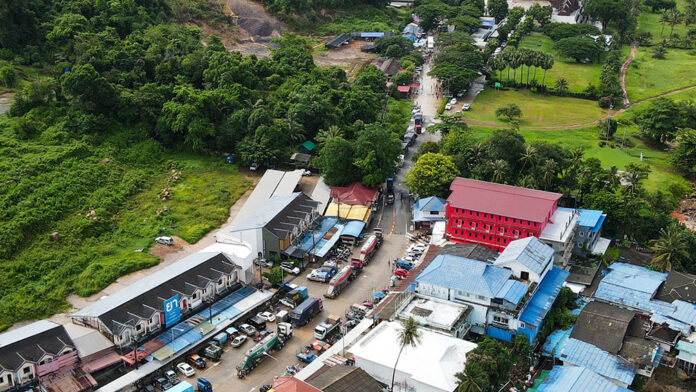
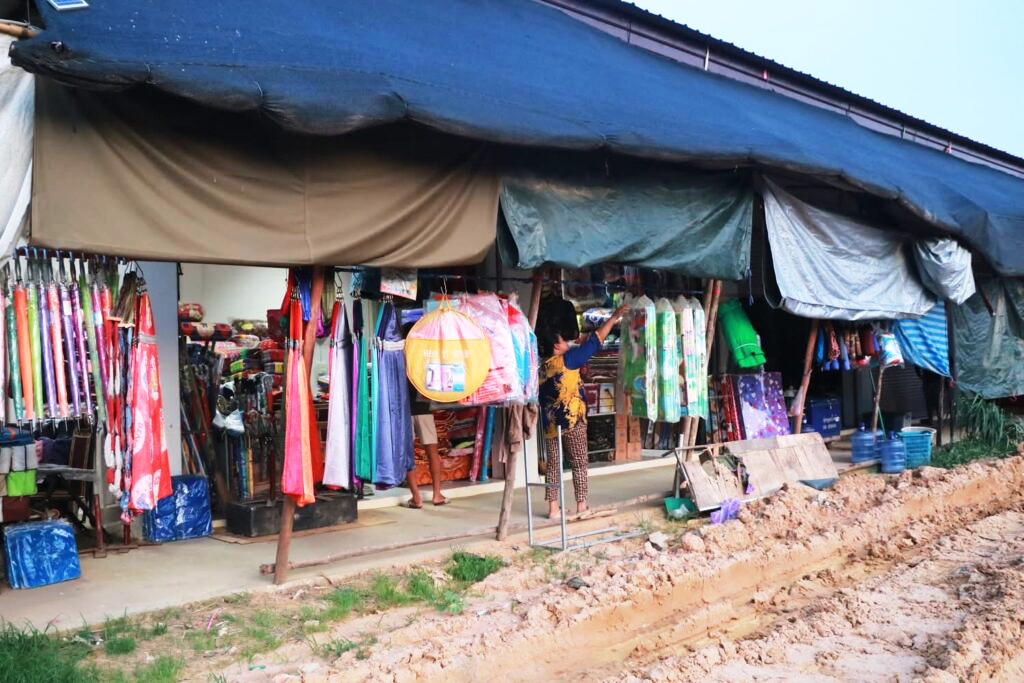
The closure of the permanent Haad Lek checkpoint in Khlong Yai district has created an economic catastrophe for Trat province, according to Sutthilak Khumkrongrak, honorary adviser to the Trat Federation of Thai Industries.
“Some businesses that rely on Cambodian trade are now seeing zero revenue and are being forced to lay off workers,” Sutthilak said. One seafood importer with a typical turnover of 10 million baht has seen revenue plummet to nothing, wiping out more than half of its expected annual income.
The collapse has rippled through downstream sectors, with cold storage facilities and ice factories also cutting staff. “If the situation does not improve within three to six months, these companies will cease operations,” Sutthilak warned. “Residents of Khlong Yai district have seen their income drop by more than 80%, and cross-border trade has almost ceased.”
Tourism Industry Devastated
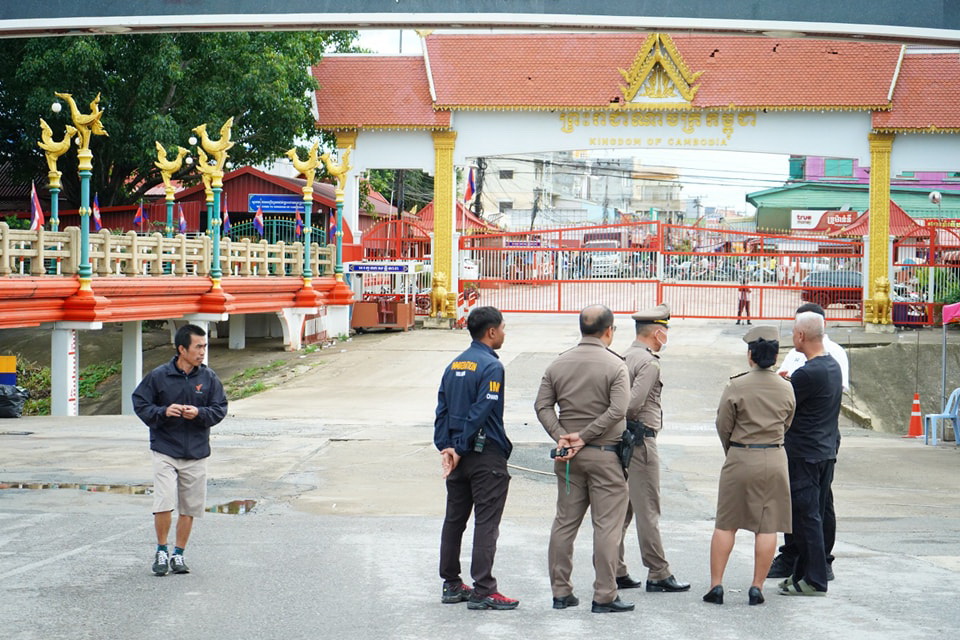
Trat Tourism Crisis: The tourism sector has been severely affected since martial law was imposed. Foreign tourists have postponed or canceled bookings for November and December, while foreign insurers no longer provide coverage for travel to areas designated as conflict zones, eliminating all international bookings.
Sutthilak suggested the government implement a tourism subsidy program similar to the previous “Khon La Khrueng” (“We Travel Together”) initiative, covering 60% of costs while tourists pay 40% to provide short-term relief.
Chanthaburi’s Billion-Baht Losses: The provincial tourism industry has suffered catastrophic losses since martial law was declared across seven provinces. Apisorn Thavornwiriyanant, president of the Chanthaburi Tourism Industry Council, and Phumipat Tangcharoensiri, president of the Chanthaburi Tourism Promotion Association, report that tourist concerns about safety have led to widespread cancellations.
Hotel bookings, events, and conferences have been canceled, resulting in losses of 80,000–125,000 room nights and a drop of 165,000–250,000 visitors in the past month alone. The estimated financial loss ranges from 700 million to 1.6 billion baht.
Comprehensive Relief Proposals
The Chanthaburi Tourism Industry Council and Tourism Promotion Association have submitted detailed relief proposals to the provincial governor, including:
- Personal and corporate income tax reductions
- Loan repayment holidays and reduced bank interest rates
- Organization of major promotional events
- Budget allocations to hire 2-3 influencers with at least one million followers to promote tourism
- Enhanced “Half-Half Co-Payment for Tourism” scheme specifically for the seven affected provinces, with government covering 70% of expenses and tourists paying only 30%, extended through year-end
- Tourism roadshow for operators from the seven provinces at Bangkok’s Queen Sirikit National Convention Center
Sa Kaeo’s Market Economy Collapses
Therdsak Wongpho, chairman of the Sa Kaeo Federation of Thai Industries, reported that Cambodian activities in the Nong Chan region of Aranyaprathet district are worsening and could escalate further.
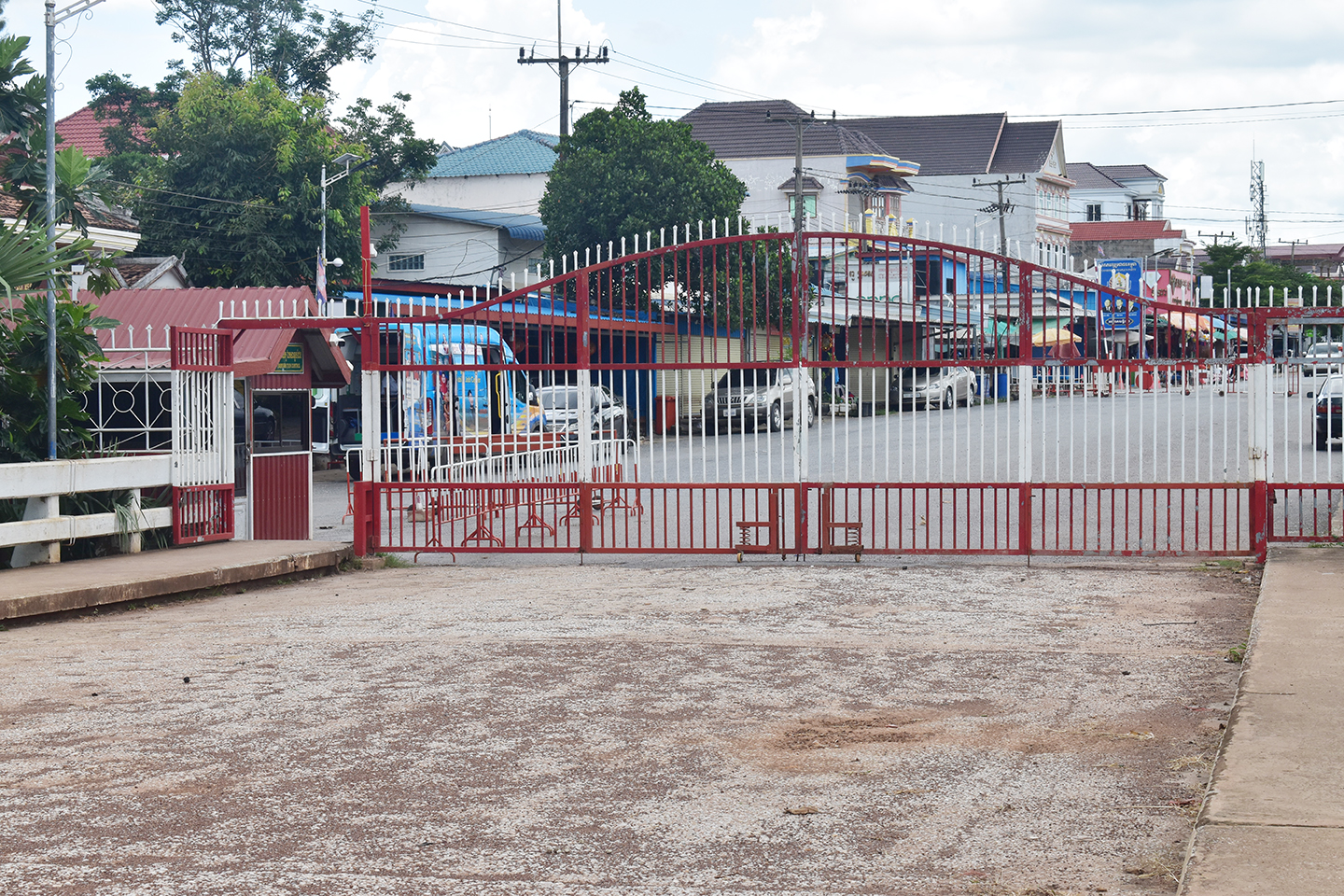
After nearly three months of border closure, businesses have no revenue but still must pay rent for land owned by the Ministry of Finance and state railroad. Aranyaprathet’s border trade normally generates 100 billion baht annually.
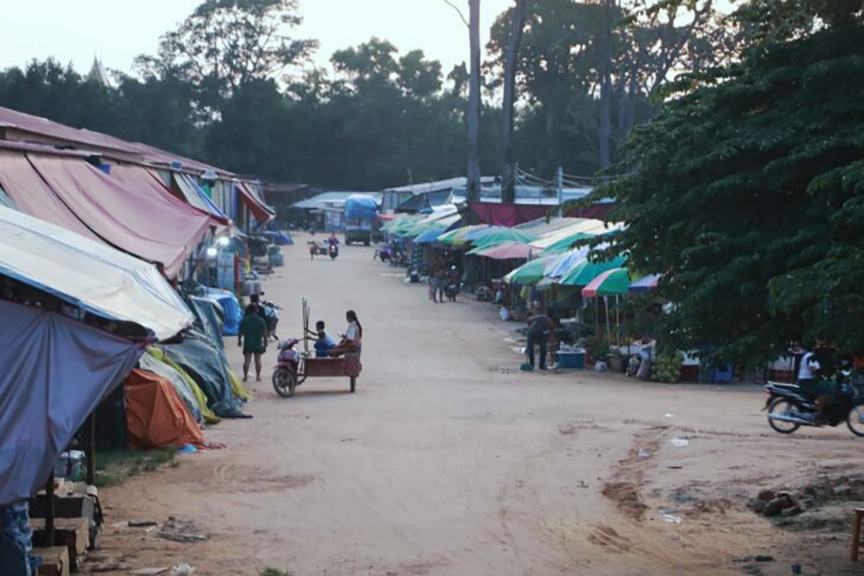
At the once-bustling Rong Kluea market, only about 30% of the original 5,000 Cambodian traders remain, with most having returned home. Those remaining have moved operations online. “The market is dead quiet,” Therdsak said, noting that his company has survived only thanks to its construction business.
The economic crisis affecting these seven provinces represents one of the most severe regional economic disruptions Thailand has faced in recent years, with recovery dependent on successful diplomatic resolution and coordinated government relief efforts.
______