






























Australian authorities have charged a 26-year-old Thai airline employee after allegedly discovering more than 1 kilogram of heroin concealed in her luggage at Melbourne Airport.
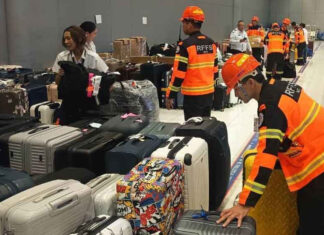
According to the Australian Federal Police (AFP), the woman arrived on an international flight on 25 June while performing work duties as an airline employee. Her baggage was selected for screening by Australian Border Force (ABF) officers.
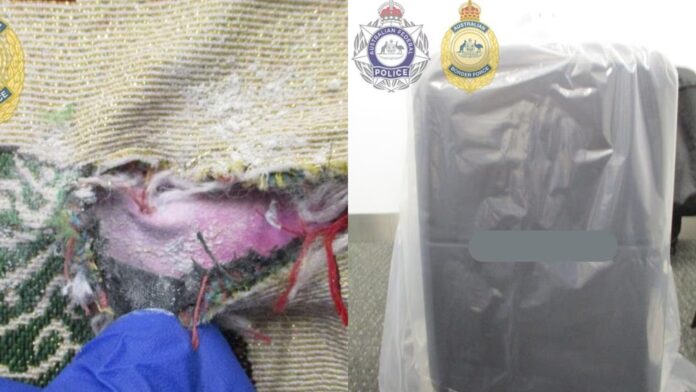
During an X-ray examination of the woman’s 12 tote bags, ABF officers detected anomalies. A subsequent search allegedly uncovered a white powder hidden within the lining of the bags. Preliminary testing indicated the substance was heroin.
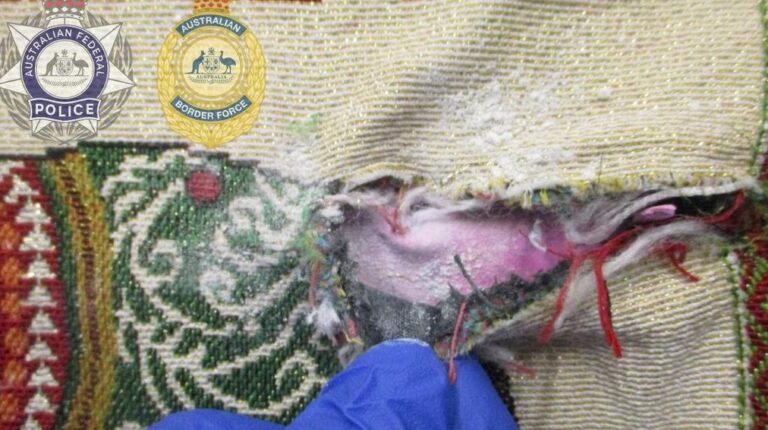
Authorities said the heroin had an estimated street value of AUD 500,000 (11,512,580 Thai baht).
The ABF referred the matter to the AFP, which seized the bags and arrested the woman.
She has been charged with importing and possessing a marketable quantity of a border-controlled drug under Australia’s Criminal Code. Each offence carries a maximum penalty of 25 years’ imprisonment.
The woman appeared before a court on 26 June and was remanded in custody. She is due to reappear before Melbourne Magistrates’ Court on 14 September.
AFP Acting Commander Simone Butcher said the agency would continue to target people who exploited positions of trust to facilitate drug trafficking.
“The AFP remains unwavering in its efforts to target individuals who use their employment or community standing to support drug trafficking,” Butcher said.
“We work closely with our partner agencies to protect the community from the scourge of illicit drugs.”
ABF Commander Clint Sims said organised crime groups continued to target trusted insiders, including airline crew, in attempts to smuggle illicit drugs into Australia.
“Anyone attempting to import illicit drugs into Australia, regardless of rank or position, will be targeted and face the full force of the law,” Sims said.
He added that ABF officers use intelligence-led targeting and a range of detection capabilities to identify attempts to breach Australia’s border controls, and would continue to disrupt criminal activity involving trusted insiders.