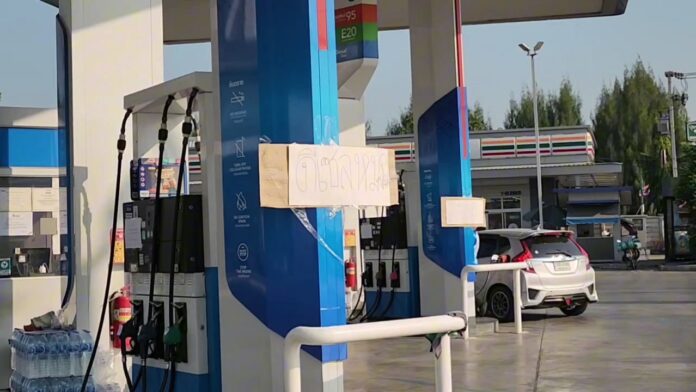
AYUTTHAYA — 14 March 2026, Several petrol stations in Nakhon Luang district of Phra Nakhon Si Ayutthaya have run out of diesel for a third consecutive day, leaving many motorists scrambling to find fuel.
Reports said numerous stations along both main and secondary roads in the district had no diesel available, forcing drivers to travel from station to station in search of fuel.
The shortage has particularly affected travellers and tourists using the Asian Highway 1 route through Nakhon Luang, a key corridor connecting central Thailand to the northeastern region.
Many local residents have also taken to social media to warn diesel vehicle users to avoid travelling if their fuel levels are low.
Checks by reporters confirmed that several stations said their diesel supplies had been depleted since the previous evening, while some had been without diesel for up to three days.
Petrol station staff said they had spent much of the day explaining the situation to customers who arrived seeking fuel. Some motorists reportedly expressed frustration and questioned whether diesel was being stockpiled in anticipation of possible price increases amid global oil market volatility linked to ongoing conflicts.
A survey of stations in Nakhon Luang found that most had no diesel available. One station on the inbound side of the Asian Highway near the Ban Ma railway bridge and the Kung Market area still had premium diesel in stock, though the regular grade had already run out.
The situation has prompted many diesel vehicle owners to plan their journeys more carefully, particularly those passing through Nakhon Luang district on routes linking the Asian Highway to tourist destinations and the Northeast.
Residents have called on relevant authorities to investigate the cause of the shortage, whether due to distribution problems or possible hoarding, to restore confidence among motorists affected by the disruption.
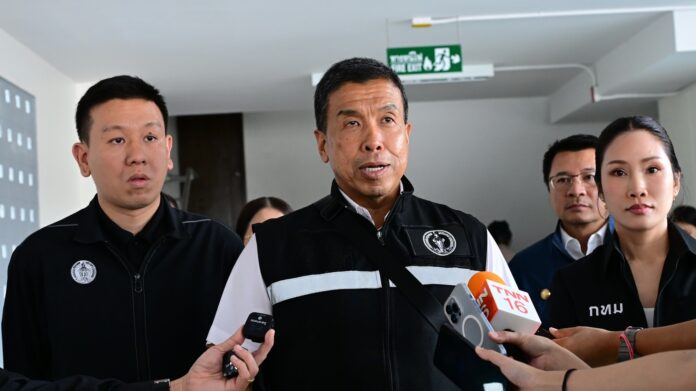
BANGKOK — Bangkok Governor Chadchart Sittipunt said the Bangkok Metropolitan Administration plans to restrict the use of mobile phones and digital devices during class hours in all 437 schools under its supervision starting 18 May.
Speaking on 13 March at Matthayom Wat Sutharam School in Khlong San district, Chadchart announced a proactive measure to regulate the use of mobile phones and other electronic devices in BMA schools under the “Phone Off, Learning On” initiative.
The programme encourages students to leave their phones with teachers during school hours in order to create a more effective learning environment and reduce health and behavioural impacts linked to excessive screen use.
Chadchart said digital technology plays an important role in modern education, but excessive smartphone use has led to problems such as shorter attention spans, increasing rates of myopia and declining interaction between students, teachers and peers.
He added that many students also exercise less because they spend long periods using smartphones and other digital devices, which may weaken social skills as they become more immersed in the virtual world.
Citing research conducted in 14 countries from early childhood to university level, Chadchart said mobile phones can easily distract students from learning. Even the presence of a phone nearby or a notification can interrupt concentration, and it may take up to 20 minutes for students to regain focus.
Several countries, including Belgium, Spain and the United Kingdom, have already restricted smartphone use in schools, with reported improvements in learning outcomes.
Under the BMA policy, digital devices may still be used for learning purposes under teacher supervision during appropriate lessons. Certain areas or times, such as lunch breaks or shared spaces, may be designated as digital-free zones to encourage social interaction, physical activity and breaks from screens.
The policy will also include cyber safety measures aimed at preventing online bullying and limiting access to inappropriate content within schools.
The initiative has already been piloted in 10 BMA schools covering primary and secondary education levels. According to the BMA, both parents and teachers reported high satisfaction, noting improved student focus and better academic performance.
The BMA is currently collecting feedback from stakeholders before officially implementing the measure across all 437 schools in the first semester of the 2026 academic year, which begins on 18 May.
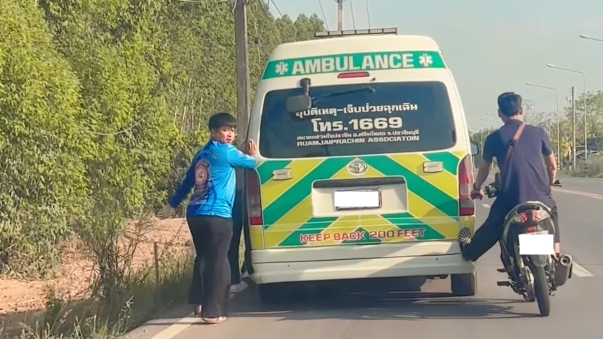
PRACHIN BURI — A rescue vehicle transporting a patient ran out of fuel on the road after failing to find diesel at nearby petrol stations, highlighting the growing impact of fuel shortages.
On 12 March, a Facebook user, Sureerat Insee, posted a video showing a rescue van running out of fuel while attempting to deliver a patient to hospital in Si Mahosot district of Prachin Buri province. The vehicle was eventually pushed by rescuers after diesel could not be found at nearby stations.
In the post, Sureerat said the Khok Pip petrol station had already run out of diesel, warning that the effects of the shortage were beginning to affect people directly.
She also questioned whether the government should prioritise fuel reserves for emergency and rescue vehicles rather than general transport.
Preliminary reports said the rescue vehicle had been trying to refuel while transporting a patient but could not find diesel at any nearby stations. The vehicle eventually ran out of fuel along the route, forcing rescuers to coordinate another vehicle to continue transporting the patient.
BANGKOK — Thailand wants a sustainable ceasefire along the Thai–Cambodian border and hopes to rebuild trust to restore bilateral relations, Foreign Minister Sihasak Phuangketkeow said on 13 March.
Sihasak said Thailand’s intention is to move forward and revive relations between the two neighbours, but he expressed concern that Cambodia may be moving in the opposite direction as its statements and actions appear inconsistent.
He noted that Cambodia has raised the issue at several international forums, including the United Nations Security Council, UNESCO, and the International Court of Justice, which he said has made resolving the situation more difficult.
Regarding Cambodia’s call to convene the Joint Boundary Commission meeting, Sihasak said Thailand is prepared to consider it but prefers to wait until a new government is formed, as border matters require careful procedures.
Thailand’s priority, he said, is to ensure the situation progresses in a positive direction without undermining efforts to resolve issues through bilateral mechanisms.
Sihasak also said he had learned that a delegation from South Korea visited Cambodia and reportedly urged lawmakers there not to sell aircraft to Thailand.
He said bringing third countries into the dispute was inappropriate and called on Cambodia to focus on improving relations rather than making the situation more complicated.
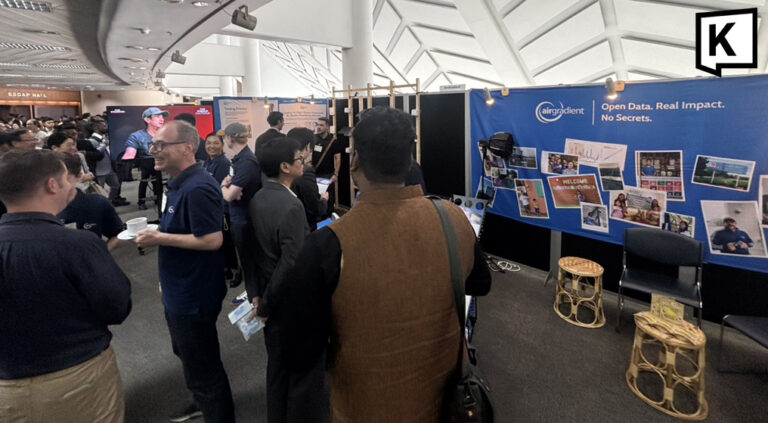
BANGKOK — Better Air Quality (BAQ) Conference 2026, bringing together policymakers, scientists and environmental experts from across Asia and beyond to address the region’s growing air pollution challenges.
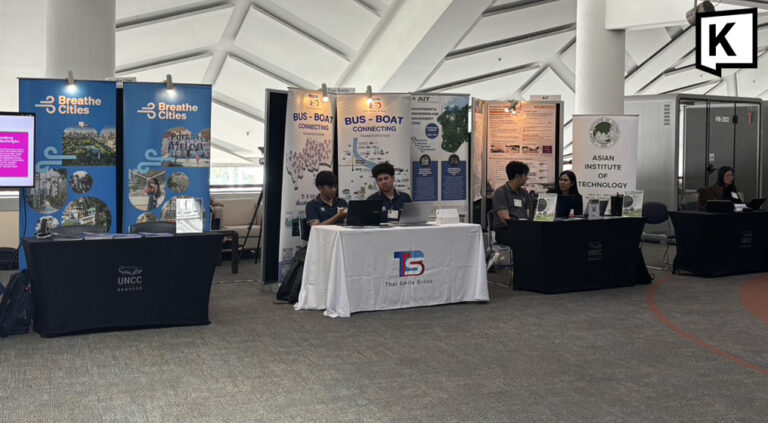
The conference served as a key platform for governments, research institutions and international organisations to share strategies aimed at improving air quality and protecting public health. The event focused on practical solutions for reducing emissions, strengthening environmental policy and advancing clean technologies.
Participants included representatives from national and local governments, academic institutions, development agencies and non-governmental organisations. The Better Air Quality Conference is part of a long-running regional initiative that promotes collaboration on air pollution management in Asia. The 2026 conference highlighted innovative approaches to reducing pollution in rapidly growing urban areas. Workshops, panel discussions and technical sessions allowed participants to exchange research findings and policy experiences.
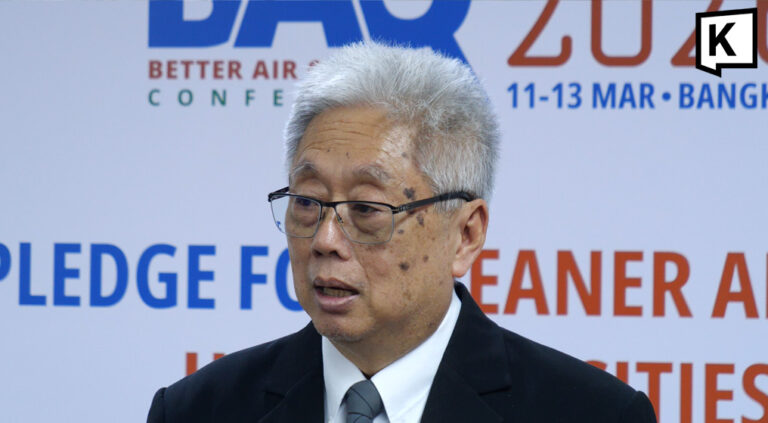
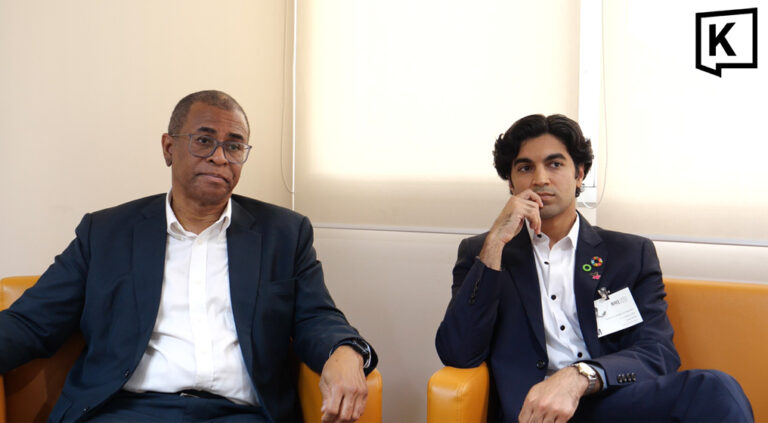
Bjarne Pedersen, executive director of Clean Air Asia
Bjarne Pedersen, executive director of Clean Air Asia, said BAQ is the largest conference in Asia focused on the links between air pollution, climate change and public health.
“The essence of BAQ is to bring all stakeholders together from across the region to focus on finding solutions and, most importantly, implementing them,” he said in an interview. “We all want clean air and better health for everyone. We want to breathe clean air, and the conference brings the major players together to achieve that goal.”
Pedersen said one of the conference’s major achievements was the launch more than five years ago of a guidance framework for improving air quality in Asian cities. The framework has since become a leading blueprint for urban air quality management and is being followed by several cities across the region. He said the conference has also helped broaden the regional conversation beyond air pollution alone. “Over the years we have managed to elevate the discussion to include air pollution, climate and public health,” he said. “When we address climate and air pollution together, we also improve public health and sustainability for the region.”
Another initiative launched at the most recent BAQ conference was a regional exchange of experiences programme designed to encourage Asian cities and countries to learn from one another. “In the past, many places looked outside the region for best practices,” Pedersen said. “But Asia already has a lot of valuable experience. It is important that cities and countries learn from each other.” He pointed to emerging cooperation between Beijing and Bangkok as an example of that approach. The partnership aims to help other cities in the region understand how to improve air quality for their residents. Pedersen said such collaboration could help Bangkok accelerate efforts to reduce air pollution beyond the progress already achieved.
Despite improvements in Thailand’s air quality, Pedersen said the country now faces a more complex next phase of reforms.
He said Thailand has already made progress by implementing relatively straightforward measures, often described as “low-hanging fruit” that can quickly reduce emissions. “The next step usually requires bigger and more coordinated investments,” he said. “That includes infrastructure changes, expanding public transport, transitioning to cleaner energy and reducing reliance on fossil fuels.” Those challenges, he said, will shape Thailand’s next stage of air pollution policy.
Pedersen also addressed delays surrounding Thailand’s proposed Clean Air Act, which has yet to be implemented. “My recommendation is not to wait,” he said. “The issue is urgent, and there are actions that can already be taken to reduce pollution.” He said investment in cleaner urban transport systems should continue, including partnerships between the public and private sectors to expand electric mobility and charging infrastructure. Authorities should also prepare for a shift in pollution sources, he said.
Once transport emissions decline, industrial pollution often becomes more prominent. “Small and medium-sized enterprises will need support in reducing their emissions,” he said. Pedersen added that Thailand should also develop a clear roadmap for transitioning its energy system toward renewable sources. Finally, he said the country should focus on reducing so-called “super pollutants”, particularly methane, which can deliver rapid environmental benefits in the short term. “Methane reduction is a critical short-term measure,” he said.
Thailand’s role in tackling air pollution
Dr. Supat Wangwongwatana, director of the Centre of Excellence on Air Pollution and Climate
Dr. Supat Wangwongwatana, director of the Centre of Excellence on Air Pollution and Climate, said Thailand’s role as a co-host allows the international community to see the measures the country has taken to address air pollution. “It shows what we have done to solve air pollution problems and allows us to share our experience with other countries in Asia, some of which have even poorer air quality than we do,” he said.
Dr. Supat said air quality in Bangkok has improved compared with a decade ago. Levels of PM2.5, fine particulate matter that can penetrate deep into the lungs, have fallen by about 30% over the past 10 years. He cautioned, however, that progress takes time and requires sustained policies. “Measures that have been implemented are gradually reducing pollution levels,” he said.
Thailand previously set its annual PM2.5 standard at 25 micrograms per cubic metre, which was achieved in 2023. However, Dr. Supat said authorities chose to tighten the standard rather than remain satisfied with meeting the existing threshold. The annual standard has since been revised to 15 micrograms per cubic metre, aligning with the World Health Organization’s interim target level three. “In many areas of Bangkok today, the levels are already below that standard,” he said. “It is gradually improving, but it is not yet the best level. We still have to continue.”
Dr. Supat said road transport remains the main source of pollution in Bangkok, meaning stricter vehicle controls are needed. Thailand’s emission standards for new vehicles are now close to those used in Europe, although the Euro 6 standard has not yet been fully enforced for heavy trucks.
He said full implementation could significantly reduce emissions by requiring diesel vehicles to install particulate filters in exhaust systems, technology older engines lack. “In the past, whatever the engine emitted simply went straight into the air,” he said. “We have to rely on technology to help reduce emissions, and for that we need regulations to support it.” Thailand’s fuel quality standards, he added, are already on par with those in Europe and meet international benchmarks.
Dr. Supat said one policy approach discussed during the conference that could be applied in Bangkok is the use of low-emission zones. Given the city’s heavy traffic, authorities may need to restrict certain types of vehicles from entering designated areas during periods when poor air quality is forecast. “Otherwise it will be very difficult to reduce daily pollution levels,” he said. He noted that pollution sources vary across Thailand. While vehicle emissions dominate in Bangkok, northern provinces face a different challenge: smoke from biomass burning, including forest fires and the burning of agricultural residues.
Pollution levels in northern Thailand are already beginning to rise, he said, with air quality readings reaching the “orange” warning level in some areas. “If burning continues, next month we may see red-level pollution,” he said. Dr. Supat said stronger legislation could also play an important role in addressing air pollution.
Thailand has been considering a Clean Air Act, which would specifically focus on air quality management.
At present, authorities rely on a patchwork of laws, including environmental, factory and land transport regulations. “Sometimes cooperation between agencies is not complete, which makes solving the problem more difficult,” he said. A dedicated Clean Air Act could streamline enforcement and reduce reliance on multiple laws and agencies. It could also allow provincial authorities greater flexibility to manage air pollution within and across provincial boundaries. However, the legislative process was interrupted when parliament was dissolved. It will depend on the next government whether the bill is resubmitted once parliament reconvenes. If reintroduced soon, Dr. Supat said the draft could still move forward through Senate committee review before returning to the full legislature.
Asked how the BAQ conference might elevate Thailand’s role in tackling air pollution, Dr. Supat said progress ultimately depends on the country’s own policies and innovation. “International forums help, but in the end it depends on what we do ourselves,” he said.
He noted that Bangkok has already introduced several measures independently of such meetings. “What these international conferences do is allow cities to share experiences, what one city is doing, what another city is doing, and we can consider whether those measures suit Thailand’s context,” he said. At the same time, other countries can also learn from Thailand’s approach.
“It is about sharing knowledge and experience,” he said. “If we see that something works and fits our context, we can adopt it and improve what we are already doing.”
Bangkok is moving in the right direction
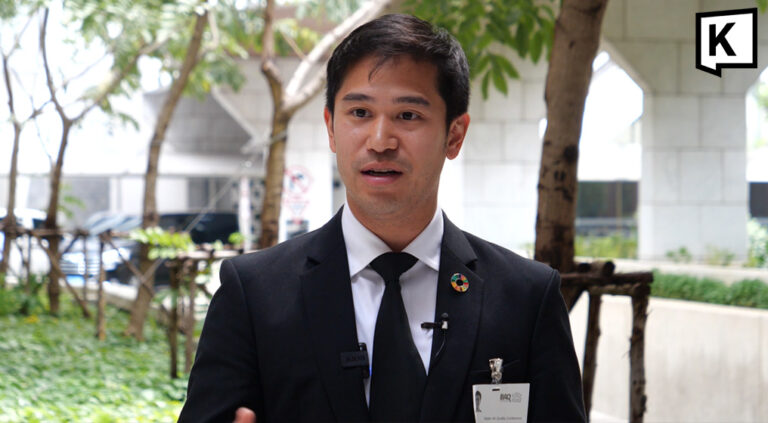
Pornphrom Vikitsreth, sustainability adviser to the governor of Bangkok
Pornphrom Vikitsreth, sustainability adviser to the governor of Bangkok, said the Better Air Quality (BAQ) conference had brought together experts from across the world, particularly from Asia, to exchange knowledge on pollution management. Speaking on behalf of the Bangkok governor at the opening session, Pornphrom said the city had shared both its achievements and remaining challenges in addressing air pollution. “We explained what we have done so far and what gaps remain,” he said. “The data show we are moving in the right direction.”
According to Pornphrom, the number of days with pollution levels exceeding safety standards in January and February has dropped by about half compared with the same period last year. Average particulate levels, measured in micrograms per cubic metre, have also declined significantly. He attributed the improvement to cooperation with neighbouring provinces where seasonal agricultural burning contributes to pollution, as well as efforts to support farmers in reducing crop burning.
Bangkok has also introduced stricter local measures targeting emissions from vehicles and industrial facilities. These include establishing low-emission zones and tightening smoke emission inspections for vehicles. Authorities have also asked the Department of Industrial Works to strengthen regulatory standards for factories.
Pornphrom said the city had also shared initiatives such as clean-air classrooms, dust-free rooms and urban tree-planting projects with international participants at the conference.
Despite progress, he acknowledged that more work was needed. Some improvements would require stronger legal frameworks to grant greater authority to local governments, while long-term investments would be necessary to tackle pollution sustainably. He said discussions with institutions such as the Asian Development Bank focused on potential long-term investments, including expanding electric bus fleets, improving mass transit systems and developing sustainable solutions for managing agricultural biomass to reduce open burning.
How well has Bangkok been doing so far?
Asked how he would evaluate the city’s performance so far, Pornphrom said he preferred to rely on scientific indicators rather than personal judgement. In January last year, pollution exceeded safety limits on 22 of 31 days, including 20 “orange” level days and two “red” level days. This January, there were 12 days above the standard. In February last year, pollution exceeded the standard for 12 days, compared with six days this year. Last year also saw three episodes of consecutive days with particularly high pollution levels in January. This year there has been only one such episode, and it was shorter in duration. “These figures are the scorecard that shows we are moving in the right direction,” he said.
Pornphrom said the conference had also highlighted innovations and policy approaches used in other countries that Bangkok could potentially adopt, although he noted that policies must be adapted to local conditions. Some cities, he said, are able to divert heavy vehicles through underground or outer-ring routes. Other countries have introduced special licence plate colours for electric vehicles, a policy that could be explored with Thailand’s Ministry of Transport, which oversees vehicle registration.
He added that international experts were particularly advanced in analysing the composition of particulate matter to determine its sources and in forecasting future pollution levels. Bangkok already has its own monitoring and forecasting systems, but Pornphrom said the city hopes to draw on international expertise to improve accuracy and help residents better understand pollution risks.
He emphasised that public participation is essential to solving the problem. “People are the most important part because all of us contribute to air pollution in some way,” he said. “Simply driving a car when we leave home is part of it.” He encouraged residents to shift towards public transport when possible and said the city was working to make rail systems more accessible.
Residents can also report smoke-emitting vehicles through the Traffy Fondue complaint platform. During severe pollution episodes, authorities have also encouraged remote work to reduce traffic and limit people’s exposure to outdoor pollution. Private companies also play an important role, Pornphrom said, noting that businesses can act quickly to support initiatives. For example, the private sector has cooperated with campaigns encouraging drivers to replace engine oil filters by offering discounts during promotional periods.
Academics and civil society groups also contribute valuable research and ideas, he said, and authorities are working to translate these proposals into practical policies and projects.
Looking at longer-term trends, Pornphrom said the year-on-year improvement was clear, although some observers questioned whether weather patterns such as La Niña this year and El Niño last year might have influenced pollution levels. To address that concern, officials compared data from the past four years. “When we compare this year with the past four years, we see clear improvement,” he said. “Over the governor’s four-year term, we have moved in the right direction.”
He added that the city now has a much deeper understanding of pollution sources, ranging from diesel emissions to agricultural burning. “In the past we might have thought that checking vehicle emissions alone would solve the problem,” he said. “Now we understand that pollution comes from many sources.” Authorities now use detailed data to track pollution down to specific districts, subdistricts and even villages in neighbouring provinces. “With better information, we can address the problem more precisely instead of only inspecting construction sites or vehicle emissions,” he said.
Asked about cooperation with neighbouring countries, Pornphrom said air pollution does not respect borders. “Dust doesn’t stay in one place, it moves,” he said. “It may be difficult to coordinate with neighbouring countries, but we will do our best. At the very least, we must ensure that our own emissions are reduced.”
Many countries in Asia that face a gap between air quality goals and available financing
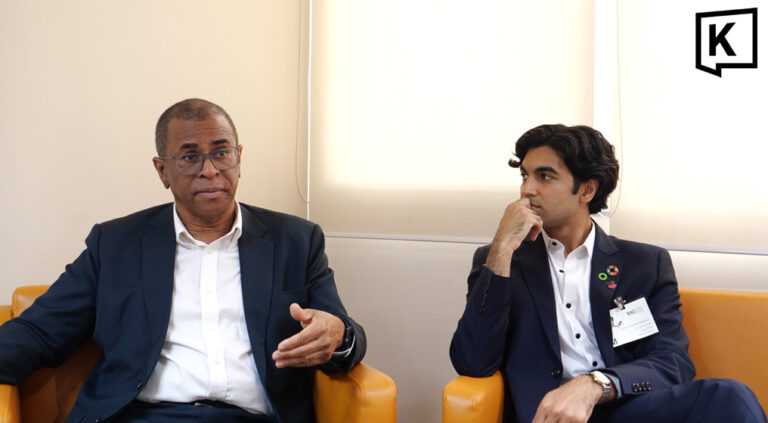
Elliott Harris (left), co-chair of the Climate and Clean Air Coalition’s Global Economic Assessment of Climate and Clean Air
Elliott Harris, co-chair of the Climate and Clean Air Coalition’s Global Economic Assessment of Climate and Clean Air and former United Nations assistant secretary-general for economic development and chief economist, commented on the economic policy that could accelerate investment in clean air solutions in many countries in Asia that face a gap between air quality goals and available financing that financing must come from multiple sources. “Some of it has to come from governments, but much more will have to come from the private sector,” he said. To mobilise private investment, Harris said governments and institutions must present initiatives as well-structured projects capable of attracting private capital.
“It is not enough simply to say, ‘This is what we want to do,’” he said. “You have to show how it will be done, what benefits it will deliver and what kind of return investors can expect.” Private investors must see clean air initiatives as viable investments rather than purely public spending, he added. Blended finance, combining public funding with other sources, can also make projects more attractive. “But ultimately the private sector has to see the benefit of the investment,” Harris said. “Otherwise it will be impossible to mobilise the amount of private capital that we need.”
Asked, in the long run, what do you see as the most underestimated risks of delaying action on air pollution and climate mitigation, especially in rapidly growing Asian economies? Harris said research currently being finalised shows that delaying action on air pollution will significantly increase harm to human health. “If we delay action on reducing air pollution, we are increasing the damage done to people,” he said. Poor air quality leads to serious health consequences, reduced quality of life and millions of premature deaths.
What makes the situation particularly troubling, Harris said, is that much of the damage is avoidable. “The solutions are already known,” he said. “What is required is effort and action to implement them quickly.” Unlike some climate policies that take decades to show results, improvements in air quality can produce rapid benefits.
“If we reduce pollution levels, we can see improvements almost immediately,” Harris said. “Very soon afterwards you begin to see improvements in people’s health.” That, he said, highlights both the benefits of action and the costs of inaction. “It is not enough simply to decide to do something,” he added. “We have to make it happen.”
Air pollution often disproportionately affects marginalised communities
Saad Amer, founder of Justice Environment and a United Nations consultant, discussed on the topic of how can policymakers ensure that clean air strategies address environmental justice and equity, when air pollution often disproportionately affects marginalised communities. For example, in Thailand farmers are frequently blamed for burning biomass such as crop residue. He said the farmers and rural communities are often overlooked in policy discussions. “I am glad you are focusing on farmers because they are usually overlooked in these conversations,” he said.
Globally, around 99% of people breathe polluted air, contributing to roughly 8 million premature deaths each year. About 89% of those deaths occur in Asia and Southeast Asia, Amer said. “That means that the way the system is currently designed, we are effectively deciding which communities get to live longer, healthier lives and which communities are sacrificed,” he said.
Amer described parts of Southeast Asia as existing in a “sacrifice zone”, where communities disproportionately bear the burden of pollution. As governments develop policy solutions, he said they must identify which groups are most affected and place them at the centre of decision-making. That includes farmers as well as ethnic and religious minorities. Policymakers must also recognise cultural practices rather than dismissing them, Amer said.
“We should not disregard what people are doing or erase their ways of life through outside intervention,” he said. “Instead we need to meet communities where they are and design policies that work for them.” Listening to affected communities is essential for effective policy, he added. “I believe change is possible,” Amer said. “Pollution has increased rapidly over the past few decades, which shows how quickly systems can change. That means we can also change them in ways that are more productive and do not harm these communities.”
When asked, how can international frameworks better protect the most pollution-burdened communities and clean air initiatives on the ground? Amer said international agreements often adopt broad frameworks so they can apply to many countries, but national governments must translate them into targeted policies. “When countries design policies for their own people, they have to be more precise,” he said.
He pointed to examples in the United States, where many Black and Latino communities live near major pollution sources and experience higher rates of cancer, asthma and other health problems. “These communities’ voices are often ignored because they are far from the centres of power,” Amer said. He said governments must ensure that affected communities have a seat at the table. “They need to be able to share their stories and experiences so those perspectives inform policy decisions,” he said. Centering environmental justice can help address the root causes of pollution and lead to healthier communities, he added.
Saad Amer (right), founder of Justice Environment and a United Nations consultant
What can the BAQ conference achieve?
Harris said he hopes the conference will highlight how quickly improvements in air quality can produce tangible benefits. “There is a lot we could be doing, and doing better, that would generate improvements not in the second half of the century, but in the second half of this decade,” he said. Improving air quality can deliver immediate health and economic benefits while also helping slow global warming.
“One of the challenges is that climate debates often focus on long-term timelines,” Harris said. “We sometimes lose sight of the actions we can take today that improve our lives and our economies right now.” He also emphasised that financing should not be seen as the main barrier. “Finance is not the problem,” he said. “Implementation is the problem. If we implement the solutions, the finance will follow.”
Amer added that people should not feel powerless in the face of environmental challenges. “It can often feel like the economic and political systems we are born into are fixed,” he said. “But societies are shaped by their citizens.” If people collectively demand change, he said, systems can shift. “While there are high-level discussions happening here in Bangkok, people everywhere should understand that they also play a role,” Amer said. “Real change happens when citizens decide what kind of world they want to live in and push for it. If we demand faster change, it can and will happen.”
Bindu Lohani, Chairman, Board of Trustees, Clean Air Asia, emphasized during his closing remark “clean air must be understood not only as an environmental objective but as a human right.”
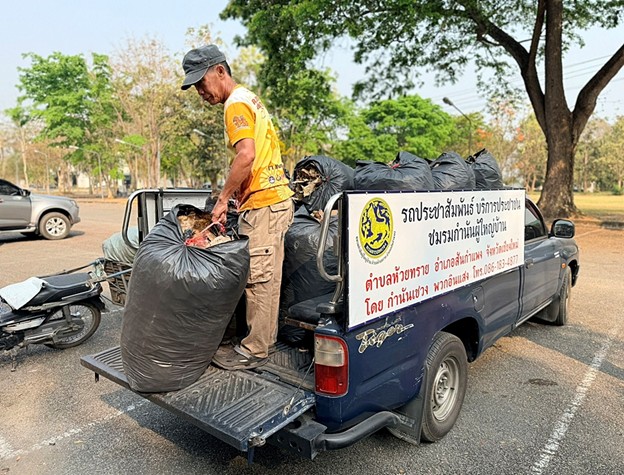
In northern Thailand, the dry season often brings piles of fallen leaves and yard waste. For many households, burning the debris remains the cheapest and most convenient way to clear it, though the practice releases smoke and fine particulate matter into the atmosphere, contributing to seasonal air pollution.
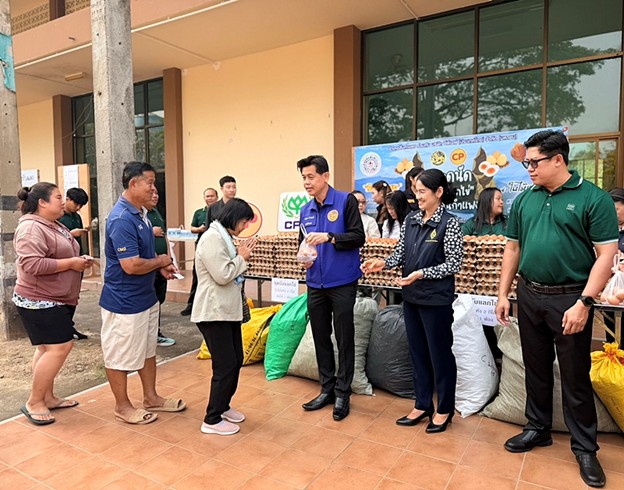
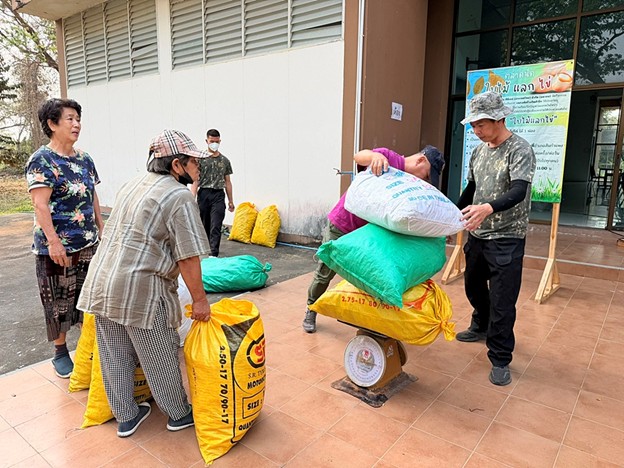
Located just east of Chiang Mai city, San Kamphaeng district is known for its blend of rural villages, agricultural land and traditional handicraft communities. Like many areas in northern Thailand, it faces the seasonal challenge of managing large amounts of dried leaves and organic waste during the dry months. The local authorities have introduced a small initiative to encourage alternative ways of managing yard waste. With support from Charoen Pokphand Foods (CPF), residents are invited to bring dried leaves to designated collection points and exchange them for eggs, offering a simple incentive to reduce the burning of debris.
Under the “Leaves for Eggs Market” campaign, residents are encouraged to take part by bringing dried leaves collected from their homes and neighborhoods to exchange points, where two kilograms of leaves can be traded for one egg, up to 10 eggs per day. The collected leaves are then fermented and processed into compost, which is later distributed back to the community to improve soil quality. By turning everyday yard waste into a useful resource, the initiative not only discourages open burning but also promotes community participation in transforming organic waste into a valuable by-product for local use.
District chief Kanes Khamnon said the initiative is designed to encourage people not to burn yard debris, a common practice during the dry months.
“This activity helps people see that what was once considered waste can become something valuable,” he said. “People are helping reduce burning and smoke, while also bringing nutritious food back to their households.”
The project, now in its second year, collected 25,000 kilograms of leaves during its first run, according to district officials.
For some residents, the benefits are immediate. Bunyom Chomphukham, a resident of San Kamphaeng, said the project offers the community a practical way to manage accumulated dry leaves, which can become a fire risk. Meanwhile, Nimnuan Chomphukham, who joined the exchange, said the eggs help lower household food expense
Northern Thailand faces recurring air pollution during the dry season, with PM2.5 caused primarily by forest fires. Even so, local officials say reducing small-scale burning in communities can still help improve air quality. Projects that encourage people to stop burning leaf waste can ease local pollution while strengthening community participation in environmental solutions.
Pinyo Romket, Associate Director of Pullet and Commercial Layer Production at CPF, said the project shows how communities can turn local waste into a useful resource while addressing an environmental problem.
“It helps reduce burning, which contributes to PM2.5 pollution, while also providing high-quality protein to families in the area,” he said. “CPF is pleased to support a community initiative that turns local action into tangible environmental and social benefits.”
The exchange is held every Wednesday from March 4 to May 27, 2026, from 9:30 a.m. to 11:00 a.m., at the San Kamphaeng District Office, and is open to residents registered in the district. By linking waste reduction, composting and community support, the campaign highlights how CPF is working with local partners on practical solutions to air pollution and sustainable community development in northern Thailand.
Bangkok, Thailand – 12 March 2026 – VNU Asia Pacific officially kicked off the ILDEX and Horti & Agri Exhibition Series 2026 at BITEC Bangkok, bringing together international partners, exhibitors, and industry stakeholders to outline upcoming opportunities across Southeast Asia’s rapidly growing livestock and agriculture sectors.
During the event, the VNU Asia Pacific team presented the ILDEX exhibition series across key ASEAN markets, highlighting new buyer engagement initiatives and market outlooks for the livestock industry. Industry perspectives were shared by Mr. Kim Gee-Myung of the Korea Animal Health Products Association (KAHPA) and Mr. Nathan Feeney of AG Growth International, who emphasized strong business opportunities in Vietnam and Indonesia, two of the region’s fastest-growing livestock markets.
The program also introduced the Horti & Agri Exhibition Series 2026, focusing on the integration of livestock, feed, and horticulture value chains and the growing demand for modern agricultural technologies across Southeast Asia. For the agriculture side, Mr. Eknarin Sawangpakdee, Sales & Business Development Manager, TrolMaster Agri Instruments Co.,Ltd. join us to talking about Indonesia and Vietnam potential market for Agri-business through the Agri & Horti Exhibition Series.
Horti & Agri Expands Regional Presence
The Horti & Agri Series 2026 continues to expand across Southeast Asia, with Vietnam debuting its first full trade show format following earlier conference editions. The exhibition will feature 40 international exhibitors from four countries and is expected to welcome more than 12,000 visitors in combination with ILDEX Vietnam.
International participation includes country pavilions from Korea, Taiwan, and Vietnam, supported by leading organizations such as VFARDA, VFAEA, and VOAA, with conference sessions focusing on green agriculture, sustainable food systems, and public-private collaboration.
ILDEX Strengthens Regional Livestock Platforms
ILDEX Philippines will return for its 4th edition, co-located with the Philippine Poultry Show, bringing together leading agribusiness companies including ADM, Alltech, Cargill, CPF Philippines, DSM Firmenich, Kemin, Pilmico, and New Hope, among others.
ILDEX Indonesia will transition to an annual event, introducing a new Dairy & Cattle Pavilion alongside expanded Meat Pro and Aquatic Pavilions. The show is expected to host 200+ exhibitors from 30 countries and attract around 12,000 visitors, supported by the Ministry of Agriculture of Indonesia (MOA) and the Federation of the Indonesian Poultry Society (FMPI). The event will also host the Newcastle Disease Centennial International Conference, organized by the Indonesian Poultry Veterinarians Association (IPVA) under the World Veterinary Poultry Association (WVPA).
Meanwhile, ILDEX Vietnam 2026 will celebrate its 10th anniversary, featuring 250+ brands from more than 30 countries and welcoming over 10,000 professional visitors. Major agribusiness companies including CP Vietnam, Dabaco Group, and De Heus Vietnam will collaborate with the exhibition alongside leading livestock associations to address emerging industry trends and technologies.
Pre-registration is now open for ILDEX Vietnam, scheduled for 20–22 May 2026 at the Saigon Exhibition and Convention Center (SECC), Ho Chi Minh City.
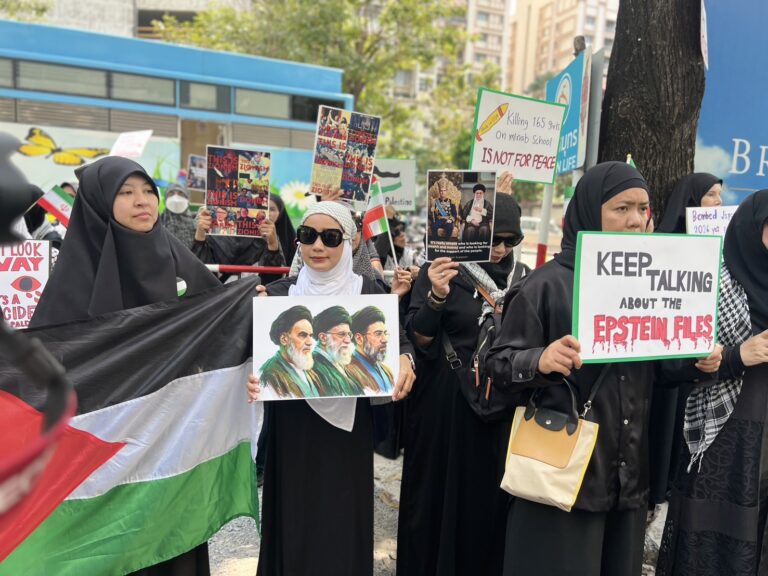
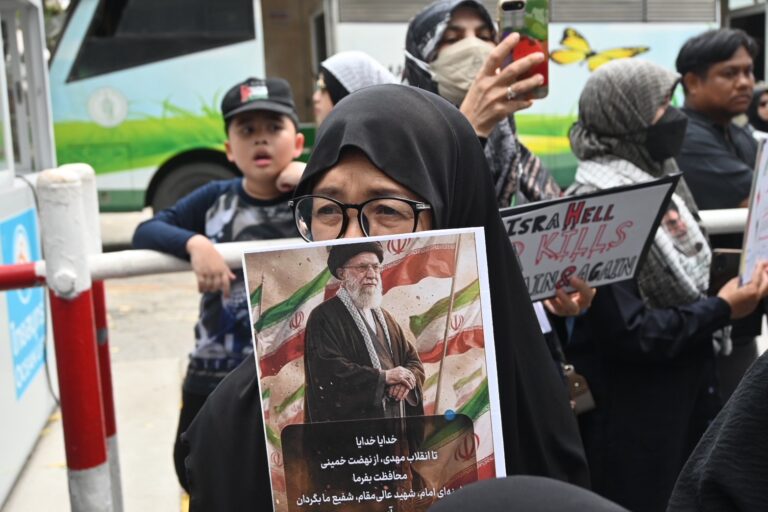
BANGKOK — A group of Muslim protesters gathered outside the Embassy of Israel in Bangkok on Sukhumvit Road on Friday afternoon to protest against Israel over the war involving Iran.
The rally began at about 14:00 on 13 March, with men, women and children, mostly Muslims, taking part. Demonstrators waved the flags of Palestine and Iran while chanting slogans condemning Israel and the United States.
Some participants held pictures of Ali Khamenei as well as images depicting casualties from the conflict.
Speakers at the rally criticised Israel and the United States, accusing them of supporting and carrying out attacks against Iran. They also voiced support for Islamic groups involved in the fighting in the Middle East.
Police from the Metropolitan Police Bureau Division 5 deployed officers and crowd-control units to maintain order. Authorities said the organisers had requested permission to hold the protest for two hours.
The gathering remained peaceful, with no reports of violence.
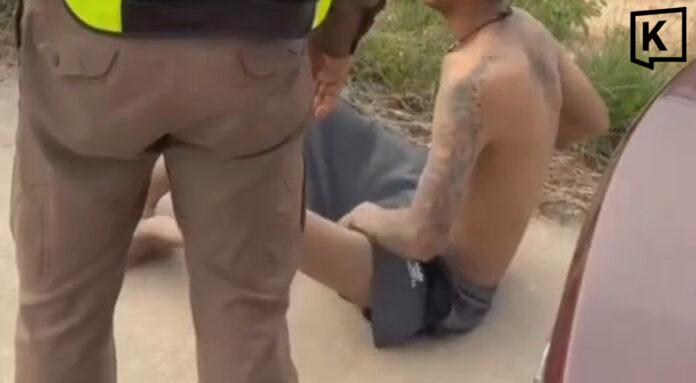
NAKHON RATCHASIMA — 13 March 2026, A naked man was found sitting on the M6 motorway in Nakhon Ratchasima province on Friday morning, prompting highway police and rescue workers to intervene and move him to a safe area.
Highway police officers on routine patrol along the Bang Pa-in–Nakhon Ratchasima motorway received reports from motorists that a man was sitting on the road surface while naked between kilometre markers 179 and 180, in the Kham Thale So–Nakhon Ratchasima bypass section near the exit to Mueang Nakhon Ratchasima district.
The sight alarmed drivers passing the area, who feared the man could be struck by a vehicle.
Police arrived at the scene and coordinated with Hook 31 Nakhon Ratchasima rescue workers to assist. Officers found a man sitting on the roadside without clothes. He had a short buzz cut, tattoos on both arms and was wearing a Buddhist amulet necklace. Authorities estimated he was no older than about 35.
Rescue workers attempted to speak with him, but communication proved difficult. They provided him with trousers before police escorted him away from the motorway to a safe location to prevent potential harm to both the man and passing motorists.
Authorities are investigating the circumstances surrounding the incident, including the man’s identity, where he is from and how he came to be on the motorway in that condition, in order to provide further assistance.
Thailand's Kunlavut Vitidsarn plays against Taiwan's Lin Chun-Yi during the men's singles semifinal match at the All England Open Badminton Championships in Birmingham, England, Saturday, March 7, 2026. (AP Photo/Kin Cheung)
BANGKOK — Kunlavut Vitidsarn has reclaimed the world No. 1 spot in men’s singles in the latest rankings released by the Badminton World Federation on 10 March.
The Thai badminton star, widely known as “View,” returned to the top of the world rankings after nine months.
His rise followed a strong performance at the All England Open Badminton Championships 2026 in Birmingham, one of the oldest and most prestigious tournaments on the World Tour Super 1000 circuit.
Kunlavut advanced to the semi-finals of the tournament, marking his best-ever result at the event. In the previous four editions, he had been eliminated in the second round.
The ranking race also shifted after Shi Yuqi of China, the defending champion and world No. 1 at the time, was unexpectedly knocked out in the first round.
The result allowed Kunlavut to overtake Shi in the ranking points and reclaim the top position.
Kunlavut previously held the world No. 1 ranking last year, and his return to the top spot further cements his status as one of the world’s leading badminton players.