
























32.2 C
Bangkok
Sunday, June 28, 2026
Home Blog Page 139

Baby’s body found in tour bus toilet bin

Baby’s body found in tour bus toilet bin

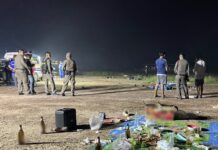
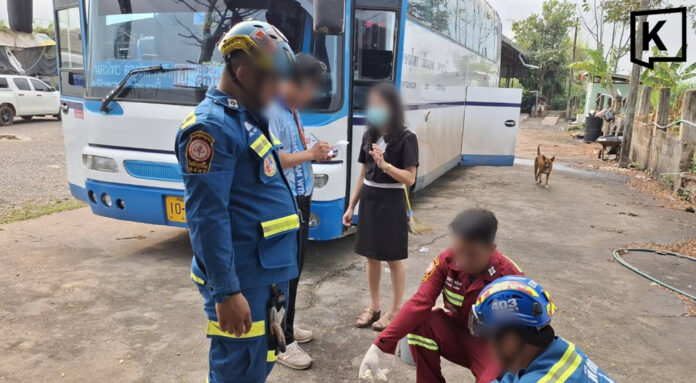
PHITSANULOK — 25 February 2026, The body of a newborn boy was found in a rubbish bin inside the toilet of an interprovincial bus parked at a depot in Wang Thong district, police said on Wednesday.

Investigators said the infant still had an umbilical cord and placenta attached and was believed to have died recently. The body was sent for autopsy at Wang Thong Hospital as police stepped up efforts to locate a woman suspected of being the child’s mother for questioning and possible legal action.

Police were alerted to the discovery on 25 February 2026. Lt. Col. Sommai Rakpom, an investigator at Wang Thong Police Station, coordinated with detectives, rescue workers from the Burapha Rescue Unit and a duty doctor from Wang Thong Hospital to examine the scene.

The bus, operating on the Udon Thani–Phitsanulok route and bearing Phitsanulok registration number 10-1638, was parked at a tour bus garage in Moo 3, Ban Dong Khoi, Wang Phikul subdistrict, Wang Thong district. The infant’s body was found at the bottom of a bin in the vehicle’s toilet.

The 53-year-old driver, Santi Lertwongsakulchai, said the bus had travelled from Udon Thani via Loei to its final destination in Phitsanulok, picking up passengers at designated stops including Nong Bua Lamphu and Wang Saphung districts. After dropping off passengers at Phitsanulok Bus Terminal 2 and the final stop at Bus Terminal 1, the bus was parked at the depot at 18:00 on 24 February 2026.

A 52-year-old bus attendant, who discovered the body, told police she boarded the parked bus on Wednesday morning to prepare it for cleaning ahead of its scheduled 11:00 departure to Udon Thani. As she removed the toilet bin to empty it, she noticed it was unusually heavy. Upon opening the lid, she found the infant’s body inside.

She said she recalled a young, tall, thin woman wearing jeans who boarded the bus in Loei province and appeared unwell. The woman lay on a seat at the rear near the toilet before getting off at Phitsanulok Bus Terminal 1.

Preliminary findings by police and the attending doctor suggested the boy was about seven to eight months’ gestation and physically developed. Authorities said he may have been born prematurely and died shortly after birth, or may have been stillborn, though the possibility of foul play has not been ruled out. An autopsy will determine the cause of death as police work to identify and question the child’s mother in accordance with the law.
Advertisement

PNP 15 joins DPT to boost Thailand’s coastal management with area-based, nature-based and hybrid solutions

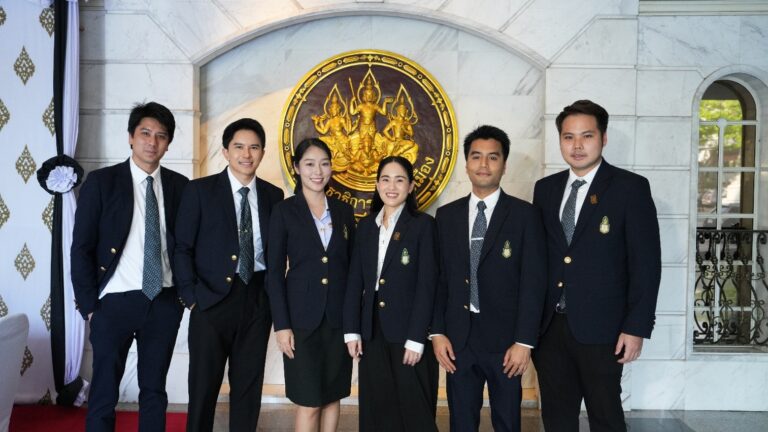
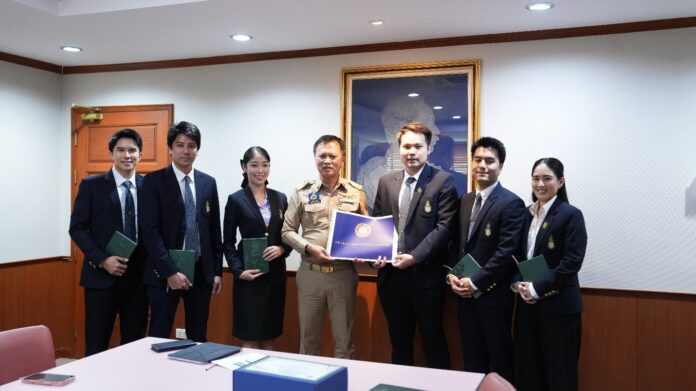
On 24 February 2026, at the Department of Public Works and Town & Country Planning(DPT), representatives of The Intermediate Certificate course of Young Leadership in Democratic Governance (Class 15) or PNP 15 , King Prajadhipok’s Institute, led by the Owl Group, met with Mr. Phongnara Yenying, Director-General of the Department of Public Works and Town & Country Planning, to deliver the study findings and policy recommendations entitled “Sustainable Engagement for Adaptive Governance and Unified Action in Resilient Development (SEA GUARD Project).” The Owl Group, PNP 15, is composed of representatives from multiple sectors, including Gun Jompalang Chuay Su Foundation, Prince of Songkla University, Taweesap (Jew Jae Heng) co.,Ltd., Vincent International Co.,Ltd., Airports of Thailand Public Company Limited, and the Royal Thai Army Band Department. The meeting aimed to support future efforts to drive solutions to coastal erosion challenges in Thailand.

Picture2 9

Following the discussion, Mr. Phongnara Yenying said the Department welcomed insights and research presented by the younger generation and diverse stakeholders from PNP 15, based on both fieldwork and conclusions drawn from a policy debate. He noted that the information aligns with the Department’s direction to strengthen a sustainable balance between engineering and environmental considerations. He emphasised that the Ministry of Interior’s core mission is to relieve public hardship and promote public well-being, and that in many coastal areas the Department becomes involved after requests are submitted through local administrative organisations.

Looking ahead, he underscored the importance of advancing Hybrid Solutions, integrating engineering structures with nature-based innovations that are appropriate for each locality, and stated that the Department is willing to have further study and incorporate the concept of “Area-based Nature-based and Hybrid Solutions” into future workplans. This would enable flexible coastal protection designs tailored to local contexts, respond to community needs, and minimise impacts on ecosystems as much as possible. He added that the Department will continue working with all sectors to deliver tangible outcomes.

Picture3 6

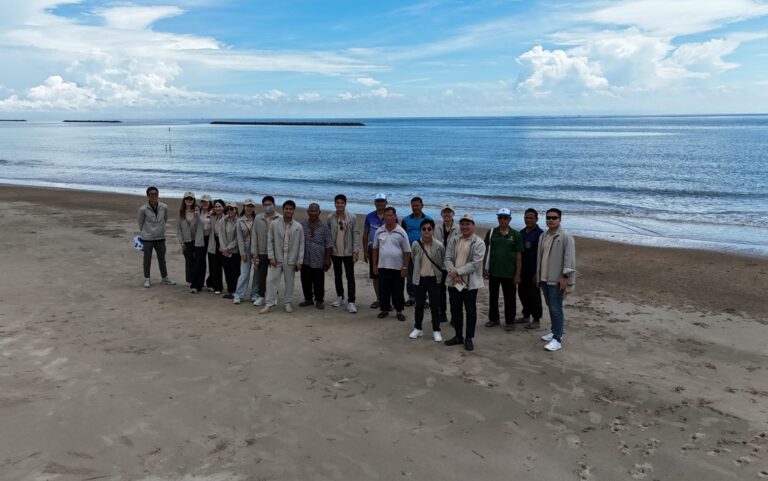
Dr. Sorawit Lim-o-pas Pulsawasd, representative of the Owl Group, PNP 15, stated that the recommendations were developed under close guidance from Assoc. Prof. Dr. Prinya Thaewanarumitkul, the project advisor, and were the outcome of comprehensive data collection across four distinct contexts: Phetchaburi (Chao Samran Beach), Trang (Koh Libong), Surat Thani (Koh Samui), and Bangkok (Bang Khun Thian).

He also highlighted the success of a national environmental policy debate titled “Political Party Policies and Thailand’s Environmental Crisis: Grey Infrastructure or Green Solutions?” held at King Prajadhipok’s Institute on 30 January, which brought together a wide range of stakeholders, including the Beach for Life network, academics from Kasetsart University, and community representatives directly affected by coastal erosion from Prachuap Khiri Khan, Phetchaburi, Samut Prakan, and Bangkok.

Dr. Sorawit noted that in-depth dialogue with all sectors including representatives from five political parties responsible for environmental policy suggested that relying solely on concrete seawalls may no longer be a final answer. Stakeholders broadly supported the push for Area-based Policy Solutions, and the Department’s openness to considering Nature-based Solutions and Hybrid Solutions was described as a meaningful starting point and a new dimension of work that places environmental concerns and people’s voices at the centre.

Picture4 2

The debate attracted strong attention from major political parties. Party representatives, including Mr. Plodprasop Suraswadi (Pheu Thai Party), Mr. Varawut Silpa-archa (Bhumjaithai Party), Mr. Satit Wongnongtaey (Democrat Party), Dr.Decharat Sukkamnerd (People’s Party), and Mr. Priyet Angkurakitti (Thai Sang Thai Party), presented approaches that emphasised sustainability. The Owl Group, PNP 15, compiled these perspectives into a white paper and submitted it as a policy proposal to the Department of Public Works and Town & Country Planning to support future coastal erosion management. The initiative aims to help advance public policy that maximises benefits for people, the economy, and Thailand’s coastal resources in a sustainable manner.

Advertisement

Corrections Department says Thaksin eligible for parole on 9 May

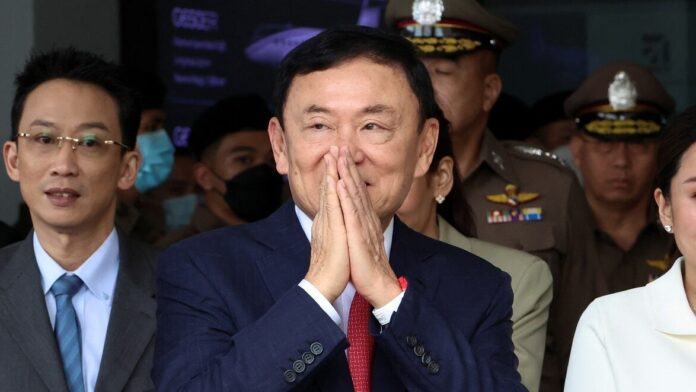
BANGKOK – 25 February 2026, The Department of Corrections says former prime minister Thaksin Shinawatra is eligible for parole on 9 May after serving two-thirds of his one-year sentence.

Yutthana Nakruangsee, deputy director-general and spokesman of the Department of Corrections, said the Central Klong Prem Prison committee has yet to finalise the list of inmates eligible for general parole for submission to the department-level committee.

He said Thaksin is serving a one-year (12-month) sentence. Under the two-thirds rule for general parole, an inmate must have served eight months. Thaksin entered the justice process on 9 Sept 2025. Based on that calculation, he would be eligible for release on parole on 9 May 2026.

Under procedures, parole consideration begins at the prison committee level. Once eligible names are compiled, they are forwarded to the department committee for screening before being submitted to the final stage, the Justice Ministry committee.

Yutthana said that although 9 May falls on a Saturday, authorities are obliged to uphold inmates’ rights. If parole is approved, the prison must release the inmate in accordance with procedures. From about 07:00–08:00, officials will verify documents before relatives collect the parolee and take him to the residence registered with probation authorities.

If parole conditions are violated, the individual will be returned immediately to prison to serve the remainder of the sentence.

In Thaksin’s case, as the sentence is relatively short at one year, electronic monitoring will not be required, Yutthana said. He must report to probation officers as scheduled. After completing the remaining four months on parole, he will have served the full one-year term, ending on 9 Sept 2026, and will then receive a certificate of release from prison.

Advertisement

Bangkok opens 190 cooling centres as Thailand enters peak summer

BANGKOK — Thailand has officially entered the summer season in late February, with the hot period expected to last until around mid-May. Authorities warn that temperatures could peak at 42–43°C in some areas, particularly in the North, while upper Thailand may see average highs of 36–37°C, raising health concerns including heatstroke.

The intense heat, sometimes alternating with thunderstorms, poses challenges for outdoor workers and commuters using public transport. Officials cautioned that prolonged exposure to extreme temperatures increases the risk of heatstroke, especially among vulnerable groups.

To ease the impact, the Bangkok Metropolitan Administration has opened 190 “Cooling Centres” across the capital, offering safe spaces for residents to escape the heat. The centres are located at all 50 district offices, public health service centres, sports complexes and selected pilot schools. Residents can check locations, services and opening hours via the BMA’s online platform.

Beyond cooling centres, City Hall has introduced four key measures to address urban heat more systematically: developing a heat index monitoring and early warning system; strengthening protection for at-risk and vulnerable groups; improving urban infrastructure to reduce heat accumulation; and enhancing public communication and community engagement on heat-related risks.

Advertisement

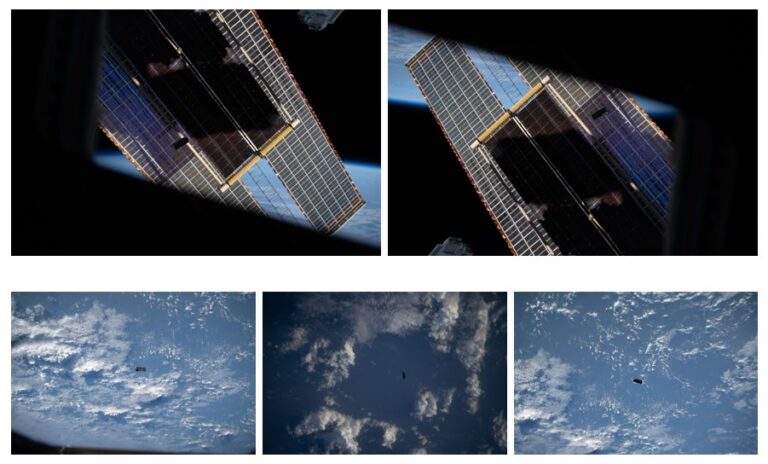
KMUTNB’s KNACKSAT-2 Satellite Successfully Sends Signal Back to Thailand

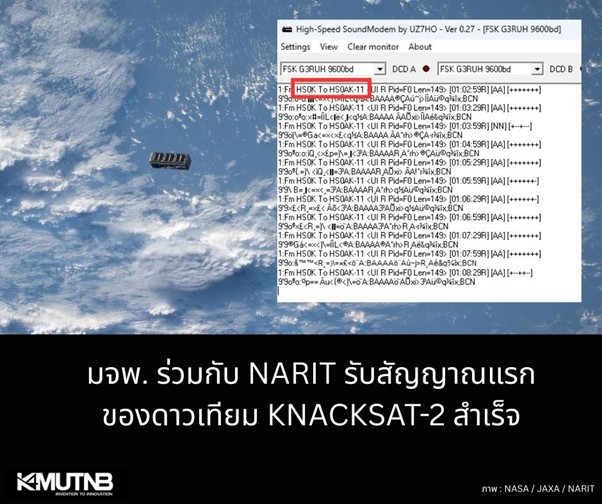
Thailand has successfully received signals from the KNACKSAT-2 satellite developed by KMUTNB. The satellite has transmitted signals back to Thailand, with the first detection achieved by the National Astronomical Research Institute of Thailand (NARIT), confirming a significant milestone in Thailand’s space mission.

King Mongkut’s University of Technology North Bangkok (KMUTNB) proudly announces the successful reception and decoding of signals from the KNACKSAT-2 satellite following its deployment into orbit from the International Space Station (ISS). During its first orbital pass over Thailand on Sunday night, February 22, 2026, at 01:02 a.m., the NARIT ground station became the first organization in Thailand to successfully detect the signal from KNACKSAT-2 (First Signal), confirming that the satellite stays in orbit.

Picture2 8

System Status Confirmation

The successful signal reception and decoding indicate that:

  • The electrical power generation and power management systems are functioning within normal parameters.
  • The on-board computer for CubeSat missions is demonstrating stable, reliable operation.
  • The satellite can transmit beacon signals and telemetry to the ground station.
  • Signal strength and stability are at appropriate levels.

The successful deployment of KNACKSAT-2 marks a significant milestone for the satellite mission, showcasing significant national space capability alongside the operational readiness of the Thai-developed CubeSat.

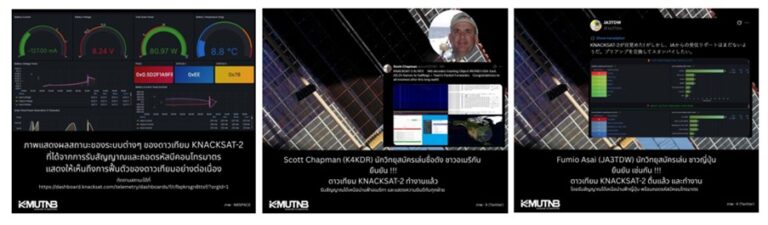
Additionally, amateur radio operators and stations within the global SatNOGS (Satellite Networked Open Ground Station) network have reported they are actively receiving signals, telemetry and data transmitted from  KNACKSAT-2 as it orbits the Earth  and passes over various regions including America, Japan, Australia, and Europe. These reports further confirm healthy signal transmission and operational status, indicating the satellite is currently undergoing the LEOP phase.

Picture3 5

National and International Collaboration

KNACKSAT-2 is a  3U CubeSat (30x10x10 cm) multi-payload platform developed by:

  • King Mongkut’s University of Technology North Bangkok (KMUTNB)
  • International Space Technology Institute for Economic Development (ISTED)
  • NB-SPACE Co. Ltd. (a recognized spinoff company from KMUTNB)
  • Kyushu Institute of Technology (KYUTECH), Japan

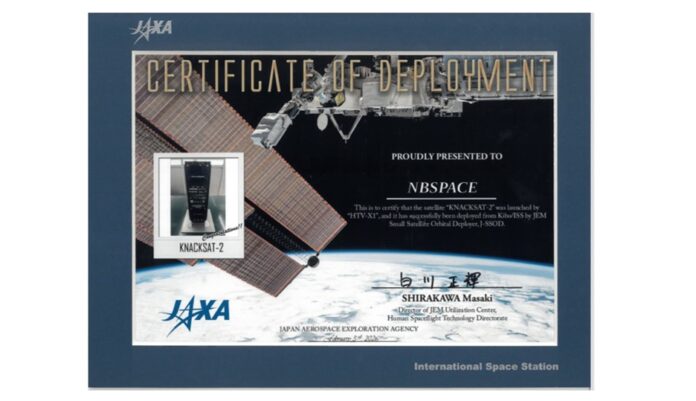
KNACKSAT-2 was successfully deployed into orbit from the International Space Station. It was released via the JEM Small Satellite Orbital Deployer (J-SSOD) operated by JAXA.

NARIT detected the first signals from the KNACKSAT-2 satellite, reflecting the capability of Thailand’s ground infrastructure and demonstrating substantial collaboration among national space agencies.

Next phases of the space mission

Following satellite signal confirmation, the engineering team will initiate the following procedures to transition from launch to operational status:

  • Conducting a detailed inspection and analysis of satellite subsystem data
  • Testing system stability under orbital conditions to maintain operational integrity in space
  • Gradually activating payloads according to mission procedures

Picture4 1

 Significance for Thailand’s Space Technology Development

The success in communicating with and decoding signals from the satellite demonstrates Thailand’s growing capability for a comprehensive satellite development and operation, ranging from the phases of conceptual design, assembly and integration, comprehensive testing, in-orbit operation and mission control.

The KNACKSAT-2 project serves as a cornerstone for advancing Thailand’s space economy and fostering aerospace engineering expertise in the long run.

Telemetry data can be viewed at: https://dashboard.knacksat.com/telemetry/dashboards

For further information, please contact Dr. Pongsathorn Saisujarit

International Institute of Space Technology for Economic Development (INSTED)

King Mongkut’s University of Technology North Bangkok (KMUTNB)

Advertisement

30 nations join Cobra Gold 2026 to strengthen military ties in Thailand

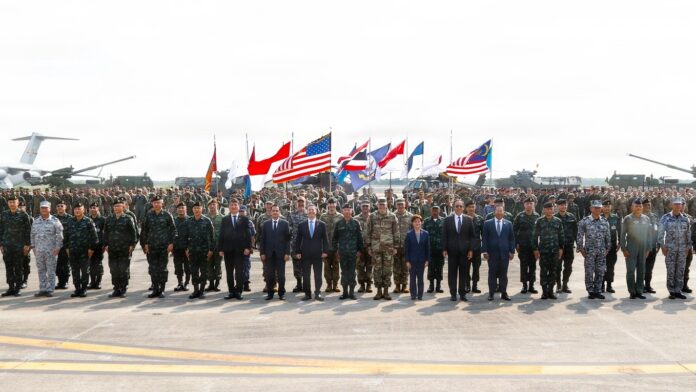
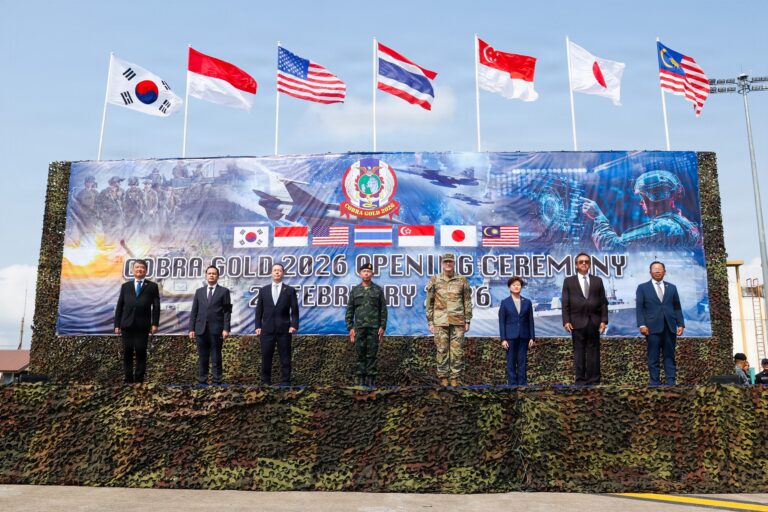
U.S. service members, Royal Thai Armed Forces personnel, and service members from Indonesia, Japan, Malaysia, the Republic of Korea, and Singapore conduct the opening ceremony for Exercise Cobra Gold 2026 on Camp Red Horse, Rayong, Thailand, Feb. 24, 2026. The U.S. and Thailand hosted the 45th annual Cobra Gold from Feb. 24 to Mar. 6, with 8,000 troops from 30 nations participating in military training and humanitarian projects. The exercise strengthened regional partnerships and demonstrated U.S. commitmen (Photo - U.S. Embassy Bangkok )

RAYONG — Thailand and the United States on 24 February 2026 officially opened the 45th edition of the annual Cobra Gold joint military exercise at U-Tapao Naval Airfield in Ban Chang district, Rayong, with more than 8,000 personnel from 30 countries taking part.

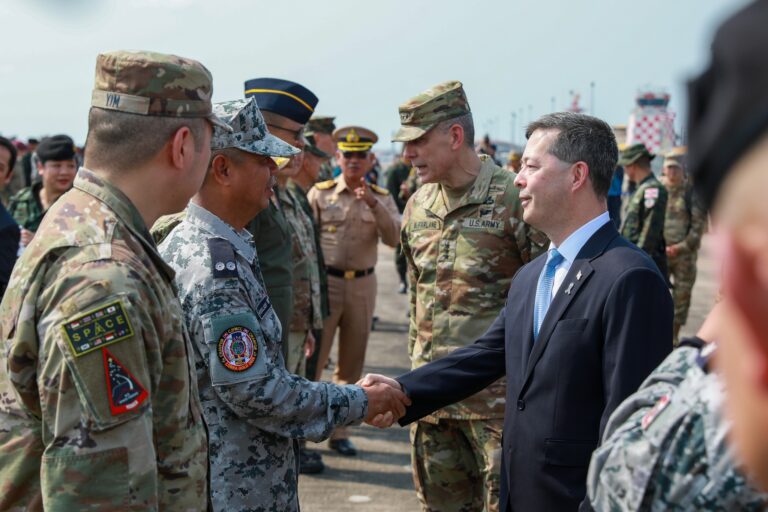
The opening ceremony at 09:00 was co-chaired by General Ukrit Boontanon, Thailand’s Chief of Defence Forces; US Ambassador to Thailand Sean K. O’Neill; and Lieutenant General Matthew McFarlane, Commanding General of America’s First Corps. Ambassadors and senior representatives from Singapore, Indonesia, South Korea, Japan and Malaysia also attended.

Cobra Gold, the largest multinational military exercise in mainland Asia, is co-hosted annually by the Royal Thai Armed Forces and US Indo-Pacific Command. This year marks a “heavy year” format, with seven full participants: Thailand, the United States, Singapore, Indonesia, Japan, South Korea and Malaysia. China, India and Australia joined as additional participants.

641644188 1349009643931745 706432566190101258 n
Key leaders with the U.S. Army and Royal Thai Armed Forces conduct the opening ceremony for Exercise Cobra Gold 2026 on Camp Red Horse, Rayong, Thailand, Feb. 24, 2026. The U.S. and Thailand hosted the 45th annual Cobra Gold from Feb. 24 to Mar. 6, with 8,000 troops from 30 nations participating in military training and humanitarian projects. The exercise strengthened regional partnerships and demonstrated U.S. commitment to Indo-Pacific security. (U.S. Marine Corps photo by Lance Cpl. Isabella Mancini – U.S. Embassy Bangkok)

Ten countries are taking part under the Multinational Planning Augmentation Team (MPAT) framework — Bangladesh, Canada, Fiji, France, the United Kingdom, Italy, Mongolia, Nepal, New Zealand and the Philippines — while another 10 countries joined the Combined Observer Liaison Team (COLT), including Brunei, Germany, Jordan, Laos, the Netherlands, Pakistan, Saudi Arabia, Sweden, Timor-Leste and Vietnam. The main exercise runs from 23 February to 6 March 2026.

This year’s concept focuses on Combined Joint All Domain Operations (CJADO), integrating command post exercises (CPX) and field training exercises (FTX) through a central Operations Center. The drills cover land, maritime and air operations, with expanded emphasis on space and cyber domains, including geospatial intelligence (GEOINT) and signals intelligence (SIGINT). Humanitarian Assistance and Disaster Relief (HADR) operations remain a key component.

One of the major activities is a Humanitarian Assistance and Disaster Relief Demonstration (HADR DEMO), aimed at enhancing multinational rapid disaster response capabilities. The demonstration includes participation by search and rescue dog units under the K9 USAR Thailand team.

641214717 1349009927265050 7834798102408397890 n
Photo – U.S. Embassy Bangkok

In a Facebook post, the US Embassy in Bangkok said Cobra Gold 2026 strengthens peace through shared strength with allies and partners, enhances interoperability, integrates advanced technologies and improves readiness to address future challenges across the Indo-Pacific region.

Advertisement

Four Pattaya ladyboys arrested for robbing and beating German tourist

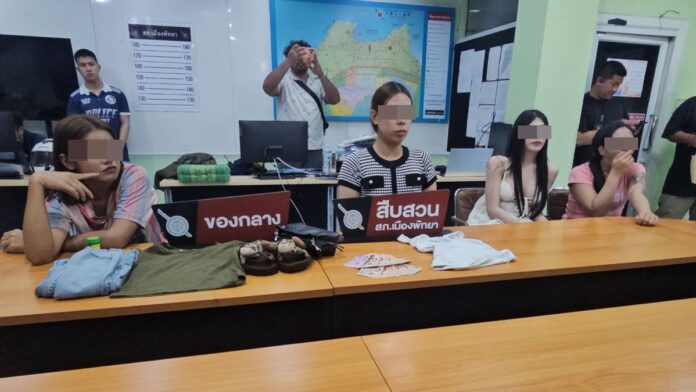
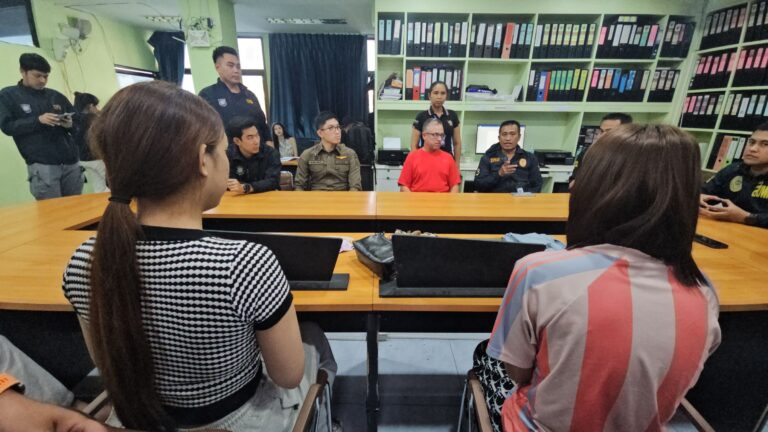
PATTAYA — Tourist police and Chonburi immigration officers arrested four transgender suspects at 16:00 on 24 February 2026 over the alleged theft of cash and the assault of a German tourist in Pattaya. Two additional suspects remain at large.

The arrests followed a complaint filed by a 55-year-old German national with investigators at Pattaya City Police Station. He alleged that two suspects stole 35,000 baht in cash and 1,200 euros from a safe inside his hotel room on Pattaya Second Road in Nong Prue, Bang Lamung district, shortly before 00:45 on 24 February. When he later tracked down one of the suspects near Pattaya Beach and attempted to detain the person while calling police, he was allegedly attacked by a group and sustained injuries.

news113441 sUYflzrayU1771934908

Police said the tourist had invited two of the suspects to his hotel room prior to the incident. While he and one suspect were in the bathroom, the other allegedly saw an envelope containing cash and took the money. The sexual encounter was later cancelled due to a disagreement, and the two left the room. Police said the suspects admitted to dividing the cash.

After discovering the loss, the tourist went out to search for them and confronted one suspect near the beach. Police said the suspect called for help, prompting others to join and allegedly assault the tourist.

Three of the suspects were charged with joint assault causing injury. Two also face additional charges of joint theft at night in a dwelling. All were taken into custody for legal proceedings.

Police said two of the suspects apologised and admitted they committed the crime out of greed after seeing a large amount of cash. The victim praised Pattaya police for their swift action and said he plans to return to the resort city in December to personally thank officers for their assistance.

Advertisement

Thai FM hits back at Cambodia at UN, calls for cooperation against online scam networks

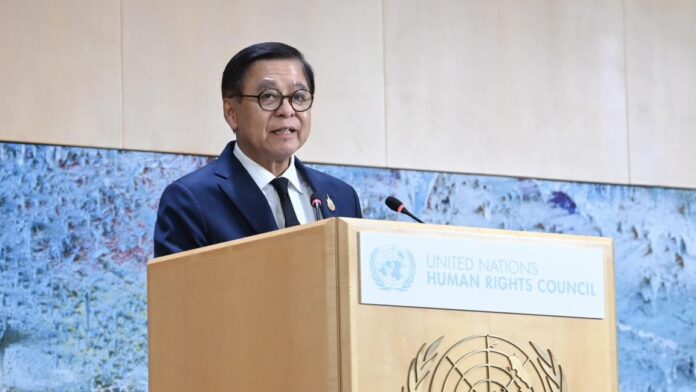
GENEVA, SWITZERLAND — 24 February 2026, Thailand’s Foreign Minister Sihasak Phuangketkeow defended Thailand’s position on the border situation with Cambodia and called for stronger multilateral cooperation, as he delivered the country’s national statement at the High-Level Segment of the 61st Session of the United Nations Human Rights Council at the Palais des Nations.

In his address, Sihasak stressed the need for countries to work together at a time when multilateralism faces serious challenges. Recalling his tenure as president of the council more than a decade ago during a key period of institutional review, he said the body’s credibility and effectiveness depend on genuine cooperation among member states. He also described transnational online scam operations as a global human rights crisis, fuelled by weak rule of law in countries where such criminal networks operate. Thailand, he said, stands both on the frontline of the impact and at the forefront of international efforts to dismantle these networks, and will continue to advance global cooperation to tackle the problem.

Responding to remarks made earlier the same day by Cambodia’s deputy prime minister and foreign minister regarding the Thai-Cambodian border, Sihasak accused Cambodia of demonising Thailand through what he called false accusations and distorted narratives. He said tensions followed years of encroachments and repeated provocations, including interference in Thai domestic politics, resulting in indiscriminate attacks and civilian deaths. He described the situation as a tragic episode in relations between the two neighbouring countries.

The minister said Thailand has historically acted with goodwill towards Cambodia, providing refuge to those fleeing conflict and supporting humanitarian assistance and reconstruction after Cambodia’s civil war. Thailand’s intention has never been confrontation, he said, as the country understands that its peace is inseparable from Cambodia’s. Despite a ceasefire being in place, he added, Cambodia continues to internationalise the issue instead of rebuilding trust and moving forward as good neighbours, undermining prospects for peace.

He also rejected allegations that Thailand was seizing territory, noting that both sides had agreed troops would remain in their positions at the time the ceasefire took effect, pending a final resolution through dialogue. However, he said provocations persist, with Thai soldiers encountering landmines and reports of shots fired across the border. Thailand remains committed to dialogue, he said, but has a duty to protect its sovereignty and territorial integrity at all costs. He again asked whether Cambodia would choose the path of peace or continued tension and conflict.

Advertisement

Chonburi man offers reward for stolen cat

Chonburi man offers reward for stolen cat

CHONBURI — 24 February 2026, A 32-year-old man has appealed for information after his three-year-old Scottish cat was allegedly stolen by four youths who arrived on two motorcycles in the middle of the night.

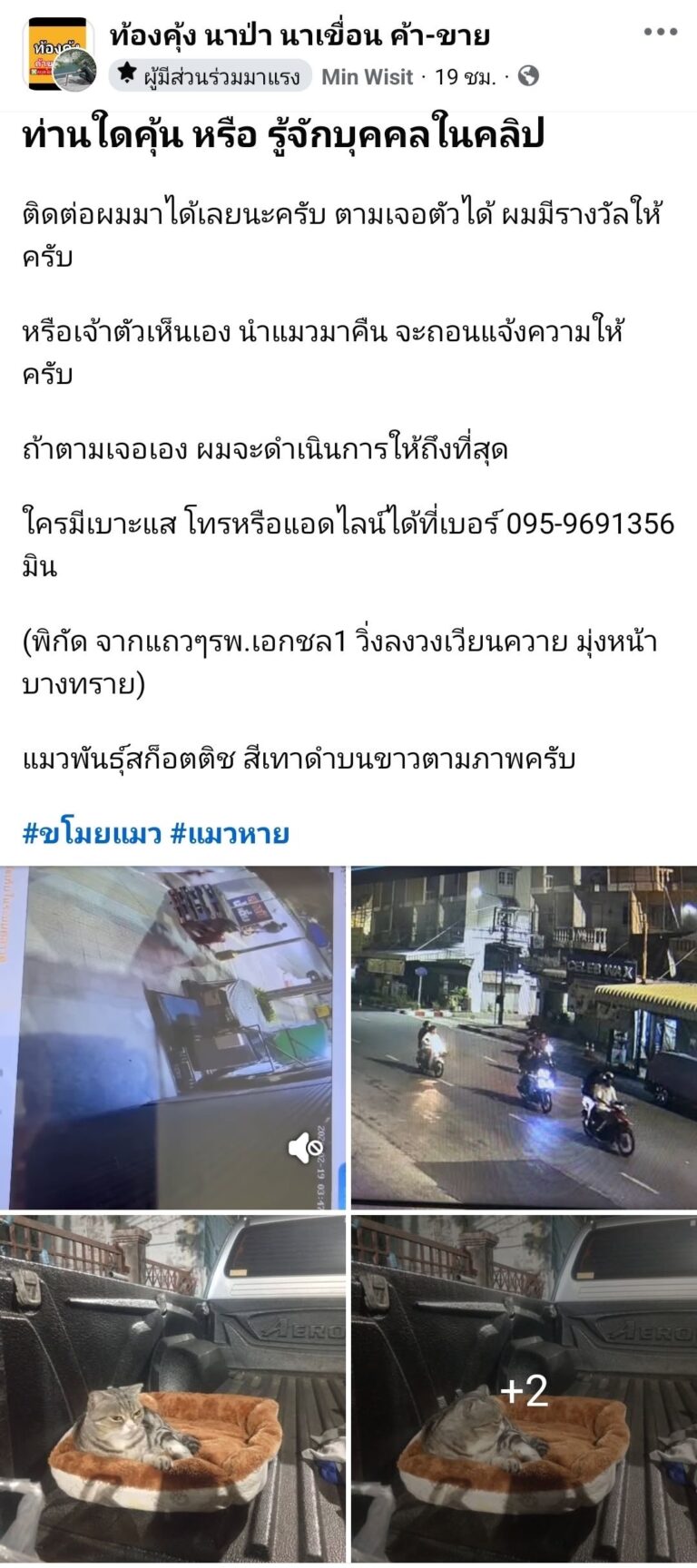
The owner, Wisit Sihaphan, posted on Facebook under the name Min Wisit, offering a reward for information leading to the cat’s return. He said he would withdraw his police complaint if the animal is brought back, but vowed to pursue legal action to the fullest extent if the suspects are identified or arrested.

The incident occurred in Soi Bansuan Prayasatja 5, Moo 4, Bansuan subdistrict, Mueang district, Chonburi province.

Chonburi man offers reward for stolen cat 3

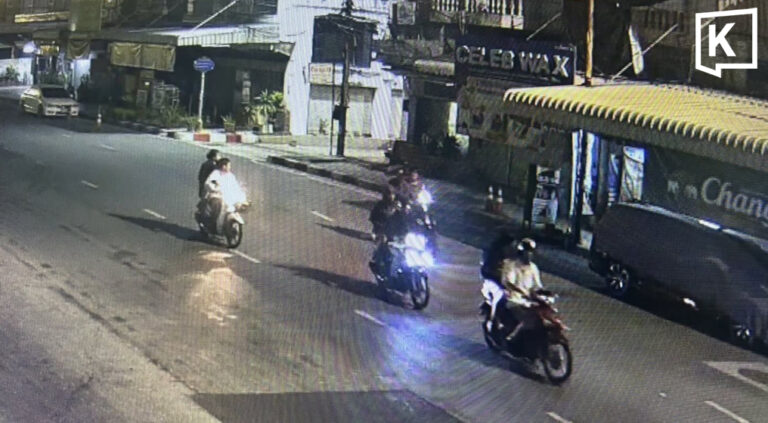
Speaking to reporters at 20:30, Mr. Wisit said his female Scottish cat, named “Dollar”, usually slept in front of his house. When she went missing, he checked security camera footage and saw a group of four young men, believed to be about 18 years old or high school students, riding two motorcycles into the alley.

The footage shows the group carrying a black bag, which Mr. Wisit believes was intended to hold the cat. The suspects allegedly placed the brown-patterned Scottish cat into the bag. As they rode away, the cat jumped out near the entrance of the alley. The group stopped, put the cat back into the bag and fled towards Bang Sai and Khlong Tamru in Mueang district.

Chonburi man offers reward for stolen cat 2

Mr. Wisit said he believes the suspects had previously seen the cat in the alley and returned specifically to steal it.

He has filed a complaint with Mueang Chonburi Police Station and urged the perpetrators to return the cat in exchange for the withdrawal of the complaint. Otherwise, he said, he would proceed with legal action.

Anyone with information about the missing cat is urged to contact the owner at 095-969-1356. A reward is being offered for information leading to the cat’s recovery.

news113463 zcCR64b8Jm1771942099

Advertisement

Delta surpasses US$100bn market value on Thailand Stock Exchange

Exterior of a Delta building. Photo via Delta Electronics press centre.

BANGKOK — 24 February 2026, Thailand’s biggest listed company has crossed a milestone never before reached on the local stock market, with Delta Electronics (Thailand) PCL surpassing a market value of US$100 billion.

Delta has surged in recent months, lifting the company’s market value to levels never before seen on the Stock Exchange of Thailand (SET). At its recent peak, Delta’s market capitalisation surpassed US$100 billion, making it the largest publicly traded company in Thailand by a wide margin.

To put that into perspective: Delta is now worth more than twice as much as some of Thailand’s other corporate giants, including energy and telecom heavyweights that have traditionally dominated the exchange.

What does Delta actually do?

Despite its stock market dominance, Delta is not a household name for many Thais.

The company manufactures power management systems and electronic components used in data centres, electric vehicles, industrial automation and telecommunications infrastructure. Its cooling systems and power supplies are particularly important for large data centres that support artificial intelligence (AI) services and cloud computing.

As global demand for AI infrastructure has accelerated, investors have poured money into companies seen as supplying critical hardware behind that expansion — and Delta has been one of the beneficiaries.

Why has the stock jumped?

Part of the recent rally followed a ruling by the Supreme Court of the United States that reduced uncertainty surrounding certain tariff measures affecting global trade. The decision eased concerns that higher trade barriers could disrupt supply chains for technology manufacturers with international exposure.

The climb has been supported by strong earnings. In the fourth quarter of 2025, Delta reported revenue of US$1.8 billion, up 50% from a year earlier, while net profit surged 252% to US$224 million. For the full year, revenue reached US$6.0 billion and net profit rose 42% to US$754 million.

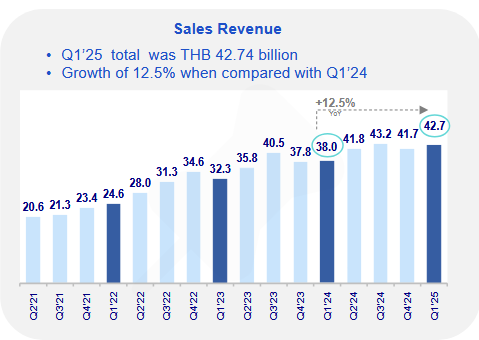
SalesQ1
Sales Revenue
Source: Delta Electronics (Thailand) PCL. Q1/25 Press Announcement

Delta generates a significant portion of its revenue overseas, so developments in U.S. trade policy can have an outsized impact on investor sentiment toward the stock.

Shares have climbed sharply this year, building on strong gains in 2025. The rise has helped drive trading activity on the SET and, at times, influenced the direction of Thailand’s benchmark index due to Delta’s heavy weighting.

Regulatory scrutiny and volatility

Delta’s dramatic swings have also drawn attention from the SET’s market regulators.

The recent surge in Delta’s share price has triggered automatic safeguards from the SET. Earlier this week, they placed a derivative warrant linked to Delta under its Level 1 market surveillance measures, a routine step taken when trading activity becomes unusually heavy or volatile. Under those rules, investors must pay fully in cash to trade the flagged security, rather than buying on credit.

The measures are temporary and are part of the exchange’s standard toolkit to cool excessive speculation and keep trading orderly. While they do not amount to a trading halt, they can influence short-term activity by limiting leverage during periods of sharp price swings. Delta has been subject to similar oversight in the past when its shares moved rapidly.

The exchange says such surveillance tools are designed to keep trading orderly and protect investors during sharp price swings. In practice, however, tighter trading rules can also slow momentum in stocks that are rising quickly, particularly those attracting heavy speculative interest.

A symbol of changing market leadership

For decades, Thailand’s largest listed firms were dominated by energy, banking and telecommunications groups. Delta’s ascent reflects a shift toward technology-linked manufacturing and global supply chains.

Its rise also underscores how Thai-listed companies are increasingly tied to international economic forces. Court rulings in Washington, AI demand in Silicon Valley and semiconductor supply chains in Asia can now move the Thai stock market within hours.

Whether Delta can maintain its lead will depend on continued earnings growth and sustained global demand for AI-related infrastructure. For now, however, the company stands as the clearest example of how rapidly investor priorities and Thailand’s market landscape can change.

SET building
The SET building on Ratchadaphisek Road in Bangkok’s Din Daeng district.
Advertisement

Hot News

LATEST NEWS

Bangkok
overcast clouds
32.2 ° C
32.2 °
32.2 °
97 %
4.3kmh
100 %
Sun
30 °
Mon
34 °
Tue
33 °
Wed
32 °
Thu
33 °