






























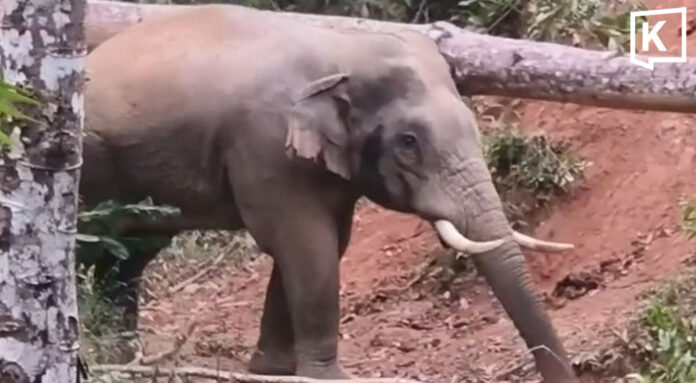
CHANTHABURI — 25 May 2026, A well-known wild elephant named Plai Kor Kaew was found shot dead in an orchard near Khao Khitchakut National Park, prompting renewed concerns over the long-standing conflict between humans and wild elephants in eastern Thailand.
Officials said the male elephant, also known locally as “Ai Mua”, was about 30 years old and had tusks measuring more than 80 centimetres. At the scene, initial examinations found at least six severe wounds believed to have been caused by gunfire, including injuries near the ears, chest, abdomen and upper front legs.
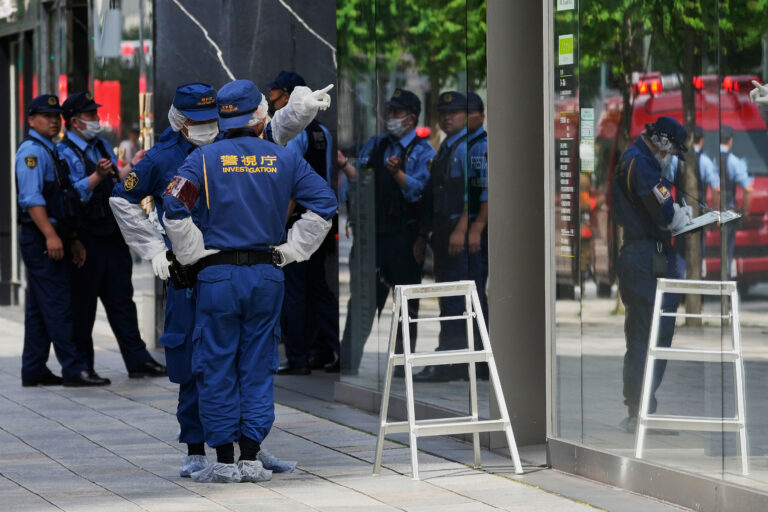
Chawinth Pinkaew, chief of Khao Khitchakut National Park, and Pol. Capt. Yodtha Cherdchuechon, an investigator at Khao Khitchakut Police Station, joined forensic officers and veterinarians from the Department of National Parks on Monday to inspect the carcass after local residents reported the death near a pond at the edge of a fruit orchard in Khlong Phlu subdistrict of Chanthaburi province.
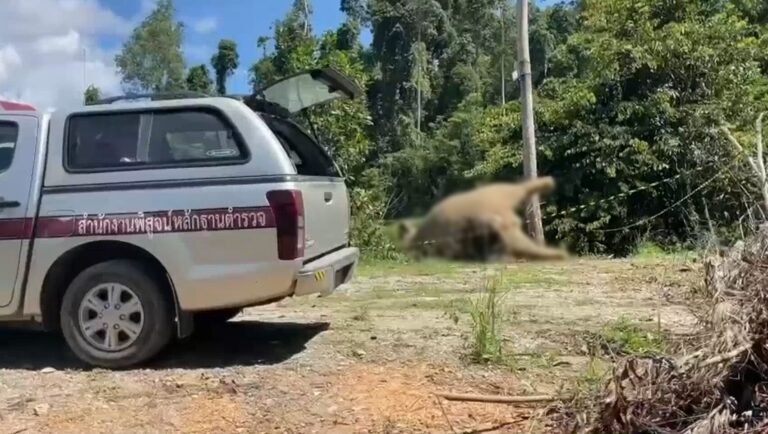
Officials said evidence was being collected from the scene to help identify those responsible.
The carcass was later transported to a national park protection unit in Thung Phlo for a detailed post-mortem examination to determine the exact cause of death.
Authorities said the case reflected the worsening conflict between villagers and wild elephants around the Khao Ang Rue Nai Wildlife Sanctuary and nearby forest areas in eastern Thailand.
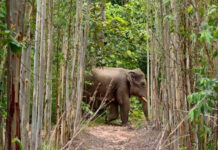
Plai Kor Kaew was known among local residents as a solitary elephant that could sometimes behave aggressively, making him well known among nearby communities.
Wildlife officials said the increasing elephant population and declining food sources inside forests had pushed more elephants into farmland and residential areas in search of food, often resulting in property damage and clashes with villagers.
Despite ongoing monitoring and mitigation measures, officials warned that the death of Plai Kor Kaew highlighted growing tensions between people and wildlife in the region.
Officials said more sustainable long-term measures were needed to prevent further losses of wild elephants, which remain important symbols of Thailand’s natural heritage.