27.2 C
Bangkok
Monday, June 15, 2026
Home Blog Page 140

Tiger Duggan fundraiser hits £150,000 target after Thailand motorbike crash

Image of Tiger Duggan as seen on his GoFundMe page

BANGKOK — 8 February 2026, A fundraising campaign for Tiger Duggan, a 23-year-old British backpacker critically injured in a motorcycle crash in Thailand, has surpassed its £150,000 (6.44 million baht) target in less than one week as his family continues to seek long-term medical care and possible repatriation.

The GoFundMe campaign for Tiger Duggan, 23, surpassed its goal in just six days after attracting thousands of donations from supporters in the UK and abroad, following coverage by international media including Sky News.

Mr. Duggan was seriously injured in a motorcycle accident on Koh Samui, where he was travelling, and was initially treated at a local hospital before being transferred to Bangkok for specialist care. He remains in critical condition, according to updates shared by his family.

The fundraiser was launched to cover mounting medical costs, emergency transfers and related expenses, amid concerns that insurance coverage may be limited due to exclusions commonly applied to motorcycle-related injuries in Thailand.

The case has drawn renewed attention to the risks faced by tourists riding motorcycles in Thailand, where traffic accidents remain a leading cause of serious injury among foreign visitors, particularly on resort islands.

As of Sunday, the fundraiser remained open after reaching its initial target, with organisers saying donations would continue to support Mr. Duggan’s ongoing medical care and recovery needs.

hanging sign900x600

Advertisement

Phayao ballot tampering probe: official allegedly hired by political party

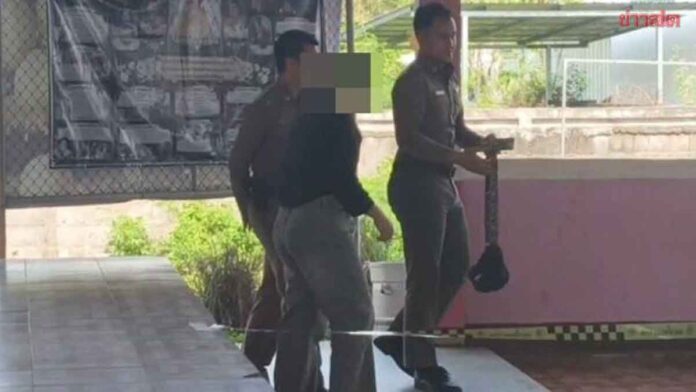
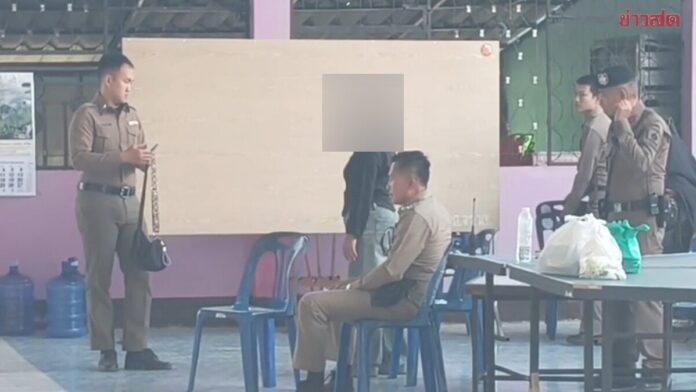
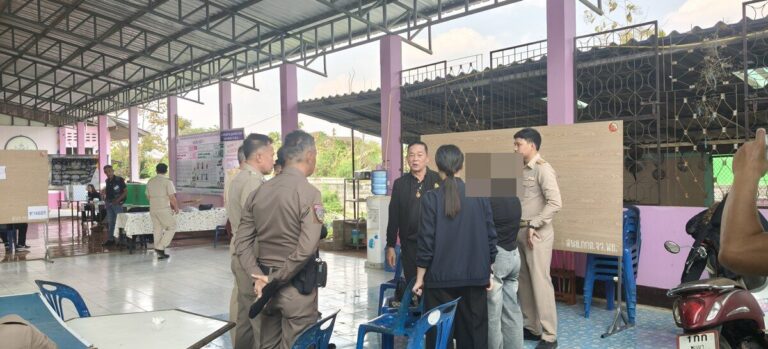
PHAYAO — 8 February 2026, The Phayao Provincial Election Commission Office has reported an alleged attempt by a polling station official to cast seven ballot papers at a polling station in Mueang Phayao district. A police complaint has been filed at Mueang Phayao Police Station.

Officials stressed that no ballots were ultimately placed into the ballot box, as the incident was detected in time by the presiding polling officer. According to preliminary information, the polling station official involved told authorities they had been hired by a political party to carry out the act, while the presiding officer had not been approached, prompting suspicion. Authorities believe similar incidents may have occurred at other polling stations, and an investigation is under way.

According to investigators, the incident took place in Constituency 1, Polling Station No. 6, Village No. 4, Tha Wang Thong subdistrict, Mueang Phayao district. The polling station official allegedly impersonated eligible voters, tore up seven ballot papers, entered the voting booth and marked the ballots.

As the official was about to insert the ballots into the ballot box, the presiding polling officer intervened and detained the individual. The suspect was taken to the local police station for legal proceedings, with evidence including an envelope containing cash. The polling station official reportedly admitted to the act and stated that it had been carried out in exchange for payment from a political party.

This article is an update to our earlier report found here

Advertisement

Phayao ballot tampering probed after election official allegedly slipped 7 votes into box during lunch break

Update to this story available here
PHAYAO — 8 February 2026, At a polling station in Phayao, election officials are investigating an alleged case of ballot tampering after seven ballots were secretly deposited during a lunch break, officials said today.

At about 12:00 on 8 February 2026, election workers at Polling Station No. 6 in Village 4, Tha Wang Thong Sub-district, Mueang Phayao District reported an unusual incident. One of the polling officials is accused of placing seven ballots into the ballot box without authorisation during a lunch break.

The irregularity was detected by the station’s committee, which immediately informed the Election Commission and contacted police to begin an official inquiry. Investigators are now gathering evidence as part of legal procedures.

Officials did not provide further details but stressed that the process must remain transparent and fair to maintain public confidence in the election. If the allegation is proven, the individual could face criminal penalties, including imprisonment and disenfranchisement under Thai election law.

picture2 4

Advertisement

Chonburi poll staff at fault over missing voter signatures

Chonburi poll staff at fault over missing voter signatures

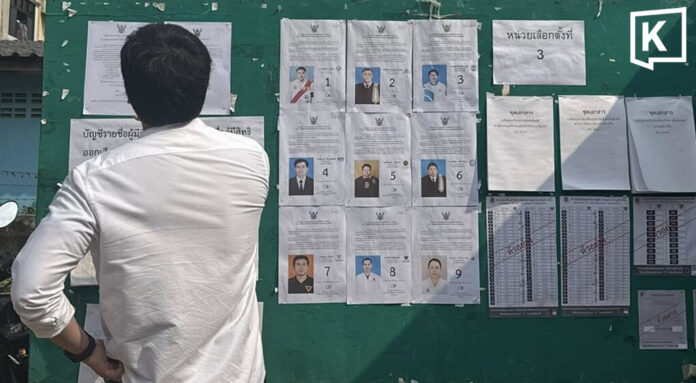
CHONBURI — 8 February 2026, Confusion erupted again at a polling station in Chonburi after election officials allegedly failed to require voters to sign the electoral roll during a referendum, raising fears that ballots could be declared invalid.

The Facebook page iLaw reported that many voters complained that officials at polling stations did not check identity cards, saying voters only needed to state their number to receive ballot papers. Officials also did not require voters to sign the register before being issued ballots.

One complaint concerned Chonburi Constituency 1, Polling Station 3.

The complainant said that after marking two ballots in the booth, they proceeded to collect a referendum ballot and noticed that officials did not allow voters to sign the list of eligible voters, asking them only to sign for receipt of the ballot. The complainant observed that “the entire booklet was blank, with no signatures at all”.

They questioned officials, asking why signatures were not required, noting that not signing could mean the voter was not formally recorded as having exercised their right.

The complainant then asked that the head of the polling station be consulted. The response was that voters “must sign”.

At nearly 10:00, many people had already voted before the complainant, and the ballot box was full. The complainant questioned whether the ballots cast earlier still carried legal validity.

The head of the polling station said a report would be filed noting that officials had not required signatures. However, concerns remained over whether voters who did not sign earlier were legally considered to have exercised their voting rights, and who would be held responsible if ballots were ultimately ruled invalid.

Advertisement

Seven injured in van crash while travelling to vote in Nakhon Ratchasima

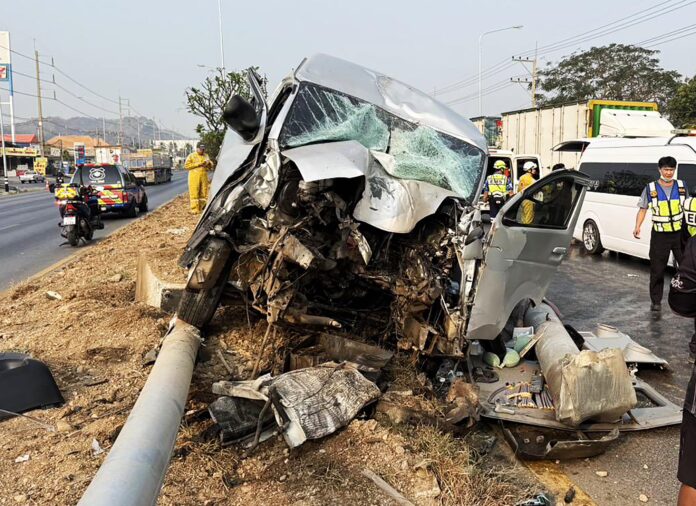
NAKHON RATCHASIMA — 8 February 2026, Voters injured in a van crash on Mittraphap Road in Nakhon Ratchasima were travelling home to cast their ballots when the driver reportedly fell asleep and lost control of the vehicle.

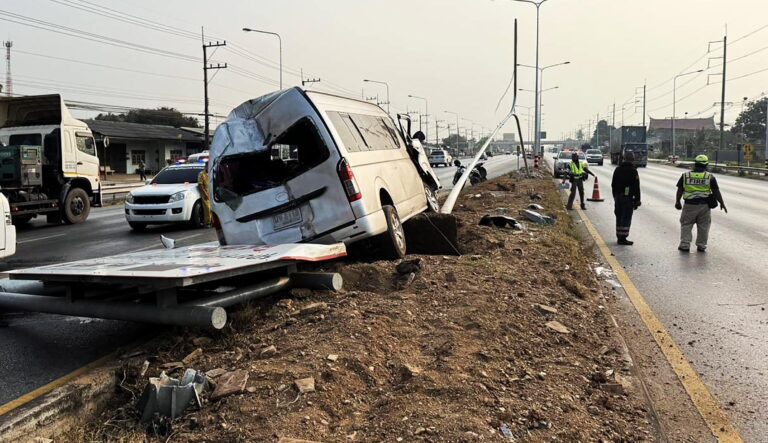
Pol. Lt. Col. Saichon Dongruangsi, an investigator at Klang Dong Police Station, said the accident occurred on Mittraphap Road between km 39 and km 40 inbound to Nakhon Ratchasima, in Phaya Yen subdistrict. The van mounted the central median before slamming into a large steel highway signpost and a power pole.

After receiving the report, police alerted senior officers and rushed to the scene with Pol. Col. Apiwat Natong, superintendent of Klang Dong Police Station, Pol. Lt. Col. Eakmanas Wongkham, traffic inspector, traffic police and rescue teams from Klang Dong Municipality and Simamongkol Subdistrict Municipality.

At the scene, officers found a bronze Toyota van heavily damaged on the median. The front of the vehicle was crushed, trapping the driver inside. Rescue workers used hydraulic cutting equipment to free him and assist the passengers.news109495 rYqk3WDb5j1770532380

All seven occupants, three men and four women, were injured. Ms. Warin Phayaksa, 30, one of the passengers, said the group had been working on Koh Samui in Surat Thani and were travelling back to vote in the election in Phu Khiao district, Chaiyaphum. She said most passengers were asleep when the van began swerving before crashing into the signpost. All sustained minor injuries.

Pol. Lt. Col. Saichon said the driver, Mr. Sa-at Leepa, 54, told police he had been driving a long distance and became fatigued, briefly dozing off before losing control of the vehicle.

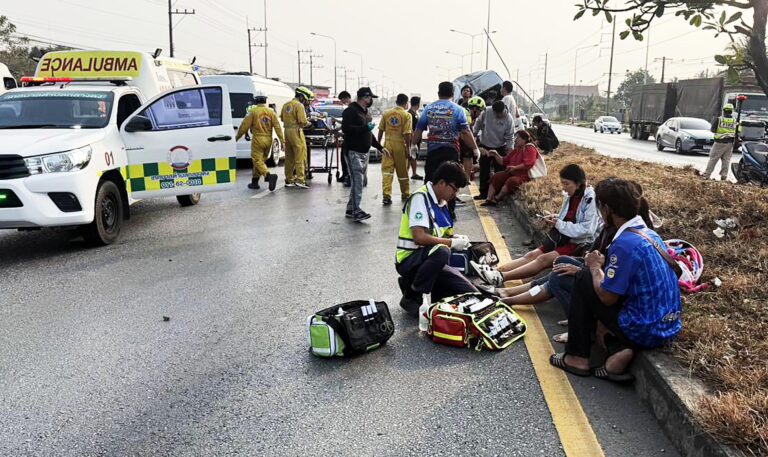
All seven injured passengers were taken to Pak Chong Nana Hospital for treatment. Police photographed the scene for evidence and towed the van to Klang Dong Police Station for inspection as part of legal proceedings.

news109495 4EbnZID1en1770532379
Paramedics treat the injured at the scene
Advertisement

Tourists use hands to remove ice, fear it will make them sick in Koh Samui

Female tourists are seen using their hands to remove ice from a drink at a Koh Samui restaurant.

A foreign tourist has sparked online backlash after posting a video of herself removing ice from a drink at a restaurant on Koh Samui, prompting debate over hygiene and cultural awareness.

In the clip, the woman is seen dipping her hand into a glass, taking out the ice and throwing it away, accompanied by captions suggesting concern about being in Thailand and fearing illness from unsafe water. She later clarified in comments that she and her friend were worried the ice might be unclean and could make them sick.

The video quickly drew criticism from both Thai and foreign users, with many questioning why she did not simply ask the staff for a drink without ice. Some comments said the act of putting a hand into the glass was less hygienic than the ice itself, with remarks such as, “Just say ‘no ice’,” and “The ice is probably cleaner than your hand.”

In a follow-up clip, the content creator appeared to resolve the issue by ordering a drink without ice, a move that was widely seen as ending the controversy on a positive note.

Advertisement

Marriage of 102-year-old sparks Taiwan dispute over 200 million baht in assets

TAIPEI — 7 February 2026, The family of a 102-year-old Taiwanese man has raised legal challenges after discovering that his 68-year-old long-time caregiver registered a marriage with him without their prior knowledge, in a dispute now linked to assets valued at nearly 200 million Taiwanese dollars (roughly 196 million baht).

According to local reports, the family first became aware of the marriage when they saw a new spouse entry on the elderly man’s identification card. The caregiver, surnamed Lai, had reportedly cared for him for at least 17 years and possibly up to 27–30 years before the dispute emerged.

The marriage was registered on 5 January, and relatives said they were planning to visit the man on 8 January when they were shocked to learn of the union three days earlier. The family alleges Lai sought to gain access to the man’s substantial property holdings and restricted his contact with relatives, at times amounting to what they described as de facto confinement.

Tensions escalated on 3 February at a hospital in Taipei when several of the man’s sons, daughters-in-law, and grandchildren sought to take him home during a medical visit; a physical struggle involving police intervention reportedly occurred before the family later succeeded in returning him to their residence.

The dispute has also played out publicly, with video footage shared by Taiwanese media showing a confrontation at a Taipei hospital, where the man’s sons and other relatives sought to remove him from the care of his wife. Police officers were present during the incident, which later became part of competing legal claims filed by both sides.

The man, surnamed Wang, is reported to have accumulated significant land and real estate during his lifetime, with total holdings estimated at 780 million Taiwanese dollars (around 760 million baht). The family contends that after the marriage Lai came to control seven properties and life insurance policies valued at about 80 million Taiwanese dollars (roughly 78 million baht), bringing the total disputed assets to more than 200 million Taiwanese dollars.

Wang’s sons have cited a medical certificate asserting that their father’s cognitive ability had significantly declined, and they plan to gather further evidence to petition the court to annul the marriage. In contrast, Taipei’s Zhongshan household registration office stated that Wang was able to answer questions during the registration process and met legal requirements.

Lai has filed a countersuit against the family alleging public defamation and has sought a protective order. The validity of the marriage and associated asset claims will ultimately be decided by the courts.

Source: Mothership.sg

Photo credit: ETtoday

Advertisement

Thailand votes in early election, constitution referendum

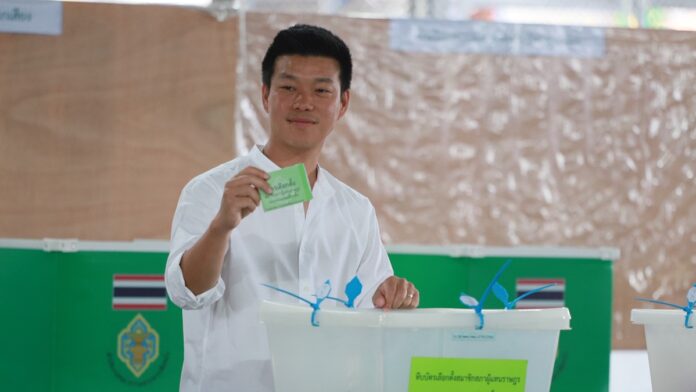
Natthaphong Ruengpanyawut casts his ballot in Sunday’s election and referendum.

Thailand is holding an early general election on 8 Febuary, with voters also taking part in a referendum on whether to draft a new constitution to replace the charter introduced after the 2014 coup.

More than 50 political parties are contesting the polls, but only a few, notably the People’s Party, Bhumjaithai and Pheu Thai are widely seen as having the nationwide support needed to form a government. Under the electoral system, the prime minister will be chosen by a majority vote of the 500 elected members of the House of Representatives.

Natthaphong Ruengpanyawut, leader of the People’s Party and its prime ministerial candidate, voted at Wat Thong Bang Chueak Nang polling station. He said he was confident voter turnout would exceed 70%, citing strong public interest during the campaign. Polls close at 17:00, and he urged voters to cast ballots in both the election and the referendum, saying the future of the country was “in the hands of the people”.

Asked about election monitoring, Natthaphong said party teams had been deployed as observers throughout the day to help protect voters’ rights. He added there had been no reports of irregularities so far and encouraged election officials to ensure a transparent process.

406225 0
Pheu Thai prime ministerial candidate Yodchanan Wongsawat

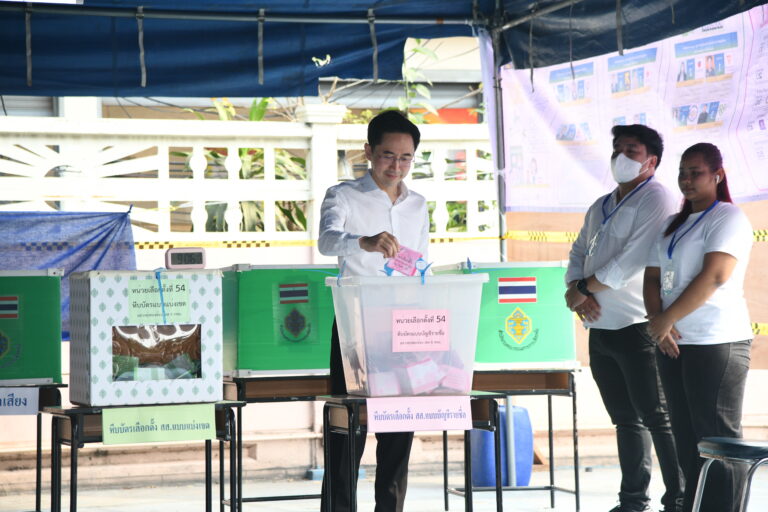
Pheu Thai prime ministerial candidate Yodchanan Wongsawat voted with his wife and said he had completed all three ballots. He urged the public not to skip the referendum, calling it an important step toward change and describing the day as a lively moment for democracy.

Privy councillor and former prime minister Gen. Prayut Chan-o-cha also cast his vote at a polling station in Pradipat 5. He said the election and referendum were matters everyone must help safeguard and expressed hope that the process would lead to a government able to continue working effectively.

Advertisement

PM2.5 pollution rises for fifth day amid illegal agricultural fires

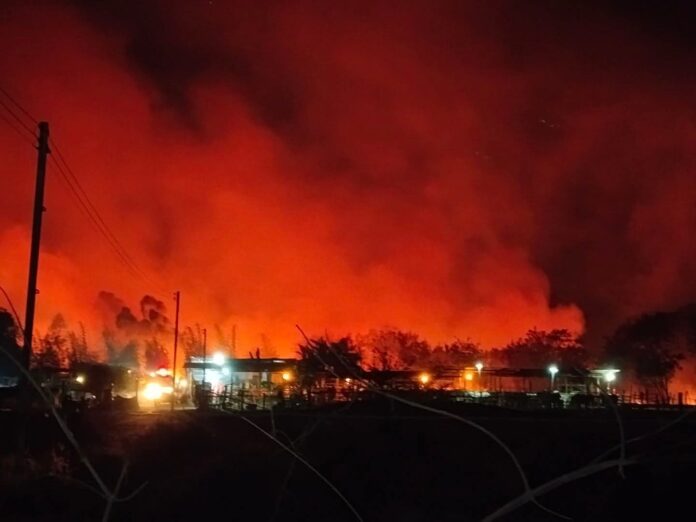
NAKHON RATCHASIMA — 7 February 2026, PM2.5 pollution across northeastern Thailand continued to worsen for a fifth consecutive day as authorities reported daily illegal agricultural burning, with satellite data showing multiple fire hotspots despite air quality in some areas remaining within official limits.

Mr. Montri Kiatphaophan, Director of the regional office, said authorities have detected repeated illegal burning of rice stubble and agricultural waste across four provinces under its jurisdiction — Nakhon Ratchasima, Chaiyaphum, Buri Ram and Surin. The burning is being carried out to clear land for new planting cycles, as well as through open fires that have triggered wildfires and widespread smoke, worsening air pollution.

Air quality data from the Air4Thai application, measured at 12:00, showed that air quality across the northeastern region ranged from good to beginning to affect health. Several provinces recorded PM2.5 levels exceeding safety standards, largely due to daily illegal burning.

In Nakhon Ratchasima, readings from the air quality monitoring station in Nai Mueang Subdistrict, Mueang Nakhon Ratchasima District, recorded an AQI of 87, placing air quality in the moderate (yellow) category. While the general public can continue normal activities, PM2.5 levels at 12:00 measured 34.1 micrograms per cubic metre, below the safety threshold of 37.5 micrograms per cubic metre.

Despite remaining within standards, authorities advised residents to take precautions, particularly those in high-risk groups. The public is urged to limit outdoor activities, wear PM2.5 protective masks when leaving buildings, avoid strenuous outdoor exercise, and follow medical advice. PM2.5 levels in urban Nakhon Ratchasima have risen steadily since 3 February.

burningmap
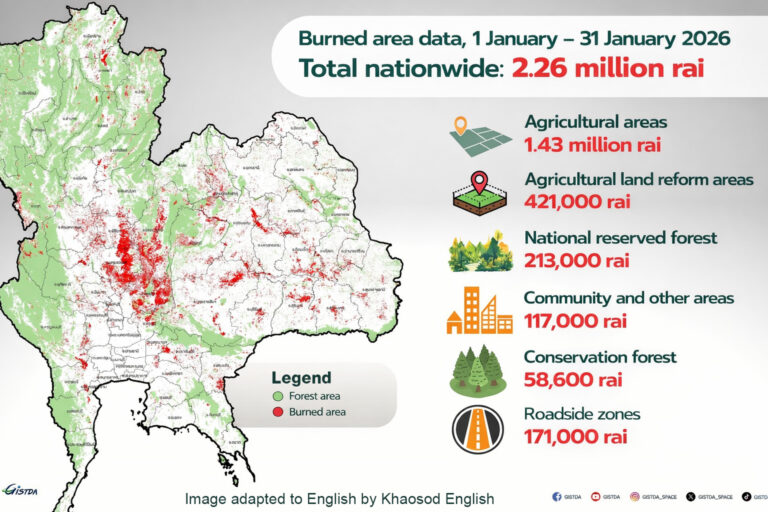
Area map showing affected areas, original image from GISTDA. 2.26 million rai = 3,616 square km affected by fires

Satellite analysis from GISTDA, Thailand’s Geo-Informatics and Space Technology Development Agency, detected nine hotspots in Nakhon Ratchasima on 6 February, mostly in agricultural areas. Several fires spread across wide areas, generating large volumes of smoke. Provincial authorities have instructed district officials to remain on alert and immediately investigate any burning incidents, with offenders to be prosecuted under the law.

GISTDA data covering 1–31 January 2026 also showed that cumulative burned areas nationwide reached 3,616 square kilometers, directly linked to PM2.5 pollution across multiple regions. Spatial analysis found hotspots concentrated primarily in the central and northeastern regions, reflecting the recurring practice of agricultural burning early in the year. The majority of burned land was agricultural, followed by land reform areas, national reserved forests, community and other areas, conservation forests, and roadside areas.

In just 31 days, fires have scorched an area larger than some provinces, reinforcing warnings that without sustained enforcement and behavioural change, PM2.5 pollution will remain a chronic threat rather than a seasonal anomaly.

Advertisement

Why Thailand political reform keeps falling short

Thailand political reform has struggled to gain traction over the past two decades, as political instability, entrenched economic power and weak growth continue to weigh on the country, according to a Bloomberg analysis published on 6 February.

In the article titled “Why Struggling Thailand Keeps Voting for Change That Never Comes,” Bloomberg said persistent political instability over the past two decades has hindered Thailand’s economic progress. Once seen as a fast-growing economy poised to follow the paths of South Korea and Singapore, Thailand now trails regional peers, facing sluggish growth, rising debt, widening inequality and a shrinking workforce.

Senior economist Gareth Leather of Capital Economics told Bloomberg that meaningful political reform under a stable government could help address Thailand’s deep-rooted problems, but that without political stability, long-term strategies would remain difficult to implement.

According to Leather’s data, Thailand’s economy is just 5% larger than before the COVID-19 pandemic, equivalent to average annual growth of about 1%, far behind Vietnam and India, which are about 40% larger than before the pandemic. Frequent government changes and short-lived civilian administrations since the 2000s have undercut long-term planning, leading to short-term fixes and populist spending.

The analysis noted Thailand’s heavy reliance on exports and tourism, engines of past growth, is weakening, while new industries have yet to emerge at scale. An open letter from a group of academics, cited by Bloomberg, warned that Thailand is nearing a “breaking point,” urging voters to shun political parties hostile to long-term development.

A report by the Organisation for Economic Co-operation and Development cited by Bloomberg found that about 5% of companies account for more than 85% of total corporate revenue, underscoring the concentration of economic power among a small number of conglomerates.

Even the next government, Bloomberg wrote, will inherit fiscal constraints, with public debt near 66% of gross domestic product and credit-rating agencies Fitch Ratings and Moody’s Investors Service shifting Thailand’s outlook to negative last year. The Bank of Thailand’s policy rate remains low at 1.25%, one of the lowest globally, while high household debt and tight lending conditions limit monetary policy effectiveness.

Thailand’s Ministry of Finance projects GDP growth slowing to about 2% this year, while the central bank sees potential growth at just 1.5%, which would be the slowest pace outside pandemic years since 2014. Major political parties have pledged to lift growth to 3%–5%, but Oxford Economics economist Jun Hao Ng believes real growth may be capped at about 3%. Ng said that without a willingness to pursue reforms that may cause short-term pain, popular measures such as fiscal stimulus and cash handouts are unlikely to restore long-term competitiveness.

OECD data cited by Bloomberg show that Thailand accumulated foreign direct investment equivalent to about 11% of annual GDP between 2015 and 2023, compared with 25% for Malaysia and 42% for Vietnam, as even domestic investors increasingly seek higher returns abroad.

A note by the Asean+3 Macroeconomic Research Office warned that Thailand’s economy has been on a concerning downward trajectory for two decades and, without bold reform, the country risks missing its 2037 development goals and may not reach high-income status until 2050.


Advertisement

Hot News

LATEST NEWS

Bangkok
overcast clouds
27.2 ° C
27.2 °
27.2 °
90 %
1.8kmh
96 %
Mon
35 °
Tue
35 °
Wed
36 °
Thu
35 °
Fri
35 °