

























30.5 C
Bangkok
Tuesday, June 23, 2026
Home Blog Page 1430

Gov’t Plows Ahead With New Law Allowing Farmers to Grow 1 Rai of Hemp

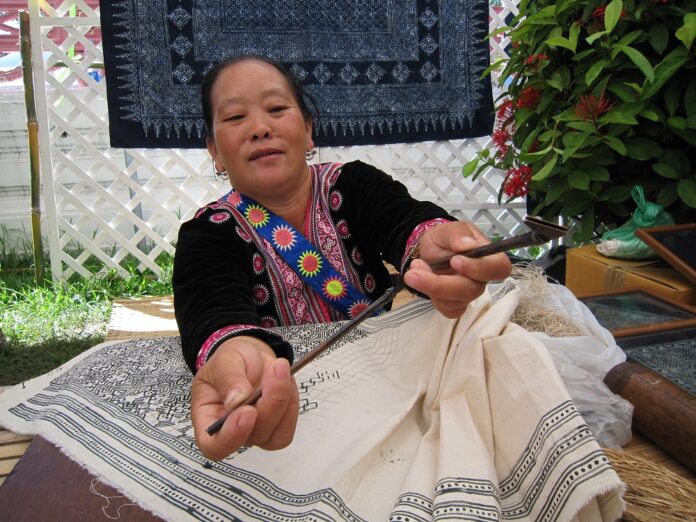
Top: A Hmong woman shows textiles weaved from hemp at a trade show. Image: Sakulthai magazine

A New Year present in the making for Thai farmers is a new public health ministry regulation that would permit private cultivation of hemp.

The law, which is under review by a legal authority, would grant farmers a quota of 1 rai (around half an acre) per household for commercial and industrial production of hemp-based medicine, food and cosmetics, for both domestic consumption and exports.

The measure clearly acknowledges potential positive benefits on the lives of farmers and their crucial contribution to the Thai economy. It is even a higher priority over its cannabis counterpart in the regulatory process; the hemp law is now on the way from the Ministry of Public Health to the Council of State for scrutiny before being presented to the Cabinet for a final approval.

Fierce Debate

As the U.S. Congress is locked in the face-off over the impeachment of President Donald Trump, the Thai government is divided into factions of those who favor stricter vs freer approach to cannabis-related laws.

The officials have been solemnly debating over control issues, including whether farmers should be able to grow their hemp plants in open fields, or in closed indoors environment with CCTV cameras installed to monitor movements of raw materials.

So far, the more liberal wing of the government who favors outdoor cultivation appears to be winning the argument, although law enforcement agencies still insist on monitoring of every step in the hemp production.

High CBD, Low THC

Hemp (Cannabis sativa L. subsp. sativa) as a strain of cannabis (Cannabis sativa L.) naturally contains high CBD content, a healthy chemical, and low THC, a psychoactive compound to get people high.

Drawing a parallel to the legalized industrial hemp in the U.S. market, there will ultimately be a restriction on levels of THC in the Thai counterpart as well. Whether or not Thailand will cap the THC levels at 0.3% in weight as laid out in the U.S. remains to be seen.

But one issue is being clarified in the new regulation: hemp plants which have been randomly tested to contain THC exceeding the permitted level will be destroyed in the presence of Thai government officials, and they will not be allowed to move on to the next step of the industrialization chain.

New Permits

There will be 8 new types of licenses specially designed for hemp.

They include production license for household use; production license for commerce or industry; production license for research; production license for certified seeds or other reproductive organs of the plant for sales to or for promotion of the earlier-mentioned household use, commerce and industry or research.

There are also sales license for certified seeds, fresh stems or reproductive organs or other parts of the plant to be utilized in manufacturing medicine, herbal products, food and cosmetics under those relevant laws; possession license for personal and other uses; hemp import license; and lastly, hemp export license.

In order to safeguard farmers and seed producers, holders of a production license for commerce and industry is barred from producing hemp seeds for cultivation.

Those who have obtained cannabis sales licenses under the existing cannabis law, largely unutilized over the lack of supply of CBD oil, will be delighted to learn that they have a reprieve to continue using their licenses to sell hemp products under the latest regulation.

The regulation also sets out the purposes of the hemp import licenses and export licenses to include importation and exportation for use by the government, for the noble academic use of study, analysis, research in the fields of agriculture, science, medicine or pharmacy.

Thai Hemp ‘Go Inter’

And now for the question that many of you have been asking: can Thai farmers export their hemp products to overseas markets?

The new regulation has this issue covered. The farmers must first hand in to the Thai Food and Drug Administration (FDA) a copy of the hemp import license issued by the authorities of the destination country they wish to export their hemp to.

They must also detail the name, characteristics and other specifics of hemp to be exported from Thailand, including the volumes and amounts, name and address of the foreign importer in the destination country, and means of transportation.

If the destination country totally liberalizes hemp sales and exercises no regulatory control over it at all, the importers based in that country will need to show written evidence of their legal situation to the Thai FDA, through its Thai exporter.

An authorized confirmation from the foreign government is the best such evidence, in the absence of which a notarized legal opinion from a foreign lawyer, licensed by the bar council to practice law in that country, should do just fine.

The process will be reversed in cases of importing hemp from other countries. The exporters in those nations will need to have their Thai licensed importers prepare a similar importation plan and sales scheme to file with the FDA, and so on.

Approvals are granted on a case by case basis, and not a blanket permit.

Wirot Poonsuwan is the Senior Counsel and Head of Special Projects at Blumenthal Richter & Sumet in Bangkok and can be reached at [email protected].
Advertisement

Penguins Charm Visitors With Winter Strolls at Hokkaido Zoo

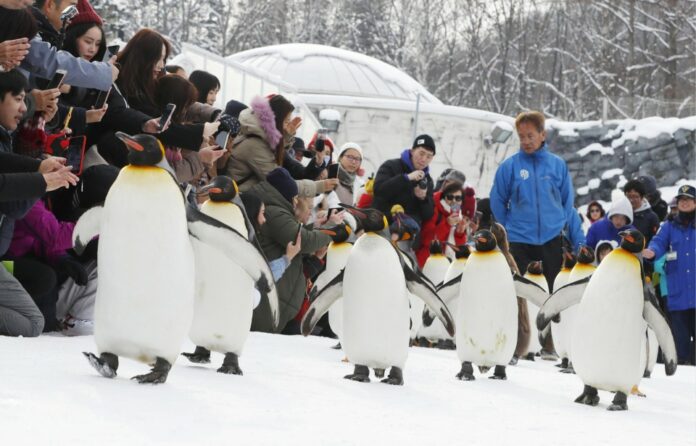
Image: Kyodo

ASAHIKAWA, Japan (Kyodo) — Penguins at Asahiyama Zoo in northern Japan’s Hokkaido waddled through the snow during a “rehearsal” on Dec. 27 ahead of the start of their daily winter strolls through mid-March.

The strolls, a popular attraction among zoo visitors, usually begin before Christmas but the event was postponed this year due to low snowfall.

Continue reading the story here

Advertisement

1st Batch of China-Produced Tesla Cars Delivered in Shanghai

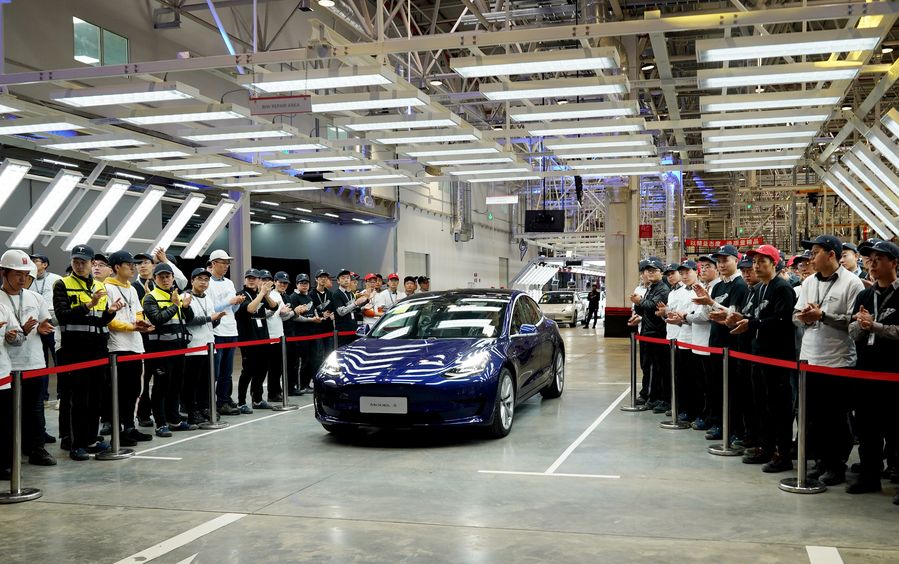
Photo taken on Dec. 30, 2019 shows a delivery ceremony of Tesla's Model 3 vehicles in Shanghai, east China. (Xinhua/Fang Zhe)

SHANGHAI (Xinhua) — The first batch of vehicles produced by U.S. electric carmaker Tesla Inc.’s overseas plant in Shanghai was delivered Monday.

Fifteen Model 3 cars built in Shanghai were handed over to company employees at the Shanghai facility Monday. And deliveries to customers will start in January, company officials said at a ceremony to mark the delivery.

Tesla signed the agreement with the Shanghai municipal government in July 2018 to build the factory. In October 2018, the company was approved to use an 864,885-square-meter tract of land in Lingang Area, a high-end manufacturing park in the southeast harbor of Shanghai, for its Shanghai plant.

S 22732905 6
A Tesla Model 3 vehicle arrives at a delivery ceremony in Shanghai, east China, Dec. 30, 2019. (Xinhua/Fang Zhe)

Tesla broke ground on Jan. 7 in Shanghai on its first overseas factory. The Shanghai plant is designed with an annual capacity of 500,000 electric cars.

The Shanghai mega factory now can produce 280 electric cars per day and will increase its production capacity, said Song Gang, the plant’s manufacturing director.

The proportion of the car parts produced in China will also be increased from the current 30 percent to 100 percent at the end of 2020, Song added.

Advertisement

Ousted Nissan Chief Flees Japan to Escape “Injustice”

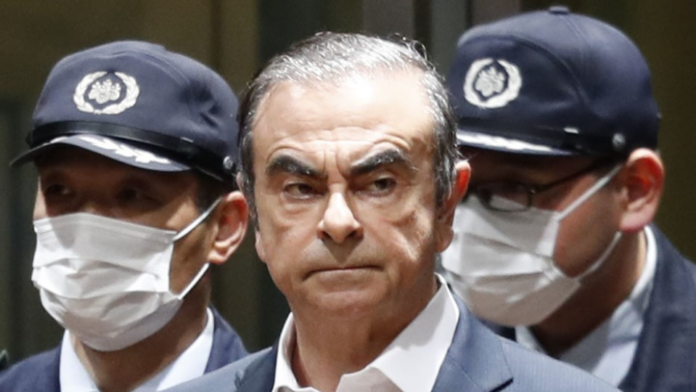
File photo of Ghosn upon release on bail in April 2019 in Tokyo)

TOKYO (Kyodo) — Carlos Ghosn, the former chief of the Nissan-Renault auto alliance, said Monday he has arrived in Lebanon to escape “injustice and political persecution” in Japan where he was on bail facing trial for alleged financial wrongdoing.

“I am now in Lebanon and will no longer be held hostage by a rigged Japanese justice system,” Ghosn said in a statement released by his U.S. representative. Ghosn was required to stay in Japan pending trial.

Continue reading here

Advertisement

NYPD: Times Square Safest Place on Earth for New Year’s Eve

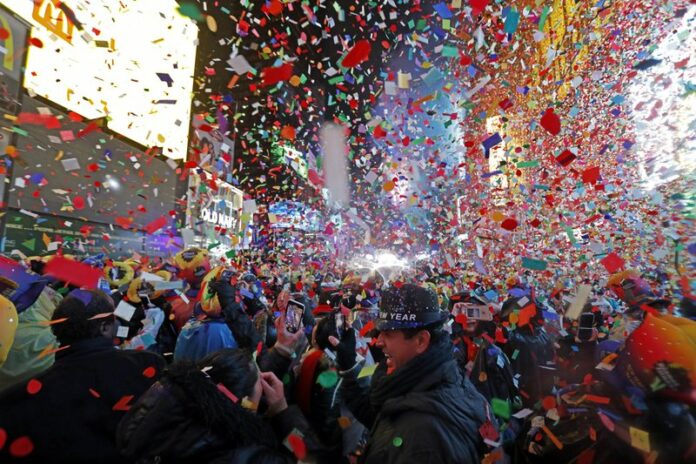
In this Tuesday, Jan. 1, 2019, file photo, Joey Flores, of California, uses his cellphone as confetti falls during a New Year's celebration in New York's Times Square. (AP Photo/Adam Hunger, File)

NEW YORK (AP) — New York City’s counterterrorism czar expects Times Square to be “the safest place on the planet Earth” on New Year’s Eve.

Thousands of police officers will be on duty for Tuesday night’s festivities, along with specialized units armed with long guns, bomb-sniffing dogs and other measures.

For the first time, police drones are expected to keep watch over the big, confetti-filled celebration — a year late after rain grounded the department’s unmanned eye-in-the-sky last year.

This year’s forecast calls for some clouds, but no rain and none of the bitter cold that iced out spectators two years ago.

The NYPD’s Deputy Commissioner for Intelligence and Counterterrorism, John Miller, said stacking various security tools and techniques gives police “multiple chances to catch something coming through.”

“Times Square is probably going to be the safest place on the planet Earth on New Year’s Eve because nobody else puts that kind of effort into an event like this,” Miller said.

Police Commissioner Dermot Shea said there are no specific, credible threats to the event, which brings hundreds of thousands of people to midtown Manhattan and attracts millions of TV viewers. Post Malone, BTS and Alanis Morissette are scheduled to perform on stages in the heart of Times Square.

Shea said spectators should feel safe but encouraged them to remain vigilant and alert an officer or call a police hotline if they feel something is amiss.

“This is going to be one of the most well-policed, well-protected celebrations in the entire world and we’ll have another safe and enjoyable New Year’s Eve,” Shea said.

Streets in and around Times Square will be closed to car traffic hours before the ball drops and police cars and sand-filled sanitation trucks will be positioned to stop vehicles from driving into the crowd.

Everyone showing up for the confetti-filled festivities should expect to be wanded with metal detectors before being ushered to one of 65 viewing pens set up around Times Square to prevent overcrowding.

Backpacks, chairs and coolers are banned, as well as personal drones. And don’t think about popping champagne or lifting a Maddog 20/20 to ring in 2020. The NYPD says alcohol is strictly prohibited.

There aren’t any bathrooms, and anyone leaving won’t be allowed back to their original spot.

Some revelers are sure to end up featured on Ryan Seacrest’s “Rockin’ Eve” broadcast, especially if they’re wearing those kitschy “2020” glasses, but there’s a good chance everyone in Times Square will be caught on one camera or another.

Police will be monitoring more than 1,000 security cameras, along with feeds from police helicopters and the drones.

Several of the NYPD’s drones are equipped with thermal-imaging and 3D-mapping capabilities and strong camera lenses that can greatly magnify a subject.

Since last year’s New Year’s Eve rainout, they’ve been used at other big events in the city, such as the Women’s March and St. Patrick’s Day Parade.

Advertisement

Famed Jesuit Accused of Abusing Boy 1,000 Times Around World

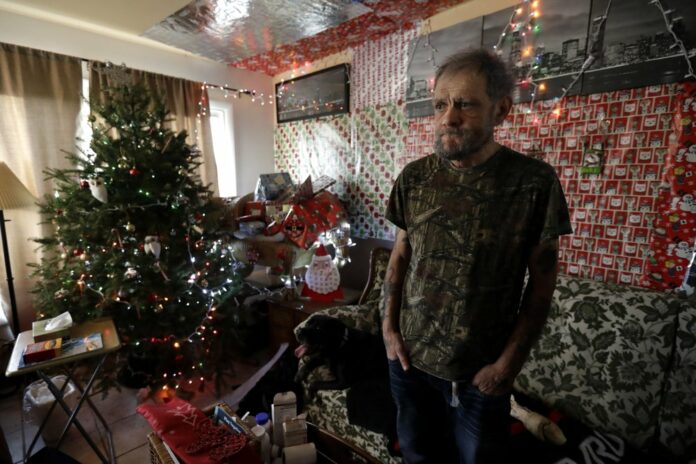
In this Friday, Dec. 20, 2019 photo, Bobby Goldberg stands in the living room at his home in suburban Chicago. Goldberg has filed a lawsuit claiming he was abused more than 1,000 times in multiple states and countries by the late Donald McGuire, a prominent American Jesuit priest who had close ties to Mother Teresa. (AP Photo/Nam Y. Huh)

Chicago (AP) — One day in May of 1970, an 11-year-old boy and his disabled sister were sitting on the curb outside a Chicago tavern, waiting for their mother to come out. When a priest with crinkly eyes and a ready smile happened by and offered the family a ride home, they could not have been happier.

The boy, Robert J. Goldberg, now 61, would pay dearly for the favor, enduring what he describes as years of psychological control and sexual abuse he suffered while working as a child valet for the late Rev. Donald J. McGuire. He remained in the Jesuit’s thrall for nearly 40 years, even volunteering to testify on McGuire’s behalf during criminal trials that ultimately resulted in a 25-year prison sentence for the priest.

But today, Goldberg says he has finally broken the hold McGuire once had on him. And he has begun to tell his story, in interviews with The Associated Press and in a lawsuit he filed Monday in California state court in San Francisco.

The lawsuit charges that McGuire, a globe-trotting Jesuit with ties to Saint Teresa of Calcutta, abused Goldberg “more than 1,000 times, in multiple states and countries,” during sojourns to spiritual retreats throughout the United States and Europe.

On these trips, the lawsuit says, McGuire referred to Goldberg as his “protégé.” All the while, the suit says, the boy carried his briefcase, ran errands and often endured daily abuse that included “sexual touching, oral copulation and anal penetration.”

The lawsuit filed Monday doesn’t currently name any defendants, but Goldberg’s attorneys say the defendants will include the Jesuit religious order in the United States and the order’s top leader in Rome, among others.

They also say that Goldberg’s abuse occurred at a time when powerful church officials — including Mother Teresa, who was elevated to sainthood by Pope Francis three years ago — knew that McGuire had been repeatedly accused of sexually abusing boys. Church officials went to great lengths to cover up his crimes, the suit alleges.

In the nearly two decades since the clergy abuse scandal erupted, thousands of survivors have stepped forward to tell their painful stories. Hundreds more revealed their abuse in lawsuits earlier this year, when the state of New York opened a one-year window that allows survivors to file child sex abuse lawsuits without regard to the statute of limitations. And hundreds more, including Goldberg, are expected to step forward as a similar window opens Jan. 1 in California.

But many victims still suffer in silence, often taking decades to step forward, if they ever do. Advocates say that Catholic priests, as representatives of God and respected members of their communities, are often able to exert control over the children they abuse, especially when they are helping the child or their families overcome poverty or other obstacles.

Terence McKiernan of Bishop.Accountability.org, which tracks the abuse crisis and maintains a data base of accused priests, said abusers in the Jesuit religious order are well-equipped to exercise psychological control over their victims because of the order’s reputation as administrators of dozens of colleges and high schools in the United States alone.

“Everyone knows the Jesuits are smart and the Jesuits are sophisticated,” he said. “And they often bring enormous sophistication to the abuse they perpetrate.”

Advertisement

China’s New High-Speed Rail Links Winter Olympics Cities

BEIJING (Xinhua) — The high-speed railway line connecting Beijing and Zhangjiakou, the co-host city of the Beijing 2022 Winter Olympics, went into operation Monday, the China State Railway Group Co., Ltd. said.

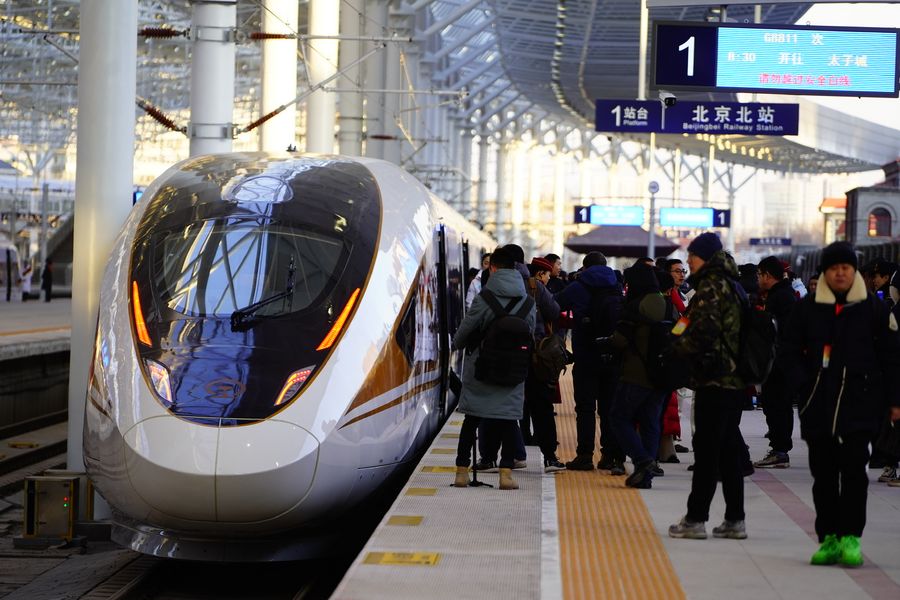
With 5G signals, wireless charging and intelligent lighting, the smart train G8811 departed from Beijing North Railway Station at around 8:30 a.m. to Zhangjiakou in north China’s Hebei Province.

The railway is 174 km long, with 10 stations along the line. Several underground tunnels were built on the route so trains can avoid traversing through scenic spots.

With a maximum design speed of 350 kph, it will reduce the travel time between Beijing and Zhangjiakou from over three hours to 47 minutes, facilitating inter-city traffic and crucial for the co-host of the 2022 Beijing Winter Olympics.

S 22732905 7
People wait to get on the G8811 high-speed train bound for Taizicheng Railway Station at Beijing North Railway Station in Beijing, capital of China, Dec. 30, 2019. (Xinhua/Xing Guangli)

Chongli railway, a branch line of the Beijing-Zhangjiakou high-speed railway, also went into service Monday. It is 53 km long, with a maximum design speed of 250 kph.

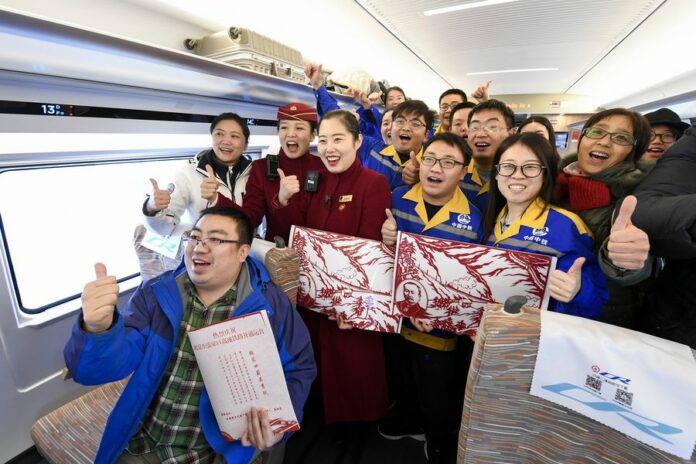
Yang Yang, a Winter Olympic champion and chairwoman of the Athletes’ Commission of Beijing 2022 Winter Olympics, was among passengers on the high-speed train G8811.

Yang said Beijing-Zhangjiakou high-speed railway is important to the preparation of the 2022 Olympic and Paralympic Winter Games. “It can improve the efficiency of our work, promote China’s winter sports, and boost the ice and snow economy.”

Construction of the high-speed railway lasted around four years. The railway underwent test runs earlier this month.

“The Beijing-Zhangjiakou high-speed railway is a milestone in China’s railway development,” said Wang Hongyu, chief designer in charge of this railway project with Railway Engineering Consulting Group Co., Ltd.

He said the railway construction has adopted China’s latest achievements in railway development from equipment manufacturing, new materials to new artificial intelligence technology.

The trains on the Beijing-Zhangjiakou high-speed rail line can automatically start and stop, run between stations, open and close doors, as well as handle emergencies. It is the first time for China to have an autonomous high-speed train.

For the athletes, an area for snowboards and other ski equipment is also available on the train. E-ticket services have been launched to enable passengers to use their ID cards or scan QR codes for authentication instead of waiting in line for paper stubs.

Designed by Zhan Tianyou, known as the “father of China’s railroad,” the original railway linking Beijing and Zhangjiakou was put into operation in 1909. It was known as China’s first independently designed and built railway.

138636017 15765136486261n 7
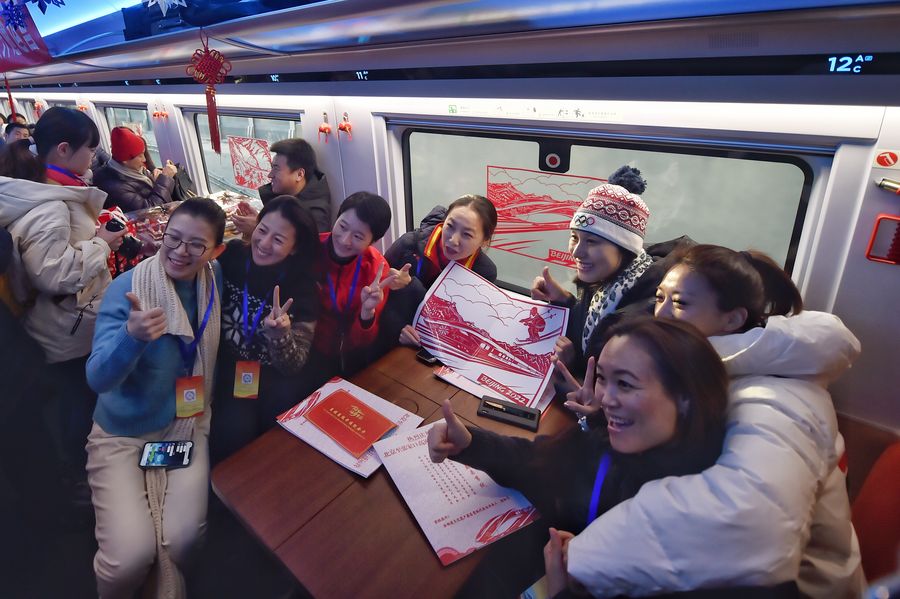
Passengers pose for photos on the G8811 high-speed train bound for Taizicheng Railway Station running on the newly opened Beijing-Zhangjiakou high-speed railway, Dec. 30, 2019. (Xinhua/Peng Ziyang)

The construction was considered impossible at the time without foreign assistance. Zhan, together with his colleagues, however, strived to complete its construction two years ahead of schedule, inventing a zigzag railway design using two locomotives instead of one to power trains on a steep mountain slope.

From 35 to 350 kph, the 110-year-old Beijing-Zhangjiakou railway is a witness of “China speed.”

The length of China’s railroad lines in service has exceeded 139,000 km, including 35,000 km of high-speed rail, ranking first in the world.

“It only takes 47 minutes of the train trip from sports venues in Beijing to those in Zhangjiakou, providing safe and convenient transportation for athletes and spectators,” said Li Yan, chairwoman of the China Skating Association.

High-speed trains are not just a means of transport but also a key driver of economic development.

The completion of the Beijing-Zhangjiakou line is expected to facilitate the integrated development of Beijing, Tianjin and Hebei, a regional city cluster called “Jing-jin-ji.”

It also connects with other high-speed routes across north China’s Shanxi and Hebei provinces and Inner Mongolia Autonomous Region.

Zhan Xin, the great-granddaughter of Zhan Tianyou, was among the first batch of passengers who took the Beijing-Zhangjiakou high-speed train Monday morning.

“The fast trains reflect China’s economic and technological development. If my great-grandfather could have seen today’s high-speed rail network, he would be very proud,” she said.

(Reporting by Cheng Lu, Ding Jing, Luo Xin, Fang Ning, Li Dexin, Ji Xiaobo)

Advertisement

China Sentences Protestant Pastor to 9 Years for Subversion

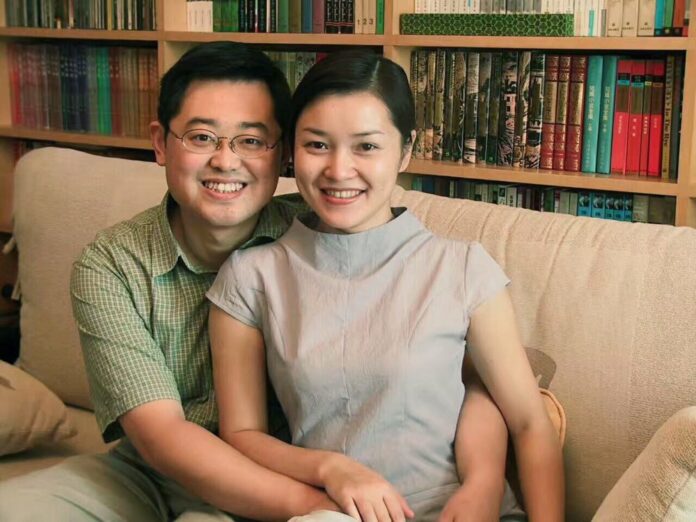
In this 2000 photo provided by ChinaAid, pastor Wang Yi, left, poses with his wife Jiang Rong at the study room of their home in Chengdu, China. (ChinaAid via AP)

BEIJING (AP) — China has sentenced a prominent pastor who operated outside the Communist Party-recognized Protestant organization to nine years in prison for subversion.

Wang Yi had led the Early Rain Covenant Church and was arrested a year ago during China’s ongoing crackdown on all unauthorized religious groups in the country. The government requires Protestants worship only in churches recognized and regulated by the party-led Three-Self Patriotic Movement. A separate body regulates the Catholic church in China, which has no formal relations with the Vatican.

The People’s Intermediate Court in the southwestern city of Chengdu on Monday convicted Wang of incitement to subvert state power and involvement in illegal business operations and said he was fined and his personal assets were seized.

Si Weijiang, a lawyer hired by Wang’s mother, said the charge of illegal business operations involved printing of books about Christian culture.

“It is actually about the freedom of publication and there has been no social harm,” Si said in a phone interview.

The charge of incitement “involves preaching and is an issue of speech, which has also inflicted no social harm,” he said.

Even within the narrow confines it has established, China’s officially atheist ruling party has been seeking to rein in religious expression, including removing crosses from official and unofficial churches.

More widely, the party has demolished places of worship, barred Tibetan children from Buddhist religious studies and incarcerated more than a million members of Islamic ethnic minorities in what are termed “reeducation centers.”

Early Rain is believed to have had several hundred members who met in different locations around Chengdu, the sprawling capital of Sichuan province. Many of those were taken from their homes overnight in lightning raids, including Wang’s wife, Jiang Rong, who was later released on bail.

Wang had been critical of Communist Party leader and state President Xi Jinping and made a point of holding a prayer service on June 4 each year to commemorate the 1989 bloody assault on pro-democracy protesters in Beijing’s Tiananmen Square.

Beijing’s hard line on religion has underscored its contrast with other culturally Chinese societies, such as Hong Kong and Taiwan, where most follow Buddhism and traditional Chinese beliefs, but where Christianity and other religions also thrive.

At least two members of Early Rain fled to Taiwan, the self-governing island democracy that China claims as its own territory.

Wang’s sentencing was condemned by Amnesty International China researcher Patrick Poon as making a “mockery of China’s supposed religious freedoms.”

“Wang Yi was merely practicing his religion and peacefully standing up for human rights in China,” Poon said in an emailed statement. “Wang Yi is a prisoner of conscience and must be immediately and unconditionally released.”

Advertisement

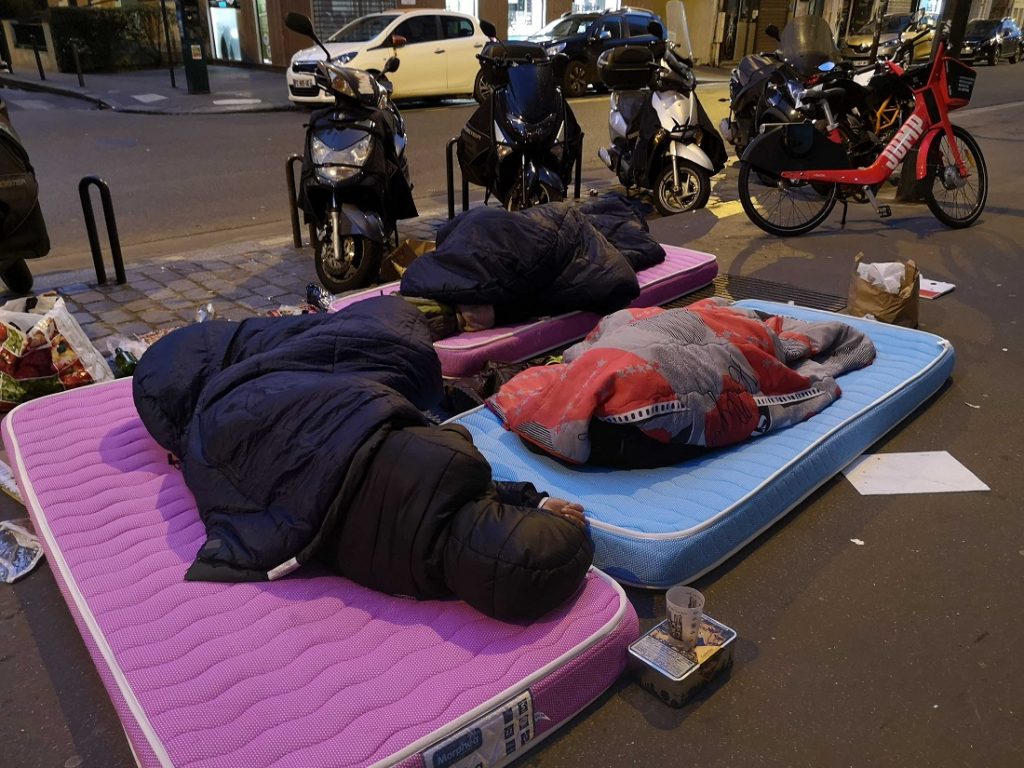
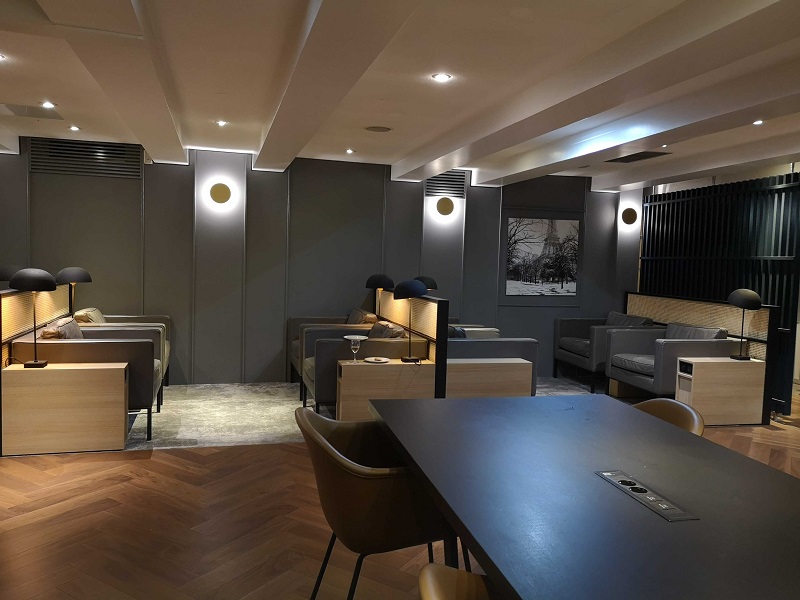
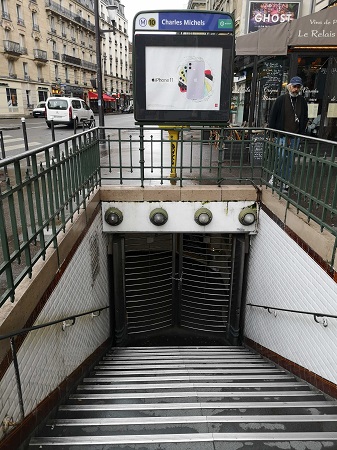
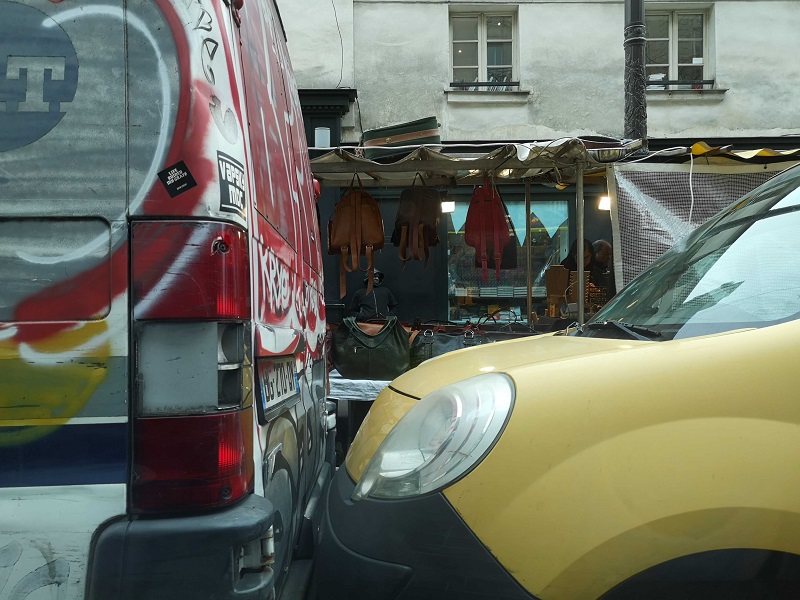
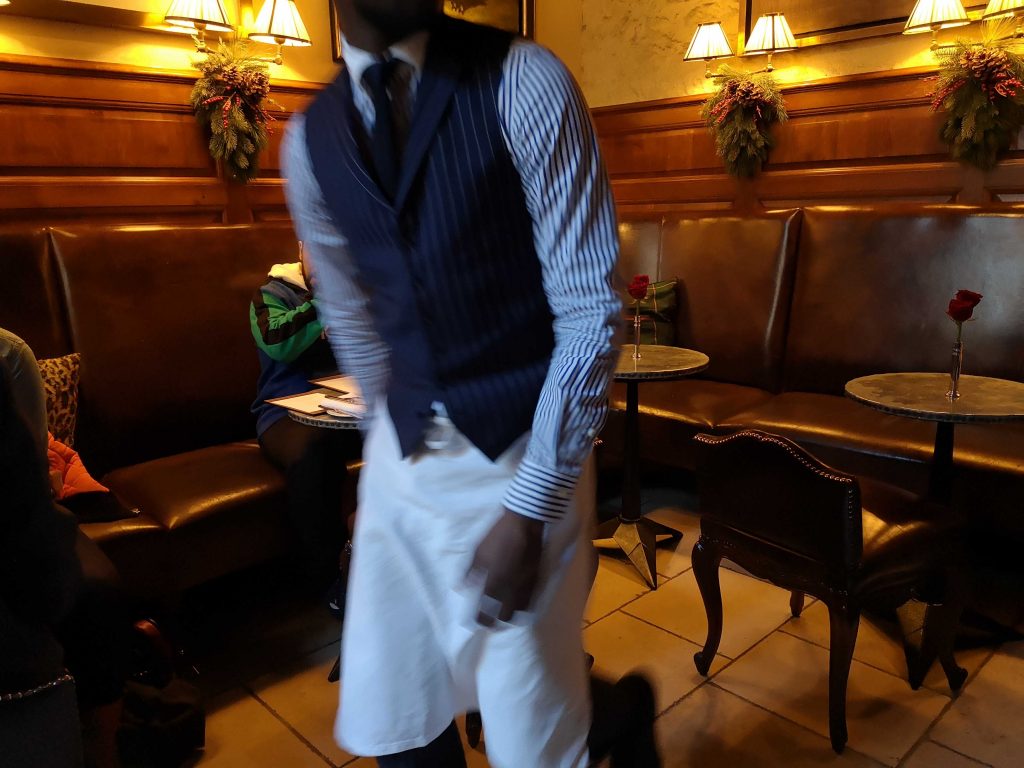
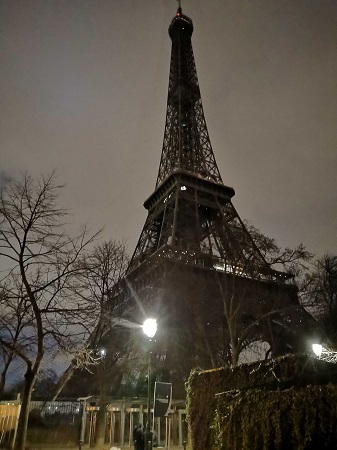
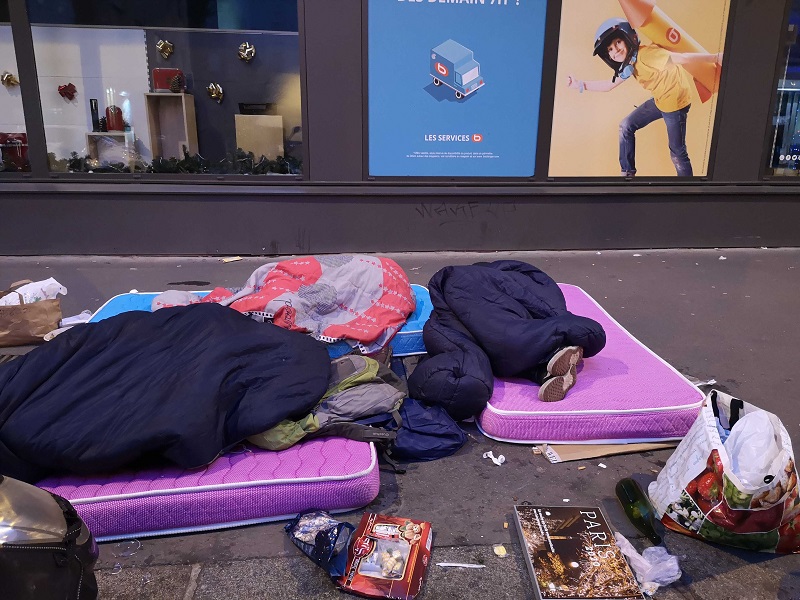
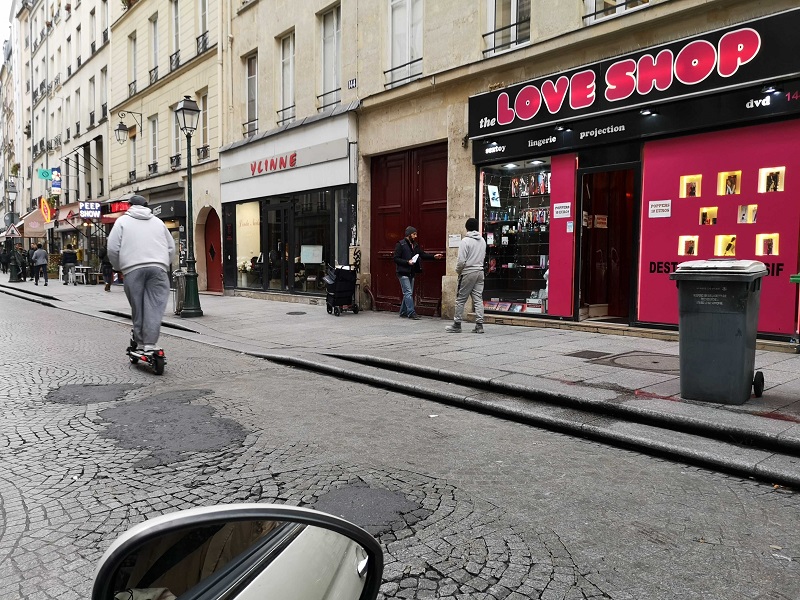
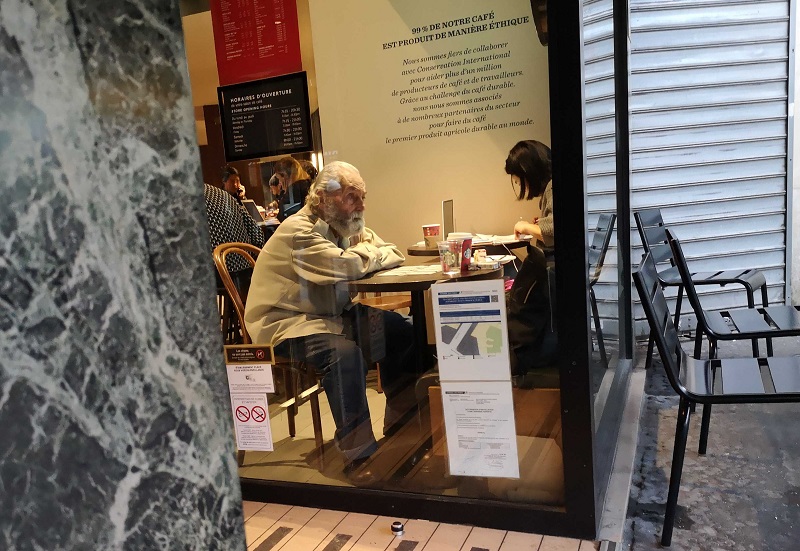
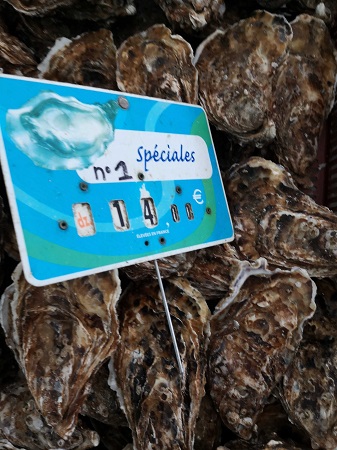
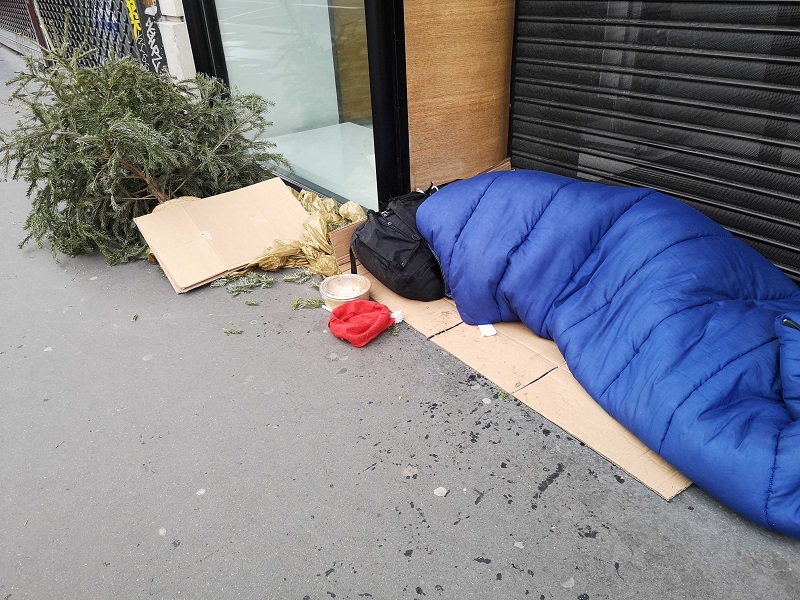
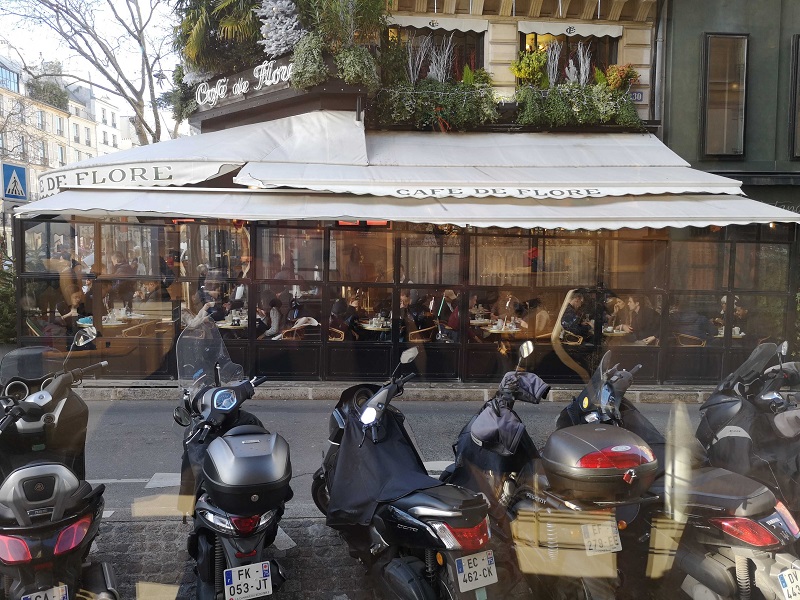
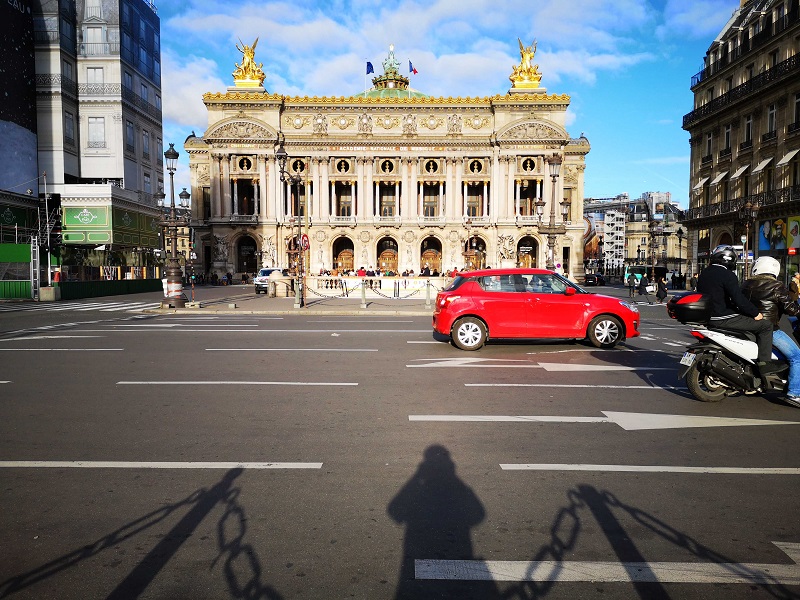
The Beauty and Ambiguity of Paris: a Photo Essay

PARIS — Photographs are more than paper thin because without proper context, its beauty and ambiguity is that many photos are without context and you can interpret it the way you think is right or represent the reality behind the photos.

Here are a selection of photos I took from Paris on my latest trip to the City of Light. Perhaps you can provide them with your own captions and explanations so they become open-ended photos. Hope you enjoy!

All photos were taken with Huawei P20’s built-in Leica camera. 

img 20191229 082119

img 20191228 143530

timeline 20191227 130235 1

128593

timeline 20191227 130249

138554263 15737026082631n 5

1329074 6

Sean 2

138635408 15764857864901n 5

S 2252834 2

138269056 15644527710151n 6

138622075 15760260800781n 2

75580099 3530159493678136 2600025973814460416 n

78401 2

Related stories:

Reporter’s Notebook: Champs-Elysees After Yellow Vest Protests (Photos)

Advertisement

Bangkok Post Reporter’s Racially Charged Articles on Hmongs, ‘Negroes’ Draws Backlash

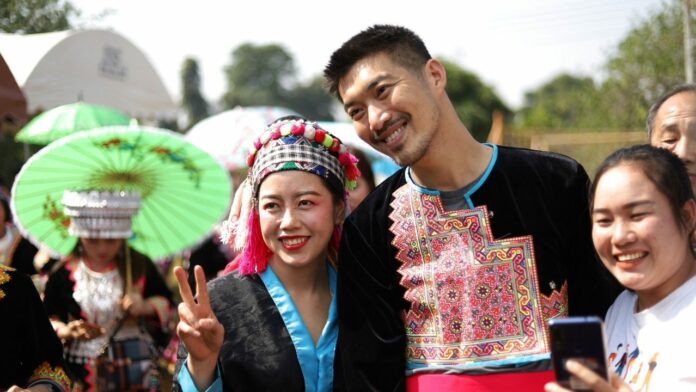
Future Forward Party chairman Thanathorn Juangroongruangkit participated in Hmong traditional New Year celebration in Tak province on Dec. 27, 2019.

BANGKOK — Netizens on Monday are heaping criticism on a reporter affiliated with the armed forces after she published articles filled with racial slurs and ultranationalist claims on her Facebook.

Among those criticizing the two articles published by Wassana Nanuam, a self-styled “military reporter” for Bangkok Post, are a minority rights NGO and an opposition MP who accused Wassana of lending her platform to Thai supremacist rhetoric.

The articles, which Wassana said was penned by an unnamed “Air Force general,” lashed out at Future Forward Party chairman Thanathorn Juangroongruangkit’s pledge to guarantee land rights and legal protection for members of the Hmong ethnic group.

The first post, published on Dec. 28, urged Thanathorn to “take the Hmongs back to their homeland so they would no longer be a burden to Thai people.”

It also said, “Hmongs are still lacking intelligence (although some of them may be brilliant) because they are lacking a good education. They can only become Thai when they fully transform their traditions, beliefs, and arts to match with those of Thai people.”

The same author escalated his language and went on to argue in the second article, posted by Wassana on Sunday, that Thais should take care of their own people before they render aid to “billions of Hmongs, Rohingyas, white khaek, Arabs, Muslims, Negroes.”

The article also accused Muslims in the southern region “who had never taken part in building for fighting for Thai nation throughout the Thai history” of “taking over” the country and multiplying their numbers.

“Soon, they would be able to impose their old laws from their desert land, [instead of] Thai laws and regulations that fit Thai customs,” the anonymous general wrote.

“We, Thai people, are not prejudiced against ethnic minorities,” wrote the general, who goes by the pseudonym Air Tiger 24/7, “We welcome them to join our nation, but I have to ask the Thai people: Are we going to let those who haven’t brought any benefits to our country exploit our resources?”

Response to the writings was mostly critical. Future Forward MP Manop Kiriphuwadol – who is a Karen himself – said the author seems to be spreading a jingoistic message that ethnic minorities are not Thais despite their residence here.

“The country is formed by the people of different backgrounds,” Manop said. “Many have inhibited the land even before Thailand became a nation-state.”

Surapong Kongchantuk, chairman of ethnic minority rights group Cross Cultural Foundation, said Hmong people and the issue of ethnicity should not have been drawn into a political feud. He also warned that the articles published by Wassana may incite troubles.

“The articles are trying to stir hatred between ethnic groups, and it’s an effort of a government official and media to induce disorder in our society,” Surapong said.

Neither Wassana nor her employer, the Bangkok Post, has issued any response to the criticism.

Many netizens also questioned whether it was appropriate for Wassana to serve as a mouthpiece to the regressive voices from the military.

“Why does Khun Wassana have to publish such a controversial article,” user Vinai Poncharoen commented. “You said that it’s a national security viewpoint, but why does it have to be such an outdated and discriminating idea?”

Related stories:

Journalist Says Gen. Prawit Punches Her ‘Playfully’

Bangkok Post Reporter Retracts Interview With Yingluck

Advertisement

Hot News

LATEST NEWS

Bangkok
overcast clouds
30.5 ° C
30.5 °
30.5 °
77 %
3.3kmh
100 %
Mon
30 °
Tue
36 °
Wed
38 °
Thu
36 °
Fri
36 °