
































MAE HONG SON — Thai authorities have launched urgent measures following the detection of arsenic contamination in the Salween River at levels five times higher than safety standards, according to researchers from Chiang Mai University who made the discovery last week.
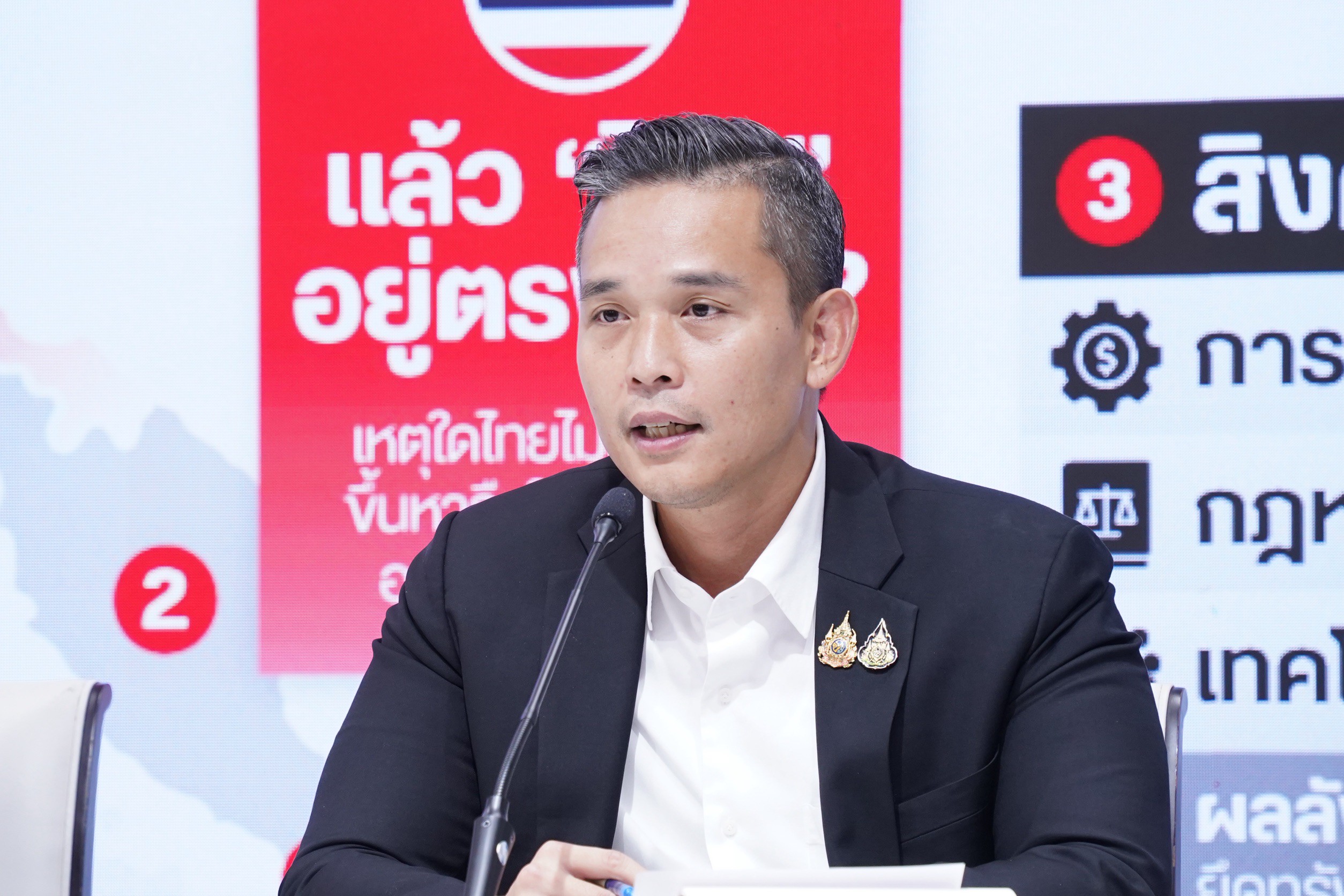
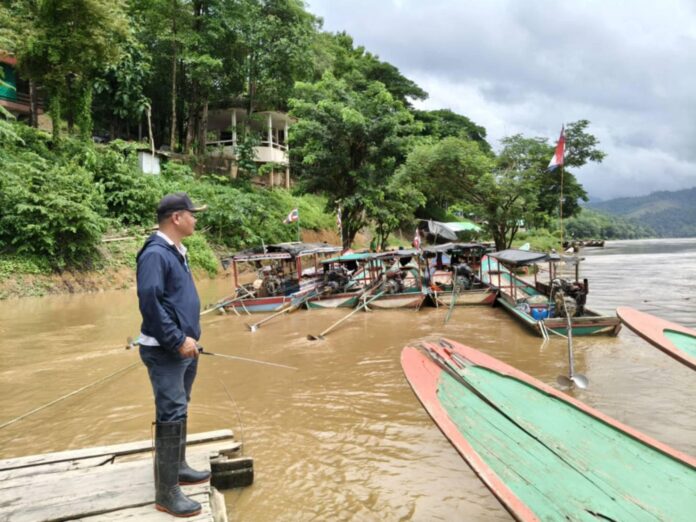
Assistant Professor Dr. Wan Wiriya, Assistant Director of the Environmental Science Research Center at Chiang Mai University, reported on October 28 the results of water samples collected from the Salween River as it flows through Mae Sariang District, Mae Hong Son Province, in early September 2025. Three locations were tested for water quality.
Dr. Wan noted that prior to this study, someone had submitted water samples from the Salween River for testing, which also revealed arsenic levels exceeding safety standards.
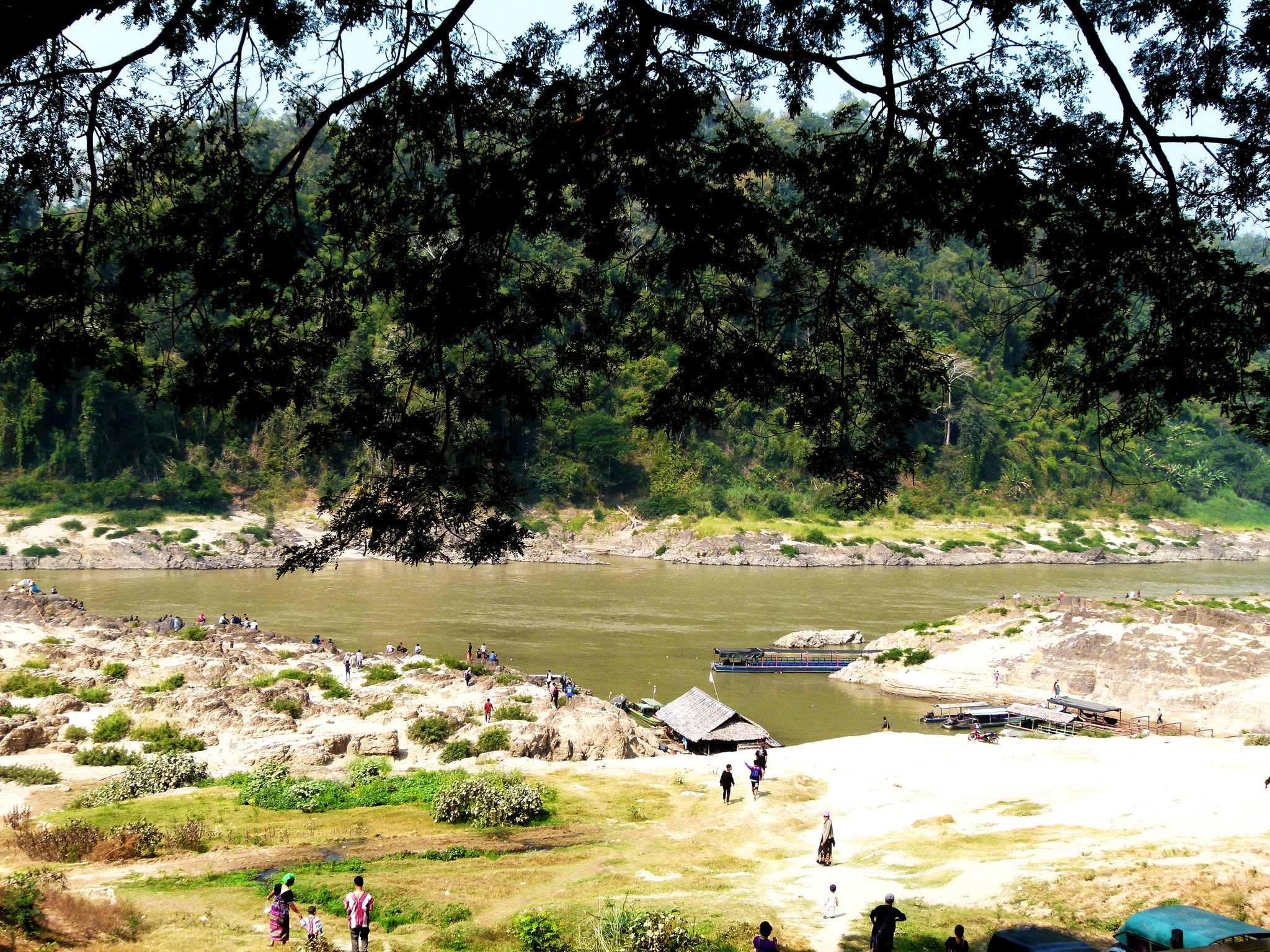
Beyond arsenic, other heavy metals were found at concentrations approaching dangerous thresholds, creating significant health risks. He urged relevant agencies to conduct immediate investigations and issue public warnings.
Emergency Response Underway
Deputy Prime Minister and Minister of Natural Resources and Environment Suchart Chomklin on November 4 ordered immediate action from key agencies, including the Pollution Control Department and the Department of Groundwater Resources, to address the water quality crisis.
The findings have sparked alarm among communities along the riverbanks in Mae Hong Son province, prompting swift government intervention.
Officials Issue Warnings
The Department of Water Resources has been directed to deploy teams to distribute clean drinking water to affected residents immediately. Officials are working to ensure communities stop drawing water directly from the contaminated source.
Authorities are also conducting public education campaigns to inform residents about health and hygiene safety measures during the crisis.
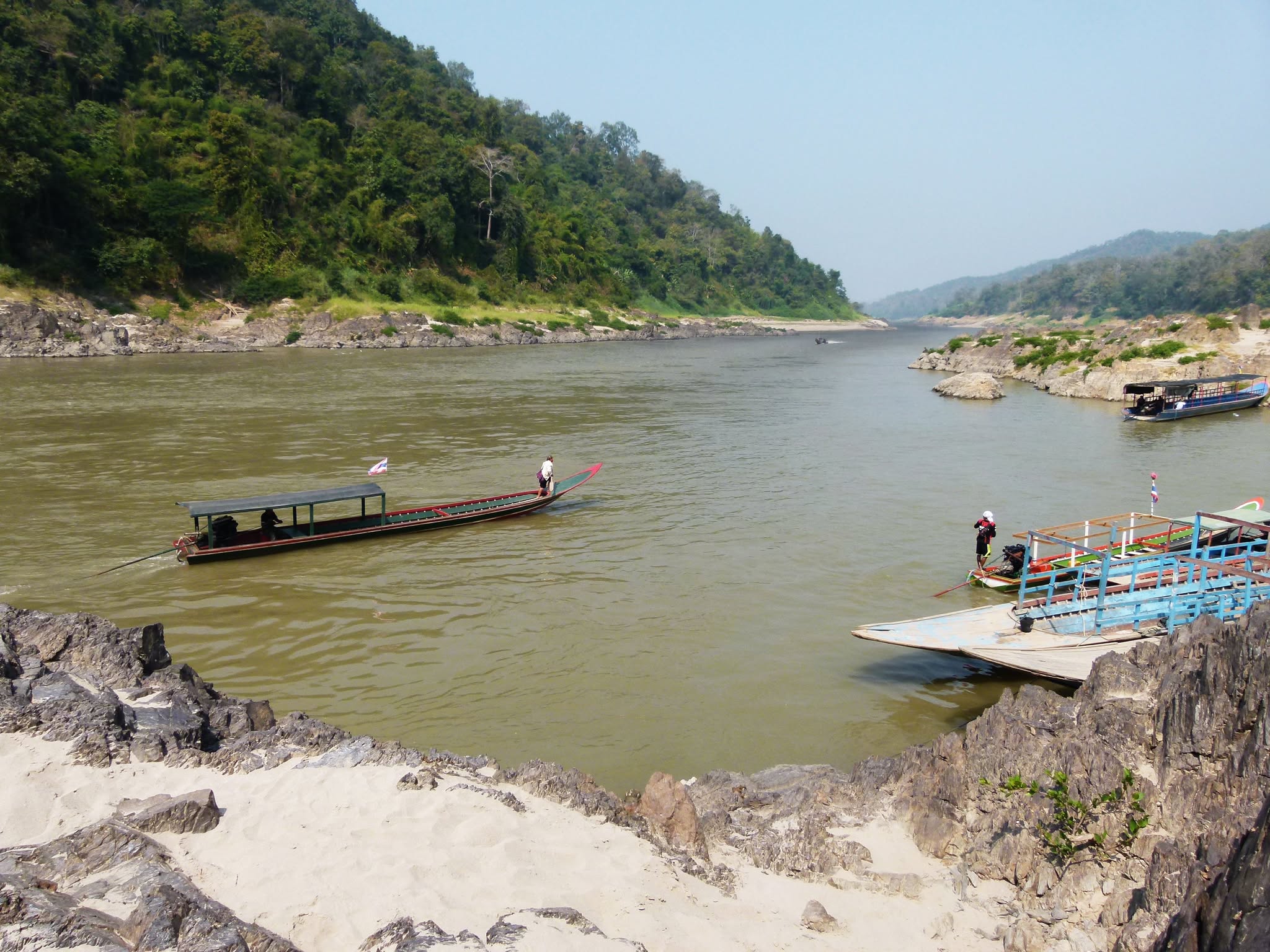
Khamphan Mokthaisong, District Chief of Sob Moei District in Mae Hong Son, has instructed riverside communities to avoid direct contact with the river water and refrain from consuming fish caught from the Salween.
Mining Activities Under Scrutiny
According to information from the Stimson Center, a foreign affairs think tank, there is extensive mining of various minerals and rare earth elements in the upper reaches of the Salween River.
The situation mirrors pollution problems that occurred in the Kok River and Sai River in Chiang Rai Province, which faced contamination from mining operations in Myanmar and required international cooperation to resolve.
However, since the mining sites are located very far from where the water samples were collected, it remains uncertain whether mining activities are the direct cause of the contamination. Investigations into the source of the pollution are ongoing.
____________