F eeling possibly jittery and just wanting to make sure that the Thai public is on board with him before signing a peace deal with Cambodia, PM Anutin Charnvirakul went live on Facebook to reassure Thai nationalists and ultranationalists that the accord signed in Malaysia today will not put Thailand at a disadvantage.
Anutin repeatedly avoided using the word ‘peace accord’ or peace deal, despite some Thai press and foreign press, including Al Jazeera or Malaysia’s New Straits Times, calling it a “peace deal” – and the host, Malaysia, calling it peace deal, as well. This speaks volumes about Thai ultranationalists’ disinterest in wanting to see the conflict end now, or end in what they perceive to be a stalemate.
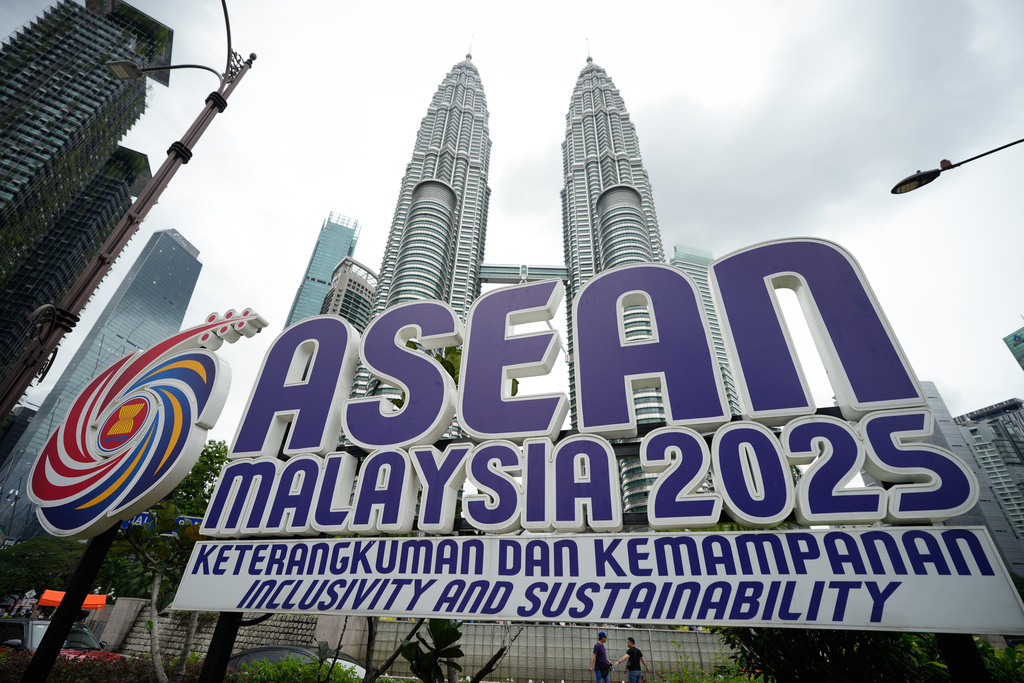
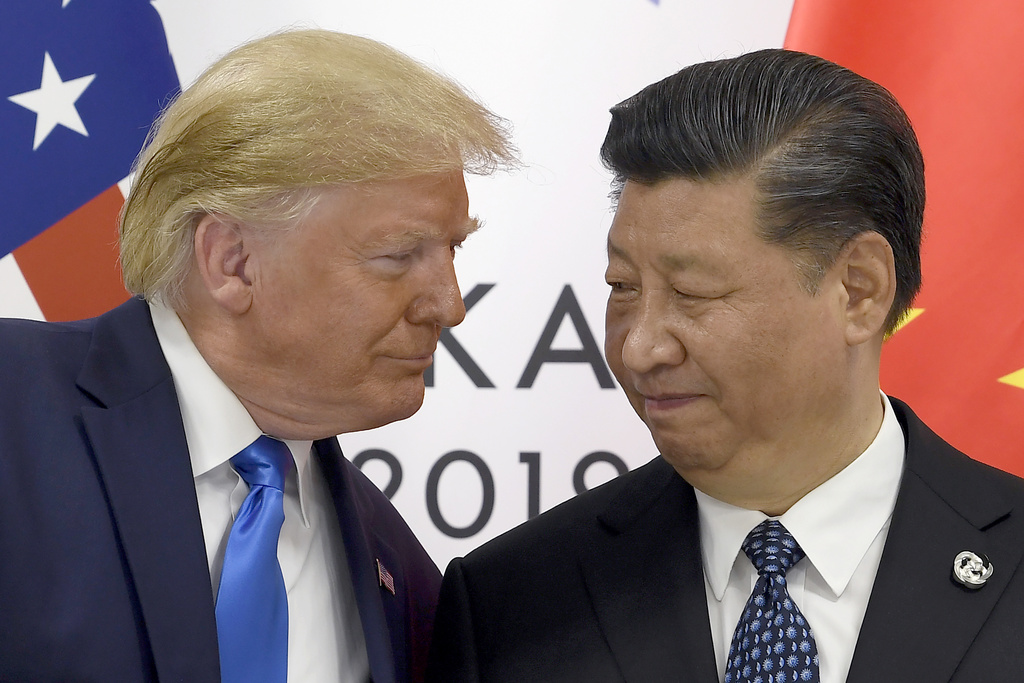
Despite the immense pressure from US President Donald Trump and Malaysian Prime Minister and ASEAN Chair Anwar Ibrahim, the agreement signed today, October 26, 2025, was just a first major step towards normalising Thai-Cambodia relations.
The London-based The Economist proclaimed this morning that Donald Trump’s move in KL today was a “quixotic intervention in the conflict between Thailand and Cambodia [that] will do little to change America’s estrangement from the region.”
All that can be said is that immense pressure was applied behind the scenes and the Thai side seems more reluctant to sign the peace deal.
That is why Anutin livestreamed to ask for support before signing the Thailand-Cambodia agreement and assures that “no clause will put Thailand at a disadvantage.”
Anutin stressed that the rumour of accepting the 1:200,000 map is untrue, proclaims, “Thais love peace, but will not shrink from war.”
The PM addressed the concerns that the negotiation might put Thailand at a disadvantage, explaining that he decided to livestream on Facebook to give confidence that none of the 4 clauses in the declaration to be signed today with Cambodian PM Hun Manet will disadvantage Thailand.
Anutin added that the accord contains 4 main key points that the Cambodian government must implement: 1. The withdrawal of heavy weaponry from the border area, 2. Demining and clearing of explosive ordnance, 3. Cooperation in suppressing scammer crime or technological crime, and 4. Seeking a path for joint management of the overlapping claim area to prevent problems.
“All four points must be initiated by Cambodia first. Once they begin, we will then assess and proceed further with creating peace in the relationship between the two countries.
”There is no indication that we will open checkpoints or take any action that suggests surrendering territory, such as ‘we will lose land,’ ‘we will build a fence,’ or ‘we will use the 1:200,000 area.’ Right now, Thailand is not under any of these conditions,” he said, adding that this declaration is simply a guideline for both countries to implement to bring about peace and tranquility in the border area of both countries and in the relationship between the two countries.
“We do not wish to be an enemy to anyone, not a single person. We naturally love peace; as our national anthem says, ‘Thais love peace, but will not shrink from war.’ This is what Thailand has always adhered to since we have had issues in our relationship with Cambodia.”
The Prime Minister then asked for support, and reiterated that “it is not a ceasefire agreement, nor a Peace Agreement, but a Joint Declaration or a guideline that will lead to the creation of peace in the territory of both countries.”
PM Anutin then thanked Thais and reminded the viewers that he regarded the Thai people as his masters and superiors.
The thing with many of Anutin’s masters and superiors is that they have gone ultranationalist and are suspicious of any deal with Cambodia, whom they regard as tricky if not dishonest.
Signing a ‘peace deal’ is one thing, ensuring that there will be peace between Thailand and Cambodia, including Thais and Cambodians, is another thing and a much harder thing to achieve given the prevailing climate of ultranationalism in Thailand and Cambodia.
The past two weeks saw Senator Angkhana Neelapaijit and Human Rights Watch senior Thai researcher Sunai Phasuk being character assassinated, witch-hunted, and their safety threatened to the point where the two had to seek police protection—all for merely stating publicly that the use of loud ghost sounds against Cambodian civilians across the Thai border by an ultranationalist social media influencer was wrong and a violation of human rights.
Many Thai media outlets were also guilty of fanning ultranationalist sentiments over the months since the five-day undeclared war between Thailand and Cambodia in late July.
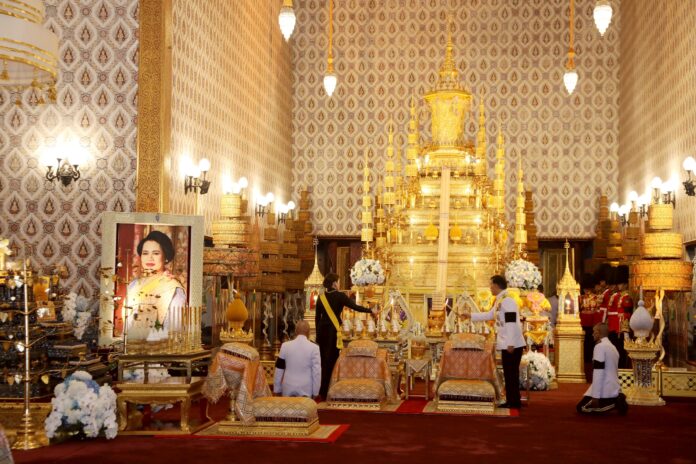
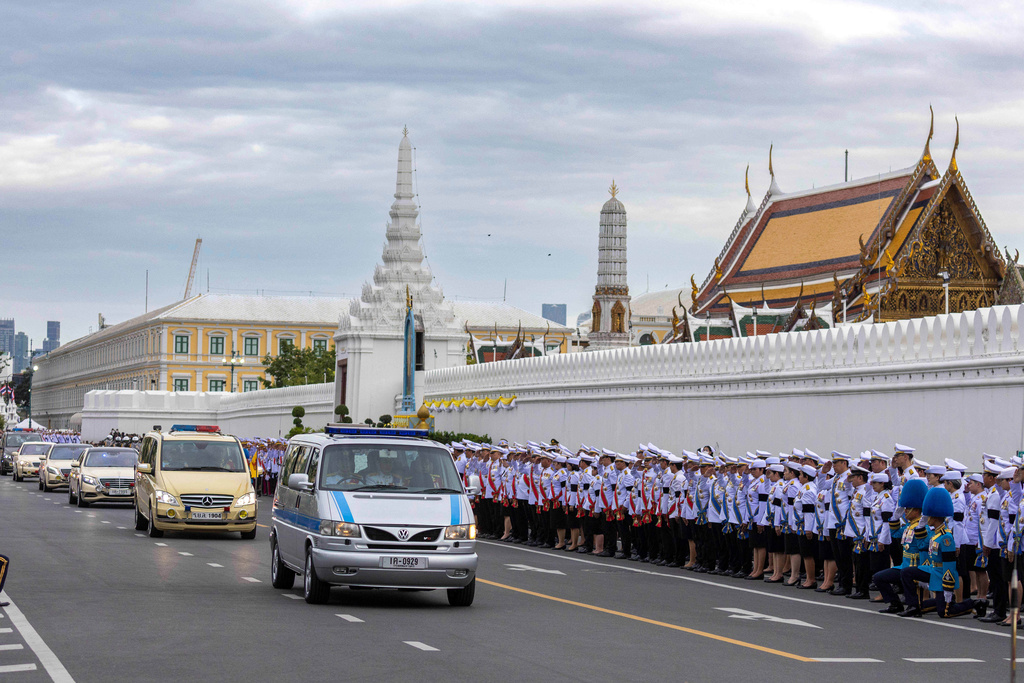
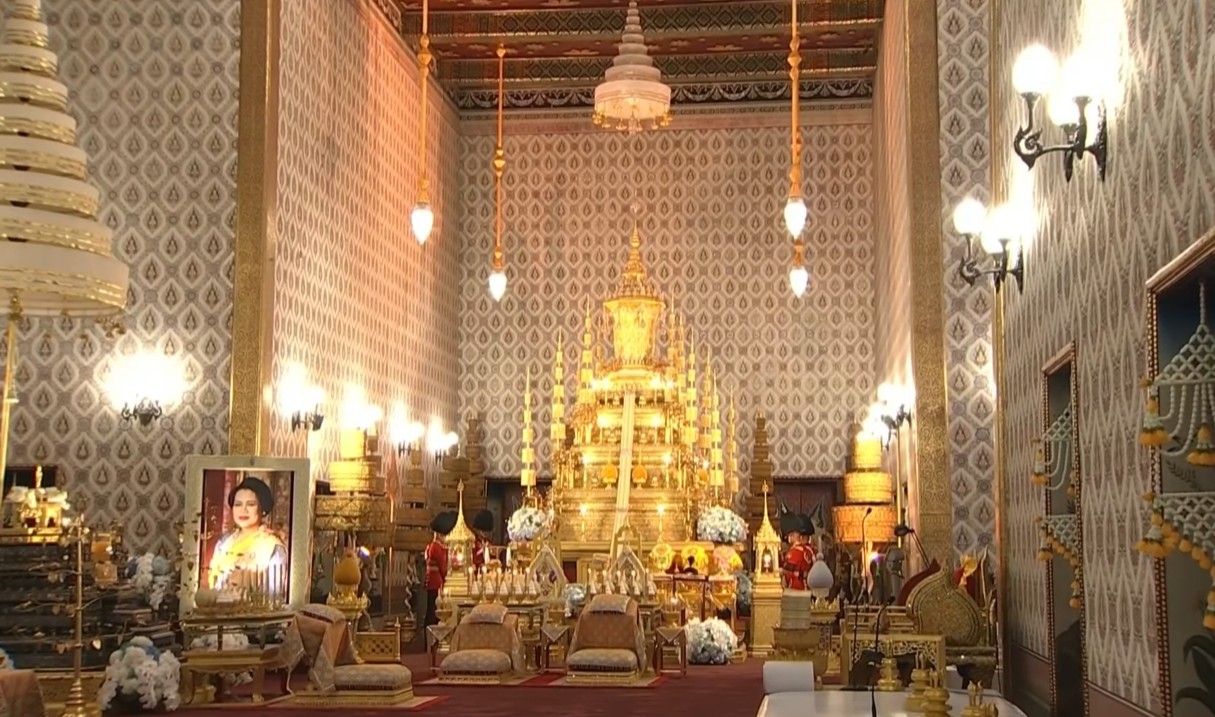
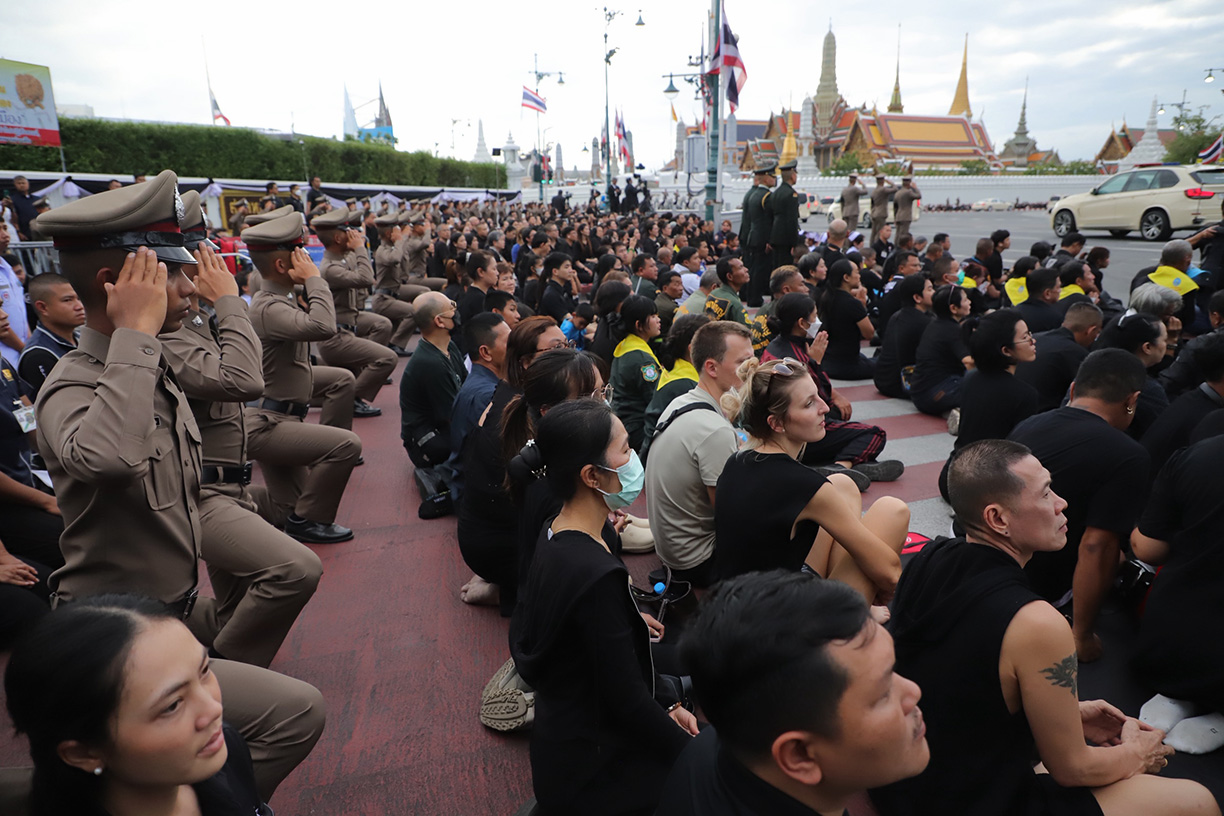
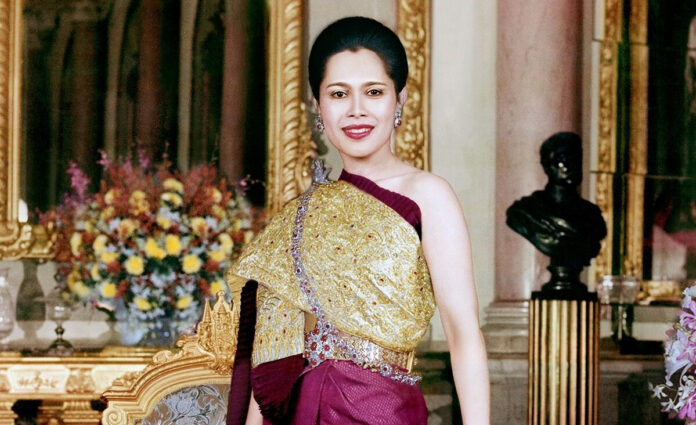
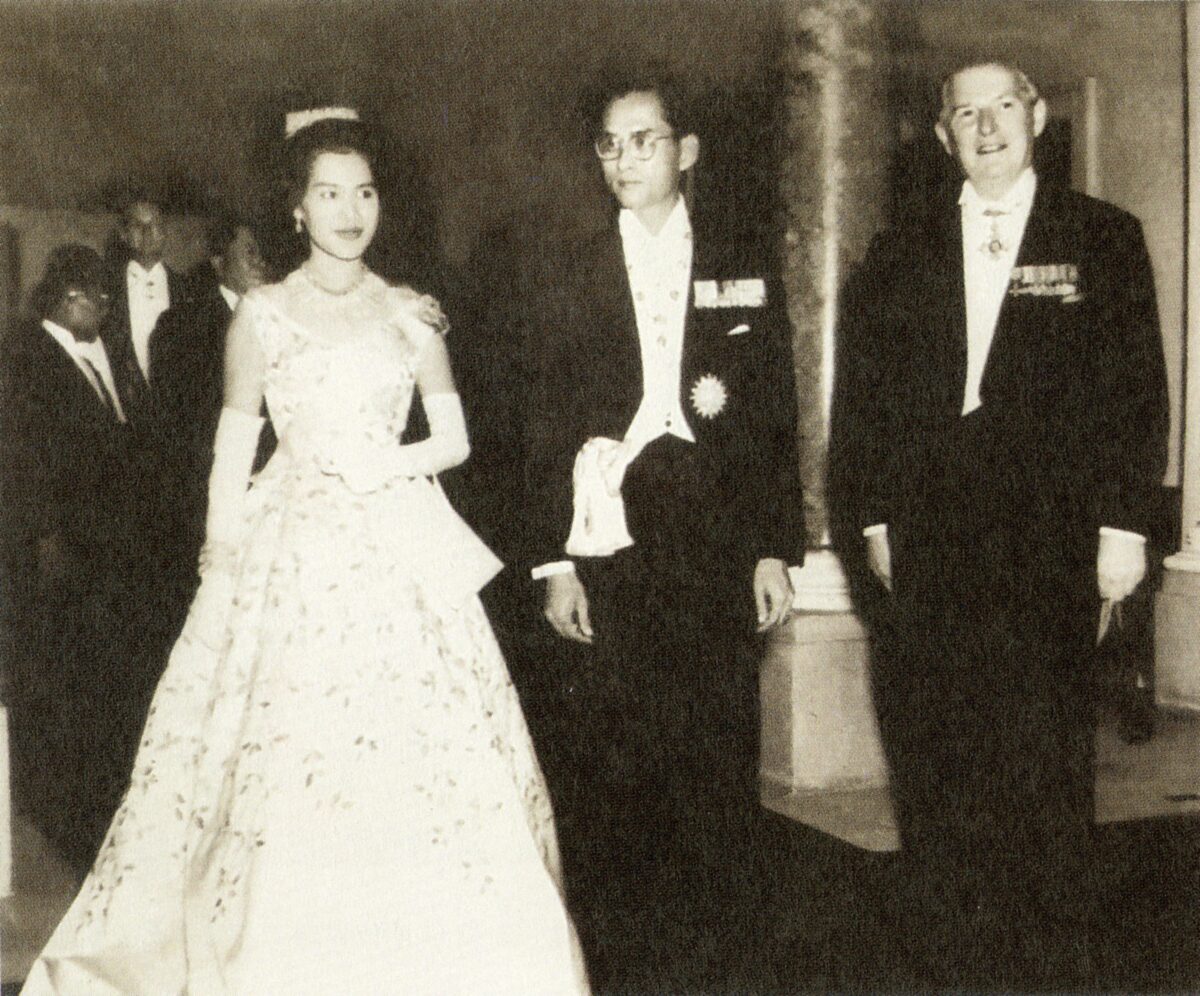
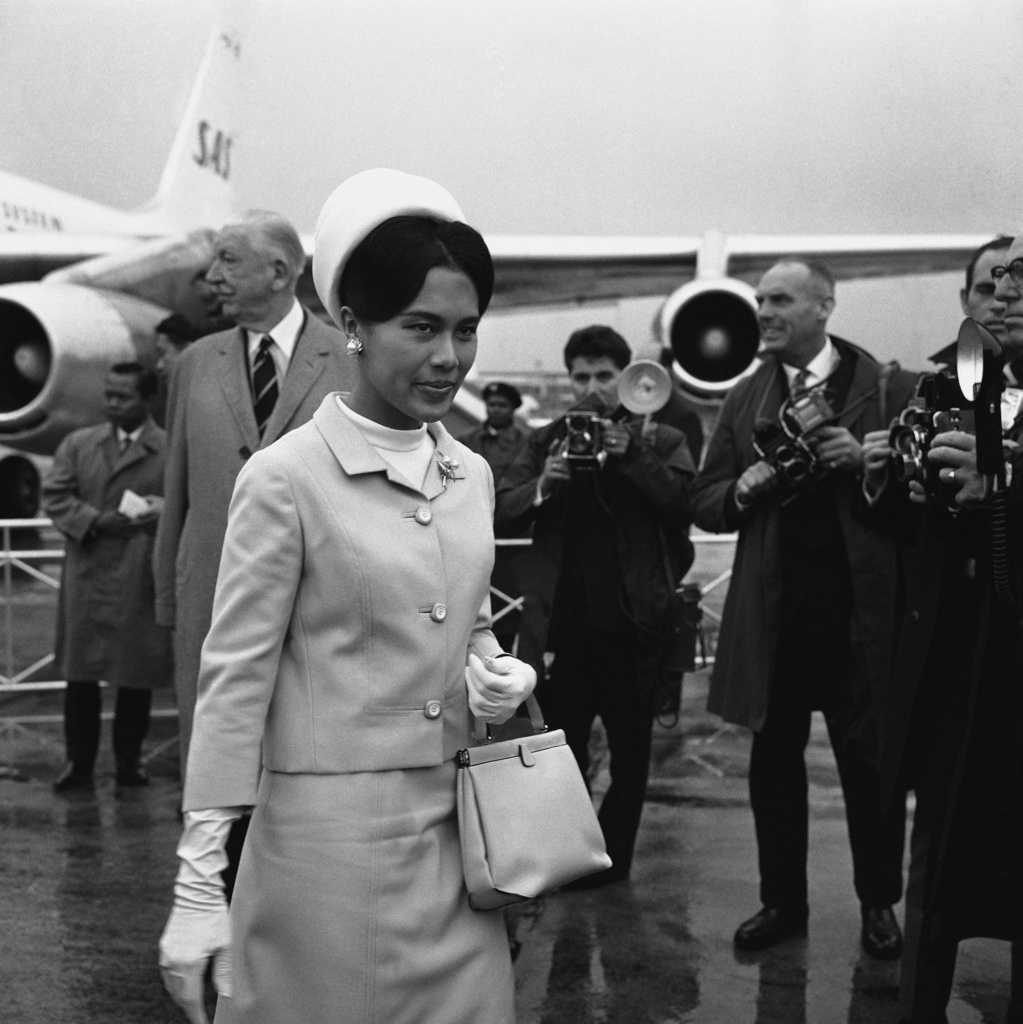
Meanwhile, in Cambodia, Cambodian Senate President Hun Sen had to warn on Facebook earlier this week after a Cambodian posted a video of the burning of Thai goods. Since yesterday, Khaosod English had to restrict the comment section on Facebook after complaints were made about Cambodian FB users posting rude and inhumane messages expressing schadenfreude upon the death of HM Queen Sirikit The Queen Mother. The comment restriction is still on today.
Basically, the Pandora’s box of ultranationalism has been opened in both countries. Thais and Cambodians are not just facing a continued tension between both nations, despite the accord signed today, but they are also facing an internal struggle against the growing tide of ultranationalism, made worse by many media outlets in both countries. The other conflict is not just Thai-Cambodian, but internal.
Ultranationalists tend to be vocal, although this writer doesn’t think they constitute the majority of the Thai people. Anutin would do well to recognise that he has to listen to many different masters and not just one particular group—the extremist group, who will continue to call for a zero-sum stance against Cambodia and seek to derail the peace accord when the reality is that in the end, a compromise is needed to accommodate one another peacefully.
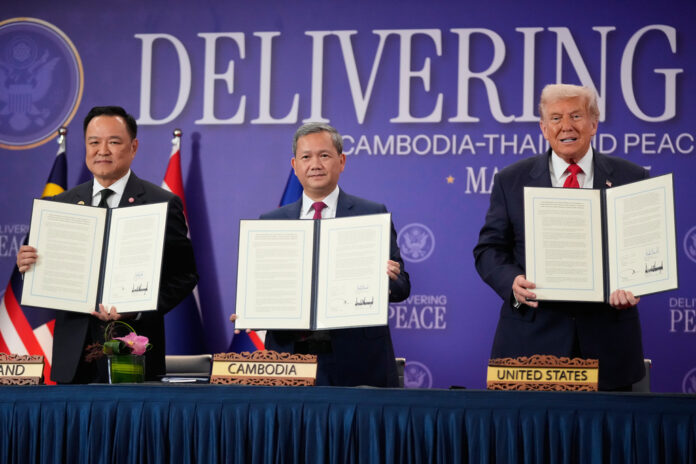
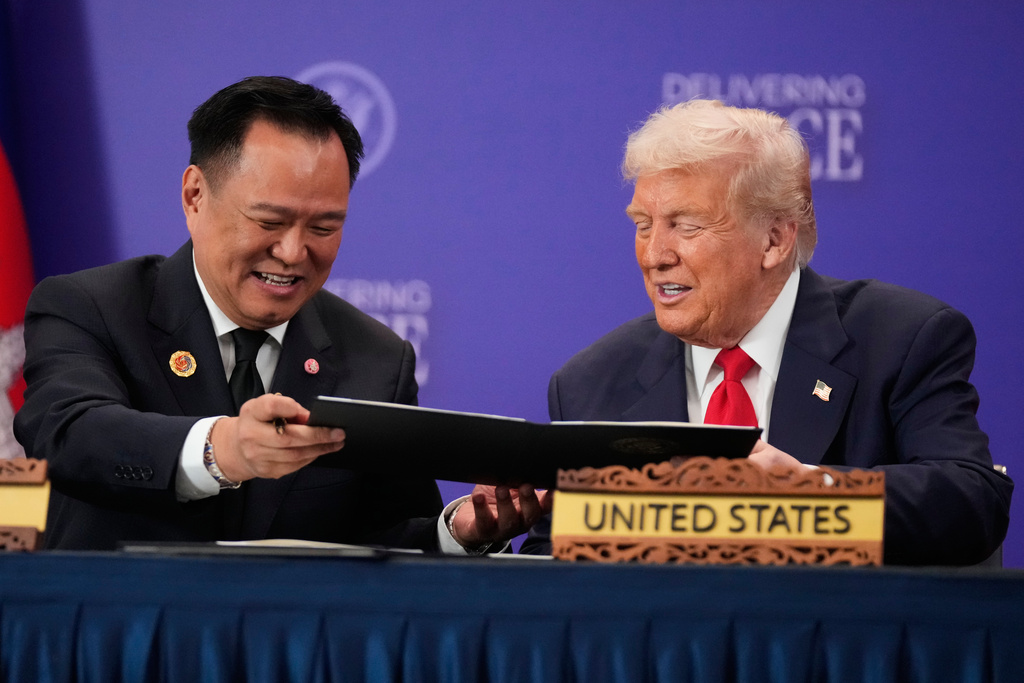
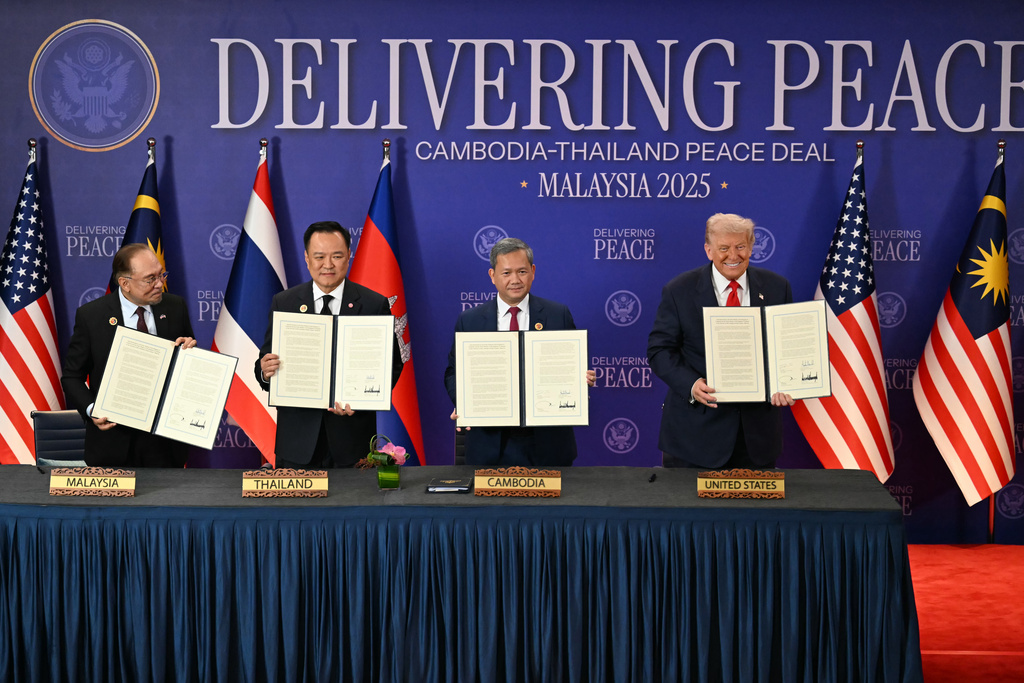
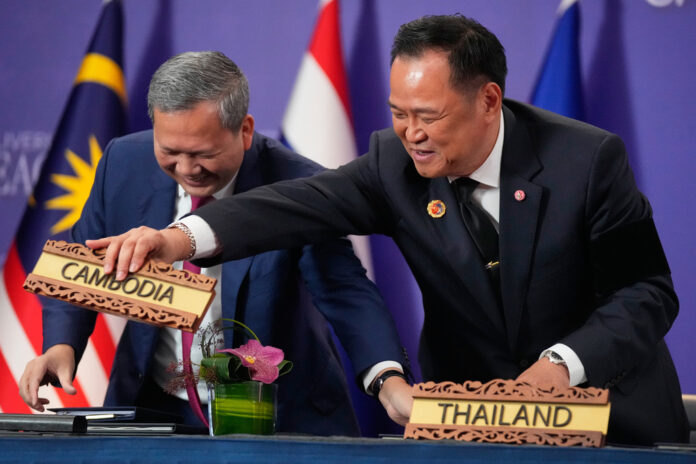
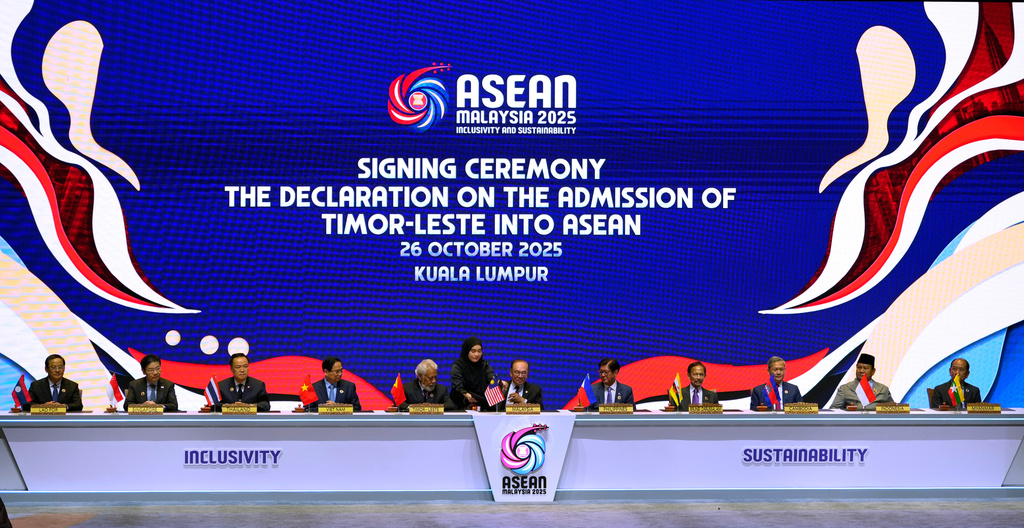
At around noon today (Bangkok time) Anutin signed a “Peace Deal” with Cambodia in Kuala Lumpur, with Cambodian PM Hun Manet. US President Donald Trump and Malaysian Prime Prime Minister and ASEAN Chair Anwar Ibrahim sat as witnesses and signed the accord as well.
”It will begin the process of mending our ties,” said Anutin, adding that he hoped the agreement will be adhered fully and in good faith.
Now, while trying to make the peace deal stick, Thais and Cambodians will need to look into their respective internal conflicts where ultranationalists are still waging a war against peace, not just between their two countries, but domestically against moderate voices as well.
_______