































27.7 C
Bangkok
Monday, June 22, 2026
Home Blog Page 272

Thai-Cambodia Border Economy Projected to Struggle Until 2025

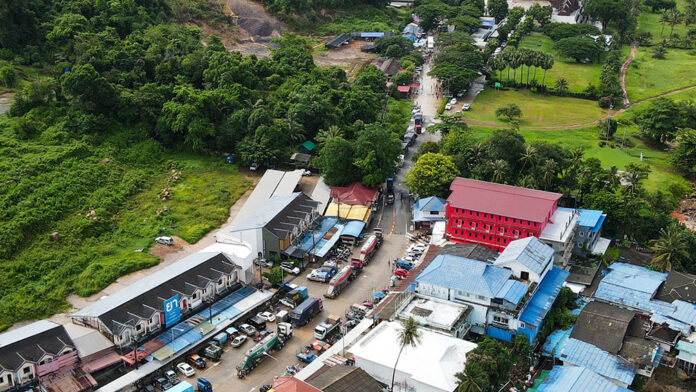
Traffic at Ban Hat Lek, Khlong Yai district, Trat province, on June 9, 2025, the second day after Thailand implemented new border checkpoint opening-closing hours. More than 20 cargo trucks including container trucks, cement trucks, and fruit trucks queued for over 200 meters waiting to cross the border into Cambodia.

BANGKOKMore than a month after deadly Thai-Cambodian border clashes, seven provinces in Thailand’s lower northeast and eastern regions are experiencing severe economic collapse, with businesses shuttering and thousands losing their livelihoods as cross-border trade remains paralyzed.

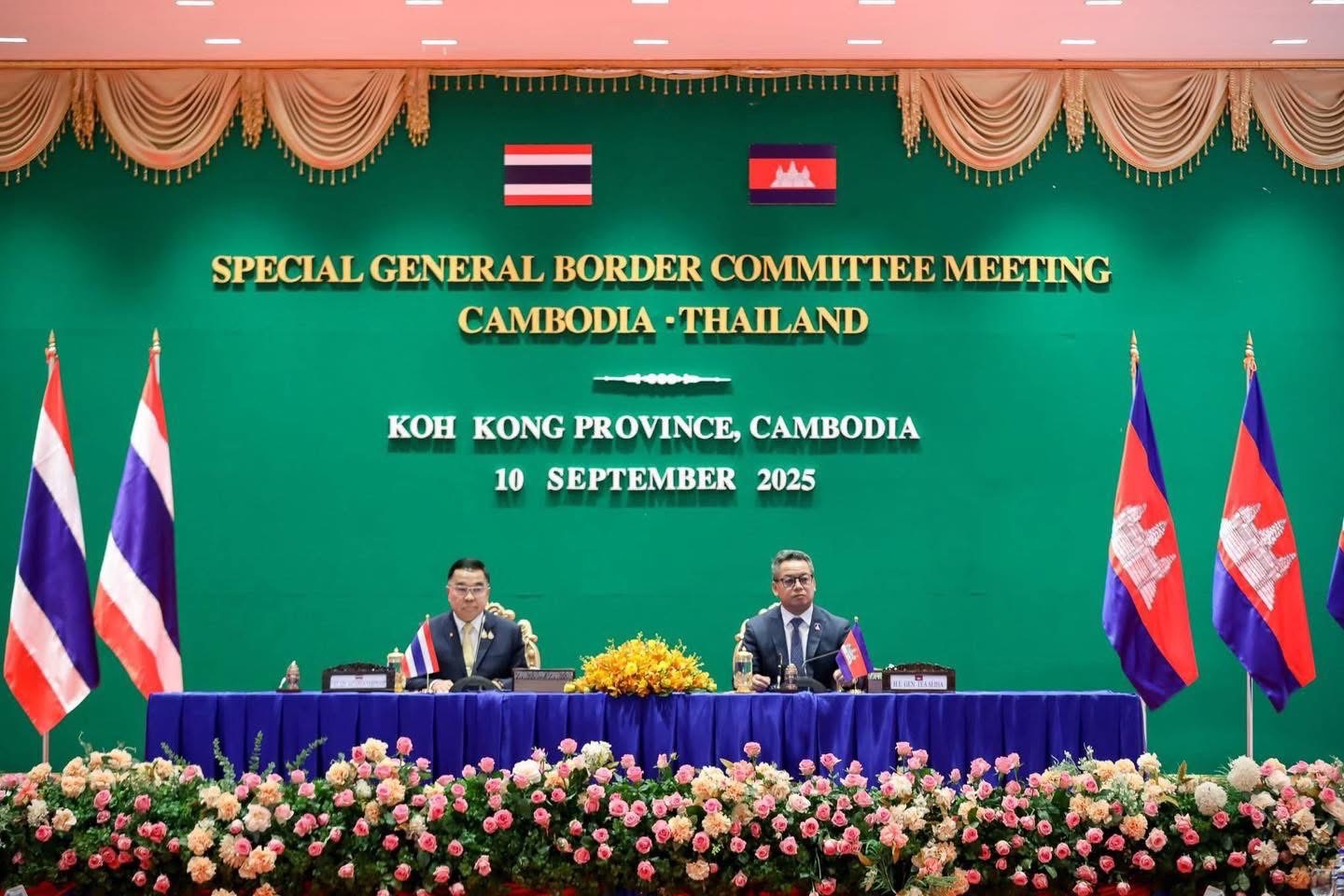
The crisis has prompted urgent action from both governments. At a special meeting of the Thai-Cambodian General Border Committee (GBC) held in Koh Kong province, Cambodia, on September 10, officials agreed to ease restrictions on goods movement at select border checkpoints, offering a glimmer of hope for devastated business communities.

Poj Aramwattananon, chairman of the Thai Chamber of Commerce and the Board of Trade of Thailand, praised the diplomatic breakthrough. “This meeting promotes peace and cooperation, especially on border management issues,” he said, highlighting plans to reopen certain checkpoints to mitigate the severe impact on businesses, border trade, and international logistics.

Zoned Approach to Recovery

Authorities are implementing a security-based zone system to gradually restore economic activity:

  • Zone 1 (High Security): Army Region 2 areas including Ubon Ratchathani, Si Sa Ket, Surin, and Buri Ram
  • Zone 2 (Moderate Security): Sa Kaeo under Army Region 1
  • Zone 3 (Lower Risk): Chanthaburi and Trat provinces

Recovery efforts will begin in Zone 3, where the Chanthaburi-Trat Task Force will coordinate with Customs, the Ministry of Commerce, and the Ministry of Industry to implement practical reopening measures.

“I thank all sectors for pushing forward concrete negotiations that will allow people to return to normal life and help businesses in low-risk areas resume economic activities,” Poj stated.

Northeast Economy Faces Prolonged Downturn

The economic devastation in Thailand’s northeast appears set to continue well into 2025, according to business leaders.

Somchart Pongkapanakrai, vice chairman of the Thai Chamber of Commerce and chairman of the Northeast Chamber of Commerce, painted a grim picture: “The cross-border economy in the four northeastern provinces remains slow, with weak purchasing power and an inactive tourism sector.”

Hotels across the region sit empty as previous bookings were canceled during the conflict, and no new reservations are being made. Somchart predicts the Isan economy will remain weak until at least the second half of 2025, with businesses cutting costs, halting expansion plans, and freezing hiring.
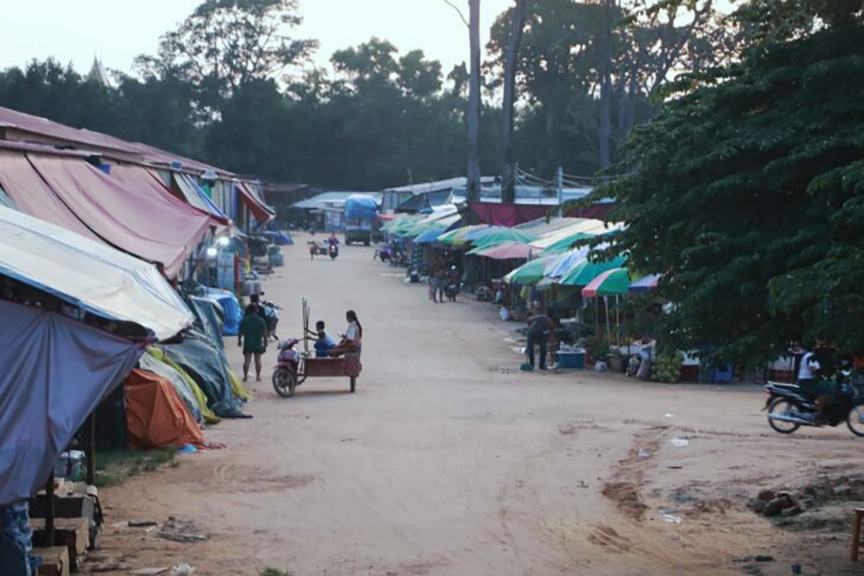
chong jom
Chong Chom Market, Surin Province, remains quiet and desolate since border conflicts erupted in late July 2025.

Regional Business Confidence Shattered

Buri Ram Province: Phunsub Thepnakhon, chairman of the Buri Ram Chamber of Commerce, reported that the tense situation has undermined business confidence completely. “No new investments are being made while local purchasing power has stagnated, especially in three border districts where trade has dropped by more than 50%,” he said.

The province faces a prolonged recovery period, with businesses likely to wait at least six months before making any investment decisions. Many hotel operators have already begun cutting jobs, while political unrest compounds the economic crisis.

Si Sa Ket Province: Tourism has plummeted by over 30%, according to Rattawit Angkasakulkiat, chairman of the Si Sa Ket Chamber of Commerce. Businesses are slashing costs and avoiding new investments while the government has failed to provide any relief measures. Hotel operators are petitioning to reverse the recent 400-baht minimum wage increase, and the province is unlikely to reach its 2025 GDP target of 80 billion baht.

Surin Province: Wirat Setthawipatchai, chairman of the Surin Chamber of Commerce, described how border uncertainty is fueling widespread fear among residents. While daily essential spending continues, discretionary spending has collapsed by over 30%. “Declining purchasing power has slowed investment, and business owners are reluctant to invest. Businesses are simply trying to survive without hiring more workers,” he explained.
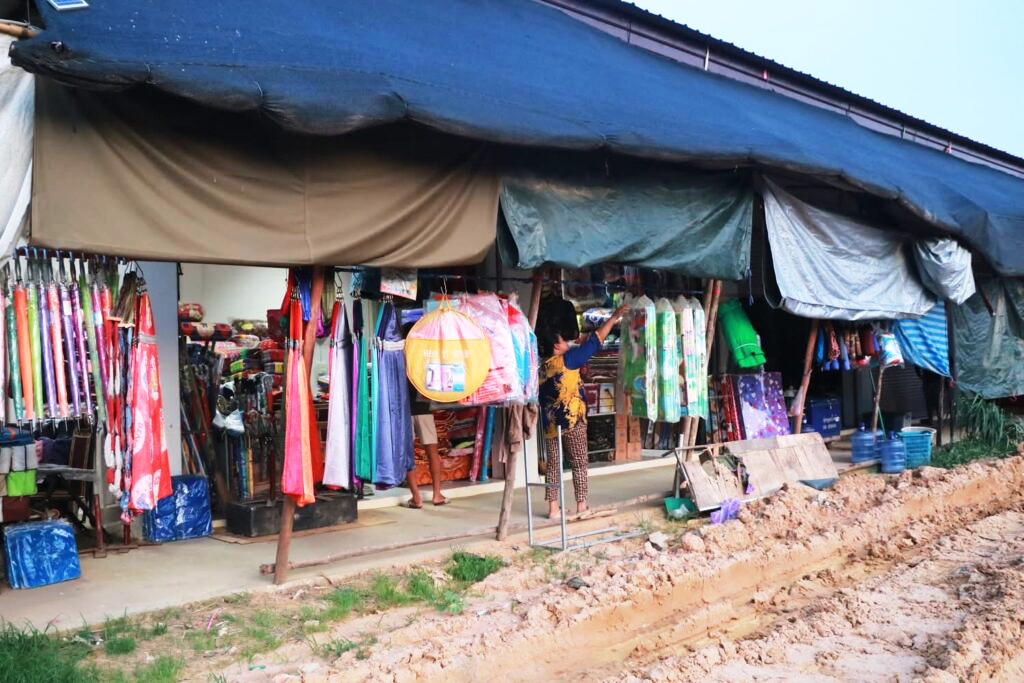
chong jom2
Chong Chom Market, Surin Province, remains quiet and desolate since border conflicts erupted in late July 2025.

Trat’s Seafood Industry in Complete Collapse

The closure of the permanent Haad Lek checkpoint in Khlong Yai district has created an economic catastrophe for Trat province, according to Sutthilak Khumkrongrak, honorary adviser to the Trat Federation of Thai Industries.

“Some businesses that rely on Cambodian trade are now seeing zero revenue and are being forced to lay off workers,” Sutthilak said. One seafood importer with a typical turnover of 10 million baht has seen revenue plummet to nothing, wiping out more than half of its expected annual income.

The collapse has rippled through downstream sectors, with cold storage facilities and ice factories also cutting staff. “If the situation does not improve within three to six months, these companies will cease operations,” Sutthilak warned. “Residents of Khlong Yai district have seen their income drop by more than 80%, and cross-border trade has almost ceased.”
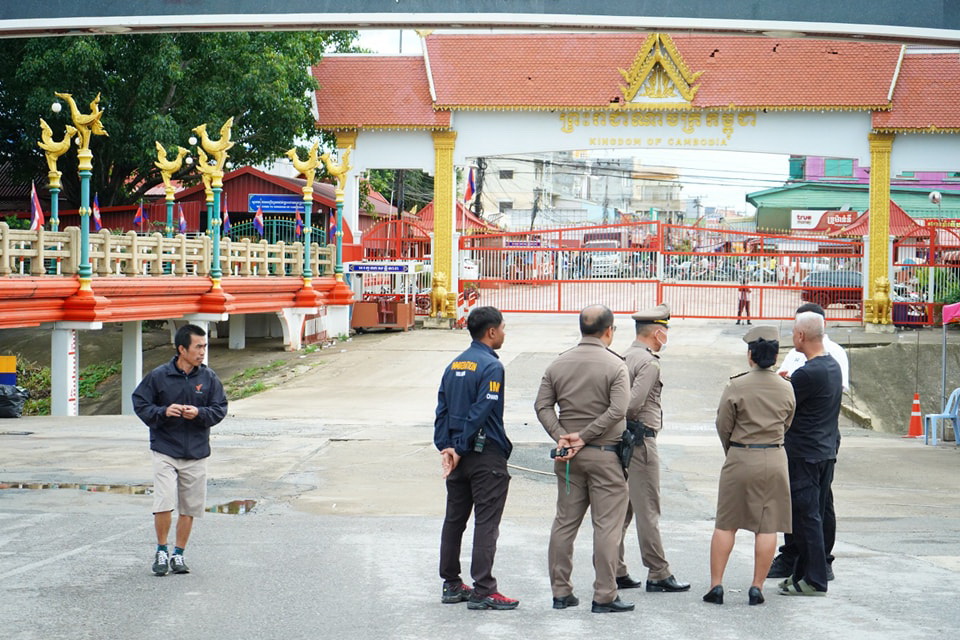
checkpoint cambodia2
Cambodia closes border checkpoint near Chanthaburi province on June 14, 2025, despite ongoing JBC talks.

Tourism Industry Devastated

Trat Tourism Crisis: The tourism sector has been severely affected since martial law was imposed. Foreign tourists have postponed or canceled bookings for November and December, while foreign insurers no longer provide coverage for travel to areas designated as conflict zones, eliminating all international bookings.

Sutthilak suggested the government implement a tourism subsidy program similar to the previous “Khon La Khrueng” (“We Travel Together”) initiative, covering 60% of costs while tourists pay 40% to provide short-term relief.

Chanthaburi’s Billion-Baht Losses: The provincial tourism industry has suffered catastrophic losses since martial law was declared across seven provinces. Apisorn Thavornwiriyanant, president of the Chanthaburi Tourism Industry Council, and Phumipat Tangcharoensiri, president of the Chanthaburi Tourism Promotion Association, report that tourist concerns about safety have led to widespread cancellations.

Hotel bookings, events, and conferences have been canceled, resulting in losses of 80,000–125,000 room nights and a drop of 165,000–250,000 visitors in the past month alone. The estimated financial loss ranges from 700 million to 1.6 billion baht.

Comprehensive Relief Proposals

The Chanthaburi Tourism Industry Council and Tourism Promotion Association have submitted detailed relief proposals to the provincial governor, including:

  • Personal and corporate income tax reductions
  • Loan repayment holidays and reduced bank interest rates
  • Organization of major promotional events
  • Budget allocations to hire 2-3 influencers with at least one million followers to promote tourism
  • Enhanced “Half-Half Co-Payment for Tourism” scheme specifically for the seven affected provinces, with government covering 70% of expenses and tourists paying only 30%, extended through year-end
  • Tourism roadshow for operators from the seven provinces at Bangkok’s Queen Sirikit National Convention Center
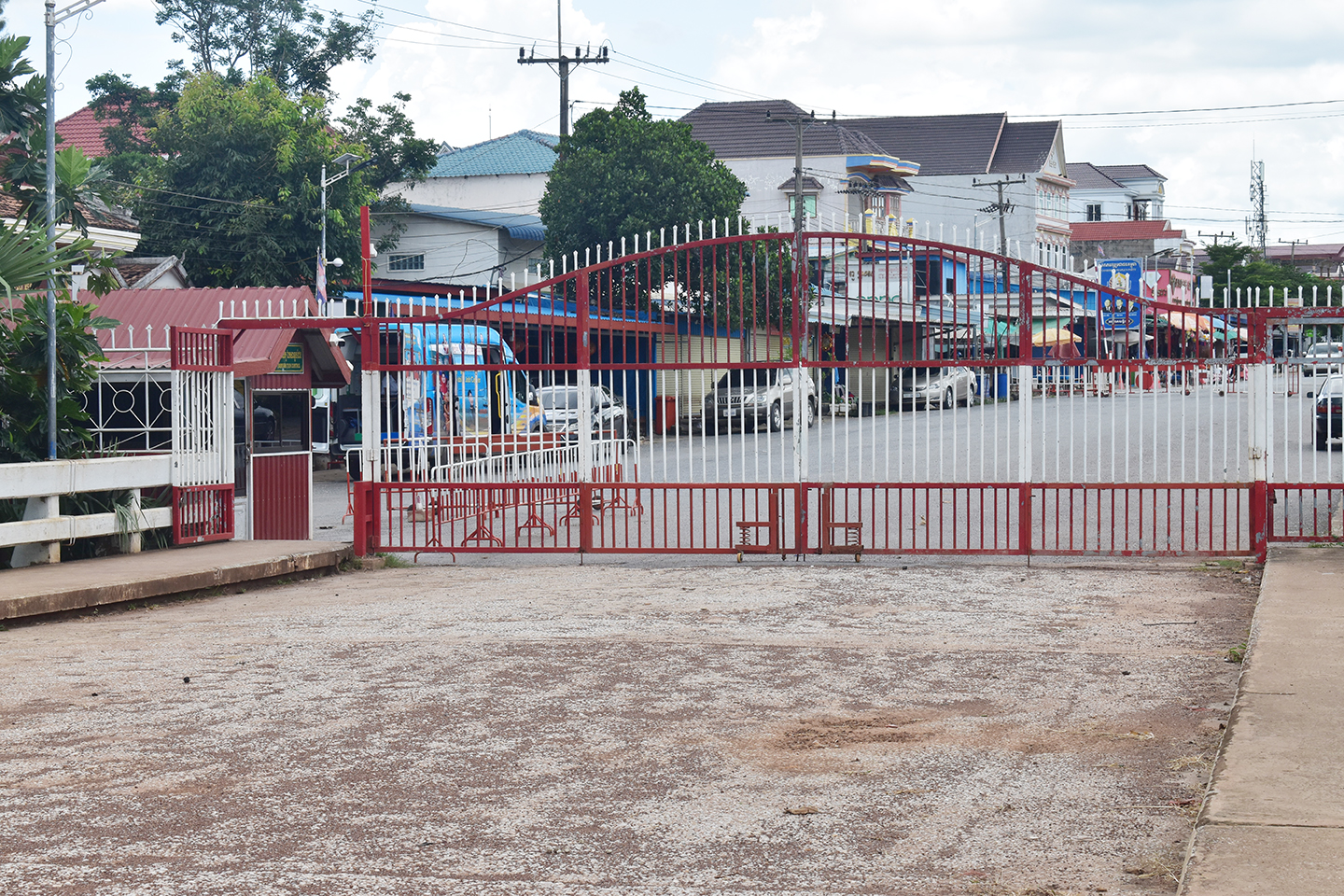
sa kaeo silent2
The Cambodian side of the checkpoint remains closed, not responding to Thailand’s relaxation measures allowing cross-border transport vehicles, July 21, 2025.

Sa Kaeo’s Market Economy Collapses

Therdsak Wongpho, chairman of the Sa Kaeo Federation of Thai Industries, reported that Cambodian activities in the Nong Chan region of Aranyaprathet district are worsening and could escalate further.

After nearly three months of border closure, businesses have no revenue but still must pay rent for land owned by the Ministry of Finance and state railroad. Aranyaprathet’s border trade normally generates 100 billion baht annually.

At the once-bustling Rong Kluea market, only about 30% of the original 5,000 Cambodian traders remain, with most having returned home. Those remaining have moved operations online. “The market is dead quiet,” Therdsak said, noting that his company has survived only thanks to its construction business.

The economic crisis affecting these seven provinces represents one of the most severe regional economic disruptions Thailand has faced in recent years, with recovery dependent on successful diplomatic resolution and coordinated government relief efforts.

______

Advertisement

Xayaburi Power Honored with Labor Medal by Lao PDR Government

Vientiane – Recently, Xayaburi Power Company Limited (XPCL), an affiliate of CK Power Public Company Limited (CKPower, SET: CKP), one of the region’s largest producers of electricity from renewables with one of the lowest carbon footprints, and the operator of the Xayaburi Hydroelectric Power Plant, was awarded the prestigious Labor Medal and an Achievement Certificate in recognition of its outstanding hydroelectric power plant construction and development in line with international environmental standards. The medal was presented to Mr. Vorapote Uchoepaiboonvong​, Managing Director of XPCL, by His Excellency Mr. Chansaveng Boungnong, Deputy Minister of Industry and Commerce of Lao PDR, at the main conference hall of Electricite du Laos (EDL) in Vientiane.

image2 9

The awarding of the Labor Medal not only reaffirms the Xayaburi Hydroelectric Power Plant’s position as a model run-of-river facility meeting international standards, but also reflects CKPower’s success in driving clean energy forward while advancing sustainable economic and social development across the region.

Operated by XPCL under a concession from the Government of Lao PDR, the plant is located on the Mekong River and harnesses the river’s natural flow without the need for a large storage reservoir. With an installed capacity of 1,285 MW, it generates an average of more than 7,400 GWh of clean, renewable electricity annually, helping to avoid approximately 3.8 million tons of CO emissions per year for Thailand.

Advertisement

Thai Police Smash Chinese-Led Investment Scam Worth $20 Million

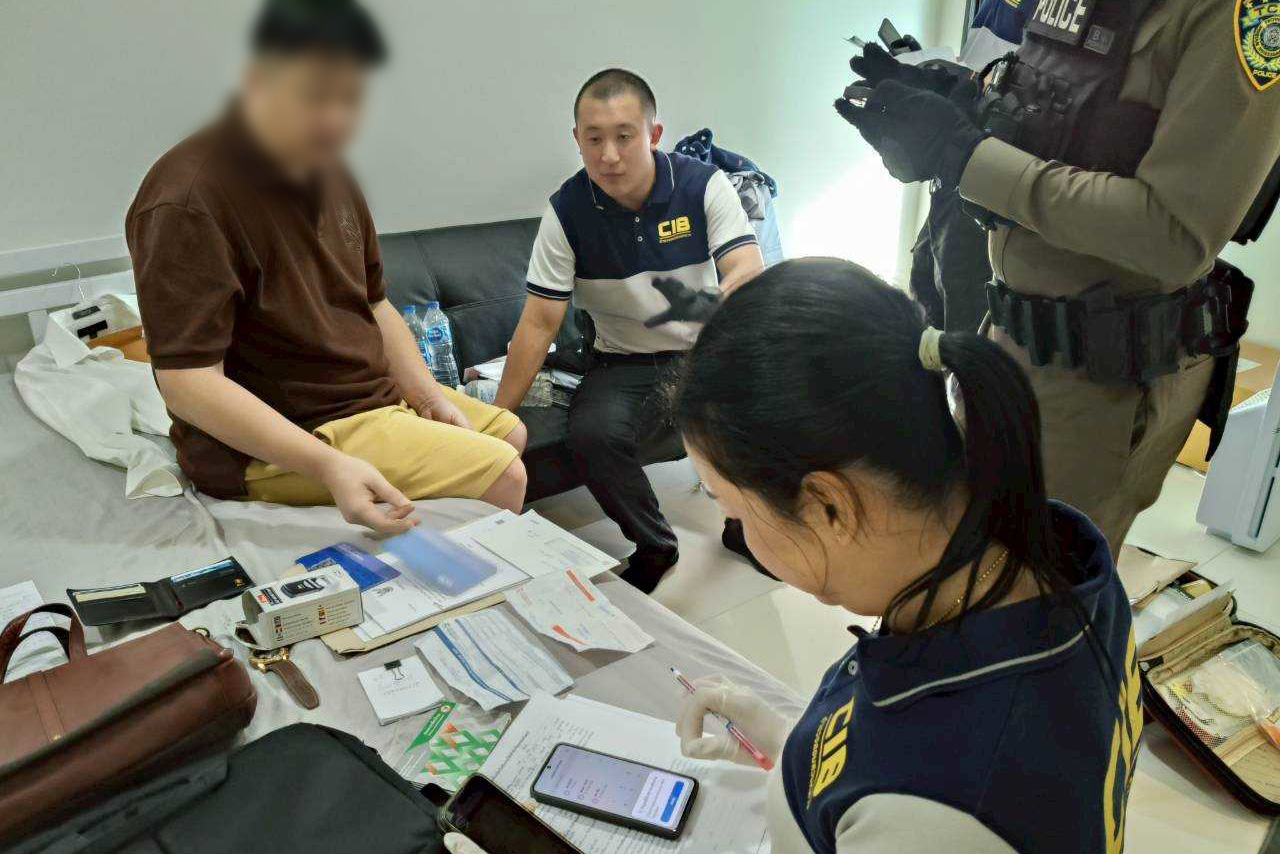
Authorities apprehend Thai female suspect linked to fake trading platform operated with Chinese ex-้ีhusband, September 10ม 2025.

BANGKOK — Thai authorities have broken up a massive investment fraud ring led by a Chinese businessman and his Thai ex-wife, uncovering a scam that bilked victims out of more than 654 million baht ($20.5 million) through fake stock trading websites.

Coordinated Raids Net Major Players

Technology Crime Suppression Division (TCSD) Commissioner Lt. Gen. Athip Pongsiwala announced the arrests following simultaneous raids across Bangkok, Nonthaburi, Pathum Thani, and Chiang Mai on September 11.

Police arrested Wang, a 40-year-old Chinese national running the operation, alongside his 33-year-old Thai ex-wife Rinyaphat and 13 other suspects. One additional accomplice already in prison was also charged.

The suspects face multiple charges including public fraud, identity theft, computer crimes, money laundering, and illegal gambling operations.

99fake2
Cyber police apprehend Mr. Wang during evidence collection at his premises on September 10, 2025.

$660,000 in Assets Seized

The raids netted assets worth over 21 million baht ($660,000), including nine luxury cars, designer handbags and jewelry, cash in multiple currencies, dozens of phones and electronic devices, and more than 100 bank accounts and ATM cards.

How the Scam Worked

The sophisticated operation began with Facebook ads promoting investment opportunities on fake trading platforms called FINNIXMAX and CGS International. Interested victims were invited to LINE chat groups populated with over 100 fake accounts masquerading as successful traders and financial advisors.

“Victims could initially withdraw small amounts to build trust,” Lt. Gen. Athip explained. “But once they invested larger sums, the money disappeared and contact with the group vanished.”

The scammers even impersonated well-known investment personalities to boost credibility.

99fake3
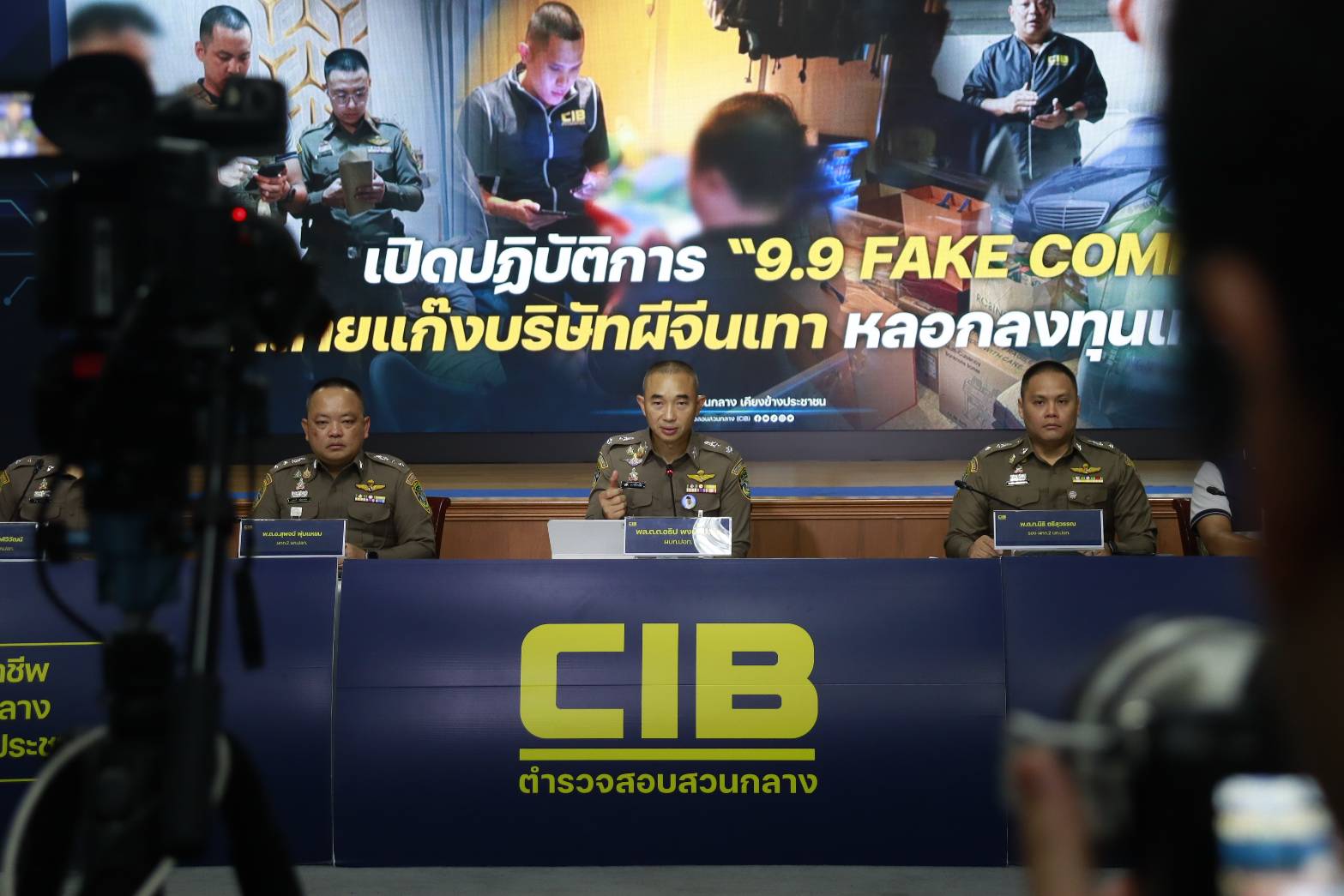
Lt. Gen. Athip Pongsiwala, head of Technology Crime Suppression Division, presents findings from “Operation 9.9 Fake Company” on September 11, 2025.

Criminal Enterprise with Clear Hierarchy

The network operated like a corporation with specialized divisions:

  • Account teams procured corporate bank accounts to receive victim funds.
  • Cash runners withdrew money within minutes of deposits and delivered it up the chain.
  • Translators coordinated with Chinese masterminds behind the scenes.
  • Money launderers converted cash to cryptocurrency for overseas transfer.

Workers earned either a percentage of withdrawals or flat fees ranging from 1,000 to 10,000 baht ($31-310) per job.

Police linked the network to 265 separate fraud cases across Thailand.

The total damage of 654 million baht ($20.5 million) makes this one of the largest online investment scams ever uncovered in the country.

Split-Second Money Transfers

Investigators revealed the group’s precise timing methods. Account holders would wait at shopping malls or coffee shops while victims made bank transfers. The moment money hit accounts, it was withdrawn within two minutes and passed along for cryptocurrency conversion.

“They evolved to use corporate accounts instead of personal ones,” said TCSD Deputy Commander Col. Suphot Pumyaem. “This made them harder to trace and appeared more legitimate to victims.”

The criminals purchased dormant company accounts or bought existing businesses and changed the authorized signatories to their own members.

During questioning, Wang and Rinyaphat denied the charges but admitted to collecting cash on instructions from another Chinese national. Several Thai suspects confessed to their roles in money withdrawals and transfers.

_____

Advertisement

CP Foods Expands Low-Carbon Product Portfolio

Key Highlights

  • 64 new CP Foods products certified with carbon labels, covering fresh eggs, processed eggs, and ready-to-eat foods.
  • Total certified products now reach 951 products received Carbon Footprint label, 120 products labeled Global Warming Reduction, 2 products certified Carbon Neutral, and 2 items certified Net-Zero Products.
  • Certifications by Thailand Greenhouse Gas Management Organization (TGO) reinforce CP Foods’ Net-Zero 2050 commitment.

Charoen Pokphand Foods Public Company Limited (CP Foods) is strengthening its commitment to Net-Zero emissions across the entire value chain by 2050 through the development of climate-responsible food products. With a focus on health and environmental sustainability, CP Foods integrates innovation, renewable energy, and eco-friendly packaging to reduce carbon emissions from farm to fork.

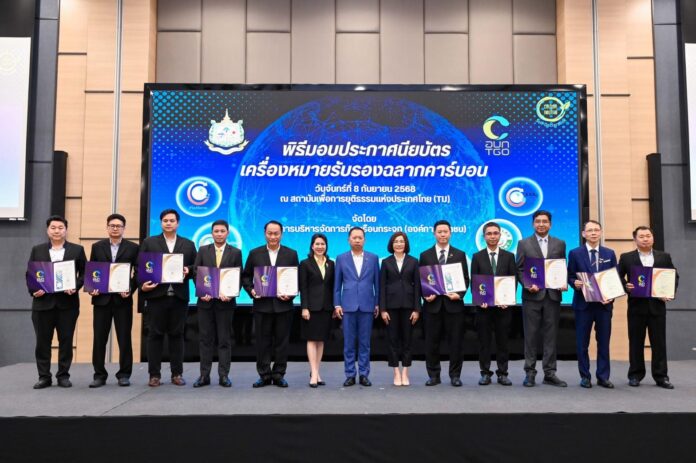
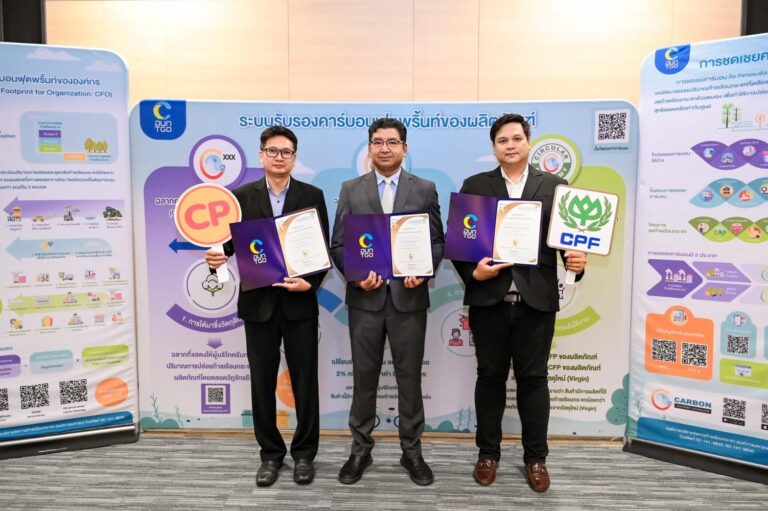
The Thailand Greenhouse Gas Management Organization (TGO) has recently presented 64 products with carbon footprint labels and global warming reduction labels, including a full range of egg products such as Benja Omega-3 Eggs, Vitamin E Eggs, DHA Eggs, and Pullet Eggs. These were developed through low-carbon feed sourcing, enhanced grading systems, and sustainable waste management aligned with the Zero Waste to Landfill approach—for example, repurposing eggshells as agricultural soil conditioners for local farmers.

Products newly certified with Carbon Footprint and Global Warming Reduction labels include spicy chicken burgers, double cheese chicken burgers, boiled eggs, soft-boiled eggs, lava eggs, onsen eggs, peeled boiled eggs, herbal eggs, sausages, Bologna, smoked chicken breast, seafood dipping sauce, and chicken dipping sauce.

image2 8

As of today, CP Foods has accumulated 951 products certified with Carbon Footprint labels, 120 products certified with “Global Warming Reduction” labels, two products of Cage Free eggs certified as Carbon Neutral, and two products achieving the Net-Zero Product label. The products were certified by

All products reflect CP Foods’ holistic approach to carbon reduction throughout the production process—sourcing environmentally conscious ingredients and applying high-efficiency, low-emission technologies—contributing to a healthier planet and better food for all.

Advertisement

Suspicious Gold Exports to Cambodia May Be Fueling Thai Baht’s Strength

BANGKOK — Thailand’s business leaders are raising alarms over irregular gold exports to Cambodia that may be artificially strengthening the baht and threatening the country’s economic recovery.

Kriengkrai Thiennukul, Chairman of the Federation of Thai Industries, said the Joint Private Sector Committee (JPSC) has discovered unusual patterns in trade data, particularly gold shipments to Cambodia worth tens of billions of baht.

“We noticed that Cambodia is a small country, yet Thailand exports an unusually high volume of gems and jewelry there. When we examined the details, we found it was primarily gold, and the amounts were far higher than historical norms,” Kriengkrai said.

Potential Links to Underground Economy

The JPSC, which includes the Thai Chamber of Commerce, Federation of Thai Industries, and Thai Bankers’ Association, suspects these exports may be contributing to the baht’s strength. The committee plans to meet with the Bank of Thailand, Finance Ministry, and other agencies to investigate.

Kriengkrai Thiennukul
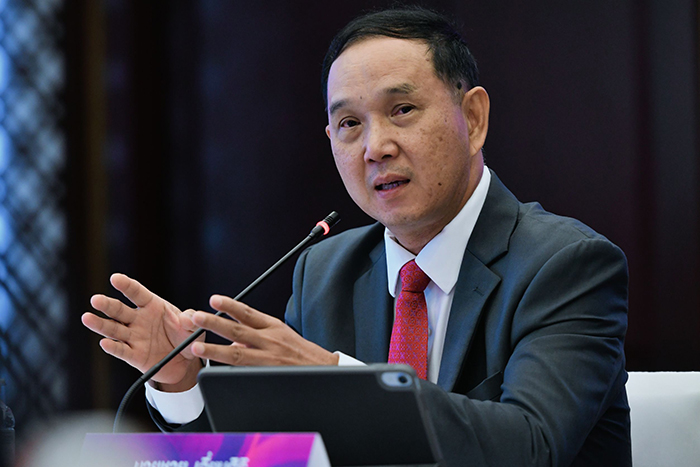
Kriengkrai Thiennukul, Chairman of the Federation of Thai Industries

Kriengkrai noted that the gold exports may involve both legitimate and illegitimate activities, given Cambodia’s reputation as a hub for scam operations. “We need to verify the exact proportions and examine whether this connects to underground businesses,” he said.

Baht Strength Defies Economic Logic

The Thai baht has strengthened to 31.70 per dollar as of September 11, with analysts predicting it could reach 31.50. This appreciation seems counterintuitive given Thailand’s weak economy and recent interest rate cuts by the Monetary Policy Committee.

“The baht’s current strength doesn’t reflect our economic reality. With poor purchasing power and weak domestic conditions, the currency should typically be weaker,” Kriengkrai explained.

Since mid-year, the baht has appreciated over 7%, making it the region’s second-strongest performer after Taiwan’s currency.

14335765111433576620l
A file photo shows cash (L-R) 100, 500 and 1000 Thai baht from an ATM machine in Bangkok, Thailand. EPA/NARONG SANGNAK

Double Hit for Exporters and Tourism

The currency strength creates additional challenges for Thai businesses already struggling with 19% US import tariffs. More concerning is the potential impact on tourism, a key sector Thailand hopes to revive in the second half of the year.

“If the baht remains strong, tourists considering Thailand might choose cheaper alternatives like Vietnam or Japan instead,” Kriengkrai warned.

The investigation into Cambodia’s gold trade highlights how illicit financial flows could undermine Thailand’s broader economic recovery efforts, affecting everything from manufacturing exports to tourist arrivals.

___________

Advertisement

“Chip in with Taiwan” for Global Peace and Prosperity

Lin Chia-lung Minister of Foreign Affairs Republic of China (Taiwan)

“Chip in with Taiwan” for Global Peace and Prosperity

Lin Chia-lung
Minister of Foreign Affairs Republic of China (Taiwan)


Today, the world faces mounting uncertainties and challenges, Democracies must unite to bolster resilience and safeguard our cherished values and way of life.

Taiwan is a key player and an indispensable partner in the Indo-Pacific region, working toward global peace, stability, and prosperity. It stands on the front line of the Indo-Pacific’s first island chain, defending democracy and freedom from authoritarian expansionism. Taiwan also contributes significantly to stability and prosperity through its robust economy and semiconductor ecosystem.

As the 21st-largest economy, Taiwan leads in artificial intelligence and semiconductors—producing over 60 percent of the world’s chips and 90 percent of its most advanced ones. This economic strength fuels global growth and makes Taiwan an indispensable partner for global development in various fields.

Taiwan is determined to defend democratic values, both at home and abroad. President Lai Ching-te launched the Four Pillars of Peace action plan last year, which commits to raising Taiwan’s defense spending and boosting whole-of-society resilience.

In addition, the Ministry of Foreign Affairs adopted an “Integrated Diplomacy” to leverage Taiwan’s diplomatic, defense, technological, and economic strengths. With this smart power approach, Taiwan is navigating complex international relations, enhancing its global presence, and contributing to a more stable and prosperous world.

Through the global democratic values chain, Taiwan strengthens partnership with democracies facing uncertain geopolitical risks to resist authoritarian influence, promote human rights, advance digital governance, and uphold the rules-based international order. Taiwan’s resilience in the face of authoritarian threats proves that democracy can endure and thrive under pressure.

As a thriving economic powerhouse, Taiwan leads in semiconductor production and advanced technologies. Its economic strengths fuel innovation and growth in sectors of AI, digitalization and healthcare. To reinforce this position, Taiwan has launched an economic diplomacy strategy focused on non-red supply chains, aiming to build trusted and transparent networks that safeguard critical industries from authoritarian interference.

Taiwan also actively advances the Diplomatic Allies Prosperity Project, harnessing public-private collaboration to consolidate government resources and leverage Taiwan’s industrial strengths to promote mutually beneficial development.

Initiatives include collaborating with Paraguay to develop an integrated hospital information system (HIS) to enhance nationwide medical information management; partnering with Eswatini on an oil reserve facility project to strengthen energy security and stimulate local industry; and assisting Palau in becoming a smart and sustainable island nation to exemplify Taiwan’s commitment to sustainable international cooperation.

Regrettably, despite Taiwan’s significant global contributions, it remains largely unrecognized by the international community and is unable to participate in the United Nations system.

However, UNGA Resolution 2758 does not mention Taiwan at all—it merely addresses China’s representation in the United Nations. The resolution does not state that Taiwan is part of the People’s Republic of China (PRC), nor does it grant the PRC the right to represent Taiwan in the UN system. Nevertheless, the United Nations has yielded to China’s political pressure, using the resolution as a pretext to exclude Taiwan from the international community.

In response, Taiwan is speaking out against this injustice and garnering ever-more support. As international backing for Taiwan grows, countries worldwide are increasingly emphasizing the importance of peace and stability across the Taiwan Strait at bilateral and multilateral forums such as the Group of Seven (G7) summit. And the executive and legislative branches of numerous nations have publicly clarified that UNGA Resolution 2758 neither determines Taiwan’s status nor precludes its participation in the international organizations, including the UN system.

As the United Nations celebrates its 80th anniversary—and with only five years remaining to realize the Sustainable Development Goals (SDGs)—it is time for it to fulfill its vision of “leaving no one behind” and becoming “better together’’ by including Taiwan.

Taiwan invites the world to “chip in” and help by recognizing Taiwan’s rightful place on the world stage and embracing the contributions it has to offer. Only by working together can we create a better and brighter future for the Indo-Pacific region and the world.

______

Advertisement

Thailand-Cambodia Agree to Clear Landmines, Ease Checkpoints

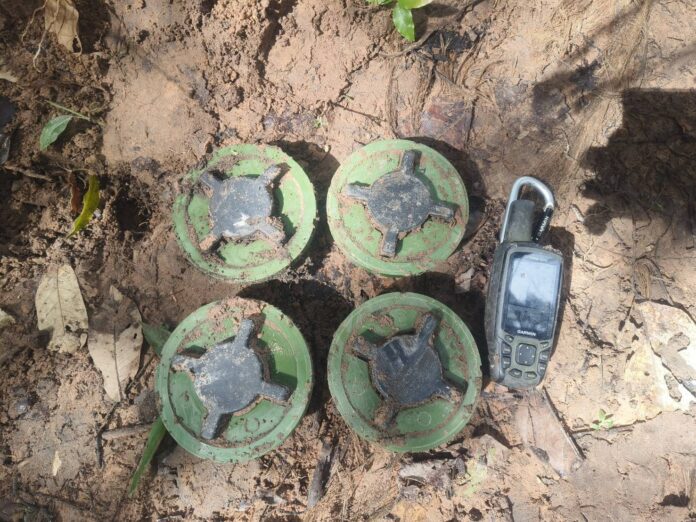
The Royal Thai Army releases images of landmines cleared by engineers from the 2nd Army Region in suspected areas along the Thai-Cambodia border on July 20, 2025, following the injury of three Thai soldiers who stepped on landmines on July 16.

TRATThailand and Cambodia reached a landmark agreement Wednesday to jointly clear dangerous landmines along their shared border and gradually reopen key trade checkpoints, marking the most significant step toward normalizing relations since tensions escalated over territorial disputes last month.

The breakthrough came during a special meeting of the General Border Committee (GBC), where both sides committed to five major initiatives aimed at ending weeks of tension that had disrupted trade and raised security concerns.

Immediate Actions Planned

The most urgent measures involve removing heavy weapons from the border zone and launching a coordinated effort to clear landmines that pose ongoing dangers to civilians. Joint teams will begin identifying clearance sites within weeks, with pilot operations starting within a month.

Both countries also agreed to tackle the growing problem of online fraud operations, with Thailand handing over locations of more than 60 scam centers operating on Cambodian soil. Police chiefs from both sides will meet September 16th in Sa Kaeo to plan joint raids.

thai cambodia 1
Thai Deputy Defence Minister Nattapon Nakpanich and Cambodian Defence Minister Tea Seiha co-chair the 1st Special Session of the General Border Committee (GBC) between Thailand and Cambodia in Koh Kong Province, Cambodia, on Sept. 10, 2025.

Three-Zone Approach

Thai security officials outlined a new border management strategy dividing the frontier into three zones based on threat levels. The most volatile areas spanning four northeastern provinces (Ubon Ratchathani, Sisaket, Surin, Buriram) will maintain heightened security, while the eastern provinces of Chanthaburi and Trat will see relaxed restrictions allowing limited trade to resume.

The disputed village of Baan Nong Chan in Sa Kaeo province will serve as a test case for resolving territorial disagreements through diplomatic channels rather than military confrontation.

Economic Pressure Mounts

General Natthapol Nakpanit, who led Thailand’s delegation, revealed that third countries had pressed both sides to reopen trade routes, citing economic disruption from the border closure. He specifically mentioned Thai-funded factories in Cambodia employing over 30,000 workers that have been unable to receive equipment and supplies.

“Thailand and Cambodia cannot run away from each other,” General Natthapol said. “We must solve problems peacefully to bring peace back to the border area.”

The next round of talks will be held in Thailand within 30 days to monitor progress on the agreements.

___________

Advertisement

Chinese Tourists Lost Off Koh Larn: Man Rescued, Woman Found Dead

Pattaya officials on jet skis search for the Chinese female tourist who fell from the jet ski, until her body was found later between Koh Nok (Bird Island) and Koh Sichang, September 10, 2025.

PATTAYA — Thai authorities rescued one of two Chinese tourists who went missing while jet skiing off Koh Larn, but the other has died.

The incident began when Mr. Ma, 33, and Miss Yang, 28, rented jet skis from “Mr. Jazz 1” service near Tawaen Beach on Koh Larn in Bang Lamung district, Chonburi province. The couple failed to return at the scheduled time on September 9, prompting immediate search operations.

Nighttime Rescue Operation

Pattaya police received the report at approximately 2:30 p.m. on September 9 from Chamnan Srithong, 45, owner of the jet ski rental service. The Chinese tourists had been staying on Koh Larn before deciding to rent jet skis for an afternoon ride that turned into a maritime emergency.

jet ski fatal2
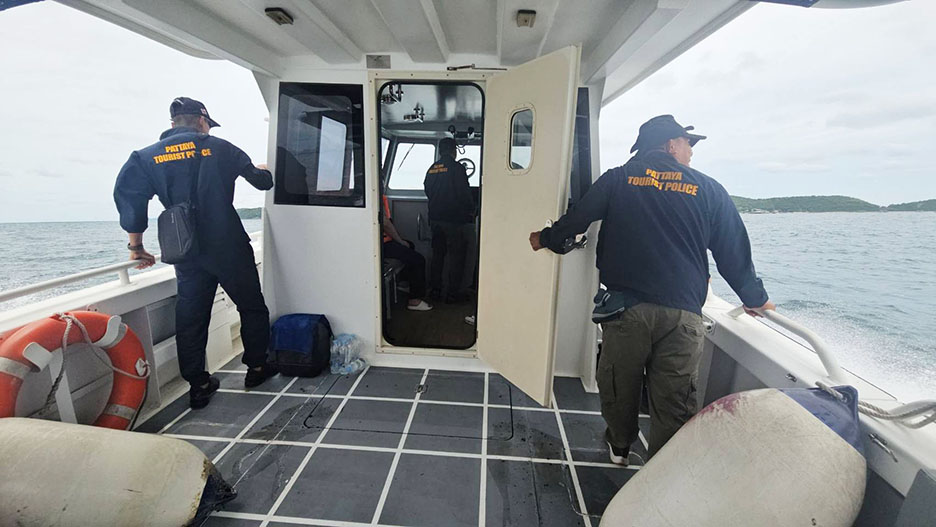
Pattaya tourist police escort the Chinese male tourist by boat from Koh Larn to the accident site where the jet ski crashed, during the search for his missing girlfriend, September 10, 2025.

Multiple agencies launched an immediate search operation, including Pattaya Police, Koh Larn Police Station, marine rescue teams, tourist police, and marine police. The search continued throughout the night until 2:30 a.m. on September 10, when rescue teams successfully located and rescued Mr. Ma safely. He was taken to Pattaya Tourist Police Station for assistance.

Woman’s Body Found

At 12:00 p.m. on September 10, Pattaya marine rescue teams confirmed they had found Miss Yang’s body in the shipping channel between Koh Nok (Bird Island) and Koh Sichang, approximately one nautical mile (1.8 km) north of Koh Nok. Authorities transported the body to Koh Loy in Sri Racha district for preliminary autopsy examination, confirming the deceased was Miss Yang.

jet ski fatal3
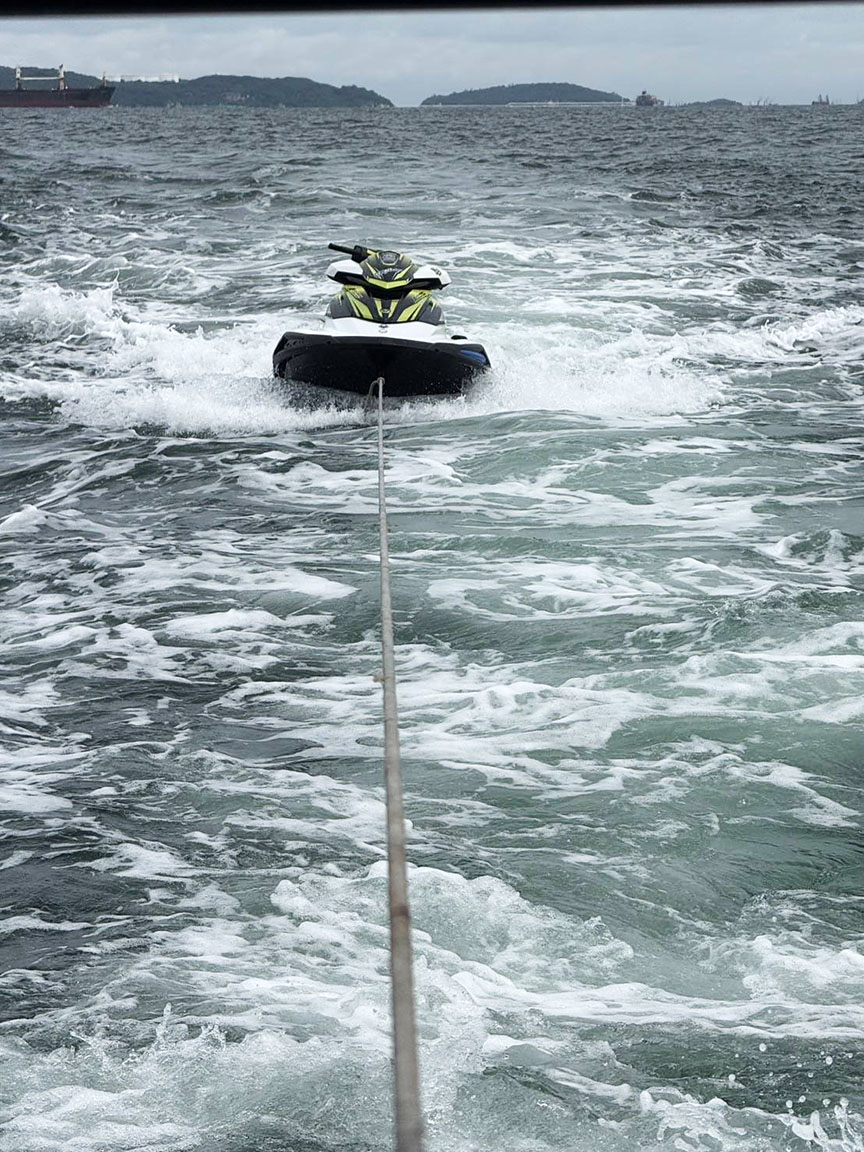
The jet ski ridden by the Chinese tourist couple is towed back to shore at Koh Larn, before the female tourist’s body was found later, September 10, 2025.

Rental Details Revealed

The jet ski rental operator provided additional details about the incident. The Chinese couple had rented a single jet ski for 30 minutes of recreational riding. After departing, they were seen circling near Tawaen Beach for about five minutes before disappearing from view. When the couple failed to return the jet ski at the scheduled time, the operator launched his own search before alerting police and Pattaya marine rescue teams.

The rental operator confirmed this type of incident had never occurred before. Most customers typically ride around Koh Larn before returning the jet ski on time as scheduled.

Investigation Ongoing

Police have not yet confirmed the exact cause of the accident. Mr. Ma has not provided clear details, stating only that they encountered strong winds that caused them to fall from the jet ski and were unable to swim back to shore. The investigation into the circumstances surrounding the fatal accident continues.

___________

Advertisement

Man Sentenced to 7 Years of Hard Labor for Criticizing Myanmar’s Election Plan

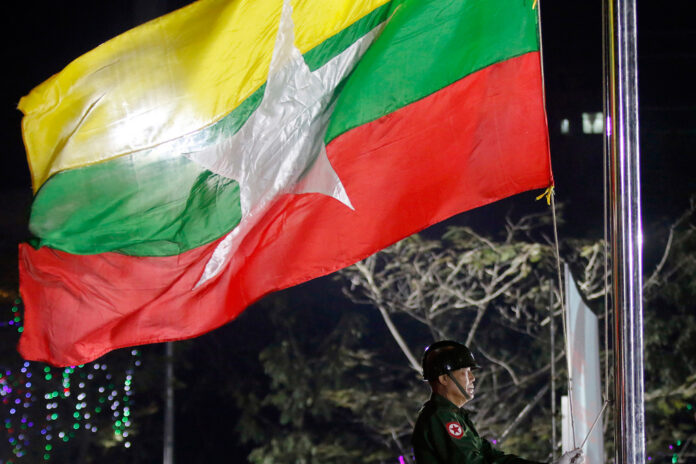
FILE - A Myanmar military soldier hoists a national flag during a ceremony to mark the 69th anniversary of Independence Day in Yangon, Myanmar on Jan. 4, 2017. (AP Photo, File)

BANGKOK (AP) — A man has been sentenced to seven years of hard labor in military-run Myanmar for criticizing the government’s plans to hold elections in December, state-run media reported Wednesday.

It’s the first known conviction under the new election law targeting anyone who opposes or disrupts the elections.

In the Aug. 25 Facebook post, which has since been taken down, Nay Thway posted surveillance video of a robbery and criticized the military government for prioritizing the election plan over ensuring public safety.

Nay Thway, 36, was sentenced in a Taunggyi township court in eastern Shan state to the maximum for the offense of attempting to undermine the elections, according to the Myanma Alinn newspaper. Other offenses under the new law carry sentences up to the death penalty.

It was not immediately clear if he would appeal, and no information was given about who might have represented him in court.

The military seized power from the democratically elected government of Aung San Suu Kyi in 2021, which triggered widespread popular opposition that has grown into a civil war.

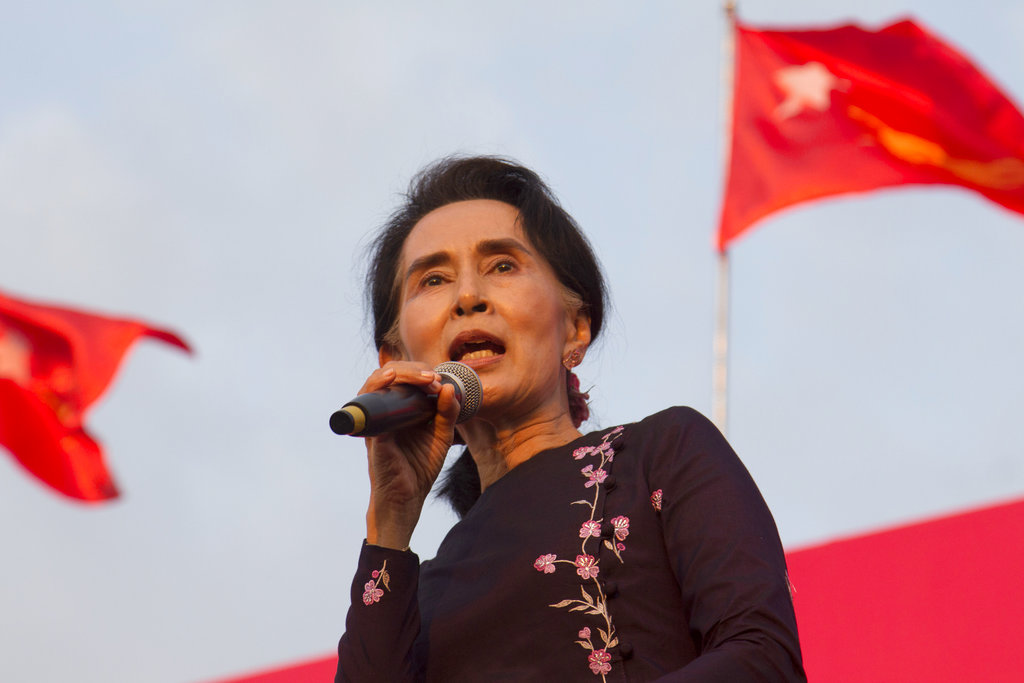
Myanmar opposition leader Aung San Suu Kyi speaks in 2015 during an election campaign rally of her National League for Democracy party for upcoming general election in Yangon, Myanmar. Photo: Khin Maung Win / Associated Press

Critics have denounced the election plan as a sham to normalize the military takeover, and several opposition organizations, including armed resistance groups, have said they will try to derail them.

About 60 parties, including the military-backed Union Solidarity and Development Party, have registered to run in the elections that would start Dec. 28, according to the Union Election Commission. The commission said Tuesday it had revoked registration and dissolved four political parties for failing to meet the required number of party members and party office.

Suu Kyi’s National League for Democracy party was dissolved in 2023.

Suu Kyi, 80, is serving prison sentences totaling 27 years after being convicted in a series of politically tainted prosecutions brought by the military.

The main opposition National Unity Government, established by elected lawmakers who were barred from taking the seats they won before the 2021 takeover, has said Suu Kyi is in ailing health but the military has denied that, saying she is in good condition.

___________

Advertisement

Thai Airways Drops First Class, Focuses on Premium Business

Thai Airways
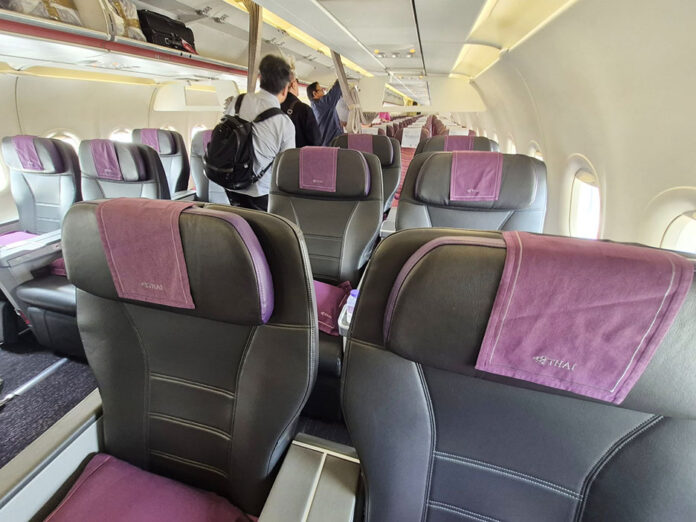
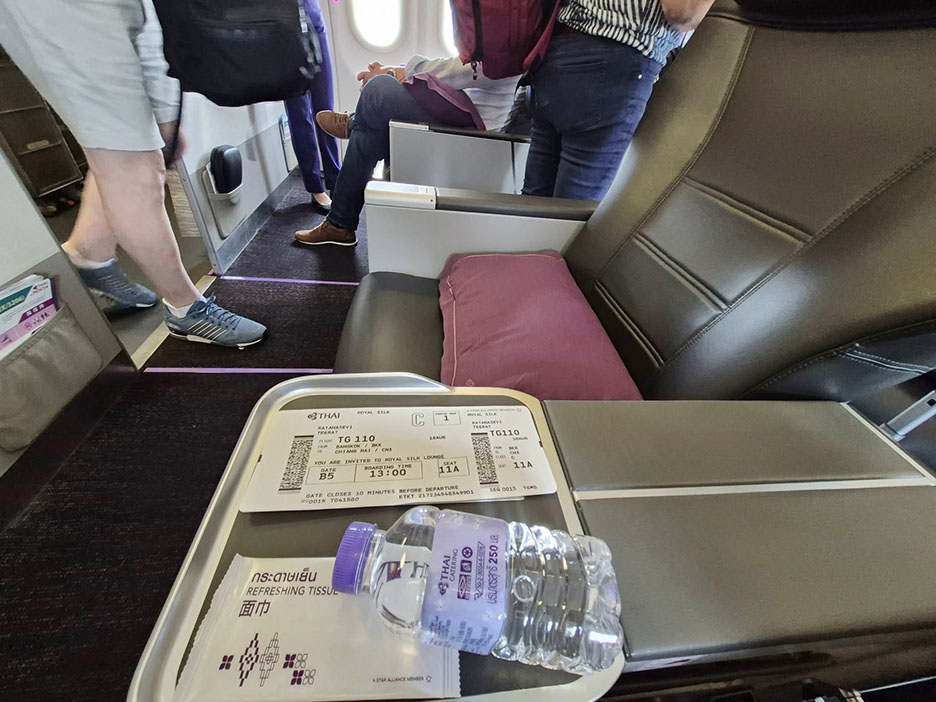
Thai Airways Royal Silk Class domestic seating. (Photo: Teerat Ratanasevi)

BANGKOK — Thai Airways will eliminate First Class within two to three years as part of a major strategy to improve its premium travel experience and regain market share. The airline will discontinue First Class on all routes and instead upgrade its Business Class offering to a more luxurious level.

CEO Chai Eamsiri told Prachachat that the airline plans to improve the flying experience in all cabin classes by investing in aircraft modernization to increase efficiency and global competitiveness. The strategy focuses on strengthening Thai Airways’ position at Suvarnabhumi Airport, its home base, with the goal of steadily increasing market share.

Scrapping First Class Follows Global Trend

Now that Thai Airways has regained financial strength, exited its reorganization plan and successfully returned to the Thai Stock Exchange, improving in-flight service standards has become a key priority. This includes upgrading seats, meals and in-flight entertainment to provide a better traveling experience for passengers worldwide.

Chai Eamsiri
Thai Airways CEO Chai Eamsiri

As part of the restructuring plan, the airline will standardize its cabin configuration into three classes: Business Class, Premium Economy and Economy. First Class—the most exclusive service featuring spacious lie-flat seats, fine dining and premium amenities—will be discontinued in line with global aviation trends.

“Major international airlines have already abolished First Class and left Business Class as the top tier,” said Chai, citing American Airlines, Turkish Airlines, Oman Air, Air New Zealand and Malaysia Airlines as examples. Thai Airways has already gradually reduced First Class service and now only offers it on two to three routes, including Bangkok-London and Bangkok-Narita.

For travelers seeking more comfort than standard Business Class, Thai Airways will introduce upgraded premium seats in the front rows of each Business cabin, offering additional choice without the premium First Class pricing.

Fleet Modernization Drives Regional Competitiveness

Supporting this strategy, Thai Airways has begun converting its 20 Airbus A320 narrow-body aircraft from economy-only to a two-class configuration. The cabins now feature Royal Silk Class with 12 seats that adjust up to eight centimeters for greater comfort, plus 144 Economy Class seats. Wireless in-flight entertainment systems have also been installed, with the complete refit scheduled for completion by 2025.

thai airways 2025 4
In-Flight Entertainment aboard Boeing 777-300ER on Bangkok-Frankfurt flight (Photo: Teerat Ratanasevi)

The airline will take delivery of two new Airbus A321neo aircraft this year, followed by 15 more in 2026. These 17 A321neo aircraft will anchor the fleet modernization strategy, designed specifically for premium passengers with lie-flat Business Class seats offering enhanced privacy and better aisle access.

“We see aircraft themselves as mass products. The real competition lies in in-flight service—seats, entertainment, food and crew service,” said CEO Chai. “The arrival of the A321neo and refurbished A320 represents a crucial step in strengthening Thai Airways’ competitiveness on regional routes.”

Comprehensive Long-Haul Upgrades Planned

Building on the regional fleet improvements, Thai Airways will refurbish 14 Boeing 777-300ERs over the next two years, installing new business class suites with private doors, plus redesigned premium economy and economy seats. The fleet of 20 Airbus A350s will receive cabin upgrades starting in 2028 to deliver a premium long-haul travel experience.

Additionally, the airline plans to take delivery of 45 Boeing 787 Dreamliners, with the first nine arriving in 2028. None of these new aircraft will feature First Class cabins, instead following the standardized three-class configuration.

“This seat upgrade plan ensures all Thai Airways aircraft offer consistent, standardized products across the fleet,” Chai explained.

thai airways 2025 3
Thai Airways Royal Silk Class domestic seating. (Photo: Teerat Ratanasevi)

Ambitious Growth Targets Set

Thai Airways plans to expand its fleet from the current 78 aircraft (58 wide-body, 20 narrow-body) to 150 aircraft by 2033, comprising 98 wide-body and 52 narrow-body aircraft. The planned fleet mix includes 15 Boeing 777-300ERs, 17 Airbus A350s, 66 Boeing 787 Dreamliners and 52 Airbus A320/A321neos.

To support long-haul operations in 2027-2028, the airline is also considering leasing 8-10 additional wide-body aircraft for six years, subject to board approval.

The company targets capturing 35% market share at Suvarnabhumi Airport by 2029, eventually aiming to return to approximately 42%—similar to its 2013 peak when it operated 100 aircraft.

thai airways 2025 1
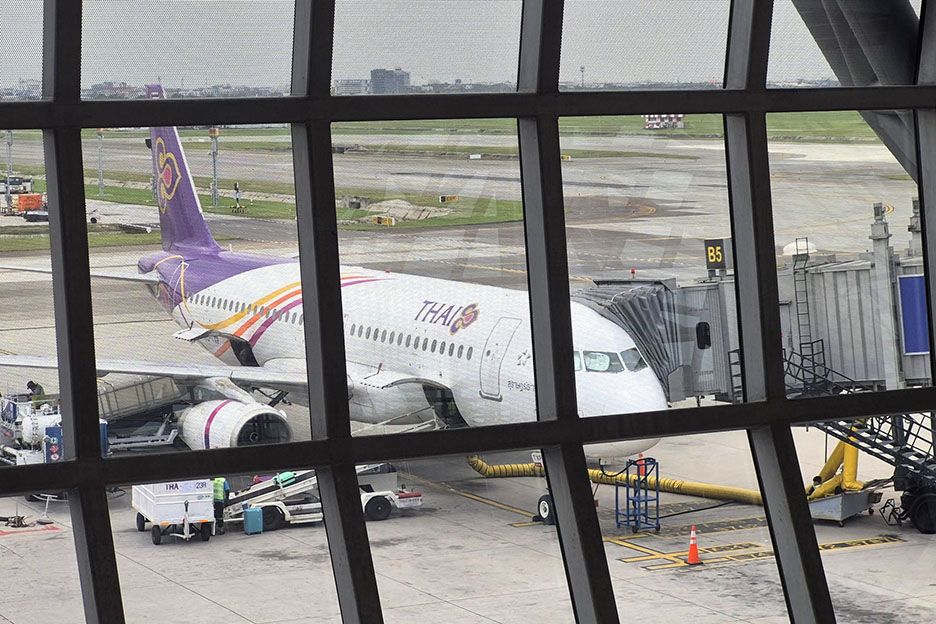
Thai Airways aircraft parkห at Suvarnabhumi Airport. (Photo: Teerat Ratanasevi)

Business Class Quality Matches First Class Standards

Chief Commercial Officer Kittipong Sarasombat noted that Thai Airways has already reduced First Class capacity after retiring its Airbus A380s and Boeing 747-400s during the COVID-19 crisis. Today, First Class operates only on three Boeing 777s serving routes like Bangkok-London and Bangkok-Narita. This service will be phased out as part of the fleet standardization plan.

The next generation Business Class will deliver comfort equal to or exceeding current First Class standards, thanks to advances in design and seat manufacturing technology. Premium seats in Business Class front rows will offer an upscale experience without the extremely high First Class pricing.

This strategic shift allows Thai Airways to improve profitability, as modern Business Class products have reduced demand for traditional First Class service, positioning the airline for stronger competition in the evolving premium travel market.

_____________

Advertisement

Hot News

LATEST NEWS

Bangkok
overcast clouds
27.7 ° C
27.7 °
27.7 °
80 %
1.2kmh
100 %
Sun
30 °
Mon
36 °
Tue
37 °
Wed
37 °
Thu
36 °