During this ongoing Thai-Cambodian conflict, some Thai journalists and the media outlets have faced considerable criticism. Some individuals and outlets were accused of becoming a mouthpiece for the Thai state, failing to verify information provided by the government and the military. They were often seen as presenting a one-sided perspective, or even acting as cheerleaders for the war.
They fanned the flames of both true and false news, which created a blanket hatred towards the Cambodian people and escalated the conflict from a state-to-state issue to one between the two nations’ people.
Why did a significant portion of the Thai media become like this?
Did these outlets love their country so much that their ultranationalist sentiments became excessive?
Or did they know that pandering to a lowbrow market would sell well and be the most gratifying? Perhaps they saw themselves as a mechanism of the Thai army and state, operating under the logic that, “If you don’t love your own country, which country will you love? Cambodia?”
The problem is that these individuals, including a number of well-known and influential journalists, effectively abandoned their journalistic role and voluntarily transformed themselves into a de facto mouthpiece for the state, particularly the military. Instead of providing a reality check and balance to society, they played a role in making society even more frantic. This happened despite the fact that the state already had its own state-owned and army-run propaganda media outlets.
Instead of scrutinizing those in power in both Thailand and Cambodia, presenting different sides of the story, raise the uneasy and complex reality which is sometimes contradictory, and fact-checking news as much as possible—and clearly stating when they couldn’t independently verify the information—they chose to abandon their duty as journalists.
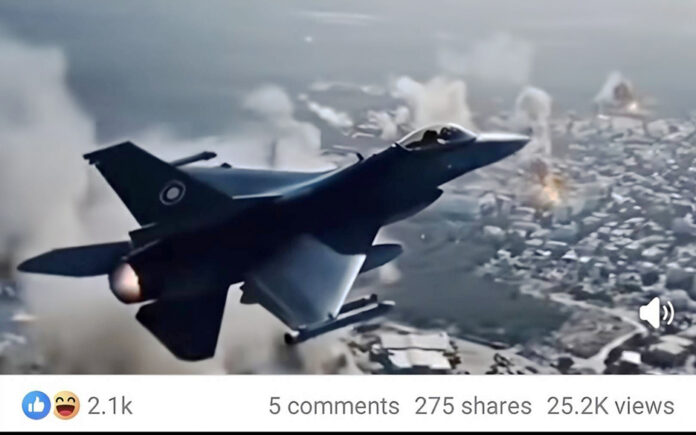
Many chose to be cheerleaders for the war and conflict rather than offering a peaceful solution to reduce losses and destructiins on both sides. For example, not long before the war, a famous military-beat journalist, Ms Wassana Nanuam, shared an AI-generated video clip that imagined the Royal Thai Air Force bombing Phnom Penh. (Yesterday, Ms Vassana also shared a fake news clip about “Cambodian soldiers flying survey drone into Thailand” and upon being exposed, she said she got it from the Thai Army and didn’t think it was fake news, and that another famous Thai journalist also shared it.)
Instead of acting as a mirror reflecting complex and contradictory truths, and a lamp shedding light on society to help people think and find solutions out of darkness in a state where many were blinded by excessive ultranationalism, they did the opposite.
In summary, some Thai media outlets that quietly volunteered to be the Thai state’s mouthpiece during the undeclared war were so confident that their own country was the protagonist and on the right side of history so that they didn’t bother to verify or weigh conflicting information from the Thai and Cambodian governments. They failed to investigate crucial details, such as:
- Who started the war?
- Who violated the ceasefire agreement?
- What fake news was being spread?
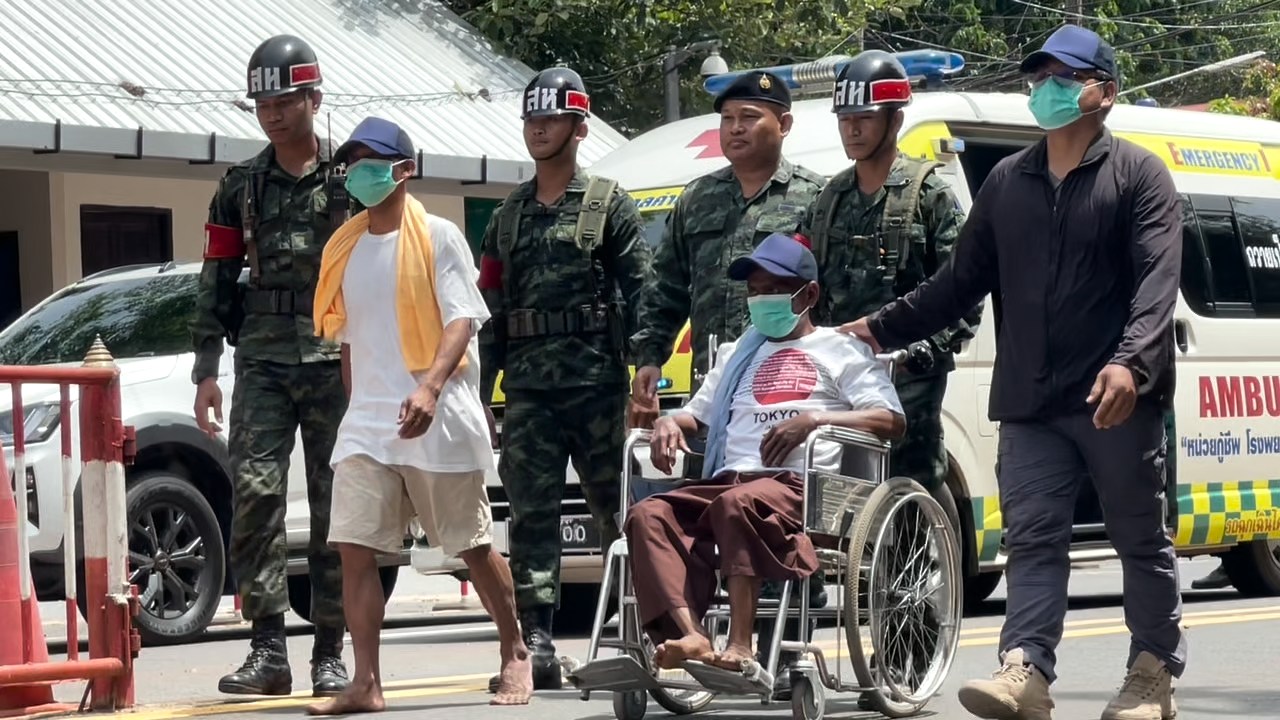
- Were 20 Cambodian soldiers “captured” after the ceasefire took effect or did these soldiers “surrender” as the Thai state claimed, before the ceasefire. Or were they “abducted” as the
Cambodian state alleged?
If they really cannot independently prove, one way or the other, it is expected that they should point these out. Alas, it’s appear that it’s really not something they are concerned about.
_____