
































28.3 C
Bangkok
Sunday, June 21, 2026
Home Blog Page 44

Why Thailand Must Oppose Religious Mobs, Whether Islamic or Buddhist

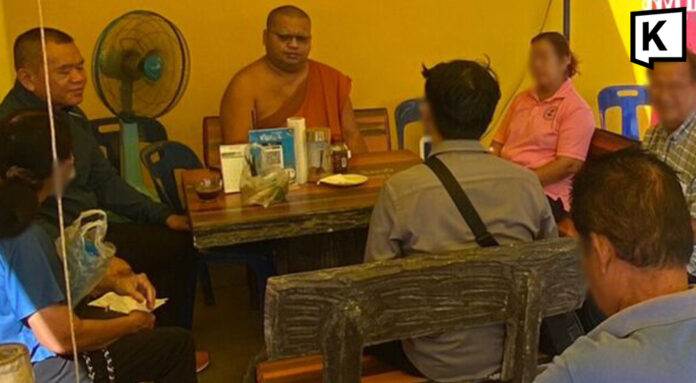
In scenes in Bangkok that might have resembled the Taliban’s Kabul or cities from conservative Islamic states in the Middle East, an angry mob of about 1,000 Thai Muslims gathered outside a tea shop in Bangkok’s Ramkhamhaeng area on Sunday, paralysing the street as they searched for a Muslim trans woman, known as ‘Madam Lor’, or Abdulloh, who was accused of mocking the Koran on social media.

Despite police presence on the scene, the mob shaved the head of Abdulloh, who had criticised and mocked the Koran, as public punishment. Some of those present chanted “Allahu Akbar!” (“God is great”), while insisting that she was not being “coerced” but had repented and accepted the punishment voluntarily.

A police officer attempting to mediate stood by as the extrajudicial punishment was carried out.

Thailand is a country in which Muslims make up less than 5 per cent of the population of 67 million — around three million people. Yet the mob appeared determined to impose its own religious law, although the majority of Thais are Buddhist and Thailand is not a religious state.

The mob must be condemned for its vigilante-style intimidation and extrajudicial punishment of Abdulloh. Thailand is governed by law, not mob rule. If there was an insult to a religious text, legal channels should have been pursued.

The sight of large groups of Thai Muslims gathering to pressure and humiliate someone in such a manner risks deepening fear and mistrust among people of other faiths — and among the non-religious — especially at a time when anti-Muslim sentiment is already rising in parts of Europe and the United Kingdom.

Thai society already has enough divisions. Mob intimidation carried out in the name of religion risks deepening social anxiety and distrust. At the same time, anyone wishing to criticise any religion should do so in a respectful and constructive manner.

I also call on the police to arrest those who may have committed crimes.

By Wednesday evening, a Buddhist volunteer Facebook page amplified the case by arguing that Buddhism is somehow “better”.

What struck me most was the claim that Buddhism does not support war and does not permit the killing of animals, unlike Islam.

Yet in reality, a majority of Thai Buddhists appeared to support the conflict with Cambodia last year, while most also consume meat — including Buddhist monks in Thailand.

Another intriguing aspect of the disturbing incident is that the apparent inconsistency among some self-described progressives seems to stem less from principled commitment than from social calculation and fear. Most remained silent in the face of Sunday’s mob frenzy.

Activist Chotisak Onsoong, one of Thailand’s prominent critics of Islam, called them out in a Facebook post on Wednesday:

“‘Progressive only when convenient’ seems to define how many so-called [Thai] progressives approach matters of faith.

“These people are perfectly willing to mock religions and beliefs — whether Jesus, Siddhartha, the Pope, Buddhist monks, or even the Royal Ploughing oxen. Everything is fair game.

“At the same time, these same people are ready to defend religion from mockery the moment Islam is involved.”

My response to Chotisak was that I believe there are at least two factors at work.

Most Thai Buddhists see Thai Muslims as a minority group and therefore do not wish to make them feel ridiculed or humiliated unnecessarily.

At the same time, many fear aggresive backlash from Muslims, and therefore fear consequences themselves when speaking critically. The angry mob on Sunday only reinforced that perception.

In other words, many are guided not consistently by principle, but by what carries the lowest social cost — what English speakers might call “fair-weather progressives”.

Others say many of the so-called “Thai progressives” are too westernised and wary of appearing to adopt what might be branded as an “Islamophobic” stance, hence the silence.

Chotisak, whose activism years ago included helping lead a movement refusing to stand for the royal anthem in cinemas, later failed to become a party-list MP candidate for the People’s Party. He was later dropped following complaints about his criticisms of Islam. He promptly replied to this writer on Facebook by asking: What about Thai Christians? He argued that there are even fewer Christians in Thailand, yet nothing similar has ever happened.

I told him that perhaps some Thai progressives or liberals perceive Muslims as potentially violent or extreme, and therefore do not wish to provoke unnecessary confrontation by defending the trans individual. The incident itself, however, only reinforced those stereotypes.

Thailand must oppose religious mobs imposing their rules through intimidation or violence, whether Islamic or Buddhist — the former seen here on Sunday, the latter witnessed in Myanmar during violent attacks against the Rohingya Muslim minority.
Advertisement

Chinese man arrested for damaging Suvarnabhumi gate

Chinese man arrested for damaging Suvarnabhumi gate

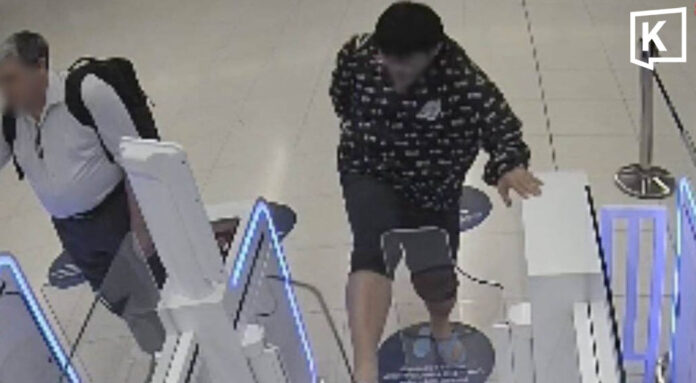
BANGKOK — 14 May 2026, Thai police have charged a Chinese passenger accused of damaging automated passport control gates and verbally abusing immigration officers at Bangkok’s Suvarnabhumi Airport, authorities said.

Police said the incident occurred at about 14:35 on 13 May in the outbound immigration area of Zone 2 at Thailand’s main international airport.

According to immigration police, the man, identified as Zheng, allegedly kicked and damaged two automated passport control gates before forcing his way through the checkpoint without authorisation.

Authorities said the suspect then shouted insults at officers in Chinese, including profanities directed at police, and attempted to physically confront officers while they were on duty. Police said the man’s wife intervened and restrained him before the situation escalated further.

Immigration officers filed complaints accusing the suspect of insulting public officials during the performance of their duties and damaging government property.

Airport officials said the damaged passport control machines sustained severe damage estimated at about 481,500 baht ($13,000), excluding value-added tax.

The suspect was reportedly travelling on Spring Airlines flight 9C7282. Police said investigators were gathering evidence and proceeding with legal action.

Advertisement

CPF NH Foods launches ‘CP Nippon’ premium pork brand

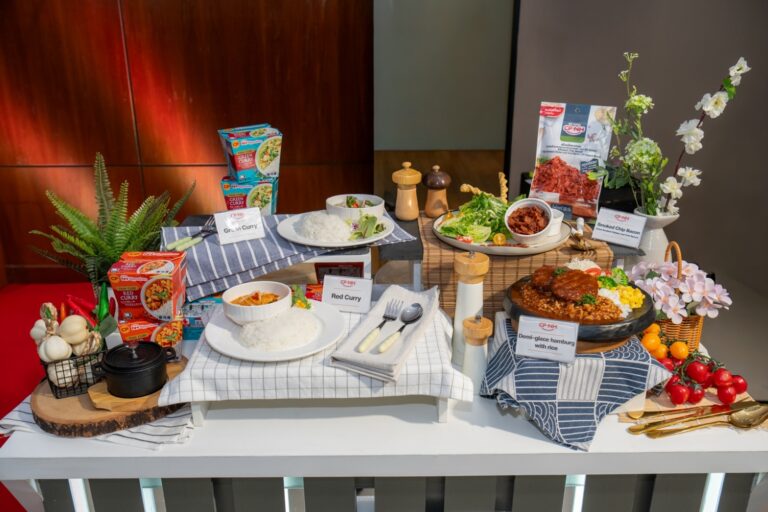
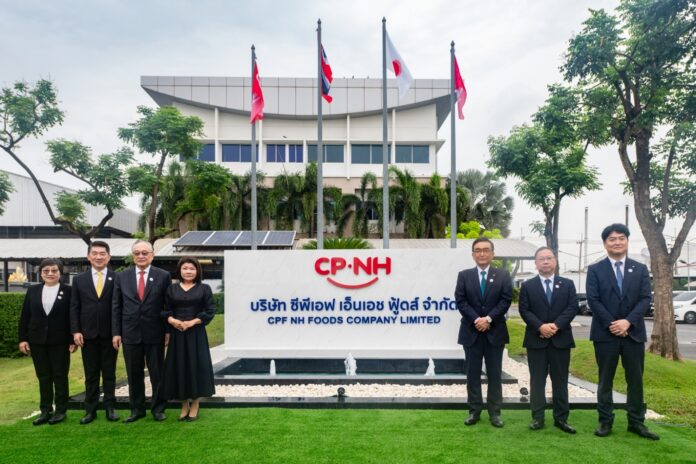
Charoen Pokphand Foods Public Company Limited (CPF) and NH Foods Ltd. today announced that their joint venture, CPF NH Foods Co., Ltd., has officially commenced production at its modern manufacturing facility in Chachoengsao, Thailand, alongside the launch of a new premium brand, CP Nippon.

The start of operations follows the successful establishment of the joint venture in late 2025, combining CPF’s fully integrated supply chain and regional distribution network with NH Foods’ advanced food processing technologies and product development expertise. The facility now serves as the production hub for a new generation of high-quality processed meat products, targeting both domestic and export markets including Japan, Hong Kong, Singapore, and other key Asian destinations.

CPNH2 0 0

Prasit Boondoungprasert, Chief Executive Officer of CPF, said  “Starting production and introducing CP Nippon brand mark an important milestone in our partnership with NH Foods. This collaboration enables us to move beyond primary production to premium processed products, creating greater value for Thailand’s pork industry while strengthening its position as a key exporter across Asia.”

The manufacturing facility integrates advanced production systems and stringent quality assurance processes aligned with international standards, reinforcing both companies’ commitment to food safety, traceability, and sustainability. By leveraging CPF’s high-quality raw material sourcing and NH Foods’ precision manufacturing know-how, the joint venture aims to set new benchmarks in processed meat production.

Fumio Maeda, President and Chief Executive Officer of NH Foods, said The commencement of production represents a key milestone in our collaboration with CPF. By combining our strengths in technology and product innovation with CPF’s operational excellence, we are bringing together the rich culinary traditions of Japan and Thailand to deliver refined, high-quality food experiences to consumers across Asia.

CPNH4 0 0

The product range under CP Nippon brand reflects NH Foods’ Japanese culinary expertise—rooted in the craftsmanship of ryōrinin—combined with CPF’s strength in high-quality sourcing and production.

Beyond product innovation, CPF NH Foods is committed to sustainable manufacturing practices, including efficient resource utilization and environmentally responsible operations, in line with CPF’s “Kitchen of the World” vision and both companies’ long-term sustainability goals.

About CPF:

Charoen Pokphand Foods Plc (CPF) is a leading global agro-industrial and food company, operating in 17 countries and exporting to more than 50 markets worldwide. Guided by its “Kitchen of the World” vision, CPF focuses on delivering safe, high-quality, and nutritious food through a vertically integrated business model. The company integrates technology and innovation across its operations while advancing sustainability and working toward a low-carbon, resilient food system that supports global food security.

CPNH3 0 0

Advertisement

KMITL joins forces with South Korea’s LIG on defense tech

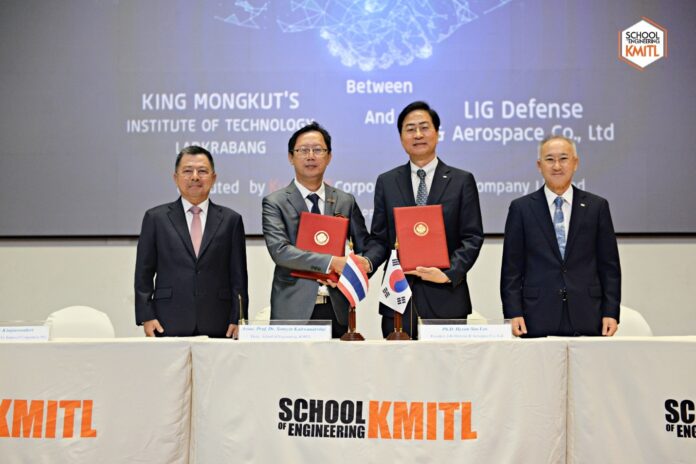
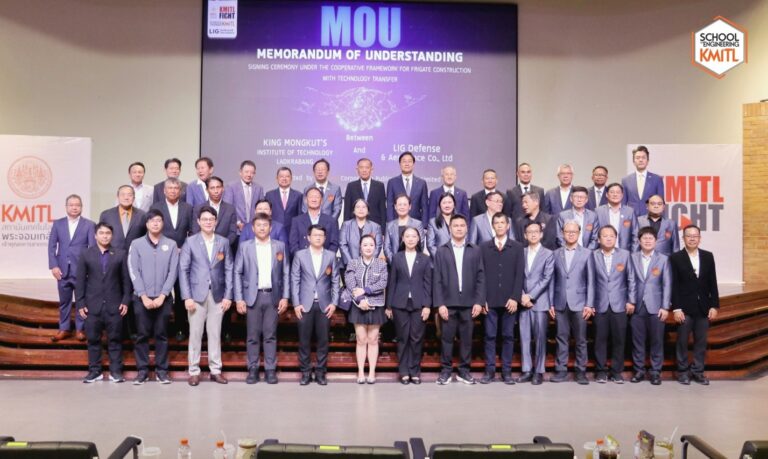
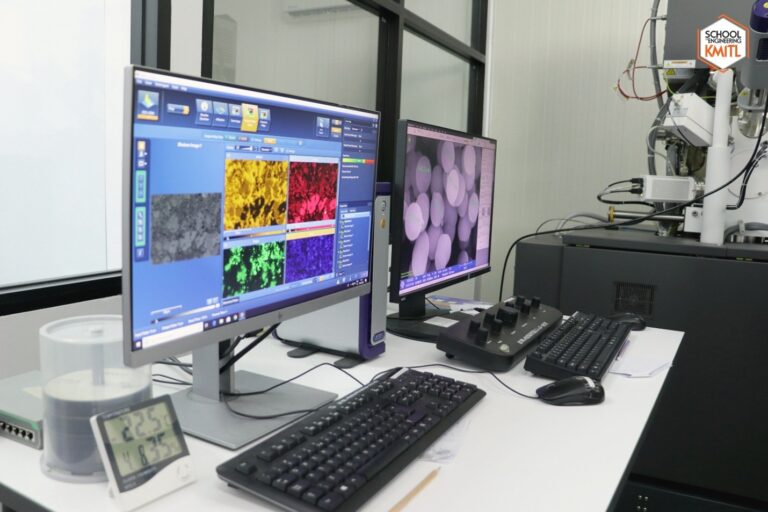
The School of Engineering at King Mongkut’s Institute of Technology Ladkrabang (KMITL) has signed a landmark Memorandum of Understanding (MOU) with LIG Defense & Aerospace Co., Ltd. of the Republic of Korea, cementing a high-level partnership aimed at advancing Thailand’s capabilities in defense technology, telecommunications engineering, and advanced communications.

The signing ceremony, held at KMITL’s School of Engineering auditorium, was led by Associate Professor Dr. Somyot Kiatvanichvilai, Dean of the School of Engineering, and Dr. Hyeon Soo Lee, President of LIG Defense & Aerospace. Senior executives from both institutions attended, with Mr. Boonsak Kiatjaroonlert, CEO of Kumwell Corporation PLC, serving as a formal witness.

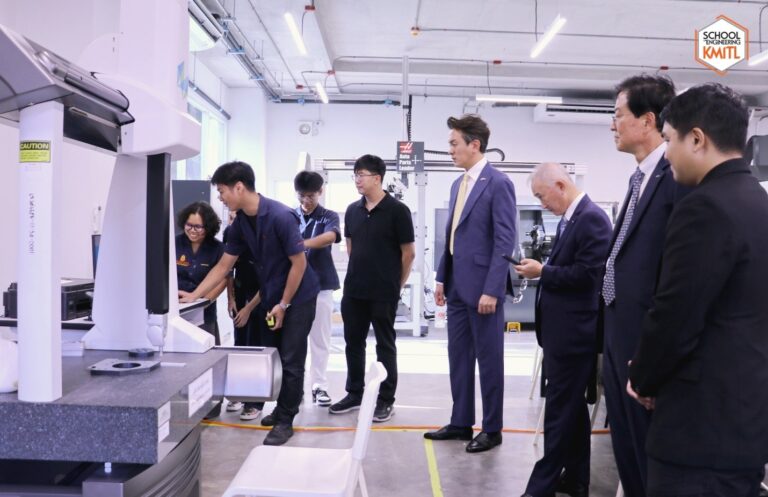
KMITL’s School of Engineering has long positioned itself as a primary gateway for technology transfer in Thailand, channeling global expertise into the country’s engineering and innovation landscape. Under the new agreement, the two parties will collaborate on joint training programs, research and development initiatives, and deep technology transfer—with a particular focus on sectors critical to national security and economic competitiveness.

Picture2 5

A key priority of the MOU is supporting the Royal Thai Navy’s Frigate II program, one of Thailand’s most strategically significant defense procurement initiatives. The partnership is designed to accelerate domestic localization efforts within this flagship project, reducing reliance on foreign expertise and building indigenous technical capacity over the long term.

“This agreement goes beyond a standard academic collaboration. It lays the groundwork for cultivating a highly skilled, future-ready workforce in cutting-edge technologies, and directly bridges the gap between research and real-world industrial application.” Assoc. Prof. Dr. Somyot Kiatvanichvilai, Dean, School of Engineering, KMITL

“Strengthening local capabilities is not just a strategic preference—it is essential for long-term industrial resilience and technological security. We are committed to ensuring that this partnership delivers lasting, tangible benefits to Thailand’s technology ecosystem.” Dr. Hyeon Soo Lee, President, LIG Defense & Aerospace

The MOU signals a broader ambition: to position Thailand as a regional hub for advanced technology development. With KMITL anchoring the academic and R&D dimension of the partnership, both organizations expect the collaboration to yield measurable progress in defense, high-tech communications, and critical infrastructure—sectors increasingly vital to Thailand’s long-term strategic interests.

Picture3 5

About KMITL School of Engineering

The School of Engineering at King Mongkut’s Institute of Technology Ladkrabang (KMITL) is one of Thailand’s foremost institutions for engineering education, research, and international technology transfer. The school serves as a strategic bridge between global innovation and Thailand’s growing industrial and defense sectors.

About LIG Defense & Aerospace

LIG Defense & Aerospace Co., Ltd. is a South Korean defense and aerospace company specializing in advanced communications systems, defense technology, and high-precision engineering. The company is a key player in South Korea’s globally recognized defense industry.

Picture4 3

Advertisement

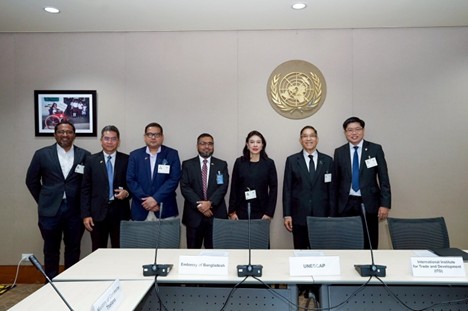
Thailand, Bangladesh step up FTA talks to strengthen regional connectivity

Thailand and Bangladesh are accelerating discussions on a free trade agreement (FTA) as both countries seek to expand trade, investment and regional connectivity across the Bay of Bengal.

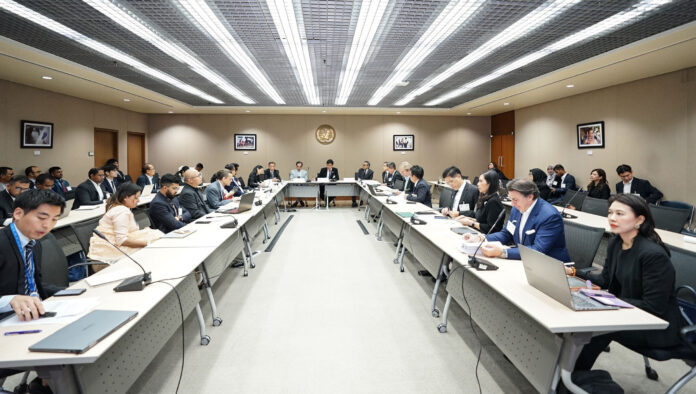
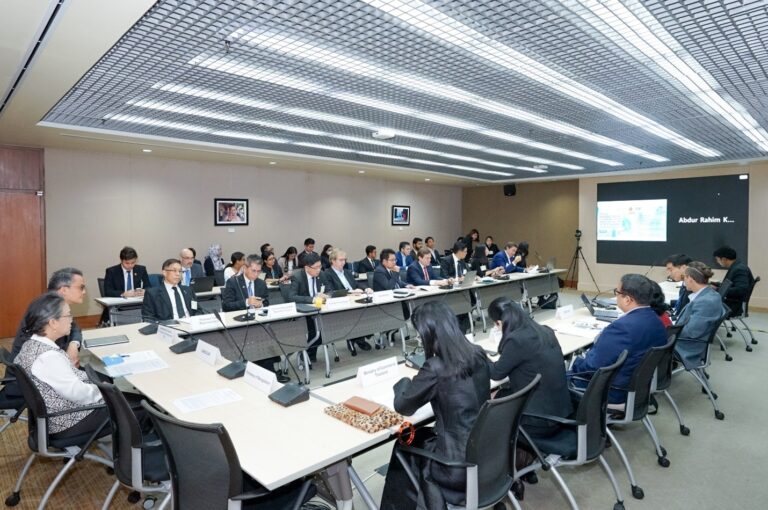
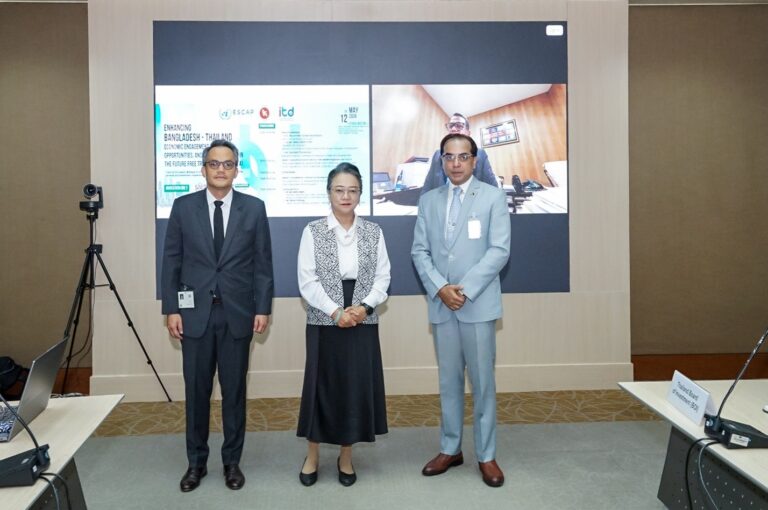
The issue was highlighted at a conference held on May 12 at the United Nations Conference Centre (UNCC) in Bangkok, jointly organised by the International Institute for Trade and Development (ITD), the United Nations Economic and Social Commission for Asia and the Pacific (ESCAP), and the Embassy of Bangladesh in Thailand.

Picture2 4

Officials, academics and business leaders from both countries said the agreement could become an important mechanism for strengthening economic ties between South Asia and Southeast Asia.

The talks come as Bangladesh prepares to graduate from Least Developed Country (LDC) status in 2029, which will eventually end trade privileges currently granted under the Duty-Free Quota-Free (DFQF) scheme.

Bangladesh has accelerated FTA negotiations with several trading partners and views Thailand as a strategic gateway to the Asean market under its “Look East Policy”.

According to Thailand’s Department of Trade Negotiations, bilateral trade between the two countries reached around US$1 billion in 2025, with Thailand exporting industrial raw materials and chemical products, while importing textiles, frozen seafood and natural gas from Bangladesh.

Speakers said the two economies were more complementary than competitive.

Thailand’s strengths in petrochemicals, advanced manufacturing and healthcare services could support Bangladesh’s growing manufacturing sector, large labour force and expanding consumer market.

Professor Selim Raihan of the University of Dhaka said the agreement should go beyond tariff reductions and include investment facilitation, technology transfer and supply-chain integration.

Picture3 4

ESCAP estimates suggest Bangladesh’s GDP could increase by around 0.07% if the agreement is fully utilised alongside increased Thai investment. ESCAP’s TINA assessment also found that stronger trade facilitation measures could increase bilateral economic value by more than 40%.

Logistics connectivity was another major focus of the discussions, particularly the proposed link between Thailand’s Ranong Port and Bangladesh’s Chittagong Port, as well as Thailand’s Landbridge project.

Business leaders said improved transport routes could help reduce shipping costs, shorten delivery times and strengthen the Bay of Bengal’s role as an emerging regional trade hub.

The conference also highlighted investment opportunities in healthcare, renewable energy, agro-processing, logistics, ICT and advanced manufacturing.

Picture4 2

Thailand and Bangladesh signed a joint statement of intent on FTA negotiations in 2024 and are currently preparing a scoping paper to define the framework for future talks.

Thailand Trade Representative Chutintorn Gongsakdi said the absence of major political or historical disputes between the two countries created favourable conditions for moving negotiations forward.

“This is the right time for both countries to move towards a more comprehensive economic partnership,” he said.

ITD executive director Suphakit Chareonkul said the agreement should be viewed not only as a trade pact, but also as a long-term platform for economic cooperation between South Asia and Southeast Asia.

“With Bangladesh’s growing market and Thailand’s industrial expertise, the agreement could become an important driver of sustainable regional growth in the future,” he said.

Advertisement

Zhao Lusi sends Thai inhaler brand “Hanuman“ viral in China

Zhao Lusi sends Thai inhaler brand “Hanuman“ viral in China

BANGKOK — 14 May 2026, Thai herbal inhaler brand Hanuman said it had gained growing attention in China after Chinese actress Zhao Lusi featured the product in a social media video following her recent visit to Thailand.

Samunprai Hanuman Co., Ltd., producer of the Hanuman herbal inhaler, said the appearance of the product in a video posted by Zhao on Douyin, China’s version of TikTok, had helped boost interest in Thai products among Chinese consumers.

The actress recently travelled to Thailand for a concert performance and later shared a casual video after returning to China showing herself eating Thai seaweed snacks. Fans quickly noticed a Hanuman herbal inhaler placed prominently on a table in the clip.

The video drew widespread attention from fans in both Thailand and China, with many social media users commenting on the actress’s use of Thai products and describing the inhaler as part of Thailand’s growing “soft power” appeal across Asia.

The company said the exposure had strengthened the Hanuman brand’s popularity in both the Thai and Chinese markets.

Hanuman herbal inhalers are marketed as helping relieve dizziness, nasal congestion and fatigue through the use of traditional Thai herbal ingredients. The products are widely sold at convenience stores, including 7-Eleven Thailand, and pharmacies nationwide.​​​​​​​​​​​​​​​​

1778742874844 1 0

Advertisement

Thai police arrest 16 fleeing Poipet scam compound

Thai police arrest 16 fleeing Poipet scam compound

SA KAEO — 14 May 2026, Thai authorities arrested 16 people, consisting of Thai, Shan, and Vietnamese nationals, attempting to cross illegally into Thailand from Cambodia after a crackdown on online scam and gambling operations in Poipet, officials said on Thursday.

At 5:30, troops from the Burapha Task Force, the Aranyaprathet Special Task Force, and the 12th Ranger Forces Regiment, in coordination with Sa Kaeo intercepted the group near the border village of Ban Phu Nam Kliang in Pa Rai sub-district, Aranyaprathet district, after receiving reports of illegal border crossings through natural routes.

Officers later discovered a group of suspicious individuals walking across the border and moved in to surround and arrest them. A total of 16 detainees included four Thai nationals, two Vietnamese nationals, and 10 ethnic Shan migrants from Myanmar, all of whom lacked valid travel documents.

During questioning, the four Thais admitted they had been recruited through friends and acquaintances to work for the online gambling website, “UFABET168”, in Poipet. They said they were lured by monthly salaries of between 15,000 and 25,000 baht. Some had previously worked as delivery riders, warehouse employees, sales staff, and factory workers, before crossing the border more than a year ago to take the jobs.

Regarding rising tensions along the Thai-Cambodian border, this had led to the closure of several checkpoints, leaving them stranded in accommodation in Poipet for weeks and unable to return home. To return home, they reportedly paid a Cambodian broker 8,000 baht each to be transported to a natural border crossing. The broker allegedly transported them in a Cambodian-registered car before instructing them to continue on foot into Thailand.

Meanwhile, the 10 ethnic Shan migrants said they had travelled from Siem Reap to Poipet with the assistance of Chinese financiers to work as security guards in a building operated by a Chinese business group. However, after Cambodian authorities launched a crackdown on call center gangs, scammers, and online crime syndicates, their employer suspended operations, prompting them to attempt to enter Thailand illegally in order to return to their home country.

All suspects have been handed over to investigators for legal proceedings while officials expand the investigation into human smuggling brokers, illegal border crossing networks, and financial links tied to transnational online gambling businesses.

Advertisement

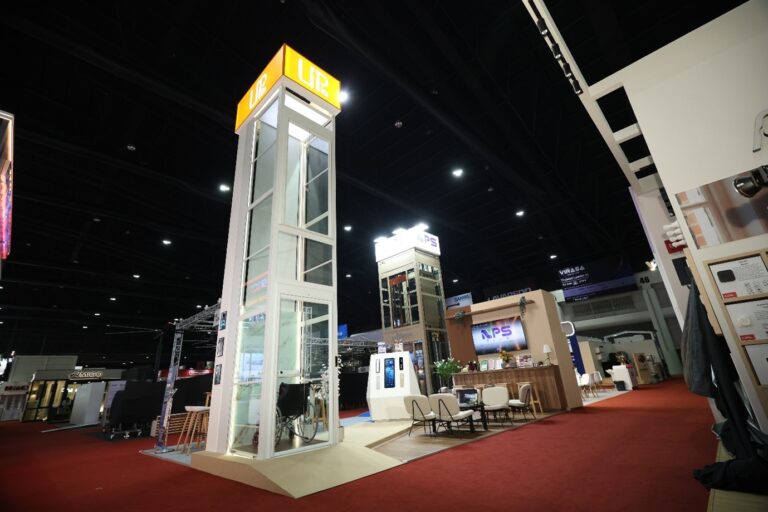
NPS PLUS unveils full-scale elevator showcase and launches UP at Architect’69

NPS PLUS showcased full-scale premium elevators at Architect’69 while officially launching UP by NPS PLUS, a European-standard home elevator brand that promotes the concept of integrating elevator systems into homes and buildings from the very beginning of the design process under the principles of Universal Design, safety, and Wellness Architecture.

Architect’69 was held from April 29 – May 3, 2026, at Challenger Hall, IMPACT Muang Thong Thani. The event featured innovations in architecture, construction materials, building technologies, and design concepts from leading companies across the architecture and construction industries.

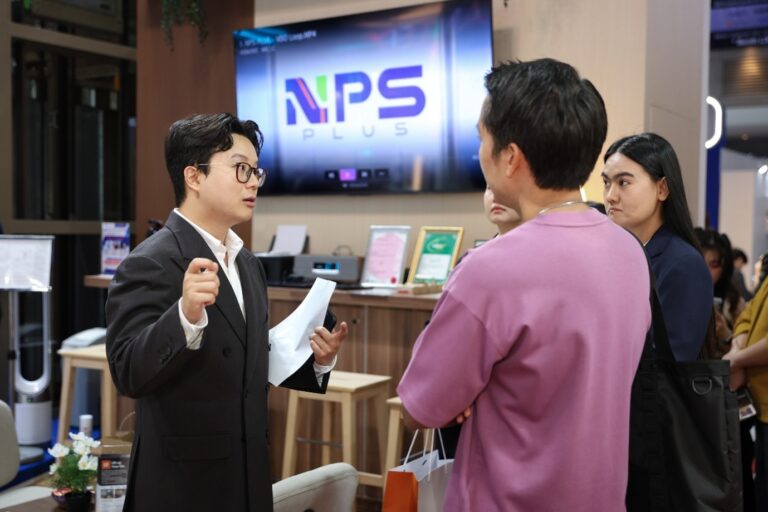
Among the exhibitors was NPS PLUS, a comprehensive provider of elevator, escalator, and moving walk systems. The company presented its approach to integrating engineering systems with architectural design, particularly in planning elevator systems to suit residential and commercial buildings from the earliest stages of development.

Mr. Patomlerk Pongchaikaikiti, second-generation executive of NPS PLUS and the person overseeing the company’s exhibition booth, stated:

“NPS PLUS has more than 22 years of experience in the industry, covering design, installation, maintenance, and modernization of elevator systems, while operating under internationally recognized standards including CE, EN-81, EN-115, and ISO 9001:2015.”

“In our perspective, elevators are not merely machines that transport people from one floor to another. They are essential systems within homes and buildings that relate directly to safety, quality of life, long-term usability, and the overall architectural design. Therefore, this exhibition was not intended only to showcase products, but also to open a broader conversation about the role of elevators in modern living spaces and architecture,” he added.

Picture7

The highlight of Booth L501 was the installation of “real elevators” that allowed visitors to experience actual dimensions, proportions, door systems, and operational functionality firsthand, rather than viewing elevators only through catalogs or digital presentations. This approach reflected the company’s belief that elevators can become an integral part of architectural design when planned from the beginning of the project.

During the exhibition, NPS PLUS also shared information about elevator design under the concept of Universal Design, which supports accessibility for elderly users, individuals with mobility limitations, and residents of all age groups. The company provided consultations for homeowners, architects, contractors, developers, and building owners involved in construction projects.

Picture8

Mr. Patomlerk explained“For homeowners, there are several important considerations ranging from space preparation and user convenience to safety systems and after-sales maintenance. Architects can apply structural and spatial planning information to ensure elevator systems align seamlessly with the overall design of the home or building. Contractors and developers can also incorporate structural preparation, electrical systems, and maintenance planning into their long-term project management strategies.”

In addition, NPS PLUS officially introduced UP by NPS PLUS, also known as UP Homelift, a premium home elevator developed under the concept “Lift UP Your Life.” The company described it as a European-standard EN 81 home elevator designed specifically to meet the lifestyle and living needs of Thai homeowners, with strong emphasis on safety, comfort, and contemporary design aesthetics.

Picture9

Mr. Patomlerk said “The UP Homelift displayed at the exhibition utilizes a Traction Belt motor system, which provides smoother movement, reduced noise levels, and suitability for residential use. We intentionally positioned the product as part of interior and architectural design rather than merely a mechanical device inside a building.”

He further explained that the launch of UP Homelift was also intended to align with the concept of Wellness Architecture, which focuses on improving the well-being of residents through thoughtful building design. “We focus on two key dimensions. The first is Biomedical Design, which addresses the needs of aging societies by reducing physical strain and improving convenience for residents. The second is Building Science, which involves motor systems, energy-efficient technologies, noise reduction, and elevator ventilation systems. These concepts align with the direction of modern building design, including projects that prioritize wellness and environmental standards such as WELL and TREES.”

Mr. Patomlerk concluded by stating that both NPS PLUS and UP Homelift aim to elevate the role of home elevators as an essential consideration from the beginning of construction, rather than as an afterthought or optional addition. The company also continues to prioritize safety, comfort, and long-term quality of life for residents.

More information can be found at:

NPS PLUS Official Website www.npsplus.co.th

UP by NPS PLUS Official Website UP by NPS PLUS www.nps-up.co/

Advertisement

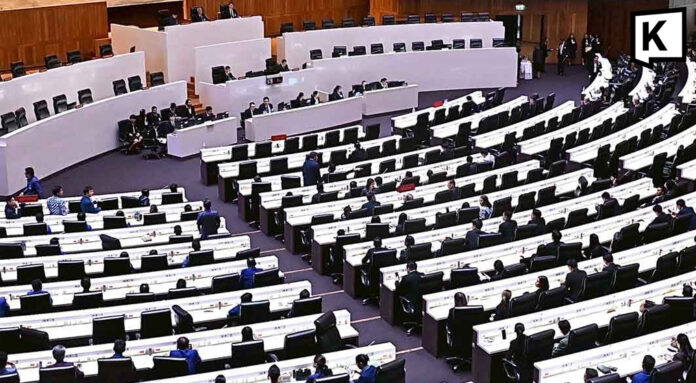
Thai lawmakers delays debate on 400 billion baht emergency loan

Thai lawmakers delays debate on 400 billion baht emergency loan

BANGKOK (AP) — Thailand’s House of Representatives has delayed consideration of a 400 billion baht ($11 billion) emergency borrowing decree pending a Constitutional Court ruling on a challenge filed by opposition lawmakers.

During a parliamentary session on 14 May 2026, Second Deputy House Speaker Lertsak Pattanachaiyakul informed lawmakers that the Cabinet had approved a royal decree authorising the Finance Ministry to borrow funds to address the impact of the energy crisis and support the country’s energy transition.

Before House Speaker Sophon Saram could place the decree on the parliamentary agenda, Natthaphong Ruengpanyawut, leader of the opposition People’s Party, submitted a petition signed by 135 lawmakers seeking a Constitutional Court review.

The petition argues that the emergency decree may violate Section 172 of Thailand’s constitution, which governs the issuance of emergency royal decrees.

Under Section 173 of the constitution, parliamentary consideration of the decree must be suspended until the Constitutional Court reaches a decision.

The constitution requires the court to issue a ruling within 60 days from receiving the petition and notify the House speaker of its decision.

If the court rules that the decree violates the constitution, the measure will be deemed void from the outset. Such a ruling requires support from at least two-thirds of the sitting Constitutional Court judges, currently six of the court’s nine members.

Local media reported that Sophon submitted the petition to the Constitutional Court on 12 May 2026, and the court’s office has formally acknowledged receipt of the case.

Advertisement

Professor steals “King Taksin sword“, blames mental blackout

Professor steals “King Taksin sword“, blames mental blackout

NAKHON SI THAMMARAT — 14 May 2026, Thai police said they had recovered a ceremonial sword associated with King Taksin, the 18th-century Siamese king credited with reunifying Thailand after the fall of Ayutthaya, after it was allegedly stolen from a temple in southern Thailand by a university assistant professor who later claimed he had taken it unknowingly.

The theft was discovered on 12 May after staff at Wat Nang Phraya in Nakhon Si Thammarat found that two sacred items had gone missing from temple buildings.

The missing items included a ceremonial “King Taksin sword” displayed inside the Mae Nang Phraya shrine and valued at about 30,000 baht. Temple officials said the sword had previously been donated by a devotee in fulfilment of a vow.

A red crystal orb valued at about 2,500 baht was also reported missing from the Jatukham Ramathep shrine within the temple grounds.

Police said security camera footage showed the suspect entering the temple during the morning while the area was relatively quiet before leaving with the items.

Investigators later identified the suspect as a 40-year-old assistant professor at a well-known university. Officers traced him to a house in Ron Phibun district, where his parents told police he had been receiving psychiatric treatment linked to family-related stress at Songklanagarind Hospital.

According to police, the suspect claimed he had taken the sword “without realising what he was doing”.

Authorities said the man became agitated during discussions with officers and verbally confronted Phra Khru Palat Boonrit Wijjadharo, abbot of Wat Nang Phraya, in front of police before being restrained and transferred to Maharaj Nakhon Si Thammarat Hospital for further examination.

Police said legal proceedings would continue following medical evaluation.​​​​​​​​​​​​​​​​

Advertisement

Hot News

LATEST NEWS

Bangkok
broken clouds
28.3 ° C
28.3 °
24.4 °
86 %
1.5kmh
79 %
Sun
37 °
Mon
38 °
Tue
36 °
Wed
37 °
Thu
37 °