



























27.2 C
Bangkok
Monday, June 29, 2026
Home Blog Page 530

From Trump to Thailand: How to Villainize Your Political Opponent

Republican presidential nominee former President Donald Trump dances after speaking at a campaign rally at Wilmington International Airport, Saturday, Sept. 21, 2024, in Wilmington, N.C. (AP Photo/Alex Brandon)

Watching Donald Trump framing his Presidential Election battle against Kamala Harris, one can’t help but notice at least two similarities with Thai politics worth elaborating.

First, Trump makes Kamala Harris “un-American” by calling her “comrade Harris” repeatedly. Given the Cold War history, being a communist, or even an alleged communist in the United States, is tantamount to being “un-American”. Here Trump presented himself as the only American choice as Harris is being characterised as being un-American because she’s a socialist, a commie. That’s why Trump kept calling Harris on X, Comrade Harris.

In Thailand, the opposition Move Forward Party, now known as People’s Party, has been repeatedly and continuously branded as a threat to the monarchy – thus a threat to the nation as well in the eyes of royalists.

When Akanat Promphan, a die-hard anti-Thaksinite and secretary general of the pro-junta United Thai Nation Party, recently defended his decision to join the Paetongtarn Shinawatra administration as new Minister of Industry, his justification was that Thailand is now facing “a new security threat.”

Akanat didn’t say who the new national security threat was but given that only one political party is now repeatedly being branded as anti-monarchist, it shouldu6n’t be hard for people to draw a conclusion on their own.

Being a communist is being un-American. Being an anti-monarchist, for royalists, is tantamount to being un-Thai. They both are made to be “the other” and unpatriotic.

Second, Trump’s MAGA, or Made America Great Again motto is now being rehashed under the hashtag #MAGA2024. It plays on the nostalgia of the imagined “good old time” when America was unquestionably the sole superpower in the world for a short period after the end of the Cold War. Some may even imagine the era of the New Deal under President Roosevelt or decades later, when a hard working American man doesn’t need a college degree and yet if work hard and honestly could assured himself of a solid middle class life.

Today, we see some middle class Americans falling into debt and poverty, unable to maintain their middle class lifestyle. The underclass meanwhile became increasingly visible. Thousands are on drugs, walking like zombies in broad daylight in parts of cities like Philadelphia and San Francisco.

“Kamala Harris DESTROYED the housing market. President Trump will make home ownership attainable for average Americans once again!” Trump reposted @TeamTrump, the official X account for the Trump campaign, on Aug 29.

Given such a narrative, it’s not a surprise that Trump’s latest New York Times best-seller book is entitled “Save America.”

Likewise, in Thailand, royalists feel the nostalgic for the past before the 1932 revolt which ended absolute monarchy as a preferred version of Thailand and imagined the past to be great, compared to the present where corrupt politicians jockey for power and anti-monarchists try to undermine the monarchy institution and change the country into a republic, or a confederation. Some are even nostalgic for the most recent military rule under coup leader Gen Prayut Chan-o-cha, and openly expressed their yearning for another military rule that they believe to be incorrupt and better than the elected government. They yearn for Thailand to be “saved” anew.

Like Trump supporters, Thai ultra-royalists feel their country needs to be saved. Unlike Trump supporters, they do not mind if it is done through yet another military intervention.

And unlike Thailand, you can always seek to assassinate a sitting president or a presidential candidate if you want a regime chance or prevent one from happening, as most recently seen by the two assassination attempts made against Trump.

Advertisement

Iranian Man Nabbed for Snatching Russian Tourist’s Cash in Bangkok

CCTV footage captured the Iranian suspect

BANGKOK — Iranian man arrested in Bangkok for tricking Russian woman to show money before snatching it. This case is similar to the incident where an Iranian couple snatched money from a Chinese tourist around the same time.

On September 22, police officers from Thung Mahamek Police Station in Bangkok arrested Mr. Saber, a 41-year-old Iranian national, on charges of “theft at night” under a warrant issued by the South Bangkok Criminal Court. The arrest took place at Marvin Suites Hotel, Soi Sathorn 11, Yannawa Subdistrict, Sathorn District, Bangkok.

The arrest follows an incident on September 15 when a female Russian tourist reported that she had been robbed in front of the Ibis Hotel on Silom Road. A foreign man had approached her, asking to see the money in her purse. When she opened it, he grabbed the money and immediately fled.

Detectives from Thung Mahamek Police Station investigated by reviewing CCTV footage and identified the suspect as an Iranian national. They then obtained an arrest warrant from the court. During questioning, the suspect admitted to the crime, stating that he took the money only for daily expenses.


However, officers will continue the investigation as the behavior is similar to a previous case where an Iranian suspect asked to see a Chinese tourist’s money before snatching it as well.

On September 17, Thonglor Police Station officers arrested Mr. Mohammad, 29, and Ms. Ali, 41, both Iranian nationals, in front of a condominium in Yanawa subdistrict, Sathorn district, Bangkok. They were suspected of stealing from a Chinese tourist.

Police investigation revealed that the pair approached Chinese tourists standing in front of a hotel in Sukhumvit Soi 20, pretending to be friendly. They engaged in conversation about currency exchange and asked to see the tourist’s cash. After returning the money, some was missing. The Chinese tourists later discovered that 10,000 baht had disappeared and filed a report at Thonglor Police Station.

After reviewing CCTV footage, officers traced the suspects’ escape route to the aforementioned condominium. They were arrested while preparing to flee back to their home country.

According to Thai law, theft committed at night carries a heavier punishment than theft committed during the day. The offender shall be punished with imprisonment for a term of one to five years and a fine of twenty thousand to one hundred thousand baht.

______

Advertisement

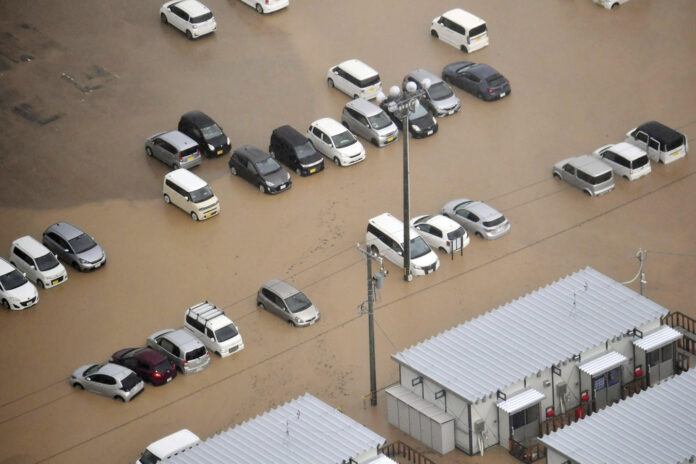
Heavy Rain Pounds Northcentral Japan which Is Still Recovering from Deadly Quake

This aerial photo shows cars are submerged after heavy rain in Wajima, Ishikawa prefecture, Saturday, Sept. 21, 2024. (Kyodo News via AP)

TOKYO (AP) — Heavy rain pounded Japan’s northcentral region of Noto on Saturday which triggered landslides and floods and left one person dead and several missing, officials said.

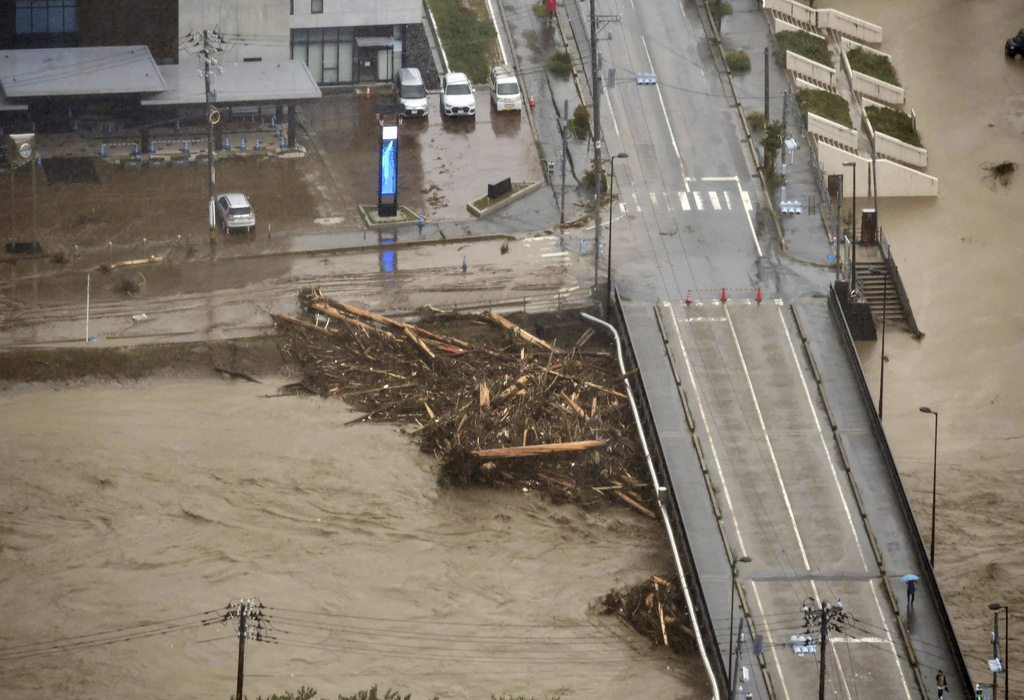
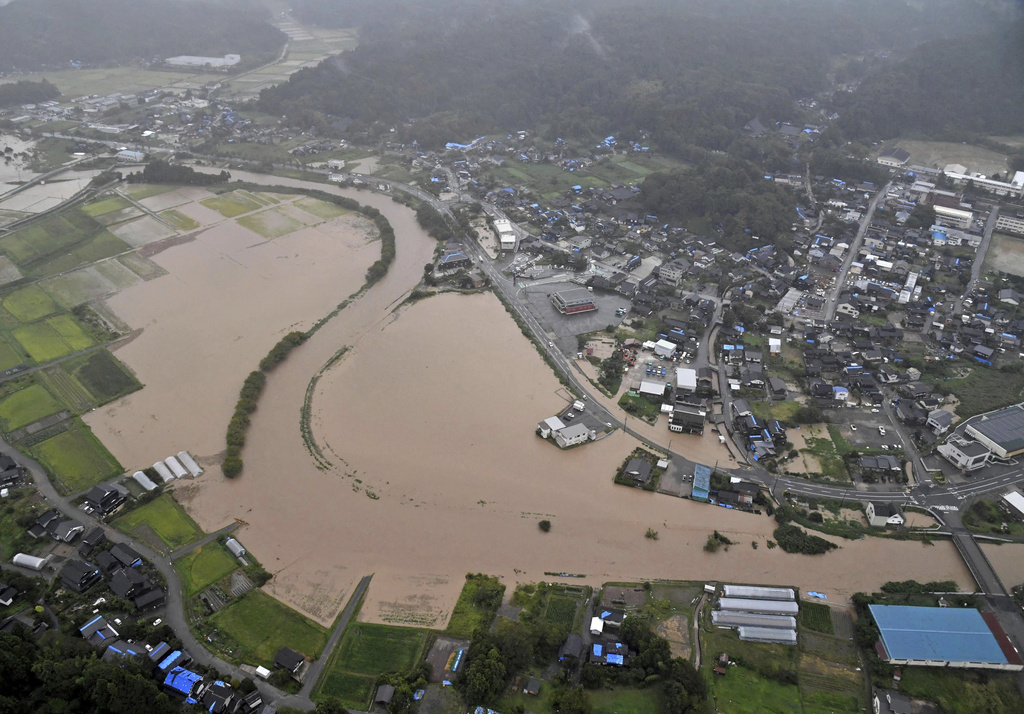
The deluges caused swollen rivers to overflow, flooding homes and stranding some residents in the region still recovering from the deadly Jan. 1 earthquake.

The Japan Meteorological Agency issued the highest level of heavy rain across several cities in the Ishikawa prefecture, including hard-hit cities Suzu and Wajima on the northern coast of the Noto peninsula.

In Suzu, one person died and another was missing after being swept in floodwaters. One other went missing in the nearby town of Noto, according to the prefecture.

AP24265360892204
This aerial photo shows driftwoods piled around a bridge, caused by heavy rain in Wajima, Ishikawa prefecture, Saturday, Sept. 21, 2024. (Kyodo News via AP)
Heavy rain
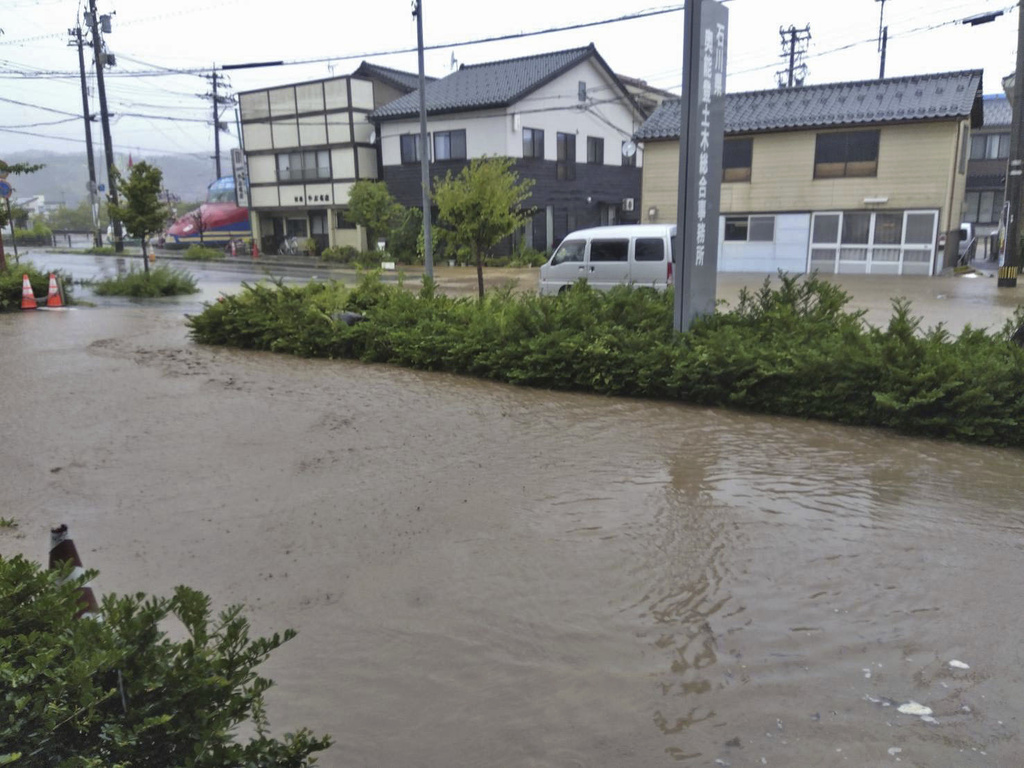
A road is flooded after heavy rain in Wajima, Ishikawa prefecture, Saturday, Sept. 21, 2024. (Kyodo News via AP)

In Wajima, four people were missing following a landslide at a construction site. They were among 60 construction workers repairing a tunnel damaged by January’s quake, NHK said, adding that one other was missing due to floods at a different location in the city.

NHK footage at a coastal area of Wajima showed a wooden house torn and tilted after it was apparently hit by a landslide from a steep hill, with muddy water still flowing down. No injuries were reported from the site.

In Noto town, two people were seriously injured while visiting their quake-damaged home when a landslide struck them.

At least 16 rivers in Ishikawa breached their banks as of Saturday afternoon, according to the Land and Infrastructure Ministry. Residents were urged to use maximum caution against possible mudslides and building damage.

ishikawa2
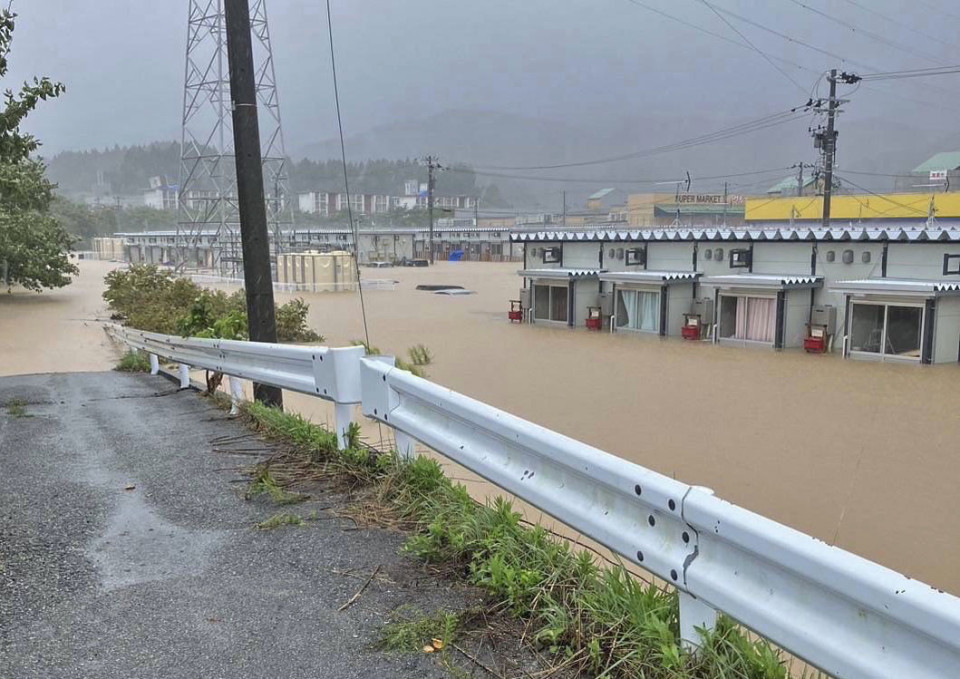
Flooded temporary housing in Wajima, Ishikawa Prefecture, on Sept. 21, 2024. The prefabricated units house people displaced by the Jan. 1 earthquake that struck the prefecture. (Kyodo)

By late afternoon Saturday, about 1,350 residents were taking shelter at designated community centers, school gymnasiums and other town facilities, authorities said.

Up to 20 centimeters (7.8 inches) of rainfall is predicted in the region within the next 24 hours through Sunday noon, due to the rainbands that cause torrential rain above the Hokuriku region, JMA said.

“Heavy rain is hitting the region that had been badly damaged by the Noto earthquake, and I believe many people are feeling very uneasy,” said Chief Cabinet Secretary Yoshimasa Hayashi.

Hayashi said the government “puts people’s lives first” and its priority was search and rescue operations. He also called on the residents to pay close attention to the latest weather and evacuation advisories and take precautions early, adding that the Self Defense Force troops have been dispatched to Ishikawa to join rescue efforts.

AP24265397182666
This aerial photo shows the flooded area after heavy rain in Wajima, Ishikawa prefecture, Saturday, Sept. 21, 2024. (Kyodo News via AP)

A number of roads flooded by muddy water were also blocked. Hokuriku Electric Power Co. said about 6,500 homes were without power. Traffic lights were out in the affected areas. Many homes were also without water supply.

Heavy rain also fell in nearby northern prefectures of Niigata and Yamagata, threatening flooding and other damages, officials said.

A 7.6 magnitude earthquake struck the region on Jan. 1, killing more than 370 people and damaging roads and other key infrastructure. Its aftermath still affects the local industry, economy and daily lives.

AP24265401513885
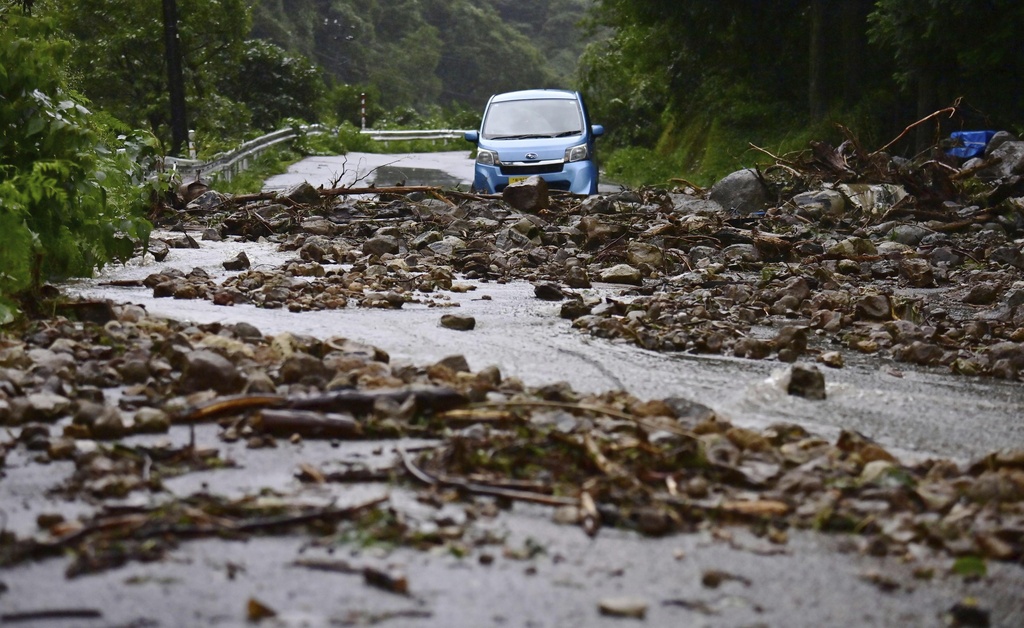
A car is blocked by rocks covering a road, after heavy rain in Wajima, Ishikawa prefecture, Saturday, Sept. 21, 2024. (Kyodo News via AP)
ishikawa2
Flooded temporary housing in Wajima, Ishikawa Prefecture, on Sept. 21, 2024. The prefabricated units house people displaced by the Jan. 1 earthquake that struck the prefecture. (Kyodo)
Advertisement

Greenwashing Concerns as Thai Companies Rush Climate Targets

Climate
Ban Khong Ta Bang Community Forest, Tha Mai Ruak Sub-district, Tha Yang District, Phetchaburi Province, has received certification for carbon credits equivalent to 5,259 tons of carbon dioxide.

BANGKOK — Thailand’s Draft Climate Change Bill is expected to be presented to Cabinet by October 2024, after which it will be submitted for parliamentary consideration and approval, in order to come into effect in 2025.

However, there are worries that companies might engage in “greenwashing” rather than making genuine efforts to achieve net zero emissions.

Prachachat Business reported on a lecture given by Wiwat Kositskul, Carbon Advisor at the Clean Energy Foundation for the People. The lecture highlighted Thailand’s progress in the fight against climate change and was delivered during the sixth year of the Energy Transition and Climate Change Management (ETC6) course.

Thailand officially confirmed its participation in the Paris Agreement in October 2011 and has set a target to reduce greenhouse gas emissions by 20 percent by 2030. The country is also aiming for carbon neutrality by 2050 and net zero emissions by 2065.

Less than a month later, incumbent Prime Minister Gen. Prayut Chan-o-cha attended the United Nations Climate Change Conference (COP26), where he announced a more ambitious target. Thailand aims to reduce carbon dioxide emissions by 40 percent by 2030 instead of 20 percent, maintain the goal of carbon neutrality by 2050, and achieve net zero emissions by 2065.

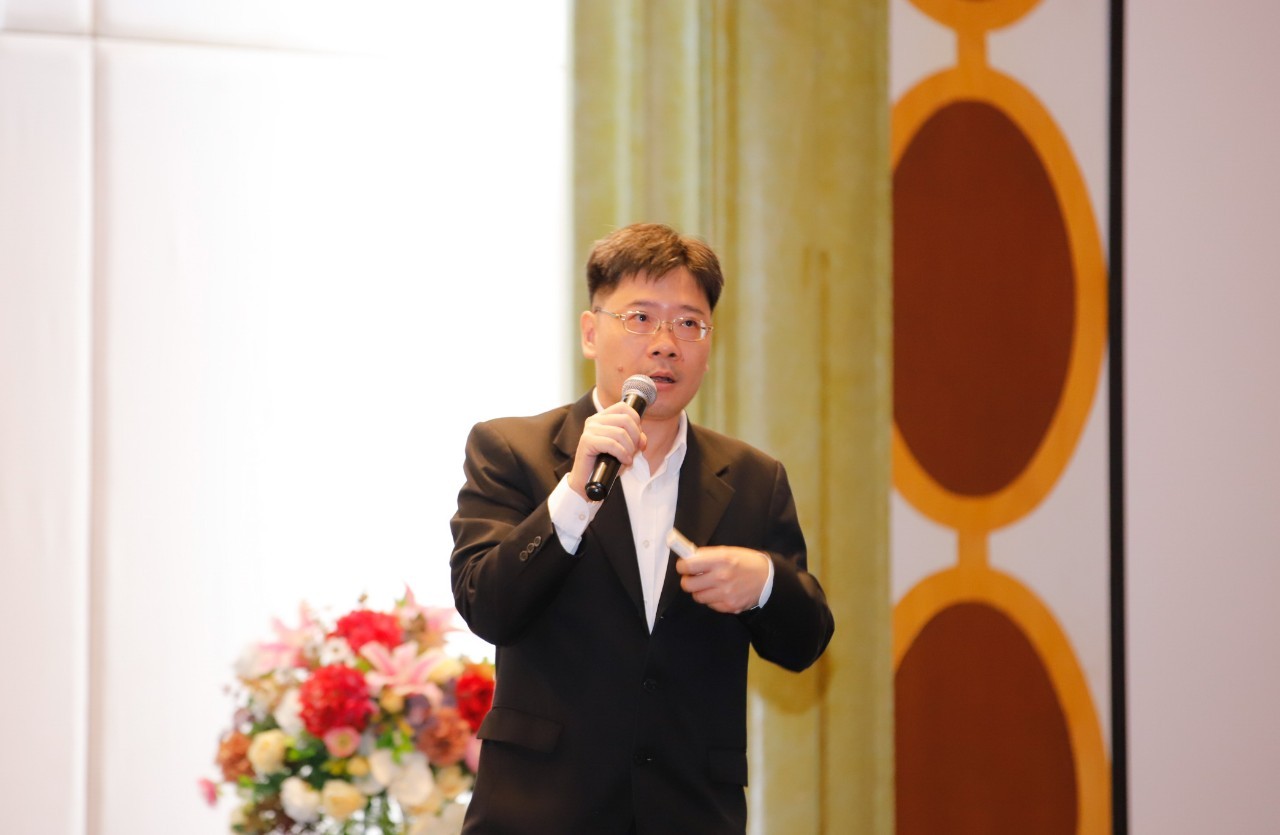
Wiwat Kositskul
Wiwat Kositskul, Carbon Advisor at the Clean Energy Foundation for the People (Photo: Ministry of Higher Education, Science, Research and Innovation)

“It is an ambitious and challenging target,” Wiwat commented, noting that Thailand’s updated target surpasses India’s but remains less ambitious than those of China, Indonesia, Saudi Arabia, and Russia.

Private companies operating in countries with former Net Zero targets will face pressure to adapt to the stricter targets of their stakeholders.

Greenwashing Concerns Rise

It is already evident that companies listed on the Stock Exchange of Thailand (SET) are taking steps in this direction. Statistics show that nearly 900 companies listed on the SET are increasingly reporting on their carbon footprint.

In 2022, 342 companies reported, and by 2023, the number increased to 445, representing 50 percent. However, only 10 percent of these companies, i.e., around 40-50 companies, have taken all the necessary steps, including engaging an auditor to review their reports.

The low number of cases of full compliance is due to the extensive reporting that covers the entire scope of the financial statements, as well as the high cost of engaging auditors, especially those with reputable names that add credibility to a company’s report.

Looking ahead, many fear that the pressure to reduce greenhouse gas emissions will cause companies to rush to produce carbon footprint reports, especially at the organization (CFO) and product (CFP) levels. Buyers may start to demand environmentally friendly criteria in their purchasing terms and conditions.

UN climate
United Nation

Announcing carbon neutrality or net zero targets without adequate preparation or a real understanding of the necessary adjustments can lead to a new problem known as “greenwashing”

This refers to the practice of announcing net zero targets for image purposes without making real efforts to reduce global warming in line with stated targets.

Thailand’s Draft Climate Change Law

Thailand is accelerating mandatory measures to reduce greenhouse gas emissions through legislation. The Ministry of Natural Resources and Environment has recently renamed the Department of Environmental Quality Promotion to the Department of Climate Change and Environment, also known as the “Department of Climate Mitigation”

In 2017, the first draft of the Climate Change Act was introduced, requiring private companies to report their CO2 emissions. This legislation is crucial for Thailand to reduce carbon emissions by 20% by 2030.

“The first step for Thailand is to establish a comprehensive database for greenhouse gas emissions from various sectors,” Wiwat said. Government ministries, private companies, standard buildings and power plants must contribute to building this national emissions database. Despite long debates, the first draft of the bill was not passed.

Due to the increasingly stringent greenhouse gas reduction targets set at COP26 and the shortcomings of the original draft bill, a revised version was introduced. The latest version of the Climate Change Act was published in February 2024.

This version comprises 14 chapters and 40 pages of content. One major difference from the first draft is that the new law no longer limits reporting to power plants and buildings, but obliges “legal entities” to report their greenhouse gas emissions. 

Subsequent regulations will specify which legal entities must disclose their greenhouse gas emissions. There are currently almost two million registered legal entities in Thailand, and it remains to be seen how the ministry will classify them — whether by revenue, area or employment criteria.

AP24264726485738
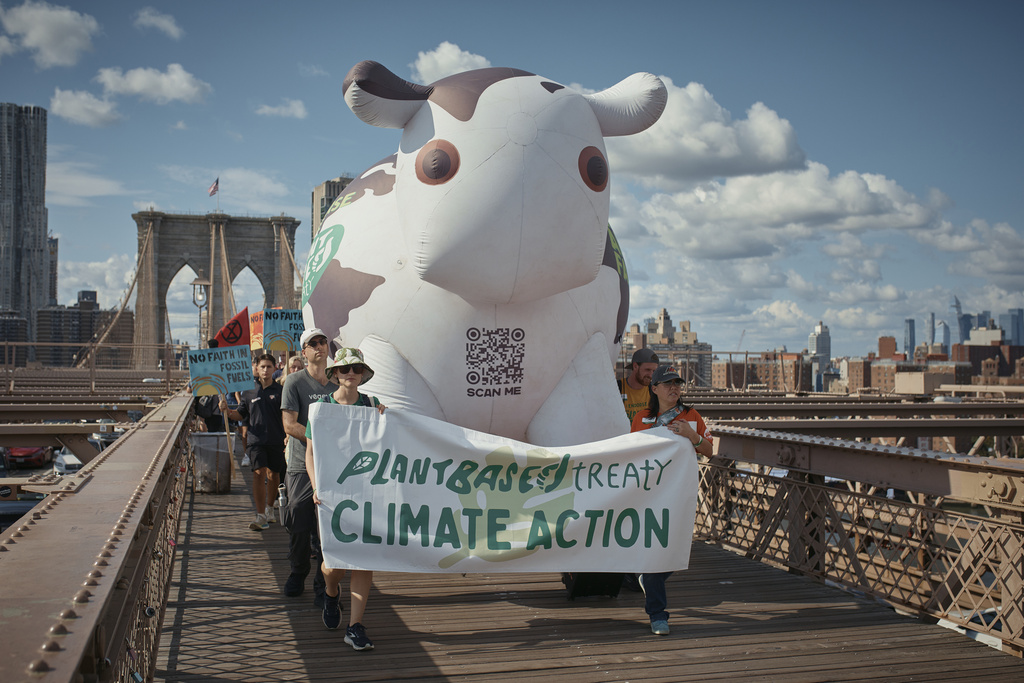
Protesters cross the Brooklyn Bridge during a Youth Climate Strike march to demand an end to the era of fossil fuels, Friday, Sept. 20, 2024, in New York. (AP Photo/Andres Kudacki)

Steps Toward GHG Emission Rights

Once greenhouse gas emissions have been reported, the government will set “greenhouse gas emission allowances” or appropriate emission levels by 2031. For example, a plastics factory may report a carbon footprint of 120 million tons, but the government may only grant it 100 million tons, which means the factory exceeds its emission rights by 20 million tons.

This means that the factory exceeds the emission rights by 20 million tons. The factory would then have to find ways to reduce the excess emissions by increasing renewable energy (RE) production and improving energy efficiency (EE). Alternatively, if a competing factory emits less than its allocated GHG allowances, it could sell its excess emission allowances to the factory that has exceeded its limits. The law also allows for a third option: a carbon tax, or a fourth option: carbon credits that can be traded as valuable assets.

Carbon credits essentially reward companies that make a positive contribution to climate change efforts by either reducing greenhouse gas emissions or capturing/storing greenhouse gasses. These credits can be sold or traded, with the value and price varying depending on the type of climate protection measures taken.

If factories fail to comply with GHG reporting requirements, penalties are imposed under Chapter 14 of the Act.

_______

Advertisement

Desperate Cambodian Mother Nabbed in Jewelry Heist at Thai Market

Cambodian
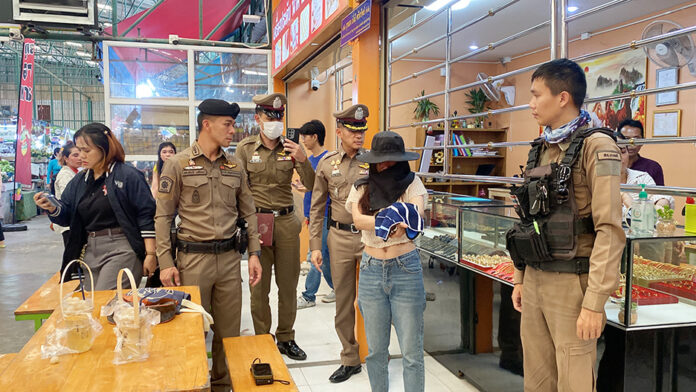
Bang Phli police officers escort a Cambodian woman to reenact her confession at a jewelry store in a market in Samut Prakan Province on September 20, 2024.

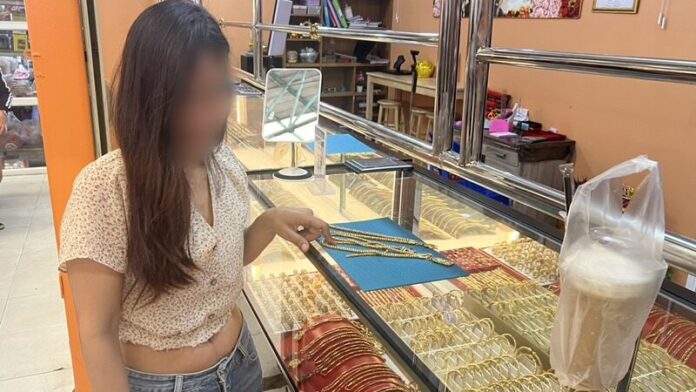
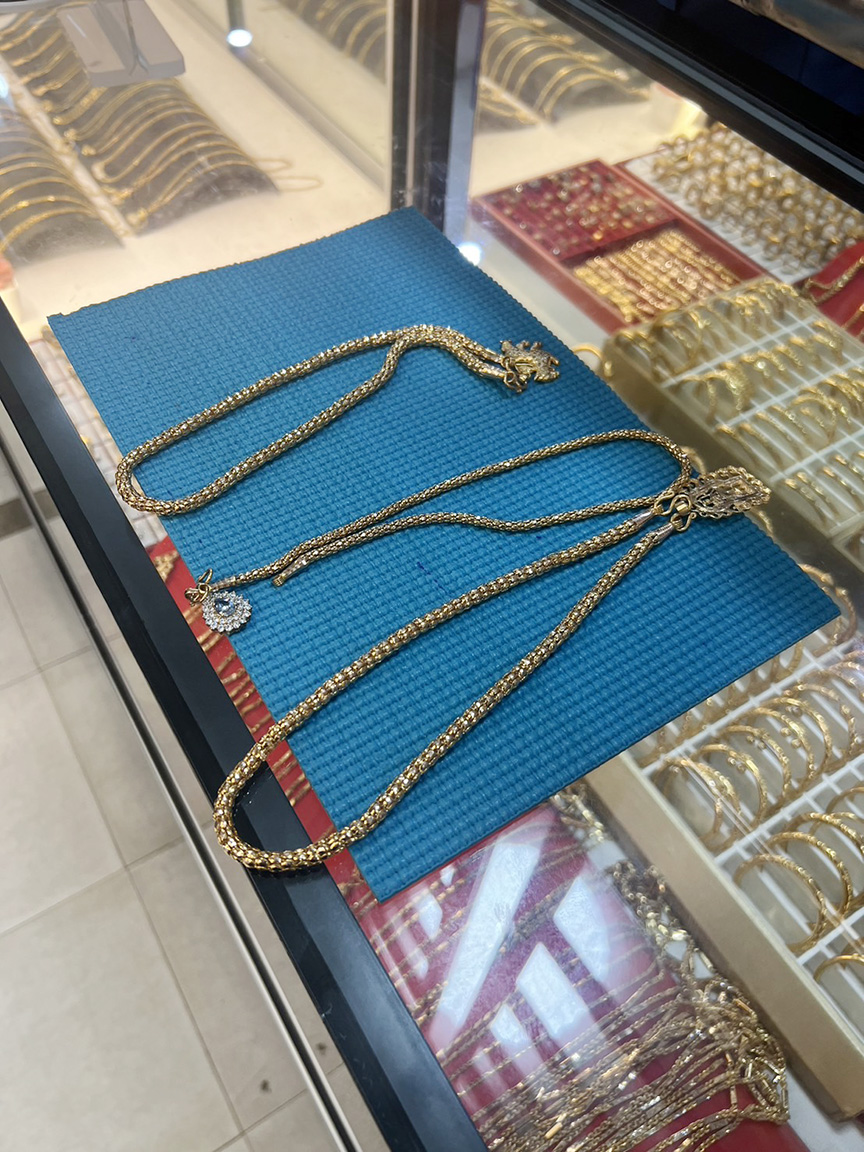
SAMUT PRAKAN — A Cambodian woman attempted to steal three red gold necklaces from a jewelry store in Samut Prakan Province. She was apprehended by bystanders while holding the necklaces and visibly shaking with fear.

The incident occurred at 1.40 p.m. on September 20. Officers from Bang Phli Police Station took her into custody for questioning and charged her with theft.

Sreyno stated she was a chicken farm worker who had traveled from Kabinburi District, Prachinburi Province, that Friday morning to visit her aunt near the incident location. Unable to find her aunt, she went to this market where she had previously sold gold. She intended to steal the red gold necklaces to sell in Cambodia.

red gold cambodia
The Cambodian suspect points at the three red gold necklaces which she grabbed and ran with. However, locals and store employees caught her in the parking lot.

She pretended to examine three necklaces and, when the staff was distracted, grabbed them and ran. However, locals and store employees caught her in the parking lot.

Sreyno explained she stole due to a 60,000 baht debt incurred to support her two children, receiving no help from her husband. She believed the red gold necklaces would fetch a high price in Cambodia, enough to repay her debt.

Pimduean Sophonphan, a 59-year-old noodle shop owner who witnessed the incident, recounted seeing the suspect examining the necklaces before hearing the staff’s cries for help. Vendors then chased and caught the thief in the market’s parking lot.


red gold cambodia3
The red gold necklaces would fetch a high price in Cambodia.

Pol. Col. Phairot Phetphoi, Superintendent of Bang Phli Police Station, stated that the suspect had a work permit for Thailand and was employed at a chicken farm in Prachinburi. Due to the nature of the crime, she was charged with theft by snatching.

According to Section 336 of the Criminal Code, theft by snatching is punishable by up to five years imprisonment and a fine not exceeding 100,000 baht. If the act causes physical or mental harm to others, the penalty increases to 2-7 years imprisonment and a fine of 40,000 to 140,000 baht.

_______

Advertisement

Zero-Dollar Tours Under Scrutiny After Guide Attacks Tourist for Not Buying

guide
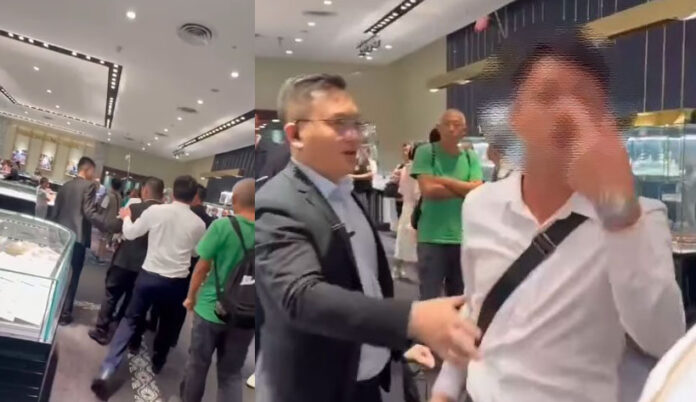
A video circulating online shows a Chinese tour guide is arguing with a female Chinese tourist on September 17, 2024.

BANGKOK — A video circulating online shows an incident where a foreign illegal tour guide is arguing with a female Chinese tourist, prompting a police investigation into a suspected zero-dollar tour at a Bangkok jewelry store.

In the video, the illegal guide is berating the tourist for not buying products from the store and accusing her of disrespecting him. The guide then attempts to push the female tourist to prevent her from filming. The tourist cries for help, claiming she’s been physically assaulted. Security guards eventually remove the illegal guide from the premises.
This incident occurred at a well-known jewelry store in the Lat Krabang District on September 17, 2024.

The Facebook page “Tourism Industry” states that this jewelry store is known for catering specifically to zero-dollar tours. Foreign illegal guides bring tourists here to purchase goods in exchange for commissions. It’s suspected that this illegal guide was upset because the tourist didn’t buy anything, resulting in no commission for him and a loss on the fee he paid to the tour company.

guide sorawong
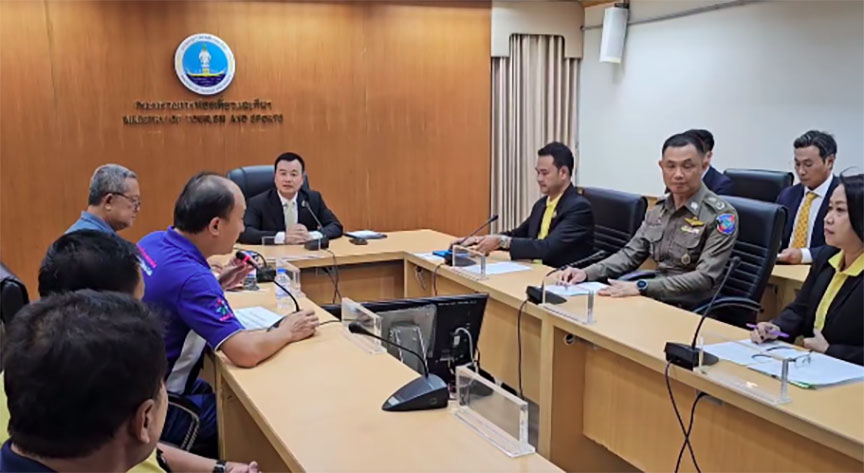
A group of Thai tour guides talks to the Minister of Tourism and Sports, Mr. Sorrawong Thienthong, on September 16, 2024.

After the video was shared online, many Thai tour guides commented, as the behavior of this foreign illegal guide significantly impacts the economy and image of domestic tourism.
This incident occurred one day after a group of Thai tour guides submitted a complaint to the Minister of Tourism and Sports, Mr. Sorawong Thienthong, on September 16.

They urged for a crackdown on foreign illegal guides and tour operators who are unlawfully taking jobs reserved for Thai nationals. They called on relevant authorities, especially the Department of Tourism and Tourist Police, to eliminate these illegal guides to restore confidence and improve Thailand’s tourism image.

guide chinese jewelry1
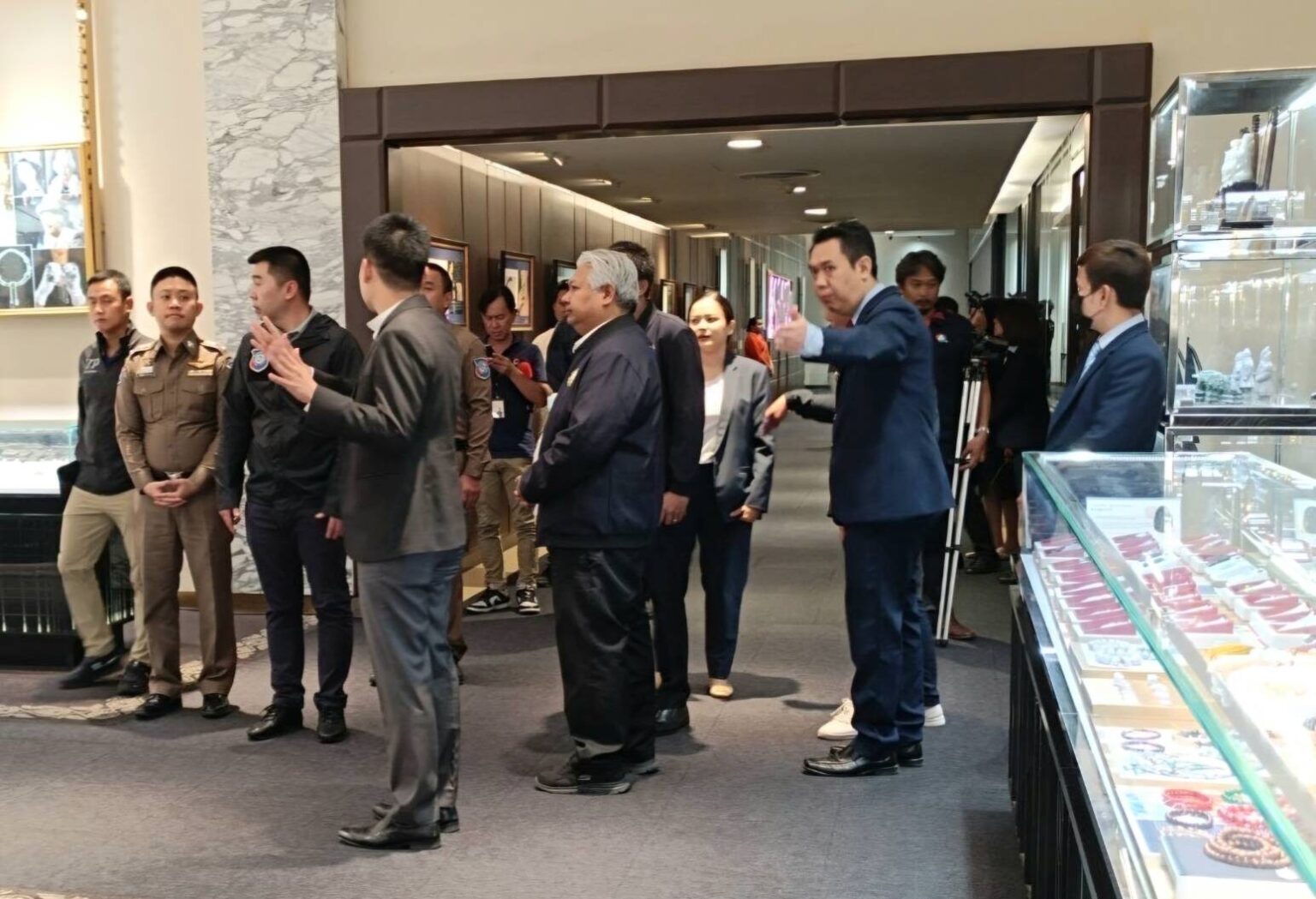
Tourist Police Bureau, along with officials from the Department of Tourism, inspects the incident site at a jewelry shop in Lat Krabang District, Bangkok, on September 19, 2024.

In response to the incident, Police Colonel Somchai Theeraphatpaisan, Deputy Commander of Tourist Police Division 1, led a team of investigative police officers from the Tourist Police Bureau, along with officials from the Department of Tourism, the store manager, and witnesses to inspect the incident site.

The officials examined the location shown in the video clip, spoke with the property owner and manager to understand the situation, and took journalists to inspect the product sales area and the entire sales process. They also checked the standards of buying and selling goods to prevent fraud and exploitation of tourists, including verifying price tags and product warranties.

Tourist police are currently investigating the foreign guide and the tour suspected of being a zero-dollar tour.

__________

Advertisement

Monsoon Valley Partners with Artist Gongkan for Alex Albon’s F1 Helmet at Singapore GP

Williams driver Alexander Albon of Thailand steers his car during the first practice session of the Singapore Formula One Grand Prix at the Marina Bay Street Circuit, in Singapore, Friday, Sept. 20, 2024. (AP Photo/Vincent Thian)

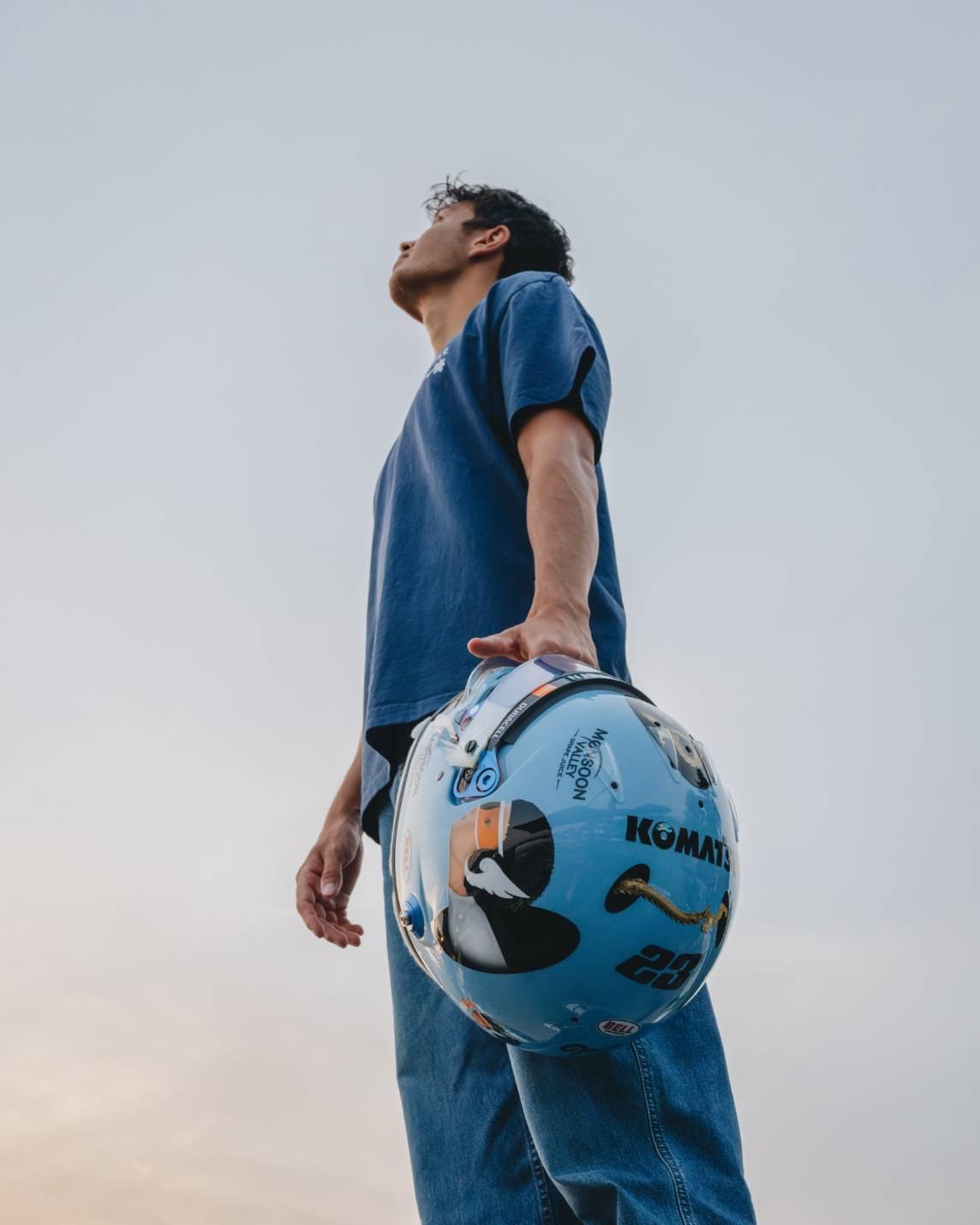
Monsoon Valley, Thailand’s top-selling and most internationally award-winning wine, is teaming up with superstar Thai artist Gongkan and F1 racer Alex Albon for the “THAI PASSION, THAI PRIDE” campaign.

image2 14

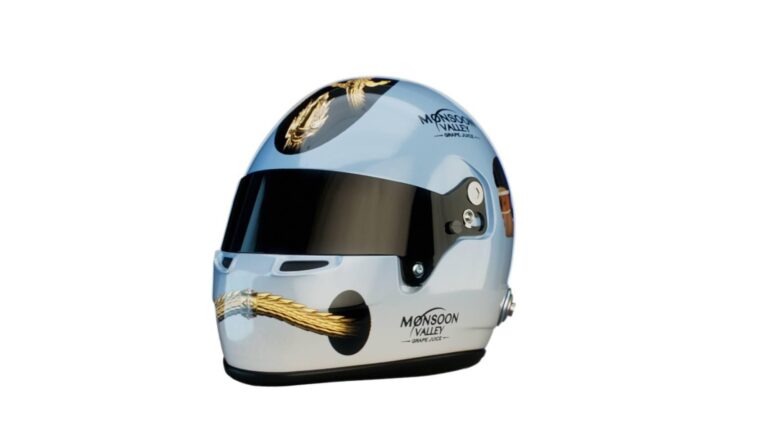
They are crafting a one-of-a-kind Naga design F1 racing helmet for Alex Albon, Thailand’s only F1 racer and Monsoon Valley’s brand ambassador to wear at the Singapore Grand Prix, showcasing Thai creativity on the global stage. To mark this occasion, Monsoon Valley is also launching a limited-edition Grape Juice and a special release of Monsoon Valley Signature Red wine, both featuring Gongkan’s unique design.

This isn’t just a racing helmet; it’s a celebration of Thai talent to the world. By uniting Gongkan and Alex Albon, Monsoon Valley brings together two of Thailand’s biggest names in artistic and sporting excellence, proving that the very best in Thai creativity and sporting skill can shine on any stage.

Born and raised in Bangkok, Gongkan is one of Thailand’s top contemporary artists, known for his distinctive ‘Teleport Art’ style. His dreamy, cartoon-like depictions of teleportation have captivated audiences in major cities like New York, LA, Paris, Seoul, and Tokyo, gaining him a strong following among both the Thai public and prominent art collectors.

Alex Albon, Monsoon Valley’s brand ambassador, proudly represents Thailand on the global racing stage. As the country’s only F1 driver, Alex has impressed with his performances and resilience, earning acclaim as a rising star in the fiercely competitive world of F1.  His deep connection to his Thai heritage makes him a perfect fit for Monsoon Valley, a brand dedicated to promoting the best of Thailand.

As part of the campaign, fans were invited to join the excitement by voting on their favorite Naga design from three options created by Gongkan. The winning Naga design was then applied to the helmet by Gongkan, and will be worn by Alex at the Singapore Grand Prix in mid-September 2024.

image1 22
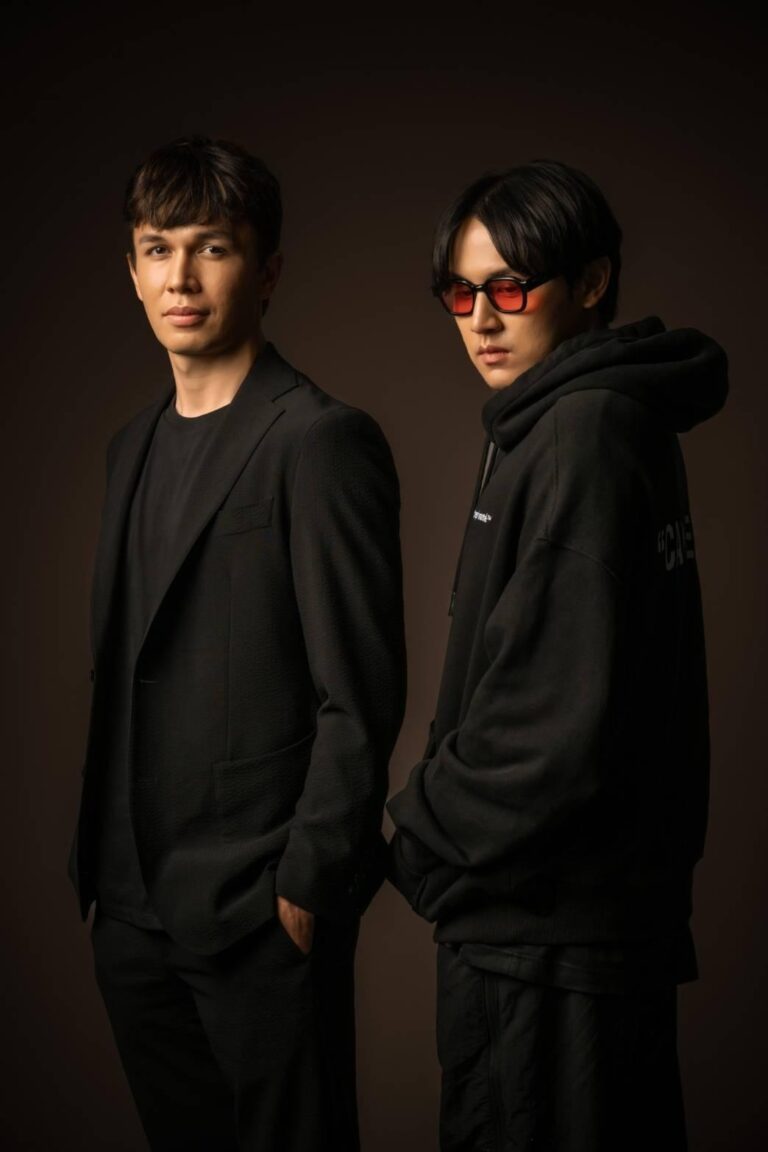
Alex Albon and Gongkan

The helmet design centers around the Phaya Naga (Naga), a mythical creature revered for its strength, resilience, and divine protection. In 2022, the Thai government designated the Naga as a national symbol, adding even more significance to this design. This collaboration is not just about art; it’s a proud expression of Thai heritage and cultural pride.

Mr. Varit Yoovidhya, Assistant Managing Director of Siam Winery Group, stated that this campaign brings together Thai art and world-class motorsports like never before.

“It’s an exciting collaboration between Monsoon Valley, Alex Albon, and Gongkan—three symbols of Thai excellence. We’re coming together to highlight Thailand’s extraordinary talent.  With this project, we’re eager to showcase the spirit of Thai culture with the global audience, especially contemporary art and Formula One fans, and enhance Thailand’s visibility internationally,” he said.

image3 15

image4 10

For more information about the winning Naga design, visit www.monsoonvalley.com   and on Facebook at Monsoon Valley for the latest updates.

Advertisement

Siam Piwat and WWD to Host Global Fashion Spotlight

Bringing together thought leaders and influencers across fashion industry for the first time in Southeast Asia, enhancing Thailand as a global fashion hub.

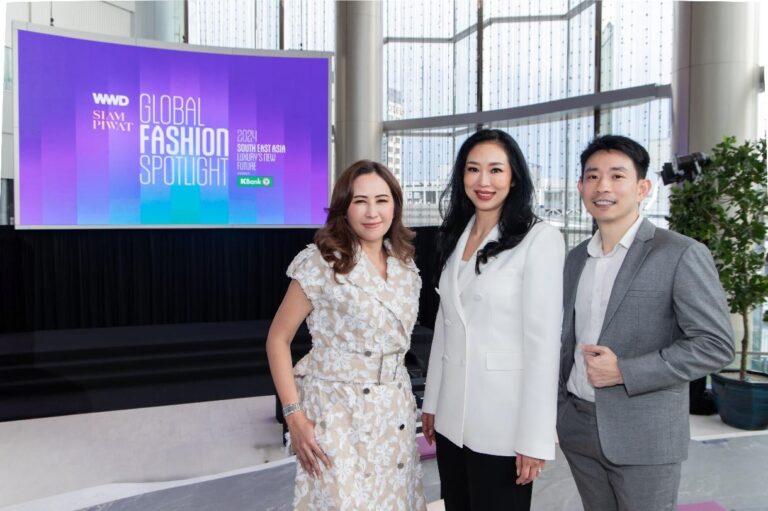
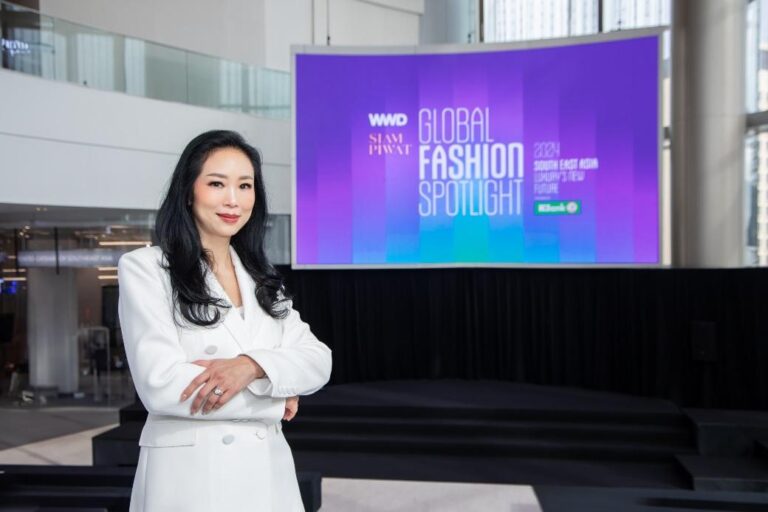
Bangkok (September 20, 2024): Siam Piwat Group – a leading real estate and retail business developer, the owner and operator of world-renowned projects such as Siam Paragon, Siam Center, and Siam Discovery, and a joint owner of ICONSIAM and Siam Premium Outlets Bangkok – is reinforcing its position as the number one leader in global destination development and a frontrunner in fashion and luxury retail through a collaboration with global partners and major media in the fashion industry, including globally recognized leader in fashion news Women’s Wear Daily (WWD), industry experts, and operators of leading global brands as well as KASIKORNBANK, to host the WWD x SIAM PIWAT GLOBAL FASHION SPOTLIGHT on Friday, October 4, 2024. This will be the first event in Southeast Asia ever to bring together thought leaders and influencers across the fashion industry and showcase the potential of Thailand’s fashion industry, with the goal of elevating the country into one of the world’s fashion hubs.

image3 16

Tipanat Lenbury, Senior Executive Vice President of Sales and Business Relations for the Fashion Business Group at Siam Piwat Co., Ltd., stated, “Siam Piwat is committed to driving Thailand’s fashion industry towards becoming a global fashion hub and one of the world’s best luxury destinations, with the goal to create a positive impact on the economy and growth for everyone in this industry chain. We play a crucial role in advancing the luxury market and have consistently earned the trust of leading global brands as a business partner. In addition, we have been a champion of the Thai fashion industry by fostering creativity and innovation and boosting its presence on the world stage.”

image5 10

Making its debut in Southeast Asia, the WWD x SIAM PIWAT GLOBAL FASHION SPOTLIGHT event aims to highlight the capabilities of Thailand’s fashion industry and elevate the country into a world-class fashion hub. This landmark gathering offers a unique platform for Siam Piwat’s partners, suppliers, and retailers to gain invaluable insights, connect with industry leaders, and gain inspiration.”

“We are thrilled to be hosting this important event with Siam Piwat”, said Amanda Smith, Chief Executive Officer of Fairchild Media Group. “The Thai market is quickly evolving into a true voice in the luxury retail conversation, and WWD is excited to shine a global spotlight to what this burgeoning region’s wave of growth means for the future of our industry.”    

“There could be no better time to be organizing the WWD x Siam Piwat Global Fashion Spotlight in Bangkok, since South East Asia, and much of Asia in general, continues to have a major impact around the globe in areas ranging from fashion to film, music to the arts. We are thrilled to be partnering with Siam Piwat on this event, which will gather together key industry leaders from major brands to discuss the potential of the luxury market in the region, the culture of sustainability, the importance of craftsmanship and artisans and more,” said James Fallon, Editorial Director of WWD and Fairchild Media Group.  

image1 23

Themed “SOUTH EAST ASIA – LUXURY’S NEW FUTURE,” the event will feature panel discussions on various topics, including “Building Brands for a Global Consumer,” “Adapting to the New Luxury Landscape,” and “South East Asia Power of Global Influence.” Key figures and influencers across the fashion industry have been invited to participate in the seminar. 

As the developer of some of the world’s most significant global destinations and a pioneer in fashion and luxury retail, Siam Piwat Group is driven by creativity and the aspiration to consistently exceed expectations – a DNA that has enabled it to deliver a diverse array of premium lifestyle experiences and attract over 100 million Thai customers and international tourists annually through the years. With long-standing success that transcends domestic competition, Siam Piwat’s shopping centers have established themselves as some of the world’s best and most closely watched fashion hubs and luxury destinations.    

Advertisement

Thailand Attracts Haier Investment for Largest Smart AC Plant Outside China

Haier
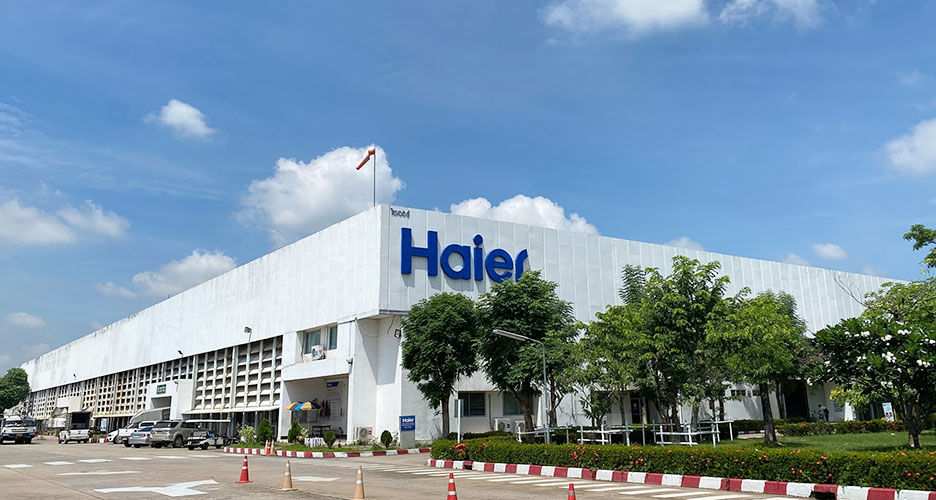
Haier factory in Thailand

BANGKOK —  BOI approves “Haier” investment of over 13 billion baht ($405 million), preparing to start production within 1 year, employing over 3,000 positions, increasing export value by 32 billion baht ($968 millon) per year.

The project consideration subcommittee, authorized by the BOI board, has approved an investment promotion application for smart air conditioner manufacturing by Haier Appliance Manufacturing Co., Ltd. under the “Haier” brand. Haier is a major home appliance manufacturer from China with the world’s No. 1 sales for 15 consecutive years (2009-2023), as ranked by Euromonitor.

The investment is as high as 13.4 billion baht, located on an area of over 200 rai at WHA Eastern Seaboard Industrial Estate 3 in Chonburi province.

haier chonburi
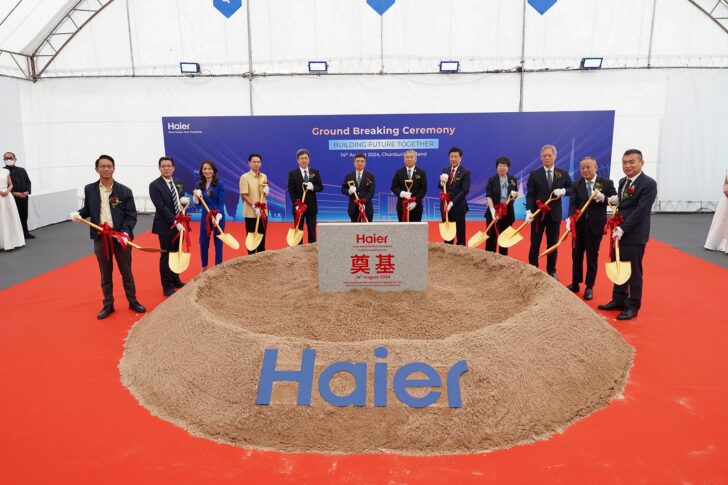
Haier Thailand executives hold a groundbreaking ceremony for their full-scale air conditioner manufacturing plant at WHA Eastern Seaboard Industrial Estate 3 (WHA ESIE 3) in Chonburi province on August 24, 2024.

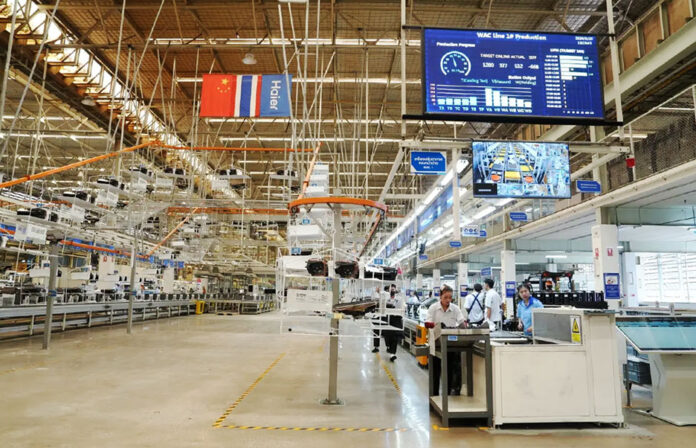
The project will produce smart air conditioners with sensor and electronic systems that can detect and receive data, and can connect to smartphones and other devices via Wi-Fi network, with a capacity of 6 million units per year. The first phase will accelerate investment and install a production capacity of 3 million units, ready to start production by September 2025.

The full project will be operational by 2027, with plans to employ over 3,000 Thai personnel. The production will mainly be for export, with an export value of over 32 billion baht per year.

Mr. Narit Therdsteerasukdi, Secretary-General of the Board of Investment (BOI), said that Haier has decided to make a major investment to build a new factory, choosing Thailand as its largest smart air conditioner production base outside of China. This is because Thailand has quality infrastructure, especially stable and sufficient electrical power, a strong supply chain, and a strategic location with logistics readiness, including ports and convenient transportation routes to support exports.

Narit Therdsteerasukdi
Mr. Narit Therdsteerasukdi, Secretary-General of the Board of Investment (BOI)

Moreover, there are investment promotion measures from the government to attract quality investment projects that benefit the country in terms of job creation, personnel development, use of domestic raw materials, and increasing Thailand’s export value in the global market.

Previously, the Haier group has received investment promotion in various home appliance manufacturing businesses such as refrigerators, washing machines, electric rice cookers, electric kettles, and compressors for refrigerators, under Haier Electric (Thailand) Co., Ltd., totaling 9 projects with an investment of over 3 billion baht, located at Kabinburi Industrial Zone in Prachinburi Province. Currently, they are preparing to expand their refrigerator production at the existing factory site.

Mr. Gu Wenhai, President of Haier Electric (Thailand), said that Haier entered Thailand in 2002. Then in 2007, Haier acquired Sanyo’s business and officially entered Thailand.

“As a multinational company, we prioritize localization, including research and development that focuses primarily on local needs. From this perspective, Haier didn’t come to Thailand just for production and sales, but we also brought advanced techniques and technologies to Thailand, elevating the local area. Ultimately, we want Haier in Thailand to be produced by local people, creating pride for both those involved in production and our company itself,” he said.

haier
Haier Electric (Thailand)

Gu said that the billion-baht investment in the new factory where we will establish our air conditioner production base aims to gain recognition for environmental concerns in the Thai and ASEAN markets.

The next goal is to increase competitiveness, because in the past, there was a belief that Thai consumers didn’t trust Chinese brands. But since Haier entered Thailand when we didn’t yet understand local behavior, until now we’ve passed that point and thoroughly learned the behavior and needs of people in Thailand. This has led to increased sales and users of Haier products, reflecting that consumers are increasingly accepting and trusting Chinese brands.

“Looking at the current situation where Haier has invested in building a new factory in Chonburi, and we have development plans to expand our refrigerator factory in Prachinburi, these two points indicate that Haier still has confidence in Thailand’s economy. And if we look at the relationship between Thailand and the United States, having a factory in Thailand and exporting to the United States doesn’t have much impact. We consider the factory in Thailand as our opportunity for future development,” he said.

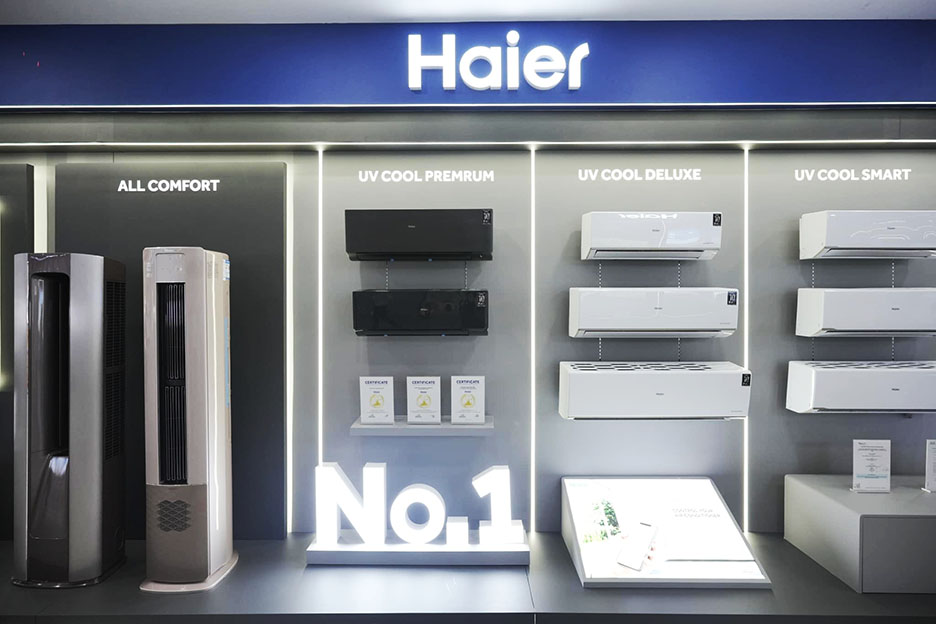
haier products

Mr. Zhou Yunjie, CEO of Haier Group, added that the factory has a construction plan divided into 3 phases, scheduled to be completed by 2027. The first phase will open with a production capacity of 3 million units in September 2025. The second and third phases will be completed and operational in 2026 and 2027, respectively.

After construction is completed, this factory will become the largest air conditioner production base in Southeast Asia and Haier’s largest overseas production base in the air conditioning industry.

“Haier’s investment in Thailand demonstrates the good cooperation between China and Thailand in driving sustainable international economic growth together. It also extends Haier’s vision to grow rapidly as an internationally standardized home appliance brand, creating an excellent user experience recognized by consumers worldwide, and continuing to deliver endless creative power according to the concept ‘More Creation, More Possibility’,” Mr. Zhou said.

zhou yunjie
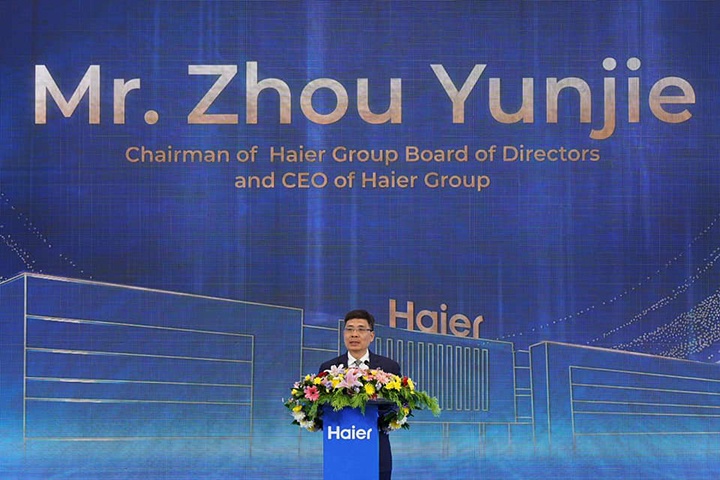
Mr. Zhou Yunjie, CEO of Haier Group

Currently, Thailand is a leading production base for the home appliance industry in the ASEAN region and is one of Thailand’s top export products. Smart home appliance products tend to expand continuously due to the development of digital technologies including AI, 5G, and IoT, which are changing the standard of living in the modern world where consumers can connect and control various devices in their homes via the internet.

According to BOI, promoting the upgrading of the home appliance industry to “smart appliances” is one of BOI’s important goals. From 2023 to June 2024, there were 144 projects in the home appliance and parts industry applying for BOI promotion, with a total investment of 98,550 million baht.

Over 80% are products in the smart appliance group. Besides Haier, there are other leading brands with production bases in Thailand such as Mitsubishi, Sony, Daikin, Samsung, Electrolux, and Midea.

___________

Advertisement

New Genetic Analysis of Wuhan Market Animals May Reveal Covid-19 Origin

Covid-19
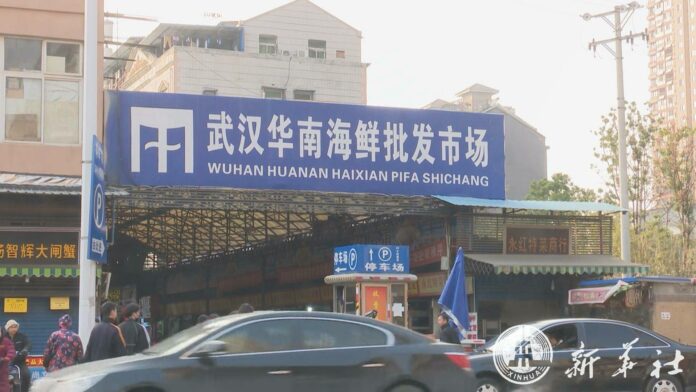
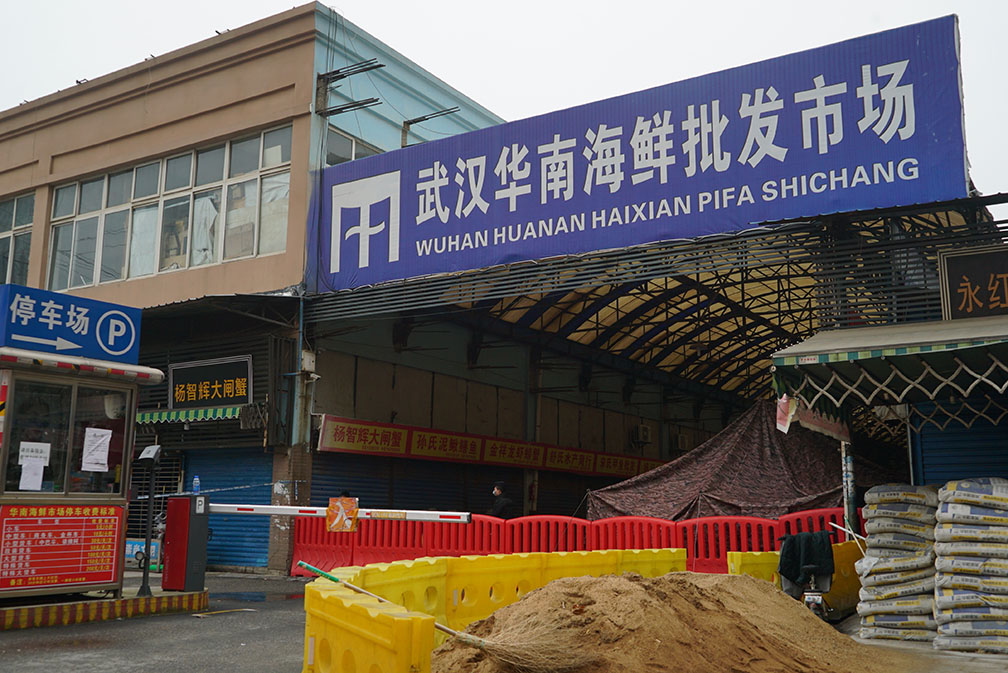
Huanan Seafood Wholesale Market in Wuhan

LONDON (AP) — Scientists searching for the origins of COVID-19 have zeroed in on a short list of animals that possibly helped spread it to people, an effort they hope could allow them to trace the outbreak back to its source.

Researchers analyzed genetic material gathered from the Chinese market where the first outbreak was detected and found that the most likely animals were racoon dogs, civet cats and bamboo rats. The scientists suspect infected animals were first brought to the Wuhan market in late November 2019, which then triggered the pandemic.

Michael Worobey, one of the new study’s authors, said they found which sub-populations of animals might have transmitted the coronavirus to humans. That may help researchers pinpoint where the virus commonly circulates in animals, known as its natural reservoir.

AP23076445213988
FILE – The Huanan Seafood Wholesale Market, sits closed in Wuhan in central China’s Hubei province on Jan. 21, 2020. (AP Photo/Dake Kang, File)

“For example, with the racoon dogs, we can show that the racoon dogs that were (at the market) … were from a sub-species that circulates more in southern parts of China,” said Worobey, an evolutionary biologist at the University of Arizona. Knowing that might help researchers understand where those animals came from and where they were sold. Scientists might then start sampling bats in the area, which are known to be the natural reservoirs of related coronaviruses like SARS.

While the research bolsters the case that COVID-19 emerged from animals, it does not resolve the polarized and political debate over whether the virus instead emerged from a research lab in China.

Mark Woolhouse, a professor of infectious diseases at the University of Edinburgh, said the new genetic analysis suggested that the pandemic “had its evolutionary roots in the market” and that it was very unlikely COVID-19 was infecting people before it was identified at the Huanan market.

S 19595291 5
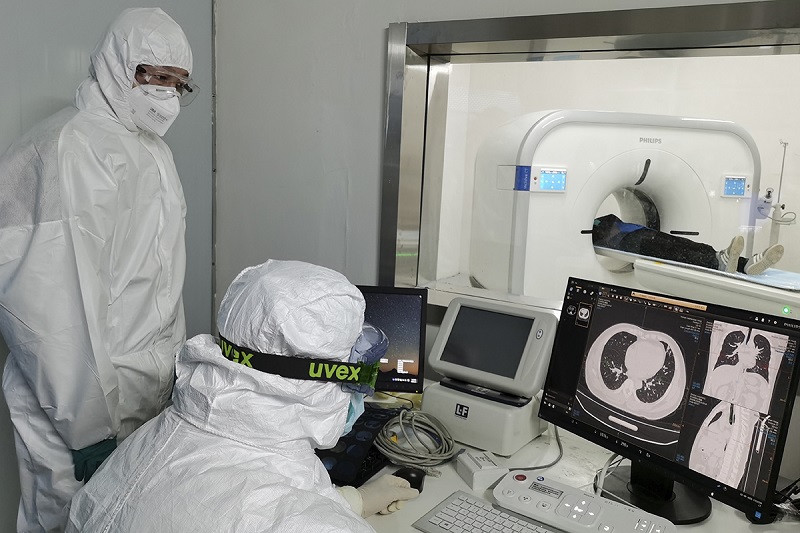
A Xinhua file photo of doctors at Huoshenshan hospital in Wuhan, China.

“It’s a significant finding and this does shift the dial more in favor of an animal origin,” Woolhouse, who was not connected to the research, said. “But it is not conclusive.”

An expert group led by the World Health Organization concluded in 2021 that the virus probably spread to humans from animals and that a lab leak was “extremely unlikely.” WHO chief Tedros Adhanom Ghebreyesus later said it was “premature” to rule out a lab leak.

An AP investigation in April found the search for the COVID origins in China has gone dark after political infighting and missed opportunities by local and global health officials to narrow the possibilities.

Scientists say they may never know for sure where exactly the virus came from.

In the new study, published Thursday in the journal Cell, scientists from Europe, the U.S. and Australia analyzed data previously released by experts at the Chinese Center for Disease Control and Prevention. It included 800 samples of genetic material Chinese workers collected on Jan. 1, 2020 from the Huanan seafood market, the day after Wuhan municipal authorities first raised the alarm about an unknown respiratory virus.

Chinese scientists published the genetic sequences they found last year, but did not identify any of the animals possibly infected with the coronavirus. In the new analysis, researchers used a technique that can identify specific organisms from any mixture of genetic material collected in the environment.

Worobey said the information provides “a snapshot of what was (at the market) before the pandemic began” and that genetic analyses like theirs “helps to fill in the blanks of how the virus might have first started spreading.”

Woolhouse said the new study, while significant, left some critical issues unanswered.

“There is no question COVID was circulating at that market, which was full of animals,” he said. “The question that still remains is how it got there in the first place.”

___

Advertisement

Hot News

LATEST NEWS

Bangkok
overcast clouds
27.2 ° C
27.2 °
27.2 °
82 %
3.9kmh
100 %
Mon
34 °
Tue
34 °
Wed
33 °
Thu
35 °
Fri
27 °