































35.7 C
Bangkok
Wednesday, June 10, 2026
Home Blog Page 632

Phyathai-Paolo Hospital Group Expands into EEC Market

Phyathai-Paolo Hospital Group Expands into EEC Market with New Hospital Launch – Phayathai Sriracha 2 Hospital Leads Thailand in Medical Tourism

Phyathai-Paolo Hospital Group is expanding its medical services in the Eastern Economic Corridor (EEC) region, with the official opening of Phyathai Sriracha 2 Hospital. Aligned with government policies aimed at shifting Thailand, especially the EEC special economic area, to the forefront of comprehensive healthcare in ASEAN, the hospital is a cornerstone in the medical landscape.

This move is a huge step forward in the group’s efforts to provide cutting-edge healthcare in the eastern area. Phyathai Sriracha 2 Hospital is prepared to become an entire medical hub, serving both local and foreign patients. Furthermore, it reflects Thailand’s rising importance in health tourism, establishing the country as a pioneer in promoting wellness-oriented travel experiences.

Phyathai Sriracha 2 Hospital is a general hospital with a capacity of 1,500 outpatient visits per day and 113 inpatient beds. Following the success of the first branch of Phyathai Sriracha Hospital, which has been providing care to the community for over 28 years, the growth of this hospital intends to address the health care demands of the residents of Chonburi and the surrounding areas. The hospital, which is part of the Phyathai-Paolo Hospital Group under the BDMS, focuses on delivering specialist medical services in a variety of professions, offering comprehensive and high-quality care for both typical patients and insurance holders. It has gained trust and worth in EEC, a crucial economic expansion area for the country.
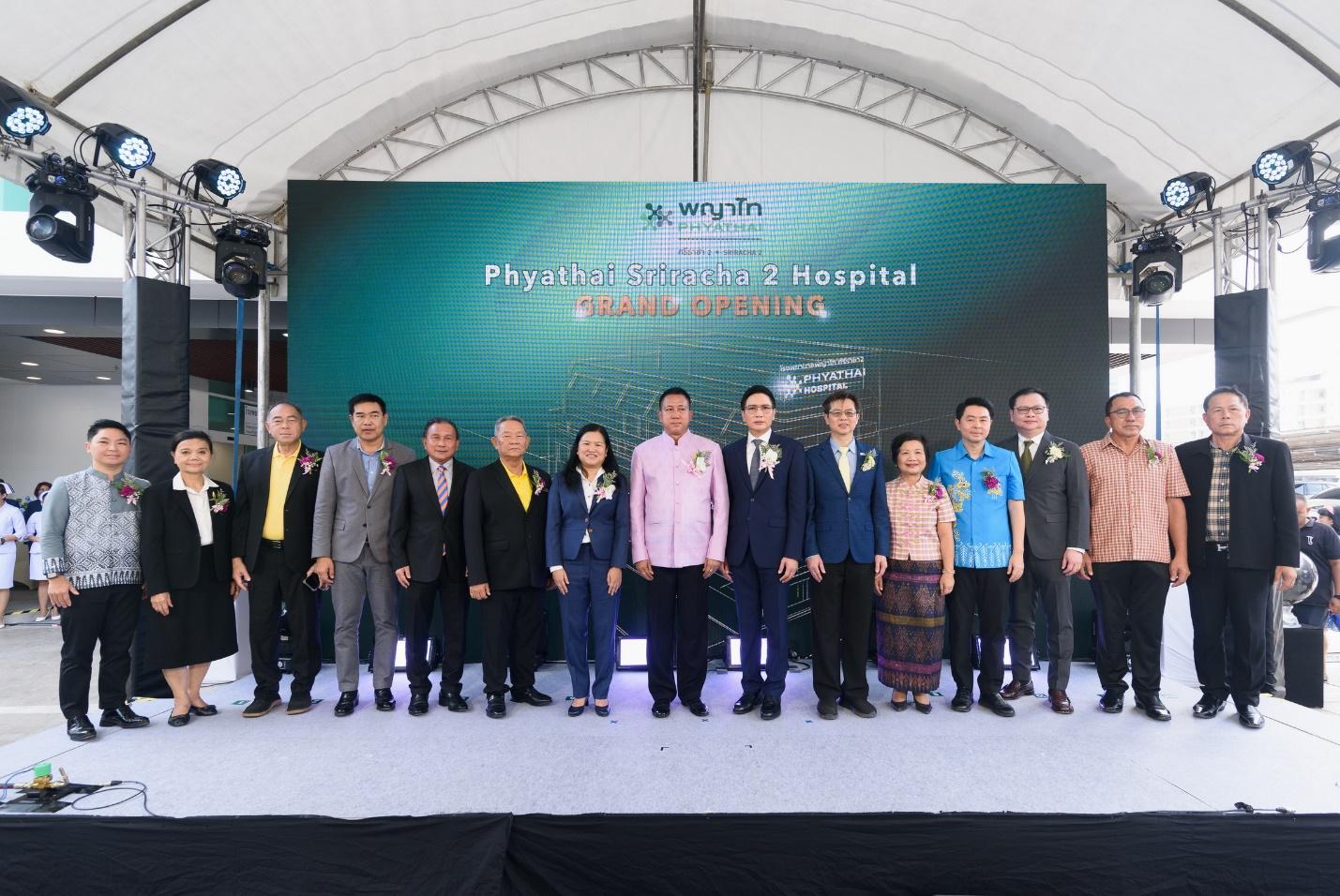
image3 19

Mr. Att Thongtang, CEO of Phyathai-Paolo Hospital Group, revealed that “Phyathai Sriracha Hospital is committed to continually enhancing its service capabilities to provide continuous patient care. We understand the significance of every step in the treatment process. Furthermore, the readiness of our experienced professional medical staff and cutting-edge technologies will improve the efficacy and safety of patient care.”

Mr. Att underlined the significance of strengthening medical professionals at the hospital. The Phyathai-Paolo Hospital Group actively employs professionals from various medical fields and provides scholarships to physicians and nurses for academic pursuits. Special training programs have been created for interdisciplinary healthcare teams, which include nurses, scientists, pharmacists, and medical technicians, to help them improve their medical treatment expertise. This ensures that the community accesses full healthcare services without needing to travel to Bangkok.

By integrating the Health Up application, patients can easily access medical services with just a click on their mobile devices. They can view treatment histories, schedule appointments with doctors, access health information, and utilize Telecare services, all in line. This is particularly crucial in the EEC region, where more than 400,000 people have moved and adapted modern lifestyles.

Mr. Att stated that Phyathai Sriracha Hospital has been operating since 1995 and began delivering social security services in 1999, with a focus on quality and standards. This resulted in an increase in insured individuals to around 250,000 and earned the hospital the Social Security Hospital of the Year award in the past year. Subsequently, an additional quota of 115,000 insured individuals was obtained this year. Recognizing the growing needs of service recipients, the hospital expanded its facilities to accommodate them, especially in the EEC region, where industrial and business development is continuous.

With the increasing demand for healthcare to support workers and labor groups, the Phyathai-Paolo Hospital Group invested in expanding hospital facilities in Chonburi Province. The expansion involves the launch of the new Phyathai Sriracha 2 Hospital, which intends to relieve congestion in current hospitals and develop into an essential medical center in the future. In 2025, the company plans to invest in another 225-bed hospital in the Bo Win Industrial Estate, which will serve as a healthcare hub for Chonburi residents and those in the surrounding districts.

Dr. Chanchai Leesomprasong, Director of Phyathai Sriracha Hospital, provided information stating that the first Phyathai Sriracha Hospital has been serving the community for almost three decades, continuously developing medical skills and knowledge to keep up with modern standards. This has transformed the hospital into a reliable healthcare provider for the local population, ensuring that insured individuals receive valuable services.

He emphasized the hospital’s dedication to becoming a cornerstone for the EEC community, focusing on providing quality services at reasonable prices, with a secure and accessible network, especially in the Eastern Economic Corridor (EEC), an industrial area. The hospital aims to provide comprehensive care, hence expanding its services to accommodate approximately 500,000 insured individuals.

Phyathai Sriracha 2 Hospital was established to serve both general patients and those on social security. The first Phyathai Sriracha Hospital is being transformed into a center of medical excellence, with enhanced amenities to serve privileged and social security patients who are in need of complicated or specialized medical care. Services including minimally invasive surgery, heart surgery, and cancer chemotherapy have been started. In addition, plans call for the expansion of wellness and health promotion services, as well as a number of medical specialties with over 280 highly qualified doctors.

In the past year, the Hospital’s Infertility Center has been internationally recognized for its quality, receiving the AACI certification from the United States, and has been certified as a Trauma 3 center for emergency management.

Furthermore, it is currently in the process of obtaining TEMSA certification, which adheres to safety principles in three target groups: patient safety, personnel safety, and public safety, ensuring efficient emergency medical services. Phyathai Sriracha Hospital and its network are able to promptly, safely, and reliably respond to various emergency situations, serving as a cornerstone for the people of Chonburi Province and nearby areas, both Thai and international, who encounter emergency accidents.
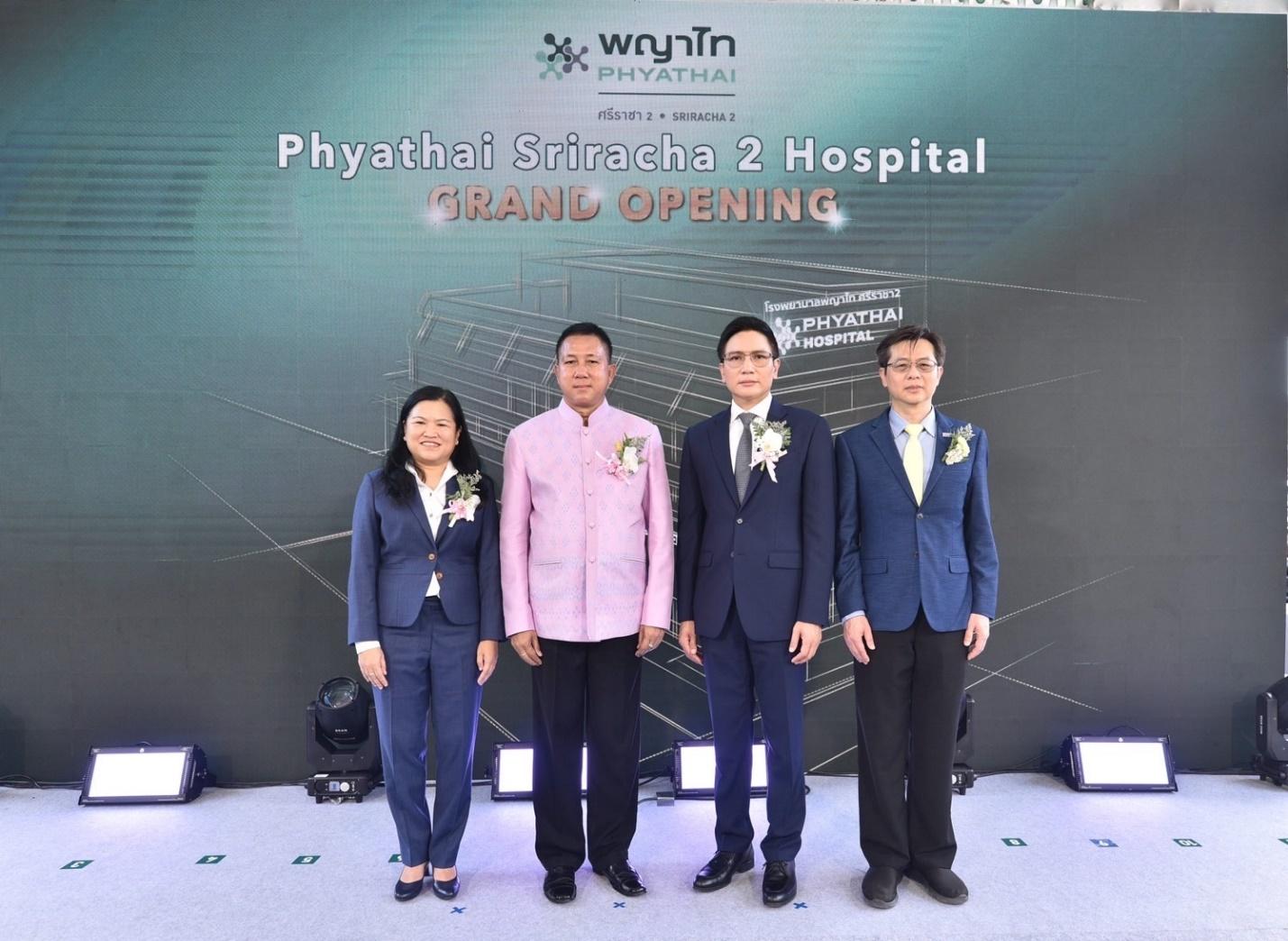
image2 23

Ms. Pramaporn Prasatthong-ost, Chief Executive Officer of Bangkok Dusit Medical Services Public Company Limited (BDMS), commented on the expansion of the medical business in the EEC, stating, “BDMS is committed to driving Thailand’s healthcare industry towards sustainable global standards, particularly in reducing disparities in access to healthcare services nationwide.

Currently, BDMS operates over 50 hospitals nationwide, with the latest addition being Piyathai Sriracha 2 Hospital under the Phyathai-Paolo Hospital Group in the Sriracha area. This expansion aims to meet the needs of the local population and support the growing industries in this area, especially in response to the continuous increase in demand for medical services.”

Expanding business in the EEC is not only about meeting market demands and fostering economic growth but also about shaping the organization’s image as a leader in medical services in the EEC area. This is part of the strategy to expand the hospital group’s business. Furthermore, it aims to help develop Thailand into an international health hub, attracting foreign investors and supporting health tourism in line with government policy. This is a proactive response to global changes and developments, ensuring effective and sustainable progress on a global scale.
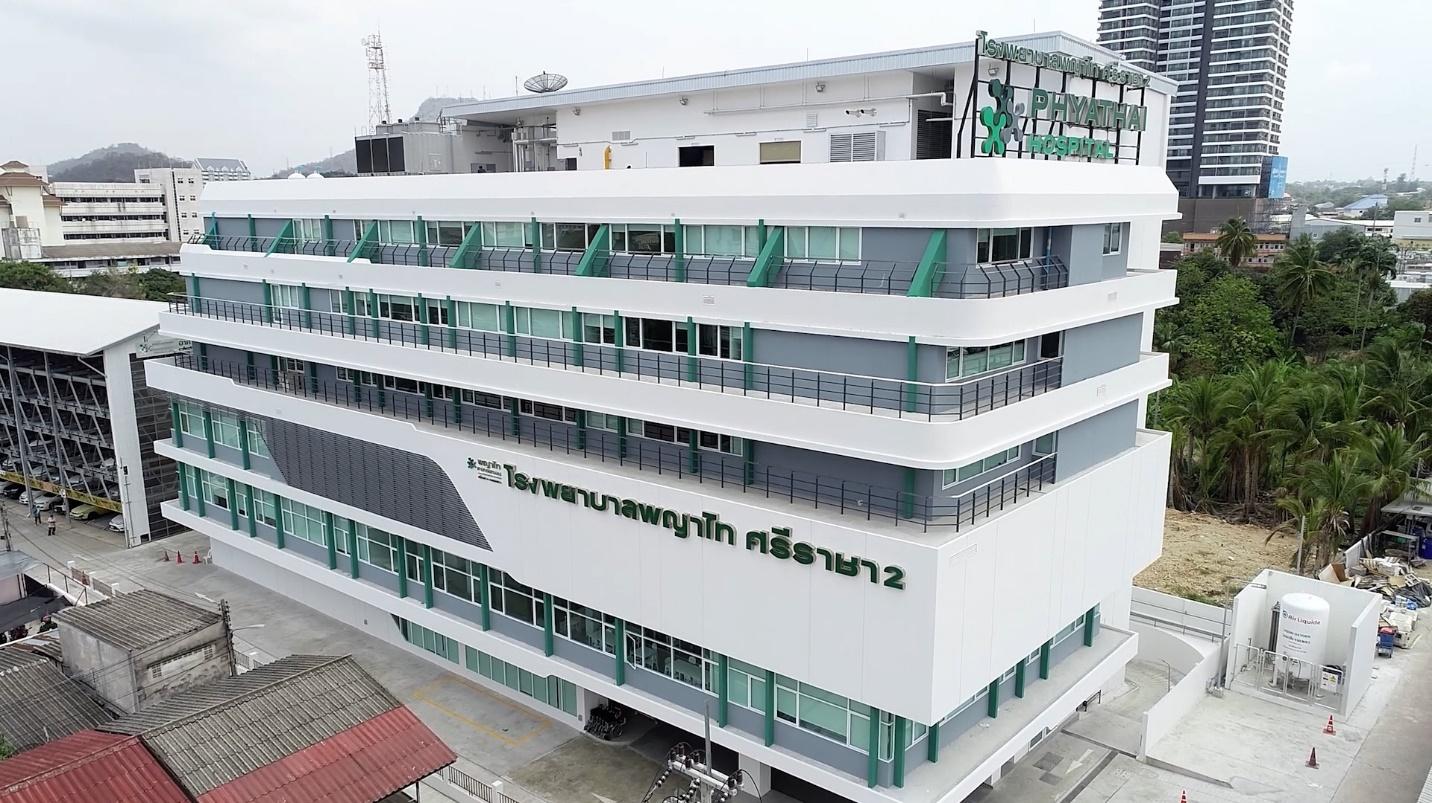
image4 17

Ms. Pramaporn further stated, “BDMS has been recognized as the most robust organization in the EEC area, with a clear vision to lead in medical services and healthcare excellence on an international standard. Our commitment to conducting business responsibly towards society, communities, and the environment consistently earns us wide acceptance and trust in healthcare provision across Thailand, particularly in the rapidly developing EEC region.

Additionally, we aim to create opportunities for communities in the area to benefit from medical development and investments in facilities and amenities. This stimulation contributes to long-term economic growth in the region.” 

Mr. Att concluded by saying, “The BDMS group is proud of its ability to grow and cater to the requirements of all societal groups while maintaining its emphasis on offering the best possible healthcare. Phayathai Sriracha 2 Hospital will contribute to sustainable development in the Eastern Economic Corridor (EEC) by providing services that address community needs. We aim to provide patients with experiences of excellent care and state-of-the-art technology, all the while concentrating on training medical professionals to successfully meet our patients’ demands with top-notch medical services.”


Advertisement

Bangkok Dating What Makes Foreigners Appealing Partners

Bangkok Dating – Bangkok Ranks in the Top 5 for the Highest Number of Registered Intercultural Marriages in Thailand!

What Makes Foreigners More Appealing Partners to Thai Women in Thailand?

Are foreigners genuinely more inclined towards love and marriage compared to Thais?

Is the financial commitment greater for foreigners than for Thais?

Or is sincerity the predominant factor for both parties?

When it comes to the topic of intercultural dating, relationship, and marriage, it seems to be a common occurrence in Thailand over the past decade. This is attributed to both the cultural openness and the changing societal norms. With advancements in communication technology, cross-border relationships have become more prevalent.

However, despite this trend, Bangkok Matching, Thailand’s leading and longest running high-end matchmaking company, believes that many are still unaware that intercultural dating and marriages in Thailand are not predominantly occurring in the northeastern region, as commonly perceived. Statistics from the Department of Provincial Administration reveal that Bangkok ranks highest in the registration of marriages between Thai women and foreign men, including Thai men marrying foreign women, over the past 3 years.

Bangkok stands out significantly from other provinces. With this in mind, Bangkok Matching, Bangkok’s Dating and Matchmaking Agency invites everyone to delve deeper into the Thailand’s intercultural marriage statistics to understand the magnitude and nature of these high registration rates.

image1 25

Statistics reveal that Bangkok ranks in the Top 5 provinces with the highest number of registered marriages with foreigners in Thailand. This includes marriages between Thai men and foreign women, as well as Thai women and foreign men.

Bangkok topped the list in the year 2566 (Buddhist calendar), with a staggering 5,872 registered couples. Following Bangkok are Chiang Mai with 746 couples, Chonburi with 727 couples, and Chiang Rai with 391 couples. The Top 5 list concludes with the tourist destination of Phuket, registering 343 couples.

Looking back over the past 3 years, there has been a clear increase in the rate of marriages between Thai and foreign individuals. In 2564, there were 2,299 registered couples, including 167 Thai men marrying foreign women and 2,132 Thai women marrying foreign men. In 2565, this figure jumped to 4,819 couples, with 538 Thai men marrying foreign women and 4,281 Thai women marrying foreign men. The trend continued to rise significantly in 2566, with a total of 5,872 registered couples.

Notably, there was an increase in Thai men marrying foreign women, rising from 100 couples to 1,029 couples in this year alone. Thai women marrying foreign men reached 4,843 couples, showing a continuous and clear increase.

These statistics from the Department of Provincial Administration dispel the common belief that intercultural dating, relationship and marriages predominantly occur in the northeastern region of Thailand.

Today, intercultural dating and marriages are widely accepted and viewed positively by society, leading to a continuous increase in marriage rates and registrations. Bangkok, as the capital and central hub of Thailand, consistently leads in the registration of marriages between Thai and foreign individuals each year.

One notable observation made by the high-end matchmaking company Bangkok Matching is the significant difference in the number of registered marriages between Thai men and foreign women, compared to Thai women and foreign men.

The data clearly shows that there are substantially more Thai women registering marriages with foreign men than Thai men registering marriages with foreign women. When comparing the numbers, there were only 1,734 Thai men marrying foreign women over the past 3 years, whereas Thai women marrying foreign men reached a remarkable 11,256 couples. This indicates that Thai women marrying foreign men outnumber Thai men marrying foreign women by a factor of approximately 6.5.

At Bangkok Matching, foreign men seeking Thai women for serious dating, relationship and marriage typically possess high-profile backgrounds, excellent education, and affluent status, ranging from holders of master’s and doctoral degrees to business owners, doctors, engineers, and professionals from various fields. Many of these individuals, hailing from diverse corners of the globe, express a strong desire to date Thai women. However, there is a smaller number of foreign women seeking Thai men through the same service.

This analysis suggests that not only are Thai women open to and interested in marrying foreign spouses, but foreigners themselves also seek Thai wives with outstanding profiles. Consequently, the marriage rate between Thai women and foreign men continues to rise each year, with a trend indicating further increases.

Now, it’s essential to delve into why there is such a significant difference in the number of Thai men and women marrying foreigners. Is it due to reasons of preference, cultural values, or other factors influencing the decision-making process regarding marriage and registration with foreign partners?

4 Reasons Why Thais are Marrying Foreigners More

Through research on “Thai Women’s Marriage to Foreigners” we have uncovered intriguing insights into why Thais choose to marry foreigners. These insights address key questions that many readers may have. Are foreigners more sincere in love? Do they offer more romance or financial stability?

Bangkok Matching has identified 4 primary reasons behind the increasing trend of Thai women marrying foreigners. Below is a sample of what makes foreigners more appealing partners to Thai women in Thailand.

1.Changing Social Norms: Thai women, especially those with high profiles, are increasingly marrying foreigners based on their own preferences and tastes, rather than solely for the purpose of elevating their social status or that of their families. Previously, it was often assumed that Thai women married foreigners to escape poverty or improve their social standing. However, this belief is gradually fading as Thai women with education, social status, or financial independence are more open to dating and marrying foreigners. The stability and equality in foreign partners’ status and financial capabilities offer new opportunities and perspectives compared to marrying Thai men.

2.Past Relationship Experiences: Thai women may be drawn to foreigners due to negative experiences in past relationships with Thai men. Many cite foreigners’ perceived attentiveness and caring nature as significant factors. This perception stems from issues such as domestic violence, infidelity, and feeling undervalued by Thai partners, contributing to a significant portion of Thai women experiencing domestic abuse, with up to 62.5% citing such experiences. Consequently, foreign men are viewed as more caring, emotionally supportive, and financially reliable partners.

3.Age Limitations Are Less of a Concern: In Thai society, finding a partner becomes increasingly challenging with age, particularly for women. However, in Western societies, age is not a significant barrier to finding love. Additionally, having a previous marriage or children is not a major obstacle to remarriage for Westerners, contrasting with traditional Thai expectations. Therefore, Thai women are more open to relationships and marriages with older foreign men, regardless of their age or family background.

4.Broadened Perspectives: Thai women appreciate foreign partners’ broader perspectives on gender roles and domestic responsibilities. In Thai society, women are often expected to take on traditional roles as homemakers and caretakers, even if they are successful professionals. Foreign men, however, are more likely to share household duties and childcare responsibilities equally, viewing such contributions as essential rather than optional. This mindset aligns with the desires of modern Thai women for equality and fairness in relationships, making foreigners more appealing partners.

These reasons collectively reflect a shift in Thai women’s attitudes towards relationships and marriage, with an increasing number seeking compatibility and understanding over traditional gender roles.

To Learn More about Bangkok Matching and Bangkok Dating Tips:

Bangkok Matching’s Blog: https://www.bangkokmatching.com/en/blog/

 Facebook Thai Fanpage:  https://www.facebook.com/bangkokmatching.fanpage/

 Facebook English Fanpage:

https://www.facebook.com/ThaiDatingServiceAgency

Twitter:  https://twitter.com/BangkokMatching

Instagram: https://www.instagram.com/bangkokmatching

Bangkok Matching Youtube Channel: https://www.youtube.com/channel/UC5EbBMpGCiOwAZE4R7GLZ_Q

Pinterest:  https://www.pinterest.com/bangkokmatching

LinkedIn: https://www.linkedin.com/bangkokmatching

TikTok: https://www.tiktok.com/@bangkokmatching

Bangkok Matching Office Direction: https://goo.gl/maps/3ogBsbto3Mu

Line Official: https://page.line.me/bangkokmatching

Advertisement

Five Bangladeshis Hide in a Holed Truck; Found in Songkhla

Bangladeshis

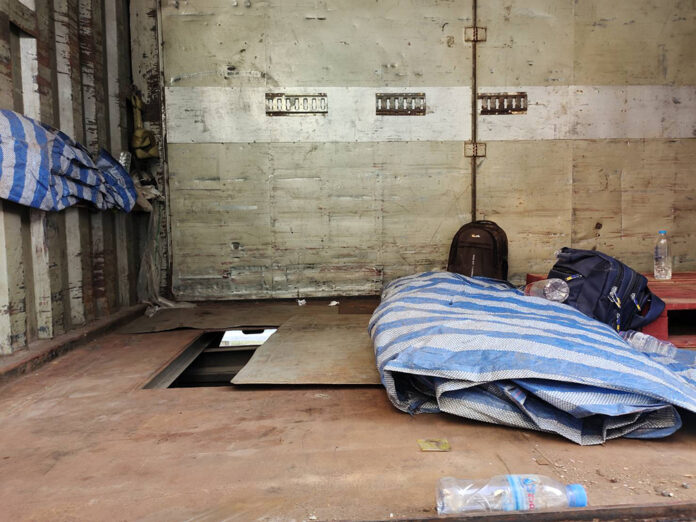
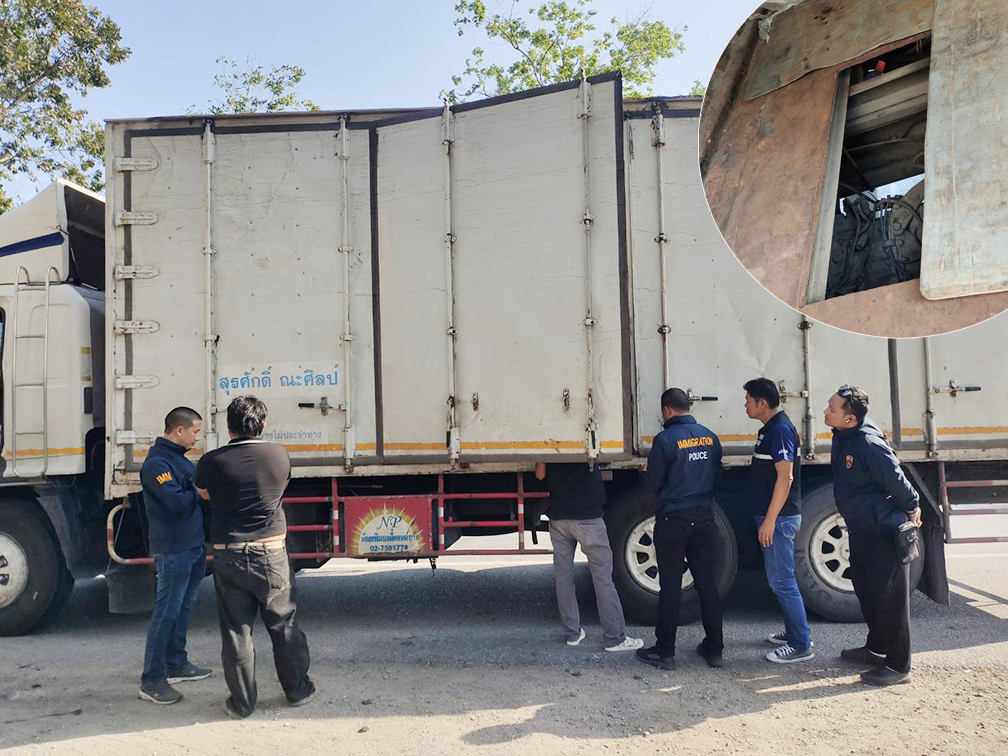
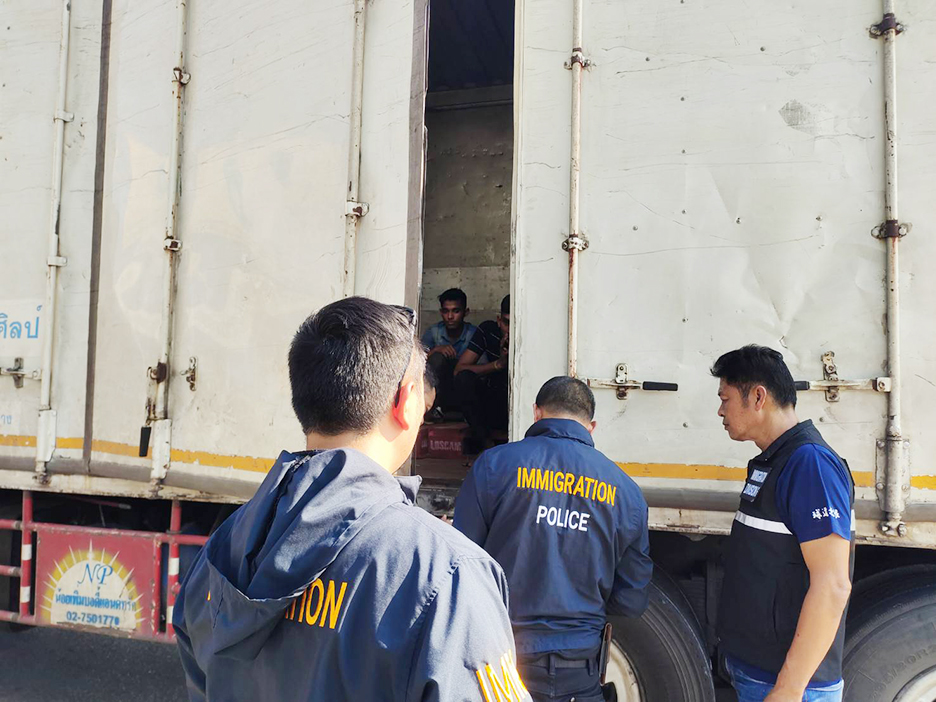
SONGKHLA – Immigration officials in Songkhla province stopped a 10-wheeler truck on Asia Highway in Rattaphum district and found five Bangladeshis hiding in the cargo hold.

The truck, with a Nakhon Pathom license plate, was driven by 49-year-old Mr. Suwan, who aroused the officers’ suspicion on Thursday. The Bangladeshis were found hiding in the cargo compartment, which had a hole drilled in the floor for ventilation.

Mr. Suwan confessed that he had been hired to transport the five Bangladeshis from Prachinburi province to Songkhla for a fee of 1,000 baht per person. He said he had smuggled illegal immigrants many times before, with the highest number being 20-24 people.

Bangladeshis

The Bangladeshis said they had traveled illegally from Cambodia and were hoping to work in Malaysia. They had paid 400,000 taka (about 100,000 baht) each for the journey.
Mr. Suwan was charged with aiding and abetting illegal immigration, while the five Bangladeshis were charged with entering and remaining in the kingdom without permission. They were all taken to the Rattaphum Police Station for further processing.

According to a report by the Department of Employment of the Ministry of Labor, a total of 25,628 checks were carried out for illegal foreign workers from 1 October 2023 to 18 March 2024. Of these, 820 cases resulted in legal action, with 1,689 illegal foreign workers found.
It was found that 721 of these workers are taking jobs away from Thais, mainly in Bangkok and the surrounding areas, Phuket, Samui, Pattaya and Chiang Mai.

Bangladeshis

The most common occupations for illegal foreign workers are: Market vendors, nail salon workers, car mechanics, street vendors, food vendors and workers in pubs and bars
The occupations in which illegal foreign workers most often take jobs from Thais are: Door-to-door sales, hairdressing, driving and massage

Of the 1,689 people who were prosecuted, 875 were from Myanmar, 318 from Cambodia, 231 from Laos, 87 from Vietnam and 178 from other countries. Recently, more and more Bangladeshis have been apprehended, especially when trying to cross the border into Malaysia.

Advertisement

CP Foods Leads Water Conservation Efforts with Innovative Tech Initiatives 

CP Foods Leads Water Conservation Efforts with Innovative Tech Initiatives on World Water Day 2024

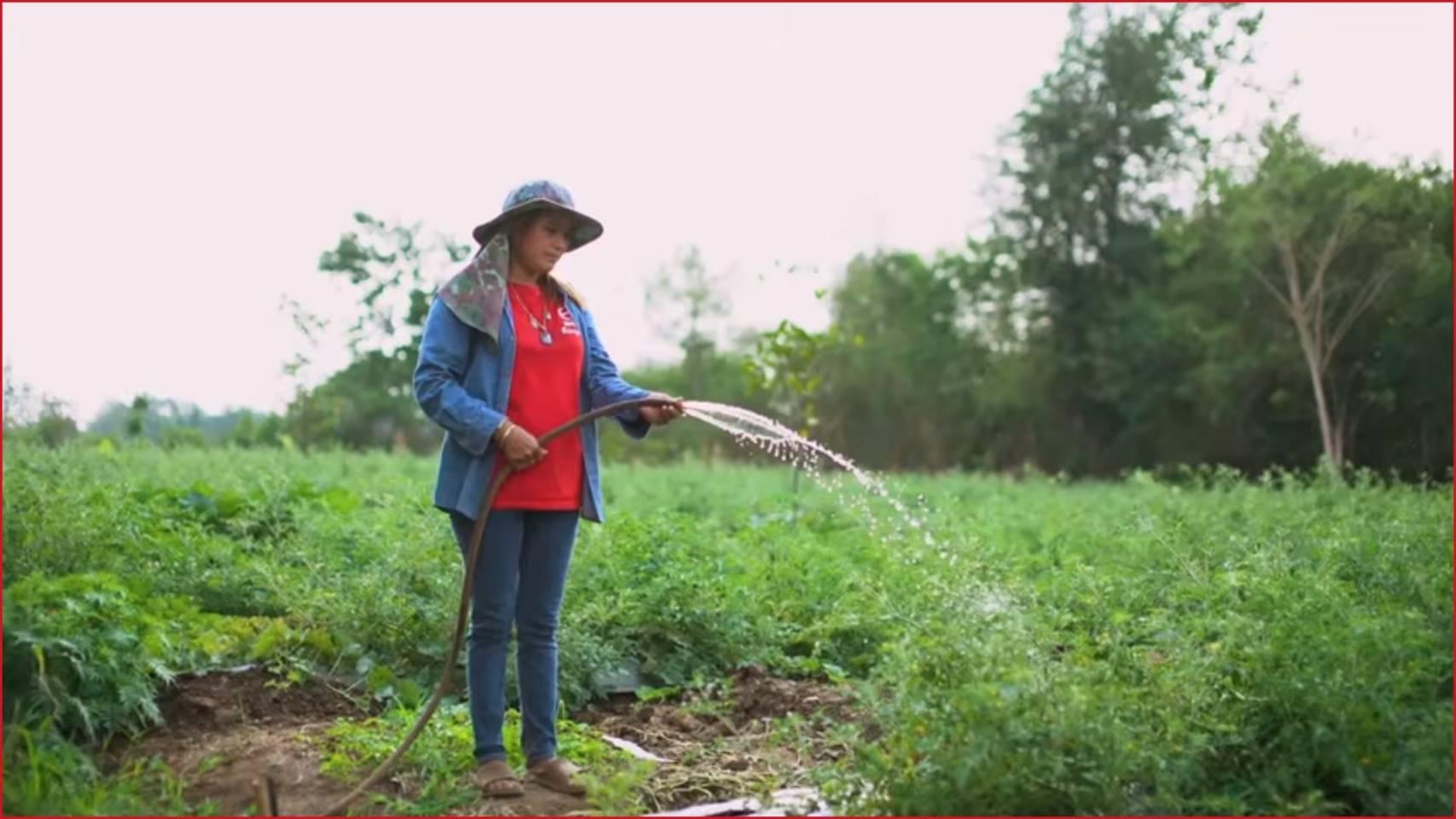
Charoen Pokphand Foods Public Company Limited (CP Foods) is committed to responsible water resource management by incorporating advanced technology throughout its production chain to conserve water sustainably.

The company also shares expertise with local communities and farmers, enabling them to access sufficient good quality water during droughts and maintain stable growth. This initiative aligns with the celebration of World Water Day 2024’s  theme, “Leveraging Water for Peace.”  

image3 18

Ms. Kobboon Srichai, Head of Corporate Affairs & Investor Relations at CP Foods, emphasizes that as the integrated agro-industrial and food sectors CP Foods realizes water stewardship is a vital aspect of the company’s sustainability commitment to secure quality water sources for the communities.

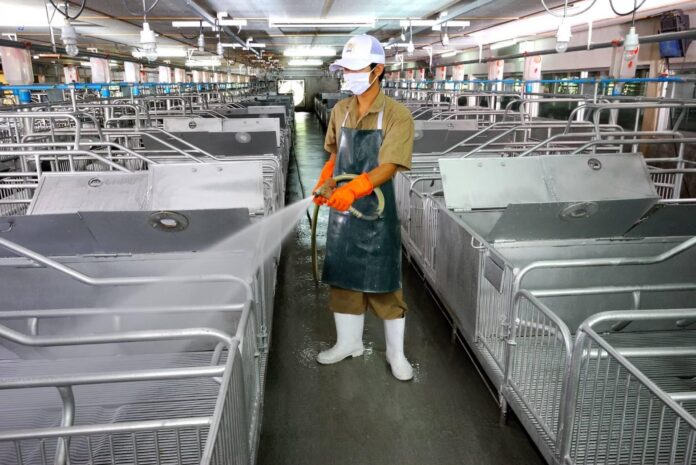
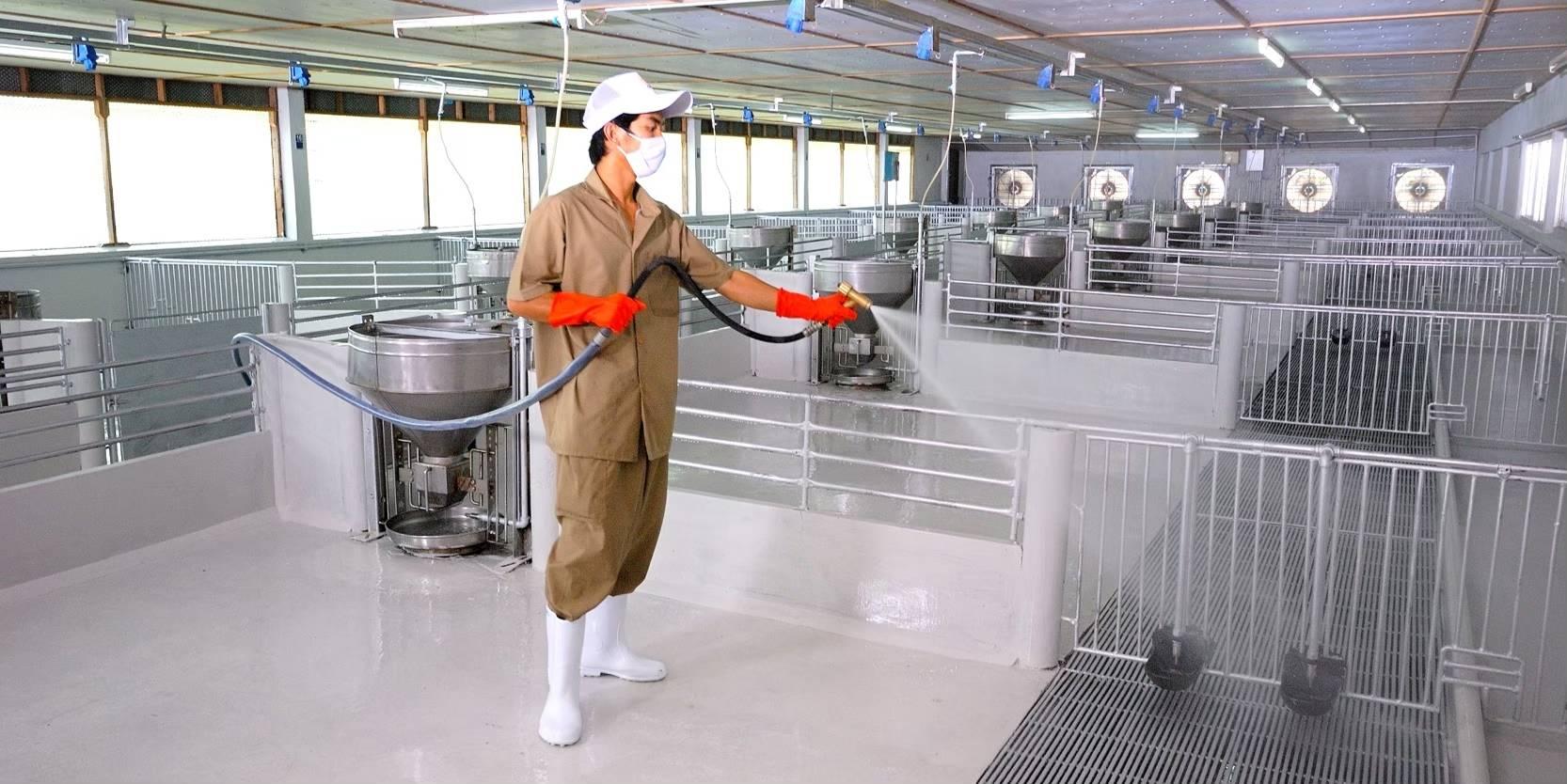
CP Foods focuses on optimizing water-use efficiency within the organization and reducing amount of freshwater from external water sources through adopting innovation and technology solutions adhering to the 3Rs Principle (Reducing, Reusing, and Recycling) : Reducing water consumption, Reusing water without treatement process, and Recycling treated water.

This approach has led to a significant reduction in water withdrawal per production unit by over 50% when compared to 2015 across its operations in eight countries including Thailand, Vietnam, Cambodia, Laos, Malaysia, India, the Philippines and Turkiye.

image2 22

Distinguished innovations and technology related to water stewardship such as Biofloc technology for wastewater treatment within shrimp farms and Ultrafiltration technology have been implemented to enhance water efficiency and minimize freshwater usage. These technologies have enabled shrimp farms to cut external water withdrawal by up to 75%. Additionally, CP Foods has adopted an air chilled system  in chicken processing plants, reducing water usage by about 15% compared to water chilled method.

The company repurposes treated water for various non-production-related activities, such as cleaning, irrigation, and road washing. Meanwhile, it utilizes advanced reverse osmosis filtration to treat wastewater for use in the cooling down in refrigeration system and cleaning tools and equipment. This initiative allowed CP Foods to reuse and recycle 19.5% of its total water withdrawal in 2023, equivalent to 47.3 million liters.

Beyond its internal operations, CP Foods extends its water management insights to farmers and communities through collaboration projects like the fertilizer (recycled) water sharing program, the groundwater bank initiative, and the ‘Rak Lam Nam Mun’ project. These efforts aim to foster sustainable water resource management and conservation for the benefit of local communities and future generations.

image4 16

Advertisement

As India’s Election Nears, Some Bollywood Films Promote Modi Politics by Embracing Hindu Nationalism

Hindu
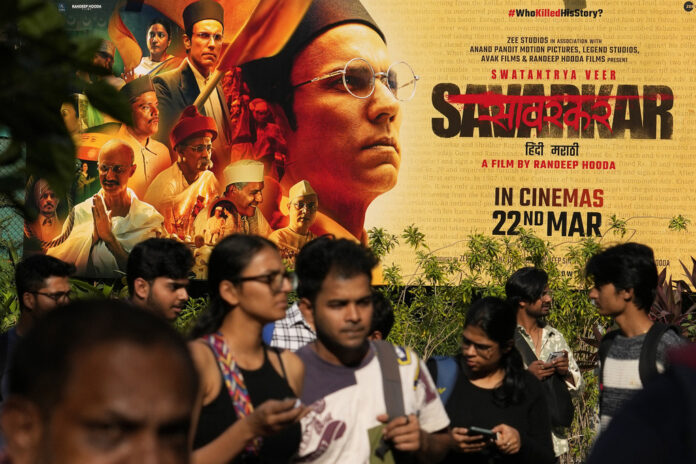
People walk past a large poster of the movie Swatantra Veer Savarkar displayed outside a cinema hall in Mumbai, India, Thursday, Mar. 21, 2024. (AP Photo/Rajanish Kakade)

NEW DELHI (AP) — The movie trailer begins with an outline of the iconic glasses worn by Mohandas Gandhi, the leader who helped India win independence from the British colonialists in 1947. In the backdrop of a devotional song that Gandhi loved, the outline slowly morphs into what appears like his face.

Then, a raucous beat drops, followed by a rap song. A face is finally revealed: not Gandhi, but an actor who plays the independence leader’s ideological nemesis, Vinayak Damodar Savarkar — the man considered the fountainhead of Hindu nationalism in India.

It is the same ideology Prime Minister Narendra Modi has harnessed to cement his power as his ruling party makes strides in its quest to turn the secular country into a Hindu nation.

The glorified biopic on the early 20th-century Hindu nationalist ideologue — called “Swatantra Veer Savarkar,” or “Independent Warrior Savarkar” — hits Indian theatres Friday, just weeks ahead of a national vote that is set to determine the political direction of the country for the next five years. The movie coincides with a cluster of upcoming Bollywood releases based on polarizing issues, which either promote Modi and his government’s political agenda, or lambast his critics.
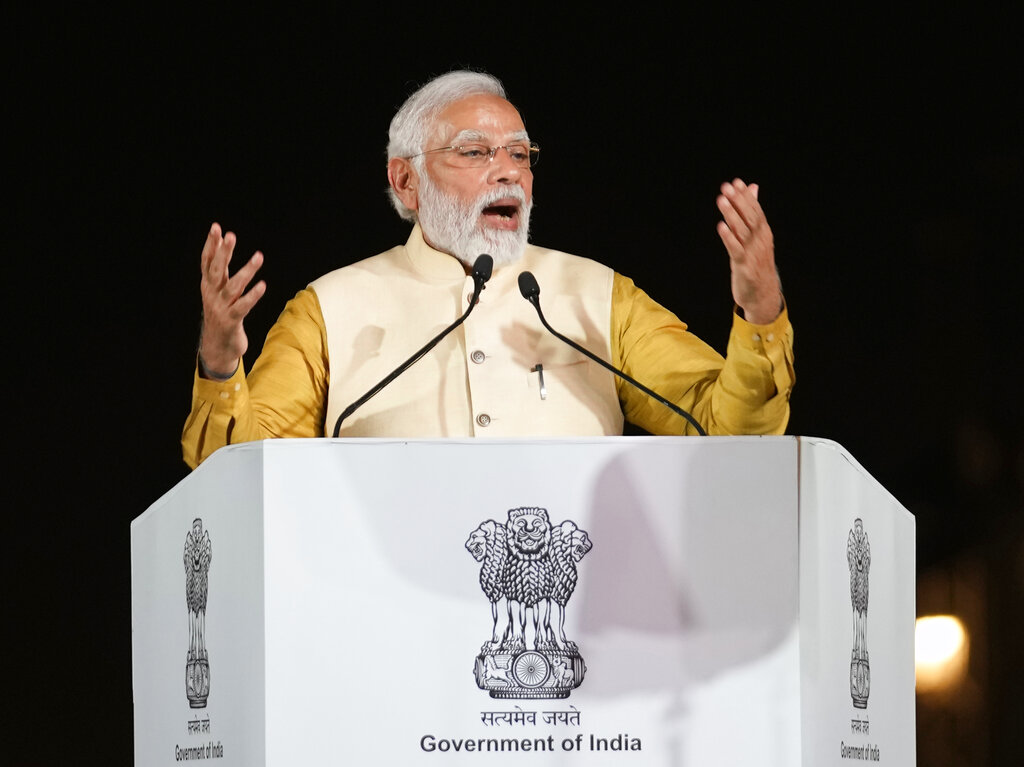
Indian Prime Minister Narendra Modi speaks at the inauguration of the revamped Central Vista Avenue at the India Gate in New Delhi, India, Thursday, Sept. 8, 2022. Photo: Manish Swarup / AP

Analysts say the use of popular cinema as a campaign tool to promote Hindu nationalism feeds into a divisive narrative that risks exacerbating the already widespread political and religious rifts in the country.

Raja Sen, a film critic and Bollywood screenwriter, said movies used to represent a mix of nationalistic cinema and films promoting national integration.

“That appears to be fast changing,” Sen said. “The scary part is that these films are being accepted now. It is truly frightening.”

For more than a century, Bollywood has unified India, a country riven with religious, caste and political divide. It’s been a rare industry where religion has been least influential in deciding the success of filmmakers and actors. Bollywood films have also championed political diversity and religious harmony.

That culture, however, appears to be under threat.

Under Modi’s Hindu nationalist government, many filmmakers have made movies on bygone Hindu kings extolling their bravery. Boisterous and action-packed movies valorizing the Indian Army have become box office successes. Political dramas and biopics that eulogize Hindu nationalists are the norm.

In most of these films, the stock villains are medieval Muslim rulers, leftist or opposition leaders, free thinkers or rights activists — and neighboring Pakistan, India’s arch rival.

The biopic on Sarvarkar, who advocated for India’s future as a Hindu nation, is emblematic of this broader trend.

Two more upcoming films claim to reveal a conspiracy about a 2002 train fire in western Gujarat state that ignited one of the worst anti-Muslim riots in India. More than 1,000 people, mostly Muslims, were killed in riots. It was a hugely controversial episode in Modi’s political career, as he was the chief minister of Gujarat at the time.

Another film claims to expose the “anti-national agenda” of a university in the capital, New Delhi. The film is loosely based on Jawaharlal Nehru University, one of the country’s premier liberal institutions that has become a target of Hindu nationalists and leaders from Modi’s Bharatiya Janata Party.

Many past films with similar themes became box office successes. Modi’s party often publicly endorsed them despite criticism of his government for stifling dissent.

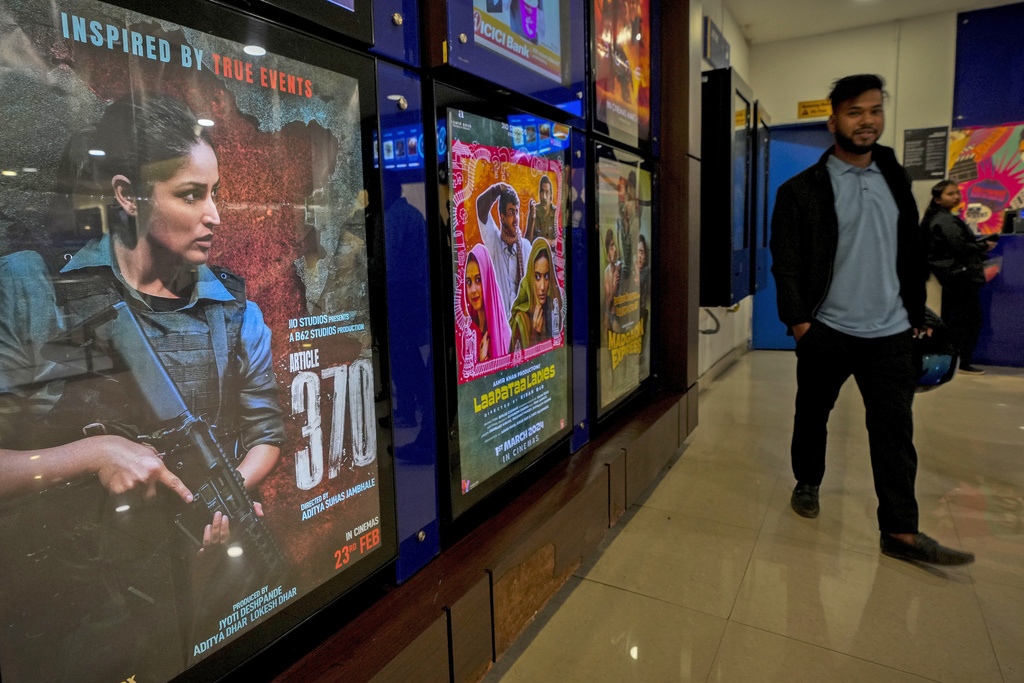
In February, Modi himself praised “Article 370,” a film that celebrated his government’s controversial decision to strip Indian-controlled Kashmir of its special status and statehood in 2019. Some film reviewers called the movie “factually incorrect” and a “thinly veiled propaganda film” favoring the government.

AP24081474537173
A man stands next to a poster of the movie Article 370 displayed at a cinema hall in Guwahati, India, Thursday, March 21, 2024.  (AP Photo/Anupam Nath)

“The Kerala Story,” the ninth-highest grossing Hindi film of 2023, was widely panned for inaccuracies in depicting Christian and Hindu girls from India’s southern Kerala state who were lured to join the Islamic State. The film was banned in two states ruled by opposition parties, who said it was Islamophobic and would destroy religious harmony.

At the same time, at least three states ruled by Modi’s party made tickets to see the film tax-free and held mass screenings. Modi himself endorsed viewing the film during a state election rally.

Sudipto Sen, the film’s director, said the movie exposed the “nexus between religious fundamentalism and terrorism” through a human story, and did not vilify Muslims.

“You can’t ignore the emotional appeal of these films. In fact, every state government should endorse them,” Sen said.

AP24022264190466
A general view of the audience during the opening of a temple dedicated to Hindu deity Lord Ram, in Ayodhya, India, Monday, Jan.22, 2024 (AP Photo/Rajesh Kumar Singh)

Another of Sen’s films, based on Maoist insurgency in central Indian jungles, was released March 15. Its primary villains, apart from the insurgents, were rights activists and left-leaning intellectuals. One critic called it “two hours of diatribe against communism.”

While such films have been applauded by India’s right, other Bollywood movies have fallen into the crosshairs of Hindu nationalists.

Right-wing groups have frequently threatened to block the release of films they deem offensive to Hinduism. Hindu activists often make calls on social media to boycott such films.

Some filmmakers caught up in India’s increasingly restrictive political environment say they’re resorting to self-censorship.

“People like me feel disempowered,” said Onir, a National Award-winning filmmaker who goes by just one name.

Onir has made widely acclaimed films highlighting LGBTQ+ rights. In 2022, Onir wanted to make a movie inspired by a former Indian army major who falls in love with a local man in disputed Kashmir, where armed rebels seeking independence or a merger with Pakistan have fought Indian rule for decades. The film’s script was rejected by India’s defense ministry because it was “distorting the image of Indian army,” the filmmaker said.

“Look at the films that are getting released now. Any film that goes against the government’s narrative is called anti-national. There is no fair ground. In fact, there is an atmosphere of fear,” Onir said.

Polarizing films — which Onir noted constitute most of the recent releases, while movies focusing on discrimination against minorities face hurdles — tend to make big money, signaling the appetite for such content.

Some say the rise in divisive films reflects opportunism among filmmakers.

“The idea that this is the way to success has permeated into Bollywood,” said Raja Sen, the critic and screenwriter.

He said such films make good business sense because of the noise they generate, even though they serve as the cinematic equivalent of “WhatsApp forwards” — a reference to misinformation and propaganda spread on the social messaging platform.

“Indian films need an artistic rebellion. I hope we can start seeing that,” Sen said.

____

Related coverage:

A Hindu Temple Built Atop A Razed Mosque In India Is Helping Modi Boost His Political Standing

Advertisement

AIS Pioneers 5G SA Network Innovation by Allowing Two SIM Cards

SIM

AIS showcases capabilities on groundbreaking network innovation, enabling simultaneous usage of two SIM cards on 5G SA (DSDA) for the first time in Thailand.

AIS reaffirms its leadership of 5G, leading the way in advancing the digital experience for Thais. For the first time in the Thai telecommunications industry, customers can instantly use two SIMs simultaneously (Dual Active) without needing to configure on the 5G SA (Standalone) smart network.

Leveraging the cutting-edge innovation of Dual SIM Dual Active (DSDA) technology, now available on flagship smartphones such as the Xiaomi 14 Series. This advancement elevates customer experience, meeting lifestyle demands comprehensively.

image3 17

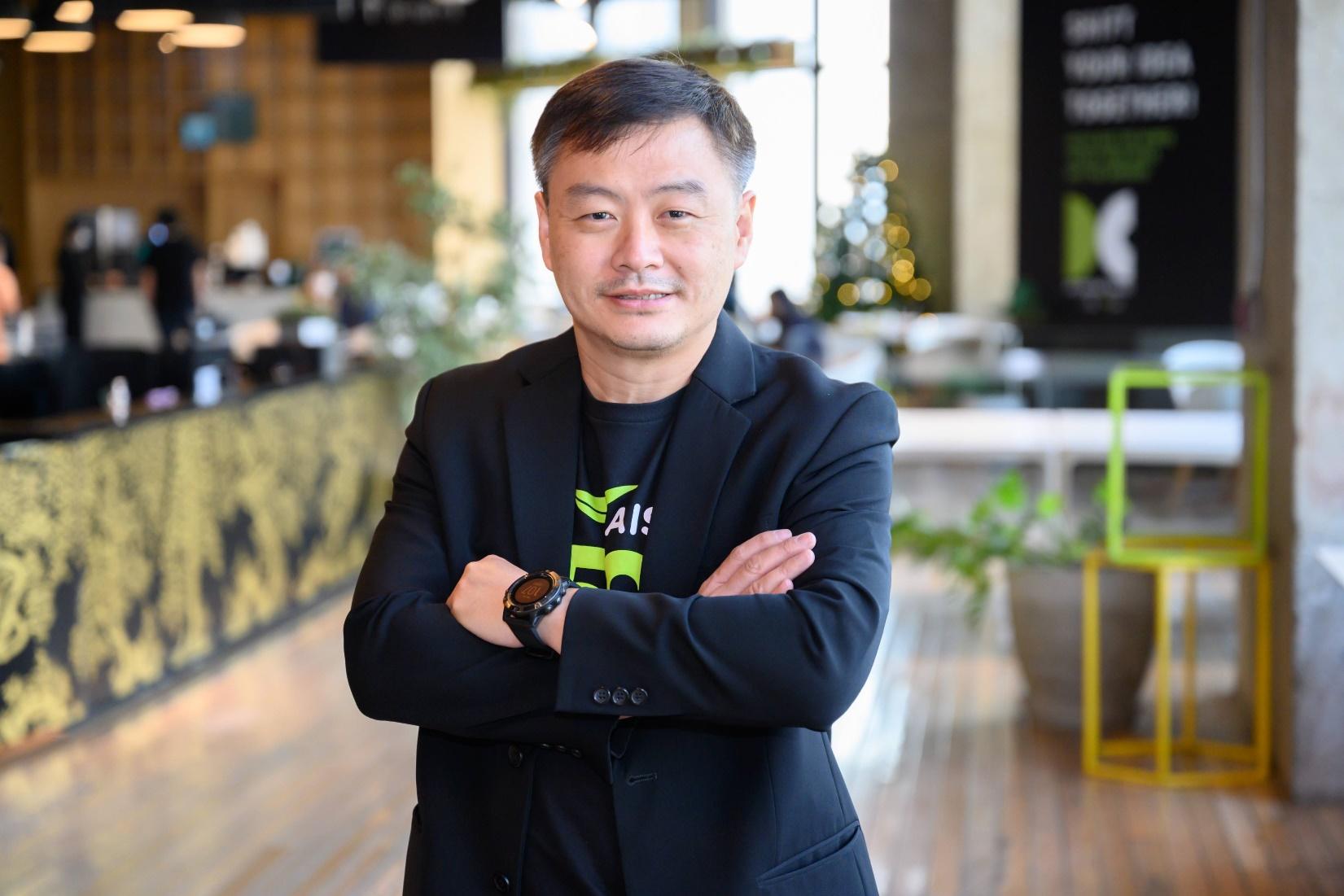
Mr. Wasit Wattanasap, Head of Nationwide Operations and Support Business Unit, AIS said, “Beyond advancing the expansion and fortification of the nation’s digital infrastructure, AIS’s pivotal mission lies in harnessing the potential of 5G smart networks to intertwine customers’ digital experiences across all dimensions. The first and only provider in Thailand the development of Voice over 5G New Radio (VoNR) technology on the 5G SA network, ensuring users encounter exemplary usage quality and enriched experiences, enabling customers to communicate with utmost clarity on AIS’s most spectrum on the 5G SA network efficiently. Presently, we are able to deliver 5G SA services covering over 85% of the population in Bangkok.”

“Today, we’ve elevated our customers’ usage experience to a new level by setting a new standard in the industry. For the first time in Thailand, we introduce the latest network innovation, Dual SIM Dual Active (DSDA) technology, allowing customers to use their smartphones with both Data and Voice simultaneously. This enables seamless internet browsing or continuous online gaming without interruption, even when receiving calls on the second SIM.”

image2 21

“For traditional dual SIM usage on smartphones, it operates under the DSDS (Dual SIM Dual Standby) mode, which comes with limitations. This means that making a call or using data concurrently is only possible on one SIM at a time. If a call is made using one SIM, the other SIM will be immediately deactivated for both voice and data until the first SIM disconnects the call. This might inconvenience customers in real-world usage scenarios.

However, with the Dual SIM Dual Active (DSDA) innovation, it revolutionizes the experience for customers using dual SIM smartphones, allowing both SIMs to be active simultaneously without any additional settings. This is achievable with the primary and secondary SIMs operating on the AIS 5G network that supports VoNR (Voice over 5G New Radio) or VoLTE (Voice Over LTE).”

Smooth internet and voice call (Data + Voice) usage without interruptions on the primary SIM card. Even with incoming calls from SIM 2 or simultaneous usage of both SIMs (Voice + Voice), ensuring no missed important communications, regardless of which SIM is using the line. The other SIM can still receive calls or make outgoing calls seamlessly. Instant switching when receiving a call, allowing the choice to either hold the current call or answer the call on the other SIM. Utilizing Voice + SMS/MMS while on a call, receiving SMS/MMS from the other SIM without having to disconnect.

image2 21

“We continue to advance innovation in smart network technology for the telecommunications industry both domestically and internationally, striving for the best user experience in every aspect. Today, we have successfully developed the DSDA innovation in collaboration with Xiaomi, seamlessly integrated with flagship smartphones like the Xiaomi 14 Series. We anticipate more smartphones supporting this technology to be launched soon.” concluded Mr. Wasit.

For AIS customers who wish to experience the DSDA innovation on 5G SA, you can now reserve the Xiaomi 14 Series, including Xiaomi 14 Ultra and Xiaomi 14, at AIS Shops nationwide.

Advertisement

A Missing Canadian Man Is Found Dead Under the Ratchaburi Train Platform

Canadian man
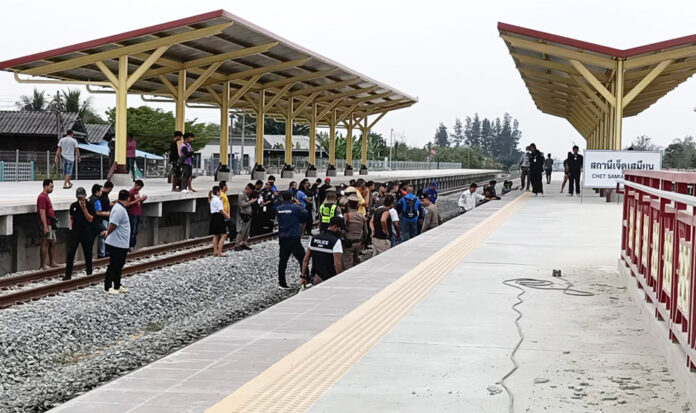
Thai authorities found a missing Canadian guy's body underneath the Chet Samian Railway Station's platform in Nong Kop Subdistrict, Ban Pong District, Ratchaburi Province, on March 21, 2024.

RATCHABURI – After searching all night, railway police uncovered the body of a Canadian man who had gone missing from the train.

Railway police officers requested assistance from police at 191 at 10:30 p.m. on Wednesday, March 20, to locate a foreigner named Ralph Ryan Joseph, 26 years old, a Canadian tourist travelling on train number 168 from Bangkok to Chumphon and Kantang, fearing that he would fall off the train.

They learned that Mr. Ralph and his friends had bought a ticket to Chumphon train station, but he vanished from the train around Ban Kluay Temple in Tha Rap Subdistrict, Mueang District, Ratchaburi Province. He had told friends that he was going to smoke outside the bogie.

Canadian
Thai authorities found a missing Canadian guy’s body underneath the Chet Samian Railway Station’s platform in Nong Kop Subdistrict, Ban Pong District, Ratchaburi Province, on March 21, 2024.

After more than 30 minutes, he did not come back. His friend then alerted the railway police. Later, 191 police officers and rescuers from the Prachanukul Ratchaburi Foundation arrived to assist with the search on foot.

Mr. Ralph’s companions then reported to the railway police at 8:30 a.m. on Thursday, March 21, that the GPS signal from the Canadian man’s phone had ended up near Khlong Bang Tan Railway Station, Nong Kop Subdistrict, Ban Pong District.

Then, the Ban Pong Police Station in Ratchaburi Province and the Traffic Police Station joined forces with tourist police, railway police, and rescue teams to conduct a search from Khlong Bang Tan Railway Station in Nong Kop Subdistrict to the contact area of Photharam Police Station, which took several hours.

The Photharam Police Station received information about the discovery of a foreign man’s body beneath the Chet Samian train station platform in Village No. 1, Chet Samian Subdistrict. The platform’s cement bars revealed blood stains, and the body, near the train tracks, had cuts, particularly on the left thigh.

canada ratchaburi3
The platform’s cement bars showed blood stains, and the body near the train tracks had cuts, particularly on the left thigh.

Mr. Makala, a 23-year-old Cambodian worker, stated that during his lunch break, he normally sleeps under the platform. Today, when he went in, he discovered the body of a foreign man. He felt shocked and quickly alerted his boss to notify officials to come and investigate.

According to authorities, a cement bar next to the platform may have struck Mr Ralph in the leg. It was just about 50 cm from the train, and there was insufficient light, so the Canadian man may not have seen it. When he raised his leg, he might have hit a cement bar, causing the body to fall. He probably tried to crawl beneath the platform to seek aid, but he died from blood loss.

Authorities sent his body to the Forensic Institute to perform an autopsy to determine the cause of death and coordinated with the embassy to contact Ralph’s family.

Advertisement

One Tech Tip: How to Spot AI-Generated Deepfake Images

AI fakery is quickly becoming one of the biggest problems confronting us online. With AI deepfakes cropping up almost every day, depicting everyone from Taylor Swift to Donald Trump, it’s getting harder to tell what’s real from what’s not. The following photo-illustrated graphic highlights a few notable areas of an AI-deepfake of Pope Francis.

LONDON (AP) — AI fakery is quickly becoming one of the biggest problems confronting us online. Deceptive pictures, videos and audio are proliferating as a result of the rise and misuse of generative artificial intelligence tools.

With AI deepfakes cropping up almost every day, depicting everyone from Taylor Swift to Donald Trump, it’s getting harder to tell what’s real from what’s not. Video and image generators like DALL-E, Midjourney and OpenAI’s Sora make it easy for people without any technical skills to create deepfakes — just type a request and the system spits it out.

These fake images might seem harmless. But they can be used to carry out scams and identity theft or propaganda and election manipulation.

Here is how to avoid being duped by deepfakes:

HOW TO SPOT A DEEPFAKE

In the early days of deepfakes, the technology was far from perfect and often left telltale signs of manipulation. Fact-checkers have pointed out images with obvious errors, like hands with six fingers or eyeglasses that have differently shaped lenses.

But as AI has improved, it has become a lot harder. Some widely shared advice — such as looking for unnatural blinking patterns among people in deepfake videos — no longer holds, said Henry Ajder, founder of consulting firm Latent Space Advisory and a leading expert in generative AI.

Still, there are some things to look for, he said.

A lot of AI deepfake photos, especially of people, have an electronic sheen to them, “an aesthetic sort of smoothing effect” that leaves skin “looking incredibly polished,” Ajder said.

He warned, however, that creative prompting can sometimes eliminate this and many other signs of AI manipulation.

Check the consistency of shadows and lighting. Often the subject is in clear focus and appears convincingly lifelike but elements in the backdrop might not be so realistic or polished.

LOOK AT THE FACES

Face-swapping is one of the most common deepfake methods. Experts advise looking closely at the edges of the face. Does the facial skin tone match the rest of the head or the body? Are the edges of the face sharp or blurry?

If you suspect video of a person speaking has been doctored, look at their mouth. Do their lip movements match the audio perfectly?

Ajder suggests looking at the teeth. Are they clear, or are they blurry and somehow not consistent with how they look in real life?

Cybersecurity company Norton says algorithms might not be sophisticated enough yet to generate individual teeth, so a lack of outlines for individual teeth could be a clue.

THINK ABOUT THE BIGGER PICTURE

Sometimes the context matters. Take a beat to consider whether what you’re seeing is plausible.

The Poynter journalism website advises that if you see a public figure doing something that seems “exaggerated, unrealistic or not in character,” it could be a deepfake.

For example, would the pope really be wearing a luxury puffer jacket, as depicted by a notorious fake photo? If he did, wouldn’t there be additional photos or videos published by legitimate sources?

USING AI TO FIND THE FAKES

Another approach is to use AI to fight AI.

Microsoft has developed an authenticator tool that can analyze photos or videos to give a confidence score on whether it’s been manipulated. Chipmaker Intel’s FakeCatcher uses algorithms to analyze an image’s pixels to determine if it’s real or fake.

There are tools online that promise to sniff out fakes if you upload a file or paste a link to the suspicious material. But some, like Microsoft’s authenticator, are only available to selected partners and not the public. That’s because researchers don’t want to tip off bad actors and give them a bigger edge in the deepfake arms race.

Open access to detection tools could also give people the impression they are “godlike technologies that can outsource the critical thinking for us” when instead we need to be aware of their limitations, Ajder said.

THE HURDLES TO FINDING FAKES

All this being said, artificial intelligence has been advancing with breakneck speed and AI models are being trained on internet data to produce increasingly higher-quality content with fewer flaws.

That means there’s no guarantee this advice will still be valid even a year from now.

Experts say it might even be dangerous to put the burden on ordinary people to become digital Sherlocks because it could give them a false sense of confidence as it becomes increasingly difficult, even for trained eyes, to spot deepfakes.

Advertisement

Thai Actor Winai Kraibutr Dies at 54 After Fighting Rare Illness

Winai Kraibutr
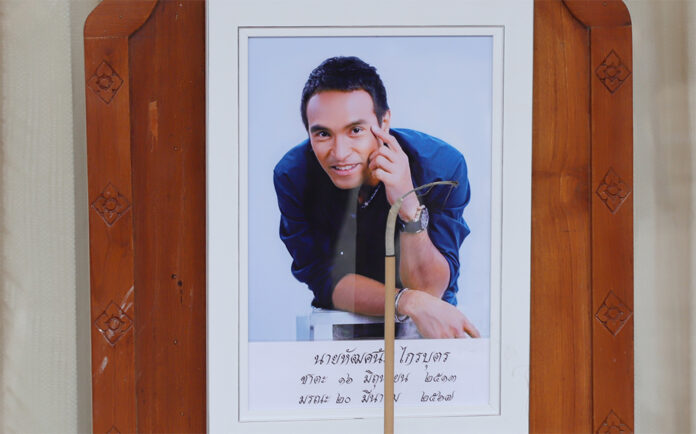
Winai Kraibutr Passes Away at 54.

BANGKOK – Winai Kraibutr, a well-known Thai actor nicknamed “The Hundred Million Actor”,” passed away on 20 March 2024 at the age of 54. He had been battling a rare skin disease called bullous pemphigoid for five years.

His wife, Orachanya Kraibutr, announced his passing on social media, stating that he died peacefully from low blood pressure and a bloodstream infection at Saimai Hospital in Bangkok. She also expressed her gratitude for the support and love from fans and friends during his illness.

Winai Kraibutr
Aranya Kraibutr and her two daughters attend the funeral for Winai Kraibutr at Siriphong Thamnimit Temple, Bang Khen District, Bangkok, on March 21, 2024.

Winai Kraibutr, nicknamed Mek, fought against a bullous pemphigoid for nearly 5 years. His wife recounted his treatment journey, which began with conventional medical treatment at Chulalongkorn Hospital. He then tried various alternative treatments, including seeking spiritual remedies by asking for forgiveness from 7 karmic creditors. Several famous monks participated in the forgiveness ceremonies.

Bullous pemphigoid, the autoimmune disease from which the famous actor suffered, is caused by an abnormality in the immune system. It is a chronic skin disease characterized by the formation of blisters. With an incidence rate of 3 cases per 100,000 people, it is relatively rare.

winai3
Winai Kraibutr and his wife appeared on television in 2021, as his condition improved following three years of treatment for a rare ailment that cost more than 4 million baht.

It occurs more frequently in patients over the age of 60. The cause is an abnormality in the immune system that destroys the structures that hold the skin cells together, causing the skin to detach and form blisters and erosions. Other factors include genetics, infections and allergies to drugs and chemicals.

Winai’s wife stated that her husband’s condition began to deteriorate on March 15. He told her he was tired, very tired, but he was trying to smile and wanted her to be with him all the time. Then, on March 17, he had a seizure and lost consciousness. She took him to Sai Mai Hospital. After that, he never regained consciousness and passed away peacefully.

Winai Kraibutr rose to fame in the late 1990s and early 2000s when he starred in several films that were huge hits at the Thai box office. Two of his best-known films, Nang Nak and Bang Rajan, released in 1999 and 2000 respectively, grossed more than 150 million baht each and cemented his status as one of the leading actors in the Thai film industry.

Winai Kraibutr
Netflix streams Nang Nak (1999).
Bang Rajan
Bang Rajan (2000) also achieved commercial success and earned Winai Kraibutr some international recognition.

Nang Nak, a horror film based on a popular Thai folktale, became a cultural phenomenon and was even screened in several international film festivals. Bang Rajan, a historical epic about the Battle of Bang Rajan, also achieved critical and commercial success, and earned Winai minor international recognition.

Apart from his acting career, Winai Kraibutr also ventured into business and politics. He opened a fertilizer shop and expressed interest in running for the 2005 general election in his hometown of Krabi Province. However, he did not pursue a political career after the 2006 coup d’état.

He married his wife in 2011 and has one boy and two girls.

_____


Advertisement

One Bangkok: Grand Business Centre Will Be Open in October

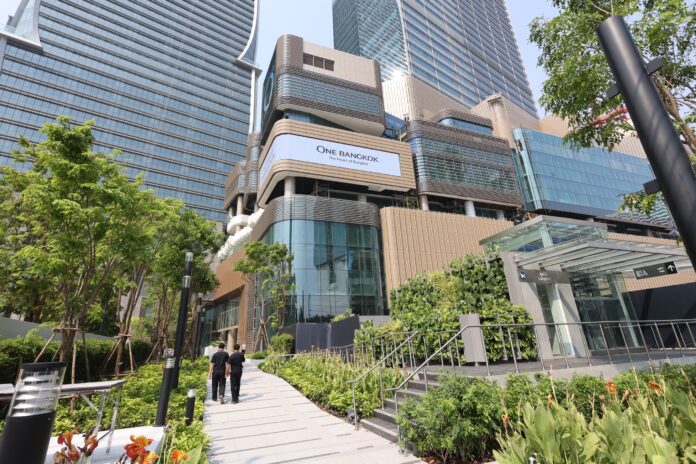
One Bangkok project is under construction. (Photo by Somjit Jaichuen)

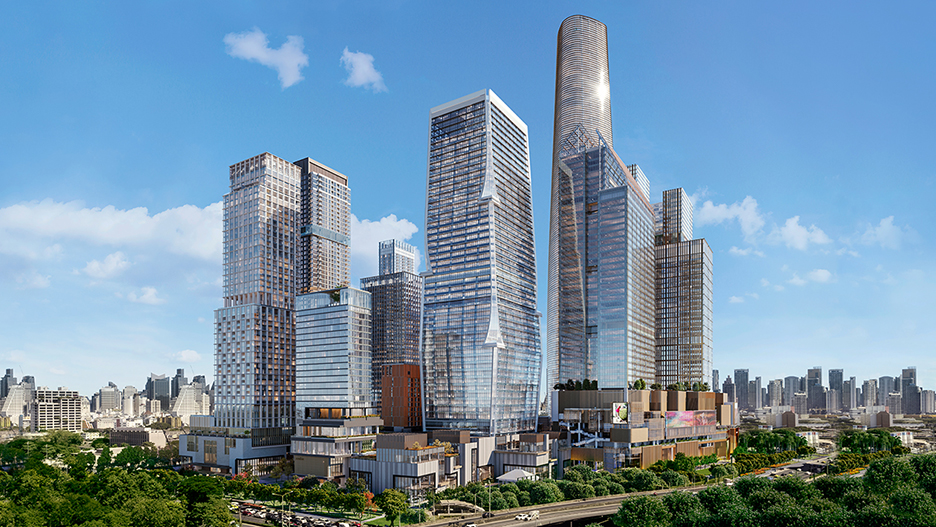
BANGKOK – One Bangkok project will be a major addition in creating a new Central Business District around Rama IV Road area, which have important existing buildings from Queen Sirikit National Convention Centre to Samyan area’s Samyan Mitrtown, said Panote Sirivadhanabhakdi, CEO of Fraser Property Ltd, on Wednesday.

Highlights include a 250-meter-long and 33-meter-wide pedestrian boulevard next to Lumpini Park, planted with golden trees that bloom every April and will attract people all year round.

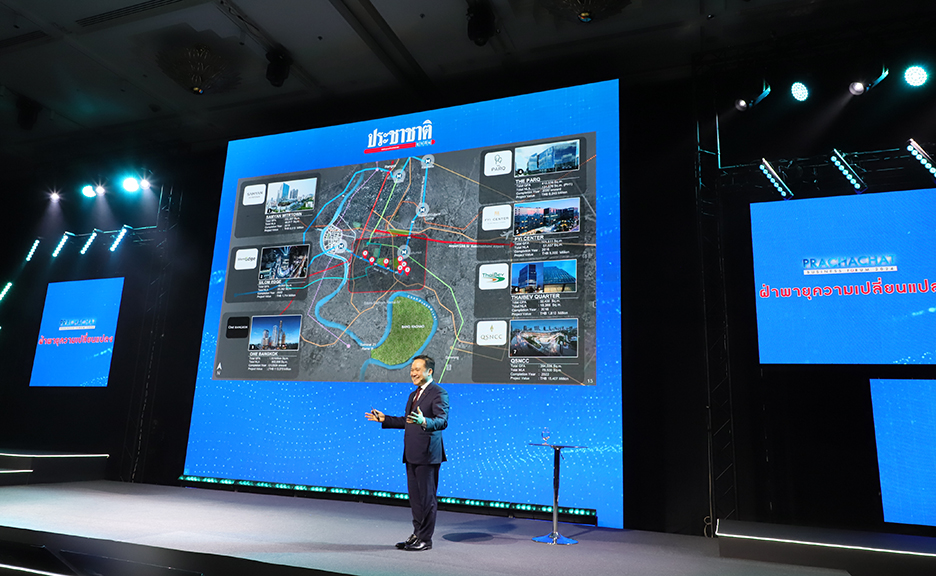
Panote, speaking at Prachachat Business Forum 2024, added that One Bangkok project will not only be a smart city when opens late this year but will become an important part of Bangkok and Thailand, and placemaking project that inspires users with art installations, and more, dotting the group of mixed use buildings with two million square meters of space.

panote4
Panote Sirivadhanabhakdi, CEO of Fraser Property Ltd.
panote1
Panote Sirivadhanabhakdi, CEO of Fraser Property Ltd.

It will also be a green area that helps reduce the heat in the area. “It will be the heart of Bangkok as we built it with our hearts and it will be in the hearts of everyone,” Panote added.

The progress of the first phase of development, which is scheduled to officially open in October, includes 2 office buildings out of a total of 5 buildings. Additionally, 2 out of 5 hotels will be opened: Andaz Hotel and The Ritz-Carlton. There will also be 2 retail zones out of a total of 3.

The net leasable area totals over 160,000 square meters, with one of the areas being a tax-free shopping area of 5,000 square meters for the King Power Group. Furthermore, there will be 3 luxury residential buildings, along with parking spaces for 8,000 cars and over 40 buses.

The entire project complies with sustainable building standards and is the first in Thailand to receive LEED for Neighborhood Development Platinum certification as well as WiredScore Platinum and SmartScore Platinum, the first in the Asia-Pacific region. The project integrates advanced smart technology with WELL standards.

One Bangkok1
One Bangkok

Panote expressed confidence about the investment because he believes Thailand’s real estate value still has plenty of room for growth. He compares it to Singapore, where real estate values are more than ten times higher, but the income potential is only about four times greater.

The Thai economy therefore has considerable potential for growth. The development of large office spaces in Thailand, together with government initiatives, has contributed to the success of the project. It has attracted new international companies to set up and expand their operations under the project.

Furthermore, the project has connected with public transportation, specifically the MRT Blue Line at 2 points. This is part of the ring transportation network that connects all of Bangkok and will link to the city’s growth towards the Thonburi side and the northern part, which has a denser population compared to other rail lines.

It is expected that an average of 90 million visitors per year, or around 250,000 per day, will visit the project once it opens. This includes around 50,000 people who work in the 5 office buildings every day, not including the tourists, hotel guests and shoppers who will undoubtedly attract businesses to set up in the project.

Advertisement

Hot News

LATEST NEWS

Bangkok
overcast clouds
35.7 ° C
36.6 °
32.7 °
56 %
5.1kmh
100 %
Wed
36 °
Thu
33 °
Fri
31 °
Sat
32 °
Sun
31 °