27.7 C
Bangkok
Friday, June 26, 2026
Home Blog Page 69

Man pleads guilty to plotting attack on a Taylor Swift concert in Vienna, Austrian media report

WIENER NEUSTADT, Austria (AP) — A man accused of pledging allegiance to the Islamic State group and plotting to attack one of superstar singer Taylor Swift’s concerts in Vienna nearly two years ago pleaded guilty as his trial began on Tuesday, Austria media reported.

The plot was thwarted, but Austrian authorities still canceled Swift’s three performances in August 2024. The singer’s fans, known as Swifties, who had flown to Austria from across the globe to attend a performance of her record-setting Eras Tour were devastated, but rallied to turn Vienna into a citywide trading post for friendship bracelets and singalongs.

The defendant, a 21-year-old Austrian citizen known only as Beran A. in line with Austrian privacy rules, faced charges including terrorist offenses and membership in a terrorist organization. He could be sentenced to up to 20 years in prison, and has been in custody since August 2024.

The Vienna plot drew comparisons to a 2017 attack by a suicide bomber at an Ariana Grande concert in Manchester, England, that killed 22 people. The bomb detonated at the end of Grande’s concert as thousands of young fans were leaving, becoming the deadliest extremist attack in the United Kingdom in recent years.

Defendant regrets his actions

Anna Mair, his defense attorney, said her client pleaded guilty to the charges related to the concert plot.

“Of course, he deeply regrets it all,” Mair said outside the court. “It is also due to the long period of detention that he says it was the biggest mistake of his life.”

He is facing trial alongside Arda K., whose full name also has not been made public. They, along with a third man, planned to carry out simultaneous attacks in Saudi Arabia, Turkey and the United Arab Emirates during Ramadan in 2024 in the name of the Islamic State group. Beran A. and Arda K. never carried out their attacks.

Only Beran A. was charged in connection with the Taylor Swift plot. He pleaded not guilty to the charges related to the plot for simultaneous attacks.

AP26118384393448
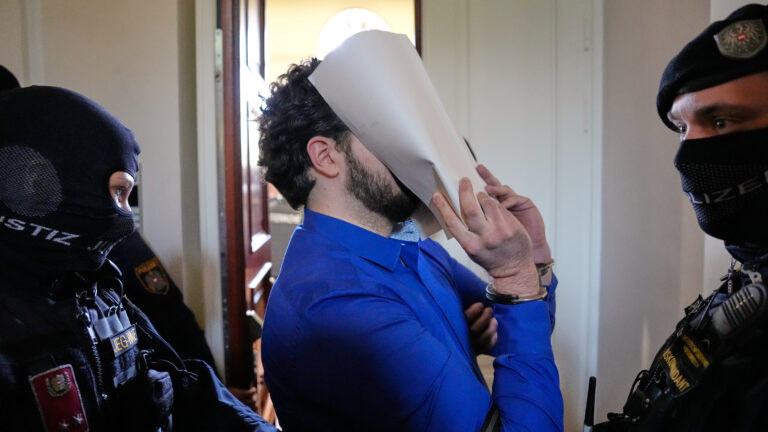
Defendant Beran A. is hiding his face when he is escorted into the courtroom in the District Court in Wiener Neustadt, Austria, where he stands trial for plotting to carry out an attack on one of superstar singer Taylor Swift’s concerts in Vienna in August 2024 and pledging allegiance to the Islamic State group, Tuesday, April 28, 2026. (AP Photo/Matthias Schrader)

He allegedly planned to target onlookers gathered outside Ernst Happel Stadium — up to 30,000 each night, with another 65,000 inside the venue — with knives or homemade explosives. The suspect hoped to “kill as many people as possible,” authorities said in 2024. The U.S. provided intelligence that fed into the decision to cancel the concerts.

Beran A. also allegedly networked with other members of the Islamic State group ahead of the planned attack. Prosecutors say they discussed purchasing weapons and making bombs, and that the defendant also sought to illegally buy weapons in the days ahead of the performance. In addition, he swore allegiance to the militant group.

Authorities searched his apartment on Aug. 7, 2024, and found bomb-making materials. The concerts were scheduled to begin the next day.

“Having our Vienna shows canceled was devastating,” Swift wrote in a statement posted to Instagram two weeks later. “The reason for the cancellations filled me with a new sense of fear, and a tremendous amount of guilt because so many people had planned on coming to those shows.”

The trial is being held in Wiener Neustadt, about an hour south of Vienna. The proceedings are set to continue May 12.

Three attacks planned in Saudi Arabia, Turkey and UAE

Prosecutors have also filed terrorism-related charges against Arda K. in the trial in connection with the plan for simultaneous attacks in Saudi Arabia, Turkey and the United Arab Emirates.

The third man in that plot, Hasan E., allegedly stabbed a security guard with a knife at the Grand Mosque in Mecca, Saudi Arabia, on March 11, 2024. He was arrested and remains in pretrial detention in Saudi Arabia, Austrian prosecutors said.

Beran A. and Arda K. did not carry out their plans in Turkey and the UAE. Beran A. returned to Vienna and then allegedly began plotting to attack a Swift concert there.

Advertisement

Cabinet approves 1.16 billion baht budget for Thailand to host World Bank–IMF annual meetings in 2026

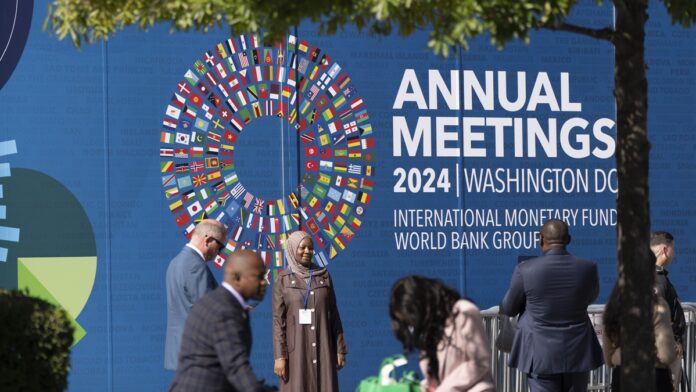
An attendee poses for a photograph in front of a sign advertising the annual meetings of the International Monetary Fund (IMF) and the World Bank Group (WBG), which started in Washington on Monday, Oct. 21, 2024. (AP Photo/Ben Curtis)

BANGKOK — The Cabinet has approved a budget of 1.16 billion baht to support Thailand’s preparations to host the annual meetings of the World Bank and the International Monetary Fund (IMF) in 2026, with around 15,000 participants expected.

Government spokesperson Ratchada Thanadirek said on 28 April that the funding, drawn from the central emergency budget for fiscal year 2026, will be allocated to the Fiscal Policy Office, the lead agency responsible for organising the event.

The budget will cover venue preparation, registration systems, information technology infrastructure, office equipment and furnishings, in line with standards set by the IMF and the World Bank Group.

Preparations must be completed ahead of an inspection scheduled for September–October this year, with the meetings set to take place from 12–18 October 2026.

Ratchada said hosting the meetings would demonstrate Thailand’s readiness to stage major international events and provide a platform to present the country’s economic policies on the global stage, while strengthening cooperation with international partners.

The annual meetings are regarded as one of the world’s most important economic and financial gatherings, bringing together finance ministers and central bank governors from nearly 190 member countries, alongside delegates from across the globe.

Advertisement

Chinese tourists confess to gold shop robbery, say money ran out after spending on Thai girlfriends

NAKHON RATCHASIMA — Two Chinese tourists arrested over a gold shop robbery in Nakhon Ratchasima have confessed, telling police they committed the crime after running out of money while travelling in Thailand, including spending heavily on Thai girlfriends.

The suspects, identified as 27-year-old Zou Qintao and 19-year-old Song Haolong, were taken on Tuesday to reenact the crime at a gold shop in Dan Kwian municipality, Chok Chai district, as part of legal proceedings.

Police said the pair were tracked down and arrested in Bangkok’s Prawet district within eight hours of the incident, following a coordinated operation involving multiple agencies using CCTV footage.

Investigators said the suspects claimed they entered Thailand as tourists but faced financial difficulties after spending most of their money, prompting them to plan the robbery.

Authorities said the crime appeared premeditated, with evidence indicating the use of tools including a firearm, hammer and other equipment, though officers are still verifying whether the gun was real.

All stolen items have been recovered, police said, adding that the suspects have no prior criminal records or links to organised crime networks.

Police in Nakhon Ratchasima said additional measures will be introduced, including stricter vehicle checks and increased patrols in high-risk areas to prevent similar incidents.

Advertisement

Sam Khok overpass used for adult filming, aubergine found at scene

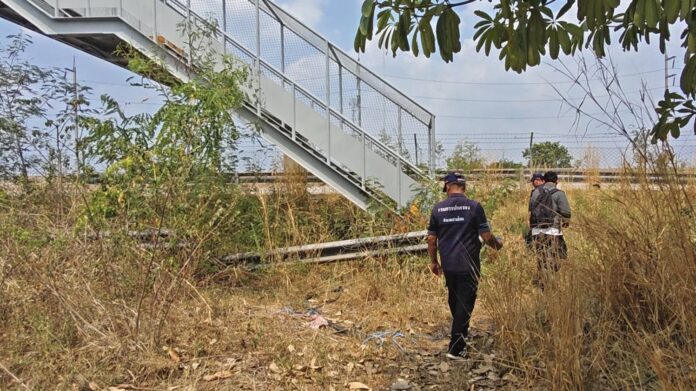
PATHUM THANI — A village head in Sam Khok district has raised concerns after residents reported a group of people allegedly using a pedestrian overpass as a location for indecent activity and filming explicit content for sale on a private online platform.

On 28 April 2025, village head Chukiat Phochan of Moo 4 in Chiang Rak Yai subdistrict said he received complaints from locals about suspicious activity on a pedestrian bridge over the Udon Ratthaya Expressway in Pathum Thani province.

Following the report, local leaders inspected the area and said they found numerous items believed to have been left behind, including used condoms, underwear, condom wrappers, lubricant, wet tissues, and a vegetable covered with a condom placed along the walkway.

Chukiat said residents had earlier seen similar activity in an online private group and alerted authorities. He added that he had previously patrolled the area regularly and had not found such items before, suggesting the activity likely took place late at night.

Assistant village head Chaiwat Panyarachun said the location has reportedly been dubbed an “aerial homestay” by some groups, adding that aside from alleged sexual activity, there were also signs of illegal cable stripping and burning to extract copper for resale.

Local leaders have coordinated with Sam Khok police and the Expressway Authority of Thailand to find preventive measures, citing poor visibility caused by signage that creates blind spots on the overpass.

Authorities have warned those involved to stop the activity, stressing that public spaces must not be used for illegal or inappropriate conduct, which could lead to legal action.

Advertisement

Seven-vehicle pile-up in Korat injures more than 10

Seven-vehicle pile-up in Korat injures more than 10

NAKHON RATCHASIMA — 28 April 2026, More than 10 people were injured in a seven-vehicle pile-up during the morning rush hour, police said.

The crash occurred at about 08:15 on Highway 224 (Ratchasima–Chokchai road) inbound to Nakhon Ratchasima, in front of SCG Home Solution in Nong Bua Sala subdistrict, Muang district. Police were alerted and coordinated with Sawang Metta rescue teams to assist at the scene.

Authorities found multiple vehicles involved in a chain-reaction collision. The lead vehicle, a white Honda Jazz, was struck from behind by a grey-black Toyota sedan, followed by a black Toyota Fortuner, another white sedan, a white Isuzu Highlander pickup, a white Mitsubishi Triton Plus pickup and a refrigerated ice delivery truck, all colliding in succession.

The impact left more than 10 drivers and passengers injured. Four people sustained head wounds and chest injuries from striking the steering wheel. Emergency responders provided first aid before transferring the injured to Por Phat Hospital for further treatment.

Preliminary investigations suggest the crash occurred during peak commuting hours, with vehicles travelling at speed and following closely without sufficient stopping distance. When the lead car slowed or braked suddenly, for reasons not yet determined, trailing vehicles were unable to stop in time, causing the chain collision.

Police said they will review CCTV footage, dashcam recordings and physical evidence at the scene, and question drivers to determine the exact cause before pursuing legal action.

Advertisement

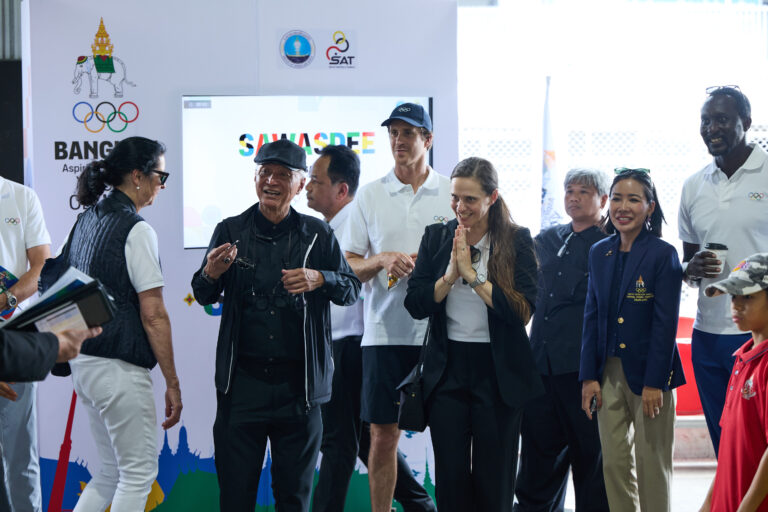
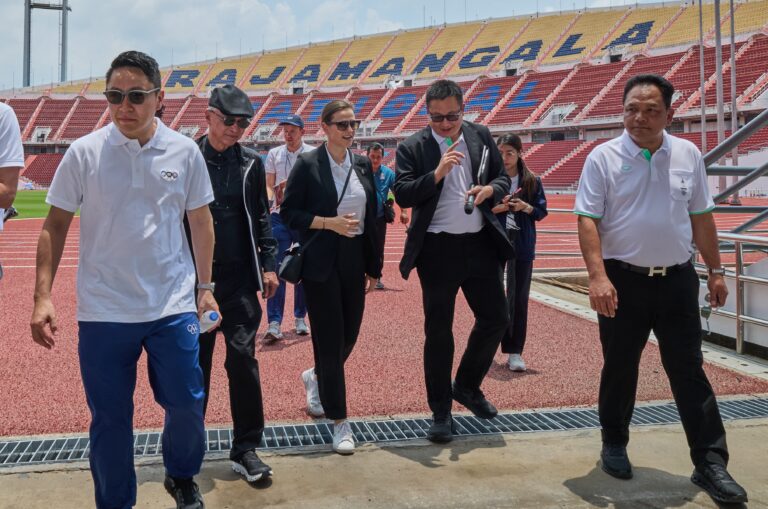
IOC delegation inspects Bangkok’s readiness for 2030 Youth Olympic Games bid

BANGKOK — A delegation from the International Olympic Committee (IOC) has arrived in Thailand for a three-day working visit as Bangkok advances its bid to host the Youth Olympic Games in 2030.

The IOC Working Group on the Youth Olympic Games 2030, led by Danka Hrbeková, is in Bangkok and Chonburi from 28–30 April as part of the evaluation process ahead of the host city selection at the IOC Session in June 2026.

Dr. Kongsak Yodmanee, Governor of the Sports Authority of Thailand (SAT), together with officials from the National Olympic Committee of Thailand, accompanied the delegation during site visits across Bangkok on Monday.

075A2049

The programme included inspections of the SAT headquarters and Rajamangala National Stadium, proposed as the venue for the opening and closing ceremonies.

The delegation also visited multiple proposed competition sites, including the Extreme Sports Stadium, Indoor Stadium, climbing facilities, shooting and archery ranges, table tennis and gymnastics venues, as well as football grounds at the National Stadium complex, Nimibutr Stadium, and Thephasadin Stadium.

075A1997

According to organisers, the proposed venues are designed to host a full multi-sport programme featuring athletics, aquatics, gymnastics, combat sports, urban sports and team sports, aimed at showcasing the diversity of the Youth Olympic Games.

The IOC group also inspected student accommodation at Chulalongkorn University, proposed as the Youth Olympic Village, as well as the nearby Chulalongkorn University Square, planned as an Urban Park and youth engagement hub during the Games.

Officials said the concept reflects the Youth Olympic Games model, which combines elite sporting competition with education programmes, cultural activities, and youth-focused initiatives integrated into the host city environment.

Thailand is expected to present its final bid proposal as part of the IOC evaluation process ahead of the final decision in 2026.

Advertisement

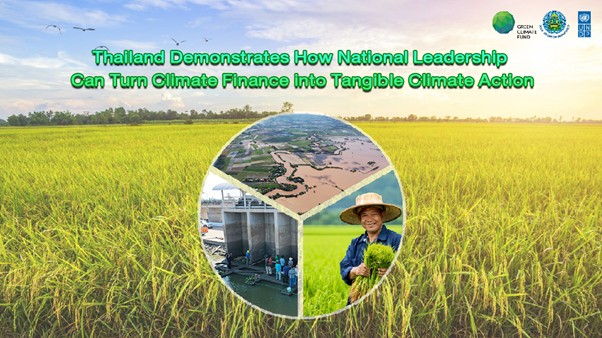
Thailand demonstrates how national leadership can turn climate finance into tangible climate action

Led by Thailand’s Royal Irrigation Department, a climate-financed initiative is showing how strong national ownership can deliver lasting adaptation at scale.

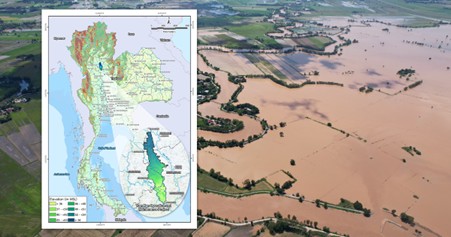
As climate impacts intensify across Southeast Asia, Thailand is offering a compelling example of how climate finance can translate into effective climate action when driven by national institutions. Under the leadership of the Royal Irrigation Department (RID), and with technical and financial support from the Green Climate Fund (GCF) and UNDP, Thailand is implementing an integrated adaptation approach that strengthens climate information for water management, ecosystems, and rural livelihoods in flood- and drought-prone areas of the Yom–Nan River Basin.

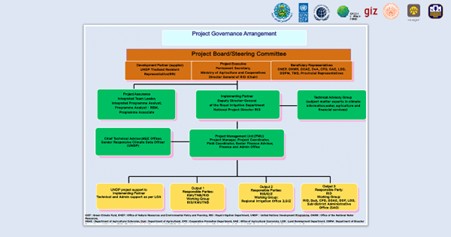
From the outset, RID has played a central role in steering project design, coordinating across sectors, and aligning climate investments with national water management priorities. This strong government leadership has enabled the project to move beyond pilots toward solutions that are scalable, institutionalized, and embedded within Thailand’s development systems.

These climate-financed initiatives are currently under development by the Royal Irrigation Department and will be fully operational in the future.”
Picture2 7

Turning Climate Data into Action

A cornerstone of the project is the expansion of Thailand’s climate and hydrological monitoring capacity under RID’s operational framework. By 2025, RID—working with national technical partners—oversaw the installation of a comprehensive hydro-meteorological network, including weather stations, water-level sensors, soil-moisture monitoring, and flow radar systems.

These systems directly support RID’s mandate to manage water resources under increasing climate uncertainty. Clear operational procedures and inter-agency coordination mechanisms have been developed to support the use of climate information in irrigation planning, flood management, and agricultural decision-making. These arrangements are currently being adapted and refined during early implementation, as agencies and local users integrate climate information into routine operational practices. Farmers and local officials have been engaged throughout this process, helping to build trust in climate information and encourage practical uptake at the local level.

Infrastructure and Nature Working Together

RID’s leadership has also been central to demonstrating how traditional water infrastructure can be strengthened through nature-based solutions. Drawing on its long-standing experience in irrigation and flood management, RID led the planning and implementation of climate-resilient infrastructure upgrades, including canal head regulators and drainage systems, improving water management for more than 20,000 hectares.

At the same time, the project has benefited from complementary international expertise. The Deutsche Gesellschaft für Internationale Zusammenarbeit (GIZ) provided specialized technical support on Ecosystem-based Adaptation (EbA), contributing international best practices, ecological assessment methodologies, and design expertise. This collaboration enabled the integration of wetland restoration, river reach rehabilitation, and natural water storage solutions alongside conventional infrastructure. All EbA investments were developed based on rigorous climate risk and ecological assessments and approved under GCF environmental and social safeguards.

Together, this blended approach positions ecosystems not as add-ons, but as essential components of climate-resilient water management.

Strengthening Livelihoods and Access to Finance
Picture3 5

Under RID’s coordination, the project has extended climate resilience beyond infrastructure to rural livelihoods. Farmer Field Schools, climate-informed extension services, and digital innovations—such as smart farming applications and drone-based crop monitoring—are enabling farmers to respond more effectively to climate variability.

Access to finance and financial capability have been strengthened through partnerships with national financial institutions. In 2025, the Bank for Agriculture and Agricultural Cooperatives (BAAC) committed approximately USD 16 million in credit for farmers participating in project-supported training, supporting investment in climate-resilient agricultural practices.

In parallel, Krungsri Ayudhya Bank has contributed to farmer resilience by providing financial literacy training, helping farmers strengthen household financial management, savings, and investment planning under increasing climate uncertainty. Emphasizing financial literacy enhances access to credit, ensuring that climate finance translates into sustainable and inclusive livelihood outcomes.

The project has also supported farmers in diversifying income sources as part of climate adaptation strategies. Farmers received assistance to develop online marketing channels, strengthen product branding, and improve retail outlets and storefronts, enabling them to reach wider markets. These efforts promote secondary occupations and value-added activities, reducing livelihood vulnerability to climate shocks and enhancing long-term adaptive capacity.

Challenges and Lessons from Implementation

While progress has been substantial, RID’s leadership has also involved navigating several key challenges. Integrating new climate information systems into long-established operational procedures has required adjustments in institutional workflows, staff capacity, and coordination across multiple agencies. Building confidence among local users—particularly farmers—in the reliability and practical value of climate data has taken time and sustained engagement.

Introducing ecosystem-based adaptation alongside conventional infrastructure has likewise required careful balancing of engineering, ecological, and social considerations, together with strict adherence to international environmental and social safeguards. In addition, aligning project timelines has necessitated adaptive management in response to site-specific constraints, climatic conditions, and differences between national and international technical requirements and design standards.

Addressing these challenges has strengthened institutional learning within RID and its partner agencies, reinforcing the importance of adaptive governance, capacity development, and continuous stakeholder engagement in climate-financed programmes.

Lessons for COP and Climate Finance
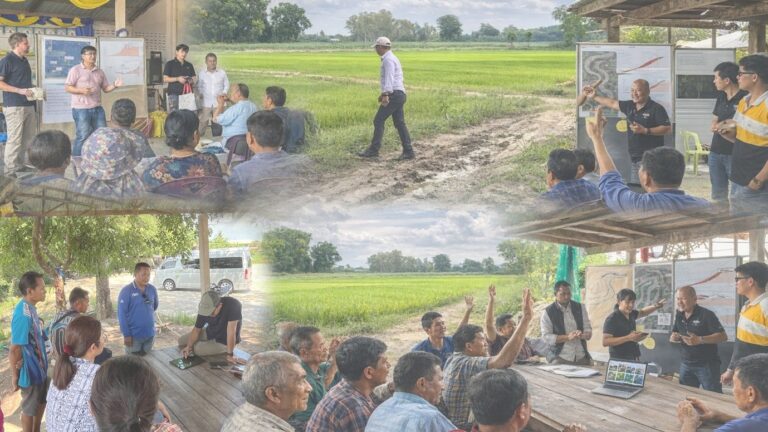
Picture4 4

Together, these measures demonstrate how climate adaptation can strengthen not only production systems, but also financial resilience and market access for rural communities.

Thailand’s experience offers several relevant insights for Conference of the Parties (COP) discussions and climate finance practitioners:

National ownership matters: Climate finance is more likely to translate into tangible outcomes when led by capable government institutions with clear mandates and decision-making authority.

Institutions enable scale: Embedding climate information systems and adaptation approaches within agencies such as the Royal Irrigation Department (RID) supports continuity, learning, and the potential for scaling beyond the project lifecycle.

Nature-based solutions can be piloted alongside infrastructure: With robust technical analysis and environmental and social safeguards, ecosystem-based adaptation can complement core water infrastructure. This project serves as a pilot area to test integration approaches before wider replication.

Finance follows capacity: Strong public leadership and institutional readiness help crowd in domestic and sectoral finance, linking climate finance with longer-term investment in adaptation.

With major preparatory, safeguard, and design milestones now completed, RID is well positioned to accelerate implementation and scale climate-resilient water management across Thailand. As countries look to COP for models that convert climate finance into tangible outcomes, Thailand’s RID-led approach delivers a clear message: when national institutions lead, climate finance delivers results.


Advertisement

Karen forces seize Myanmar military base in strategic Mutraw area

KAYIN STATE — Karen armed forces have seized a Myanmar military base in the strategic Mutraw (Hpapun) area, following sustained attacks by allied resistance groups, according to local reports.

On 28 April 2026, the Karen Information Center (KIC) reported that the Karen National Liberation Army (KNLA), in coordination with allied forces, captured the “Kabaw Tu” base from the Myanmar military on 25 April in Lu Thaw Township.

The base, located in the Mutraw area between Hpapun and Kamamaung, had been considered a key strategic position used by Myanmar forces to control transport routes and security in the region for nearly 30 years.

Sources said the operation was carried out through a siege-style offensive, with Myanmar forces attempting to defend the position while also relying heavily on airstrikes to repel the advance.
KNLA Brigade 5 spokesperson Lt. Col. Saw Kler Doh said Myanmar forces conducted near-daily aerial bombardments prior to the capture, but the base was fully seized by KNLA troops at around midday on 25 April.

news128755 D9wuXaNAFo1777346294

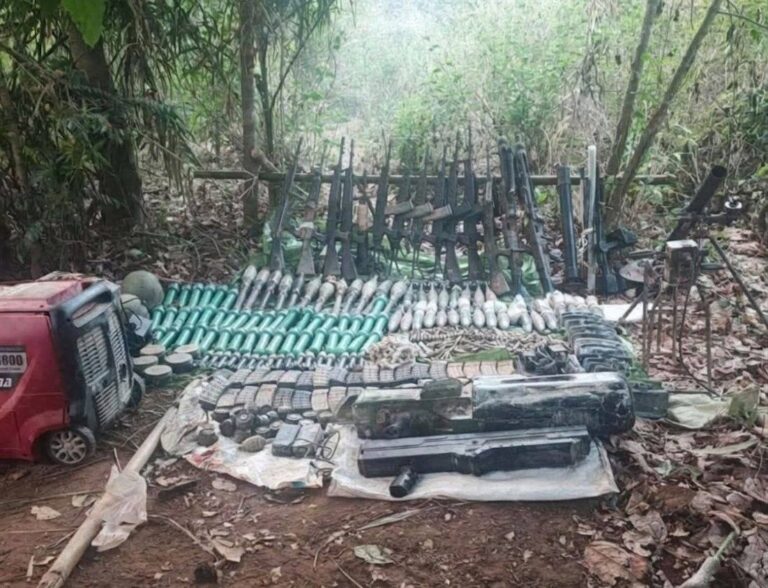
Following the takeover, KNLA and allied forces conducted clearing operations in surrounding areas. However, details on seized weapons and casualties from both sides have not been disclosed.

The capture of Kabaw Tu follows a series of recent gains by resistance forces. In late March, KNLA and allies also seized two other Myanmar military bases in northern Hpapun, including Tae Nay Jo and Kaw Soe Jo.

Since the 2021 coup in Myanmar, the Mutraw area has become a key battleground between the military and resistance forces, with ongoing clashes reported across the region.

Currently, around 10 Myanmar military bases remain in the area, including the main Hpapun base, while pro-military Border Guard Forces continue to reinforce positions amid fears of escalating fighting.

Advertisement

Thailand urges protection of key waterways at UN Security Council

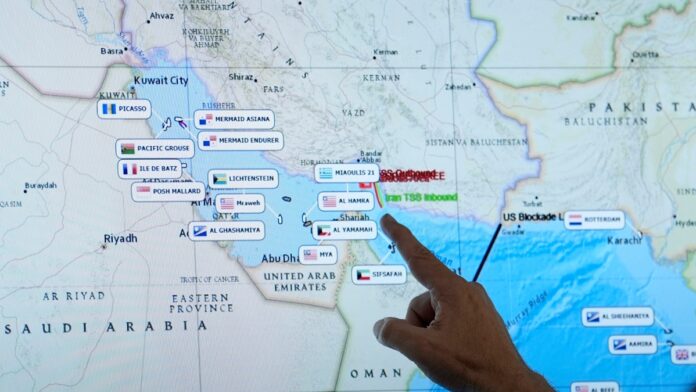
Thailand has stressed that the protection of vital maritime waterways is a shared global responsibility, warning that disruptions to key sea routes could threaten global trade, energy supplies and economic stability.

Speaking at a United Nations Security Council open debate on “The Safety and Protection of Waterways in the Maritime Domain” on 27 April 2026, chaired by Bahrain, Thailand’s Permanent Representative to the UN, Ambassador Cherdchai Chaivaivid, highlighted risks to strategic maritime chokepoints such as the Strait of Hormuz.

He said any disruption in such areas endangers seafarers, disrupts global energy flows, and has wider consequences for the global economy.

Thailand called on all parties to exercise restraint, uphold international law, and respect freedom of navigation.

The Thai delegation also reiterated support for cooperation, dialogue and diplomacy to ensure that the high seas remain open, secure, and governed by the rule of law.

Advertisement

Beyond Rhetoric: What Russia Really Brings to ASEAN

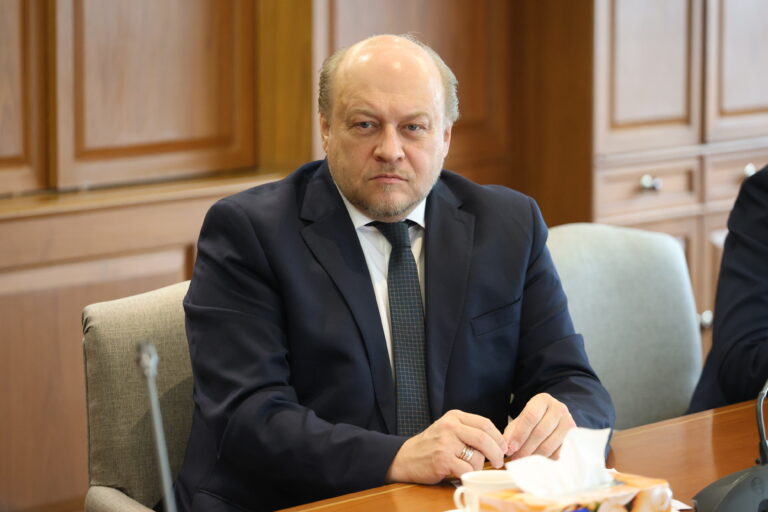
This article was written by H.E. Mr. Evgeny Tomikhin, Ambassador of the Russian Federation to the Kingdom of Thailand.

On April 20–21, 2026, the Russian city of Kazan hosted the 22nd Russia-ASEAN Senior Officials’ Meeting, a regular event in the evolving dialogue between Russia and the Association. This meeting took place in a symbolic year: 2026 marks the 35th Anniversary of Russia-ASEAN relations – a partnership that had matured alongside profound transformations in the global order.

Anniversaries often invited reflection. Yet beyond ceremonial language, a more important question arose: what is the real substance of Russia-ASEAN cooperation today? And, more pointedly, does Russia indeed “have little to offer” Southeast Asia, as some commentators suggested?

Such claims tend to overlook a fundamental shift in how international partnerships are evaluated. ASEAN countries consistently emphasized pragmatism, strategic autonomy, and diversification. In this context, Russia’s role should not be a measured by comparison with any single external actor, but by the concrete value it brought across multiple domains.

Energy cooperation provides perhaps the clearest answer. On March 23, 2026, Russia and Vietnam signed an intergovernmental agreement to construct the Ninh Thuan 1 nuclear power plant – the first such facility in Southeast Asia. This is not a symbolic project. It involves advanced technology, long-term investment, workforce training, and the development of an entire ecosystem around peaceful nuclear energy. For a region facing rising energy demand, climate challenges, and the need for reliable baseload power, such cooperation speaks directly to ASEAN’s priorities.

Russia possesses advanced and practical expertise in the field of small modular reactors (SMRs). Unlike many other countries where such technologies remain at the design stage, Russia already operates real, functioning solutions – including the world’s first floating nuclear power plant, Akademik Lomonosov. These developments offer flexible, safe and cost-effective energy solutions, particularly relevant for archipelagic and remote areas. There is genuine interest in SMRs across ASEAN, and Russia stands ready to share its technologies and experience on the mutually beneficial basis.

Importantly, this project also illustrates a broader point: Russia’s comparative advantage lies in sectors that require long-term commitment, technological depth, and respect for national development strategies. Nuclear energy, hydrocarbons, transport infrastructure, food security are not areas of short-term engagement. They are foundational elements of economic sovereignty – something ASEAN states value highly.

S 254795788 0
H.E. Mr. Evgeny Tomikhin, Ambassador of the Russian Federation to the Kingdom of Thailand.

Since 2024 Russia is also an ASEAN Digital Partner. Russian expertise in
e-governance, digital public services, fintech solutions, and IT infrastructure development provides additional avenues for cooperation. As Southeast Asia continues its rapid digital transformation, there is growing demand for secure, sovereign, and adaptable technological solutions – areas where Russia has accumulated substantial experience and practical capabilities.

In practical terms, an important area of joint efforts, including through the Association of ASEAN National Police (ASEANAPOL), where Russia received dialogue partner status in 2014, is the first against global challenges and threats: terrorism, transnational crime, drug trafficking, illegal migration and human trafficking, as well as ensuring information security.

Youth engagement has also become an increasingly important pillar of
Russia-ASEAN cooperation. Over the years, five youth summits as well as a meeting of young diplomats have brought together young leaders from across ASEAN and Russia. These initiatives have created opportunities for networking, cultural exchange, and the development of future-oriented partnerships.

Equally significant is Russia’s approach to regional affairs. Unlike models that frame Southeast Asia primarily through the lens of geopolitical competition, Russia has consistently supported ASEAN centrality and the principle of inclusive, non-bloc cooperation. In a period marked by increasing polarization, this approach resonates with ASEAN’s own vision of a balanced and open regional architecture.

The meeting in Kazan should therefore have been seen not merely as a routine diplomatic event, but as part of a broader effort to deepen engagement. It provided an opportunity to focus on practical mechanisms that could bring tangible benefits to both sides.

At a time when the international system is undergoing profound change, ASEAN’s global and regional role continues to evolve. Russia, for its part, is actively diversifying its external partnerships and strengthening its presence in Asia. These trajectories are not contradictory – they are complementary.

The real question, then, is not whether Russia has something to offer ASEAN, but whether both sides are ready to fully realize the potential that already exists. The answer will depend less on rhetoric and more on sustained, pragmatic cooperation.

If approached in this spirit, the Russia-ASEAN partnership will continue to mature – not as a headline-driven relationship, but as a steady and meaningful contributor to a more balanced and multipolar international system.

Advertisement

Hot News

LATEST NEWS

Bangkok
broken clouds
27.7 ° C
30.5 °
27.7 °
82 %
2.1kmh
65 %
Thu
28 °
Fri
36 °
Sat
36 °
Sun
37 °
Mon
37 °