BANGKOK — Thai actor Naphat Siangsomboon has spoken about his experience portraying Mingyi Swa, the crown prince of Hongsawadi, in the major historical drama series Hongsawadi (The Last Duel), calling the role the greatest honour of his acting career.
Naphat said he approached the role with his whole heart, dedicating himself to studying the history and travelling to Bago, the ancient city of Hongsawadi in Myanmar, to absorb the atmosphere of the place.
“I wanted to understand what Mingyi Swa felt — because in Thailand, no one has ever really told the story of what happened to the people of Hongsawadi, Ayutthaya, or Phitsanulok,” he said. “This story focuses on humanity — ordinary human feelings — but set within a royal family that had to carry the burden of an entire people.”
Naphat said the response from Myanmar audiences had moved him deeply. He recalled a woman approaching him at a Channel 3 event who turned out to be Burmese.
“She said to me, ‘My deep appreciation to you.’ I was shaking inside — I could feel he meant it genuinely,” Naphat said. He added that his message inbox had since been filled with messages from Myanmar fans writing carefully in Thai.
Naphat said he was grateful for the warm welcome he received during his time in Myanmar, where locals — including guides and villagers — went out of their way to help him despite the language barrier.
“I feel deeply honoured to have played Prince Mingyi Swa,” he said.
NAYPYIDAW, MYANMAR — Thailand sent a special envoy to attend the inauguration of Myanmar’s new president on Friday, as former military commander Min Aung Hlaing was sworn into office following an election widely criticised as neither free nor fair.
Parnpree Bahiddha-Nukara, Chief Advisor and Special Envoy of the Deputy Prime Minister and Minister of Foreign Affairs of Thailand, attended the ceremony at the Myanmar Parliament in Naypyidaw on 10 April and paid a courtesy call on President Min Aung Hlaing.
Parnpree conveyed congratulations from Thailand’s Prime Minister and Deputy Prime Minister, expressing Thailand’s readiness to strengthen cooperation with Myanmar on security and economic matters for the benefit of both countries’ people.
Min Aung Hlaing, who led a military coup in 2021 that ousted civilian leader Aung San Suu Kyi, was elected president by parliament on 3 April and will serve a five-year term. The election was boycotted by Suu Kyi’s National League for Democracy party and judged by United Nations experts and rights groups to be neither free nor fair.
The transition to a nominally civilian government is widely seen as an effort by the military to retain power while presenting a democratic facade. Min Aung Hlaing also faces the challenge of ending a civil war that erupted following the 2021 coup.
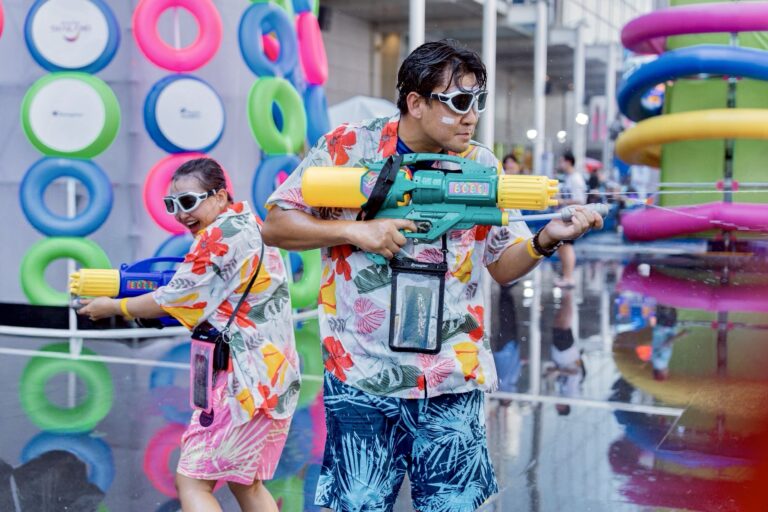
BANGKOK — Large crowds gathered at CentralWorld in the Ratchaprasong district on the first day of Songkran, as both Thai and international visitors joined water festivities across the capital despite hot weather conditions.
One of the city’s busiest celebration spots, CentralWorld hosted the event “Pepsi Presents Thai Lizm 2026,” transforming the area into a large-scale entertainment venue. Visitors took part in water play zones, while a giant slide installation became a key attraction for festival-goers throughout the day.
The main stage featured a T-pop music festival, drawing fans with live performances from popular artists and adding to the high-energy atmosphere in the heart of Bangkok.
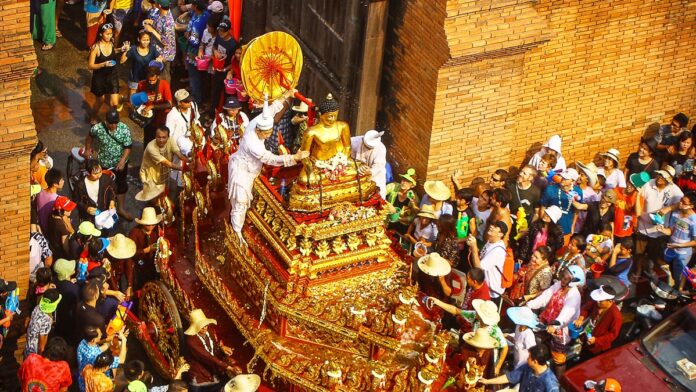
Alongside the modern entertainment, traditional Songkran elements were also incorporated. Visitors were able to take part in water-pouring rituals over Buddha images and enjoy Thai cultural performances, reflecting the festival’s heritage.
A food market offering a wide selection of Thai street food and beverages added to the experience, with vendors catering to both local and foreign tourists.
Organisers said the venue is easily accessible via public transportation and can accommodate large numbers of visitors, with more than 6,000 parking spaces available. Safety measures and crowd management systems have also been put in place to ensure smooth operations throughout the festival period.
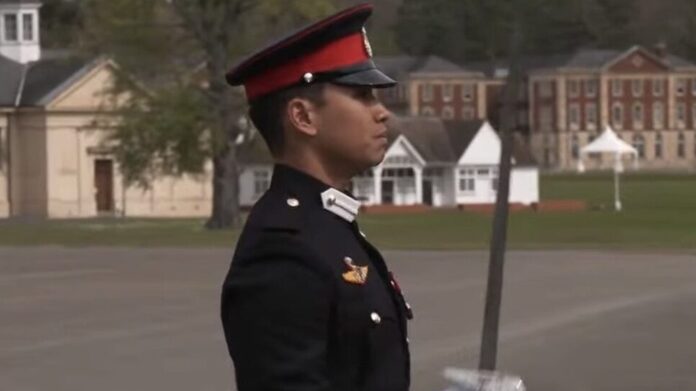
A Thai army officer has been awarded the International Sword, the highest honour given to foreign officer cadets at the Royal Military Academy Sandhurst in the United Kingdom.
Second Lieutenant Rawit Wanichayakornkul, a graduate of the Armed Forces Academies Preparatory School class 60 and Chulachomklao Royal Military Academy class 71, received the award at the Sovereign’s Parade, Sandhurst’s official graduation ceremony.
The International Sword is presented to the foreign officer cadet who achieves the best overall performance in their intake across a 44-week training programme. Selection is based on leadership, physical and mental strength, and attitude throughout the course.
The award is supported by the Kuwaiti Ministry of Defence in memory of Sheikh Ali Al Sabah, a former Kuwaiti defence minister.
Sandhurst accepts officer cadets from countries around the world, including Thailand, each year. The award is seen as a significant recognition of the standards and capabilities of Thai commissioned officers on the international stage.
NINGBO, CHINA — Thai mixed doubles pair Dechapol Puavaranukroh and Supissara Paewsampran advanced to the final of the Badminton Asia Championships 2026 on Saturday after defeating the world No. 1 pair in a three-game thriller.
Dechapol and Supissara, ranked third in the world, overcame China’s Feng Yanzhe and Huang Dongping 21-19, 18-21 and 22-20 in the semifinal at Ningbo Olympic Sports Centre Stadium.
The Thai pair will face South Korea’s Kim Jae-hyun and Jang Ha-jeong, ranked 147th in the world, in the final.
In the men’s singles, world No. 1 Kunlavut Vitidsarn suffered a surprise defeat to India’s Ayush Shetty, ranked 25th in the world. Kunlavut lost 21-10, 19-21 and 17-21, ending his bid for the title.
The Badminton Asia Championships 2026 is being held from 7 to 12 April at Ningbo Olympic Sports Centre Stadium in China.
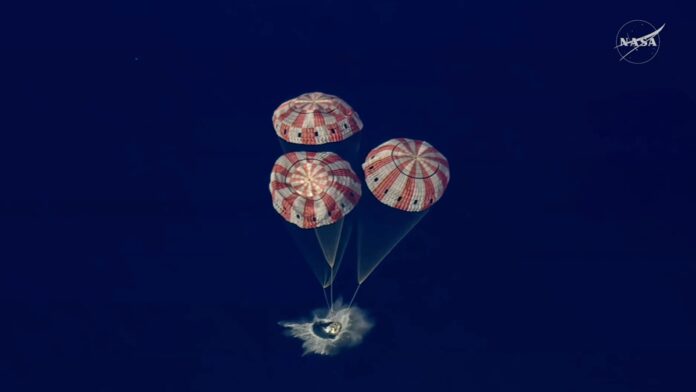
In this image from video provided by NASA, the Artemis II Orion capsule splashes down in the Pacific Ocean, on Friday, April 10, 2026. (NASA via AP)
HOUSTON (AP) — Artemis II’s astronauts closed out humanity’s first lunar voyage in more than half a century with a Pacific splashdown on Friday, blazing new records near the moon with grace and joy.
It was a dramatic grand finale to a mission that revealed not only swaths of the lunar far side never seen before by human eyes, but a total solar eclipse and a parade of planets, most notably our own shimmering Earth against the endless black void of space.
With their flight now complete, the four astronauts have set NASA up for a moon landing by another crew in just two years and a full-blown moon base within the decade.
The triumphant moon-farers — commander Reid Wiseman, pilot Victor Glover, Christina Koch and Canada’s Jeremy Hansen — emerged from their bobbing capsule into the sunlight off the coast of San Diego.
In this photo provided by NASA, a helicopter lifts up one of the astronauts from Artemis II after splashdown in the Pacific Ocean off the coast of California, Friday, April 10, 2026. (Joel Kowsky/NASA via AP)
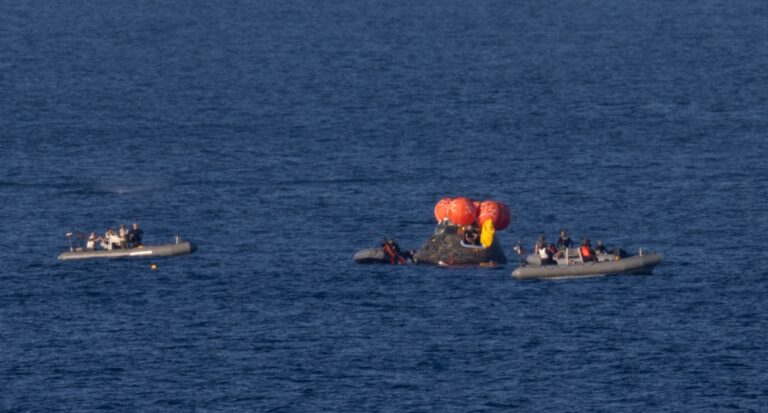
In a scene reminiscent of NASA’s Apollo moonshots of yesteryear, military helicopters hoisted the astronauts one by one from an inflatable raft docked to the capsule, hauling them aboard for the short trip to the Navy’s awaiting recovery ship, the USS John P. Murtha.
“These were the ambassadors from humanity to the stars that we sent out there right now, and I can’t imagine a better crew,” NASA Administrator Jared Isaacman said from the recovery ship.
NASA’s Mission Control erupted in celebration, with hundreds pouring in from the back support rooms. “We did it,” NASA’s Lori Glaze rejoiced at a news conference. “Welcome to our moonshot.”
Their Orion capsule, dubbed Integrity, made the entire plunge on automatic pilot. The lunar cruiser hit the atmosphere traveling Mach 33 — or 33 times the speed of sound — a blistering blur not seen since the 1960s and 1970s Apollo.
The tension in Mission Control mounted as the capsule became engulfed in red-hot plasma during peak heating and entered a planned communication blackout. All eyes were on the capsule’s life-protecting heat shield that had to withstand thousands of degrees during reentry.
Watching the drama unfold nearly 2,000 miles (3,200 kilometers) away, the astronauts’ families huddled in Mission Control’s viewing room, cheering when the capsule emerged from its six-minute blackout and again at splashdown.
The last time NASA and the Defense Department teamed up for a lunar crew’s reentry was Apollo 17 in 1972. Artemis II came screaming back at 36,174 feet (11,026 meters) per second — or 24,664 mph (39,693 kph) — just shy of the record before slowing to a 19 mph (30 kph) splashdown.
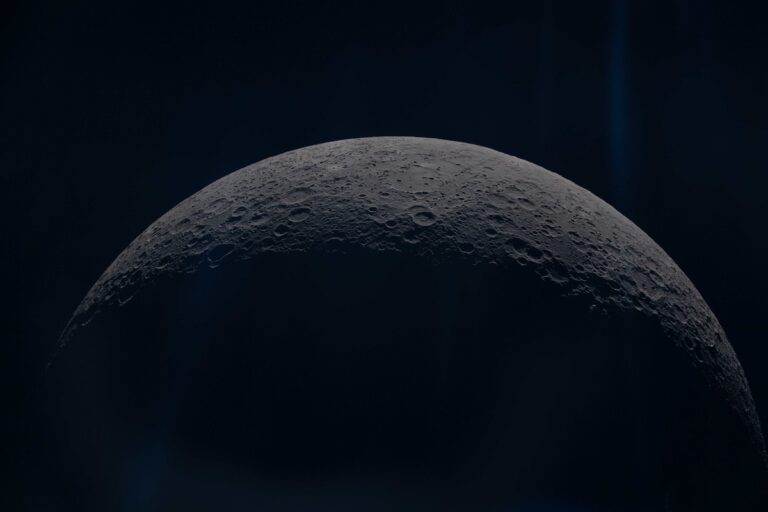
In this image provided by NASA, the Artemis II crew photographed the Moons curved limb during their journey around the far side of the Moon on April 6, 2026. (NASA via AP)
Until Artemis II, NASA’s fresh-from-the-moon homecomings starred only white male pilots. Intent on reflecting changes in society, NASA chose a diverse, multinational crew for its lunar comeback.
Koch became the first woman to fly to the moon, Glover the first Black astronaut and Hansen the first non-U.S. citizen, bursting Canada with pride. They laughed, cried and hugged all the way there and back, striving to take the entire world along with them.
Artemis II’s record flyby and views of the moon
Launched from Florida on April 1, the astronauts racked up one win after another as they deftly navigated NASA’s long-awaited lunar comeback, the first major step in establishing a sustainable moon base.
Artemis II didn’t land on the moon or even orbit it. But it broke Apollo 13’s distance record and marked the farthest that humans have ever journeyed from Earth when the crew reached 252,756 miles (406,771 kilometers). Then in the mission’s most heart-tugging scene, the teary astronauts asked permission to name a pair of craters after their moonship and Wiseman’s late wife, Carroll.
During Monday’s record-breaking flyby, they documented scenes of the moon’s far side never seen before by the human eye along with a total solar eclipse. The eclipse, in particular, “just blew all of us away,” Glover said.
Their sense of wonder and love awed everyone, as did their breathtaking pictures of the moon and Earth. The Artemis II crew channeled Apollo 8’s first lunar explorers with Earthset, showing our Blue Marble setting behind the gray moon. It was reminiscent of Apollo 8’s famous Earthrise shot from 1968.
Born a decade after Apollo, Isaacman greeted the astronauts with hugs as they headed from the helicopters to the ship’s medical bay for routine checks. They walked by themselves, refusing the wheelchairs offered them.
“We are back in the business of sending astronauts to the moon, bringing them back safely and to set up for a series more,” Isaacman said. “This is just the beginning.”
Their moonshot drew global attention as well as star power, earning props from President Donald Trump; Canadian Prime Minister Mark Carney; Britain’s King Charles III; Ryan Gosling, star of the latest space flick “Project Hail Mary”; Scarlett Johansson of the Marvel Cinematic Universe; and even Captain Kirk himself, William Shatner of TV’s original “Star Trek.”
In this photo provided by NASA, its astronauts Victor Glover, Artemis II pilot, left, and Christina Koch, Artemis II mission specialist, sit on a Navy MH-60 Seahawk on the flight deck of USS John P. Murtha after they and fellow crewmates were extracted from their Orion spacecraft after splashdown, Friday, April 10, 2026, in the Pacific Ocean off the coast of California. (Bill Ingalls/NASA via AP)
Artemis II was a test flight for future moon missions
Despite its rich scientific yield, the nearly 10-day flight was not without technical issues. Both the capsule’s drinking water and propellant systems were hit with valve problems. In perhaps the most high-profile predicament, the toilet kept malfunctioning, but the astronauts shrugged it all off.
As for the heat shield, military aircraft crews photographed it from afar during reentry, and divers checked it from underneath as the capsule floated in the Pacific. More detailed examinations are planned.
“We can’t explore deeper unless we are doing a few things that are inconvenient,” Koch said, “unless we’re making a few sacrifices, unless we’re taking a few risks, and those things are all worth it.”
Added Hansen: “You do a lot of testing on the ground, but your final test is when you get this hardware to space and it’s a doozy.”
Under the revamped Artemis program, next year’s Artemis III will see astronauts practice docking their capsule with a lunar lander or two in orbit around Earth. Artemis IV will attempt to land a crew of two near the moon’s south pole in 2028.
In this photo provided by NASA, recovery teams work to secure the Orion spacecraft carrying Artemis II crewmembers after splashdown in the Pacific Ocean off the coast of California, Friday, April 10, 2026. (Joel Kowsky/NASA via AP)
The Artemis II astronauts’ allegiance was to those future crews, Wiseman said.
“But we really hoped in our soul is that we could for just for a moment have the world pause and remember that this is a beautiful planet and a very special place in our universe, and we should all cherish what we have been gifted,” he said.
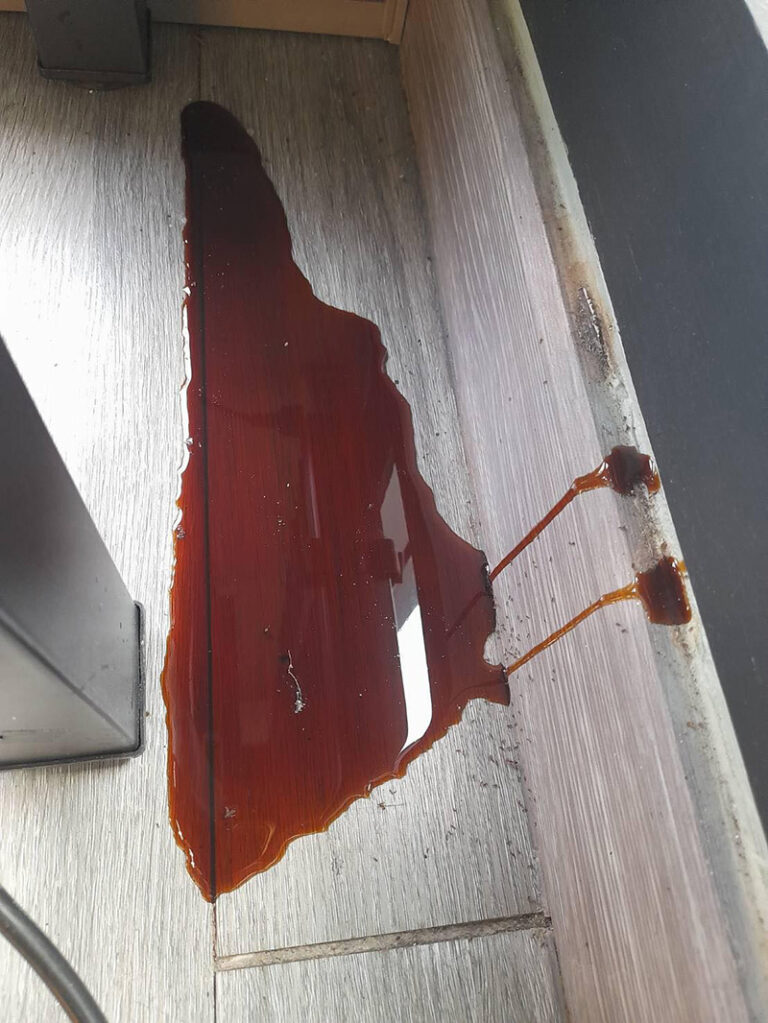
BANGKOK — A homeowner’s puzzled social media post about a strange brown liquid seeping down his wall has ended with a sweet — and valuable — discovery.
Matithep Subsakul posted photos in the Facebook group “นี่ตัวอะไร” (What is this?) on Friday, asking members to identify a dark brown liquid dripping along the edge of his wall. He said the substance had a honey-like smell but he did not know where it was coming from.
The post quickly drew responses from group members, who identified the liquid as honey from stingless bees, known in Thai as chanrong, which likely built a nest inside the wall. Commenters said the hot weather may have caused the honey to melt and seep out.
Stingless bee honey is considered a premium product and can command high market prices.
Stingless bee
Stingless bees are found throughout Thailand and belong to the same family as honeybees. Unlike honeybees, they do not have a stinger, but can defend themselves by biting. They also play an important role in pollination and are known for their distinctive antennae and transparent wings.
PHUKET — A French couple were arrested and fined after being caught having sex on a public beach in Phuket, with authorities now seeking to have them deported.
Officers from Kamala Police Station detained Halan, 24, and Nadia, 24, both French nationals, at a hotel in Patong district at around 9pm on Thursday after a video of the incident spread widely on social media.
The pair were charged with committing an indecent act in public and fined 5,000 baht each — the maximum penalty under the offence.
The incident took place at Layi Beach in Kamala subdistrict, Kathu district, where the couple were seen engaging in sexual activity in full view of other tourists and beachgoers.
Police said they have referred the case to immigration authorities, who may revoke the couple’s visas and deport them from the country.
Authorities urged all foreign visitors to respect Thai law and culture, adding that the behaviour had damaged Phuket’s reputation as a tourist destination.
CHONBURI — A 59-year-old Indian tourist has reported to police in Pattaya after being robbed of cash and foreign currency worth around 25,000 baht by two transgender women.
The report was filed at 1:06 on 11 April at Pattaya City Police Station with Lt. Sakayaphap Chaidech, deputy investigation officer.
The tourist said he lost 5,000 baht in cash, 300 US dollars and 300 euros after meeting two transgender women at Pattaya Beach and inviting them to his hotel room in Nong Prue subdistrict, Bang Lamung district.
He told police through an interpreter that he met the pair at the beach and agreed to bring them to his room. He later found his belongings missing and sought help from hotel security before going to police.
A hotel staff member said the foreign tourist ran down from his room wearing only a towel and reported that his money had been stolen. The staff added that a search of the two individuals was conducted, but no foreign currency was found at the time.
Police recorded the incident and coordinated with patrol officers to investigate. Authorities also documented the identities of the two transgender women involved and are reviewing CCTV footage to ensure fairness for all parties.
As Thailand prepares for its most famous festival, here are five key facts to understand Songkran, the country’s traditional new year celebration.
1. Songkran marks the traditional Thai new year
The word “Songkran” comes from the Sanskrit term saṅkrānti, meaning “movement” or “passing,” referring to the sun’s transition into a new position in the zodiac. Traditionally, this marks the beginning of a new year based on the solar calendar, usually observed from 13–15 April.
2. It is celebrated nationwide
Songkran is observed across Thailand, from major cities to rural communities. While the dates are officially recognised as a national holiday, celebrations can last longer in some areas. Each region also has its own local traditions, adding unique cultural elements to the festival.
3. Water symbolises cleansing and renewal
Water plays a central role in Songkran. Traditionally, people gently pour scented water over Buddha images and the hands of elders as a sign of respect and to seek blessings. Over time, this ritual has evolved into large-scale water splashing in public spaces, now a major attraction for both locals and tourists.
4. Family and religious traditions remain important
Beyond the water festivities, Songkran is a time for family reunions and spiritual reflection. Many Thais visit temples to make merit, offer food to monks, and take part in rituals such as bathing Buddha statues and building sand pagodas. Paying respect to elders is also a key custom during this period.
On 6 December 2023, “Songkran in Thailand, traditional Thai New Year festival” was inscribed on the UNESCO Representative List of the Intangible Cultural Heritage of Humanity. The recognition highlights the festival’s cultural significance and its role in promoting community values, tradition, and social cohesion.