

























33.8 C
Bangkok
Saturday, June 27, 2026
Home Blog Page 958

WFH: The ‘new normal’ that works

WFH: The ‘new normal’ that works

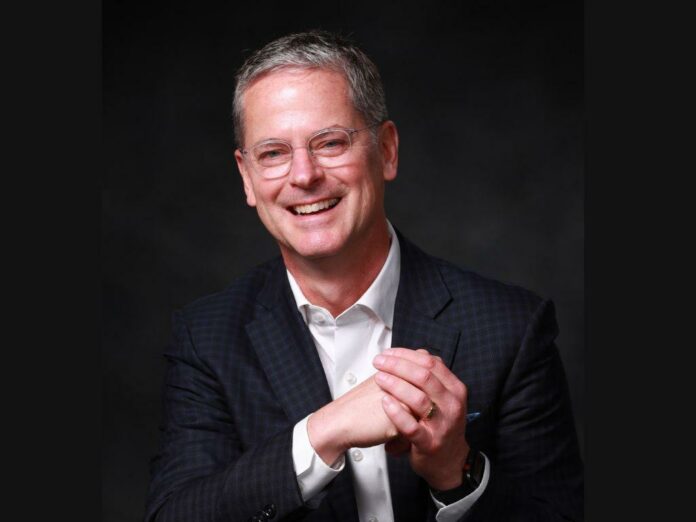
By Jim Falteisek, Senior Vice President, 3M Asia Corporate Affairs 

and Managing Director of 3M Korea

The 2021 ‘Great Resignation’ is far from over. According to one of the largest global employee surveys, one in five workers plan to quit their jobs this year. When asked about what motivates them to change jobs, being able to choose when and where to work were ranked very important by 50% and 47% of those surveyed respectively. 

Yet, we’re seeing major companies pushing for compulsory office return policies, despite 56% of employees in Asia-Pacific making it clear that flexible work options, even beyond the pandemic, is in demand for sustained productivity. 

This begs the question – why are so many companies still adamant on employees returning to the office, even when talent is at stake?  

Admittedly, I was worried when the pandemic first hit. How were we going to brainstorm and collaborate on projects if we aren’t in the same room? Was the quality of our work going to suffer?

Instead, our teams came together like never before. Deadlines were met, work goals were achieved, and we remained as collaborative as ever. 

In fact, studies have shown that businesses who embraced virtual work were even more productive.

Approximately 6 in 8 Thai professionals reported a similar or increased level of productivity while working at home. Consequently, 6 in 8 wish to have more work from home arrangements in the future. This may be an increasingly significant consideration in determining employee job satisfaction or their decision to change roles.

The pandemic has demonstrated that employees could be just as productive and successful, independent of the office. It has also taught us to focus on quality of output, instead of hours spent in the office, a rather archaic method of measuring performance anyway. 

Most importantly, it has taught us the need to trust our employees to deliver their best work regardless of their way of working, and the importance of communicating that trust. 

This trust will pay off. Research shows that trust builds employee engagement and well-being, boosting business and performance outcomes.   

After spending months in remote work and subsequently rolling out a flexible, trust-based work model across our global organization called ‘Work Your Way’, here’s how we were able to not only offer flexible, hybrid or remote work, but take these work models to new heights. 

Carving out “moments that matter” starts with the top

Leadership calls for flexibility and adaptability. As such, we should find ways to create “moments that matter” regardless of whether our teams are working on-site or remotely. 

This means strategically planning valuable personal and professional interactions, be it virtually or in-person, and this will look different depending on each team’s size, work arrangements, preferences, and personalities. It may include performance reviews, celebrating key milestones, team building activities and many more. While these moments may not need to be in-person, it’s important for those involved to discuss how to recognize them in an effective and meaningful way.  

I thus take the time to meet and collaborate in-person with my team in Korea, where I’m based. To continue building rapport with the wider Asia-Pacific region, which is also within my area of responsibility, I hold regular regional town halls and dialogue sessions. 

Some of us leaders also started regular virtual meetings with different teams. As a result, we have had much more face-time with team members we previously would have not met, and hearing these different perspectives have in turn helped us lead better. 

Invest more resources into making virtual onboarding a success

Many naysayers of flexible and remote work often bring up the difficulty of virtual onboarding for new talent. Helping them pick up your organization’s work software, procedures, and team culture can be challenging. But doing it entirely online adds another layer of complexity. 

This is an understandable perspective. However, I argue that companies are still scratching the surface when making their virtual onboarding a success. 

Here are ways to improve virtual onboarding processes. Organizations must figure out effective onboarding procedures to help new employees adapt quickly even if they choose to work remotely. This can be in the form of comprehensive employee guides, videos, and scheduling both formal and informal meetings with team members.  

Additionally, dedicated networking programs for new joiners can help them make connections and learn more about the company culture much faster. Our ‘New Employee Opportunity Network’ (NEON) is a global community that accelerates the connection and growth of new employees to provide them tailored networking, development, and leadership opportunities to empower these new joiners to actively influence our strategy, culture, and results.

The future of work – let employees work their way 

When managed well, allowing employees to choose how they want to work should not affect business continuity. Flexible work should also go beyond shift A or B. Employees should have the freedom to decide when to come in. 

Besides 3M, other companies are allowing employees to choose how, when and where they work.

Offering trust-based, flexible models of working is the way forward. It is how we can continue to retain talent, from younger workers to working parents. 

Juggling work and parenting is notoriously challenging. With 3M’s new working model, parents can better plan their work around childcare, allowing them to enjoy parenthood without sacrificing career development.

Flexible work programs need not stop at the corporate office. Rolling out flexible work arrangements for plant employees is more challenging, but an important mission for us. While they will have to continue working on-site due to the nature of the work, production plant workers at 3M are offered other forms of flexibility such as flexible start and stop times or shift swapping.

We’ve seen great results from the launch of our new work model. As many as 90% of our employees across our global organization reported feeling supported in a survey conducted recently. 

These findings say it all – instead of focusing on getting our employees back in the office, let’s find more ways to empower our employees to work in ways that boost their productivity.  

Advertisement

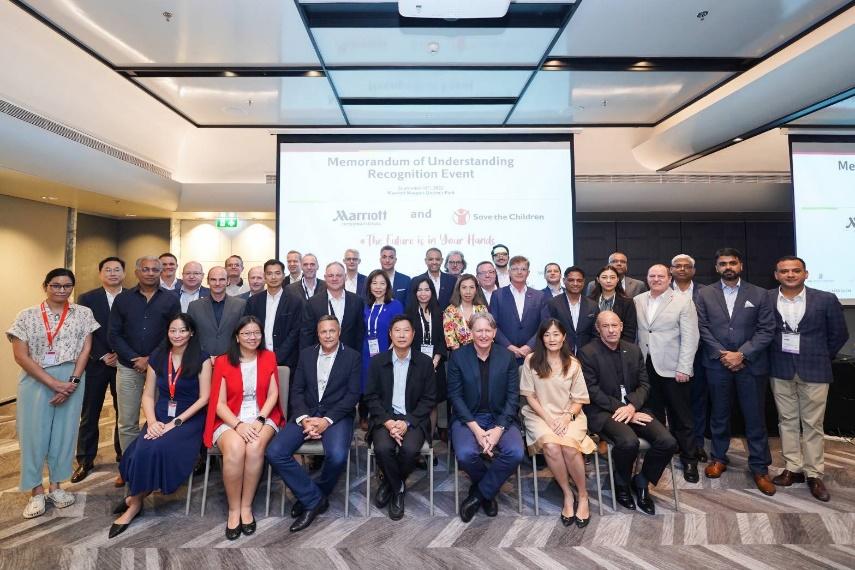
MARRIOTT PARTNERS SAVE THE CHILDREN TO CREATE CAREERS FOR DISADVANTAGED YOUNG PEOPLE IN PATTANI PROVINCE, THAILAND

Important new project will see many local youths from the restive southern province, including women, given training and internships with Marriott’s hotels and resorts in Thailand

The Marriott Thailand Business Council has taken another positive step forward in improving the lives of young people and alleviating poverty in Thailand, with the launch of a new partnership with Save the Children, the global organization aimed at supporting underprivileged children around the world.

The province of Pattani in the far south of Thailand has long suffered from low economic growth and high unemployment. A long-running insurgency has also claimed the lives of approximately 7,000 people and shattered the existence of many families. To make matters worse, there are clear gender disparities in Pattani, with many young women having limited access to higher education or employment.

To help Pattani’s young people, including women, rise above these disadvantages, Marriott has teamed up with Save the Children Thailand Foundation to launch a new project aimed at creating job opportunities for local youths. This initiative is being co-funded by USAID and other public and private sector agencies.

Under this important initiative, the children will receive technical/vocational education, training, and certification from accredited independent public and private institutions, helping to improve the students’ employability.  Save the Children will deliver “Life Skills for Success” coaching as developed in partnership with Accenture, and Marriott will co-create a new hospitality option with a focus on food and services.  Twenty percent of the students who graduate from these programs will be rewarded with internships, including at Marriott’s properties in Phuket, Khao Lak, Krabi and Koh Samui. 

These internships will comprise extensive training and practical experience, including approximately 60 days of on-the-job training and mentoring with departmental managers. Eight of the interns will be fully sponsored by Marriott, including transport, accommodation, a daily allowance and more. This experience will give each young trainee a clear pathway towards a lifelong career in the hospitality industry – either with Marriott or with another hotel or resort operator.

image2 6

“The benefits of this program are manifold; not only could it create employment for young people and potentially raise the living standards of entire families, but it could even help to improve social stability – a situation often connected to economic prosperity. The initiative will also help to plug a skills shortage within the hospitality industry, which has been exacerbated by the global pandemic. We are very happy to work with Save the Children and look forward to welcoming the first interns from Pattani into our hotels and resorts soon,” commented Jakob Helgen, Area Vice President – Thailand, Vietnam, Cambodia & Myanmar, Marriott International. 

“We are delighted to partner with Save the Children on this critical project. By delivering training and employment opportunities for young people in Pattani, we are not only creating jobs; we are offering the chance of a brighter future for disaffected youths in the province. As part of Marriott’s commitment to equality, we also want to deliver on our promise to empower women to enjoy fulfilling lives and careers. We are excited about realizing the potential of our new associates,” said Tina Liu, who is the first female chairperson of the Marriott Thailand Business Council.

“For many years, Save the Children Thailand has been collaborating with Marriott to provide support for Thai children in need. Building upon this commitment, Marriott’s ‘Youth Employability’ project will provide valuable opportunities for young people in the deep south of Thailand to widen their experience and connections in the hospitality industry, enhance status in the job market and potentially raise their income,” said Prasert Tepanart, Executive Director of Save the Children Thailand Foundation

For more information about Marriott International, please visit www.marriott.com, and to learn more about the Marriott Thailand Business Council, please visit www.facebook.com/marriottbusinesscouncilthailand

For further information about the Save the Children Thailand Foundation, please head to thailand.savethechildren.net

Advertisement

Australian Man Killed by Kangaroo in Rare Fatal Attack

FILE - A grey kangaroo hops along a hill side in the Wombeyan Karst Conservation Reserve near Taralga, 120km (74 miles) south west of Sydney, Australia, Aug. 18, 2016. Photo: Rob Griffith / AP File

PERTH, Australia (AP) — A man who may have been keeping a wild kangaroo as a pet was killed by the animal in southwest Australia, police said Tuesday. It was reportedly the first fatal attack by a kangaroo in Australia since 1936.

A relative found the 77-year-old man with “serious injuries” on his property Sunday in semirural Redmond, 400 kilometers (250 miles) southeast of the Western Australia state capital Perth.

It was believed he had been attacked earlier in the day by the kangaroo, which police shot dead because it was preventing paramedics from reaching the injured man, police said.

“The kangaroo was posing an ongoing threat to emergency responders,” the statement said.

The man died at the scene. Police are preparing a report for a coroner who will record an official cause to death.

Police believe the victim had been keeping the wild kangaroo as a pet.

There are legal restrictions on keeping Australian native fauna as pets, but the police media office said Tuesday they had no information to make public regarding whether the victim had a permit.

Tanya Irwin, who cares for macropods at the Native Animal Rescue service in Perth, said authorities rarely issue permits to keep kangaroos in Western Australia.

“This looks like it was an adult male and they become quite aggressive and they don’t do well in captivity,” Irwin said.

“We don’t know what the situation was; If he was in pain or why he was being kept in captivity and unfortunately … they’re not a cute animal, they’re a wild animal,” Irwin added.

Irwin said her rescue center always rehabilitates native animals with the aim of returning them to the wild, particularly kangaroos.

“You do need a special permit to be able to do that. I don’t believe they really give them out very often unless you’re a wildlife center with trained people who know what they’re doing,” she said.

Western gray kangaroos are common in Australia’s southwest. They can weigh up to 54 kilograms (119 pounds) and stand 1.3 meters (4 feet 3 inches) tall.

The males can be aggressive and fight people with the same techniques as they use with each other. They use their short upper limbs to grapple with their opponent, use their muscular tails to take their body weight, then lash out with both their powerful clawed hind legs.

In 1936, William Cruickshank, 38, died in a hospital in Hillston in New South Wales state on the Australian east coast months after he’d been attacked by a kangaroo.

Cruickshank suffered extensive head injuries including a broken jaw as he attempted to rescue his two dogs from a large kangaroo, The Sydney Morning Herald newspaper reported at the time.

Advertisement

Arrests of UK Anti-royal Protesters Spur Free-speech Debate

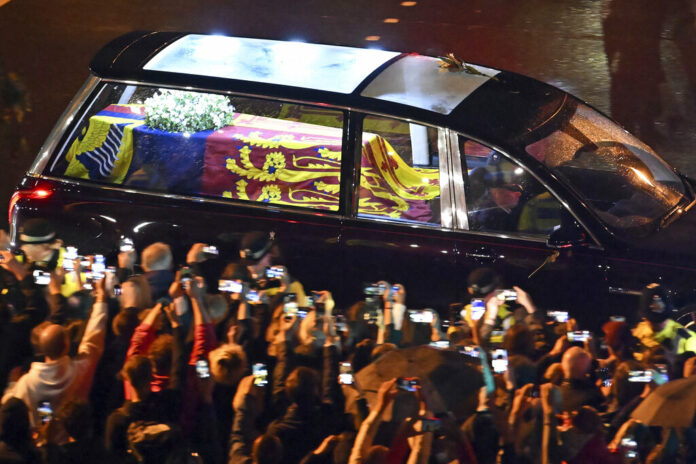
The coffin of Queen Elizabeth II in the royal hearse travels to Buckingham Palace in London, Tuesday Sept. 13, 2022. Photo: Marco Bertorello / Pool via AP

LONDON (AP) — In a country famed for irreverence, some worry a new code of silence has taken hold.

Since the death of Queen Elizabeth II, a handful of people in Britain have been detained by police for expressing — often bluntly — anti-monarchy views.

A woman in Edinburgh holding a sign reading “F—— imperialism, abolish the monarchy” was charged with a breach of the peace. A man faced the same charge after he heckled Prince Andrew as the queen’s hearse traveled through the Scottish capital.

In Oxford, peace activist Symon Hill was put in handcuffs after he shouted his opposition during a ceremonial proclamation of the new king.

Hill said he spontaneously called out “Who elected him?” because he objects to a head of state being imposed on the country.

“I doubt most of the people in the crowd even heard me,” he wrote on his blog. “Two or three people near me told me to shut up.”

Hill said he was put into a police van by officers who told him he was being detained for alleged behavior that could cause “harassment, alarm or distress.” He was later released but could still face questioning.

“The police abused their powers to arrest someone who voiced some mild opposition to a head of state being appointed undemocratically,” he said.

In London, a woman was moved from the gates of Parliament while carrying a “Not my king” sign. Police said she was removed from the spot, where a police officer was stabbed to death by an Islamist attacker in 2017, to allow vehicles in and was not asked to leave the wider area.

Lawyer Paul Powlesland said he was questioned by police outside Parliament on Monday while carrying a blank piece of paper on which he, too, planned to write “Not my king.”

In footage shot by Powlesland, an officer is heard saying “it may offend someone” if he wrote the words.

Powlesland called the police behavior “outrageous.”

The civil rights group Liberty said it was “very worrying to see the police enforcing their broad powers in such a heavy-handed and punitive way to clamp down on free speech and expression.”

Republic, a group that campaigns for the abolition of the monarchy, said it would be complaining to police “in the strongest possible terms,” and would organize protests at the king’s coronation in the coming months.

“Free speech is fundamental to any democracy,” said spokesman Graham Smith. “At a time when the media is saturated with fawning over a king appointed without discussion or consent, it is even more important.”

The arrests come after the government passed a contentious law-and-order bill that toughens police powers to limit disruptive protests. It’s not clear whether any of the arrests involved the new law.

Prime Minister Liz Truss’s spokesman, Max Blain, said that while “this is a period of national mourning, and indeed grief, for the vast majority of the United Kingdom … the right to protest does remain a fundamental principle.”

But he said it is “for the police to decide what is appropriate in individual circumstances.”

The queen’s death has triggered one of the biggest security operations in British history. Some 500 royals, heads of state and heads of government from around the world are expected at the late monarch’s state funeral on Monday. Before that, hundreds of thousands are expected to line up in a queue snaking through central London to see the queen lying in state at Parliament’s Westminster Hall.

Huge crowds have already gathered near Buckingham Palace and other royal residences to leave notes and flowers or simply be part of a moment in history.

London’s Metropolitan Police force said “the overwhelming majority of interactions between officers and public at this time have been positive.”

“The public absolutely have a right of protest and we have been making this clear to all officers involved in the extraordinary policing operation currently in place,” said Deputy Assistant Commissioner Stuart Cundy.

___

Story: Jill Lawless.

Advertisement

Anger Over Past, Indifference Meets Queen’s Death in India

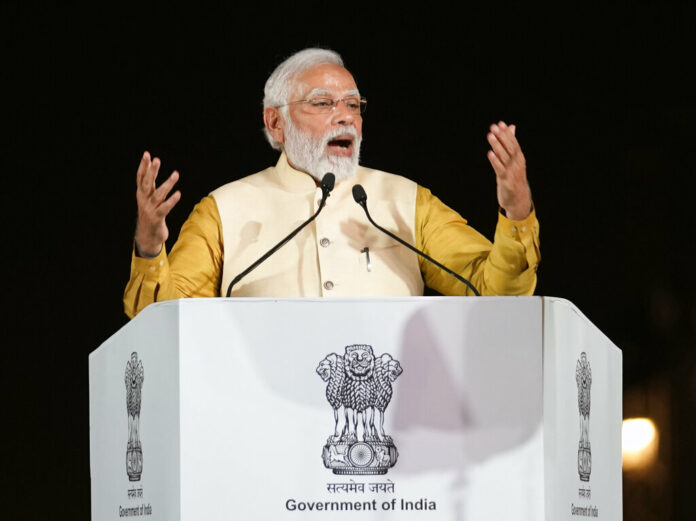
Indian Prime Minister Narendra Modi speaks at the inauguration of the revamped Central Vista Avenue at the India Gate in New Delhi, India, Thursday, Sept. 8, 2022. Photo: Manish Swarup / AP

NEW DELHI (AP) — Just hours before news of Queen Elizabeth II’s death spread, Prime Minister Narendra Modi delivered a fiery speech urging India to shed its colonial ties in a ceremony to rename a boulevard that once honored King George V.

Rajpath, formerly called Kingsway, was a “symbol of slavery” under the British Raj, he said. Instead, under the newly named Kartavya Path that leads to the iconic India Gate, “a new history has been created,” Modi beamed.

His speech last Thursday was the latest in a concerted drive to purge India of its colonial relics. It was also a clear sign that the country, once the largest of Britain’s colonies that endured two centuries of imperial rule, has moved on.

The renovated avenue now boasts a black granite statue of Indian freedom fighter Subhas Chandra Bose, in the place where a mold of King George V, Elizabeth’s grandfather, once stood.

The queen’s death provoked sympathies to a deeply respected figure from some while for a few others, it jogged memories of a bloody history under the British crown. But among most regular Indians, the news was met with an indifferent shrug.

The British monarchy “holds precisely zero relevance to Indians today — they are of no importance,” said Kapil Komireddi, author of “Malevolent Republic: A Short History of the New India.”

British rule shaped the country in significant ways, but India has since overtaken the British economy in size.

“The country has come into its own … As a rising power, India can gain a lot from the U.K. but the U.K. can gain a whole lot more from India,” Komireddi added.

On Thursday, Modi penned a heartfelt note, calling the queen “a stalwart of our times,” while the government declared a day of mourning. But for most Indians born a generation after independence from the British in 1947, there is little attachment to the queen or the royal family.

Sankul Sonawane, 20, was at home when he heard the news, which had “no impact” on him. “We have no sense of emotional connection with the queen. She was a monarch and I don’t believe in the idea of a monarchy.”

Dhiren Singh, a 57-year-old entrepreneur in New Delhi, felt the same way. “I do not think we have any place for kings and queens in today’s world, because we are the world’s largest democratic country,” he said.

Elizabeth visited India three times during her reign and was the first monarch to tour the newly freed country, cementing the start of fresh ties with Britain. After her coronation in 1953, she arrived in the capital New Delhi in 1961, where she addressed a massive crowd and nearly a million people lined up along streets to catch a glimpse of her and her husband, Prince Philip.

Darshan Paul was 10 or 11 years old when she stood along a road in New Delhi and waved an Indian flag at the queen. “I remember her gloved hand waving back at me and was so impressed,” Paul, now 71, said.

There was abundant excitement and curiosity around her visit, Paul recalled, as she and her friends poured over newspaper photos of the queen and were dazzled by the gowns she wore.

But it was a different time then, Paul said, as she acknowledged that the traditional bond some Indians once held with the royal family has morphed dramatically since.

“To young Indians today, they seem like any other high-profile celebrity family – you might follow news of them because you want to know what is happening behind closed doors. But beyond the glamor and celebrity allure, they don’t hold any significance any more.”

If her son, who was formally proclaimed King Charles III over the weekend, were to make an official visit to India, “it will certainly not matter as much,” Paul added.

The queen’s last visit in 1997 was tinged with controversy when she traveled to a memorial dedicated to hundreds of unarmed Indians who were killed by British colonial forces in 1919, amid calls for an apology over the Jallianwala Bagh massacre.

For many, the royal family remains a hallmark of a deeply painful history. Colonial rule is still remembered for the extraordinary violence and suffering it spawned, from numerous famines and economic exploitation to ultimately an unprecedented level of bloodshed in the partition of India and Pakistan.

Scrolling through social media after the news, 25-year-old Sumedha Chatterjee said the tweets in support of the queen felt almost like people had forgotten about all the “loot and plunder” the British monarchy oversaw. “They built their empire on the backs of the so-called third world,” she added.

Just hours after her death, Indian social media lit up with renewed calls for the return of the famous Koh-i-Noor, the 106-carat discovered in India that is part of the British crown jewels.

“If the king is not going to wear (the) Koh-i-Noor, give it back,” quipped one user.

Ever since gaining independence, India has moved to shed its colonial ties, including changing back the names of a clutch of cities that were renamed during British rule. In the 1960s, officials removed figures of British officials and royalty from public view — the statue of King George V, which stood tall under the canopy of India Gate, was moved to Coronation Park, a graveyard or final resting place for imperial symbols in the capital.

And under Modi, there has been renewed vigor to reclaim India’s past, which has seen the government scrub away colonial-era street names, some laws and even flag symbols.

Such gestures “represent a new India” which has nothing to do with the monarchy, said Archana Ojha, a professor of history at Delhi University. She added, though, that the country’s imperial history can’t be hidden away.

“We may not need to cherish some of the legacies, but we need to preserve them to teach our future generations. We cannot just erase it completely,” she said.

___

Story: Krutika Pathi and Bhumika Saraswati. Associated Press journalist Rishi Lekhi contributed to this report.

Advertisement

Ukraine Reclaims More Territory, Reports Capturing Many POWs

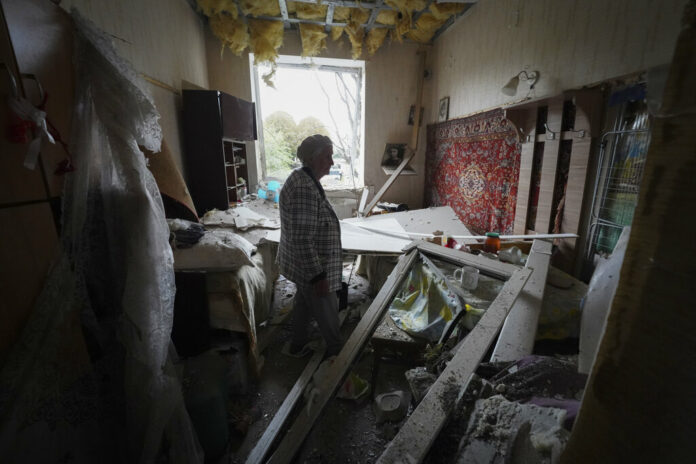
Irina Kuzkova, 83, stands in her flat at damaged building after latest Russian rocket attack in downtown Kharkiv, Ukraine, Monday, Sept. 12, 2022. Photo: Andrii Marienko / AP

KHARKIV, Ukraine (AP) — Ukrainian troops expanded their territorial gains Monday, pushing all the way to the country’s northeastern border in places, and claimed to have captured a record number of Russian soldiers as part of the lightning advance that forced Moscow to make a hasty retreat.

A spokesman for Ukrainian military intelligence said Russian troops were surrendering en masse as “they understand the hopelessness of their situation.” A Ukrainian presidential adviser said there were so many POWs that the country was running out of space to accommodate them.

Blue-and-yellow Ukrainian flags fluttered over newly liberated towns across a wide swath of reclaimed land. The Ukrainian military said it had freed more than 20 settlements in 24 hours. In recent days, Kyiv’s forces have captured territory at least twice the size of greater London, according to the British Defense Ministry.

After months of little discernible movement on the battlefield, the momentum has lifted Ukrainian morale and provoked rare public criticism of Russian President Vladimir Putin’s war.

“In some areas of the front, our defenders reached the state border with the Russian Federation,” said Oleh Syniehubov, governor of the northeastern Kharkiv region.

The counteroffensive left the Kremlin struggling for a response to its largest military defeat in Ukraine since Russian forces pulled back from areas near Kyiv after a botched attempt to capture the capital early in the invasion.

The Russian Defense Ministry acknowledged the setback in a map that showed its troops pressed back along a narrow patch of land on the border with Russia — a tacit admission of big Ukrainian gains.

Reports of chaos abounded as Russian troops pulled out.

“The Russians were here in the morning. Then at noon, they suddenly started shouting wildly and began to run away, charging off in tanks and armored vehicles,” Dmytro Hrushchenko, a resident of recently liberated Zaliznychne, a small town near the eastern front line, told Sky News.

Video taken by the Ukrainian military showed soldiers raising the Ukrainian flag over battle-damaged buildings. In one scene, a fighter wiped his boots on a Russian flag on the ground. Other videos showed Ukrainians inspecting the wreckage of Russian military vehicles, including tanks.

In his evening address, Ukrainian President Volodymyr Zelenskyy said his forces have liberated more than 6,000 square kilometers (2,300 square miles) in the east and the south since the beginning of September.

Now Ukrainian teams are disarming land mines and other unexploded weapons in the recaptured areas and searching for any remaining Russian troops, officials said.

It was not yet clear if the Ukrainian blitz could signal a turning point in the war. Momentum has switched back and forth before, but rarely with such a big and sudden swing.

Ukrainian presidential adviser Oleksiy Arestovich did not specify the number of Russian prisoners but said the POWs would be exchanged for Ukrainian service members held by Moscow. Military intelligence spokesman Andrey Yusov said the captured troops included “significant” numbers of Russian officers.

Ukraine’s deputy interior minister accused fleeing Russian forces of burning official documents and concealing bodies in an attempt to cover up rights violations in the areas they controlled until last week.

The mood was jubilant across the country.

In Kharkiv, Ukraine’s second-largest city and the capital of the region where the gains have been made, authorities hailed that power and water had been restored to about 80% of the region’s population following Russian attacks on infrastructure that knocked out electricity in many places across Ukraine.

“You are heroes!!!” Kharkiv Mayor Ihor Terekhov wrote on Telegram, referring to crews who restored utilities in Ukraine’s second-biggest city. “Thanks to everyone who did everything possible on this most difficult night for Kharkiv to normalize the life of the city as soon as possible.”

Meanwhile in Russia, signs of disarray emerged as Russian military bloggers and other commentators chastised the Kremlin for failing to mobilize more forces and take stronger action against Ukraine.

Russia has continuously stopped short of calling its invasion a war, instead describing it as a “special military operation” and relying on on a limited contingent of volunteers instead of a mass mobilization that could spur civil discontent and protest.

Ramzan Kadyrov, the Moscow-backed leader of the Russian region of Chechnya, publicly criticized the Russian Defense Ministry for what he called “mistakes” that made the Ukrainian blitz possible.

Even more notable, such criticism seeped onto state-controlled Russian TV.

“People who convinced President Putin that the operation will be fast and effective … these people really set up all of us,” Boris Nadezhdin, a former parliament member, said on a talk show on NTV television. “We’re now at the point where we have to understand that it’s absolutely impossible to defeat Ukraine using these resources and colonial war methods.”

Some in Russia blamed Western weapons and fighters for the losses.

“It’s not Ukraine that attacked Izium, but NATO,” read a headline in the state-supported Komsomolskaya Pravda newspaper, referring to one of the areas where Russia said it has withdrawn troops.

Elsewhere, residents of a Russian village just across the border from Ukraine were evacuated after shelling by Ukrainian troops killed one person, according to Russia’s Tass news agency.

The report cited the head of the local administration in Logachevka, who said Ukrainian troops opened fire at a border checkpoint.

Pro-Kremlin separatists reported that Ukrainian troops were approaching the town of Lyman, a rail hub captured by Russia in late May that offers access to bridges over the nearby Siversky Donets river.

Denis Pushilin, head of the self-proclaimed Donetsk People’s Republic, acknowledged that the situation was “difficult.”

Even amid Ukraine’s ebullience, the casualties kept mounting. Ukraine’s presidential office said Monday that at least four civilians were killed and 11 others wounded in a series of Russian attacks in nine regions of the country. The U.N. Human Rights Office said last week that 5,767 civilians have been killed so far.

Among Monday’s attacks were strikes on residential areas in Kharkiv that killed at least one civilian and set multiple fires, local officials said.

In a reminder of the war’s toll, a council member in Izium accused enemy forces of killing civilians and committing other atrocities. Maksym Strelnikov told reporters Monday in an online briefing that hundreds of people had died during the fighting and after Russia seized the town in March.

Many died from shelling and could not get a proper burial, he said. His claims could not be immediately verified, but similar scenes have played out in other places captured by Russian forces.

The Ukrainian military also claimed to have found more evidence of human rights violations by Russian occupiers. It did not elaborate.

Izium was a major base for Russian forces in the Kharkiv region. The first Ukrainian flag was raised over the city on Saturday, according to Strelnikov. Residents, some wrapped in the country’s flag, greeted Ukrainian forces and offered them food.

Ukraine said the Russians continued shelling Nikopol across the Dnieper River from the Zaporizhzhia power plant, damaging several buildings there and leaving Europe’s largest nuclear facility in a precarious position. The last operational reactor in that plant has been shut down in a bid to prevent a radiation disaster as fighting raged nearby.

The Washington-based Institute for the Study of War said Monday that Kyiv “will likely increasingly dictate the location and nature of the major fighting.”

The British Defense Ministry said the retreat would likely further deteriorate the trust Russian forces have in their commanders and put Moscow’s troops on the back foot.

___

Story: Elena Becatoros and Hanna Arhirova. Arhirova reported from Kyiv.

Advertisement

MARRIOTT BONVOY TO ORGANIZE THAILAND’S BIGGEST CHARITY GOLF DAY IN PHUKET THIS OCTOBER

Phuket, Thailand – Phuket will be buzzing with golfers from across Thailand on Friday October 21st, 2022, as Marriott Bonvoy hosts the inaugural Southern Thailand Charity Golf Day at Blue Canyon Country Club. More meaningful than a regular golf tournament, all proceeds from this event will help to support local children through the Asia Center Foundation Phuket and Operation Smile Thailand.

“A fun, engaging golf day is the perfect way to bring the business and golfing communities together to give children a brighter future. Marriott’s International Business Councils are formed in markets where there are multiple hotels to support the communities they operate in, and this inaugural golf day and the money raised will help to give underprivileged kids the future they deserve.” said, Mr. Brad Edman, Multi-Property Vice President Phuket and General Manager at Renaissance Phuket Resort & Spa.

image3 5

All golfers will be welcomed with an amazing goodie bag from Marriott Bonvoy including a premium golf shirt, shoe bag, golf hat and balls. They will then be able to experience a full-filled golf day with light bites and refreshments from Marriott Bonvoy on Wheels food trucks, plus entertainment, fun competitions and surprises across 18 holes with over THB 2 million in prizes! This will be followed by an awards dinner where attendees can connect with like-minded friends and place their bids in live, silent charity auctions.

Registration is open from now until October 16th, at the price of THB 3,300 for Blue Canyon members and THB 3,800 for all other guests. For more information and to register for this unmissable event, please contact Blue Canyon Country Club at [email protected], call +66 (0) 81 894 9274 or chat via LineOA @bluecanyoncc.

image2 5

To browse the best accommodation deals from Marriott Bonvoy’s portfolio of hotels & resorts in Phuket, please click marriott.com/en/destinations/phuket.mi

Marriott Bonvoy – a travel program that helps people connect with others, connect with their passions and places they love – enables members to enjoy world-class benefits and get access to unforgettable experiences in amazing destinations around the world. Learn more at marriottbonvoy.com.

Advertisement

Opinion: The Poor Are Getting Poorer and That’s a Ticking Time Bomb

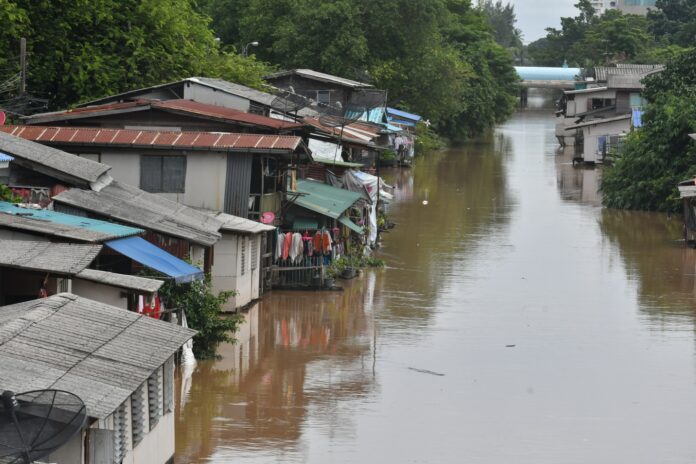
A slum along Khlong Prem Prachakon in Bangkok on Sept. 10, 2022.

The recent increased price of instant noodle from six to seven baht per pack was nothing short of a big blow for working-class Thais, particularly poor people, who lead hand to mouth existence.

Tens of millions of poor Thais rely on instant noodles as their sustenance and while one baht price-rise may be negligible to the middle-class Thais, it’s definitely not the case for poor people as it constitutes a rise of 16 percent while the minimum wage’s raise set by the government was just around five percent.

For millions of Thais, being poor is a destiny with little light at the end of the tunnel, particularly if you are born poor. Given the current economic situation, with high inflation pushing prices of not just instant noodle, rice and eggs and beyond, and divisive political situation, it means expecting any insignificant improvement is more like a pipedream.

As many as 8.34 million people (out of the total population of around 70 million) applied of a so-called “poor’s card,” formally the government’s welfare card, to alleviate their financial hardship within the first five days of the registration which began on Monday.

Millions more are expected to register in the weeks ahead until the deadline on Oct 19. These people must meet a number of criteria including earning no more than 100,000 baht per annum and owning no apartment beyond the size of 35 square meters.

Transportation wise, for those in Bangkok and the vicinity, it’s the old public bus and vans. On Wednesday night, many were stranded waiting for hours for a van to return to their apartment and resident in the fringe of Bangkok and the surrounding provinces due to heavy rain and flood.

Meanwhile, BTS and MRT are not really mass transit in the very fundamental sense as their price is beyond the regular reach of many of the working class. Prices start at over twenty-baht one way, a round-trip will easily cost 80 baht or over 20 percent of minimum wage of 353 for Bangkok and vicinity.

Buying a tiny condominium room means a decade or two of mortgage paying and often too small to house more than two persons.

Given the situation, economic issues will become increasingly paramount in the upcoming elections. On the other hand, a hand-to-mouth existence means poor people will have less time to be politically active and even think about politics.

It’s unclear whether poverty will induce more Thais to become politically active, to push for change, for a more effective and able government that is responsive to their needs and able to revive the Thai economy or simply resigned themselves to poverty, debt and destitution.

It’s now clear that poverty eradication will be a major issue confronting Thailand for years to come and the ever more shopping malls, high-rise and posh condominiums and fancy restaurants a reminder of the stark inequality that is Thailand today. The poor are getting poorer and that’s a ticking time bomb facing Thailand.

Advertisement

After a Lifetime of Preparation, Charles Takes the Throne

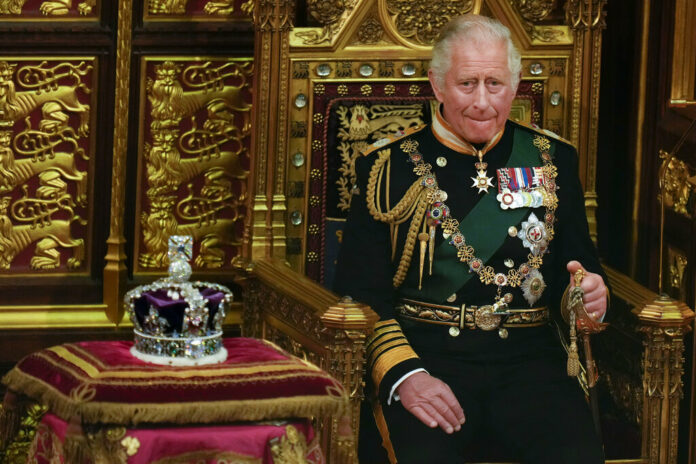
FILE - Prince Charles is seated next to the Queen's crown during the State Opening of Parliament, at the Palace of Westminster in London, May 10, 2022. Photo: Alastair Grant / Pool, AP File

LONDON (AP) — Prince Charles has been preparing for the crown his entire life. Now, at age 73, that moment has finally arrived.

Charles, the oldest person to ever assume the British throne, became King Charles III on Thursday following the death of his mother, Queen Elizabeth II. No date has been set for his coronation.

After an apprenticeship that began as a child, Charles embodies the modernization of the British monarchy. He was the first heir not educated at home, the first to earn a university degree and the first to grow up in the ever-intensifying glare of the media as deference to royalty faded.

He also alienated many with his messy divorce from the much-loved Princess Diana, and by straining the rules that prohibit royals from intervening in public affairs, wading into debates on issues such as environmental protection and architectural preservation,

“He now finds himself in, if you like, the autumn of his life, having to think carefully about how he projects his image as a public figure,” said historian Ed Owens. “He’s nowhere near as popular as his mother.”

Charles must figure out how to generate the “public support, a sense of endearment” that characterized the relationship Elizabeth had with the British public, Owens said.

In other words, will Charles be as loved by his subjects? It’s a question that has overshadowed his entire life.

A shy boy with a domineering father, Charles grew into a sometimes-awkward, understated man who is nevertheless confident in his own opinions. Unlike his mother, who refused to publicly discuss her views, Charles has delivered speeches and written articles on issues close to his heart, such as climate change, green energy and alternative medicine.

His accession to the throne is likely to fuel debate about the future of Britain’s largely ceremonial monarchy, seen by some as a symbol of national unity and others as an obsolete vestige of feudal history.

“We know the monarch and certainly the monarch’s family – they’re not meant to have political voices. They’re not meant to have political opinions. And the fact that he’s been flexing, if you like, his political muscle is something that he will have to be really careful with … lest he be seen as unconstitutional,” said Owens, who wrote “The Family Firm: Monarchy, Mass Media and the British Public, 1932-53.”

Charles, who will be the head of state for the U.K. and 14 other countries, including Australia, Canada, New Zealand and Papua New Guinea, has defended his actions.

“I always wonder what meddling is, I always thought it was motivating,” he said in “Prince, Son and Heir: Charles at 70,” a 2018 documentary. “I’ve always been intrigued if it’s meddling to worry about the inner cities, as I did 40 years ago and what was happening or not happening there, the conditions in which people were living. If that’s meddling, I’m very proud of it.”

In the same interview, however, Charles acknowledged that as king, he wouldn’t be able to speak out or interfere in politics because the role of sovereign is different from being the Prince of Wales.

Charles has said he intends to reduce the number of working royals, cut expenses and better represent modern Britain.

But tradition matters, too, for a man whose office previously described the monarchy as “the focal point for national pride, unity and allegiance.”

That has meant a life of palaces and polo, attracting criticism that Charles was out of touch with everyday life, being lampooned for having a valet who purportedly squeezed toothpaste onto his brush.

But it was the disintegration of his marriage to Diana that made many question his fitness for the throne. Then, as he aged, his handsome young sons stole the limelight from a man who had a reputation for being as gray as his Saville Row suits.

Biographer Sally Bedell Smith, author of “Prince Charles: the Passions and Paradoxes of an Improbable Life,’’ described him as being constantly overshadowed by others in the family, despite his destiny.

“I think the frustrations are not so much that he’s had to wait for the throne,” Smith told PBS. “I think his main frustration is that he has done so much and that … he has been sort of massively misunderstood. He’s sort of been caught between two worlds: the world of his mother, revered, now beloved; and Diana, the ghost of whom still shadows him; and then his incredibly glamorous sons.”

It took years for many in Britain to forgive Charles for his admitted infidelity to Diana before “the people’s princess” died in a Paris car crash in 1997. But the public mood softened after he married Camilla Parker Bowles in 2005 and she became the Duchess of Cornwall.

Although Camilla played a significant role in the breakup of Charles and Diana, her self-deprecating style and salt-of-the-earth sense of humor eventually won over many Britons.

She helped Charles smile more in public by tempering his reserve and making him appear approachable, if not happier, as he cut ribbons, visited houses of worship, unveiled plaques and waited for the crown.

Her service was rewarded last February, when Queen Elizabeth II said publicly that it was her “sincere wish” that Camilla should be known as “Queen Consort” after her son succeeded her, answering questions once and for all about her status in the Royal Family.

Prince Charles Philip Arthur George was born Nov. 14, 1948, in Buckingham Palace. When his mother acceded to the throne in 1952, the 3-year-old prince became the Duke of Cornwall. He became Prince of Wales at 20.

His school years were unhappy, with the future king being bullied by classmates at Gordonstoun, a Scottish boarding school that prides itself on building character through vigorous outdoor activities and educated his father, Philip.

Charles studied history at Cambridge University’s Trinity College, where in 1970 he became the first British royal to earn a university degree.

He then spent seven years in uniform, training as a Royal Air Force pilot before joining the Royal Navy, where he learned to fly helicopters. He ended his military career as commander of the HMS Bronington, a minesweeper, in 1976.

Charles’ relationship with Camilla began before he went to sea, but the romance foundered and she married a cavalry officer.

He met Lady Diana Spencer in 1977 when she was 16 and he was dating her older sister. Diana apparently didn’t see him again until 1980, and rumors of their engagement swirled after she was invited to spend time with Charles and the royal family.

They announced their engagement in February 1981. Some awkwardness in their relationship was immediately apparent when, during a televised interview about their betrothal, a reporter asked if they were in love. “Of course,” Diana answered immediately, while Charles said, “Whatever ‘in love’ means.”

Although Diana giggled at the response, she later said that Charles’ remark “threw me completely.”

“God, it absolutely traumatized me,” she said in a recording made by her voice coach in 1992-93 that was featured in the 2017 documentary “Diana, In Her Own Words.”

The couple married on July 29, 1981, at St. Paul’s Cathedral in a globally televised ceremony. Prince William, now heir to the throne, was born less than a year later, followed by his brother, Prince Harry, in 1984.

The public fairy tale soon crumbled. Charles admitted to adultery to a TV interviewer in 1994. In an interview of her own, Diana drew attention to her husband’s relationship with Camilla, saying: “There were three of us in this marriage.”

The revelations tarnished Charles’ reputation among many who celebrated Diana for her style as well as her charity work with AIDS patients and landmine victims.

William and Harry were caught in the middle. While the princes revered their late mother, they said Charles was a good father and praised him as an early advocate for issues like the environment.

Tensions persist inside the royal family, underscored by the decision of Harry and his wife, Meghan, to step away from their royal duties and move to California in 2020. In a televised interview, they later said a member of the royal family had raised “concerns and conversations” about the color of their baby’s skin before he was born. The explosive revelation forced William to publicly declare the family wasn’t racist.

Charles soldiered on, increasingly standing in for the queen in her twilight years. In 2018, he was named the queen’s designated successor as head of the Commonwealth, an association of 54 nations with links to the British Empire. The process accelerated after the death of her husband, Prince Philip, on April 9, 2021.

As Elizabeth declined, he sometimes stepped in at the last moment.

On the eve of the state opening of Parliament this year, on May 10, the queen asked Charles to preside, delegating one of her most important constitutional duties to him — evidence that a transition was underway.

Camilla said in a 2018 documentary that Charles was comfortable with the prospect of being king.

“I think his destiny will come,’’ she said. “He’s always known it’s going to come, and I don’t think it does weigh heavily on his shoulders at all.”

___

Story: Danica Kirka.

Advertisement

Death Toll Climbs to 33 in Vietnamese Karaoke Parlor Fire

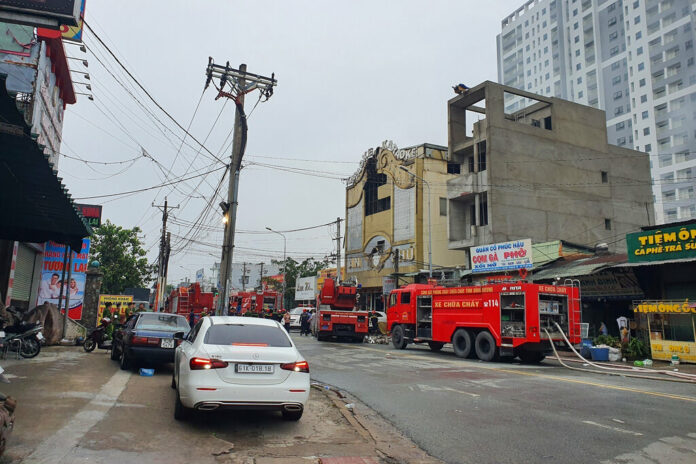
Fire department trucks line outside a karaoke parlor following a fire Wednesday, Sept. 7, 2022, in Thuan An city, southern Vietnam. Photo: Duong Trei Tuong / VNA via AP

HANOI, Vietnam (AP) — The death toll from a fire at a karaoke parlor in southern Vietnam has climbed to 33, officials said Thursday, with police blaming some of the fatalities on customers who failed to heed employees’ warnings to flee and remained inside locked rooms.

The death in a hospital of a person who was injured in the Tuesday night fire added to the 32 victims — 17 men and 15 women — found earlier in a search of the four-story building housing the An Phu karaoke parlor in Thuan An city in Binh Duong province, the Vietnam News Agency and other state media reported.

The fire was put under control within an hour, but continued to smolder into the next day, hindering recovery efforts, officials said. Because the blaze collapsed parts of the building, efforts to conduct a complete search extended into Thursday.

About 60-70 people were inside the building at the time of the fire, and survivors either jumped — often injuring themselves in the process — or were rescued by firefighters using ladders. About 40 people were treated at hospitals, where about 10 remained Thursday in serious condition.

The online news site VnExpress quoted the provincial police director, Col. Trinh Ngoc Quyen, as saying at a Thursday news conference that the high number of deaths was due to some customers ignoring employees who went to the rooms where groups were singing to tell them to escape.

He was quoted saying that most of the customers were intoxicated, and that firefighters found that most of the rooms were locked from the inside.

Officials at the news conference said the establishment had passed fire inspections. The cause of the fire was not yet clear, though media reports said it was thought to have been an electrical short circuit. They speculated that the fire spread quickly because of flammable soundproofing foam and wooden fixtures.

In 2016, a fire at a large karaoke parlor in the capital, Hanoi, killed 13 people. The fire in the eight-story karaoke parlor quickly spread to several nearby buildings housing restaurants and other karaoke parlors.

Enforcement of safety standards at entertainment venues in many parts of Southeast Asia is sometimes lax and contributes to multiple deaths in case of fires.

Police in Thailand said a pub in the eastern province of Chonburi was presenting live music without a license when a fire broke out in early August, trapping many people inside because exits were blocked or locked.

The toll from that fire has climbed to 23 dead, 13 of them on the night of the blaze and 10 in the month since then. Many had serious burns over most of their bodies. At least five other victims are believed to still be on ventilators.

Advertisement

Hot News

LATEST NEWS

Bangkok
overcast clouds
33.8 ° C
35 °
32.2 °
63 %
3.6kmh
100 %
Sat
37 °
Sun
36 °
Mon
35 °
Tue
34 °
Wed
33 °